Pharmaceutical Vendor Qualification Checklist: A Comprehensive Guide
Published: 11/25/2025 Updated: 07/02/2026
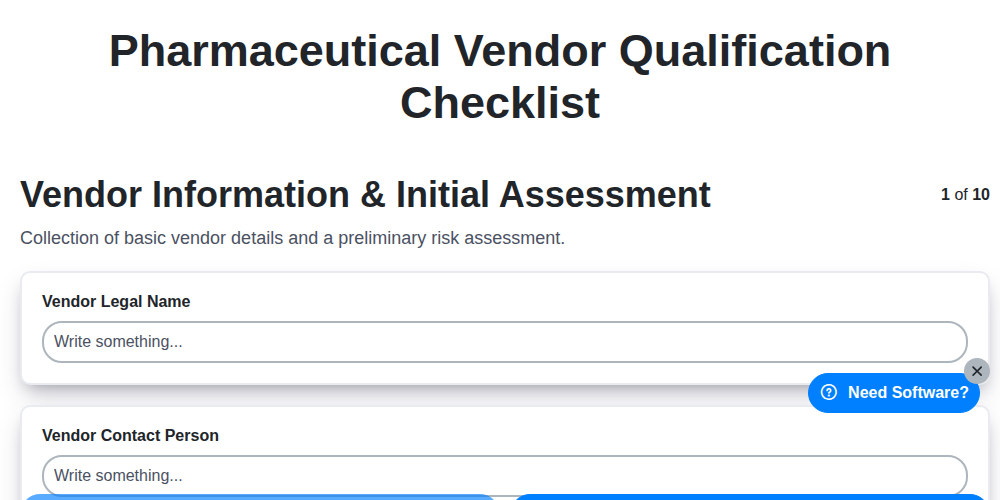
Table of Contents
- Introduction: Why Vendor Qualification Matters in Pharma
- 1. Vendor Information & Initial Assessment: Laying the Foundation
- 2. Financial Stability & Business Practices: Assessing Long-Term Viability
- 3. Quality Management System (QMS): A Deep Dive
- 4. Facility & Equipment: Ensuring Suitable Infrastructure
- 5. Personnel & Training: Expertise and Competency
- 6. Regulatory Compliance & Audits: Meeting Stringent Standards
- 7. Product/Service Specifications & Testing: Defining and Verifying Performance
- 8. Change Control & Corrective Actions: Managing Risks and Improvements
- 9. Contractual Agreements & Performance Monitoring: Establishing Accountability
- 10. Risk Assessment & Mitigation Strategies
- 11. Documentation & Record Keeping: Maintaining a Transparent Trail
- 12. Requalification & Periodic Review: Ongoing Due Diligence
- 13. Common Pitfalls in Vendor Qualification
- Conclusion: Building a Resilient Supply Chain
- Resources & Links
TLDR: Need to ensure your pharmaceutical suppliers are top-notch? This checklist covers everything from their finances and quality systems to their facility, training, and regulatory compliance. It's your go-to guide for thoroughly vetting vendors, minimizing risk, and guaranteeing product quality - covering initial assessment through ongoing performance monitoring and requalification.
Introduction: Why Vendor Qualification Matters in Pharma
In the highly regulated pharmaceutical industry, maintaining product quality and patient safety is paramount. A crucial, often overlooked, component of this responsibility is robust vendor qualification. Your vendors are an extension of your own operations, and any shortcomings in their processes can directly impact the quality, safety, and efficacy of your products.
Simply put, vendor qualification isn't just a "nice-to-have"; it's a requirement. It's about ensuring your suppliers-whether they provide raw materials, packaging, testing services, or anything in between-meet your stringent quality standards and adhere to all applicable regulatory guidelines. A well-executed vendor qualification program mitigates risk, prevents disruptions to your supply chain, and ultimately protects your brand reputation and, most importantly, patient well-being. This checklist will guide you through the critical areas you need to evaluate.
1. Vendor Information & Initial Assessment: Laying the Foundation
The pharmaceutical industry operates under stringent regulations, and the quality and safety of your products are intrinsically linked to the reliability of your vendors. The initial assessment phase of vendor qualification isn't just a formality; it's the bedrock upon which your entire vendor relationship is built.
This crucial step focuses on gathering fundamental information and performing a preliminary evaluation. Start with a comprehensive questionnaire requesting details about the vendor's company profile, ownership structure, key contacts, organizational chart, and scope of services. Don't hesitate to probe - transparency is key.
Beyond basic company data, begin assessing the vendor's understanding of the pharmaceutical industry and its requirements. Do they demonstrate awareness of Good Manufacturing Practices (GMP)? Are their processes aligned with your expectations? This initial evaluation can highlight potential red flags early on.
Crucially, verify vendor representations. Don't simply accept information at face value. Request supporting documentation, conduct preliminary searches for negative press or regulatory actions, and, if possible, speak with references. A thorough initial assessment minimizes risk and provides a solid basis for more in-depth evaluation in subsequent phases.
2. Financial Stability & Business Practices: Assessing Long-Term Viability
Beyond just delivering a product or service, a pharmaceutical vendor's long-term viability is crucial to ensuring a consistent and reliable supply chain. Assessing their financial health and business practices provides insights into their ability to withstand market fluctuations, invest in necessary improvements, and ultimately, remain a dependable partner.
This evaluation goes beyond a simple credit check. We delve into indicators that paint a comprehensive picture of their stability. This includes:
- Financial Statements Review: Analyzing audited financial statements (balance sheets, income statements, cash flow statements) for trends and potential red flags. Look for profitability, debt levels, and consistent revenue generation.
- Credit Rating & History: Reviewing credit ratings from reputable agencies and examining their payment history with suppliers.
- Business Model Assessment: Understanding their business model - its sustainability and resilience within the pharmaceutical landscape. Is it diversified or reliant on a limited number of clients or products?
- Ownership & Structure: Investigating ownership structure and key personnel - identifying potential conflicts of interest or reliance on a single individual.
- Market Position & Competition: Gauging their standing within the market and their ability to compete effectively. Are they a leader or a follower?
- Litigation History: A review of significant legal actions can highlight potential vulnerabilities and risks.
A vendor facing financial difficulties or exhibiting questionable business practices poses a significant risk to your pharmaceutical operations. A robust assessment in this area helps mitigate those risks and ensures a secure and reliable partnership.
3. Quality Management System (QMS): A Deep Dive
A robust Quality Management System (QMS) is the backbone of any reliable pharmaceutical vendor. Simply put, it's the documented set of processes and procedures that ensures the vendor consistently delivers products or services that meet defined quality standards. During vendor qualification, your assessment of the vendor's QMS should go beyond a cursory glance at a certificate - you need to truly understand how it functions in practice.
Key areas to scrutinize within their QMS include:
- Document Control: How does the vendor manage their documents? Are revisions tracked? Who has approval authority? A well-defined document control system is vital to prevent the use of outdated or incorrect information.
- Deviation Management: Deviations (unintended events) will happen. The critical piece is how the vendor investigates, documents, and resolves them. Look for a system that includes root cause analysis, corrective actions, and preventative actions (CAPA).
- Change Control: Pharmaceutical processes and materials often require careful modifications. Verify the vendor has a formal change control process - detailing how changes are assessed, documented, approved, and implemented.
- Internal Audits: Internal audits demonstrate the vendor's commitment to continuous improvement. Examine their audit schedule, audit reports, and evidence of corrective actions taken following audits. Look for trends in findings.
- Management Review: Does the vendor's leadership regularly review the QMS's effectiveness? Management review meetings should identify opportunities for improvement and ensure resources are allocated appropriately.
- Risk Management: A proactive approach to risk - identifying potential problems before they occur - is a sign of a well-managed QMS. How does the vendor identify, assess, and mitigate quality risks related to their processes and materials?
Don't hesitate to ask for specific examples and challenge the vendor to explain how their QMS processes are applied in real-world scenarios. A strong QMS is not just paperwork; it's a living, breathing system that ensures product quality and patient safety.
4. Facility & Equipment: Ensuring Suitable Infrastructure
A pharmaceutical vendor's facility and equipment are critical to product quality and safety. This section of the qualification checklist focuses on verifying that the vendor's infrastructure meets the stringent requirements of pharmaceutical manufacturing.
Key Assessment Points:
- Facility Design & Layout: Evaluate the design for appropriate segregation of activities (e.g., raw material storage vs. finished product packaging), effective traffic flow to prevent contamination, and adequate space for operations. Consider environmental controls (temperature, humidity, air quality) and their monitoring systems.
- Equipment Suitability: Confirm that equipment is designed and constructed from appropriate materials that are compatible with the products being manufactured and cleaned. Assess equipment's suitability for its intended purpose. This includes evaluating construction materials, design features (e.g., smooth surfaces, absence of dead legs), and maintenance protocols.
- Preventative Maintenance & Calibration: A robust preventative maintenance (PM) program and calibration schedule are vital. Verify documentation demonstrating regular inspection, maintenance, and calibration of critical equipment. Review procedures for addressing equipment failures.
- Cleaning & Sanitization: Examine cleaning and sanitization procedures, including the chemicals used, cleaning schedules, and verification methods. Evidence of cleaning validation studies should be reviewed to ensure efficacy.
- Utilities: Assess the quality and reliability of utilities (water, electricity, compressed air, etc.). Evaluate their monitoring and control systems to ensure they meet pharmaceutical standards (e.g., USP Purified Water standards).
- Documentation: Verify that detailed records are maintained for all facility and equipment related activities, including maintenance, calibration, cleaning, and repairs.
Thorough assessment of facility and equipment demonstrates a vendor's commitment to maintaining a controlled manufacturing environment, which is fundamental to producing safe and effective pharmaceutical products.
5. Personnel & Training: Expertise and Competency
A vendor's processes are only as good as the people executing them. Assessing the personnel and training programs within a pharmaceutical vendor's organization is a critical element of qualification. This isn't just about verifying headcount; it's about ensuring the right people with the right skills are in place and adequately trained to perform their roles.
Key Considerations:
- Job Descriptions & Responsibilities: Review job descriptions to confirm clarity and alignment with required tasks. Are roles and responsibilities clearly defined and documented?
- Education & Experience: Evaluate the educational backgrounds, certifications, and experience levels of key personnel, particularly those involved in manufacturing, quality control, and research & development.
- Training Records: Scrutinize training records to ensure employees receive adequate initial and ongoing training relevant to their specific duties. This includes GMP training, technical skills training, and safety protocols. Look for documented competency assessments post-training.
- Training Frequency & Updates: Determine how often training is conducted and how it's updated to reflect current regulations, industry best practices, and changes in processes.
- Management Oversight: Assess the qualifications and experience of management personnel and their ability to supervise and mentor their teams.
- Cross-Functional Training: Determine if cross-functional training is implemented to foster collaboration and understanding across departments.
- Performance Evaluations: Are performance evaluations conducted regularly, and do they incorporate feedback on competency and training needs?
Weaknesses in this area can indicate a lack of control and potential for errors, impacting product quality and safety. Robust personnel and training programs demonstrate a vendor's commitment to continuous improvement and adherence to the highest standards.
6. Regulatory Compliance & Audits: Meeting Stringent Standards
The pharmaceutical industry operates under an incredibly rigorous regulatory landscape. Vendor compliance isn't simply a nice-to-have; it's a requirement. This section of the qualification checklist focuses on ensuring your vendor adheres to all applicable regulations and demonstrates ongoing compliance.
Key Areas to Scrutinize:
- Registration & Licenses: Verify the vendor possesses all necessary licenses and registrations relevant to their products or services within the regions they operate and where your materials/services will be utilized. This includes, but isn't limited to, FDA (in the US), EMA (in Europe), and other regional health authorities.
- Good Manufacturing Practices (GMP): A thorough assessment of the vendor's adherence to GMP principles is paramount. This involves reviewing their procedures, documentation, and internal audits. Don't just accept certificates; investigate the audit process behind them.
- Audit History: Review the vendor's audit history - both internal and external. Look for patterns of deficiencies and how they were addressed. Request copies of audit reports (with appropriate confidentiality agreements) to gain a deeper understanding. Pay attention to any warning letters or recalls.
- Compliance with Specific Regulations: Depending on the product or service, compliance with specific regulations (e.g., environmental regulations, data privacy laws) is essential. Ensure these requirements are integrated into the vendor's processes.
- Supplier Audits: Your audits of the vendor are critical. Establish a robust audit plan, including frequency and scope, and ensure your auditors are qualified and experienced in pharmaceutical vendor auditing.
- Continual Monitoring: Regulatory landscapes constantly evolve. Implement a system to track regulatory changes and ensure the vendor adapts accordingly.
Documentation is Key: Maintain comprehensive records of all compliance assessments, audit findings, corrective actions, and ongoing monitoring activities. This demonstrates due diligence and supports your own regulatory compliance efforts. Failing to adequately address regulatory compliance can have severe consequences for your organization-avoiding those risks is a core objective of vendor qualification.
7. Product/Service Specifications & Testing: Defining and Verifying Performance
A robust vendor qualification process hinges on clearly defined product or service specifications and rigorous testing. This stage moves beyond simply understanding what the vendor provides; it validates how well they deliver.
Defining Specifications: Start with precise, measurable, achievable, relevant, and time-bound (SMART) specifications. These should outline:
- Material/Component/Service Requirements: Specify grades, purity levels, critical attributes, and any specific characteristics vital to your product's quality. Don't leave room for interpretation.
- Performance Criteria: Define expected performance levels, including yield, stability, potency, and any functional requirements.
- Acceptance Criteria: Clearly state what constitutes an acceptable outcome against the defined specifications. Include tolerances and limits.
- Packaging and Labeling: Don't overlook the importance of proper packaging and labeling that ensures product integrity and traceability.
Testing and Verification: Don't just take the vendor's word for it. Implement a multi-faceted testing approach:
- Vendor-Provided Documentation Review: Scrutinize Certificates of Analysis (CoAs), Test Results, and other relevant documentation.
- Incoming Material Testing: Perform your own testing on incoming materials or services to verify conformance with specifications. Utilize validated analytical methods.
- Performance Qualification (PQ) Batches: Request and evaluate PQ batches to assess performance under actual operating conditions within your process.
- Reference Standards and Controls: Use appropriate reference standards and controls to ensure the reliability and accuracy of testing results.
- Independent Laboratory Testing: Consider engaging an independent laboratory for unbiased verification, especially for critical materials or services.
Documentation is Key: Document all testing procedures, results, and any deviations encountered. This creates a traceable record of verification efforts and provides valuable data for ongoing vendor performance evaluation. Remember, proactively identifying and addressing performance gaps early on is crucial for maintaining product quality and mitigating risk.
8. Change Control & Corrective Actions: Managing Risks and Improvements
Vendor qualification isn't a static process; it's a living framework requiring continuous monitoring and improvement. This section of your checklist, focusing on Change Control & Corrective Actions, is crucial for ensuring ongoing vendor performance and risk mitigation.
Understanding the Importance:
Vendors, like any organization, evolve. Processes change, personnel shift, and technology advances. Unmanaged changes can introduce new risks to your supply chain - impacting product quality, security, and regulatory compliance. Similarly, any deviations or issues (corrective actions) must be addressed systematically to prevent recurrence.
What to Assess:
- Change Control Procedures: Does the vendor have a documented and robust change control process? This should cover everything from minor process tweaks to major system upgrades. Key questions to ask:
- How are change requests initiated, assessed for impact, approved, and documented?
- Is there a formalized change advisory board or designated individual responsible for change management?
- Is there validation required for changes impacting product quality or safety?
- Corrective and Preventive Action (CAPA) System: A strong CAPA system is vital. Assess:
- How are non-conformances, deviations, and complaints identified, documented, and investigated?
- Are root cause analyses performed to determine the underlying causes of issues?
- Are corrective actions implemented and verified for effectiveness?
- Are preventive actions implemented to avoid similar issues in the future?
- Is CAPA data trended to identify systemic issues?
- Documentation & Traceability: Can the vendor clearly demonstrate the history of changes made and the results of corrective actions taken? Review documentation for completeness and accuracy.
- Communication: How does the vendor communicate changes and corrective action plans to you, the client? Transparency and proactive communication are essential.
Red Flags:
- Lack of a documented change control process.
- Informal or ad-hoc change management.
- Inadequate root cause analysis.
- Lack of verification of corrective action effectiveness.
- Poor documentation and traceability.
- Lack of proactive communication regarding changes or issues.
By thoroughly evaluating a vendor's change control and corrective action processes, you can ensure a resilient and reliable supply chain.
9. Contractual Agreements & Performance Monitoring: Establishing Accountability
Vendor qualification isn't a one-and-done process; it's a dynamic relationship requiring robust contractual agreements and ongoing performance monitoring. This section moves beyond initial assessments to ensure long-term accountability and consistent quality delivery.
Defining Clear Expectations: Your contract should meticulously outline the scope of services or products, deliverables, timelines, acceptance criteria, pricing, and payment terms. Ambiguity here can lead to disputes and compromised quality. Include specific Key Performance Indicators (KPIs) that directly relate to the vendor's obligations and your needs. Examples include on-time delivery rates, rejection rates, response times to inquiries, and adherence to agreed-upon specifications.
Performance Monitoring & Reporting: Implement a system for regularly monitoring the vendor's performance against the established KPIs. This isn't about micromanagement; it's about having data to inform decision-making and identify potential issues before they escalate. Request periodic performance reports, schedule regular review meetings, and maintain open communication channels. Document all findings and corrective actions.
Escalation Procedures: Clearly define escalation procedures for addressing performance deviations. Who is the point of contact for issues? What steps are taken to rectify problems? Having a defined process helps ensure swift and effective resolution.
Contractual Penalties & Incentives: Consider incorporating contractual penalties for failing to meet performance standards and incentives for exceeding expectations. This provides a financial motivation for the vendor to prioritize quality and reliability.
Continuous Improvement: The contract shouldn't be a static document. Include a clause allowing for periodic reviews and adjustments to reflect evolving business needs and quality expectations. Encourage open communication with the vendor to foster a collaborative approach to continuous improvement.
Ultimately, strong contractual agreements and diligent performance monitoring transform vendor qualification from a compliance exercise into a strategic partnership that safeguards product quality, mitigates risk, and supports your overall business objectives.
10. Risk Assessment & Mitigation Strategies
Vendor qualification isn't just about ticking boxes; it's about proactively identifying and mitigating potential risks that could impact your pharmaceutical product's quality, safety, and supply chain. This final stage moves beyond assessment and focuses on developing strategies to minimize identified vulnerabilities.
During the entire vendor qualification process, risks associated with each area - financial instability, quality system deficiencies, regulatory non-compliance, etc. - should be cataloged and assigned a severity rating (e.g., high, medium, low) based on their potential impact. This risk assessment should consider not only the vendor's current status but also potential future changes.
Mitigation strategies can include several approaches:
- Enhanced Monitoring: Implement more frequent audits or performance reviews for vendors flagged with medium or high-risk scores.
- Contingency Planning: Develop alternative sourcing options or backup plans in case a vendor fails to meet expectations or experiences unforeseen challenges. This might involve identifying secondary vendors or holding increased safety stock.
- Performance-Based Contracts: Structure contracts that include performance indicators and penalties for non-compliance, incentivizing vendors to maintain high standards.
- Knowledge Transfer & Collaboration: Encourage open communication and knowledge sharing with vendors to proactively address potential issues and improve processes.
- Risk-Based Audits: Focus audit resources on areas deemed highest risk.
- Supplier Relationship Management (SRM): Implement a formal SRM program to build stronger relationships and collaborate on risk mitigation.
Regularly revisit these risk assessments and mitigation strategies. The vendor landscape, regulatory requirements, and internal needs can change, requiring adjustments to your approach. Integrating risk mitigation into the periodic review process ensures your vendor relationships remain robust and contribute to a secure pharmaceutical supply chain.
11. Documentation & Record Keeping: Maintaining a Transparent Trail
Robust documentation and record keeping are the backbone of a successful pharmaceutical vendor qualification program. This isn't just about ticking boxes; it's about creating a transparent, auditable trail that demonstrates due diligence and accountability throughout the entire vendor lifecycle.
What constitutes adequate documentation? It encompasses everything from the initial vendor information request and assessment responses, through audit reports, corrective action plans, change control records, and performance monitoring data. Each step in the qualification process should be clearly documented with dates, responsible parties, and any relevant observations or conclusions.
Key elements of your documentation strategy should include:
- Vendor Qualification Files: Dedicated files (physical or electronic) for each vendor, containing all supporting documentation.
- Audit Reports: Complete audit reports, including findings, observations, and CAPA plans.
- Assessment Records: Records of all initial assessments, questionnaires, and evaluations.
- Change Control Records: Documentation of any changes to vendor processes, products, or services, along with the justification and approval process.
- Corrective Action Plans (CAPAs): Detailed CAPAs, including root cause analysis, corrective actions implemented, verification of effectiveness, and closure dates.
- Performance Metrics: Tracked performance data related to vendor performance (e.g., on-time delivery, quality metrics).
- Communication Logs: Records of all significant communications with the vendor, including emails, meeting minutes, and phone calls.
Why is this so critical?
- Regulatory Compliance: Demonstrates compliance with regulations like GMP (Good Manufacturing Practices).
- Traceability: Allows for quick and easy tracing of issues back to their origin.
- Continuous Improvement: Provides valuable data for identifying areas of improvement in both vendor performance and your qualification process.
- Risk Mitigation: Provides concrete evidence of your efforts to mitigate vendor-related risks.
Maintaining meticulous documentation isn't a burden, it's a vital investment in the safety, quality, and integrity of your pharmaceutical products.
12. Requalification & Periodic Review: Ongoing Due Diligence
Vendor qualification isn't a one-and-done activity. Maintaining a robust vendor relationship requires ongoing due diligence through requalification and periodic review. Market conditions, regulations, and a vendor's performance can all change, impacting their suitability and risk profile.
This process should be scheduled at regular intervals (e.g., annually, bi-annually) and triggered by significant events such as:
- Regulatory Changes: New guidance or stricter interpretations necessitate revisiting vendor compliance.
- Vendor Performance Issues: Consistent quality deviations, delivery delays, or communication breakdowns signal a need for re-evaluation.
- Significant Business Changes for the Vendor: Mergers, acquisitions, leadership changes, or expansion into new territories can impact their operations.
- Internal Process Changes: Modifications to your own requirements or processes may necessitate vendor adaptation.
Requalification should mirror the initial qualification process, re-evaluating all key areas-from financial stability to QMS effectiveness. Periodic reviews can be less intensive, focusing on key performance indicators (KPIs), audit reports, and communication with vendor contacts. Document all findings, corrective actions, and ongoing monitoring plans. This demonstrates continuous improvement and proactive risk management, ensuring your pharmaceutical supply chain remains secure and reliable.
13. Common Pitfalls in Vendor Qualification
Vendor qualification isn't just about ticking boxes on a checklist; it's a critical process that safeguards your pharmaceutical product's quality and patient safety. Even with a robust checklist, mistakes can happen. Here are some frequent pitfalls to be aware of:
- Insufficient Initial Due Diligence: Rushing the initial assessment based solely on vendor marketing materials can lead to overlooking red flags. Thoroughly investigating a vendor's history, reputation, and overall business model is essential.
- Over-Reliance on Questionnaires: While questionnaires are valuable, they rely on self-reporting. They should always be followed up with verification through audits and document review.
- Lack of Scope Definition: Not clearly defining the scope of the vendor's responsibilities and deliverables leaves room for miscommunication and potential quality issues.
- Ignoring Warning Signs During Audits: Failing to escalate concerns raised during audits, or brushing off minor deviations, can lead to bigger problems down the line.
- Assuming Continuous Compliance: Vendor performance can degrade over time. Relying on past qualification without ongoing monitoring is a recipe for disaster.
- Neglecting Sub-Tier Suppliers: Failing to consider the quality risks posed by a vendor's own suppliers (sub-tier suppliers) creates a blind spot in your supply chain.
- Poor Communication & Relationship Management: A strained relationship can hinder transparency and responsiveness, ultimately impacting vendor performance.
- Lack of Risk-Based Approach: Treating all vendors equally, regardless of their criticality, can misallocate resources and overlook significant risks.
- Insufficient Documentation: Inadequate record-keeping throughout the qualification process creates auditability challenges and makes it difficult to track performance.
- Focusing Solely on Cost: Prioritizing cost savings over quality and reliability can have severe consequences.
- Not Adapting to Change: Failing to update the qualification process to reflect changes in regulations, technologies, or business needs.
- Limited Cross-Functional Involvement: Qualification shouldn's be solely the responsibility of procurement; input from quality, manufacturing, and other departments is crucial.
- Lack of Defined Escalation Paths: Not having a clear process for escalating quality concerns or performance issues to the vendor's leadership.
Conclusion: Building a Resilient Supply Chain
Ultimately, a robust Pharmaceutical Vendor Qualification Checklist isn't just about ticking boxes - it's about proactively building a resilient and reliable supply chain. By systematically evaluating vendors across these critical areas, from their financial stability to their quality management systems and adherence to regulatory requirements, you're investing in the integrity of your products and protecting your organization from potential disruptions and risks. Remember that vendor qualification isn't a one-time event; ongoing monitoring, requalification, and periodic reviews are essential to ensure continued compliance and performance. Embracing a comprehensive and diligent approach to vendor qualification is a cornerstone of a strong pharmaceutical supply chain, fostering trust, minimizing risk, and ensuring patient safety.
Resources & Links
- U.S. Food and Drug Administration (FDA): The FDA's website is the primary resource for pharmaceutical regulations, guidance documents, and inspection reports, crucial for understanding compliance requirements in vendor qualification.
- European Medicines Agency (EMA): Provides information on European pharmaceutical regulations, guidelines, and best practices related to vendor qualification and supply chain security.
- International Organization for Standardization (ISO): Provides information on ISO standards, particularly ISO 9001 (Quality Management Systems) and ISO 13485 (Medical Devices - Quality Management Systems), frequently relevant to pharmaceutical vendor qualification.
- American Society for Quality (ASQ): ASQ offers resources, training, and publications related to quality management, auditing, and risk management - all vital for effective vendor qualification.
- Pharmaceutical Online: A comprehensive online resource for the pharmaceutical industry. Contains articles and news related to quality, compliance, and supply chain.
- BioPharma International: Provides news, features, and in-depth analysis of the biopharmaceutical industry, covering areas critical to vendor management and quality assurance.
- GMP Compliance: Focuses specifically on Good Manufacturing Practices (GMP), offering guidance and resources to ensure compliance during vendor qualification and ongoing audits.
- Ansell: While primarily a gloves and PPE provider, Ansell's quality assurance and risk management content often touches on supplier risk and validation, relevant to understanding contamination risks and mitigation strategies.
- The Bionics Society: Although more focused on medical devices, insights and guidance provided by the Bionics Society may be relevant for assessing equipment/facility suitability
- PwC (PricewaterhouseCoopers): Consulting firm specializing in risk management, quality control and financial stability of vendors.
- Deloitte: A professional services network offering risk management consulting and compliance-related services related to vendor management
- Ernst & Young (EY): Offers risk management and assurance services relevant for assessing vendor financial stability, business practices, and regulatory compliance.
- Quest Global: Engineering and product development services, relevant to technology/product validation, potentially offering insights for evaluating vendor technological capabilities.
- LexisNexis: Offers legal and regulatory research, essential for staying informed about relevant laws and regulations impacting vendor qualification processes.
Frequently Asked Questions
What is vendor qualification and why is it important in the pharmaceutical industry?
Vendor qualification is the process of assessing and approving potential suppliers of raw materials, packaging, equipment, services, and other critical components within the pharmaceutical supply chain. It's vital for ensuring product quality, safety, and compliance with regulatory requirements like GMP (Good Manufacturing Practices).
What types of vendors typically require qualification?
Any vendor supplying materials or services that could impact product quality, safety, or efficacy requires qualification. This includes raw material suppliers, contract manufacturers, packaging suppliers, laboratory testing facilities, equipment providers, and even cleaning services.
What are the key areas covered in a pharmaceutical vendor qualification checklist?
A comprehensive checklist generally covers areas like financial stability, quality management system, manufacturing processes, facilities, personnel, change control, deviations handling, audits, and regulatory compliance. Specific areas will depend on the vendor and the material/service they provide.
What is a quality management system (QMS) and why is it important to assess?
A QMS is a documented system of policies, procedures, and processes that ensure consistent quality in products and services. Assessing a vendor's QMS demonstrates their commitment to quality and helps identify potential risks related to their operations.
How do audits play a role in vendor qualification?
Audits are crucial for verifying a vendor's claims and assessing their actual performance against their documented procedures. They can be performed by the pharmaceutical company itself or by a third-party auditing firm. Audit findings are used to identify areas for improvement and ensure ongoing compliance.
What does 'risk-based vendor qualification' mean?
Risk-based qualification prioritizes vendors based on their potential impact on product quality. High-risk vendors (e.g., critical raw material suppliers) receive more frequent and thorough assessments compared to low-risk vendors.
What are 'critical suppliers' and why do they require special attention?
Critical suppliers are those providing materials or services that directly impact product safety, efficacy, or quality. They require stricter qualification procedures, more frequent audits, and closer monitoring due to their significant impact on the final product.
What is a deviation and how are they handled during vendor qualification?
A deviation is an unplanned occurrence that could potentially affect product quality. The vendor's process for investigating, documenting, and correcting deviations demonstrates their ability to identify and resolve issues.
What is change control and why is it important to evaluate a vendor's change control system?
Change control is the process of managing changes to processes, equipment, or materials. A robust vendor change control system ensures that changes are assessed for their impact on product quality and appropriately managed.
What is the role of documentation in vendor qualification?
Documentation is critical. A vendor must provide robust documentation of their processes, procedures, and quality data. This documentation is reviewed as part of the qualification process and forms the basis for ongoing monitoring and audits.
How often should vendor qualifications be reviewed and re-qualified?
Vendor qualifications should be reviewed periodically (e.g., annually) and re-qualified as needed, especially when there are significant changes to the vendor's processes, facilities, or personnel, or when risk assessments indicate a need for reassessment.
What are some common regulatory requirements related to vendor qualification?
Key regulations include 21 CFR Part 11 (Electronic Records & Signatures), ICH Q9 (Quality Risk Management), and specific guidance from regulatory agencies like the FDA and EMA.
Comments
There are no comments yet. Be the first to add one!
Pharmaceutical Management Solution Demo
Navigating complex regulations and ensuring quality in pharmaceutical manufacturing? ChecklistGuro's Work OS platform streamlines processes from R&D to production, packaging, and distribution. Maintain compliance, improve efficiency, and reduce risk. Discover how ChecklistGuro can transform your pharmaceutical operations!
Related Articles
Ensuring Quality: A Pharmaceutical Compound Record Review Checklist Guide
Pharmaceutical Labeling Compliance Checklist: Your Step-by-Step Guide
Mastering Medication Management: Your Pharmaceutical Inventory Compliance Checklist Template
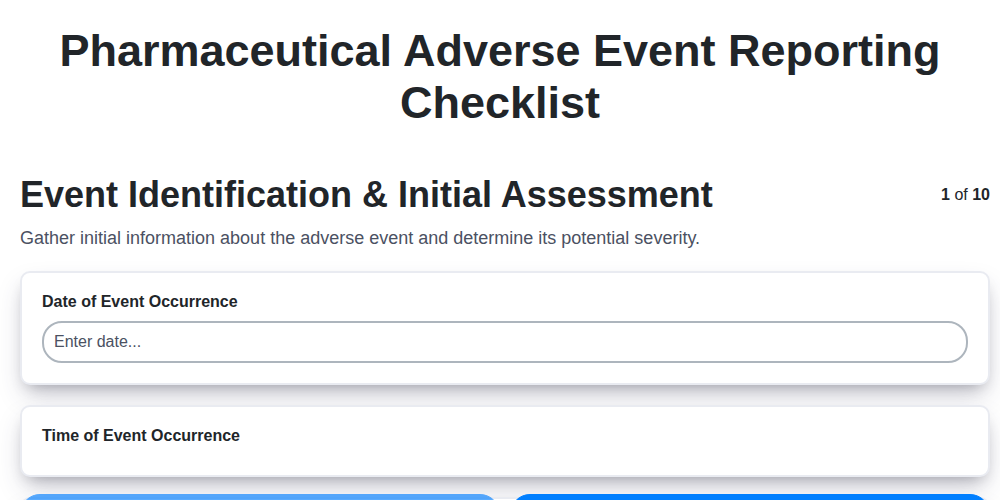
Navigating Adverse Event Reporting: Your Pharmaceutical Checklist Guide
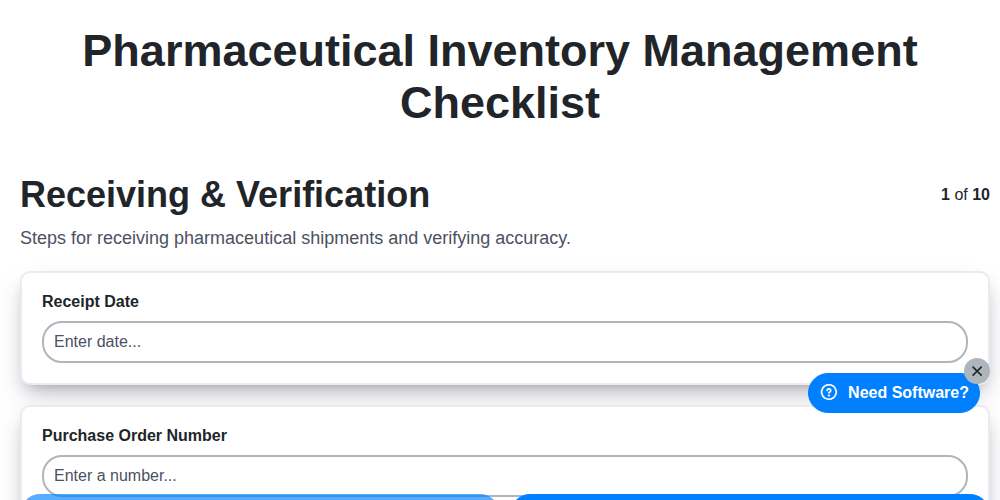
Pharmaceutical Inventory Management Checklist: Your Guide to Compliance & Accuracy
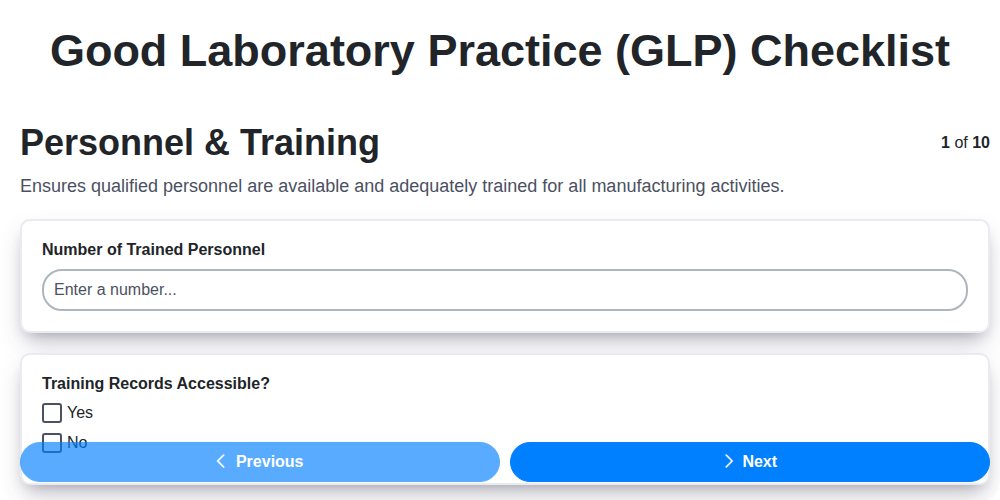
Your Essential GLP Checklist Template: A Practical Guide
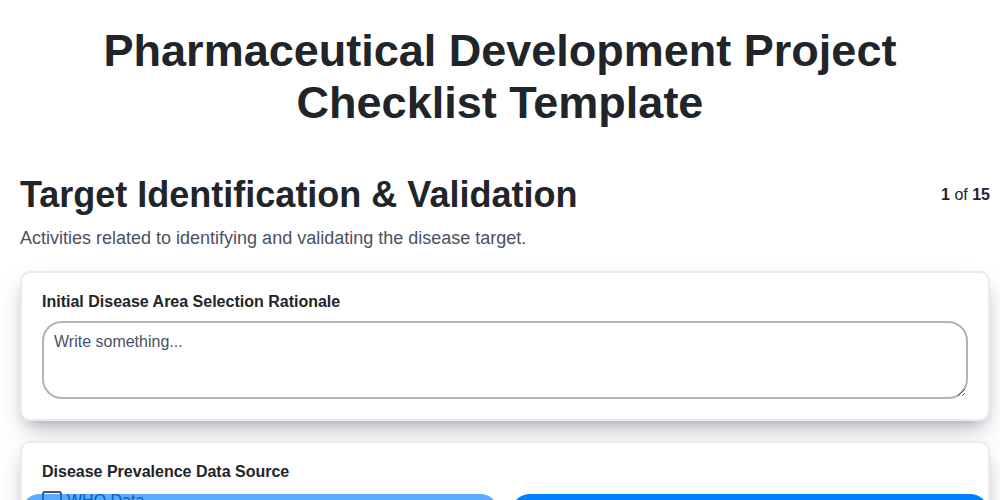
Your Pharmaceutical Development Checklist: A Template for Success
Pharmaceutical Validation Checklist Template: Your Guide to Compliance
Need help with
Pharmaceutical?
Have a question? We're here to help. Please submit your inquiry, and we'll respond promptly.