Pharmaceutical Waste Management Checklist: Your Step-by-Step Guide
Published: 11/25/2025 Updated: 07/02/2026
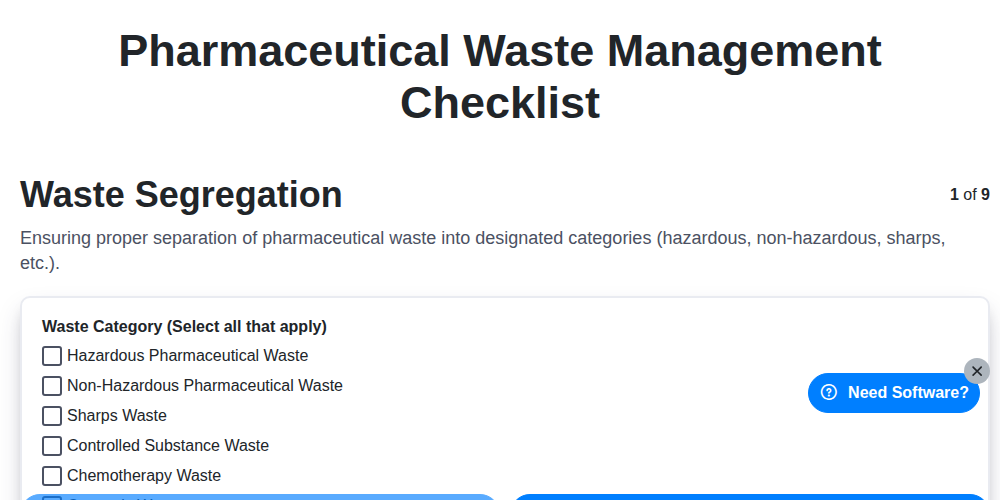
Table of Contents
- Introduction: Why Pharmaceutical Waste Management Matters
- 1. Waste Segregation: Categorizing for Safe Disposal
- 2. Container Labeling & Storage: Clear Identification and Secure Keeping
- 3. Employee Training & Awareness: Building a Culture of Compliance
- 4. Record Keeping & Documentation: Maintaining a Traceable System
- 5. Manifesting & Disposal: Tracking Waste to its Final Destination
- 6. Spill Prevention & Response: Minimizing Risks and Handling Incidents
- 7. Regulatory Compliance: Staying Ahead of the Rules
- 8. Container Integrity & Condition: Ensuring Safe Containment
- 9. Pharmacy-Specific Waste: Addressing Unique Challenges
- Conclusion: Continuous Improvement in Pharmaceutical Waste Management
- Resources & Links
TLDR: Managing pharmaceutical waste is tricky! This checklist simplifies it by walking you through each step - from separating and labeling waste to disposal and regulatory compliance. Use it to ensure you're protecting your staff, the environment, and avoiding costly fines. It's your quick reference guide to staying compliant!
Introduction: Why Pharmaceutical Waste Management Matters
Pharmaceutical waste presents unique environmental and public health concerns. Improper disposal - flushing medications down the toilet or throwing them in the trash - can contaminate waterways, harm wildlife, and even impact our drinking water sources. Beyond the ecological impact, mishandled pharmaceutical waste can pose risks to sanitation workers and contribute to drug diversion and misuse. Effective pharmaceutical waste management isn't just about following regulations; it's a responsible practice that safeguards our communities and protects the environment. This checklist provides a structured approach to ensure compliance and best practices, minimizing risk and promoting a sustainable approach to pharmaceutical disposal.
1. Waste Segregation: Categorizing for Safe Disposal
Proper waste segregation is the cornerstone of effective pharmaceutical waste management. Failing to correctly separate waste streams can lead to costly errors, environmental hazards, and regulatory non-compliance. Here's a breakdown of how to approach this critical first step:
Understanding Waste Categories:
- Hazardous Waste (P-listed & U-listed): These are readily identifiable pharmaceuticals listed by the EPA and require stringent handling and disposal. Check the EPA's lists regularly, as they are subject to updates.
- RCRA Hazardous Waste (Characteristic Waste): This includes pharmaceuticals exhibiting characteristics like ignitability, corrosivity, reactivity, or toxicity. This requires testing or professional judgment to determine.
- Non-Hazardous Pharmaceutical Waste: This comprises expired or unused medications that don't meet the criteria for hazardous waste. While less regulated, they still require appropriate disposal to prevent misuse and environmental contamination.
- Controlled Substances: These require even stricter protocols due to potential for diversion and abuse. Separate collection containers and meticulous documentation are mandatory.
- Sharps Waste: Syringes, needles, and other sharps pose a significant risk of injury and infection and always require a dedicated, puncture-resistant sharps container.
- Chemotherapy Waste: Chemotherapy drugs are highly toxic and should be segregated into a designated container, often requiring specialized disposal methods.
Implementing a Segregation System:
- Clearly Labeled Bins: Provide multiple, clearly labeled containers for each waste category. Use standardized color-coding if possible (though this isn't a legal requirement).
- Placement & Accessibility: Position bins in easily accessible and well-lit areas, minimizing confusion and promoting proper disposal.
- Staff Education: Comprehensive training on proper waste identification and segregation is crucial. Regularly refresh training to address changes in regulations or waste streams.
- Regular Audits: Conduct periodic audits of waste bins to ensure accurate segregation and identify areas for improvement.
2. Container Labeling & Storage: Clear Identification and Secure Keeping
Proper labeling and secure storage of pharmaceutical waste containers are paramount for safety, compliance, and preventing accidental misuse or environmental contamination. Here's a breakdown of critical practices:
Labeling Essentials:
- Clearly Identify Contents: Each container must be clearly and accurately labeled with the type of waste it holds (e.g., Hazardous Pharmaceutical Waste - Cytotoxic, Non-hazardous Pharmaceutical Waste - Controlled Substances). Avoid ambiguous terms.
- Hazard Communication: Labels should include hazard warnings appropriate for the waste category (e.g., Flammable, Corrosive, Toxic). Use standard hazard symbols where applicable.
- Date of Accumulation: Indicate the date the waste was first placed in the container. This is crucial for complying with storage time limits.
- Accumulation Start Date: Explicitly state the date the waste accumulation began on each container.
- Responsible Person: While not always required, including the name or initials of the person responsible for the container can enhance accountability.
Storage Best Practices:
- Secure Location: Store containers in a designated, secure area accessible only to authorized personnel. This prevents unauthorized access and potential diversion.
- Segregation: Continue waste segregation during storage. Incompatible waste streams must be kept separate to prevent dangerous reactions.
- Leak-Proof Containment: Ensure containers are placed within secondary containment that can hold 110% of the volume of the largest container, preventing spills from reaching the environment.
- Protection from Elements: Shield containers from direct sunlight, extreme temperatures, and moisture, which can degrade the waste and container integrity.
- Regular Inspections: Conduct routine inspections of storage areas to check for leaks, container damage, and proper labeling. Document these inspections.
3. Employee Training & Awareness: Building a Culture of Compliance
Pharmaceutical waste management isn't just about following rules; it's about fostering a culture of responsibility within your facility. Effective employee training and awareness programs are the bedrock of a successful waste management system. A well-trained team is your first line of defense against improper disposal, potential hazards, and regulatory penalties.
What should your training cover?
- Waste Identification: Clearly define what constitutes pharmaceutical waste (hazardous, non-hazardous, RCRA-listed, etc.) and how to differentiate between them. Use real-world examples relevant to your facility.
- Segregation Procedures: Provide hands-on training on proper waste segregation techniques, including where and how to place different waste streams into designated containers.
- Container Handling & Labeling: Demonstrate the correct procedures for handling waste containers, including proper labeling requirements (state and federal).
- Spill Response: Equip employees with the knowledge and skills to respond effectively to spills, minimizing environmental impact and ensuring safety.
- Regulatory Updates: Regularly update training to reflect changes in regulations and best practices.
- Consequences of Non-Compliance: Clearly communicate the potential consequences of improper waste disposal, including fines, legal action, and harm to the environment.
Beyond the Basics:
- Regular Refresher Courses: Don't just train once; implement ongoing refresher courses to reinforce knowledge and address new waste streams or regulatory updates.
- Visual Aids & Resources: Utilize posters, checklists, and readily accessible resources to serve as constant reminders.
- Interactive Training: Incorporate interactive elements like quizzes, scenario-based exercises, and group discussions to enhance engagement and knowledge retention.
- Designated Waste Champions: Consider appointing Waste Champions within departments to promote best practices and serve as resources for their colleagues.
A proactive and engaging training program isn't just a regulatory requirement; it's an investment in the safety of your staff, the protection of the environment, and the long-term success of your pharmacy or healthcare facility.
4. Record Keeping & Documentation: Maintaining a Traceable System
Robust record keeping and meticulous documentation are the backbone of any successful pharmaceutical waste management program. This isn't just about ticking a box; it's about creating a traceable system that demonstrates compliance, facilitates audits, and allows for continuous improvement.
Here's what your record-keeping system should encompass:
- Waste Generation Logs: Detail the type and quantity of pharmaceutical waste generated, the date of generation, and the responsible individual. This helps identify trends and potential areas for waste reduction.
- Container Tracking Records: Maintain records of each waste container, including its identification number, contents, fill date, and disposal date. This ensures accountability and prevents loss of tracking.
- Training Records: Document all employee training sessions, including the date, topics covered, attendees, and evaluation results. Regular refresher training should also be documented.
- Manifest Records: Keep copies of all manifests used for off-site disposal, verifying the waste was delivered to a permitted facility.
- Disposal Records: Maintain records confirming the waste's ultimate disposal method and facility.
- Incident Reports: Document any spills, near misses, or deviations from the waste management plan, including corrective actions taken.
- Regulatory Updates: Log changes to applicable regulations and update your program accordingly.
Best Practices:
- Electronic Records: Consider using electronic systems for better organization, searchability, and data analysis.
- Secure Storage: Store records securely and protect them from unauthorized access or damage.
- Retention Period: Establish a clear retention period for records, complying with regulatory requirements and internal policies.
Effective record keeping isn't just about compliance - it's about building a responsible and sustainable pharmaceutical waste management program.
5. Manifesting & Disposal: Tracking Waste to its Final Destination
Proper manifesting and disposal are the crucial final steps in pharmaceutical waste management, ensuring compliance and protecting the environment. This isn't simply about throwing waste into a container and hoping for the best - it's a regulated process demanding meticulous attention to detail.
Understanding the Manifest: A manifest is a multi-copy document (typically a four-part form) that tracks pharmaceutical waste from its point of generation (your facility) to its final disposal destination (a permitted treatment, storage, and disposal facility -TSDF). It's essentially a legal record of the waste's journey. Each copy serves a different purpose: one stays with the generator, one goes with the transporter, one goes to the TSDF, and the final copy goes to the regulatory agency (often the EPA or a state equivalent).
Manifesting Procedures:
- Accurate Information: The manifest must contain complete and accurate information, including the generator's details, the waste's description, the quantity of waste, and the TSDF's details. Any discrepancies can lead to penalties.
- Waste Codes: Use the correct hazardous waste codes as determined by your waste characterization. These codes are vital for the TSDF to properly handle the waste.
- Signatures: All signatures - generator, transporter, and TSDF - are required and must be original (not photocopies). This confirms receipt and responsibility at each stage.
- Chain of Custody: Maintain a clear chain of custody throughout the transportation process.
- Manifest Tracking: Keep meticulous records of all manifests, including dates sent, received, and any amendments.
Disposal Considerations:
- Permitted TSDF: Ensure the disposal facility you use is permitted to handle pharmaceutical waste and is compliant with relevant regulations.
- Waste Acceptance Criteria: Understand and adhere to the TSDF's waste acceptance criteria. They may have specific requirements for packaging, labeling, and waste characterization.
- Contingency Plans: Confirm that the TSDF has robust contingency plans in place for unexpected events.
Proper manifesting and disposal aren't just about compliance; they're a vital part of your facility's commitment to environmental stewardship and responsible waste management.
6. Spill Prevention & Response: Minimizing Risks and Handling Incidents
Pharmaceutical waste presents unique spill risks, potentially impacting personnel, the environment, and regulatory compliance. A robust spill prevention and response plan is therefore critical.
Prevention is Paramount:
- Engineering Controls: Implement measures like drip trays under waste containers, secondary containment for storage areas, and splash guards during waste handling.
- Safe Handling Procedures: Develop and consistently enforce protocols for transferring waste, including minimizing container movement and utilizing appropriate personal protective equipment (PPE) - gloves, eye protection, and potentially respirators based on the waste type.
- Container Selection: Choose containers designed to minimize leaks and spills. Consider the compatibility of the container material with the waste being stored.
- Regular Inspections: Conduct routine checks of waste containers and storage areas for signs of deterioration, leaks, or potential hazards.
- Minimize Waste Generation: Evaluate processes to reduce overall pharmaceutical waste volume. This inherently lowers the risk of spills.
Responding Effectively to Spills:
- Spill Kits Readily Available: Ensure properly stocked spill kits are accessible in all areas where pharmaceutical waste is handled or stored. Kits should include absorbent materials, neutralizing agents (if appropriate), PPE, waste bags, and disposal containers.
- Clearly Defined Procedures: Establish a detailed spill response protocol outlining steps to take in case of a spill, including notification procedures, evacuation plans, and containment methods.
- Designated Personnel: Identify and train personnel responsible for spill response.
- Immediate Containment: Prioritize containment to prevent the spill from spreading. Use absorbent materials to soak up liquids and create barriers to restrict movement.
- Proper Cleanup: Follow established procedures for cleaning up the spill, including using appropriate cleaning agents and disposing of contaminated materials as hazardous waste.
- Incident Reporting: Thoroughly document all spills, regardless of size, including the cause, response actions taken, and corrective measures implemented to prevent recurrence.
- Review and Improvement: Regularly review spill response procedures and identify areas for improvement based on incident reports and near-miss events.
7. Regulatory Compliance: Staying Ahead of the Rules
Pharmaceutical waste management isn't just about best practices; it's about adhering to a complex web of regulations at the federal, state, and local levels. The EPA's Resource Conservation and Recovery Act (RCRA) forms the foundation, but numerous state-specific rules build upon it, often adding stricter requirements. Understanding and complying with these regulations is critical to avoiding hefty fines, legal repercussions, and potential harm to public health and the environment.
Staying abreast of these ever-evolving rules can feel overwhelming. Here's what you need to do:
- Know Your Federal Regulations: Familiarize yourself with RCRA Subtitle C, focusing on hazardous waste identification and management standards.
- State-Specific Requirements: Each state has its own regulations, which may be more stringent than federal rules. Check your state's environmental agency website for details. Many states have specific lists of pharmaceutical wastes considered hazardous.
- DEA Regulations: The Drug Enforcement Administration (DEA) has rules regarding the disposal of controlled substances, which can significantly impact your waste management procedures.
- Track Amendments: Regulations change! Sign up for newsletters from regulatory agencies, participate in industry webinars, and consult with environmental consultants to stay informed about amendments and updates.
- Documentation is Key: Meticulous record-keeping (as outlined in your record-keeping checklist) provides proof of compliance during audits and inspections.
- Regular Audits: Conduct internal audits to ensure your processes align with current regulations and identify areas for improvement.
Failure to comply isn't an option. Proactive engagement with regulatory requirements demonstrates a commitment to responsible pharmaceutical waste management and protects your organization.
8. Container Integrity & Condition: Ensuring Safe Containment
Proper pharmaceutical waste management isn't just about what you're putting in the containers; it's equally about the condition of those containers themselves. Compromised containers pose a significant risk of leaks, spills, and potential exposure to hazardous materials - impacting both personnel and the environment.
Here's what you need to prioritize:
- Regular Inspections: Implement a routine inspection schedule (daily, weekly, monthly - based on waste generation volume and risk level). Look for cracks, dents, corrosion, or any signs of damage.
- Material Compatibility: Ensure the containers are constructed from materials compatible with the type of pharmaceutical waste they're holding. Certain chemicals can degrade specific plastics or metals. Consult manufacturer guidelines and SDS sheets.
- Secure Lids & Closures: Verify that lids and closures are properly sealed and secured every time a container is used. Regularly check for wear and tear on seals.
- Stacking & Handling: Follow manufacturer instructions regarding stacking and handling. Improper stacking can damage containers.
- Container Replacement: Replace damaged or deteriorated containers immediately. Don't attempt to repair compromised containers - it's not a sustainable solution.
- Dedicated Containers: Use dedicated containers specifically for pharmaceutical waste. Avoid repurposing containers used for other materials.
- Appropriate Size: Select containers that are appropriately sized to prevent overfilling and potential for spillage.
- Documentation: Document container inspections, replacements, and any incidents related to container integrity.
9. Pharmacy-Specific Waste: Addressing Unique Challenges
Pharmacies often generate unique pharmaceutical waste streams that require extra consideration beyond general healthcare facility practices. This includes returned medications from patients, compounded sterile preparations (CSPs) that are expired or deemed unusable, and overstocked medications nearing expiration dates.
Returned Medications: Patient returns are a significant source of waste. Establish clear protocols for accepting returns, carefully assessing their condition. Generally, opened, altered, or questionable returns should be treated as hazardous waste, regardless of expiration date. Consider partnering with medication take-back programs to responsibly manage these items.
Compounded Sterile Preparations (CSPs): These preparations are highly regulated and require meticulous handling. Expired, contaminated, or rejected CSPs must be managed as hazardous waste, typically requiring incineration. Detailed documentation of the compounding process and disposal is critical.
Overstocked Medications: While minimizing overstocking through effective inventory management is the ideal solution, sometimes disposal is unavoidable. Follow established waste disposal procedures for medications nearing expiration, even if they appear unused. Don't assume they can be redistributed - regulations often prohibit this.
Controlled Substances: These require particularly stringent handling and disposal procedures, aligning with DEA regulations. Secure storage, detailed tracking, and witness requirements during destruction are paramount.
Patient Education: Actively educate patients about proper medication disposal methods, including take-back programs and, if permitted, safe disposal options at home. This can significantly reduce the amount of medication ending up as improper waste.
Remember to consult with your pharmacy's P&T committee and stay updated on specific state and federal guidelines regarding pharmacy-specific pharmaceutical waste.
Conclusion: Continuous Improvement in Pharmaceutical Waste Management
Pharmaceutical waste management isn't a one-and-done activity; it's a journey demanding continuous improvement. Implementing a robust checklist, as outlined above, provides a solid foundation, but it's crucial to regularly review and update it. Stay abreast of evolving regulations (both federal and state), advancements in waste disposal technologies, and lessons learned from internal audits or incident reports. Encourage employee feedback - they are often the first to identify gaps or inefficiencies in the process. By fostering a culture of vigilance and embracing ongoing refinement, your facility can minimize environmental impact, protect public health, and ensure long-term compliance, demonstrating a commitment to responsible pharmaceutical waste stewardship.
Resources & Links
- U.S. Environmental Protection Agency (EPA) - Hazardous Waste: The EPA's main resource for information regarding hazardous waste regulations, including pharmaceutical waste. Provides overview, laws, and guidance documents.
- U.S. Food and Drug Administration (FDA): The FDA regulates pharmaceuticals and provides resources related to safe handling and disposal, though less specific than EPA on waste management.
- Pharmacy Times: A news source with articles frequently covering pharmaceutical waste management trends and regulations. Search for 'pharmaceutical waste' on the site.
- American Society of Health-System Pharmacists (ASHP): ASHP provides resources, guidelines, and continuing education for pharmacy professionals, including those dealing with waste management. Look for pharmacy-specific guides.
- WasteCode: A resource for hazardous waste generator compliance. Offers regulatory information, training, and software solutions, though some may be paid services. Useful for understanding state-specific rules.
- Oregon Department of Environmental Quality (DEQ): Example of a state-level DEQ. While this is Oregon specific, search for your own state's equivalent department for region-specific regulations. Many state DEQs have detailed pharmaceutical waste sections.
- Centers for Disease Control and Prevention (CDC): While not solely focused on pharmaceutical waste, the CDC offers information on preventing contamination and protecting public health related to medication disposal.
- Stericycle: A major pharmaceutical waste management company, Stericycle offers resources and guidance on compliant disposal practices. Often provides webinars and whitepapers.
- ENVIRCO: Another major pharmaceutical waste management company, offering similar resources to Stericycle regarding proper disposal and regulatory compliance.
- Willamette Valley Medical Waste: A provider of medical waste services. Their site often has helpful articles and resources related to compliance and best practices. Check their blog.
- Waste Focus: Waste Focus specializes in healthcare waste management. They provide training, audits, and disposal services and have a wealth of information on their website.
- Pharmacyclics: Provides pharmaceutical waste disposal containers and services. Their website offers information about waste segregation and safe handling.
- Clean Earth: Provides waste disposal services, including hazardous pharmaceutical waste. Their site contains information, regulations, and insights into handling waste safely and compliantly.
Frequently Asked Questions
What is pharmaceutical waste and why is it regulated?
Pharmaceutical waste includes unused, expired, or contaminated medications (prescription and over-the-counter drugs), vaccines, and other related materials. It's regulated to prevent environmental contamination, protect public health, and ensure safe disposal practices. Laws vary by jurisdiction but generally aim to avoid water pollution, soil contamination, and potential misuse of drugs.
Who is responsible for managing pharmaceutical waste?
Anyone who handles pharmaceutical waste is responsible for its proper management. This includes healthcare facilities (hospitals, clinics, pharmacies), long-term care facilities, veterinary clinics, pharmacies, dentists' offices, and even individuals who need to dispose of household medications.
What's the difference between hazardous and non-hazardous pharmaceutical waste?
The classification (hazardous or non-hazardous) determines disposal methods. Hazardous pharmaceutical waste exhibits characteristics like ignitability, corrosivity, reactivity, or toxicity. This classification is determined using EPA criteria and state regulations. Non-hazardous waste has lower risks and may have more disposal options, though still requires responsible handling.
What does the checklist in this article cover?
The checklist outlines the key steps for developing and implementing a comprehensive pharmaceutical waste management program. It includes sections on regulatory compliance, waste segregation, container selection, storage, transportation, and recordkeeping, as well as employee training and emergency preparedness.
How do I segregate pharmaceutical waste properly?
Proper segregation is crucial. Generally, separate medications into categories like hazardous (e.g., chemotherapy drugs, warfarin) and non-hazardous. Controlled substances require a distinct segregation process following DEA regulations. Sharps (needles, syringes) should always be collected in approved sharps containers. Check your local and state regulations for specific segregation requirements.
What are the acceptable container requirements for pharmaceutical waste?
Containers must be compatible with the waste being collected, leak-proof, properly labeled (clearly indicating contents and hazards if applicable), and closed securely. Hazardous waste containers need to meet specific DOT requirements for shipping. Sharps containers must be puncture-resistant and meet OSHA standards.
Can I flush medications down the toilet or drain?
Generally, no. Flushing medications poses a significant environmental risk by contaminating water supplies. The FDA and EPA strongly discourage flushing unless specifically instructed on a medication label due to environmental concerns. Utilize take-back programs or proper disposal methods outlined in this guide instead.
What is the role of employee training in pharmaceutical waste management?
Comprehensive employee training is essential. Employees need to understand proper segregation, container handling, labeling, storage, and emergency procedures. Training should cover regulatory requirements and be documented to demonstrate compliance. Refresher training should be provided periodically.
Comments
There are no comments yet. Be the first to add one!
Pharmaceutical Management Solution Demo
Navigating complex regulations and ensuring quality in pharmaceutical manufacturing? ChecklistGuro's Work OS platform streamlines processes from R&D to production, packaging, and distribution. Maintain compliance, improve efficiency, and reduce risk. Discover how ChecklistGuro can transform your pharmaceutical operations!
Related Articles
Ensuring Quality: A Pharmaceutical Compound Record Review Checklist Guide
Pharmaceutical Labeling Compliance Checklist: Your Step-by-Step Guide
Mastering Medication Management: Your Pharmaceutical Inventory Compliance Checklist Template
Navigating Adverse Event Reporting: Your Pharmaceutical Checklist Guide
Pharmaceutical Inventory Management Checklist: Your Guide to Compliance & Accuracy
Your Essential GLP Checklist Template: A Practical Guide
Your Pharmaceutical Development Checklist: A Template for Success
Pharmaceutical Validation Checklist Template: Your Guide to Compliance
Need help with
Pharmaceutical?
Have a question? We're here to help. Please submit your inquiry, and we'll respond promptly.