Preventative Maintenance Checklist for Rental Properties: Protect Your Investment
Published: 11/26/2025 Updated: 07/02/2026
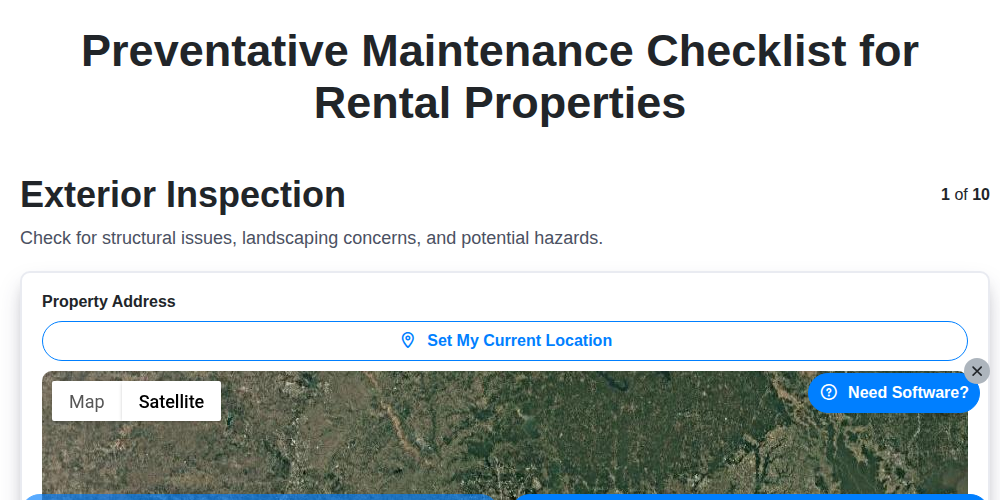
Table of Contents
- Why Preventative Maintenance Matters for Rental Properties
- Exterior Inspection: A First Line of Defense
- Roof & Gutters: Preventing Water Damage
- HVAC System: Keeping Tenants Comfortable (and Saving Money)
- Plumbing: Identifying and Addressing Leaks
- Electrical System: Safety First
- Appliances: Ensuring Functionality and Longevity
- Interior Surfaces: Maintaining Appeal
- Documentation & Follow-Up: Tracking and Accountability
- Resources & Links
TLDR: Avoid costly repairs and keep your rental properties in top shape with this preventative maintenance checklist! It covers everything from the roof to the landscaping, ensuring tenant satisfaction and protecting your investment. Download the template and stay ahead of potential issues-it's easier than you think!
Why Preventative Maintenance Matters for Rental Properties
Ignoring maintenance until something breaks down is a recipe for disaster - and a drain on your rental income. Reactive maintenance, dealing with problems after they arise, is almost always more expensive, disruptive, and stressful than preventative care.
Think about it: a small roof leak, if caught early, might require a simple patch. Left unchecked, it could lead to extensive water damage, mold growth, structural issues, and ultimately, costly repairs or even tenant displacement.
Preventative maintenance isn't just about saving money in the long run; it's about:
- Protecting Your Investment: Regular upkeep preserves the value of your property.
- Tenant Retention: Happy tenants stay longer. A well-maintained property demonstrates you care and fosters a positive landlord-tenant relationship.
- Avoiding Legal Issues: Neglecting essential repairs can lead to code violations and potential lawsuits.
- Increased Property Value: A property with a solid maintenance history is more attractive to potential buyers should you decide to sell.
- Reduced Energy Costs: Properly maintained systems (like HVAC) operate more efficiently, lowering utility bills for both you and your tenants.
Essentially, preventative maintenance is an investment in the long-term health and profitability of your rental property.
Exterior Inspection: A First Line of Defense
The exterior of your rental property is the first thing tenants (and potential buyers, should you ever sell) notice. It's also your first line of defense against costly repairs. A thorough exterior inspection can identify issues before they escalate into major headaches.
Here's what to look for:
- Foundation: Check for cracks, settling, or signs of water damage. Even small cracks should be documented and monitored.
- Siding/Exterior Walls: Inspect for damage like rot, warping, peeling paint, or insect infestations. Address any cosmetic issues and repair structural problems immediately.
- Windows & Doors: Look for cracked glass, damaged frames, and ensure all windows and doors seal properly. Check for drafts and assess hardware functionality (locks, hinges, etc.).
- Decks & Porches: Examine for loose boards, wobbly railings, and signs of decay. Ensure stairways are safe and up to code.
- Driveways & Walkways: Look for cracks, potholes, or uneven surfaces that pose a tripping hazard.
- Fences: Check for damage, leaning, or rot.
Roof & Gutters: Preventing Water Damage
The roof and gutters are your first line of defense against the elements, and neglecting them can lead to costly water damage. Regularly inspect your property's roof for missing, damaged, or curling shingles. Look for signs of leaks in the attic - water stains, mold, or musty smells are red flags.
Gutters play a crucial role in directing rainwater away from the foundation. Ensure they are free of debris like leaves, twigs, and nests. Clogged gutters can cause water to overflow, potentially damaging the roof, siding, and landscaping. Check for sagging or detached gutters and repair or replace them as needed. Consider installing gutter guards to minimize future clogs. Pro Tip: Inspect after significant storms to ensure no damage occurred.
HVAC System: Keeping Tenants Comfortable (and Saving Money)
A properly functioning HVAC system is vital for tenant satisfaction and can significantly impact your bottom line. Neglecting maintenance leads to costly repairs, tenant complaints, and potential lease turnovers. Here's what your preventative checklist should include:
- Filter Replacement: This is the most crucial and should be done every 1-3 months, depending on usage and air quality. Provide tenants with a reminder of their responsibility (if applicable) and consider offering filter replacement as a service.
- Coil Cleaning: Condenser coils (outdoor unit) and evaporator coils (indoor unit) collect dirt and debris, reducing efficiency. Clean them annually, preferably by a professional.
- Refrigerant Level Check: Low refrigerant can drastically reduce cooling performance and damage the compressor. A licensed technician should check and, if necessary, recharge the system.
- Electrical Connection Inspection: Check all electrical connections for tightness and corrosion.
- Fan Motor Inspection: Listen for unusual noises and check for proper lubrication.
- Drain Line Cleaning: Clogged drain lines can cause water damage. Flush them regularly.
- Overall System Performance Test: Have a professional test the system's heating and cooling output to ensure it's operating within specifications.
Important Note: Always use a licensed HVAC technician for any repairs or major maintenance. Improper handling of refrigerants and electrical components can be dangerous and illegal.
Plumbing: Identifying and Addressing Leaks
Plumbing issues are a major headache for rental property owners and tenants alike. Proactive maintenance can significantly reduce the risk of costly water damage and disruptions. This section focuses on identifying and addressing common plumbing concerns.
Regular Inspection Points:
- Visible Leaks: Start with a thorough visual inspection of all exposed pipes under sinks, around toilets, and in the basement/crawlspace. Look for drips, moisture, or signs of water stains.
- Toilet Performance: Check for leaks around the base of the toilet and listen for phantom flushing (water running even when not in use). A dye tablet test can help pinpoint leaks in the tank.
- Faucet Functionality: Observe faucets for drips, low water pressure, and unusual noises. Check aerators for mineral buildup.
- Water Pressure: Monitor water pressure - consistently low pressure can indicate a problem within the pipes.
- Drainage: Ensure all drains are flowing freely and not backing up. Pay attention to slow drains, which could signal blockages.
- Water Heater: Inspect the water heater for leaks, rust, and proper ventilation. Listen for unusual noises.
- Outdoor Faucets & Sprinkler Systems: Check for leaks and damage to outdoor faucets and sprinkler lines, especially before and after winter.
Addressing Issues:
- Minor Leaks: Small drips from faucets or toilets can often be fixed with a simple repair (e.g., replacing a washer or flapper).
- Significant Leaks: Larger leaks or those involving multiple fixtures should be addressed immediately by a qualified plumber.
- Water Stains: Investigate any water stains, even if no active leak is apparent, as they can indicate past problems requiring attention.
- Documentation: Always document any plumbing repairs with dates, descriptions of work performed, and contractor information.
Important Note: Encourage tenants to report any plumbing concerns promptly. Early detection is key to preventing major damage.
Electrical System: Safety First
Electrical issues are consistently among the most concerning-and potentially dangerous-problems in rental properties. A faulty electrical system can lead to fires, shocks, and serious injuries. This section of your preventative maintenance checklist needs to be prioritized.
Here's what to check:
- Outlet and Switch Condition: Visually inspect all outlets and switches for cracks, damage, or discoloration. Test each outlet with a simple outlet tester to ensure proper wiring and grounding.
- Wiring: Look for exposed or frayed wiring. If you suspect any issues, do not attempt repairs yourself. This requires a licensed electrician.
- Smoke & Carbon Monoxide Detectors: While covered in the Safety Systems section, it's worth reiterating: ensure all smoke and carbon monoxide detectors are present, functioning (test them!), and have fresh batteries.
- Circuit Breaker Panel: Check the panel for any signs of corrosion, rust, or overheating. Label all breakers clearly. If any breakers trip frequently, investigate the cause-it could indicate an overloaded circuit or a more serious electrical problem.
- Lighting Fixtures: Check for loose wiring, damaged sockets, and proper bulb wattage.
- GFCI Outlets: Test all Ground Fault Circuit Interrupter (GFCI) outlets, especially those in kitchens, bathrooms, and outdoors. They should trip when tested.
Important Note: Any electrical work beyond minor bulb replacements should always be performed by a qualified, licensed electrician. Don't take risks! Document all inspections and repairs meticulously.
Appliances: Ensuring Functionality and Longevity
Appliances are a significant investment and a tenant's expectation for a comfortable rental experience. Regular maintenance prevents costly breakdowns and extends their lifespan. Here's what to check:
- Refrigerator: Clean condenser coils (typically every 6 months - consult the manufacturer's instructions). Check door seals for proper closure. Ensure adequate ventilation around the unit.
- Oven/Range: Clean regularly to prevent grease buildup. Inspect burners (gas) or heating elements (electric) for proper function. Check for gas leaks (gas ranges - use a gas leak detector!).
- Dishwasher: Clean the filter regularly. Run an empty cycle with a dishwasher cleaner every few months. Check spray arms for clogs.
- Microwave: Clean interior regularly. Check the turntable for proper rotation.
- Washer: Clean the lint trap after every use. Run a cleaning cycle with a washer cleaner periodically. Inspect hoses for cracks or leaks.
- Dryer: This is critical! Clean the lint trap after every use. Have the dryer vent professionally cleaned annually to prevent fire hazards. Inspect the vent hose for kinks or clogs.
- Range Hood: Clean grease filters regularly. Ensure proper ventilation.
Documentation: Note the appliance's age and any repairs made. Keeping this information handy is helpful for replacement planning and tenant communication.
Interior Surfaces: Maintaining Appeal
Interior surfaces take a beating during a rental period. Scuffs, nail holes, and general wear and tear are inevitable. Regular checks can help you catch minor issues before they become major (and costly!) repairs.
Here's what to look for:
- Walls: Inspect for scuffs, scratches, holes (often from picture hanging), and signs of moisture damage. Pay close attention to high-traffic areas like hallways and around doorways.
- Floors: Check for stains, worn areas (especially in kitchens and bathrooms), loose tiles or planks, and damage from heavy furniture. Consider the type of flooring - hardwood requires different care than carpet or laminate.
- Doors & Windows: Examine for scratches, sticking, and proper sealing. Check window hardware (latches, locks) for functionality.
- Trim & Baseboards: Look for cracks, chips, and peeling paint.
- Ceilings: Check for water stains (a potential roof leak indicator), cracks, or sagging.
Pro Tip: Document any damage with photos before the tenant moves in and after they move out. This helps avoid disputes about responsibility for repairs. A small touch-up paint job or replacing a few damaged tiles can dramatically improve the rental's appeal and justify higher rent.
Documentation & Follow-Up: Tracking and Accountability
Preventative maintenance isn't just about doing the tasks - it's about proving you did them and ensuring nothing falls through the cracks. This section is crucial for demonstrating due diligence, managing tenant relations, and ultimately protecting your investment.
Why Documentation Matters:
- Legal Protection: Detailed records can be invaluable if issues arise and you need to demonstrate you took reasonable steps to maintain the property.
- Tenant Communication: Share a summary of completed maintenance tasks with your tenants, fostering trust and transparency.
- Budgeting & Forecasting: Track maintenance costs to better predict future expenses and budget accordingly.
- Warranty Tracking: Keep records of appliance and system warranties, including purchase dates and service history.
What to Document:
- Date of Inspection/Maintenance: Always record the date the task was performed.
- Description of Work Performed: Be specific! "Checked HVAC filters" is good, but "Replaced HVAC filters and cleaned condenser coils" is even better.
- Contractor Information: If you used a contractor, note their name, contact information, and any invoices received.
- Photos & Videos: Visual evidence can be incredibly helpful in documenting existing conditions or completed repairs.
- Tenant Communication: Keep a record of any communication with tenants regarding maintenance issues or completed tasks.
Follow-Up is Key:
- Recurring Tasks: Mark tasks on your calendar with reminders for future inspections and servicing.
- Review Completed Tasks: Periodically review your maintenance log to identify trends, potential problem areas, and ensure all recurring tasks are being completed on schedule.
- Escalation: If a recurring issue arises, escalate it to a specialist or consider long-term solutions.
Resources & Links
- U.S. Department of Housing and Urban Development (HUD): HUD provides information on landlord-tenant laws, fair housing practices, and safety standards that can inform preventative maintenance strategies. Understanding these regulations is crucial for compliance.
- National Association of Housing and Redevelopment Officials (NAHRO): NAHRO provides insights into best practices for maintaining affordable housing and can offer valuable maintenance-related information applicable to rental properties.
- Apartment Service Association (ASA): ASA is a professional association for apartment maintenance professionals. Their website offers resources, training, and insights into industry best practices for rental property maintenance.
- InspectApedia: A comprehensive resource for home inspection information. It provides detailed explanations of various building components, common problems, and maintenance tips, useful for DIY checks or understanding professional inspection reports.
- ASHI (American Society of Home Inspectors): ASHI is a professional organization for home inspectors. Their website provides information on home inspection standards and best practices. Knowing what a professional inspector looks for helps landlords proactively address potential issues.
- ENERGY STAR: ENERGY STAR provides information on energy-efficient appliances and home improvements. Maintaining energy-efficient systems reduces tenant utility costs and lowers your operating expenses.
- U.S. Environmental Protection Agency (EPA): EPA provides information on environmental hazards like lead paint, asbestos, and radon. It's essential to be aware of these hazards and address them appropriately during maintenance.
- Occupational Safety and Health Administration (OSHA): OSHA provides standards for workplace safety. While geared towards employee safety, the guidelines are useful for landlords performing maintenance, especially when dealing with electrical, plumbing, and HVAC systems.
- Family Handyman: A website with numerous DIY guides and articles covering a wide range of home maintenance tasks. While some tasks require professional help, this site offers helpful visuals and basic instructions for minor repairs and inspections.
- The Home Depot: A major home improvement retailer. Their website contains how-to guides, product information, and tips for various maintenance tasks. While not strictly a resource for preventative maintenance strategies, it is helpful for execution of tasks.
- Lowe's: Similar to Home Depot, Lowe's provides resources related to home improvement and maintenance, useful for sourcing materials and finding how-to guides.
- Building Science Corporation: This website dives deep into building science principles, useful for understanding the underlying causes of building problems and implementing effective preventative maintenance strategies. May be a more advanced resource for those wanting to go beyond basic checklists.
Frequently Asked Questions
What is preventative maintenance and why is it important for rental properties?
Preventative maintenance involves regularly scheduled inspections and minor repairs to prevent major issues from arising in your rental property. It's crucial because it protects your investment by minimizing costly repairs, extending the lifespan of property assets, and potentially increasing tenant satisfaction and retention.
Who is this checklist for?
This checklist is designed for landlords, property managers, and anyone responsible for the upkeep of rental properties. It's applicable to various types of rental units, from single-family homes to apartments.
How often should I perform preventative maintenance tasks?
The frequency of tasks varies based on the specific item and the property's age and climate. Generally, monthly, quarterly, semi-annually, and annual inspections are recommended. The checklist provides suggested frequencies.
What's the difference between preventative maintenance and reactive maintenance?
Reactive maintenance is fixing problems *after* they occur (e.g., a leaky faucet). Preventative maintenance is addressing potential problems *before* they become costly repairs. Preventative maintenance is proactive; reactive is reactive.
What if I don't have the skills to perform these tasks myself?
That's perfectly fine! You can hire qualified professionals like handymen, plumbers, electricians, HVAC technicians, and roofers to perform these tasks. Factor this cost into your budget.
Should I inform my tenants about the preventative maintenance schedule?
While you don't necessarily need to announce every inspection, it's a good practice to inform tenants in advance of any scheduled maintenance that might disrupt their lives. This fosters good tenant relations.
What records should I keep regarding preventative maintenance?
Keep detailed records of all inspections, repairs, and maintenance work performed, including dates, descriptions of work, contractor information, and associated costs. This helps track property history and identify recurring issues.
How does preventative maintenance affect tenant satisfaction?
Regular preventative maintenance contributes to a well-maintained and comfortable living environment for tenants, leading to increased satisfaction and a higher likelihood of lease renewals.
Can preventative maintenance help me comply with local regulations?
Many local codes and regulations require landlords to maintain properties in a safe and habitable condition. Preventative maintenance helps ensure compliance and minimizes potential legal issues.
What if I'm dealing with an older property? Does the checklist need to be adjusted?
Yes, older properties often require more frequent and intensive preventative maintenance due to wear and tear. You might need to adjust the frequencies of certain tasks and add inspections for specific areas prone to issues in older structures.
Comments
There are no comments yet. Be the first to add one!
Real Estate Management Solution Demo
Simplify your real estate operations! ChecklistGuro streamlines property management, lease renewals, and maintenance requests. Enhance tenant satisfaction and maximize ROI. Manage it all with our Work OS.
Related Articles
Stress-Free Inspections: Your Home Inspection Coordination Checklist Template
The Ultimate Website Maintenance Checklist Template
10 Essential Checks: Your Brokerage Policy Review Checklist
The Ultimate Office Opening/Closing Checklist Template
Your Ultimate AML Compliance Checklist Template
Rent Collection Checklist Template: Your Landlord's Guide
Your Complete Flood Zone Disclosure Checklist Template
Fair Housing Training Checklist Template: Your Guide to Compliance
Need help with
Real Estate?
Have a question? We're here to help. Please submit your inquiry, and we'll respond promptly.