Rent Collection Rescue: A Property Management Follow-Up Checklist
Published: 11/26/2025 Updated: 07/02/2026
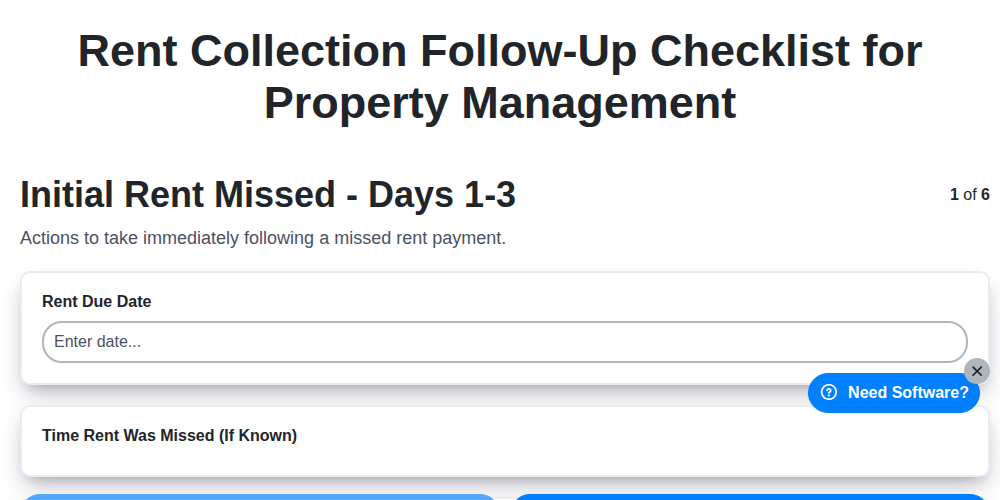
Table of Contents
- Introduction: The Importance of Proactive Rent Collection
- Initial Rent Missed - Days 1-3: Early Intervention
- First Notice - Days 4-7: Formalizing the Request
- Second Notice & Phone Call - Days 8-14: Escalating Communication
- Legal Action Preparation - Days 15-21: Understanding Your Options
- Eviction Filing (if necessary) - Days 22-30+: A Last Resort
- Record Keeping & Documentation: Your Shield Against Disputes
- Best Practices for Tenant Communication
- Preventative Measures: Building a Foundation for On-Time Rent
- Navigating Legal Considerations & Landlord-Tenant Laws
- Resources & Links
TLDR: Missed rent payments got you stressed? This checklist breaks down a clear, step-by-step process - from initial missed payment to potential eviction - to ensure you're following legal guidelines and maximizing rent recovery. It covers notices, phone calls, legal prep, and crucial documentation, keeping your property management on track and minimizing headaches.
Introduction: The Importance of Proactive Rent Collection
Consistent rent collection is the lifeblood of any successful property management business. It's not just about receiving payments; it's about maintaining a stable cash flow, covering operating expenses, and ensuring profitability. Reactive rent collection - scrambling after payments are already late - is costly, stressful, and disruptive. A proactive approach, however, minimizes those issues and allows you to operate smoothly. This checklist outlines a structured process for following up on missed rent, designed to be firm yet professional, maximizing the likelihood of recovery while minimizing legal complications. By implementing these steps, you're not only recovering rent but also establishing clear expectations and protecting your investment.
Initial Rent Missed - Days 1-3: Early Intervention
The first few days of a missed rent payment can be crucial. Don't wait until day 30 to address the situation! This initial window is about proactive communication and assuming the best. Here's what you should do:
- Automated Reminder (Day 1): If you use property management software, ensure you have an automated email or text message set up to immediately remind the tenant that rent is due. This is a gentle nudge and can often resolve the issue instantly.
- Quick Check-In (Days 1-3): A brief, friendly email or phone call to the tenant is highly recommended. Something like, Hi [Tenant Name], I noticed your rent payment hasn't been received yet. Everything okay? Just wanted to check in and see if there were any issues. This demonstrates you're concerned and provides an opportunity for the tenant to explain any unforeseen circumstances. Perhaps they're experiencing a temporary financial setback or had an issue with their bank.
- Document the Communication: Even a quick phone call should be documented in your records. Note the date, time, who you spoke with, and the content of the conversation.
First Notice - Days 4-7: Formalizing the Request
Now that a few days have passed since the rent was originally due, and a gentle reminder hasn't yielded results, it's time to escalate. This means sending a formal, written First Notice. This isn't a negotiation; it's a documented declaration of the outstanding debt.
Here's what your First Notice must include:
- Date: The date the notice is issued.
- Tenant's Name(s): Clearly identify the tenant(s) responsible.
- Property Address: State the address of the rental property.
- Amount Due: Specify the exact amount of rent owed, including any late fees (if applicable and permitted by law).
- Due Date: Reiterate the original rent due date.
- Acceptable Payment Methods: Clearly outline how the tenant can pay the rent (e.g., online portal, check, money order).
- Consequences of Non-Payment: Crucially, state the potential consequences of continued non-payment, which may include late fees, potential eviction proceedings, and reporting to credit bureaus (ensure compliance with local laws regarding this).
- Contact Information: Provide your contact information (or the property management company's) for questions.
Delivery Matters: Send the notice via certified mail with return receipt requested, and also send a copy via regular mail. This creates a verifiable record of delivery. Keeping a copy for your records is also vital.
Important Note: Always consult with legal counsel to ensure your First Notice complies with all applicable local and state laws. Laws regarding notice periods and content vary significantly, and using an incorrect notice could jeopardize your legal options later on.
Second Notice & Phone Call - Days 8-14: Escalating Communication
By day 8, silence after the initial missed rent can be concerning. It's time to escalate your communication and actively engage with the tenant. This phase focuses on establishing a clear understanding of the situation and exploring potential solutions before legal action becomes necessary.
What to do:
- Send a Second Formal Notice: This notice should reiterate the amount owed, the original due date, late fee charges (if applicable and legally permissible), and the consequences of continued non-payment. Be firm but professional in your language. A certified letter or email with read receipt is recommended for documentation purposes.
- Initiate a Phone Call: A personal phone call is crucial. This allows you to gauge the tenant's situation, understand why rent is late, and potentially negotiate a payment plan. Approach the call with empathy, but remain clear about the seriousness of the situation. Document the call thoroughly: date, time, who you spoke with, key points discussed, and any agreements made.
- Explore Payment Plan Options: If the tenant expresses hardship, consider a reasonable payment plan. Outline the terms in writing, including dates and amounts, and have the tenant sign it. This demonstrates willingness to work with them while still enforcing the lease agreement.
- Document, Document, Document: Meticulously record all communications - letters, emails, phone calls - including the content, date, time, and individuals involved. This documentation is critical if legal action becomes necessary.
Important Considerations:
- Legal Compliance: Always ensure your notices comply with local and state laws regarding late fees, grace periods, and eviction procedures.
- Tenant Rights: Be mindful of tenant rights and avoid harassment or intimidation.
- Consistency: Apply this process consistently with all tenants to avoid accusations of unfair treatment.
Legal Action Preparation - Days 15-21: Understanding Your Options
Between days 15 and 21, if rent remains outstanding despite previous notices and attempts at communication, it's time to seriously consider legal action preparation. This isn't about immediately filing an eviction; it's about ensuring you're fully compliant with local laws and have all your ducks in a row.
Here's what you need to do:
- Review Local Laws: This is paramount. Eviction laws vary significantly by state and even city. Familiarize yourself with the specific timelines, required notices, and acceptable justification for eviction in your jurisdiction. Failing to do so can result in dismissed eviction cases and wasted time and money.
- Consult with Legal Counsel (Highly Recommended): While you can proceed with an eviction without an attorney, consulting with one is strongly advised. An attorney can provide crucial guidance on navigating complex legal procedures, ensuring you adhere to all requirements, and minimizing the risk of errors that could delay or derail your case.
- Gather Evidence: Compile all documentation related to the tenancy, including the lease agreement, rent payment history, notices sent, and records of communication with the tenant.
- Evaluate Tenant's Circumstances: Consider if there are extenuating circumstances impacting the tenant's ability to pay. While this doesn't excuse non-payment, understanding their situation might open doors to alternative solutions like payment plans or rental assistance programs, potentially avoiding the need for eviction. Document any attempts at finding resolution.
- Assess Costs: Be realistic about the financial implications of legal action. Eviction filings incur court fees, attorney fees (if applicable), and potential lost rent. Determine if pursuing eviction is financially viable.
This period is about meticulous preparation - not just for legal action, but also for a possible negotiation or alternative resolution.
Eviction Filing (if necessary) - Days 22-30+: A Last Resort
Filing for eviction is undeniably the most stressful and legally complex part of rent collection. It should always be considered a last resort, after all other avenues have been exhausted. This period (Days 22-30+) is crucial, as you're officially beginning a legal process with significant consequences for both you and the tenant.
Before Filing:
- Legal Consultation is Mandatory: Absolutely do not proceed without consulting with an attorney specializing in landlord-tenant law in your jurisdiction. Laws vary greatly, and a misstep can render the eviction invalid, costing you time and money. They will review your documentation and advise on the best course of action.
- Review All Documentation: Ensure your records are meticulous. This includes the lease agreement, all notices served, payment history, and any communication with the tenant. Your attorney will need this.
- Understand Local Laws: Eviction processes are heavily regulated. Be acutely aware of required notices, timelines, and court procedures.
The Eviction Filing Process:
- Prepare and File the Summons and Complaint: Your attorney will draft these legal documents and ensure they're properly filed with the court.
- Proper Service: The tenant must be formally served with the Summons and Complaint. Following the legal requirements for service is paramount. This often requires a process server.
- Court Appearance: You (or your attorney) will need to appear in court on the scheduled date. Be prepared to present your case and supporting documentation.
- Possible Outcomes: Outcomes can include a judgment in your favor (resulting in eviction), a payment plan agreement, or dismissal of the case.
Important Considerations:
- Cost: Eviction proceedings are expensive, involving court fees, attorney fees, and potential lost rent.
- Time: The process can be lengthy, potentially taking several months.
- Tenant Relationship: Eviction permanently damages the tenant relationship.
- Reputation: Negative publicity can impact your reputation as a landlord.
This phase necessitates precise adherence to legal procedures and expert guidance to protect your rights and ensure a legally sound eviction process.
Record Keeping & Documentation: Your Shield Against Disputes
Consistent and meticulous record keeping isn't just a good practice; it's your frontline defense against potential legal challenges and disputes. In rent collection, this is absolutely crucial. Here's what you need to document throughout the process:
- Lease Agreement: Keep a fully executed copy readily accessible.
- Payment History: Record every payment received, including date, amount, and method. Software often handles this automatically, but manual records are acceptable if accurate.
- Communication Log: Document every interaction with the tenant - notices sent (certified mail receipts are essential!), phone calls (date, time, participants, summary of discussion), emails, and any in-person conversations. Be specific and objective. Avoid subjective opinions or assumptions; stick to the facts.
- Notices & Correspondence: Keep copies of all notices (late rent notices, pay or quit notices, etc.), and proof of delivery (certified mail receipts, process server documentation).
- Photos/Videos (If Applicable): If property damage or lease violations contribute to the issue, document with photos or videos.
- Legal Consultation Notes: If you consult with an attorney, keep records of their advice.
Thorough documentation demonstrates that you followed proper procedures and acted in good faith. This can be invaluable if the situation escalates to legal action, helping you avoid costly mistakes and potential penalties. It also provides a clear timeline and record of efforts made to resolve the issue amicably.
Best Practices for Tenant Communication
Consistent and clear communication is absolutely crucial when navigating rent collection follow-up. It's not just about sending notices; it's about building (or preserving) a positive tenant-landlord relationship, even when dealing with difficult situations. Here's how to handle those conversations effectively:
- Be Proactive, Not Reactive: While your checklist outlines steps based on missed rent, consider proactively reminding tenants about rent due dates via email or text a few days beforehand. A simple "Friendly reminder that rent is due on [Date]" can prevent unintentional late payments.
- Choose the Right Medium: While written notices are essential for documentation, a polite phone call (especially during the Second Notice phase) can often uncover the reason for the late payment. Perhaps they're facing a temporary hardship, and a short-term payment plan might be feasible.
- Empathy and Understanding: Start conversations with empathy. I understand things can come up... or I want to work with you... can diffuse tension and open the door to a productive discussion.
- Document Everything: Regardless of the medium, meticulously document all communication - emails, phone call summaries, texts - including dates, times, and key points discussed.
- Maintain Professionalism: Even if frustrated, remain professional and respectful in all interactions. Avoid accusatory language or threats. Focus on the facts and the contractual obligations.
- Consistency is Key: Apply your rent collection process consistently for all tenants to avoid accusations of unfair treatment.
Preventative Measures: Building a Foundation for On-Time Rent
While a robust rent collection follow-up checklist is vital, the best approach is to proactively minimize late payments in the first place. Here's how to build a foundation for consistent, on-time rent:
- Thorough Tenant Screening: This is your first line of defense. Go beyond credit scores and employment verification. Check rental history (contact previous landlords!), social media (carefully!), and consider a background check. A rigorous screening process helps identify potentially unreliable tenants before they sign a lease.
- Clear and Concise Lease Agreement: Your lease should explicitly state rent due dates, late fee policies, acceptable payment methods, and consequences for non-payment. Avoid ambiguity!
- Offer Convenient Payment Options: Make it easy for tenants to pay. Online portals, ACH transfers, and even mobile payment apps increase the likelihood of timely payments.
- Welcome Packet & Communication: A welcoming packet outlining expectations, important dates, and contact information sets a positive tone from the start. Regular, proactive communication about account status and payment reminders (without being overly aggressive) can be helpful.
- Build Rapport: A positive landlord-tenant relationship can often resolve issues before they escalate. Be responsive to inquiries and address concerns promptly.
Navigating Legal Considerations & Landlord-Tenant Laws
Understanding and adhering to your state and local landlord-tenant laws is absolutely critical throughout the rent collection process. This isn't just about feeling compliant; it's about protecting yourself from potential legal challenges. Each state has specific guidelines regarding notice periods, acceptable late fees, and the eviction process. Failing to follow these precisely can invalidate your eviction case and potentially expose you to legal action from the tenant.
Before initiating any action beyond the initial notices, it's wise to consult with a legal professional familiar with landlord-tenant law in your jurisdiction. They can advise you on the specific requirements for each step, ensuring you're acting within legal boundaries. Resources like your state's Attorney General's office or local bar association often provide valuable information and referral services. Remember, this checklist provides a general framework; legal advice tailored to your specific situation is invaluable. Ignoring these legal considerations can lead to costly delays and legal repercussions.
Resources & Links
- Nolo - Legal Information & Resources: Nolo provides clear, concise legal information for landlords and tenants, covering topics like leases, eviction processes, and landlord-tenant laws in various states. A foundational resource for understanding legal rights and obligations.
- Investopedia - Real Estate: Investopedia offers explanations of real estate terminology and concepts, useful for understanding the financial implications of rent collection issues and property management in general. Good for understanding terms like 'late fees,' 'rent loss,' and 'property management contracts.'
- U.S. Department of Housing and Urban Development (HUD): While not directly focused on rent collection, HUD provides information on fair housing laws and tenant rights, essential for ensuring compliance and avoiding legal challenges. Especially useful if you manage Section 8 or subsidized housing.
- The Balance Small Business - Landlord Resources: Offers practical advice and templates for landlords, including articles on rent collection, lease agreements, and dealing with difficult tenants. Provides a more accessible, less legally dense perspective than some resources.
- Avail - Landlord Resources & Software: Avail offers a suite of tools for landlords, including rent collection software. Their blog contains helpful articles on rent collection best practices, lease agreement templates, and navigating landlord-tenant laws. (Note: Includes a bias toward their own services, but still valuable content).
- Tenant.net - Landlord-Tenant Information: Tenant.net provides state-specific information for both landlords and tenants. Useful for understanding legal requirements and procedures in your area. A good point of reference for state laws.
- LegalZoom - Legal Forms & Services: LegalZoom provides legal forms and document preparation services, which might be useful for creating legally sound notices and lease agreements. Can be helpful for avoiding common errors. Be mindful of costs and independent legal review is always recommended.
- Rocket Lawyer - Legal Services & Information: Similar to LegalZoom, Rocket Lawyer provides legal forms, documents and lawyer access. Offers resources for drafting notices, lease agreements, and understanding legal procedures. Again, be sure to independently verify the legal validity of any generated documents.
- Smart Landlord - Landlord Advice: Smart Landlord is a website dedicated to providing advice and resources for landlords. They cover a wide range of topics, including rent collection, tenant screening, and property maintenance. A good source for practical tips and insights.
- Landlordology - Landlord Advice & Information: Landlordology offers detailed articles and resources for landlords, covering legal issues, tenant screening, and property management strategies. Can be useful for a more in-depth understanding of complex topics.
- American Fairness Center: Offers fair housing training and resources for landlords, helping to avoid discrimination claims and ensure compliance with fair housing laws. Crucial for a proactive approach to tenant relations.
Frequently Asked Questions
What is this 'Rent Collection Rescue' checklist for?
This checklist is a follow-up guide for property managers who are experiencing difficulties collecting rent from tenants. It outlines steps to take beyond standard rent collection procedures to resolve overdue payments and prevent future issues.
Who should use this checklist?
This checklist is primarily designed for property managers, landlords, and anyone responsible for rent collection in a rental property. It's particularly helpful for those dealing with consistently late or missing rent payments.
What types of situations does this checklist address?
The checklist addresses situations involving late rent payments, partial rent payments, missing rent payments, and potential tenant financial hardship. It also covers preventative measures to avoid these situations in the future.
What's the difference between this checklist and standard rent collection procedures?
Standard rent collection typically involves sending late payment notices and potentially pursuing legal action. This checklist focuses on proactive communication, understanding tenant circumstances, and exploring alternative payment arrangements before escalating to more aggressive measures.
How detailed are the steps outlined in the checklist?
The checklist provides a structured approach with specific actions to take, ranging from initial communication and documentation to exploring payment plans and potentially initiating eviction proceedings. Each step includes guidance and considerations.
What kind of documentation should I keep while following this checklist?
Document everything! Keep records of all communication with tenants (emails, letters, phone call notes), payment history, late fee calculations, and any agreements made regarding payment plans. This documentation is crucial for legal protection.
What should I do if a tenant claims financial hardship?
Acknowledge their situation with empathy, but still follow the checklist's steps. Explore potential solutions like temporary payment plans or referrals to local assistance programs. Document the conversation and any agreed-upon actions.
At what point should I consider legal action (eviction)?
The checklist outlines a progressive approach. Eviction should be considered as a last resort after all reasonable attempts at resolution have failed. Consult with an attorney before initiating any legal proceedings.
Can this checklist prevent future rent collection issues?
Yes, the preventative measures outlined in the checklist - such as thorough tenant screening and clear lease agreements - are designed to minimize future rent collection problems.
Where can I find resources for tenants facing financial hardship?
The checklist provides links to resources like 211 and the National Foundation for Credit Counseling. These organizations can provide assistance and guidance to tenants struggling with financial difficulties.
Comments
There are no comments yet. Be the first to add one!
Real Estate Management Solution Demo
Simplify your real estate operations! ChecklistGuro streamlines property management, lease renewals, and maintenance requests. Enhance tenant satisfaction and maximize ROI. Manage it all with our Work OS.
Related Articles
Stress-Free Inspections: Your Home Inspection Coordination Checklist Template
The Ultimate Website Maintenance Checklist Template
10 Essential Checks: Your Brokerage Policy Review Checklist
The Ultimate Office Opening/Closing Checklist Template
Your Ultimate AML Compliance Checklist Template
Rent Collection Checklist Template: Your Landlord's Guide
Your Complete Flood Zone Disclosure Checklist Template
Fair Housing Training Checklist Template: Your Guide to Compliance
Need help with
Real Estate?
Have a question? We're here to help. Please submit your inquiry, and we'll respond promptly.