Stay Safe & Compliant: Your Smoke & CO Detector Checklist Template
Published: 11/26/2025 Updated: 07/02/2026
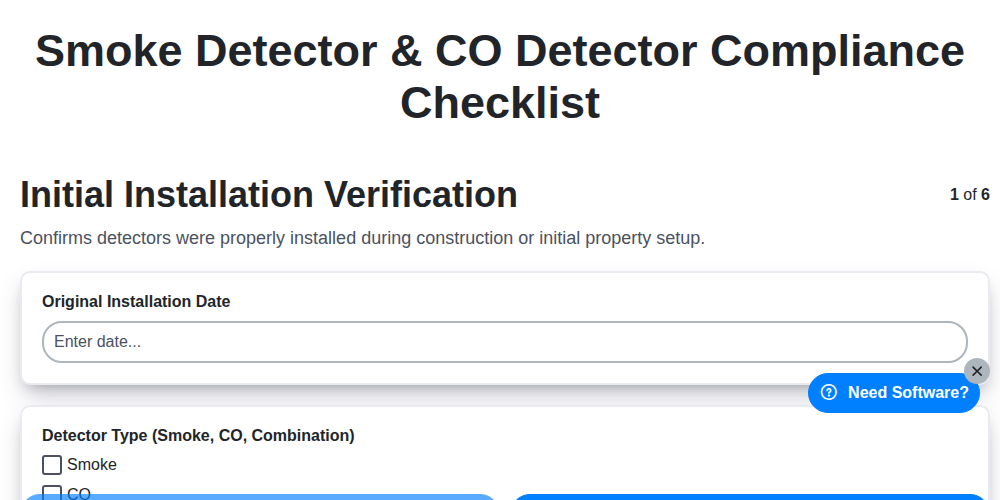
Table of Contents
- Why Smoke & CO Detectors Matter
- 1. Initial Installation Verification: Setting the Foundation
- 2. Detector Inventory & Location: Mapping Your Safety Network
- 3. Annual Testing & Maintenance: Keeping Your Detectors Sharp
- 4. Tenant Notification & Education: Empowering Residents
- 5. Record Keeping & Documentation: Proof of Compliance
- 6. Navigating Local Regulations: Staying on the Right Side of the Law
- 7. Checklist Template: Your Guide to Safety & Compliance
- Resources & Links
TLDR: Ensure your building's smoke and CO detectors are working and compliant with our free checklist! It guides you through installation checks, regular testing, tenant education, and record-keeping, saving you time and potential legal headaches. Download it now for peace of mind and safety!
Why Smoke & CO Detectors Matter
Smoke and carbon monoxide (CO) detectors are more than just building requirements; they are vital lifelines. Smoke detectors provide early warning of a fire, giving you precious time to escape and potentially saving lives. Carbon monoxide, often called the silent killer, is an odorless, colorless gas that can be deadly. CO detectors alert you to its presence, allowing you to evacuate and seek medical attention. Failing to have working detectors can have devastating consequences, not only for residents but also for property owners who could face legal repercussions. Simply put, functional smoke and CO detectors offer peace of mind and can be the difference between safety and tragedy.
1. Initial Installation Verification: Setting the Foundation
Ensuring proper initial installation is the bedrock of a safe living environment. This isn't just about hanging a detector on the wall; it's about doing it right. Here's what to verify:
- Correct Placement: Smoke detectors should be located inside each bedroom and outside each sleeping area. CO detectors should be placed near sleeping areas, typically on each level of the home, including basements. Avoid placing them near kitchens or bathrooms to prevent false alarms.
- Detector Type: Confirm the detectors are the appropriate type for the environment. Photoelectric detectors are generally better at detecting smoldering fires, while ionization detectors respond quickly to flaming fires. Combination detectors offer both capabilities.
- Secure Mounting: Ensure detectors are securely mounted to the ceiling or wall, according to the manufacturer's instructions. Use appropriate hardware for the surface.
- Wiring & Power Source: For hardwired detectors, verify proper wiring and connection to a reliable power source. For battery-powered detectors, confirm the correct type of batteries are installed and functioning.
- Manufacturer's Instructions: Thoroughly review and follow the manufacturer's instructions for installation. These instructions often contain crucial safety information.
- Date of Installation: Record the date of installation for each detector - this is critical for tracking maintenance and replacement schedules.
2. Detector Inventory & Location: Mapping Your Safety Network
Knowing exactly where your smoke and CO detectors are located is a critical first step in ensuring comprehensive safety. It's more than just knowing you have them; it's about knowing their specific placement and ensuring they're optimally positioned to provide early warning.
Create a Detailed Inventory:
- Document Each Detector: Keep a list of every smoke and CO detector in your property. Include:
- Model Number: This helps with troubleshooting and ordering replacements.
- Serial Number: Useful for warranty purposes and identifying specific units.
- Location: Be precise! Upstairs hallway isn't enough. Specify "Upstairs hallway, 10 feet from the staircase."
- Installation Date: Knowing how old a detector is helps predict when replacement is needed.
- Visual Map: Consider creating a simple floor plan and marking the location of each detector. This is especially helpful for larger properties or those with complex layouts. Photos can also be incredibly useful for future reference.
- Strategic Placement Review: Ensure detectors are placed according to best practices:
- Smoke Detectors: Inside and outside each sleeping area, on every level of the home, and in the hallway leading to sleeping areas.
- CO Detectors: Near sleeping areas and on each level of the property. Avoid placing them near fuel-burning appliances or in areas prone to high humidity.
- Regular Walk-Throughs: Periodically walk through the property to verify detector locations haven't been obstructed (by furniture, decorations, etc.) and remain easily accessible for testing and maintenance.
Knowing the exact location and having a detailed inventory empowers you to quickly assess the safety network in case of an emergency and simplifies routine maintenance.
3. Annual Testing & Maintenance: Keeping Your Detectors Sharp
Annual testing and maintenance are absolutely critical to ensure your smoke and CO detectors remain reliable protectors. Don't let them become silent failures! Here's what you need to do:
- Test Each Detector Monthly: While this is a monthly task, a dedicated annual review reinforces the habit. Press and hold the test button on every detector to verify the alarm sounds.
- Clean Detectors: Dust and debris can interfere with a detector's ability to sense smoke or carbon monoxide. Gently vacuum around the exterior of each detector using a brush attachment. Never use water or cleaning solutions.
- Check Battery Life (for Battery-Powered Detectors): Even detectors hardwired to your home's power often have a battery backup. Replace batteries annually, even if they haven't indicated low power. Consider using long-life lithium batteries for extended battery performance.
- Inspect for Damage: Look for cracks, discoloration, or other signs of damage on the detector housing. If you see anything concerning, replace the unit.
- Consider Professional Inspection: For larger properties or those with complex systems, a professional inspection and maintenance check can provide extra peace of mind.
4. Tenant Notification & Education: Empowering Residents
Simply having working detectors isn't enough; your tenants need to understand them and know how to use them properly. Effective tenant notification and education is a vital component of your smoke and CO detector compliance program.
Here's what to cover:
- Initial Orientation: During move-in, provide tenants with a clear explanation of the detectors' purpose, location, and how they function. This should include what sounds each detector makes (smoke vs. CO) and what actions they should take upon hearing each alarm.
- Regular Reminders: Don't make this a one-time thing! Include detector safety tips in annual lease renewal reminders, newsletters, or community updates.
- What To Do Guide: Provide a simple, easy-to-understand guide outlining steps to take when an alarm sounds. Include instructions on how to properly ventilate the unit after a false alarm (if applicable and permissible) to prevent future occurrences.
- False Alarm Prevention: Educate tenants on common causes of false alarms, such as cooking smoke, steam, or dust. Explain how to minimize these triggers.
- Tampering Warnings: Clearly communicate the dangers of disabling or removing detectors. Emphasize that doing so is a violation of the lease and could have serious consequences.
- Language Accessibility: Ensure your notification materials are available in languages commonly spoken by your tenant population.
By empowering your tenants with knowledge, you foster a culture of safety and build trust - contributing significantly to a successful and compliant smoke and CO detector program.
5. Record Keeping & Documentation: Proof of Compliance
Maintaining meticulous records is arguably the most crucial, yet often overlooked, aspect of smoke and CO detector compliance. It's not enough to do the work; you need proof you did it! This documentation serves as evidence of your commitment to safety and can be invaluable in the event of an inspection, incident, or legal inquiry.
Here's what you should be documenting:
- Installation Records: Keep records of initial installations, including dates, contractor information (if applicable), and model numbers of the detectors installed.
- Testing Logs: Detailed records of annual testing are essential. Note the date of each test, who performed it, and the results (pass/fail). If a detector failed, document the corrective action taken (replacement, repair, etc.).
- Maintenance Records: Keep track of any maintenance performed, such as battery replacements, cleaning, or repairs.
- Tenant Notifications: Document when and how you notified tenants about detector testing and maintenance procedures. This might include emails, letters, or posted notices.
- Training Records: If you provide tenant education or staff training, maintain records of who attended and what was covered.
- Local Regulation Updates: Note when you reviewed local regulations and any changes you made to your procedures in response.
How to Organize Your Records:
- Digital Files: Scanning and storing records electronically is becoming increasingly popular. Use a cloud-based storage system for accessibility and backup.
- Physical Files: If you prefer physical files, use clearly labeled folders and binders.
- Software Solutions: Consider using property management software or dedicated compliance tracking tools to automate record-keeping.
Consistency and accuracy are key! Well-maintained records demonstrate your proactive approach to safety and protect you from potential liability.
6. Navigating Local Regulations: Staying on the Right Side of the Law
Local regulations surrounding smoke and CO detectors can vary significantly depending on your state, city, and even the type of housing you manage (rental, condo, single-family homes, etc.). Failing to comply isn't just an inconvenience; it can lead to hefty fines, legal action, and, most importantly, put residents at risk.
Here's what you need to do:
- Research Your Jurisdiction: Start by visiting your local government's website (city, county, and state) and searching for "smoke detector requirements" and carbon monoxide detector requirements. Many jurisdictions have specific ordinances detailing detector types, placement, and maintenance.
- Understand Specific Requirements: Pay attention to details like:
- Detector Type: Are photoelectric or ionization smoke detectors required? Do CO detectors need to be combination units?
- Placement: Specific placement requirements often exist for bedrooms, hallways, and near living areas.
- Interconnectivity: Some areas mandate interconnected detectors, meaning when one alarm sounds, they all sound.
- Battery Requirements: Regulations may dictate the type of batteries allowed (sealed, lithium, etc.) and replacement schedules.
- Landlord Responsibilities: Clearly understand what is required of the property owner or manager.
- Stay Updated: Regulations can change. Subscribe to local government newsletters, attend relevant workshops, or consult with a legal professional to ensure ongoing compliance.
- Document Your Efforts: Keep records of your research and implementation of local regulations. This demonstrates due diligence in the event of an audit or incident.
Disclaimer: This information is for general guidance only and does not constitute legal advice. Always consult with a legal professional to ensure full compliance with applicable laws and regulations.
7. Checklist Template: Your Guide to Safety & Compliance
Here's a handy checklist you can adapt for your property management or landlord responsibilities regarding smoke and CO detector compliance. Remember to customize it to reflect your specific local regulations and building specifics.
Smoke & CO Detector Compliance Checklist
Property Address: _________________________ Date of Inspection: _________________________ Inspector Name: _________________________
1. Initial Installation Verification (Upon Initial Occupancy or New Installations)
- Confirm detectors are installed according to local code requirements (e.g., number of detectors, location - bedrooms, hallways, etc.).
- Verify detector type (smoke, CO, combination) matches required specifications.
- Ensure detectors are securely mounted and properly wired (if hardwired).
- Confirm battery-operated detectors have working batteries.
- Record installation date and detector model numbers.
2. Detector Inventory & Location
- Create a detailed inventory of all smoke and CO detectors, including location within the property.
- Record manufacturer, model number, and expiration/replacement date (if applicable).
- Map detector locations (e.g., using a building diagram).
- Update inventory annually.
3. Annual Testing & Maintenance
- Test all smoke detectors by pressing the test button. Record results.
- Test all CO detectors by pressing the test button. Record results.
- Replace batteries in battery-operated detectors (even if they appear to be working).
- Clean detectors regularly (dust/debris).
- Inspect for damage or malfunction.
- Note any repairs or replacements made.
4. Tenant Notification & Education
- Provide tenants with written information on smoke and CO detector purpose and function.
- Explain tenant responsibilities (e.g., testing detectors, reporting malfunctions).
- Provide instructions on how to replace batteries and test detectors.
- Document tenant notification (e.g., copy of informational sheet given to tenant).
5. Record Keeping & Documentation
- Maintain records of all inspections, testing, and maintenance activities.
- Retain tenant notification documentation.
- Store records in a secure and accessible location.
- Digital copies recommended for easy access and backups.
6. Compliance with Local Regulations
- Review and understand all applicable local ordinances and building codes regarding smoke and CO detectors.
- Ensure detectors meet current regulations (e.g., 10-year detectors, interconnected systems).
- Stay informed about any changes to local regulations.
Notes: ____________________________________________________________________________
Resources & Links
- Centers for Disease Control and Prevention (CDC) - Fire Prevention: Offers comprehensive information on fire safety, including smoke detector placement, maintenance, and fire prevention tips. A reliable source for basic fire safety knowledge.
- National Fire Protection Association (NFPA): The NFPA is a leading authority on fire prevention and safety. Their website provides detailed standards, guidelines, and educational resources on smoke and CO detectors, along with relevant codes.
- Occupational Safety and Health Administration (OSHA): While primarily focused on workplace safety, OSHA provides guidance on fire safety regulations and best practices that can be applicable to multi-family dwellings and ensuring resident safety.
- American Red Cross: The Red Cross provides resources for disaster preparedness, including home fire safety. They offer educational materials, safety tips, and support services.
- U.S. Fire Administration (USFA): Part of FEMA, the USFA provides fire prevention and safety information, statistics, and programs. A good resource for understanding national trends in fire incidents.
- National Burglar & Fire Alarm Association (NBFAA): Provides information and resources relating to fire alarm systems, maintenance, and compliance - particularly relevant for larger properties or those with more complex systems.
- Environmental Protection Agency (EPA) - Indoor Air Quality: Provides information about carbon monoxide, its sources, and the importance of CO detectors, connecting safety to broader indoor air quality concerns.
- State Fire Training: A directory of state fire training agencies. Useful for finding certified fire safety instructors or relevant local courses if your readers want more in-depth training.
- Home Depot - Smoke & CO Detectors: While primarily a retailer, Home Depot provides information and product options related to smoke and CO detectors, helpful for understanding detector types and features.
- Lowe's - Smoke & CO Detectors: Similar to Home Depot, Lowe's offers product information and options for smoke and CO detectors and can provide an overview of different models.
- Fire Marshal's Association: Information about fire marshals and their roles; can provide information about local codes and regulations, important for staying compliant.
Frequently Asked Questions
What is the purpose of this smoke & CO detector checklist template?
This template helps you systematically check and maintain your smoke and carbon monoxide (CO) detectors, ensuring they are working correctly and compliant with safety regulations. It simplifies the process of regular maintenance and provides a record of your efforts.
Why is regular smoke & CO detector maintenance important?
Smoke and CO detectors are crucial for early warning of fire and carbon monoxide poisoning, both of which can be deadly. Regular maintenance ensures they function properly when needed. Batteries degrade over time, and detectors can become dusty or faulty, impacting their effectiveness.
How often should I use this checklist?
We recommend using this checklist at least twice a year, ideally when you change your clocks for daylight saving time (spring and fall). However, monthly spot checks of the 'test' button are highly recommended.
What does the checklist cover?
The checklist covers essential checks including verifying detector placement, testing the detectors, checking battery status, cleaning detectors, and recording maintenance dates. It also includes a section for noting any observed issues.
Where should smoke and CO detectors be placed according to best practices?
Generally, smoke detectors should be on every level of your home, inside and outside of sleeping areas. CO detectors should be placed on each level of your home, and near sleeping areas. Check your local codes for specific requirements.
What kind of batteries should I use in my detectors?
Refer to your detector's manufacturer instructions. Most use 9V batteries or AA/AAA batteries. Using alkaline batteries is generally recommended for longer life. Consider using 10-year sealed battery detectors to eliminate battery replacement concerns.
How do I clean my smoke and CO detectors?
Use a vacuum cleaner with a brush attachment to remove dust and debris from the exterior of the detectors. Avoid using water or cleaning solutions.
What does it mean if my smoke detector is chirping?
A chirping sound usually indicates a low battery or a fault. Replace the battery immediately. If the chirping persists after replacing the battery, the detector may need to be replaced.
How long do smoke and CO detectors typically last?
Most smoke and CO detectors have a lifespan of 8-10 years. Check the manufacturer's date stamped on the detector. If it's older than 10 years, replace it regardless of its apparent functionality.
Where can I find more information about smoke and CO detector safety regulations?
Check with your local fire department, building codes department, or visit websites like the National Fire Protection Association (NFPA) and the Consumer Product Safety Commission (CPSC) for detailed information and local regulations.
Comments
There are no comments yet. Be the first to add one!
Real Estate Management Solution Demo
Simplify your real estate operations! ChecklistGuro streamlines property management, lease renewals, and maintenance requests. Enhance tenant satisfaction and maximize ROI. Manage it all with our Work OS.
Related Articles
Stress-Free Inspections: Your Home Inspection Coordination Checklist Template
The Ultimate Website Maintenance Checklist Template
10 Essential Checks: Your Brokerage Policy Review Checklist
The Ultimate Office Opening/Closing Checklist Template
Your Ultimate AML Compliance Checklist Template
Rent Collection Checklist Template: Your Landlord's Guide
Your Complete Flood Zone Disclosure Checklist Template
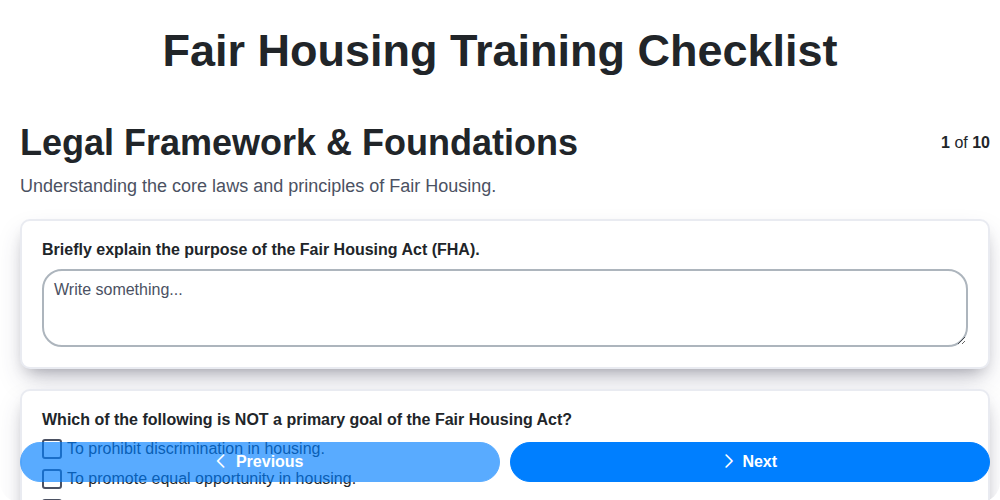
Fair Housing Training Checklist Template: Your Guide to Compliance
Need help with
Real Estate?
Have a question? We're here to help. Please submit your inquiry, and we'll respond promptly.