The Ultimate Waterproofing Checklist: Ensuring a Leak-Proof Installation
Published: 09/01/2025 9:00 PM Updated: 04/23/2026 10:46 AM
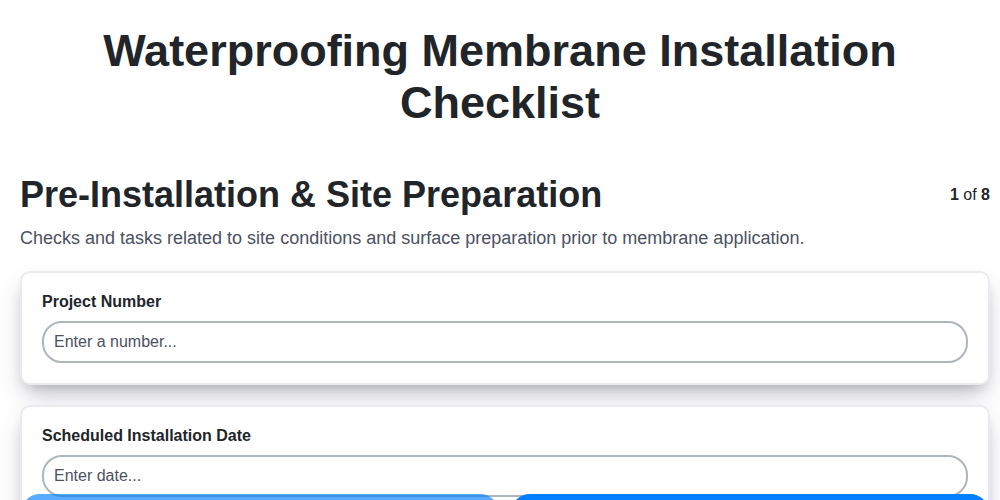
Table of Contents
- Planning & Preparation: Laying the Groundwork
- Material Inspection & Handling
- Substrate Assessment & Preparation
- Primer Application: Bonding for Success
- Membrane Installation: Roll Out the Protection
- Seam Welding/Adhering: Creating a Watertight Seal
- Detailing & Penetration Flashings: Protecting Vulnerable Points
- Quality Control & Testing: Verifying Performance
- Post-Installation Protection: Safeguarding Your Investment
- Documentation & Record Keeping
- Addressing Common Installation Pitfalls
- Long-Term Maintenance & Inspection
- Resources & Links
TLDR: This checklist template ensures your waterproofing installation is leak-proof! It guides you through every step - from prep and material checks to detailing and protection - so you can avoid costly mistakes and guarantee a durable, watertight barrier. Download it and use it to keep your project on track and protected from the elements.
Planning & Preparation: Laying the Groundwork
Effective waterproofing isn't just about the application itself; it's about the meticulous planning and preparation that precedes it. Rushing into installation without proper groundwork significantly increases the risk of failures and costly remediation. This section outlines the critical steps to ensure a solid foundation for your waterproofing project.
1. Thorough Site Assessment: Begin with a comprehensive assessment of the existing conditions. This includes identifying potential problem areas such as cracks, voids, existing coatings, and areas prone to ponding water. Document these observations with photographs and detailed notes - this creates a baseline for comparison post-installation and helps diagnose any issues later. Consider factors like sun exposure, wind patterns, and potential impact from surrounding structures.
2. Reviewing Project Documentation: Scrutinize all project specifications, architectural drawings, and manufacturer's data sheets. Understanding the scope of the project, the required performance criteria, and the approved materials is non-negotiable. Ensure the waterproofing system specified is appropriate for the application and the anticipated environmental conditions. Pay close attention to the slope requirements and drainage details.
3. Material Selection & Procurement: Choose a waterproofing membrane and associated products that are compatible with the substrate and the environment. Consider factors like chemical resistance, UV stability, and temperature range. Order materials well in advance to avoid delays, and verify delivery dates to ensure they align with the project schedule. Confirm that all materials meet local building codes and regulations.
4. Scheduling & Logistics: Develop a realistic project timeline that accounts for potential delays caused by weather conditions or material availability. Coordinate with other trades involved in the project to ensure a smooth workflow. Plan for proper storage of materials on-site, protecting them from the elements and preventing damage. Clearly define access routes for equipment and personnel.
5. Safety Planning: Prioritize safety throughout the project. Identify potential hazards and implement appropriate safety measures, including fall protection, respiratory protection, and proper handling of chemicals. Ensure all personnel are adequately trained and equipped to perform their tasks safely. Communicate safety protocols clearly and consistently.
Material Inspection & Handling
The foundation of a successful waterproofing installation rests on the quality of the materials used. A faulty roll of membrane or improperly stored primer can compromise the entire system, leading to premature failure and costly repairs. Therefore, meticulous material inspection and handling are absolutely crucial.
Upon delivery, carefully inspect each shipment against the purchase order to confirm the correct product type, quantity, and specifications are present. Visually examine all materials - rolls of membrane, drums of primer, adhesives, and accessories - for any signs of damage. Look for tears, punctures, contamination, or inconsistencies in the product. Document any discrepancies or defects immediately and notify the supplier.
Proper storage is equally important. Waterproofing materials often have specific storage requirements outlined by the manufacturer. Typically, this involves keeping materials in a dry, shaded, and level area, protected from direct sunlight and extreme temperatures. Keep drums tightly sealed to prevent evaporation or contamination. Crucially, verify expiry dates on all products; installing expired materials will void warranties and compromise performance. Batch number matching is essential too - ensure all materials used on a project originate from the same batch to avoid potential compatibility issues that can weaken the overall system. A small investment in careful inspection and handling upfront will pay dividends in long-term performance and peace of mind.
Substrate Assessment & Preparation
Before a single roll of membrane is laid, a thorough assessment and preparation of the substrate is absolutely critical. Think of it as laying the foundation for a house - a shaky foundation will lead to problems down the line. This isn't just about cleaning; it's about ensuring the surface is receptive to the primer and membrane, creating a durable and watertight bond.
Visual Inspection & Condition Assessment:
Begin with a meticulous visual inspection of the substrate. Look for signs of existing damage, including cracks, voids, delamination, efflorescence (a white, powdery deposit often found on concrete), and previous coating failures. Document these findings with photographs - this provides a baseline and can be invaluable for troubleshooting later. The type of substrate - whether it's concrete, wood, metal, or another material - will dictate the appropriate preparation methods.
Concrete Substrates: Profile, Repair, and Cleaning
Concrete is a common substrate, and its condition greatly impacts adhesion. Concrete surfaces often require a specific profile (sometimes referred to as a CSP - Concrete Surface Profile"). This is the roughness of the surface, which affects how well the primer and membrane can adhere. A CSP test (often using a fineness gauge) should be performed to determine the profile. If the profile is inadequate, methods like shot blasting, grinding, or acid etching may be necessary to create the correct surface texture.
Cracks in concrete should be addressed. While hairline cracks may be bridged by some membrane systems, larger cracks need to be repaired using appropriate patching compounds specifically designed for waterproofing applications. Finally, the concrete surface must be thoroughly cleaned to remove any loose debris, dust, grease, oil, laitance (a weak, powdery layer on fresh concrete), or existing coatings. Pressure washing is often effective, but ensure the concrete is completely dry before proceeding to the next step.
Wood and Metal Substrates:
Wood substrates should be free of rot, decay, and loose fasteners. Metal substrates must be cleaned of rust and mill scale. Priming with a rust-inhibiting primer is often recommended for metal surfaces to prolong the lifespan of the waterproofing system.
Moisture Content:
Moisture content is a critical factor, especially for wood substrates. Elevated moisture levels can interfere with adhesion and compromise the long-term performance of the waterproofing system. Moisture testing should be performed to ensure the substrate is within acceptable limits before installation.
Always consult the manufacturer's recommendations for specific substrate preparation requirements.
Primer Application: Bonding for Success
Priming is arguably the most critical step in waterproofing membrane installation - it's the foundation upon which the entire system's longevity depends. Without proper adhesion, the membrane, no matter how high-quality, will eventually fail.
But primer isn't just about "sticking" the membrane; it serves multiple vital functions. It cleans the substrate surface, removing contaminants like dust, grease, and loose particles that would otherwise inhibit bonding. It alters the surface tension, allowing the membrane adhesive to wet the substrate more effectively. And, crucially, it can improve the substrate's ability to accept moisture, especially on porous surfaces like concrete.
Key Considerations for Successful Primer Application:
- Follow Manufacturer's Instructions Precisely: This cannot be overstated. Primer application rates (coverage per gallon/liter), drying times, and application methods vary significantly between manufacturers and membrane types. Deviating from these instructions can severely compromise adhesion.
- Application Method: Primers can be applied using brushes, rollers, or sprayers. Choose the method recommended by the manufacturer, considering the substrate's texture and the desired coverage. Spraying is often preferred for large areas and textured surfaces to ensure uniform application.
- Coverage is Key: Don't skimp on the primer. Insufficient coverage leads to weak adhesion. Ensure you achieve the specified coverage rate; double-check with test areas if necessary.
- Drying Times - Be Patient: Allow the primer to dry completely before applying the membrane. Drying times are influenced by temperature, humidity, and ventilation. Rushing this step is a common mistake that can lead to adhesion failures. Refer to the manufacturer's data sheet for accurate drying time guidelines.
- Temperature & Humidity: Extreme temperatures or high humidity can affect primer drying and application. Check the manufacturer's recommendations regarding ideal application conditions.
- Surface Preparation: Even with primer, adequate surface preparation is essential. Ensure the substrate is clean, sound, and free from any contaminants that could compromise adhesion.
Membrane Installation: Roll Out the Protection
The core of any waterproofing system lies in the precise and careful installation of the membrane itself. This isn't simply a matter of rolling out a sheet; it's a process demanding accuracy, attention to detail, and adherence to manufacturer specifications.
Planning and Layout: Before you even touch the membrane, meticulous planning is essential. Review the substrate layout, noting the location of penetrations, corners, and changes in direction. Accurate measurements and careful planning will minimize waste and ensure a seamless application. Consider pre-cutting sections to navigate complex areas.
Unrolling and Positioning: Unroll the membrane in a way that minimizes stress and prevents damage. Allow the membrane to acclimatize to the ambient temperature for the time specified by the manufacturer. This is crucial to prevent shrinking or expanding after installation. Position the first sheet carefully, aligning it with the layout markings.
Overlap is Key: Proper overlap is your first line of defense against leaks. Overlap dimensions are not arbitrary-they are defined by the manufacturer and are critical for watertightness. Pay close attention to the recommended overlap widths for both vertical and horizontal joints.
Compaction and Adhesion: After positioning each sheet, compaction is vital. Use a weighted roller to ensure the membrane is in full contact with the substrate and that any air pockets are eliminated. Consistent pressure is necessary for optimal adhesion, especially with adhered membranes.
Navigating Corners and Details: Corners and details require special attention. Miter corners precisely to create watertight seals. Use corner flashing or sealant as needed to prevent water ingress. Remember that the detail work often determines the overall performance of the waterproofing system.
Addressing Penetrations: Around penetrations like pipes and vents, use pre-fabricated flashings or carefully apply sealant and membrane to create a watertight seal. Ensure the penetration flashing is properly integrated with the surrounding membrane, preventing any gaps or voids.
Seam Welding/Adhering: Creating a Watertight Seal
The critical step of creating a truly watertight seal lies in properly welding or adhering the membrane seams. The method used depends entirely on the membrane type - each demands a specific technique for a reliable, leak-free barrier.
For Welded Membranes (e.g., PVC, TPO):
Welding involves using heat to melt and fuse the membrane layers together. Precision is key! The process typically involves:
- Temperature Control: Maintaining the correct welding temperature is absolutely crucial. Too low, and the weld won't bond properly; too high, and you risk damaging the membrane. Always consult the manufacturer's recommendations for the correct temperature range.
- Consistent Welding Speed: Maintaining a consistent and appropriate welding speed ensures a uniform and strong weld bead.
- Overlap and Seam Width: Adhere strictly to the manufacturer's specifications regarding overlap width and seam allowances. Wider overlaps generally provide greater protection, but excess material can create challenges during subsequent work.
- Tack Welding (often recommended): A quick, initial tack weld helps secure the sheets and prevent movement during the full welding process.
- Visual Inspection: After welding, carefully inspect the seams for any voids, inconsistencies, or burn-through. Perform a pull test, if appropriate, to verify seam strength.
For Adhered Membranes (e.g., Modified Bitumen):
Adhering involves bonding the membrane to a substrate using a compatible adhesive. This method requires careful preparation and execution:
- Substrate Preparation: The substrate must be clean, dry, and properly primed according to the adhesive manufacturer's instructions. Any contaminants will compromise the bond.
- Adhesive Application: Apply the adhesive evenly and generously, ensuring complete coverage of the membrane and substrate. Roller application is often recommended to eliminate air pockets.
- Pressure and Curing Time: Apply consistent pressure to the membrane immediately after application and allow ample curing time as specified by the adhesive manufacturer. This ensures a strong, permanent bond.
- Solvent Flash-off (if applicable): Some adhesives require a flash-off period after application before the membrane is applied. Follow the manufacturer's instructions carefully.
- Overlap and Seam Rolling: Overlap seams according to manufacturer's recommendations, and use a rolling machine to ensure full adhesion throughout the seam area.
Regardless of the method used, remember that proper seam execution is the foundation of a successful waterproofing system. Don't compromise on this critical step!
Detailing & Penetration Flashings: Protecting Vulnerable Points
Details are where waterproofing can easily fail if overlooked. Penetrations - where pipes, vents, conduits, or other elements pass through the waterproofing layer - represent significant vulnerability points. These areas require meticulous detailing to ensure a watertight seal and prevent water intrusion.
Common Detail Challenges & Solutions:
- Pipe Penetrations: The flashing around pipes must be properly sealed to the membrane and the pipe itself. This often involves using a combination of sealant, flashing boots, and careful lapping of the membrane. Ensure the pipe is adequately supported to prevent stress on the flashing.
- Wall-to-Roof Junctions: These complex junctions demand specialized flashing designs and techniques to prevent water from running down the wall and under the roof membrane. Consider using stepped flashing or cricket details.
- Changes in Direction: Where the waterproofing membrane changes direction, such as at corners or transitions, lapping and sealing are critical. Use corner details specifically designed for waterproofing and ensure full contact between the membrane layers.
- Upstands & Parapets: Parapets and other vertical upstands must be properly flashed to prevent water from pooling and infiltrating. Overlap the membrane significantly and seal all edges.
- Vents & Skylights: Skylights and vents require custom flashing assemblies that integrate seamlessly with the waterproofing system. Follow the manufacturer's recommended flashing details precisely.
Best Practices for Penetration Flashings:
- Use Compatible Materials: Ensure that all flashing materials are compatible with the waterproofing membrane to prevent chemical reactions or degradation.
- Pre-Fabricate When Possible: Pre-fabricating flashing assemblies can improve accuracy and reduce the risk of on-site errors.
- Double-Check Dimensions: Always double-check the dimensions of penetrations and flashing assemblies before installation.
- Apply Generous Sealant: Use a high-quality, compatible sealant generously to ensure a watertight seal around all edges of the flashing.
- Regular Inspections: Schedule regular inspections of penetration flashings, particularly after periods of heavy rainfall or snow, to identify and address any potential issues proactively.
Quality Control & Testing: Verifying Performance
Simply looking at a waterproofing installation isn't enough. True quality control involves a series of deliberate steps and, ideally, documented verification. We're talking about a multi-layered approach that goes beyond surface appearances. Here's what that entails:
1. Visual Inspection - The First Line of Defense:
While we've touched on this before, it bears repeating. Thoroughly examine the entire membrane surface. Look for:
- Uniformity: Is the membrane consistently applied and compacted?
- Seam Integrity: Are the seams properly adhered or welded? No gaps, wrinkles, or signs of separation.
- Detail Accuracy: Ensure flashings, penetrations, and corners are correctly detailed and sealed.
- Damage: Scrutinize for any punctures, tears, or other damage incurred during installation.
2. Adhesion Testing (Recommended):
Adhesion tests are critical to confirm a strong bond between the membrane and the substrate. These tests often involve applying a controlled force to a small area of membrane to measure its resistance to pull away. Specific adhesion testing methods vary by membrane type - consult the manufacturer's guidelines.
3. Water Testing - The Ultimate Verification:
This is where the rubber meets the road, literally. Water testing simulates real-world conditions and reveals weaknesses you might not see otherwise.
- Static Water Test: This involves ponding water on the membrane surface for a specified duration (often 24-72 hours) and observing for any signs of leakage.
- Sprinkler Test: A more dynamic test simulating rainfall. A sprinkler system delivers a controlled rainfall intensity over the membrane, allowing you to identify any leaks or vulnerabilities.
- Hydrostatic Pressure Testing (for critical applications): This involves applying controlled water pressure to the membrane to assess its structural integrity under stress. This should be performed by qualified professionals.
4. Documentation is Key:
Regardless of the testing method, meticulous documentation is essential. Record the date, time, method used, results observed, and any corrective actions taken. Photographic evidence is invaluable. This documentation provides a record of the installation's quality and can be crucial for warranty claims.
Important Note: Always refer to the membrane manufacturer's recommendations for specific testing procedures and acceptance criteria.
Post-Installation Protection: Safeguarding Your Investment
The work is done, the membrane is laid, and the project looks fantastic. But don't let your guard down just yet! Post-installation protection is absolutely critical to ensuring the long-term performance and warranty validity of your waterproofing membrane. Think of it as the final, crucial layer of defense against premature failure.
Here's why and how to safeguard your investment:
Immediate Protection: Preventing Construction Damage
During subsequent construction phases - whether it's installing pavers, laying roofing materials, or even foot traffic during landscaping - the membrane is highly vulnerable. A dropped tool, a misplaced material, or even constant foot traffic can puncture, tear, or damage the waterproofing, jeopardizing its integrity.
- Geotextile Fabric: The most common and recommended solution is to cover the entire membrane with a layer of geotextile fabric. This acts as a protective shield, absorbing impacts and preventing punctures. Ensure the geotextile overlaps adequately and is securely fastened (typically with staples or pins) to prevent it from shifting.
- Temporary Ramps & Walkways: Establish designated walkways or ramps to minimize direct contact between workers and the membrane.
- Clearly Marked Boundaries: Use caution tape or other markers to clearly define the membrane area, alerting all personnel to its presence and fragility.
Long-Term Considerations:
Protection isn't just about the immediate construction period. Consider these long-term preventative measures:
- UV Degradation: Some membranes are susceptible to UV degradation. If the membrane will be exposed to direct sunlight for an extended period before a permanent top layer is installed, consider a UV-resistant geotextile or a temporary UV protective coating.
- Debris Management: Regularly inspect the membrane for debris accumulation (leaves, branches, etc.). These can trap moisture and promote algae growth, potentially damaging the membrane over time.
- Scheduled Inspections: Include the waterproofing membrane in your building's regular inspection schedule. Early detection of any issues can prevent costly repairs down the road.
Remember, proper post-installation protection is an investment that pays off by preserving the performance, extending the lifespan, and maintaining the integrity of your waterproofing system.
Documentation & Record Keeping
Proper documentation isn't just a formality; it's a vital safety net for any waterproofing project. Thorough record-keeping protects you from potential warranty claims, clarifies responsibility in case of issues, and provides a clear history of the installation process.
Here's what you should be documenting throughout the project:
- Material Tracking: Keep detailed records of all materials used, including manufacturer, product name, batch numbers, and delivery dates. This is crucial for warranty validation and troubleshooting.
- Inspection Reports: Document all site inspections, noting any existing conditions, substrate preparation issues, or potential risks. Include photographs whenever possible.
- Installation Details: Record the specific installation techniques used, primer and adhesive application rates, welding parameters (for membrane systems), and any deviations from the original specifications.
- Weather Conditions: Note the weather conditions during installation. Extreme temperatures or humidity can impact adhesion and performance.
- Testing Results: Document the results of any water tests, adhesion tests, or other quality control measures performed.
- Photos & Videos: Visual evidence is invaluable. Take plenty of photos and short videos throughout the process, capturing each stage of the installation.
- Communication Log: Maintain a log of any communication with the client, architect, engineer, or other stakeholders, outlining decisions made and actions taken.
Organize these records in a readily accessible format - a digital folder, a project-specific notebook, or a cloud-based platform. Sharing this documentation with the client upon project completion demonstrates professionalism and builds trust. Regularly reviewing these records can also identify patterns and improve future installation practices.
Addressing Common Installation Pitfalls
Even with a meticulous checklist, unforeseen challenges can arise during waterproofing membrane installation. Recognizing and proactively addressing these common pitfalls is crucial for a long-lasting, leak-free result.
Insufficient Substrate Preparation: Rushing the substrate prep - neglecting cleaning, repairing cracks, or providing the correct profile - is a frequent cause of failure. A poorly prepared surface simply won't provide adequate adhesion, no matter how high-quality the membrane. Always prioritize thorough cleaning and repair.
Inadequate Primer Coverage: Skimping on primer or applying it unevenly weakens the bond between the substrate and the membrane. Follow the manufacturer's coverage rate precisely. Consider a wetness test - the primer should leave a slightly damp sheen on the surface.
Incorrect Overlap and Seam Alignment: Improper overlap and seam alignment creates vulnerable points susceptible to water intrusion. Ensure overlaps are consistent with specifications and meticulously align seams. Staggering joints is also vital.
Overheating During Welding (for Welded Membranes): Excessive heat during welding can damage the membrane, leading to brittleness and premature failure. Use calibrated welders and monitor temperature carefully.
Air Entrapment: Air pockets trapped beneath the membrane compromise the waterproofing barrier. Consistent roller compaction is essential to eliminate air and ensure full contact.
Ignoring Manufacturer's Recommendations: Each membrane type has unique installation requirements. Deviation from these guidelines almost always results in problems. Read and strictly adhere to the manufacturer's instructions.
Lack of Quality Control: Failing to perform regular inspections and leak testing during and after installation leaves potential issues undetected until they become major problems. A thorough visual inspection is the minimum.
Long-Term Maintenance & Inspection
A flawlessly installed waterproofing membrane is an investment, and like any investment, it requires ongoing care to maximize its lifespan and effectiveness. Neglecting regular maintenance and inspections can lead to seemingly minor issues escalating into costly repairs or even structural damage.
Regular Visual Inspections: Schedule routine visual inspections - ideally at least twice a year, and after any significant weather events (heavy rain, snow, hail). Look for signs of distress like discoloration, bubbling, cracking, punctures, or loose seams. Don't hesitate to get on the roof (safely, with appropriate safety gear) to get a thorough view.
Debris Removal is Key: Keep the membrane surface clear of leaves, branches, and other debris. Accumulated debris can trap moisture, accelerate deterioration, and compromise the membrane's ability to shed water effectively. Regular cleaning, especially in areas prone to leaf fall, is a simple but vital preventative measure.
Addressing Minor Issues Promptly: Don't ignore minor imperfections. A small crack or a slightly loose seam might seem insignificant now, but they can quickly expand and allow water infiltration. Patching small cracks and resealing seams promptly is far more cost-effective than dealing with a large-scale leak later. Follow manufacturer recommendations for appropriate repair materials.
Professional Inspections: Consider scheduling periodic professional inspections, particularly for critical applications or complex systems. A trained inspector can identify potential problems that might be missed during routine visual checks, using specialized tools and techniques. They can also advise on preventative maintenance strategies tailored to your specific system.
Document Everything: Keep a detailed record of all inspections, maintenance activities, and repairs performed. This documentation will be invaluable for tracking the membrane's condition over time, identifying trends, and facilitating future maintenance planning. It's also essential for warranty claims.
Remember: Proactive maintenance and diligent inspections are crucial for preserving the integrity and longevity of your waterproofing system.
Resources & Links
- Nailed It Construction: General construction resource offering insights on waterproofing techniques and best practices - useful for background understanding of the wider construction context.
- Building Science Corporation: Provides in-depth technical information and resources related to building science, including moisture control and building envelope performance. Crucial for understanding *why* waterproofing is vital.
- SPANDREL - Roofing & Waterproofing: Specialized resource focused on roofing and waterproofing, offering technical information, product guides, and installation videos. Focuses on membrane systems.
- Tremco: Manufacturer of waterproofing materials; provides product information, technical data sheets, application guides, and installation videos. Excellent for specific product knowledge.
- GAF: Another major manufacturer of roofing and waterproofing solutions, offering technical documentation, training resources, and case studies. Focuses on roofing membranes but has broader waterproofing info.
- SOPREMA: Focuses on membrane systems. Provides technical resources, project support, and training materials for waterproofing professionals. Good for detailed information about membrane installations.
- Whole Building Design Guide (WBDG): A comprehensive resource on building design and construction, covering aspects like building envelope performance and moisture management. Offers a broad overview of waterproofing principles.
- International Code Council (ICC): Provides building codes and standards, which often include requirements for waterproofing. Crucial for ensuring compliance with local regulations.
- American Subcontractors Association (ASA): While primarily for subcontractors, their resources on quality control and best practices in construction are relevant to ensuring proper waterproofing installation.
- International Organization for Standardization (ISO): Provides standards related to quality management and testing of waterproofing materials. Helps understand broader performance benchmarks.
- Applied Waterproofing Conference & Institute: Focuses on waterproofing and damp-proofing, offers training courses, technical articles, and industry news.
- Building Sustainability: Provides information and resources for sustainable building practices, including waterproofing strategies for reducing environmental impact.
- American National Standards Institute: Provides standards and facilitates the development of standards for a wide range of industries including waterproofing. Helps understand standard testing procedures.
- Roofing Consultants Institute: Provides resources, training, and certifications for roofing and waterproofing consultants. Valuable for advanced understanding and troubleshooting.
- Construction Seals: Specializes in sealants and adhesives. Includes technical information on proper sealant application for waterproofing detailing, particularly relevant for detailing and penetration flashings.
Frequently Asked Questions
What is the purpose of this checklist?
This checklist provides a comprehensive guide to ensure a completely waterproof installation, covering various aspects from material selection to final inspection to prevent leaks and water damage.
Who is this checklist for?
This checklist is designed for contractors, DIYers, and anyone involved in waterproofing projects, including roofing, foundation, bathroom, and balcony applications.
What types of projects does this checklist cover?
It covers a wide range, including roofing, foundation waterproofing, bathroom waterproofing (showers, tubs), balcony waterproofing, and general exterior wall protection.
Why is proper waterproofing so important?
Water intrusion can cause significant structural damage, mold growth, decreased property value, and health problems. Proper waterproofing prevents these issues, protecting your investment and health.
What's the difference between 'water-resistant' and 'waterproof'?
'Water-resistant' means the material can resist water to a certain extent, but water may eventually penetrate. 'Waterproof' means the material is designed to prevent water penetration completely.
What should I consider when selecting waterproofing materials?
Consider the type of surface, the expected water exposure, climate conditions, material compatibility, and relevant building codes. Research manufacturer specifications and warranties.
What is flashing and why is it important?
Flashing is a thin, flexible material (usually metal or rubber) used to create a watertight seal around protrusions, joints, and transitions in a waterproofing system. It directs water away from vulnerable areas.
What are some common mistakes people make during waterproofing installations?
Common mistakes include improper surface preparation, incorrect material application, insufficient overlap, inadequate flashing, and neglecting details like penetrations and joints.
How important is surface preparation?
Surface preparation is *critical*. It involves cleaning, repairing any damage, ensuring proper adhesion, and applying a suitable primer if required. A poor surface will lead to adhesion failure.
What does 'overlap' refer to in waterproofing?
Overlap refers to the amount a waterproofing membrane is extended beyond a joint or edge. Proper overlap ensures water cannot find a path between two sections of membrane.
What is a 'detail' in waterproofing and why are they important?
'Details' are specific areas where two or more materials meet, like corners, penetrations (pipes, vents), and transitions between surfaces. These areas are often the weakest points and require special attention and techniques.
What kind of inspection should I perform after the waterproofing is complete?
Inspect for any gaps, cracks, or imperfections. Perform a water test (if applicable and safe) to confirm the system's integrity. Document all findings and address any issues immediately.
Where can I find more detailed information about specific waterproofing techniques?
Consult manufacturer's installation guides, industry standards (e.g., ASTM, ICC), and local building codes for detailed information on specific techniques and requirements.
Found this Article helpful?
Comments
There are no comments yet. Be the first to add one!
Construction Management Solution Demo
Build smarter, not harder! ChecklistGuro streamlines construction projects from planning to closeout. Manage tasks, inspections, safety protocols & more - all in one place. Reduce delays, improve communication, and deliver projects on time & on budget.
Related Articles
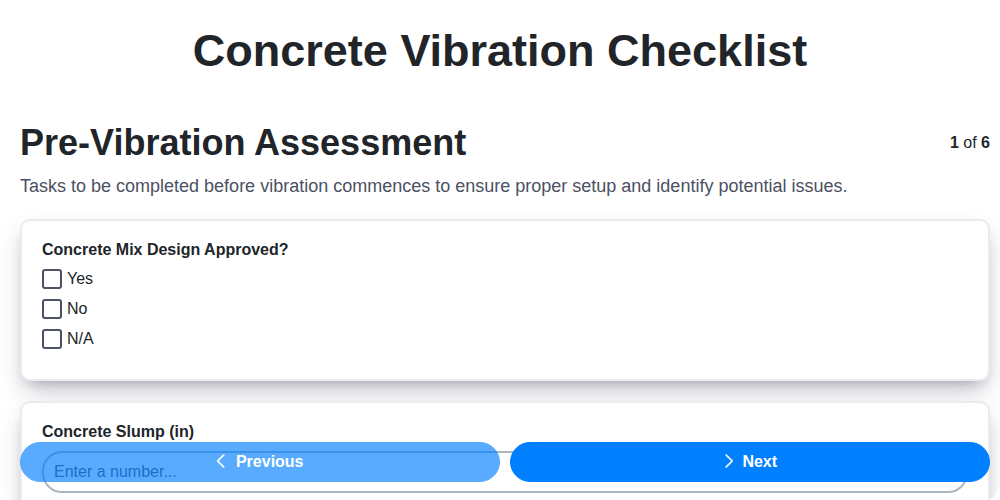
The Ultimate Concrete Vibration Checklist Template
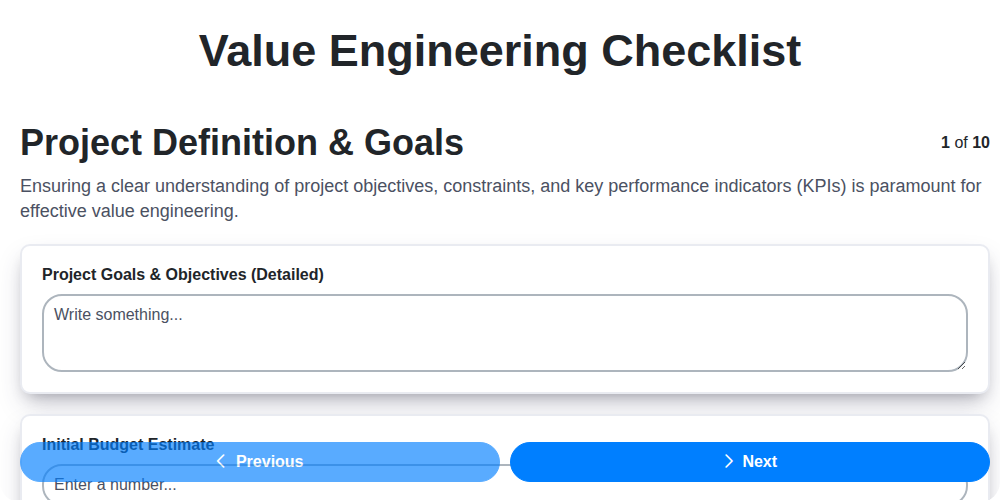
Unlock Value: Your Free Value Engineering Checklist Template
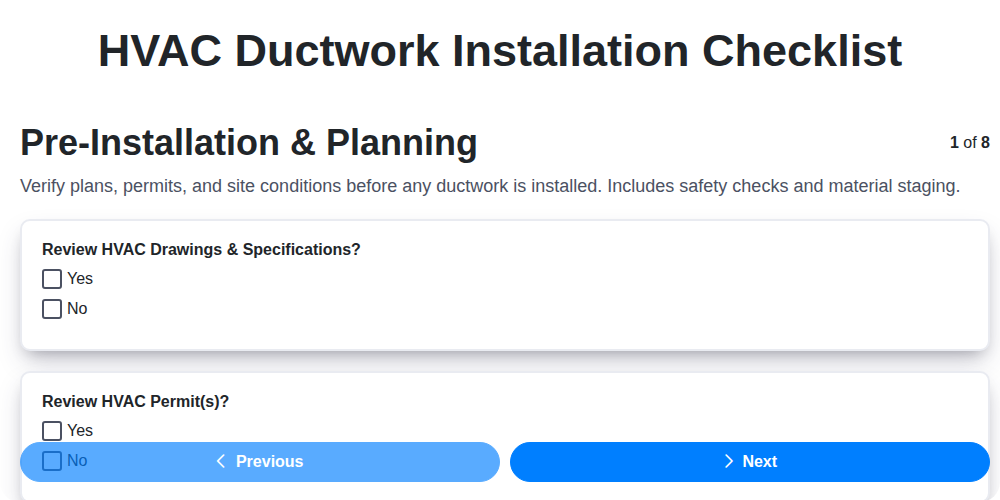
The Ultimate HVAC Ductwork Installation Checklist Template

The Ultimate Rebar Placement Checklist Template
Your Concrete Mix Design Verification Checklist: A Step-by-Step Guide
Backfilling & Compaction Checklist: A Foundation's Best Friend
The Ultimate Concrete Delivery & Placement Checklist Template
Your Ultimate Stakeholder Communication Plan Checklist Template
We can do it Together
Need help with
Construction?
Have a question? We're here to help. Please submit your inquiry, and we'll respond promptly.