The Ultimate Wind Turbine Inspection & Maintenance Checklist: A Comprehensive Guide
Published: 12/05/2025 Updated: 07/02/2026
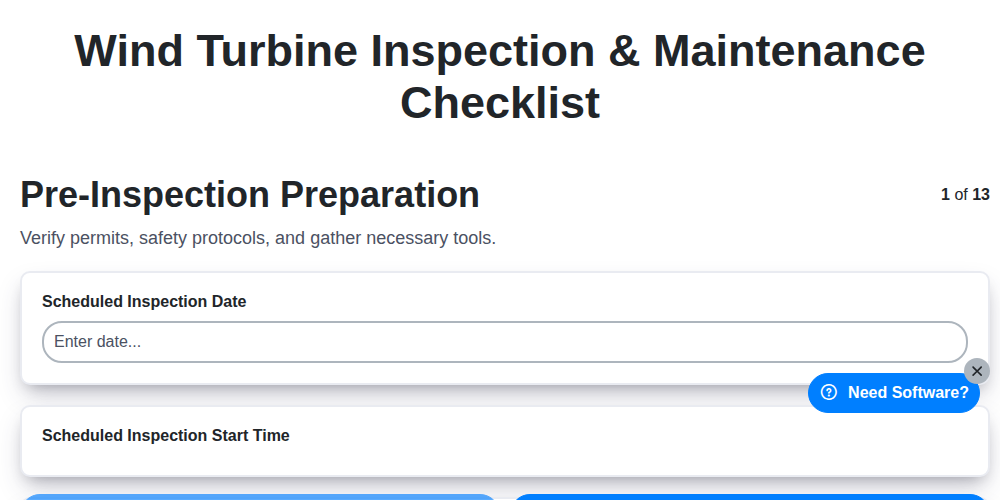
Table of Contents
- Introduction: Why Wind Turbine Inspections Matter
- 1. Pre-Inspection Preparation: Setting the Stage for Success
- 2. Tower Inspection: Foundations and Structural Integrity
- 3. Blade Inspection: Detecting Cracks and Erosion
- 4. Nacelle Inspection (Exterior): A Visual Overview
- 5. Nacelle Inspection (Interior): Deep Dive into Core Components
- 6. Gearbox Inspection: The Heart of the Turbine
- 7. Generator Inspection: Ensuring Power Generation
- 8. Hydraulic System Inspection: Lubrication and Operation
- 9. Brake System Inspection: Safety First
- 10. Yaw System Inspection: Precise Alignment
- 11. Anemometer & Sensors: Accurate Data Collection
- 12. Lightning Protection System: Safeguarding Against Strikes
- 13. Electrical Connections & Cabling: Preventing Failures
- 14. Post-Inspection Documentation & Reporting: Tracking Performance
- Resources & Links
TLDR: Keep your wind turbine running smoothly and safely with this comprehensive inspection & maintenance checklist! It covers everything from pre-planning to post-inspection reporting, ensuring thorough checks of towers, blades, gearboxes, electrical systems, and more. Download the template to proactively identify and address potential issues, maximizing turbine uptime and minimizing costly repairs.
Introduction: Why Wind Turbine Inspections Matter
Wind turbines are vital assets in the renewable energy landscape, but their performance and longevity are directly tied to diligent inspection and maintenance. Operating in harsh environments - exposed to wind, rain, ice, and lightning - these machines endure constant stress and wear. Neglecting routine checks can lead to costly repairs, unscheduled downtime, reduced energy production, and potentially dangerous failures.
A comprehensive inspection and maintenance program isn't just about identifying current issues; it's a proactive strategy to prevent future problems. Early detection of even minor wear and tear allows for targeted interventions, extending the turbine's operational lifespan and maximizing return on investment. This article outlines a detailed checklist, but remember that expert knowledge and specialized equipment are crucial for thorough and safe wind turbine maintenance.
1. Pre-Inspection Preparation: Setting the Stage for Success
A thorough wind turbine inspection begins long before the technician even ascends the tower. Proper preparation is critical for safety, efficiency, and the accuracy of the assessment. This phase lays the groundwork for identifying potential issues and ensuring a productive inspection process.
Here's what's involved in pre-inspection preparation:
- Review Past Inspection Reports & Maintenance Records: Familiarize yourself with the turbine's history, identifying recurring issues or trends. This provides context for the current inspection.
- Weather Assessment: Check weather forecasts and wind conditions. Inspections should be postponed or modified if conditions are unsafe (e.g., high winds, lightning).
- Gather Necessary Tools & Equipment: Ensure you have all the required tools, including specialized inspection equipment (drones, thermal imaging cameras), safety gear (harnesses, hard hats, gloves), and communication devices. Verify all equipment is calibrated and functioning correctly.
- Permits & Approvals: Confirm all necessary permits and approvals are in place before commencing any work.
- Safety Briefing & Team Coordination: Conduct a comprehensive safety briefing for the inspection team, outlining potential hazards and established protocols. Define roles and responsibilities clearly.
- Turbine Shutdown Protocol: Follow established procedures for safely shutting down the turbine if required for certain inspection tasks.
Proper preparation significantly reduces risks and contributes to a more efficient and reliable inspection outcome.
2. Tower Inspection: Foundations and Structural Integrity
The tower is the backbone of the entire wind turbine, and its stability is paramount. This inspection focuses on the foundation and the structural integrity of the tower itself.
Foundation Assessment: Begin by visually inspecting the surrounding ground for any signs of settlement, cracking, or erosion. Look for any unusual vegetation growth, which could indicate moisture issues. Document the condition of any fencing or barriers surrounding the base.
Tower Structure (Exterior): Carefully examine the entire tower exterior, ideally from the ground using binoculars and then closer during a climb (following safety protocols and utilizing appropriate fall protection). Look for:
- Corrosion: Pay close attention to any signs of rust, pitting, or discoloration, especially around welds and bolted connections.
- Cracks and Damage: Scrutinize the tower's surface for cracks, dents, or other physical damage. Even seemingly minor imperfections can compromise structural integrity.
- Welds: Inspect all visible welds for any signs of degradation, porosity, or cracking.
- Bolted Connections: Check for loose or missing bolts. Look for evidence of corrosion or loosening around bolt heads and nuts.
- Paint Condition: Assess the condition of the paint coating. Deterioration can expose the steel to the elements, accelerating corrosion. Note any areas where the paint is peeling or flaking.
- Access Ladders & Platforms: Inspect ladders, platforms, and safety rails for damage, corrosion, and proper attachment.
Documentation: Meticulously document any findings with photographs and detailed descriptions. Use a standardized reporting format to ensure consistency across inspections. Note the location and severity of any issues identified.
3. Blade Inspection: Detecting Cracks and Erosion
Wind turbine blades are constantly exposed to harsh weather conditions - rain, ice, UV radiation, and strong winds. This relentless assault takes its toll, leading to potential cracks, erosion, and delamination. A thorough blade inspection is paramount to preventing catastrophic failure and maintaining optimal performance.
Our inspection process utilizes a combination of visual checks from the ground (using binoculars and telescopic cameras) and detailed close-up examinations conducted by rope access technicians or drone-based inspections. Key areas of focus include:
- Leading Edge Erosion: This is arguably the most common issue, caused by impacting debris like rain, sand, and hail. We evaluate the depth and extent of erosion, categorizing it based on severity to inform repair strategies.
- Trailing Edge Damage: While less common than leading edge erosion, the trailing edge can also suffer damage. We look for signs of chipping, cracks, and any irregularities in the aerodynamic profile.
- Crack Detection: This is critical. We use visual inspection, often enhanced by drone-mounted cameras with zoom capabilities and specific lighting to reveal hairline cracks. More advanced techniques like infrared thermography can sometimes help identify subsurface cracks.
- Delamination: This refers to the separation of the blade's composite layers. We look for signs like bubbling, discoloration, or sound changes when tapping the blade surface.
- Lightning Strike Damage: Burn marks, discoloration, and cracks around lightning receptors are indicators of past strikes and potential weakening of the blade.
- Overall Surface Condition: We assess the general condition of the blade, looking for signs of UV degradation, paint peeling, and any other irregularities that could compromise the structural integrity.
The findings of blade inspections are meticulously documented, including photographic evidence, location of defects, and severity ratings. This data is essential for prioritizing repairs and ensuring the long-term reliability of the wind turbine.
4. Nacelle Inspection (Exterior): A Visual Overview
The nacelle, housing the critical machinery, presents a unique set of exterior inspection challenges. This phase focuses on a thorough visual assessment, looking for signs of wear, damage, and potential failures before accessing the internal components.
Here's what to look for:
- Housing Integrity: Carefully examine the nacelle's outer casing for cracks, dents, corrosion, and any signs of stress fractures. These can be caused by weather, vibration, and impact.
- Weather Sealing: Inspect all seals and gaskets around access points, ventilation ports, and cable entry points. Degradation here can lead to moisture ingress, accelerating corrosion and damaging internal components.
- Paint & Coatings: Check for paint degradation, chipping, or peeling. This is a key indicator of corrosion and requires immediate attention.
- Cooling System Components: Visually assess any external cooling components like radiators or heat exchangers, looking for leaks, damage, or blockages.
- Lubrication Points: Observe lubrication points for leaks or evidence of inadequate lubrication.
- Bird Activity: Look for bird droppings or nesting materials, which can damage components and impact performance.
Documentation is key - detailed photos of any anomalies should be taken for later analysis and repair planning.
5. Nacelle Inspection (Interior): Deep Dive into Core Components
The nacelle's interior is the powerhouse of the wind turbine, housing critical machinery. This inspection requires specialized skills and safety protocols due to the confined space and potential hazards. Here's a breakdown of key elements to assess:
Gearbox Assessment: This is arguably the most critical internal inspection. Look for:
- Oil Analysis: Sample oil and send it for lab analysis to determine viscosity, particle count, and presence of metallic debris. This provides early warning signs of wear.
- Visual Inspection of Gears and Bearings: Check for signs of scoring, pitting, cracks, or unusual wear on gear teeth and bearing surfaces. Listen for unusual noises during operation.
- Leak Detection: Scrutinize for oil leaks from seals and bearings. Even minor leaks should be addressed promptly.
- Temperature Monitoring: Verify proper operating temperatures of bearings and gears. High temperatures often indicate lubrication issues or bearing failure.
Generator Inspection: Focus on the following:
- Stator and Rotor Condition: Visually inspect for cracks, delamination, or other signs of damage.
- Winding Insulation Testing: Perform insulation resistance tests to ensure the windings are sound.
- Cooling System Check: Verify the functionality of the generator's cooling system (air or liquid) and check for leaks.
Hydraulic System (if applicable): Assess the condition of hydraulic cylinders, pumps, and lines. Look for leaks and verify proper fluid levels.
Control System Components: Inspect the condition of inverters, converters, and other control electronics. Look for signs of overheating or corrosion. Verify functionality through testing as per manufacturer guidelines.
Safety Precautions: This section of the inspection must be performed by qualified and certified technicians. Confined space entry protocols, fall protection, and lock-out/tag-out procedures are essential.
6. Gearbox Inspection: The Heart of the Turbine
The gearbox is arguably the most critical component of a wind turbine, responsible for translating the slow rotation of the rotor into the high-speed rotation needed to drive the generator. Consequently, its health directly impacts turbine performance and reliability. A thorough gearbox inspection is paramount, and neglecting it can lead to catastrophic failure and costly downtime.
This inspection goes beyond a visual check. Technicians should meticulously evaluate:
- Oil Condition: This is the key indicator. Oil samples should be taken and analyzed for viscosity, particle count (using spectrometric oil analysis - SOA), moisture content, and degradation products. High particle counts or unusual chemical signatures are red flags.
- Oil Leaks: Even minor leaks should be addressed immediately as they compromise lubrication and can lead to overheating.
- Bearing Condition: Listen for unusual noises (growling, scraping) indicating bearing wear. Vibration analysis is crucial for detecting early signs of bearing failure. Thermal imaging can also highlight overheating bearings.
- Gear Teeth: Inspect for pitting, cracking, or signs of excessive wear. Magnetic particle inspection can detect surface cracks.
- Filter Condition: Assess filter cleanliness and replace as needed based on the maintenance schedule.
- Cooling System: Verify proper coolant flow and temperature regulation within the gearbox cooling system.
Addressing minor issues promptly-like replacing a worn filter or patching a small leak-can prevent major gearbox failures and extend its lifespan. Remember, proactive gearbox maintenance is a cornerstone of wind turbine reliability.
7. Generator Inspection: Ensuring Power Generation
The generator is the heart of the wind turbine, directly responsible for converting mechanical energy into electrical power. A thorough inspection is crucial for maximizing efficiency and preventing costly downtime.
Visual Inspection: Begin with a comprehensive visual check. Look for any signs of overheating, such as discolored windings or unusual smells. Examine the insulation for cracks, damage, or signs of moisture. Check for oil leaks if the generator is oil-lubricated.
Electrical Testing: Perform electrical tests to assess the generator's health. This includes:
- Insulation Resistance Testing (Megger Test): Measures the insulation's ability to prevent leakage current, highlighting potential insulation degradation. Low resistance indicates a problem.
- Winding Resistance Measurement: Checks for shorts or opens in the windings. Deviations from baseline readings can signal damage.
- Voltage and Current Measurements: Assess performance under load and identify any imbalances or anomalies.
- Harmonic Analysis: Detects harmonic distortions that can damage the generator and grid connection.
Bearing Inspection: If accessible, inspect the generator bearings for wear, noise, and overheating. Vibration analysis is a critical tool for identifying bearing issues early.
Cooling System Check: Verify the functionality of the generator's cooling system, whether it's air-cooled or liquid-cooled. Ensure proper airflow or coolant circulation.
Recordkeeping: Document all readings and observations. Trends in data provide valuable insight into the generator's performance and can indicate potential problems before they escalate.
Safety Note: Generator inspections often require specialized equipment and expertise. Always adhere to strict safety protocols and consult with qualified technicians.
8. Hydraulic System Inspection: Lubrication and Operation
The hydraulic system is crucial for various turbine functions, including blade pitching and braking. Regular inspection and maintenance are essential to ensure reliability and prevent costly failures.
Inspection Points:
- Fluid Level: Check the hydraulic fluid reservoir level against the manufacturer's specifications. Low fluid levels often indicate leaks.
- Fluid Condition: Visually inspect the hydraulic fluid for signs of contamination (water, dirt, metal particles). Discoloration or a milky appearance can indicate water ingress or degradation. A fluid sample should be taken and analyzed periodically for viscosity and particulate matter.
- Leak Detection: Carefully examine all hoses, fittings, cylinders, and valves for leaks. Use a UV dye test if necessary to pinpoint hard-to-find leaks. Document all leaks with their location and severity.
- Hose and Cylinder Condition: Inspect hoses for cracks, abrasions, and signs of bulging or deterioration. Check cylinders for scoring or damage.
- Valve Operation: Test valve functionality, ensuring proper actuation and response. Listen for unusual noises indicating potential internal issues.
- Pump Performance: Assess pump pressure and flow rate, comparing readings to manufacturer's data. Unusual noises or vibrations from the pump warrant further investigation.
- Filter Condition: Check and replace hydraulic filters according to the maintenance schedule. Clogged filters restrict flow and can damage components.
Maintenance Recommendations:
- Fluid Replacement: Replace hydraulic fluid according to the manufacturer's recommended schedule.
- Component Replacement: Replace worn or damaged hoses, fittings, and cylinders.
- Pressure Testing: Periodically pressure test the system to identify leaks.
- Record Keeping: Maintain detailed records of all inspections, maintenance, and fluid analysis results.
9. Brake System Inspection: Safety First
The braking system is absolutely critical for wind turbine safety and operational efficiency. Regular and thorough inspection is paramount. This checklist focuses on ensuring reliable stopping power and preventing potential failures.
Visual Inspection: Begin with a detailed visual assessment. Look for signs of wear, corrosion, cracking, or damage to brake pads, calipers, and rotors. Pay close attention to the condition of brake lines - look for leaks, kinks, or abrasion.
Hydraulic Line Pressure Check: Verify hydraulic fluid levels and check for any signs of leaks within the system. A pressure test should be performed to ensure the system is operating within specified parameters. Record the results.
Brake Pad Thickness: Measure the thickness of the brake pads. Compare these measurements against manufacturer specifications and replace pads if they are nearing the minimum acceptable thickness. Note any uneven wear, which could indicate a misalignment issue.
Brake Rotor Condition: Examine brake rotors for scoring, cracks, or excessive heat discoloration. Any of these findings necessitate further investigation and potential replacement.
Servo Motor and Actuator Check: Inspect the servo motor and actuator for proper functionality and unusual noises. A functional test should be performed to ensure responsive and reliable braking engagement.
Emergency Brake Functionality: Test the emergency braking system to confirm it engages quickly and effectively. Document the test results.
Lubrication: Confirm proper lubrication of brake components according to the manufacturer's recommended schedule.
Remember: Brake system malfunctions can have severe consequences. If any anomalies are detected, immediately flag the issue for qualified technicians to investigate.
10. Yaw System Inspection: Precise Alignment
The yaw system is critical for maximizing energy capture - it ensures the turbine consistently faces the wind. A thorough inspection here involves more than a visual check.
Here's what to look for:
- Motor & Gearbox Condition: Visually inspect for oil leaks, unusual noises (grinding, squealing), and physical damage to the yaw motor and gearbox. Document any irregularities.
- Gear Tooth Condition: If accessible, check the gear teeth for wear, cracks, or chipped areas.
- Encoder Functionality: Verify the encoder is providing accurate position feedback. Discrepancies can lead to incorrect alignment.
- Limit Switch Operation: Confirm the limit switches operate correctly, preventing the turbine from over-rotating.
- Hydraulic System (if applicable): Check hydraulic lines, cylinders, and fluid levels for leaks and proper function.
- Software and Control System: Review the yaw control system logs for error codes or unusual behavior. A brief software test can help ensure proper functionality.
- Rotation Smoothness: Observe the turbine's rotation while it's in operation (from a safe distance!). Jerky or uneven movement indicates potential issues.
Addressing yaw system issues promptly is vital to prevent energy losses and potential component failures.
11. Anemometer & Sensors: Accurate Data Collection
Accurate wind data is the lifeblood of a wind turbine's operation. The anemometer and wind vane, typically located atop the nacelle, are crucial for monitoring wind speed and direction, directly impacting turbine performance and safety. This section of the inspection focuses on ensuring their functionality and integrity.
Inspection Points:
- Physical Condition: Visually inspect the anemometer and wind vane for any signs of damage, corrosion, or obstruction. Look for cracks, loose components, or build-up of debris (ice, dust, insects).
- Data Accuracy: Compare current readings with historical data and expected wind conditions. Significant discrepancies warrant further investigation. Utilize calibrated reference anemometers if available for direct comparison.
- Wiring and Connections: Check all wiring and connectors for secure connections, corrosion, and insulation damage. Ensure proper grounding.
- Calibration Records: Verify that the anemometer has been calibrated within the manufacturer's recommended intervals. Review calibration certificates.
- Sensor Integrity: Assess the proper functioning of other sensors (temperature, humidity, pressure) which may be integrated with the anemometer system.
- Signal Transmission: Verify the signal strength and clarity being transmitted to the turbine's control system.
Proper maintenance and inspection of anemometers and sensors minimize downtime, maximize energy capture, and prevent potential operational hazards.
12. Lightning Protection System: Safeguarding Against Strikes
Wind turbines are inherently tall structures, making them prime targets for lightning strikes. A direct hit can cause catastrophic damage, leading to costly repairs, downtime, and potential safety hazards. Therefore, a meticulous inspection and maintenance of the lightning protection system is absolutely critical.
Our checklist focuses on verifying the integrity and functionality of this vital system. Key areas of focus include:
- Grounding System Verification: Assessing the continuity and effectiveness of the grounding network is paramount. We check for corrosion, loose connections, and impedance levels to ensure proper dissipation of lightning energy.
- Air Terminals (Lightning Rods): Visual inspection for physical damage, corrosion, and proper alignment. We verify the distance between air terminals adheres to design specifications.
- Down Conductors: These pathways must be free of obstructions and in good condition. We check for corrosion, mechanical damage, and secure connections at all points.
- Surge Protection Devices (SPDs): SPDs are strategically placed to divert excess voltage. We test their functionality and check for signs of degradation.
- Bonding Conductors: Ensuring a low-impedance path between components, minimizing potential differences that can attract lightning.
- Documentation Review: Examining previous inspection records to identify trends and areas of concern.
Regular inspections and preventative maintenance of the lightning protection system are not just about compliance; they're about safeguarding the turbine, its components, and the surrounding environment.
13. Electrical Connections & Cabling: Preventing Failures
The integrity of electrical connections and cabling is paramount for wind turbine operation. Loose connections, corrosion, degraded insulation, and damaged cables can lead to significant downtime, safety hazards, and reduced energy production. This inspection goes beyond a simple visual check; it requires meticulous attention to detail.
Inspection Points:
- Visual Inspection: Thoroughly examine all electrical connections, busbars, and cabling for signs of corrosion, overheating (discoloration), cracking, and physical damage. Pay close attention to areas exposed to the elements.
- Torque Checks: Verify the torque on all electrical connections according to manufacturer specifications. Loose connections are a frequent culprit in failures. Use calibrated torque wrenches for accuracy.
- Insulation Testing (Megger Testing): Conduct insulation resistance tests (Megger testing) on cables to identify potential insulation degradation. Record readings and compare them to baseline values. Low resistance indicates a potential fault.
- Cable Routing & Support: Confirm that cables are properly routed and supported to prevent abrasion and strain. Look for chafing, kinks, and improper clamping.
- Grounding System: Assess the effectiveness of the grounding system. Check for corrosion, loose connections, and impedance measurements.
- Connector Integrity: Inspect connectors for damage, contamination, and proper sealing.
- Thermographic Scanning: Use thermal imaging to identify hotspots that may indicate loose connections or overloaded circuits.
Preventative Measures:
- Implement a preventative maintenance program specifically for electrical components.
- Use corrosion-resistant connectors and lubricants.
- Regularly clean electrical cabinets and connections.
- Review and update electrical diagrams and documentation.
- Train technicians on proper electrical inspection and maintenance procedures.
14. Post-Inspection Documentation & Reporting: Tracking Performance
The final, and arguably most crucial, step in the wind turbine inspection and maintenance process is thorough documentation and reporting. This isn't just about ticking boxes; it's about creating a historical record that informs future maintenance strategies and helps optimize turbine performance.
What to Document:
- Detailed Findings: Record all observations, both positive and negative, from each inspection area. Be specific - note locations of corrosion, cracks, unusual noises, vibration levels, and any deviations from baseline data. Use photographs and videos whenever possible.
- Measurements & Data: Include all measured data - temperature readings, voltage levels, bearing wear, oil analysis results, vibration analysis results, etc. Clearly label units and dates.
- Corrective Actions: Document any repairs or adjustments made during the inspection. Include the date, description of the work, and the technician who performed it.
- Recommendations: Based on findings, provide clear and actionable recommendations for future maintenance, repairs, or upgrades. Prioritize based on severity and potential impact.
- Software Integration: Ideally, integrate your inspection data into a Computerized Maintenance Management System (CMMS) or other asset management software. This allows for trend analysis, predictive maintenance, and improved overall turbine lifecycle management.
Why it's Important:
- Trend Analysis: Tracking data over time reveals performance trends, allowing for early detection of potential issues.
- Predictive Maintenance: Informed by historical data, maintenance can be proactively scheduled, minimizing downtime and reducing costs.
- Compliance: Accurate records are essential for demonstrating compliance with regulatory requirements and warranty obligations.
- Knowledge Transfer: Comprehensive documentation ensures that knowledge isn't lost when technicians move on.
- Performance Optimization: By analyzing data, you can identify areas where turbine performance can be improved.
Proper post-inspection documentation isn't just an administrative task; it's a cornerstone of a robust wind turbine maintenance program.
Resources & Links
- U.S. Department of Energy - Wind Turbine Inspection & Maintenance: Provides comprehensive information on wind turbine inspection and maintenance practices, covering various aspects including visual inspections, non-destructive testing, and condition monitoring. A crucial government resource for understanding industry standards.
- National Renewable Energy Laboratory (NREL): NREL conducts research and development related to renewable energy, including wind energy. Their website offers numerous reports, publications, and data sets relevant to wind turbine performance and maintenance optimization. Search their site for 'wind turbine maintenance' and 'condition monitoring'.
- American National Standards Institute (ANSI): ANSI develops standards for various industries, including wind energy. Standards like ANSI/AWEA 1100 address wind turbine inspection procedures and safety requirements. Understanding these standards is vital for compliance.
- American Clean Power Association (ACP): The ACP (formerly American Wind Energy Association) is a leading advocate for the wind industry. Their website offers industry news, reports, and resources related to wind turbine operations and maintenance.
- DWI Wind: DWI Wind is a company specializing in wind turbine inspection and maintenance. Their website provides information on their services and insights into the challenges and best practices in wind turbine maintenance.
- Gale Associates: Gale Associates specializes in wind turbine blade inspection and repair. Their website offers information on blade damage assessment and repair techniques, a key component of wind turbine maintenance.
- Mtorres: Mtorres offers a wide range of wind turbine services, including inspections, maintenance, and repairs. Their website provides valuable insights into turbine components and common failure modes. A good resource for understanding complex turbine systems.
- TechnipFMC: While primarily known for oil and gas, TechnipFMC also provides services and solutions for the renewable energy sector, including wind. Their website may contain relevant case studies or reports related to wind turbine maintenance.
- Smart Wind Technology: Focuses on providing digital solutions and condition monitoring systems for wind turbines. Their website will explain how data analytics can improve maintenance efficiency and predict failures.
- SKF: SKF is a leading supplier of bearings and power transmission solutions. Their website contains technical information on bearings used in wind turbines, which are critical components in the gearbox and main shaft.
- Fluke: Fluke provides testing and measurement tools, including those used for electrical and mechanical inspections of wind turbines. Their site highlights equipment for testing generators, electrical connections, and more.
- Snohomish Thermography Inc.: This resource explains infrared thermography and its use for predictive maintenance, especially useful for inspecting turbine components without disassembly.
Frequently Asked Questions
What is the purpose of wind turbine inspection and maintenance?
Regular inspection and maintenance are crucial for ensuring the safety, reliability, and longevity of wind turbines. They prevent costly repairs, maximize energy production, and minimize downtime.
Who should use this checklist?
This checklist is intended for wind turbine technicians, maintenance personnel, and operations managers involved in the inspection and upkeep of wind turbine assets. It can be adapted for different turbine models and site-specific requirements.
How often should wind turbine inspections be performed?
Inspection frequency depends on factors like turbine age, operating environment, and manufacturer recommendations. A typical schedule includes visual inspections monthly, more detailed inspections quarterly, and comprehensive inspections annually.
What are the main areas covered by this checklist?
The checklist covers various areas including rotor blades, tower, nacelle (including gearbox, generator, and hydraulics), foundation, electrical systems, and safety equipment.
What kind of specialized equipment is needed for wind turbine inspections?
Commonly used equipment includes rope access gear, drones, thermal cameras, ultrasonic testing equipment, bore scopes, and specialized lifting equipment.
What does 'blade root' refer to in the checklist?
The blade root is the point where the rotor blade connects to the hub. It's a critical area for inspection as it experiences high stress and potential for fatigue damage.
Why is gearbox oil analysis so important?
Gearbox oil analysis provides valuable insights into the gearbox's health, detecting wear particles, contaminants, and lubricant degradation before they lead to major failures.
What is thermal imaging used for during wind turbine inspections?
Thermal imaging helps identify hotspots, which can indicate issues like overloaded components, insulation failures, or lubrication problems.
What should I do if I find a minor defect during an inspection?
Document the defect thoroughly, prioritize it based on its potential impact, and schedule repairs according to a pre-defined maintenance plan. Minor defects should be tracked and monitored.
What are some common signs of wind turbine blade damage?
Common signs include leading edge erosion, cracks, delamination, lightning strikes, and surface irregularities. These should be carefully documented and assessed.
How does this checklist address safety concerns?
The checklist includes specific safety checks for fall protection, lockout/tagout procedures, personal protective equipment (PPE), and emergency response planning.
Can I customize this checklist for my specific wind turbine models?
Yes, this checklist is designed to be a template. You should customize it to align with manufacturer recommendations, site-specific conditions, and your organization's maintenance procedures.
Comments
There are no comments yet. Be the first to add one!
Energy Management Solution Demo
Managing operations, safety, and compliance in the energy sector is critical. ChecklistGuro's Work OS platform streamlines your workflow from exploration and production to distribution and maintenance. Enhance safety, improve efficiency, and ensure regulatory adherence. Discover how ChecklistGuro can transform your energy business!
Related Articles
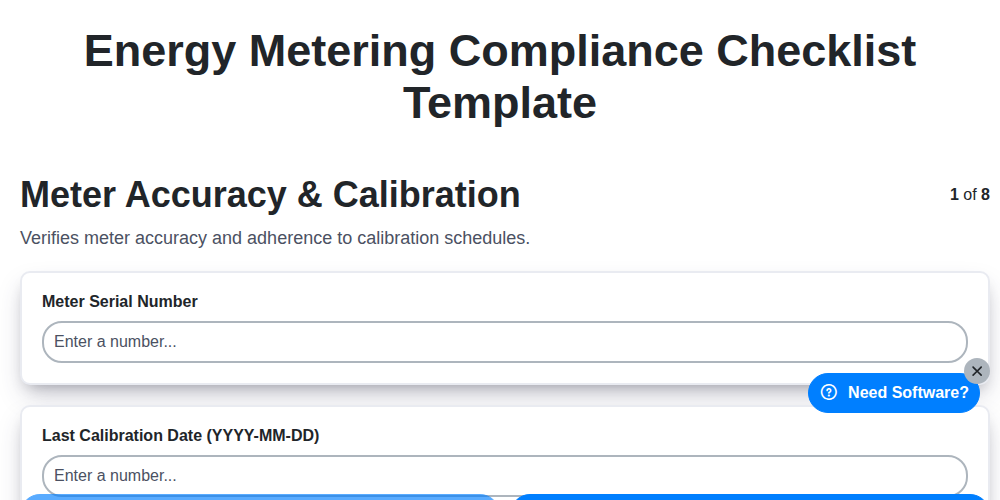
Stay Compliant: Your Energy Metering Compliance Checklist Template

Unlock Savings: Your Complete Energy Efficiency Audit Checklist
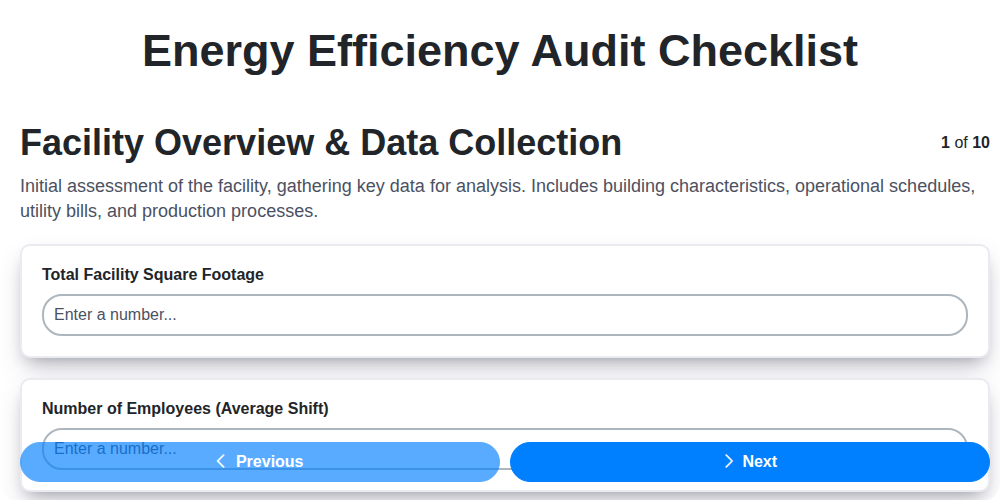
Your Ultimate Energy Efficiency Audit Checklist Template
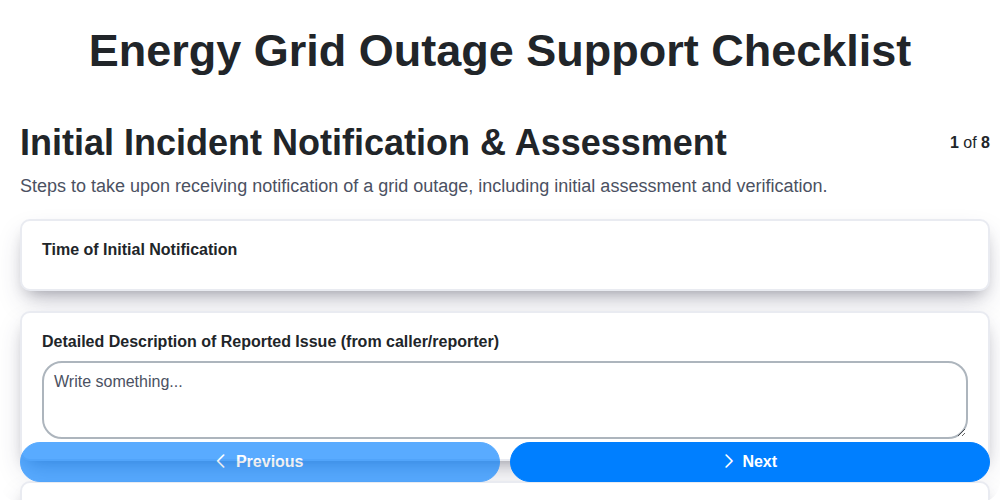
Power Through: Your Essential Energy Grid Outage Support Checklist
Oil & Gas Well Safety Inspection Checklist: Ensuring a Secure Operation
HVAC System Maintenance Checklist: Building Climate Control & Energy Savings

Renewable Energy Project Checklist Template
Energy Audit Reporting Compliance: Your Checklist for Success
Need help with
Energy?
Have a question? We're here to help. Please submit your inquiry, and we'll respond promptly.