The Ultimate Energy Savings: Your Consumption Reduction Checklist Template
Published: 12/05/2025 Updated: 07/02/2026
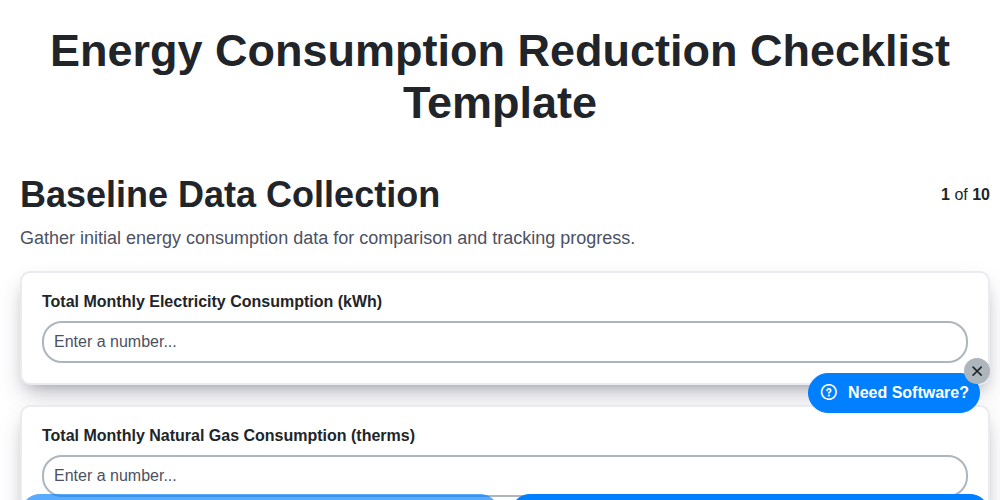
Table of Contents
- Introduction: Why Reduce Energy Consumption?
- 1. Baseline Data Collection: Knowing Where You Stand
- 2. Building Envelope Assessment: Sealing the Deal
- 3. HVAC System Efficiency: Cooling & Heating Smarter
- 4. Lighting Optimization: Shedding Light on Savings
- 5. Equipment Efficiency: Powering Down Waste
- 6. Behavioral Changes: The Human Factor
- 7. Renewable Energy Options: Harnessing Natural Power
- 8. Monitoring & Reporting: Tracking Your Progress
- 9. Maintenance Schedules: Keeping Things Running Smoothly
- 10. Demand Response Program Compliance: Participating for Peak Savings
- 11. Understanding Energy Audits: When to Call in the Experts
- 12. Financing Energy Efficiency Projects: Making Savings Accessible
- 13. Long-Term Sustainability: Beyond the Checklist
- Conclusion: Your Journey to Energy Efficiency
- Resources & Links
TLDR: Want to slash your energy bills and reduce your environmental impact? This checklist template breaks down energy consumption reduction into 11 manageable steps - from gathering initial data and assessing your building's shell to optimizing equipment, embracing renewables, and tracking progress. It's your roadmap to significant savings!
Introduction: Why Reduce Energy Consumption?
Reducing energy consumption isn't just a feel-good initiative; it's a smart move for your wallet, the environment, and the future. High energy bills directly impact your profitability, whether you're a homeowner or a business owner. Beyond the financial benefits, reducing your energy footprint contributes to a more sustainable planet by lowering greenhouse gas emissions and conserving precious resources. This checklist is designed to guide you through practical steps - from simple behavioral changes to larger infrastructure investments - that will significantly reduce your energy usage and contribute to a healthier planet. Let's work towards a more efficient and sustainable future, one step at a time.
1. Baseline Data Collection: Knowing Where You Stand
Before you can effectively reduce energy consumption, you need to understand your current usage. This is where baseline data collection comes in. Think of it as taking a snapshot of your energy footprint before you start making changes. Without this, it's impossible to measure the true impact of your efforts.
Here's what's involved:
- Gather Utility Bills: Collect at least 12 months' worth of electricity, gas, water, and any other relevant utility bills. These provide a historical overview of your energy consumption patterns.
- Identify Peak Usage Times: Analyze your bills to determine when your energy usage is highest - daily, weekly, and seasonally. This helps pinpoint areas for targeted reductions.
- Document Building Characteristics: Record key details about your building, including square footage, number of occupants, building type (office, retail, etc.), and operating hours.
- Compile Equipment Inventory: Create a detailed list of all significant energy-consuming equipment, including models, ages, and operating schedules. This includes HVAC systems, lighting, computers, and appliances.
- Conduct a Preliminary Walkthrough: Note any obvious areas of energy waste, such as leaky windows or poorly insulated doors.
- Create a Spreadsheet: Organize all collected data into a spreadsheet for easy analysis and comparison later.
This initial data collection phase forms the foundation for all subsequent energy-saving initiatives. Don't skip it!
2. Building Envelope Assessment: Sealing the Deal
Your building envelope - the exterior shell including walls, roof, windows, and doors - is your first line of defense against energy loss. A leaky envelope lets conditioned air escape in the summer and allows unwanted cold air in during the winter, forcing your HVAC system to work overtime. A thorough assessment can identify areas for improvement and significantly reduce your energy consumption.
Here's what to look for:
- Visual Inspection: Start with a comprehensive visual inspection. Look for cracks, gaps, and signs of deterioration around windows, doors, and wall joints. Pay special attention to areas where different building materials meet.
- Infrared Thermography: Consider using an infrared camera (thermography) to identify temperature differences across surfaces. Cold spots indicate heat loss, while hot spots can signify air infiltration. This can reveal hidden leaks that are difficult to detect visually.
- Blower Door Test: A blower door test depressurizes your building, creating a pressure difference that reveals air leaks. This test is particularly effective for identifying problem areas and quantifying the severity of leaks.
- Window and Door Seals: Check the condition of weatherstripping and caulking around windows and doors. Replace damaged or missing seals promptly.
- Insulation Levels: Verify the levels of insulation in walls, ceilings, and floors. Inadequate insulation is a major contributor to energy loss. Check for compression or damage which can reduce effectiveness.
- Roof Assessment: Inspect the roof for damage, cracks, and proper ventilation. Ensure roof insulation is adequate and in good condition.
- Prioritize Repairs: Based on your findings, prioritize repairs and improvements. Sealing air leaks should be a top priority, followed by insulation upgrades where needed.
Addressing building envelope issues delivers immediate and noticeable energy savings, setting the foundation for a more efficient and sustainable building.
3. HVAC System Efficiency: Cooling & Heating Smarter
Your Heating, Ventilation, and Air Conditioning (HVAC) system is often the biggest energy hog in a building. Optimizing its performance can deliver significant savings and improve comfort. Here's what to check:
- Regular Maintenance: Schedule and stick to a preventative maintenance schedule. This includes filter changes (every 1-3 months!), coil cleaning, and ductwork inspections. Dirty filters force your system to work harder, increasing energy consumption.
- Ductwork Inspection & Sealing: Leaky ductwork can waste a substantial amount of conditioned air. Inspect ducts for leaks and seal them with mastic or foil tape. Consider professional duct sealing for complex systems.
- Thermostat Optimization: Ensure your thermostats are properly programmed and functioning correctly. Consider a smart thermostat that learns your schedule and adjusts temperatures automatically. Optimize setpoints - a few degrees higher in the summer and lower in the winter can make a big difference.
- System Sizing: Is your HVAC system appropriately sized for the building? Oversized systems cycle on and off frequently, wasting energy and reducing efficiency. Undersized systems struggle to maintain comfortable temperatures. A professional assessment is crucial.
- Equipment Upgrades: Older HVAC equipment is often inefficient. Explore upgrading to high-efficiency models with SEER (Seasonal Energy Efficiency Ratio) and HSPF (Heating Seasonal Performance Factor) ratings that meet or exceed current standards. Consider heat pumps as a potential alternative for both heating and cooling.
- Zone Control: Implement zone control systems to heat or cool only occupied areas, preventing wasted energy in unused spaces.
- Economizers: If your climate allows, utilize economizers to use outside air for cooling when it's cooler than inside air, reducing reliance on mechanical cooling.
4. Lighting Optimization: Shedding Light on Savings
Lighting often represents a significant portion of a building's energy consumption. Fortunately, it's also an area ripe for relatively easy and impactful improvements. This section focuses on simple and more complex strategies to reduce lighting-related energy use.
Quick Wins & Easy Upgrades:
- Replace Incandescent & Halogen Bulbs: This is the most straightforward step. Transition to LED (Light Emitting Diode) bulbs wherever possible. LEDs use up to 75% less energy and last significantly longer.
- Utilize Natural Light: Maximize the use of daylight by strategically positioning workspaces and desks. Keep windows clean and unobstructed. Consider light shelves to bounce light deeper into the space.
- Install Occupancy Sensors: In areas with intermittent use (bathrooms, hallways, storage rooms), occupancy sensors automatically turn lights on when someone enters and off when they leave.
- Daylight Harvesting: Implement daylight dimming controls that automatically adjust artificial lighting based on the amount of natural light available.
- Task Lighting: Provide individual task lights for employees instead of illuminating entire workspaces. This allows for targeted lighting where it's needed most.
More Advanced Strategies:
- Lighting Audits: A professional lighting audit can identify areas for improvement and recommend optimal fixture types and placement.
- Smart Lighting Systems: Implement a smart lighting system that allows for centralized control, scheduling, and dimming capabilities.
- Retrofit Existing Fixtures: Consider retrofitting existing fixtures with LED lamps or complete LED fixtures instead of replacing everything at once.
- Color Temperature: Use appropriate color temperatures for different areas - warmer tones in common areas, cooler tones in task-focused areas.
By implementing even a few of these strategies, you can significantly reduce your energy consumption and lower your lighting costs.
5. Equipment Efficiency: Powering Down Waste
Beyond HVAC and lighting, the energy consumed by office equipment - computers, printers, servers, appliances, and more - can add up significantly. This section focuses on simple yet impactful steps to improve equipment efficiency and reduce your energy footprint.
1. Inventory and Categorize: Start by creating a comprehensive list of all equipment in your facility. Categorize them by energy consumption - high, medium, and low. This helps prioritize efforts.
2. Power Management Settings: Enable power management settings on all computers, monitors, and other peripherals. These features automatically put devices into sleep mode or turn them off after a period of inactivity. Ensure these settings are enforced through group policy (for corporate networks) and are communicated to all users.
3. Energy Star Certification: When purchasing new equipment, always prioritize Energy Star certified models. These appliances and electronics are independently certified to meet strict energy efficiency standards. The upfront investment often pays off quickly through reduced energy bills.
4. Eliminate Vampire Power: "Vampire power," or phantom load, is the energy consumed by devices when they're switched off but still plugged in. Unplug chargers, power adapters, and other devices when not in use. Consider using power strips that can be easily switched off.
5. Server Room Optimization: Servers are significant energy consumers. Optimize server room temperature and humidity, ensuring proper ventilation and using energy-efficient cooling systems. Virtualization can also reduce the number of physical servers required.
6. Regular Audits & Upgrades: Conduct regular audits of your equipment to identify obsolete or inefficient models. Consider upgrading to newer, more energy-efficient alternatives.
6. Behavioral Changes: The Human Factor
Reducing energy consumption isn't solely about installing new equipment or optimizing systems - it's profoundly linked to how people use those systems. Often overlooked, behavioral changes represent a surprisingly impactful lever for energy savings. Think about it: a perfectly efficient HVAC system working overtime because occupants constantly override the thermostat, or lights left blazing in empty rooms.
This section focuses on fostering a culture of energy awareness and encouraging simple, yet powerful, habits. Here are a few key areas to address:
- Raise Awareness: Launch energy awareness campaigns using posters, emails, or even fun competitions. Communicate the building's energy performance and the impact of individual actions.
- Educate Occupants: Provide clear guidelines on proper equipment usage - turning off lights when leaving a room, powering down computers at the end of the day, and using appliances efficiently.
- Promote Thermostat Awareness: Implement policies on thermostat settings and educate occupants on the impact of adjustments. Consider smart thermostats with programmable schedules.
- Encourage Switch It Off Culture: Simple reminders - like stickers on light switches and computers - can be surprisingly effective.
- Empower Employees/Tenants: Encourage feedback and suggestions for energy-saving initiatives. Feeling involved fosters buy-in and ownership.
- Leadership by Example: Management's commitment to energy conservation sets the tone for the entire organization.
- Incentivize & Recognize: Reward teams or individuals who demonstrate a commitment to energy efficiency.
Behavioral changes require consistent effort and ongoing reinforcement. It's not a one-and-done project, but a long-term commitment to building a more sustainable workplace.
7. Renewable Energy Options: Harnessing Natural Power
Reducing energy consumption is a fantastic first step, but truly achieving significant sustainability often involves generating your own clean power. Exploring renewable energy options can dramatically lower your carbon footprint and operational costs.
What Renewable Options Should You Consider?
- Solar Power (Photovoltaic - PV): Solar panels convert sunlight directly into electricity. The feasibility depends on roof space, sunlight exposure, and local regulations. Consider both rooftop and ground-mounted systems.
- Solar Hot Water: Specifically for heating water, this option can significantly reduce reliance on traditional water heaters.
- Wind Power: While large-scale wind farms are common, smaller wind turbines can be suitable for some properties, especially in areas with consistent wind.
- Geothermal Energy: Utilizing the Earth's constant temperature for heating and cooling. This is generally a more complex and potentially expensive option, but offers impressive efficiency.
- Biomass: Using organic matter (like wood waste or agricultural residues) to generate heat or electricity. Sustainability depends on responsible sourcing practices.
Feasibility and Considerations:
- Initial Investment: Renewable energy systems often have high upfront costs. However, government incentives, tax credits, and long-term savings can offset these costs.
- Space Requirements: Some technologies, like ground-mounted solar or wind turbines, require substantial space.
- Local Regulations & Permits: Always research and comply with local regulations and permit requirements.
- Energy Storage: Consider battery storage solutions to maximize the use of generated power, especially for intermittent sources like solar and wind.
- Professional Assessment: A professional energy assessment can determine the most suitable and cost-effective renewable energy options for your specific building and location.
8. Monitoring & Reporting: Tracking Your Progress
Reducing energy consumption isn't a set it and forget it endeavor. Consistent monitoring and reporting are absolutely crucial for understanding if your efforts are truly paying off, identifying areas where you might be falling short, and making adjustments to optimize your strategy.
Here's what a robust monitoring and reporting system should include:
- Key Performance Indicators (KPIs): Define specific metrics to track, such as kWh consumption per square foot, energy cost per unit produced, or peak demand.
- Data Collection Frequency: Establish a regular schedule - monthly, quarterly, or annually - for gathering your data. Automated systems (like smart meters and building management systems) can drastically simplify this process.
- Benchmark Against Baseline: Compare your current energy consumption to the baseline data you collected at the beginning of your reduction program. This clearly demonstrates progress and highlights areas needing attention.
- Visualization & Analysis: Use charts, graphs, and dashboards to visually represent your data. This makes it easier to identify trends and anomalies. Don't just collect the data; analyze it.
- Regular Reporting: Create reports for stakeholders (management, employees, etc.) that clearly communicate your energy reduction achievements and ongoing efforts. Transparency builds support.
- Identify Areas for Improvement: If your KPIs aren't trending in the right direction, investigate the reasons. This might involve revisiting earlier steps in your checklist.
- Continuous Improvement: Treat reporting as a learning tool. Use the insights gained to continually refine your energy reduction strategies and strive for even greater efficiency.
9. Maintenance Schedules: Keeping Things Running Smoothly
Regular maintenance isn't just about fixing things when they break - it's a proactive strategy for sustained energy efficiency. A well-maintained building performs better, lasts longer, and consumes less energy. Neglecting maintenance can lead to decreased efficiency, increased equipment failure, and ultimately, higher energy bills.
This section focuses on establishing and adhering to a comprehensive maintenance schedule. It's more than just a calendar; it's a structured approach to preserving your building's energy-saving potential.
What should be included?
- HVAC System: This is a high-priority area. Include checks for refrigerant levels, filter changes (monthly/quarterly), coil cleaning, ductwork inspections, and blower motor maintenance.
- Lighting: Regular lamp replacements (using energy-efficient alternatives, of course!) and fixture cleaning contribute to optimal light output.
- Building Envelope: Inspect weatherstripping, caulking, and seals annually. Address any signs of deterioration promptly.
- Equipment (including appliances): Follow manufacturer recommendations for cleaning and maintenance.
- Renewable Energy Systems (if applicable): Solar panels, wind turbines, or other systems require specific maintenance protocols - ensure these are followed diligently.
Creating an Effective Schedule:
- Frequency: Determine appropriate intervals (daily, weekly, monthly, quarterly, annually) based on equipment type and manufacturer recommendations.
- Documentation: Maintain detailed records of all maintenance activities, including dates, tasks performed, and observations.
- Assign Responsibility: Clearly assign responsibility for specific maintenance tasks.
- Training: Ensure maintenance personnel are properly trained on energy-efficient maintenance practices.
A well-defined and consistently followed maintenance schedule is a cornerstone of any successful energy reduction program. It's an investment that pays dividends in the form of lower energy bills and a more sustainable building.
10. Demand Response Program Compliance: Participating for Peak Savings
Demand Response (DR) programs offer a powerful way to reduce your energy consumption and costs, particularly during peak demand periods. These programs, often run by utility companies, incentivize businesses and homeowners to temporarily reduce electricity usage when the grid is strained. Compliance with these programs isn't just about avoiding penalties; it's about actively contributing to a more resilient and sustainable energy infrastructure.
Understanding the Basics:
DR programs typically involve agreements where you commit to curtailing energy use - that is, reducing it below your usual consumption - when notified by the utility. These notifications can come with varying lead times, ranging from short-notice events (minutes) to scheduled reductions. Your participation can involve adjusting thermostats, dimming lights, or even temporarily shutting down non-critical equipment.
Key Compliance Steps:
- Review Your Agreement: Thoroughly understand the terms and conditions outlined in your DR agreement. Pay close attention to curtailment thresholds, notification procedures, and financial incentives/penalties.
- Designate a Point of Contact: Assign a responsible individual to monitor notifications, coordinate curtailment actions, and liaise with the utility.
- Develop a Curtailment Plan: Create a detailed plan outlining specific steps to reduce energy consumption during a DR event. This should include prioritized actions and estimated reduction levels.
- Testing & Verification: Participate in any required testing or verification procedures to ensure your ability to curtail energy as agreed upon.
- Record Keeping: Maintain accurate records of notifications received, curtailment actions taken, and energy usage data during DR events. This is critical for verification and potential incentives.
- Communication is Key: Establish clear communication channels with your utility provider to confirm participation and report any issues or concerns.
- Stay Updated: DR programs and regulations can change. Regularly check for updates from your utility and ensure your practices remain compliant.
Participating in a Demand Response program isn't just about ticking a box; it's an opportunity to be part of a collective effort to optimize energy usage and contribute to a more reliable power grid while saving money.
11. Understanding Energy Audits: When to Call in the Experts
While this checklist provides a robust framework for reducing energy consumption, there are times when a professional energy audit is the most efficient and cost-effective solution. An energy audit goes beyond a simple checklist; it involves a detailed analysis conducted by certified professionals who use specialized tools and expertise.
Here's when considering an energy audit is a smart move:
- Complex Buildings: For larger facilities, multi-story buildings, or those with intricate systems, a professional audit can uncover hidden inefficiencies a DIY approach might miss.
- Significant Energy Bills: If your energy costs are disproportionately high compared to similar buildings in your area, a deeper dive is warranted.
- Aging Infrastructure: Older buildings often have outdated systems and construction techniques that contribute to excessive energy use.
- Lack of Expertise: While this checklist provides guidance, understanding the intricacies of HVAC systems, building science, and energy modeling requires specialized knowledge.
- Seeking Incentives: Many utility companies and government programs offer financial incentives for energy efficiency upgrades, and often require a professional audit to qualify.
An energy audit will provide a prioritized list of recommendations, estimated savings potential, and return on investment for each upgrade, helping you make informed decisions and maximize your energy-saving efforts.
12. Financing Energy Efficiency Projects: Making Savings Accessible
Implementing energy-saving measures is fantastic, but the upfront costs can sometimes feel daunting. Thankfully, a growing number of financing options are available to make these projects accessible for both homeowners and businesses.
Understanding Your Options:
- Utility Rebates & Incentives: Many utility companies offer rebates for installing energy-efficient appliances, equipment, and making building upgrades. Check your local utility's website for details and eligibility requirements.
- Government Loans & Grants: Federal, state, and local governments often provide loan programs and grants specifically for energy efficiency projects. The Database of State Incentives for Renewables & Efficiency (DSIRE) (https://www.dsireusa.org/) is a great resource to find incentives in your area.
- Energy Performance Contracting (EPC): EPC allows you to pay for energy efficiency upgrades through the savings they generate. A qualified Energy Service Company (ESCO) assesses your facility, designs and implements the upgrades, and guarantees a certain level of savings.
- Green Loans: These loans offer preferential interest rates for projects that contribute to environmental sustainability, often including energy efficiency improvements.
- Property Assessed Clean Energy (PACE) Financing: PACE allows property owners to finance energy efficiency and renewable energy improvements as an addition to their property taxes.
- Crowdfunding & Peer-to-Peer Lending: Increasingly popular for smaller projects, these platforms connect borrowers with individual investors.
Calculating ROI & Securing Funding: Before applying for financing, meticulously calculate the return on investment (ROI) for each proposed project. Detailed data from your baseline assessments (Step 1 of your checklist) will be crucial for demonstrating potential savings and attracting lenders or investors. A strong business plan showcasing the environmental and financial benefits will significantly improve your chances of securing the funding needed to achieve your energy consumption reduction goals.
13. Long-Term Sustainability: Beyond the Checklist
Completing this energy consumption reduction checklist is a fantastic first step, a tangible commitment to a more sustainable future. But true, lasting change goes beyond ticking boxes. Think of this checklist as the foundation of a building - crucial, but not the whole structure.
Long-term sustainability requires a shift in mindset. It's about fostering a culture of continuous improvement and innovation within your organization. This means regularly revisiting your energy strategies, staying abreast of emerging technologies (like advanced building automation systems or new battery storage solutions), and adapting to evolving climate conditions and regulations.
Consider these ongoing practices:
- Employee Engagement: Empower your team to identify new energy-saving opportunities. Encourage suggestions and reward innovative ideas. Sustainability isn't just the responsibility of facilities managers; it's everyone's concern.
- Data Analysis & Iteration: Don't just monitor and report. Analyze the data to understand why certain strategies are working (or not). Iterate on your approaches based on these insights.
- Lifecycle Costing: When making decisions about equipment replacement or upgrades, always consider the total lifecycle cost - encompassing purchase price, energy consumption, maintenance, and eventual disposal.
- Staying Informed: Energy efficiency standards and best practices are constantly evolving. Subscribe to industry publications, attend webinars, and network with other sustainability professionals to stay ahead of the curve.
- Embrace Innovation: Be open to experimenting with new technologies and approaches. Pilot programs can uncover hidden potential and drive significant reductions.
Ultimately, sustainable energy management is a journey, not a destination. This checklist provides a roadmap, but the ongoing commitment to learning, adapting, and innovating will define your long-term success.
Conclusion: Your Journey to Energy Efficiency
Reducing energy consumption isn't a one-time project; it's an ongoing commitment. By diligently working through this checklist - from establishing a baseline to exploring renewable energy options and consistently monitoring your progress - you're not just lowering your energy bills, you're contributing to a more sustainable future. Remember that even small changes, when implemented across your building or organization, can have a significant impact. Regularly revisiting this checklist, updating your strategies, and embracing new technologies will ensure you continue to optimize your energy performance and reap the long-term benefits of a truly energy-efficient operation. Congratulations on starting your journey - keep the momentum going!
Resources & Links
- U.S. Department of Energy (DOE): The DOE offers a wealth of information on energy efficiency, including calculators, rebates, and detailed guides. A central resource for understanding energy consumption and potential savings.
- ENERGY STAR: Learn about ENERGY STAR certified appliances and homes. Find product comparisons, savings calculators, and a directory of certified professionals.
- Environmental Protection Agency (EPA): The EPA provides resources related to energy efficiency and environmental sustainability, including information on greenhouse gas emissions and best practices.
- Building Science Corporation: A great resource for understanding the science behind building performance. Excellent for those delving into the building envelope assessment section.
- RESNET: RESNET provides standards and certification for energy efficiency in homes. Useful for understanding energy ratings and home energy audits.
- Air Conditioning Contractors of America (ACCA): Provides information and resources for HVAC professionals. Useful for those needing to understand HVAC system efficiency and maintenance.
- International Energy Agency (IEA): A leading international organization focused on energy transitions and efficiency. Provides global data, analysis, and recommendations.
- ASHRAE: American Society of Heating, Refrigerating and Air-Conditioning Engineers. Sets standards for HVAC design and performance.
- Home Depot: While primarily a retailer, Home Depot often carries energy-efficient products and offers DIY guides on basic energy-saving home improvements. Useful for visualizing and budgeting for some of the checklist items.
- Lowe's: Similar to Home Depot, Lowe's provides access to energy-efficient products and DIY resources.
- Building Performance Institute (BPI): BPI provides training and certification for home energy auditors and contractors. Provides credible information on home energy assessments.
- The Demand Response & Resource Institute (DRRI): Provides information and resources about demand response programs.
- National Renewable Energy Laboratory (NREL): A U.S. government lab dedicated to renewable energy and energy efficiency research. Excellent for the Renewable Energy Options section.
- Smart Building Council: Provides resources and information on smart building technologies and practices, often integrated with energy efficiency.
- Green Building Advisor: Excellent resource for detailed information on sustainable building practices and energy efficiency in homes and buildings.
Frequently Asked Questions
What is this checklist template for?
This checklist template is designed to help you identify and implement strategies to significantly reduce your energy consumption at home or in your business. It provides a structured approach to pinpointing areas of waste and provides actionable steps for improvement.
Who is this checklist template for?
It's for anyone looking to lower their energy bills, reduce their environmental impact, and improve energy efficiency. This includes homeowners, renters, business owners, and facility managers.
Is this checklist customizable?
Yes! The template is designed to be adaptable. Feel free to add, remove, or modify items to best suit your specific needs and circumstances. Consider your climate, building type, and lifestyle when personalizing it.
What kind of energy consumption does this checklist cover?
It covers a wide range, including electricity, natural gas, heating oil, and water heating. It addresses areas like lighting, appliances, heating & cooling, insulation, and behavior modifications.
How often should I use this checklist?
We recommend reviewing the checklist at least once a year, ideally before the start of each heating and cooling season. You can also use it whenever you make changes to your home or business, like installing new appliances or windows.
What are some common areas where people waste energy?
Common areas of energy waste include inefficient lighting, outdated appliances, poor insulation, air leaks, and thermostat settings that are too high or low.
Are there any costs associated with implementing the checklist's recommendations?
Some recommendations require minimal or no cost (e.g., adjusting thermostat, changing light bulbs). Others may involve an upfront investment (e.g., adding insulation, upgrading appliances), but these investments typically pay for themselves over time through reduced energy bills.
Where can I access the checklist template?
The article provides a link to download the checklist template. Please refer to the article to locate the download link.
What does 'energy audit' mean and should I do one?
An energy audit is a comprehensive assessment of your energy use. It can be done yourself (using our checklist as a starting point) or by a professional. It helps identify areas of inefficiency and potential savings. While our checklist isn't a full professional audit, it provides a good foundation for identifying opportunities.
What's the difference between efficiency and conservation?
Efficiency means using less energy to achieve the same outcome (e.g., replacing an incandescent bulb with an LED). Conservation means reducing energy consumption overall, even if it means sacrificing some level of comfort or convenience (e.g., lowering your thermostat).
Comments
There are no comments yet. Be the first to add one!
Energy Management Solution Demo
Managing operations, safety, and compliance in the energy sector is critical. ChecklistGuro's Work OS platform streamlines your workflow from exploration and production to distribution and maintenance. Enhance safety, improve efficiency, and ensure regulatory adherence. Discover how ChecklistGuro can transform your energy business!
Related Articles
Stay Compliant: Your Energy Metering Compliance Checklist Template
Unlock Savings: Your Complete Energy Efficiency Audit Checklist
Your Ultimate Energy Efficiency Audit Checklist Template
Power Through: Your Essential Energy Grid Outage Support Checklist
Oil & Gas Well Safety Inspection Checklist: Ensuring a Secure Operation
HVAC System Maintenance Checklist: Building Climate Control & Energy Savings
Renewable Energy Project Checklist Template
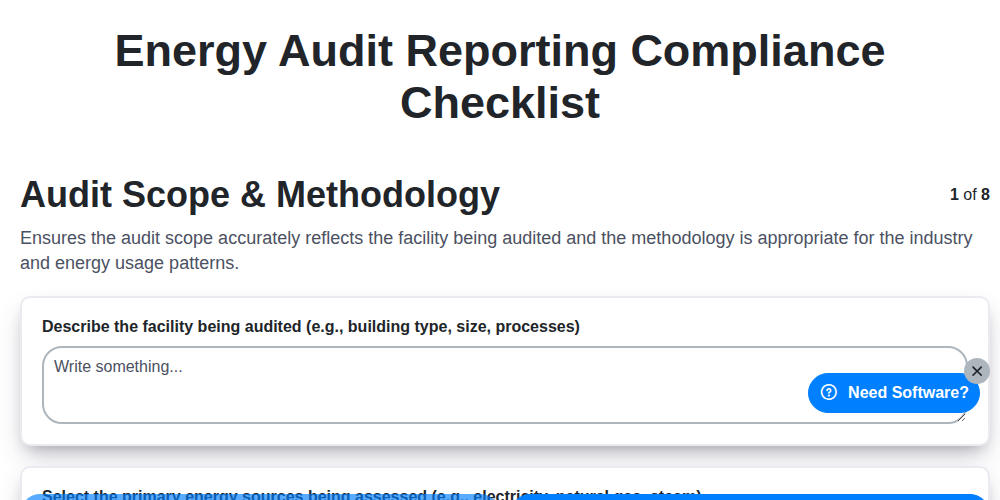
Energy Audit Reporting Compliance: Your Checklist for Success
Need help with
Energy?
Have a question? We're here to help. Please submit your inquiry, and we'll respond promptly.