Navigating Energy Projects: Your Environmental Impact Checklist Guide
Published: 05/12/2025 Updated: 02/07/2026
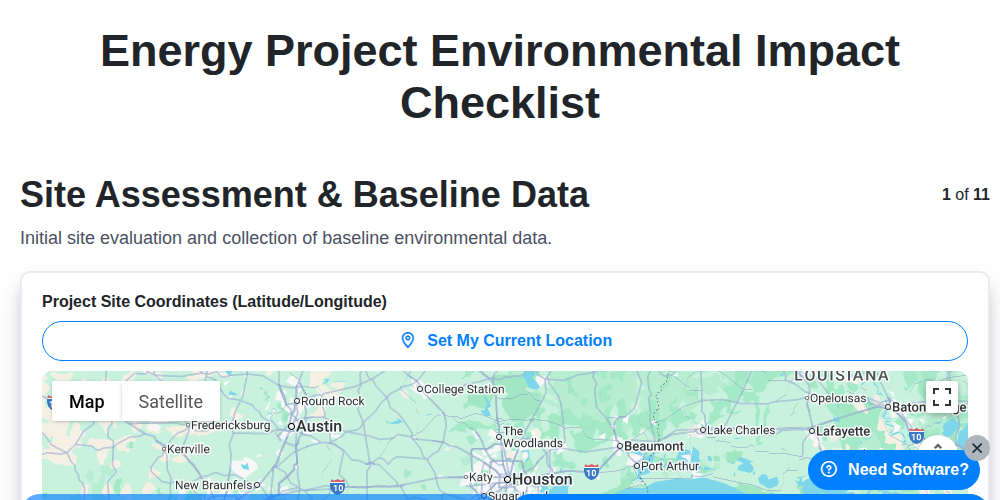
Table of Contents
- Introduction: Why an Environmental Impact Checklist is Crucial
- 1. Site Assessment & Baseline Data: Understanding the Starting Point
- 2. Permitting & Regulatory Compliance: Mapping the Legal Landscape
- 3. Flora & Fauna Protection: Safeguarding Biodiversity
- 4. Water Resource Management: Conserving Precious Resources
- 5. Soil Erosion & Sediment Control: Protecting Topsoil and Waterways
- 6. Air Quality Monitoring: Minimizing Emissions
- 7. Noise Pollution Mitigation: Reducing Disturbance
- 8. Waste Management Plan: Reducing, Reusing, and Recycling
- 9. Hazardous Materials Management: Ensuring Safety and Responsibility
- 10. Decommissioning & Restoration: Planning for the Future
- 11. Emergency Response Plan: Preparing for the Unexpected
- 12. Checklist Best Practices: Tips for Effective Implementation
- Conclusion: Sustainable Energy Through Careful Planning
- Resources & Links
TLDR: Planning an energy project? This checklist is your essential guide! It breaks down crucial environmental impact steps - from assessing your site and getting permits to protecting wildlife, managing waste, and planning for decommissioning - ensuring you minimize environmental harm and stay compliant every step of the way.
Introduction: Why an Environmental Impact Checklist is Crucial
An Energy Project Environmental Impact Checklist isn't just a formality; it's a vital tool for responsible development. Energy projects, by their nature, can significantly impact the surrounding environment, affecting everything from local ecosystems to air and water quality. Without a comprehensive checklist, it's easy to overlook potential risks and unknowingly cause lasting damage.
This checklist provides a structured, step-by-step approach to identifying and mitigating these impacts. It ensures that environmental considerations are integrated into every phase of a project - from initial planning and construction to operation and eventual decommissioning. Failing to adequately address environmental concerns can lead to costly delays, legal challenges, reputational damage, and, most importantly, harm to the environment and communities involved. Ultimately, this checklist is about building a sustainable future for energy development - one that balances our energy needs with the health and resilience of our planet.
1. Site Assessment & Baseline Data: Understanding the Starting Point
Before any groundbreaking occurs, a thorough Site Assessment & Baseline Data collection is absolutely critical. This isn't just a formality; it's the foundation upon which your entire energy project's environmental impact mitigation strategy will be built. This initial phase involves a detailed investigation of the project site, encompassing both its physical and biological characteristics.
What does this entail? Think beyond a simple walk-through. We're talking about:
- Topography & Geology: Mapping the land's contours and understanding the underlying geological formations helps predict potential stability issues and informs construction methods.
- Hydrology: Identifying existing water bodies (streams, rivers, wetlands) and groundwater sources is essential for assessing potential impacts and developing protection measures.
- Existing Land Use: Understanding how the land is currently used (agriculture, forestry, residential, etc.) provides context for potential displacement and community impacts.
- Ecological Surveys: Identifying plant communities, wildlife habitats, and sensitive ecological areas. This includes documenting existing biodiversity and identifying any species of concern.
- Soil Analysis: Determining soil type, composition, and existing contamination levels.
- Climate Data: Establishing baseline temperature, rainfall, and wind patterns to anticipate potential weather-related impacts.
This baseline data serves as a benchmark against which future changes can be measured, allowing for the ongoing assessment of the project's environmental performance and allowing for adjustments to mitigation strategies as needed. Without this foundational data, you're operating blindly.
2. Permitting & Regulatory Compliance: Mapping the Legal Landscape
Navigating the permitting and regulatory landscape for energy projects can feel like traversing a complex maze. It's critical to proactively identify, understand, and adhere to all applicable laws and regulations at the federal, state, and local levels. Failure to do so can result in project delays, hefty fines, legal challenges, and reputational damage.
This phase goes far beyond simply submitting forms. It requires a thorough understanding of the project's potential environmental impacts and how those impacts align with existing regulations. Key considerations include, but aren't limited to:
- Identifying Applicable Permits: This involves researching requirements related to air emissions, water discharge, wetlands disturbance, historical preservation, and more.
- Stakeholder Engagement: Early and ongoing communication with regulatory agencies, local governments, and community groups is vital. This helps clarify requirements and fosters positive relationships.
- Documentation and Reporting: Meticulous record-keeping of all permit applications, approvals, and ongoing compliance activities is essential for audits and inspections.
- Staying Updated: Environmental regulations are constantly evolving. Establishing a process for tracking regulatory changes and adapting project plans accordingly is crucial for long-term compliance.
- Expert Consultation: Engaging experienced environmental consultants and legal professionals specializing in energy project permitting can significantly streamline the process and minimize risks.
3. Flora & Fauna Protection: Safeguarding Biodiversity
Energy projects, while vital for powering our lives, can significantly impact local ecosystems. A robust Flora & Fauna Protection plan is crucial to minimize disruption and safeguard biodiversity. This goes beyond simply avoiding obvious impacts; it requires proactive measures throughout the project lifecycle.
Our checklist incorporates several key steps:
- Pre-Construction Surveys: Comprehensive ecological surveys are the cornerstone. These identify all plant and animal species present, noting their habitat and any protected or sensitive populations. This includes both terrestrial and aquatic environments.
- Habitat Mapping & Sensitivity Assessment: Understanding the ecological value of different areas is essential. We map habitats, identify critical zones for breeding, feeding, or migration, and prioritize areas requiring the highest level of protection.
- Avoidance and Minimization Strategies: Where possible, we prioritize avoiding sensitive habitats altogether. If impacts are unavoidable, we implement strategies to minimize them. This might involve rerouting infrastructure, adjusting construction timelines to avoid critical breeding seasons, or creating buffer zones.
- Translocation & Habitat Restoration: In cases where habitat loss is unavoidable, we explore options for translocating sensitive species to suitable alternative locations and actively restore damaged areas to their original ecological state. Native species replanting is a key element.
- Monitoring & Adaptive Management: Ongoing monitoring of flora and fauna populations allows us to track the effectiveness of mitigation measures. An adaptive management approach allows us to adjust our strategies based on observed impacts and ensure long-term protection.
- Stakeholder Engagement: Collaboration with local conservation groups, indigenous communities, and regulatory agencies is essential for ensuring effective protection and incorporating local ecological knowledge.
4. Water Resource Management: Conserving Precious Resources
Energy projects, particularly those involving construction, extraction, or significant land disturbance, can significantly impact water resources. Our checklist prioritizes proactive and sustainable water management strategies to minimize these impacts and protect this vital resource. This section of our environmental impact checklist focuses on more than just avoiding direct water pollution; it's about responsible stewardship.
Here's what we assess and plan for:
- Surface Water Assessment: Identifying all nearby surface water bodies (rivers, streams, lakes, wetlands) and assessing their current condition, including flow rates, water quality, and ecological health.
- Groundwater Impact Evaluation: Modeling potential impacts on groundwater levels and quality due to project activities, including dewatering and potential contaminant migration.
- Water Usage Minimization: Implementing water-efficient construction practices, exploring alternative water sources (e.g., rainwater harvesting), and optimizing water usage throughout the project lifecycle.
- Stormwater Runoff Control: Developing a comprehensive Stormwater Pollution Prevention Plan (SWPPP) to manage runoff, reduce erosion, and prevent pollutants from entering water bodies. This includes best management practices (BMPs) like sediment basins, vegetated swales, and erosion control blankets.
- Wastewater Treatment: Defining procedures for treating any wastewater generated by the project to ensure it meets or exceeds regulatory standards before discharge.
- Riparian Zone Protection: Maintaining and restoring riparian buffers along water bodies to protect water quality, stabilize banks, and provide habitat.
- Monitoring & Reporting: Establishing a monitoring program to track water quality parameters and flow rates, with regular reporting to regulatory agencies.
By rigorously addressing these points, we aim to ensure our energy projects operate in harmony with the local aquatic environment and contribute to the long-term sustainability of water resources.
5. Soil Erosion & Sediment Control: Protecting Topsoil and Waterways
Soil erosion and sediment control are absolutely critical during any energy project, regardless of size or scope. Unmanaged erosion can lead to significant environmental damage, impacting water quality, harming aquatic life, and diminishing the productivity of surrounding land. It's not just an environmental responsibility; it's often a legal requirement.
Our checklist emphasizes proactive measures to minimize soil disturbance and effectively manage any eroded material. This includes detailed pre-construction site mapping to identify areas prone to erosion, employing best management practices (BMPs) like silt fences, erosion control blankets, and vegetative buffers, and implementing sediment basins to trap runoff.
Regular inspections are vital to ensure BMPs are functioning correctly and to adapt strategies based on weather conditions and ongoing construction activities. We also prioritize proper disposal of collected sediment and actively promote revegetation efforts to stabilize exposed areas once construction phases are complete. A robust soil erosion and sediment control plan is a cornerstone of sustainable energy project development.
6. Air Quality Monitoring: Minimizing Emissions
Energy projects, while crucial for powering our world, can significantly impact local air quality. Dust from construction, emissions from machinery, and potential leaks from fuel storage all contribute to concerns. A robust air quality monitoring program isn't just about compliance; it's about demonstrating a commitment to protecting the health of workers, nearby communities, and the surrounding environment.
Our environmental impact checklist emphasizes proactive monitoring throughout the project lifecycle. This begins with a baseline assessment of existing air quality - identifying prevalent pollutants and establishing a reference point. During construction and operation, we implement a tiered monitoring approach. This typically involves:
- Real-time Dust Monitoring: Utilizing dust meters strategically placed around the site to alert to elevated particulate matter (PM10 and PM2.5) levels.
- Periodic Emission Testing: Regularly testing exhaust emissions from generators, vehicles, and other equipment to ensure they adhere to regulatory limits.
- Fugitive Emission Surveys: Conducting regular surveys to identify and address potential sources of fugitive emissions - leaks from equipment, spills, or dust releases.
Beyond monitoring, mitigation strategies are equally vital. These might include dust suppression techniques like water spraying, covering exposed soil, using enclosed conveyor systems, and utilizing low-emission vehicles and equipment. Our plans are dynamic, adjusting based on monitoring results and incorporating best management practices to minimize any potential impact on air quality. Consistent reporting and transparent communication with local stakeholders are also integral to demonstrating accountability and building trust.
7. Noise Pollution Mitigation: Reducing Disturbance
Energy projects, while crucial for powering our lives, can unfortunately generate significant noise pollution. Construction activities, heavy machinery operation, and ongoing plant processes all contribute to sound levels that can impact nearby communities and wildlife. A robust noise pollution mitigation plan is therefore essential for responsible project development.
This checklist item focuses on minimizing the disturbance caused by noise. Strategies we employ include:
- Noise Modeling & Prediction: Before and during construction, we utilize noise modeling software to predict potential impact zones and identify areas requiring specific mitigation measures.
- Equipment Selection: Prioritizing quieter equipment, such as electric machinery and newer models with improved noise reduction technology.
- Noise Barriers & Screening: Implementing physical barriers like earth berms, noise walls, and vegetation screens to block or absorb sound waves.
- Operational Restrictions: Limiting noisy activities during sensitive hours, such as early mornings, evenings, and weekends, to reduce disruption to local residents.
- Community Liaison: Maintaining open communication with local communities to address concerns and implement appropriate adjustments to operational practices.
- Regular Monitoring: Conducting ongoing noise level monitoring to ensure mitigation measures are effective and to identify any unexpected issues.
- Worker Training: Training all personnel involved in the project on noise reduction techniques and the importance of minimizing noise generation.
The goal is to balance the need for energy production with the well-being of the surrounding environment and communities, creating a sustainable and harmonious coexistence.
8. Waste Management Plan: Reducing, Reusing, and Recycling
Energy projects, while vital for powering our lives, inherently generate waste. A robust Waste Management Plan is crucial for minimizing environmental impact and ensuring responsible project operation. This isn't just about hauling trash away; it's a holistic approach focused on reduction, reuse, and recycling throughout the project's lifecycle.
Our plan begins with a rigorous waste audit, identifying all potential waste streams - from construction debris and packaging materials to operational byproducts. We prioritize waste reduction at the source. This includes careful material selection (choosing durable, reusable alternatives whenever possible), optimizing logistics to minimize transport waste, and implementing strategies to prevent spills and leaks that can generate contaminated waste.
Next, we focus on reuse. Can materials be salvaged and repurposed on-site? Can packaging be returned to suppliers? We actively explore opportunities to extend the lifespan of materials, reducing the need for new resources and minimizing disposal volume.
Finally, recycling plays a vital role. Our plan details clear protocols for sorting and recycling various materials, including metals, plastics, paper, and concrete. We partner with reputable recycling facilities to ensure proper processing and minimize landfill contributions. The plan also includes training for all personnel on proper waste handling and recycling procedures, fostering a culture of environmental responsibility. Regular monitoring and reporting will track waste generation rates and recycling performance, allowing us to continuously refine our approach and strive for zero waste where possible.
9. Hazardous Materials Management: Ensuring Safety and Responsibility
Energy projects, by their nature, often involve working with, storing, and transporting potentially hazardous materials. From lubricants and fuels to specialized chemicals used in construction or operations, a robust Hazardous Materials Management plan is absolutely critical. This isn't just about ticking a regulatory box; it's about protecting human health, preventing environmental contamination, and ensuring long-term project sustainability.
Our checklist emphasizes a proactive approach, demanding more than just basic compliance. Here's what's included:
- Comprehensive Inventory: A detailed list of all hazardous materials on-site, including quantity, location, and associated risks.
- Safety Data Sheets (SDS): Accessible and up-to-date SDS for every hazardous material, readily available to all personnel.
- Secure Storage: Designated, secure storage areas designed to prevent leaks, spills, and unauthorized access. This includes appropriate containment measures.
- Spill Prevention & Response: Detailed procedures for preventing spills and immediate, effective response protocols with trained personnel and readily available cleanup equipment.
- Employee Training: Mandatory training for all employees handling hazardous materials, covering safe handling practices, spill response, and personal protective equipment (PPE) usage.
- Transportation Protocols: Strict guidelines for the safe transportation of hazardous materials, adhering to all relevant regulations.
- Regular Inspections: Scheduled inspections to identify potential hazards, ensure compliance, and verify the effectiveness of safety measures.
- Waste Disposal: Proper disposal of hazardous waste, following all applicable regulations and utilizing licensed waste management facilities.
- Record Keeping: Meticulous records of all hazardous materials activities, including inventory, inspections, training, and waste disposal.
Failing to adequately manage hazardous materials can lead to severe consequences, including environmental damage, legal penalties, and reputational harm. This checklist component is designed to minimize those risks, fostering a culture of safety and responsibility throughout the project lifecycle.
10. Decommissioning & Restoration: Planning for the Future
Energy projects, while vital for powering our society, are temporary by nature. Recognizing this, a robust decommissioning and restoration plan is crucial for minimizing long-term environmental impact and ensuring a return to a stable ecosystem once operations cease. This isn't an afterthought; it needs to be integrated from the very beginning of the project lifecycle.
Our checklist emphasizes proactive planning in this area, outlining several key considerations:
- Detailed Site Mapping: Accurate records of pre-construction conditions, including buried infrastructure, soil types, and vegetation, are essential for effective restoration.
- Material Removal & Recycling: A comprehensive plan for removing and responsibly disposing of or recycling all project materials, from equipment and infrastructure to smaller components, must be developed. Prioritize reuse and recycling to minimize landfill waste.
- Surface Grading & Reshaping: Returning the land to a stable and safe condition involves carefully grading and reshaping the site to match the surrounding topography. This helps prevent erosion and facilitates natural revegetation.
- Habitat Restoration: Beyond simply returning the land to its pre-project state, strive for habitat enhancement. This might involve planting native species to improve biodiversity, creating wetlands, or connecting fragmented habitats. The plan should detail specific species targets and monitoring protocols.
- Financial Security: Decommissioning can be costly. A secure financial mechanism, such as a surety bond or escrow account, must be established to guarantee sufficient funds are available to cover all restoration activities.
- Long-Term Monitoring: Post-restoration monitoring is critical to ensure the success of the restoration efforts. This involves tracking key indicators, such as vegetation cover, water quality, and wildlife populations, and making adjustments as needed.
By prioritizing decommissioning and restoration, we ensure that energy projects leave a positive legacy, returning the land to a thriving, sustainable state for future generations.
11. Emergency Response Plan: Preparing for the Unexpected
Energy projects, while crucial for powering our world, inherently carry potential risks. A robust Emergency Response Plan (ERP) isn't just a formality; it's a vital safety net ensuring the protection of personnel, the environment, and the surrounding community in the event of unforeseen incidents.
This plan goes beyond simple procedures. It's a comprehensive document outlining clear roles, responsibilities, and actions to be taken during various emergencies, including (but not limited to) equipment failures, natural disasters, spills, fires, and medical incidents.
Key components of a strong ERP include:
- Risk Assessment: Identifying potential hazards specific to the project site and operations. This informs the types of emergencies the plan must address.
- Communication Protocols: Establishing clear channels and procedures for internal and external communication - ensuring timely notification to relevant authorities, employees, and the public.
- Evacuation Procedures: Defining safe evacuation routes and assembly points, with specific instructions for different emergency scenarios.
- First Aid & Medical Response: Designating trained personnel and outlining procedures for providing immediate medical assistance.
- Spill Response: Detailed procedures for containing and cleaning up spills of fuels, chemicals, or other hazardous materials.
- Training & Drills: Regular training and simulated drills to ensure all personnel are familiar with the ERP and can effectively respond in an emergency.
- Plan Review & Updates: Periodic review and updating of the ERP to reflect changes in project operations, environmental conditions, and regulatory requirements.
A well-executed ERP demonstrates a commitment to safety and minimizes the potential for harm, ensuring a more resilient and responsible energy project.
12. Checklist Best Practices: Tips for Effective Implementation
A comprehensive checklist like this is only as good as its implementation. Here's how to maximize its effectiveness throughout your energy project:
- Early Integration: Don't treat the checklist as an afterthought. Integrate it into the project's planning phases to inform design decisions and identify potential issues upfront.
- Cross-Functional Collaboration: Environmental impact assessments require expertise from various disciplines. Ensure representatives from engineering, construction, environmental science, and permitting are involved in completing and reviewing the checklist.
- Dynamic Document: This isn't a static document. Regularly review and update the checklist to reflect changes in regulations, project scope, or emerging environmental concerns.
- Documentation is Key: Meticulously document all checklist items, including findings, actions taken, and responsible parties. This creates a clear audit trail and demonstrates due diligence.
- Training and Awareness: Train all personnel involved in the project on the checklist's contents and their roles in ensuring compliance.
- Continuous Monitoring & Verification: Don't just complete the checklist once. Implement ongoing monitoring programs to verify that mitigation measures are effective and adaptive strategies can be implemented.
- Stakeholder Engagement: Incorporate feedback from local communities and stakeholders during the checklist review process. This fosters transparency and builds trust.
- Utilize Technology: Consider using digital checklist tools to streamline the process, track progress, and facilitate collaboration.
Conclusion: Sustainable Energy Through Careful Planning
Ultimately, embarking on an energy project, whether it's a solar farm, wind turbine installation, or geothermal plant, is a significant undertaking with potential environmental consequences. This checklist, encompassing crucial steps from initial site assessment to long-term decommissioning, provides a robust framework for minimizing those impacts. It's not merely about ticking boxes; it's about demonstrating a genuine commitment to environmental stewardship. By proactively addressing potential risks and implementing responsible practices-protecting local flora and fauna, managing water resources, controlling erosion, and planning for waste-we can unlock the benefits of renewable energy while safeguarding the ecosystems that support us. Careful planning, guided by a thorough environmental impact checklist, is paramount to ensuring a truly sustainable energy future.
Resources & Links
- United States Environmental Protection Agency (EPA): EPA provides extensive resources on environmental regulations, impact assessments, and best practices for various industries. Crucial for understanding federal requirements and guidelines.
- U.S. Fish & Wildlife Service: Provides information and guidance on protecting endangered species, critical habitats, and migratory birds, vital for flora & fauna protection assessments.
- National Oceanic and Atmospheric Administration (NOAA): Offers data and resources relating to water resources, climate impacts, and coastal ecosystems, particularly relevant for water resource management and emergency response planning.
- U.S. Geological Survey (USGS): Provides scientific data and information on water resources, soil types, geological hazards, and other environmental factors critical for site assessments and risk assessments.
- U.S. Department of Energy (DOE): Offers resources and information on renewable energy technologies, project development best practices, and environmental considerations for energy projects.
- The Nature Conservancy: Provides conservation strategies, technical assistance, and data on biodiversity and ecosystem protection - excellent for flora & fauna protection planning and restoration efforts.
- Conservation International: A global conservation organization providing resources on biodiversity hotspots, ecosystem services, and sustainable development - useful for broader environmental impact considerations.
- World Resources Institute (WRI): Offers research, data, and tools related to sustainable resource management, climate change, and environmental policy - helpful for assessing long-term sustainability and regulatory trends.
- International Organization for Standardization (ISO): Provides internationally recognized standards for environmental management systems (ISO 14001), providing a framework for implementing environmental best practices - valuable for systematic environmental impact management.
- American Society for Quality (ASQ): While primarily known for quality management, ASQ offers resources and training on environmental auditing and management systems - useful for developing and implementing effective checklists.
- Terrain.org: Offers articles and essays exploring the intersection of energy, environment, and society. Provides perspective and context for responsible energy project development.
- Earthjustice: Provides legal expertise and advocacy for environmental protection. Offers information about environmental laws and regulations impacting energy projects.
- American Industrial Hygiene Association (AIHA): Provides information and resources for industrial hygienists, relevant for air quality monitoring, noise pollution mitigation, and hazardous materials management.
- Soil Health Institute: Provides resources and research focused on soil health, erosion control, and sustainable agricultural practices - beneficial for soil erosion and sediment control planning.
- Recycle Search: Provides comprehensive information on recycling regulations, technologies, and best practices - essential for developing a comprehensive waste management plan.
Frequently Asked Questions
What is an environmental impact checklist and why is it important for energy projects?
An environmental impact checklist is a systematic tool used to identify and assess potential environmental impacts of energy projects. It's important because it helps ensure projects are planned and executed in a way that minimizes harm to the environment, complies with regulations, and considers stakeholder concerns. It's a proactive approach to responsible development.
Who should use this checklist?
This checklist is designed for a wide range of stakeholders involved in energy projects, including project developers, environmental consultants, engineers, policymakers, community representatives, and even concerned citizens. Anyone with a role in planning, approving, or monitoring an energy project can benefit from using it.
What types of energy projects does this checklist apply to?
This checklist is broadly applicable to various energy projects, including renewable energy installations (solar, wind, hydro, geothermal), fossil fuel extraction and processing, transmission infrastructure, and energy storage facilities. While it's adaptable, projects with larger footprints or potentially significant environmental impacts may require a more detailed assessment.
How detailed does the assessment need to be for each item on the checklist?
The level of detail required for each item depends on the project's scale, location, and potential impact. Some items may require a simple review of existing data, while others may necessitate site-specific studies, modeling, or consultations. The checklist serves as a starting point; professional judgment and expert consultation are crucial.
What resources can I use to gather the information needed to complete the checklist?
Information sources can include existing environmental impact assessments, government databases, scientific literature, local expertise, stakeholder consultations, site visits, and geographic information systems (GIS) data. Consulting with environmental specialists is also highly recommended.
What happens if the checklist reveals significant potential environmental impacts?
If significant impacts are identified, mitigation measures should be developed and incorporated into the project plan. This could involve design changes, technology modifications, restoration activities, or compensation strategies. Further consultation with regulatory agencies and stakeholders may also be necessary.
Does this checklist replace a full Environmental Impact Assessment (EIA)?
No, this checklist is not a replacement for a full EIA where one is legally required. It's a screening tool to help identify potential impacts and guide the EIA process. In some cases, it may be sufficient for smaller projects or to inform the scope of a full EIA.
How often should the checklist be reviewed and updated?
The checklist should be reviewed and updated regularly, particularly at key project milestones (e.g., design phase, construction phase, operational phase). Changes in regulations, new scientific information, or unforeseen circumstances may necessitate revisions.
Where can I find more information about specific environmental regulations relevant to my project?
Relevant regulations vary depending on the location and type of project. Consult with local, state/provincial, and national environmental agencies for specific requirements. Legal counsel specializing in environmental law can also provide valuable guidance.
Comments
There are no comments yet. Be the first to add one!
Energy Management Solution Demo
Managing operations, safety, and compliance in the energy sector is critical. ChecklistGuro's Work OS platform streamlines your workflow from exploration and production to distribution and maintenance. Enhance safety, improve efficiency, and ensure regulatory adherence. Discover how ChecklistGuro can transform your energy business!
Related Articles
Stay Compliant: Your Energy Metering Compliance Checklist Template
Unlock Savings: Your Complete Energy Efficiency Audit Checklist
Your Ultimate Energy Efficiency Audit Checklist Template
Power Through: Your Essential Energy Grid Outage Support Checklist
Oil & Gas Well Safety Inspection Checklist: Ensuring a Secure Operation
HVAC System Maintenance Checklist: Building Climate Control & Energy Savings
Renewable Energy Project Checklist Template
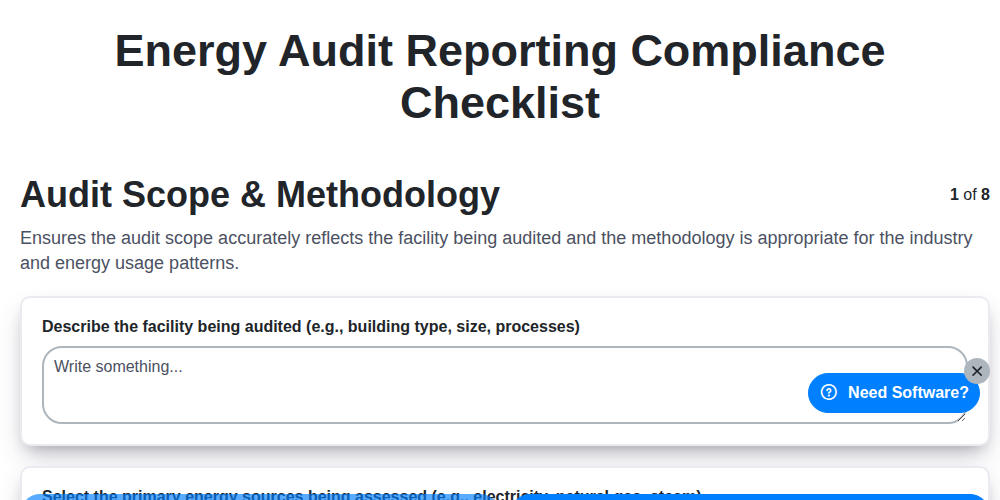
Energy Audit Reporting Compliance: Your Checklist for Success
Need help with
Energy?
Have a question? We're here to help. Please submit your inquiry, and we'll respond promptly.