The Ultimate Last Mile Delivery Process Checklist: A Step-by-Step Guide
Published: 12/09/2025 Updated: 07/02/2026
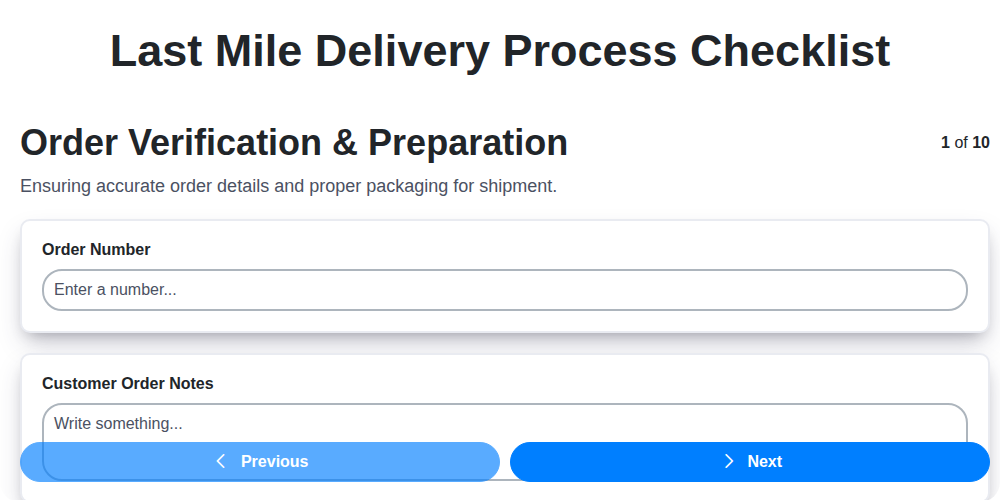
Table of Contents
- Introduction: Why a Last Mile Delivery Checklist Matters
- 1. Order Verification & Preparation: Setting the Foundation
- 2. Route Optimization & Dispatch: Efficiency in Motion
- 3. Delivery Vehicle Inspection: Ensuring Reliability
- 4. Delivery Confirmation & Proof of Delivery: Securing the Transaction
- 5. Customer Communication & Updates: Keeping Customers Informed
- 6. Returns Management & Reverse Logistics: Handling Post-Delivery
- 7. Delivery Driver Safety & Compliance: Prioritizing Wellbeing
- 8. Exception Handling & Problem Resolution: Dealing with the Unexpected
- 9. Performance Metrics & Reporting: Tracking and Improving
- 10. Technology & System Validation: Keeping Systems Running Smoothly
- 11. Checklist Maintenance & Updates: Staying Current
- 12. Training and Onboarding: Equipping Your Team
- Conclusion: Streamlining Your Last Mile Operations
- Resources & Links
TLDR: Stop delivery chaos! This checklist template breaks down your last-mile process into 10 key steps (order prep, route optimization, vehicle inspection, delivery confirmation, customer communication, returns, safety, problem resolution, metrics, and tech validation) ensuring efficiency, happy customers, and fewer headaches. Download it and boost your last-mile success!
Introduction: Why a Last Mile Delivery Checklist Matters
The last mile - the final leg of a product's journey from a distribution center to a customer's doorstep - is often the most complex and expensive part of the entire supply chain. It's also where customer experience is truly defined. A single negative experience during delivery can erode loyalty and damage your brand reputation. That's why a well-defined and consistently followed last mile delivery process is crucial.
But simply having a process isn't enough. Ensuring every team member, from warehouse staff to delivery drivers, executes each step flawlessly requires more. Enter the last mile delivery checklist. It's your roadmap to efficiency, accuracy, and exceptional customer satisfaction. A checklist provides a structured approach, minimizing errors, preventing delays, and ultimately, delivering a positive experience every time. It's not just about ticking boxes; it's about creating a repeatable, reliable, and customer-centric delivery operation.
1. Order Verification & Preparation: Setting the Foundation
The entire last-mile delivery process hinges on a smooth start: accurate order verification and meticulous preparation. Rushing this initial phase can lead to costly errors, frustrated customers, and operational headaches down the line. Here's a breakdown of what's involved:
- Order Accuracy Check: Before anything else, double-check the order details against the customer's original request. Verify items, quantities, sizes, colors - everything. Implement a system (visual scan, barcode scan, or a dedicated software check) to minimize manual errors.
- Inventory Validation: Confirm that all items listed in the order are actually in stock and readily available. Resolve any discrepancies immediately - either locate the missing item or proactively contact the customer with a suitable alternative.
- Packaging & Labeling: Ensure proper packaging to prevent damage during transit. Apply clear and accurate shipping labels with the correct address, postal code, and tracking information. Use durable labels that can withstand the elements.
- Documentation: Prepare necessary paperwork, such as packing slips or invoices, if required by the customer or business policy.
- Order Staging: Organize prepared orders in a designated staging area for efficient dispatch. This improves workflow and reduces wasted time searching for orders.
- Quality Control Check: A final visual inspection of the packaged order before dispatch helps catch any missed items or labeling errors.
A well-executed order verification and preparation phase is the bedrock of a successful last-mile delivery. It reduces errors, builds customer trust, and ultimately, contributes to a more efficient and profitable operation.
2. Route Optimization & Dispatch: Efficiency in Motion
The success of last-mile delivery hinges significantly on efficient route optimization and dispatch. Simply having an order doesn't guarantee a timely or cost-effective delivery. This stage is about turning orders into optimized routes, assigning them to the right drivers, and ensuring they have the information they need to succeed.
Here's what a robust Route Optimization & Dispatch process should include:
- Dynamic Route Planning: Move beyond static routes! Leverage real-time data - traffic conditions, weather, driver availability, delivery windows - to dynamically adjust routes. This minimizes delays and maximizes delivery density.
- Delivery Window Management: Accurate and communicated delivery windows are crucial for customer satisfaction. Integrate customer preferences and estimated transit times into the route planning.
- Driver Assignment & Load Balancing: Match driver skills and vehicle capacity to the delivery needs. Avoid overloading drivers or vehicles, and consider factors like driver familiarity with specific areas.
- Automated Dispatch: Automate dispatching whenever possible, reducing manual intervention and potential for error. Consider using rules-based dispatching to prioritize urgent deliveries or those with specific requirements.
- Real-time Route Adjustments: Equip dispatchers with the tools to make on-the-fly adjustments to routes based on unexpected events - traffic incidents, driver issues, new orders.
- Integration with Mapping & Navigation: Seamless integration with mapping and navigation tools is essential for drivers to navigate efficiently and accurately.
- Clear Communication of Route Details: Provide drivers with clear, concise, and easy-to-understand route instructions, including delivery addresses, customer contact information, and any special delivery instructions.
Effective route optimization and dispatch isn't just about getting packages delivered; it's about doing so in the most efficient, cost-effective, and customer-centric way possible.
3. Delivery Vehicle Inspection: Ensuring Reliability
A reliable delivery vehicle is the backbone of a smooth last-mile operation. Skipping a thorough inspection can lead to breakdowns, delays, and ultimately, dissatisfied customers. This checklist ensures your fleet is ready to handle the demands of the last mile.
Pre-Trip Inspection (Daily):
- Tires: Check tire pressure and tread depth. Uneven wear can indicate alignment issues.
- Lights: Verify functionality of headlights, brake lights, turn signals, and hazard lights.
- Fluids: Inspect oil, coolant, brake fluid, and power steering fluid levels. Look for leaks.
- Brakes: Listen for unusual noises and ensure responsiveness.
- Battery: Check terminals for corrosion.
- Mirrors & Visibility: Clean mirrors and ensure no obstructions impair visibility.
- Cargo Area: Secure any cargo restraints and ensure cleanliness.
- Vehicle Security: Check door and window locks.
Weekly/Monthly Inspection (Based on Vehicle Usage):
- Belts & Hoses: Inspect for cracks, wear, and looseness.
- Suspension: Check for unusual noises or bouncing.
- Alignment: Regularly check wheel alignment.
- Windshield & Wipers: Inspect for cracks and ensure wiper functionality.
- HVAC System: Test the heating and air conditioning systems.
Documentation: All inspections must be documented with dates, findings, and corrective actions taken. Keep these records readily available for audit purposes and to track vehicle maintenance history.
Pro Tip: Consider using a mobile app for driver inspection checklists. This streamlines the process, reduces paperwork, and provides real-time data for fleet managers.
4. Delivery Confirmation & Proof of Delivery: Securing the Transaction
The final handshake in the last-mile delivery process - delivery confirmation and proof of delivery (POD) - is critically important. It's not just about marking an order as delivered; it's about providing irrefutable evidence of that delivery, protecting both your business and your customer.
Here's why this step is vital and what a robust process should include:
Why Proof of Delivery Matters:
- Dispute Resolution: Delivery disputes (customer claims of non-receipt) are a common headache. POD provides concrete evidence to resolve these quickly and efficiently, saving time and resources.
- Fraud Prevention: It helps prevent fraudulent claims and minimizes financial losses.
- Customer Trust: Providing proof of delivery builds trust and reinforces a positive customer experience.
- Liability Protection: It acts as a legal record, protecting your business from liability if a package is misplaced or stolen after delivery.
What a Strong POD Process Should Include:
- Multiple Capture Methods: Offer varied capture options to suit different delivery scenarios. This could include:
- Signature Capture: The gold standard, especially for high-value items.
- Photo Capture: A photo of the package at the delivery location, often with a visual reference (e.g., a landmark or door number).
- GPS Coordinates: Automatic recording of the delivery location's GPS coordinates.
- Named Recipient Verification: Ensuring the package is handed to the correct person.
- Real-Time Updates: Make POD information immediately accessible to both the customer and your operations team.
- Secure Storage: Store POD data securely, ensuring its integrity and accessibility for audits.
- Integration with Tracking: Seamlessly integrate POD with your overall order tracking system, providing a complete delivery timeline.
- Exception Handling: Plan for scenarios where POD capture isn't possible (e.g., gated communities, unattended deliveries). Define clear procedures for documenting these exceptions and obtaining alternative verification.
By prioritizing robust delivery confirmation and proof of delivery, you can significantly reduce disputes, strengthen customer trust, and optimize your last-mile operations.
5. Customer Communication & Updates: Keeping Customers Informed
In today's world, customers expect visibility. No one wants to wonder where their package is or when it will arrive. Proactive and consistent communication throughout the last mile delivery process is crucial for customer satisfaction and builds trust.
Here's what your customer communication strategy should include:
- Order Confirmation: Immediately after order placement, send a clear confirmation email or SMS with order details and estimated delivery timeframe.
- Shipping Updates: Provide tracking links and notifications as the order moves through the fulfillment and shipping process. Automated updates are ideal, but personalized messages can enhance the experience.
- Delivery Time Window: Once the order is out for delivery, provide a specific delivery time window - or as close to real-time as possible. This allows customers to plan accordingly.
- Driver Location Updates (Optional): Consider offering real-time driver location tracking for an extra layer of transparency.
- Delivery Exception Notifications: If delays or issues arise, inform customers promptly with an explanation and revised delivery expectations.
- Post-Delivery Communication: Send a brief survey or request for feedback to gauge customer satisfaction and identify areas for improvement.
Remember, clear and concise communication minimizes anxiety, reduces customer service inquiries, and ultimately strengthens your brand reputation.
6. Returns Management & Reverse Logistics: Handling Post-Delivery
The delivery process doesn't end when the package reaches the customer's door. Efficient returns management, or reverse logistics, is crucial for customer satisfaction and overall operational efficiency. A streamlined returns process minimizes costs, maximizes recovery of valuable assets, and reinforces a positive brand experience.
Here's what your checklist should cover:
- Returns Request Initiation: Clearly define how customers can initiate a return (online portal, phone, email). Ensure the process is simple and user-friendly.
- Return Authorization & Label Generation: Automatically generate return authorizations (RAs) with clear instructions and pre-paid shipping labels where applicable.
- Inspection Criteria & Damage Assessment: Establish a standardized process for inspecting returned items upon receipt. Define criteria for assessing condition and determining refund/exchange eligibility. Document any damage thoroughly.
- Inventory Reintegration/Disposal: Implement a clear path for reintegrating returned items back into sellable inventory (if applicable), or directing them to resale, donation, or disposal.
- Refund/Exchange Processing: Outline the timeframe and method for processing refunds or fulfilling exchange requests.
- Reverse Logistics Tracking: Track returned items throughout the entire reverse logistics process, from customer initiation to final disposition. This provides visibility and identifies bottlenecks.
- Root Cause Analysis: Regularly analyze return data to identify recurring issues leading to returns (e.g., product defects, inaccurate descriptions, sizing problems). Use these insights to improve product quality, descriptions, and the overall delivery experience.
7. Delivery Driver Safety & Compliance: Prioritizing Wellbeing
The last mile isn't just about speed and efficiency; it's about the safety and wellbeing of your drivers. They're your frontline representatives and face potential hazards daily, from traffic congestion and pedestrian activity to navigating unfamiliar areas and dealing with unexpected situations. A robust safety and compliance checklist is non-negotiable.
Here's what your checklist should include:
- Pre-Shift Vehicle Inspection: Beyond a standard check, ensure drivers understand and consistently perform a comprehensive inspection, including tire pressure, fluid levels, brakes, lights, and any warning indicators. Documented evidence of this check is vital.
- Safe Driving Practices Training: Regularly reinforce defensive driving techniques, focusing on hazard awareness, speed limits, distracted driving prevention (especially regarding mobile devices), and fatigue management. Consider refresher courses.
- Personal Protective Equipment (PPE): Provide and mandate the use of appropriate PPE, such as high-visibility vests, gloves, and appropriate footwear, especially in areas with high traffic or potential for inclement weather.
- Route Risk Assessment: Identify and document potential hazards along each delivery route. This might include areas with high crime rates, construction zones, or pedestrian crossings. Adjust routes or provide specific safety instructions accordingly.
- Load Securement: Ensure drivers understand proper load securement techniques to prevent cargo shifting or falling out during transit, minimizing risks to themselves and others.
- Emergency Procedures: Drivers should be thoroughly trained on emergency procedures, including accident reporting, first aid basics, and contact protocols for various situations.
- Compliance with Regulations: Stay up-to-date on and ensure adherence to all relevant local, state, and federal transportation regulations (DOT compliance, hours of service, etc.). Regular audits of driver logs and practices are essential.
- Fatigue Management: Implement policies to prevent driver fatigue. This can include mandated break times, limits on consecutive driving hours, and tools for self-assessment.
Prioritizing driver safety isn's just ethically sound; it reduces accidents, lowers insurance costs, improves driver retention, and ultimately enhances your brand reputation.
8. Exception Handling & Problem Resolution: Dealing with the Unexpected
The last mile rarely goes perfectly. Unexpected issues - from traffic delays and incorrect addresses to damaged goods and irate customers - are inevitable. Having a robust exception handling process isn't just about damage control; it's about maintaining customer trust and operational efficiency.
Here's what your exception handling checklist should include:
- Clearly Defined Escalation Paths: Establish a clear hierarchy for escalating issues. Who handles address discrepancies? Who manages damaged packages? Knowing who to contact quickly minimizes resolution time.
- Real-time Communication Protocols: Equip drivers with the ability to report issues instantly-ideally through the delivery app. This allows dispatchers and support staff to react proactively.
- Address Discrepancy Procedures: What happens when an address is incorrect or incomplete? Drivers need clear instructions on how to handle this - attempting to contact the customer, returning to the depot for clarification, or rescheduling.
- Damage & Loss Management: Develop a standardized procedure for documenting and reporting damaged or lost packages. This should include photo documentation, a detailed description of the issue, and immediate notification to the customer and relevant internal teams.
- Customer Complaint Resolution: Provide drivers (or designated support staff) with the authority and training to resolve common customer complaints on the spot. Escalate more complex issues following established protocols.
- Redelivery Protocols: Outline the process for redelivering packages, including customer notification and scheduling options.
- Missed Delivery Handling: Detail what happens when a driver attempts delivery but cannot reach the recipient (e.g., leaving a notice, attempting contact later).
- Documentation is Key: Mandate comprehensive documentation of all exceptions. This data is invaluable for identifying recurring problems and improving processes.
A proactive approach to exception handling - anticipating potential problems and preparing for them - is just as important as reacting to them.
9. Performance Metrics & Reporting: Tracking and Improving
Last mile delivery isn't just about getting packages to the customer; it's about doing so efficiently, reliably, and cost-effectively. That's why robust performance metrics and consistent reporting are absolutely critical. Without them, you're flying blind.
What to Track:
- On-Time Delivery Rate: This is your bread and butter. Track the percentage of deliveries completed within the promised timeframe.
- Delivery Success Rate: Measures the percentage of deliveries completed without issues (missed deliveries, damaged goods, etc.).
- Average Delivery Time: Helps identify bottlenecks and areas for route optimization. Break this down by zone or driver for deeper insights.
- Cost Per Delivery: A key indicator of profitability. Monitor fuel costs, driver wages, vehicle maintenance, and other expenses.
- Customer Satisfaction (CSAT): Gauges customer perception of the delivery experience. Surveys, reviews, and feedback forms are essential.
- Driver Performance: Track individual driver metrics (deliveries per hour, mileage, incident rates) to identify training opportunities and reward high performers.
- Exception Rate: How often do you encounter exceptions (address errors, customer unavailability, vehicle breakdowns)? A high rate indicates process flaws.
- First-Time Delivery Success Rate: Did the package reach the customer on the first attempt? Reduces costs and improves customer experience.
Turning Data into Action:
- Real-time Dashboards: Provide immediate visibility into performance, allowing for proactive adjustments.
- Regular Reporting (Daily, Weekly, Monthly): Identify trends, outliers, and areas for improvement.
- Root Cause Analysis: When metrics slip, investigate why. Don't just treat the symptom; fix the underlying issue.
- Benchmarking: Compare your performance against industry averages or competitors to identify areas where you're lagging.
- Continuous Improvement: Use data to inform process changes and optimization efforts. Regularly review and refine your last mile delivery checklist based on performance results.
10. Technology & System Validation: Keeping Systems Running Smoothly
The backbone of a successful last-mile delivery operation is often invisible: the technology powering it. From order management systems to GPS tracking and customer communication platforms, relying on stable and accurate technology is paramount. This section of your checklist focuses on ensuring that these systems are performing as expected before, during, and after each delivery.
Here's what to include in your technology & system validation:
- Regular System Testing: Implement a schedule for testing critical systems (order management, routing software, mobile apps) to identify bugs or slowdowns. This shouldn't be a one-off exercise - incorporate it into your routine.
- Integration Verification: Confirm seamless data flow between all connected systems. Errors arising from miscommunication between, say, your e-commerce platform and your delivery management software, can lead to significant delays and customer dissatisfaction.
- Mobile Device Compatibility & Updates: Ensure delivery drivers' mobile devices are compatible with your delivery apps and that apps are consistently updated to the latest versions. Outdated software can cause performance issues and security vulnerabilities.
- GPS Accuracy & Reliability: Regularly verify the accuracy of GPS tracking for vehicles and drivers. Inaccurate location data can negatively impact routing, ETA predictions, and overall efficiency.
- Data Security Audits: Conduct periodic data security audits to protect sensitive customer information and prevent breaches. Compliance with relevant data privacy regulations is crucial.
- Contingency Planning for System Failures: Develop backup plans for common technology failures (internet outages, server downtime). This might include manual dispatching procedures or alternative communication methods.
- User Training and Support: Provide adequate training to all users (dispatchers, drivers, customer service) on how to effectively use the technology and a clear process for reporting issues.
By proactively validating your systems, you can minimize disruptions, improve efficiency, and enhance the overall customer experience.
11. Checklist Maintenance & Updates: Staying Current
A static checklist, no matter how comprehensive initially, will quickly become outdated. The last mile delivery landscape is constantly evolving - new regulations, emerging technologies, shifting customer expectations, and unforeseen circumstances (like global events!) all necessitate ongoing adjustments.
Here's how to keep your checklist relevant and effective:
- Regular Review Schedule: Establish a cadence for reviewing the checklist. Quarterly is a good starting point, but consider more frequent reviews (monthly or even bi-weekly) if your operations are rapidly changing.
- Feedback Loops: Actively solicit feedback from delivery drivers, dispatchers, customer service representatives, and even customers themselves. Their frontline experience reveals gaps and areas for improvement that might not be apparent from management perspectives.
- Stay Informed About Regulations: Keep abreast of changes in transportation laws, safety regulations, and industry best practices. Incorporate any new requirements into the checklist immediately.
- Technology Updates: As you adopt new delivery management systems or route optimization tools, update the checklist to reflect their functionality and associated procedures.
- Post-Incident Review: After any significant delivery issues or incidents, analyze the situation and update the checklist to prevent recurrence. This is a crucial step in continuous improvement.
- Version Control: Implement a version control system (even a simple document naming convention) to track changes and ensure everyone is using the most current version.
- Training Updates: When the checklist is modified, be sure to update your training programs to ensure delivery drivers and dispatchers are fully informed about the changes and understand their implications.
12. Training and Onboarding: Equipping Your Team
The effectiveness of your last-mile delivery process hinges on the skill and knowledge of your team. Investing in robust training and onboarding isn't just a nice-to-have; it's a critical element of operational excellence. New drivers, dispatchers, and even warehouse staff need a clear understanding of your procedures and expectations from day one.
What should your training cover?
- Process Familiarization: Walk new hires through each step of the delivery process, from order verification to returns management. Role-play scenarios to solidify understanding.
- Technology Proficiency: Ensure they're comfortable using your delivery management software, GPS navigation, and communication tools. Hands-on practice is essential.
- Safety Protocols: Thoroughly cover vehicle safety, pedestrian awareness, and safe lifting techniques. Regular refresher courses are vital.
- Customer Service Excellence: Emphasize the importance of professionalism, communication, and problem-solving skills when interacting with customers.
- Compliance & Legalities: Cover relevant regulations regarding driver hours, vehicle permits, and data privacy.
- Exception Handling: Prepare them to handle common issues like address discrepancies, damaged goods, and missed deliveries.
Beyond the Basics:
- Mentorship Program: Pair new hires with experienced team members for guidance and support.
- Ongoing Training: Regularly update training materials to reflect process changes and address emerging challenges.
- Performance-Based Assessments: Evaluate knowledge and skills through practical exercises and assessments.
A well-trained and confident team translates to fewer errors, improved efficiency, and happier customers - all vital ingredients for a successful last-mile delivery operation.
Conclusion: Streamlining Your Last Mile Operations
Ultimately, mastering the last mile hinges on meticulous execution and continuous improvement. This checklist isn't just a document; it's a roadmap to operational excellence. By consistently implementing and refining these steps, you're not just delivering packages-you're building trust, boosting customer satisfaction, and driving efficiency within your entire supply chain. Remember, the last mile is often the only mile your customer experiences directly. Make it exceptional, and watch your business thrive. Regularly reviewing and updating this checklist, incorporating feedback from drivers and customers, and leveraging technology to automate and optimize processes will ensure your last mile delivery remains competitive and reliable.
Resources & Links
- Shopify: A leading e-commerce platform. Offers insights and resources on order management, shipping, and customer service - crucial for understanding the overall context of last-mile delivery.
- Parcel Shipping: Offers a wealth of information, articles, and tools related to parcel shipping, including aspects of the last-mile delivery process, especially for small businesses.
- UPS: A major logistics provider. UPS's website provides insights into best practices in delivery operations, technology, and safety, many of which are applicable to last mile.
- FedEx: Similar to UPS, FedEx offers a wealth of knowledge regarding logistics, transportation, and delivery services. Their articles and resources can inform best practices.
- Oracle: Oracle provides logistics and supply chain management software. Their website and resources offer insights into technology solutions for optimizing delivery processes, especially relevant for section 10.
- Blue Yonder (formerly JDA Software): Offers supply chain management solutions, including route optimization and delivery management. They provide a more in-depth look at technology used in route planning (section 2).
- Project44: A leading supply chain visibility platform. Useful for insights into real-time tracking and exception handling in the last mile (section 8).
- Onfleet: A delivery management platform focused on last-mile delivery. Provides insights into driver management, route optimization, and customer communication (section 5).
- Deliv: A last-mile delivery platform connecting retailers with local delivery partners. Offers insights on managing external delivery networks.
- Zendesk: A customer service platform. Important for sections 5 and 8, focusing on customer communication and handling delivery issues effectively.
- Infor: Provides supply chain and logistics solutions. Insights into warehouse management and reverse logistics (section 6).
- NIST (National Institute of Standards and Technology): A US government agency providing standards and guidelines. Particularly relevant to section 7 (Delivery Driver Safety & Compliance) and general operational best practices.
- U.S. Department of Labor: Offers information on worker safety and compliance, essential for driver safety and legal compliance (section 7).
- Council of Supply Chain Management Professionals (CSCMP): A professional organization offering resources, research, and networking opportunities in supply chain management, including last-mile delivery.
- SRM Advanta: Offers supply chain consulting and technology. Provides a broader view of logistics and how last mile integrates into the overall chain.
Frequently Asked Questions
What is 'last mile delivery' and why is it important?
Last mile delivery refers to the final stage of the delivery process - getting a product from a transportation hub to the customer's doorstep. It's crucial because it's often the most expensive and complex part of the supply chain, significantly impacting customer satisfaction and overall delivery efficiency.
Why should I use a checklist for last mile delivery?
A checklist ensures consistency, reduces errors, and streamlines your last mile delivery process. It helps identify potential issues proactively, minimizes delivery delays, and improves overall efficiency and customer experience.
Who is this checklist for?
This checklist is designed for businesses of all sizes that handle last mile deliveries, including e-commerce retailers, restaurants, grocery stores, and any business that directly delivers products to customers.
What are the key stages covered in the checklist?
The checklist covers everything from order receipt and warehouse preparation to route optimization, delivery execution, proof of delivery, and post-delivery follow-up. It's a comprehensive guide to the entire process.
How can I customize this checklist for my business?
The checklist is a template. Feel free to add or remove steps based on your specific needs, infrastructure, and operational procedures. Consider adding company-specific policies and branding elements.
What is route optimization, and why is it important in last mile delivery?
Route optimization uses algorithms to determine the most efficient routes for delivery drivers, considering factors like traffic, delivery windows, and vehicle capacity. It reduces mileage, fuel consumption, and delivery time, improving efficiency and driver productivity.
What does 'proof of delivery' (POD) mean, and why is it necessary?
Proof of delivery is documentation confirming that a delivery has been successfully completed. It can be a signature, photo, or digital confirmation. It protects the business from claims of non-delivery and provides customers with reassurance.
What are some common challenges in last mile delivery?
Common challenges include traffic congestion, inaccurate addresses, delivery exceptions (e.g., customer not home), driver shortages, and managing delivery windows.
How can I improve customer communication during the delivery process?
Implement proactive communication through automated delivery updates (SMS, email), real-time tracking links, and easy-to-access customer support channels. Keep customers informed about any delays or issues.
What technology solutions can assist with last mile delivery management?
Several technologies can help, including route optimization software, delivery management platforms, GPS tracking, mobile apps for drivers, and customer communication tools.
Comments
There are no comments yet. Be the first to add one!
SCM - Supply Chain Management Solution Demo
Struggling with supply chain disruptions & lack of visibility? ChecklistGuro delivers a centralized SCM solution, connecting your suppliers, manufacturers, & distributors for improved collaboration and control. Simplify operations & boost efficiency.
Related Articles
The Ultimate Supply Chain Inventory Accuracy Audit Checklist: A Step-by-Step Guide
Supply Chain Capacity Planning Checklist: Ensure Readiness for Peak Demand
The Ultimate Supply Chain Network Optimization Checklist: A Step-by-Step Guide
Supply Chain Risk Assessment Checklist: Your Guide to Resilience
Navigating Sustainability: Your Supply Chain Compliance Checklist

Top 10 SAP Logistics Business Network (LBN) Alternatives for 2025

Fortify Your Supply Chain: The Ultimate Resilience Assessment Checklist
Navigating Global Trade: Your Essential Import/Export Compliance Checklist
Need help with
Supply Chain Management (SCM)?
Have a question? We're here to help. Please submit your inquiry, and we'll respond promptly.