Mastering Batch Record Reviews: Your MRP Checklist Template
Published: 14.12.2025 22:00 Updated: 15.12.2025 13:34
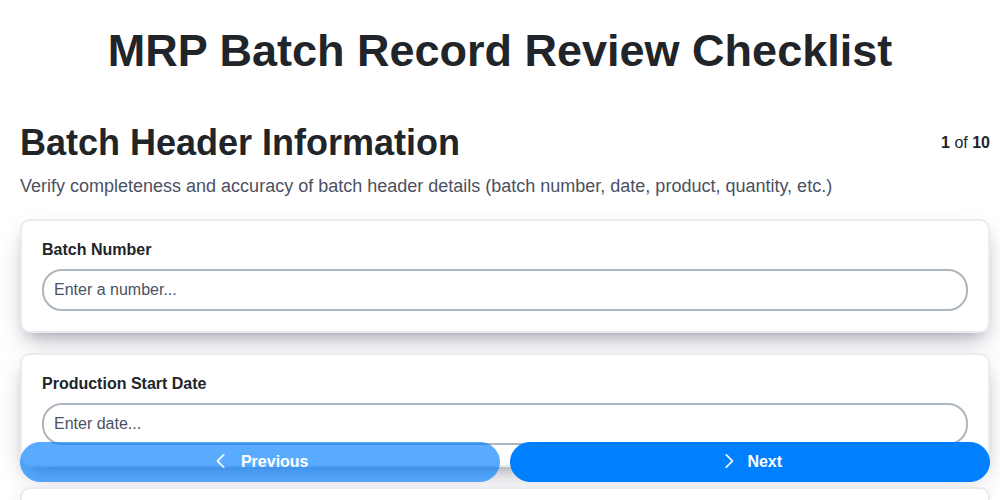
Table of Contents
- Introduction: Why Batch Record Reviews Matter
- Understanding MRP and Batch Records
- The MRP Batch Record Review Checklist: A Comprehensive Guide
- 1. Batch Header Information: Accuracy is Key
- 2. Material Usage Verification: Ensuring Correct Components
- 3. Process Parameter Adherence: Staying Within Specifications
- 4. Equipment Log Review: Identifying Maintenance & Calibration
- 5. Quality Control Checks: Validating Product Integrity
- 6. Documentation & Sign-Off: Maintaining a Clear Audit Trail
- 7. Deviation & Corrective Actions: Addressing Issues Effectively
- 8. Batch Release Authorization: Final Approval
- 9. Record Retention: Legal and Regulatory Compliance
- 10. Traceability Verification: Mapping Ingredients and Processes
- Best Practices for Efficient Reviews
- Conclusion: Streamlining Your Batch Record Review Process
- Resources & Links
TLDR: Ensure your MRP batch records are accurate and compliant with this comprehensive checklist! It covers everything from material usage and process parameters to quality control and traceability, helping you spot errors, maintain consistency, and ultimately, produce high-quality products. Download the template and simplify your batch record review process!
Introduction: Why Batch Record Reviews Matter
In the pharmaceutical and manufacturing industries, maintaining impeccable quality and compliance isn't just a goal - it's a legal and ethical imperative. A critical cornerstone of this is the meticulous review of Manufacturing Records, specifically Batch Records (MRB). These records are the detailed history of a product's creation, documenting every step from raw material intake to final packaging.
Think of a Batch Record Review as a final, crucial quality gate. It's the process of systematically verifying that the manufacturing process adhered to established procedures, ensuring product consistency, safety, and efficacy. Beyond simply confirming steps were followed, thorough reviews uncover potential inconsistencies, identify areas for process improvement, and provide a robust audit trail. Ultimately, a comprehensive MRB review is a powerful tool for minimizing risks, guaranteeing product integrity, and demonstrating unwavering commitment to regulatory compliance. Ignoring or shortcutting this process can have serious consequences, impacting patient safety, brand reputation, and bottom-line profitability.
Understanding MRP and Batch Records
In the world of pharmaceutical and regulated manufacturing, ensuring consistent product quality and regulatory compliance is paramount. At the heart of this lies the Master Batch Record (MBR) and the Batch Record (BR). The MBR serves as the master guide, outlining the defined process for manufacturing a particular product batch. The Batch Record, or BR, is the detailed, step-by-step account of how a specific batch was actually made, documenting every action taken, material used, and observation made during the manufacturing process.
MRP (Manufacturing Resource Planning) systems often integrate with these records, facilitating planning, scheduling, and tracking. They ensure the right materials are available at the right time and assist in managing the complex steps involved in production. The Batch Record Review Checklist, which we'll delve into shortly, is a critical component of this system - a final check to confirm the batch was produced according to the MBR and all relevant procedures. Thorough review of these records isn't merely a formality; it's a crucial safeguard against errors and a vital demonstration of your commitment to quality and compliance.
The MRP Batch Record Review Checklist: A Comprehensive Guide
Ensuring the integrity of your manufacturing processes is paramount in industries governed by regulations like Good Manufacturing Practices (GMP). A robust MRP (Material Requirements Planning) Batch Record Review Checklist is a critical tool for achieving this, verifying that each batch of product has been manufactured according to established procedures. This isn't just about ticking boxes; it's about guaranteeing product quality, safety, and regulatory compliance. Let's break down the key elements of a thorough MRP Batch Record Review Checklist.
Batch Header Information: The review should begin by confirming the accuracy of the batch header information. This includes verifying the batch number, product name, manufacturing date, expiry date (if applicable), and assigned personnel. Any discrepancies here can create significant issues down the line.
Material Usage Verification: This step focuses on ensuring that the correct materials were used, in the correct quantities, and that their expiry dates were within acceptable limits. Check against the Bill of Materials (BOM) and associated material records. Look for evidence of material traceability - lot numbers and supplier details should be clearly documented.
Process Parameter Adherence: Manufacturing processes rely on precise parameters (temperature, pressure, mixing times, etc.). This section verifies that these parameters were consistently maintained within the defined ranges specified in the manufacturing instructions. Deviations need to be noted and justified.
Equipment Log Review: Accurate equipment logs are crucial for demonstrating maintenance and calibration schedules. Review these logs to confirm that all equipment used in the batch's production was properly maintained and calibrated before use. Any maintenance performed during the batch run must be documented and assessed for impact.
Quality Control Checks: This vital section reviews all QC testing performed on the batch, including in-process controls and final product testing. Verify that all tests were conducted according to approved methods, results are within specifications, and any out-of-specification results were properly investigated and resolved.
Documentation & Sign-Off: A complete batch record requires thorough documentation. Ensure all steps were documented legibly and completely, and that all relevant personnel have signed off on their respective tasks, signifying their review and approval.
Deviation & Corrective Actions: Any deviations from the standard manufacturing process must be thoroughly documented, including the root cause and implemented corrective actions. The effectiveness of these corrective actions needs to be verified.
Batch Release Authorization: This step verifies that the batch was formally released by an authorized person, signifying their confidence in the batch's quality and compliance. The rationale behind the release, especially in cases of minor deviations, should be documented.
Record Retention: Confirm that all records related to the batch (manufacturing record, QC data, equipment logs, deviation records) are properly retained for the required retention period, in accordance with regulatory requirements.
Traceability Verification: A robust traceability system is essential. Ensure that the review confirms the ability to trace every material and process step back to its origin, crucial for investigations and recalls.
1. Batch Header Information: Accuracy is Key
The batch header contains the foundational details for the entire production run. A thorough review here is paramount. Verify the batch number, product name, manufacturing date, and target quantity against the production order. Confirm the intended production scale and any specific instructions outlined for that particular batch. Mismatches at this stage can trigger a domino effect of errors, so pay meticulous attention to every detail. Double-check the assigned operator and any notes related to the batch's purpose or specific requirements. A quick, accurate review of the batch header sets the stage for a compliant and traceable manufacturing process.
2. Material Usage Verification: Ensuring Correct Components
A crucial step in MRP Batch Record Review is meticulous verification of material usage. This isn't simply about confirming if materials were used, but ensuring the right materials, in the correct quantities, were utilized throughout the batch process. Errors here can lead to product failure, regulatory non-compliance, and costly recalls.
What to Check:
- Material Listed vs. Materials Used: Compare the materials listed on the Batch Record with the actual materials dispensed and consumed. Look for discrepancies in material codes, descriptions, or lot numbers.
- Quantity Discrepancies: Verify that the quantities used for each material align with the Bill of Materials (BOM) and the batch record instructions. Even minor differences can impact product quality. Look for any recorded additions or substitutions and confirm their justification is documented and approved.
- Expiration Dates: Ensure that all materials used were within their expiration dates. Expired materials can compromise product stability and efficacy.
- Lot Number Tracking: Scrutinize the lot numbers of materials used and confirm they are accurately recorded and traceable. This is vital for downstream traceability and recall purposes.
- Material Substitution Records: If any material substitutions were made, confirm these substitutions were authorized by qualified personnel and documented with the reason for substitution and potential impact on the final product.
Red Flags to Watch For:
- Unexplained discrepancies in material usage.
- Lack of documentation for material substitutions.
- Use of materials with expired expiration dates.
- Missing lot number records.
Why it Matters: Accurate material usage verification is a cornerstone of quality manufacturing. By ensuring the correct components are used in the right quantities, you protect your product's integrity and build confidence in your processes.
3. Process Parameter Adherence: Staying Within Specifications
One of the most critical areas of an MRP Batch Record Review is verifying adherence to established process parameters. This isn't just about checking numbers; it's about ensuring the entire manufacturing process stayed within the pre-defined, approved boundaries that guarantee product quality and consistency.
What are we looking for? This section requires meticulous scrutiny of recorded data against established specifications. Key parameters to verify often include (but are not limited to):
- Temperature: Was the temperature maintained within the approved range throughout mixing, reaction, or drying stages? Look for any excursions and whether they were properly documented.
- Pressure: Pressure readings during various processes - especially critical in reactions or filling - must be checked against acceptable limits.
- Mixing Time & Speed: Deviations from prescribed mixing times and speeds can significantly impact product homogeneity.
- Reaction Time: Accurate reaction times are crucial for complete reactions and to avoid unwanted byproducts.
- Drying Time & Humidity: Proper drying is essential for stability and shelf-life.
- pH Levels: For pH-sensitive processes, verifying the consistency and accuracy of pH measurements is paramount.
Why is this so important? Even slight deviations from established parameters, if not properly documented and investigated, can lead to product defects, inconsistencies, and potentially compromise the entire batch. The review should confirm that any excursions were immediately recognized, documented with a clear explanation of the cause, and that appropriate corrective actions were taken. Simply noting a deviation isn't enough; understanding why it happened and what steps were taken to mitigate its impact is crucial.
4. Equipment Log Review: Identifying Maintenance & Calibration
A thorough review of the equipment log is crucial for ensuring product quality and identifying potential risks. This isn't just about confirming equipment was used; it's about verifying its condition and functionality during the batch production.
What to look for:
- Calibration Dates: Verify all equipment used was within its calibration period. Expired calibrations can introduce unacceptable measurement inaccuracies, impacting batch consistency.
- Maintenance Records: Scrutinize maintenance logs for any reported issues, repairs, or adjustments made to the equipment during the batch production. Even seemingly minor maintenance can impact product quality if not properly documented.
- Unexpected Events: Look for entries indicating unusual noises, malfunctions, or performance deviations. These can be early warning signs of more significant problems.
- Operator Comments: Pay close attention to any comments made by operators regarding equipment performance. Their observations from the production floor are invaluable.
- PM Schedules: Confirm preventative maintenance schedules were followed as per established procedures.
Why this is important: Failing to identify equipment issues can lead to out-of-specification product, costly rework, or even product recalls. This step ensures the integrity of the production process and demonstrates a commitment to quality.
5. Quality Control Checks: Validating Product Integrity
This section is paramount to ensuring the final product meets established quality standards and regulatory requirements. The review should meticulously verify all quality control checks documented within the batch record. This isn't just about confirming tests were performed; it's about validating the results.
Key areas of focus within this review include:
- In-Process Testing: Examine all in-process testing data (e.g., pH, viscosity, moisture content, appearance). Confirm the results fall within the defined acceptance criteria. Were deviations investigated and resolved appropriately?
- Finished Product Testing: Verify all required finished product testing was conducted and that results are within specification. This includes, but is not limited to, assay, purity, and any other relevant characteristics.
- Sampling Procedures: Confirm that sampling methodologies followed established protocols and were documented correctly. Were samples representative of the entire batch?
- Analytical Method Validation: While a full validation review isn't typically part of the batch record review, a cursory check to ensure validated methods were used for testing is advisable.
- Trend Analysis: Are there any concerning trends emerging from the QC data for this or similar batches? If so, were these flagged and addressed?
Ultimately, this step determines whether the batch is suitable for release and directly impacts product safety and efficacy. A thorough and critical assessment is essential.
6. Documentation & Sign-Off: Maintaining a Clear Audit Trail
Thorough documentation and proper sign-off are the bedrock of a robust MRP batch record review. This isn't just about ticking boxes; it's about creating an auditable trail that demonstrates adherence to procedures and provides a clear understanding of the manufacturing process.
Each step within the batch record review, and indeed each action taken during the manufacturing process itself, must be meticulously documented. This includes recording any observations, adjustments made, or decisions reached. Avoid ambiguity - use clear, concise language and refer to specific SOPs or guidelines.
Sign-off by authorized personnel at each critical stage is essential. This signifies that the reviewer has verified the information, understands the actions taken, and accepts responsibility for their accuracy. Clearly defined sign-off roles (e.g., Production Supervisor, Quality Assurance representative) should be established and followed consistently.
Consider implementing electronic signature capabilities for enhanced security and traceability. Remember to maintain copies of all relevant documents, both electronic and paper, ensuring easy access for internal reviews and potential regulatory audits. A well-maintained documentation system demonstrates accountability and builds confidence in the consistency and reliability of your manufacturing process.
7. Deviation & Corrective Actions: Addressing Issues Effectively
No batch record review is ever truly complete without a thorough assessment of any deviations that occurred during the manufacturing process. Deviations, by definition, represent instances where established procedures weren't followed or unexpected results were observed. Ignoring these deviations is a recipe for potential product quality issues and regulatory non-compliance.
This section of the review focuses on verifying how each deviation was documented, investigated, and resolved. Key points to scrutinize include:
- Detailed Description: Were deviations clearly and concisely described, outlining what happened, when it happened, and who reported it? Vague or missing details hinder effective investigation.
- Root Cause Analysis: Was a proper root cause analysis (RCA) performed? Simply stating what happened isn't sufficient. Understanding why it happened is crucial for prevention. Techniques like the 5 Whys are often helpful.
- Corrective Actions: Were appropriate corrective actions implemented to address the root cause and prevent recurrence? Were these actions specific, measurable, achievable, relevant, and time-bound (SMART)?
- Preventative Actions: Were preventative actions taken to avoid similar deviations in the future? This demonstrates a proactive approach to quality.
- Effectiveness Evaluation: Was the effectiveness of the corrective and preventative actions evaluated? Were metrics established to measure success? Were the actions truly effective in preventing recurrence?
- Approval & Sign-Off: Were all corrective actions reviewed and approved by the relevant personnel, documenting their assessment of the risk and effectiveness?
A robust deviation management process isn't just about fixing problems; it's about learning from them and continuously improving the manufacturing process. This section of the checklist ensures that the system for managing deviations is functioning effectively and contributing to overall product quality.
8. Batch Release Authorization: Final Approval
This is the critical final gatekeeper. Before a batch is released for use or sale, a designated, qualified individual - typically a Quality Assurance (QA) professional or a designated Batch Record Reviewer - must meticulously verify that all preceding checklist items have been satisfactorily completed and documented. This isn't just a cursory glance; it's a comprehensive assessment demonstrating full compliance.
The authorization requires confirming:
- Review of all preceding checklist sections: Ensuring each step, from header information to traceability, has been properly addressed and resolved.
- Deviation Resolution: Any deviations documented throughout the process were thoroughly investigated, corrective actions were implemented, and their effectiveness validated.
- Material and Equipment Suitability: Verifying that all materials and equipment used in the batch remained within approved specifications and were functioning correctly.
- Regulatory Compliance: Assessing adherence to all applicable regulations and company procedures.
The Batch Release Authorization is not simply a signature; it's a formal declaration that the batch meets predefined quality standards and is safe for its intended purpose. This authorization must be clearly documented, including the reviewer's name, title, signature, and date. Failure to obtain proper authorization can have serious consequences, including product recalls and regulatory penalties.
9. Record Retention: Legal and Regulatory Compliance
Maintaining meticulous records is more than just good practice; it's a legal and regulatory imperative within the pharmaceutical and manufacturing industries. The MRP Batch Record Review checklist includes a critical section dedicated to record retention, and for good reason. Failing to adhere to established retention periods can result in serious consequences, including warning letters, recalls, and even legal action.
Regulations like Good Manufacturing Practices (GMP) mandate specific retention times for batch records. These periods vary depending on the product and the jurisdiction. For instance, the FDA often requires a minimum retention period of at least one year, but longer periods - sometimes extending to several years or even indefinitely - may be required based on the product's risk profile and associated regulations.
Beyond simply keeping records, the retention process must also ensure their integrity and accessibility. Records must be stored securely to prevent loss, damage, or unauthorized alteration. They need to be readily retrievable for inspections, audits, and investigations. Consider implementing a robust archiving system, whether physical or electronic, that incorporates version control and audit trails.
During batch record reviews, verifying adherence to these retention protocols is crucial. Questions to ask include:
- Are the records being stored in the designated location?
- Are the retention periods being accurately tracked and adhered to?
- Is there a documented process for periodic review of records to ensure their ongoing compliance?
- Does the retention schedule align with all applicable regulations and company policy?
By prioritizing record retention as a vital component of your batch record review process, you demonstrate a commitment to quality, compliance, and ultimately, patient safety.
10. Traceability Verification: Mapping Ingredients and Processes
Ensuring complete traceability is a cornerstone of robust manufacturing, particularly within regulated industries. This step goes beyond simply knowing the batch number; it requires a meticulous mapping of every ingredient, component, and processing step within the batch record.
Here's what traceability verification entails:
- Ingredient Origin: Can you definitively trace each ingredient back to its supplier, lot number, and date of receipt? This involves cross-referencing purchase orders, receiving records, and supplier documentation.
- Process Flow Mapping: Verify the sequence of operations and identify any interdependencies between them. This confirms that the processing steps occurred in the intended order and that any variations were appropriately documented.
- Equipment Linkage: Ensure that each processing step is linked to the specific equipment used, including equipment identification numbers and calibration records.
- Personnel Involvement: Track who performed each step - from weighing raw materials to final inspection - and link their actions to the batch record.
- Material Flow: Confirm that the quantities of materials used align with the approved formula and were accurately recorded throughout the process. Discrepancies, even seemingly minor ones, warrant investigation.
- Review Chain of Custody: The 'chain of custody' for each component is critical. This documents every transfer of responsibility and location changes throughout the production process.
Thorough traceability verification provides a clear audit trail, allowing for swift identification of the root cause of any issues and facilitating efficient recalls if necessary. It demonstrates a commitment to quality and provides confidence in the integrity of the manufactured product.
Best Practices for Efficient Reviews
A thorough MRP Batch Record Review is crucial, but it doesn't have to be a tedious, time-consuming process. Implementing these best practices can streamline your reviews and ensure accuracy:
- Standardize Your Approach: Create a consistent review process. This includes pre-defined checklists (like the one we've outlined!), standardized forms, and clear instructions for reviewers.
- Train Your Reviewers: Ensure all reviewers are properly trained on the checklist, the underlying processes, and relevant regulations. This minimizes errors and ensures a consistent level of scrutiny.
- Leverage Technology: Explore using electronic batch record review systems. These can automate certain checks, improve data visibility, and facilitate collaboration.
- Prioritize Reviews: Focus on batches with higher risk factors (e.g., new products, complex processes, or critical materials) first.
- Establish Clear Responsibilities: Define who is responsible for each step of the review and for resolving any identified issues.
- Regularly Evaluate and Update the Checklist: Don't let your checklist become stagnant. Periodically review it for accuracy and relevance, incorporating changes based on process improvements or regulatory updates.
- Timeboxing: Allocate specific time slots for reviews. This encourages focus and helps prevent reviews from being rushed or postponed.
- Collaboration is Key: Encourage open communication between reviewers and production personnel to clarify questions and resolve discrepancies efficiently.
Conclusion: Streamlining Your Batch Record Review Process
Ultimately, a robust and consistently applied MRP Batch Record Review Checklist isn't just about ticking boxes - it's about safeguarding product quality, ensuring regulatory compliance, and fostering a culture of continuous improvement. By meticulously evaluating each element - from the initial batch header information to final traceability verification - you create a strong defense against potential errors and inconsistencies. This proactive approach minimizes risks, strengthens your quality system, and demonstrates a commitment to producing safe and effective products. Implementing this checklist isn't a burden; it's an investment in the integrity of your manufacturing process and the trust of your customers. Regularly review and update your checklist to reflect changes in processes, regulations, and best practices to keep your batch record review process optimized and future-proof.
Resources & Links
- U.S. Food and Drug Administration (FDA): The FDA regulates pharmaceutical manufacturing and has detailed guidance on batch record reviews and good manufacturing practices (GMP). Vital for understanding regulatory requirements.
- International Organization for Standardization (ISO): Specifically, look into ISO 9001 (Quality Management Systems) and related standards which often require robust batch record review processes.
- American Society for Quality (ASQ): Provides resources, training, and publications on quality control, auditing, and GMP. Useful for understanding methodologies and best practices.
- Pharmaceutical Online: A leading resource for pharmaceutical professionals, offering articles and insights into manufacturing processes, regulatory compliance, and quality control.
- GMP Compliance: Offers specialized guidance, training, and audits for GMP compliance, including detailed information on batch record review requirements.
- EMC2 (Engineering & Manufacturing Consulting): Consultancy specializing in pharmaceutical and biotech manufacturing. Often publishes articles and provides insights related to batch record management and regulatory compliance.
- ComplianceGateway: Provides regulatory news, resources, and training related to pharmaceuticals, medical devices, and other regulated industries. Search for articles on batch records and GMP.
- Pharmaceutical Manufacturing Jobs (PMA): While a job board, PMA often posts articles and resources relevant to pharmaceutical manufacturing and quality assurance, including discussions around batch records.
- SGS: A leading inspection, verification, testing and certification company. They often publish insights and best practices related to GMP and quality assurance processes including batch records.
Frequently Asked Questions
What is a Batch Record Review and why is it important?
A Batch Record Review is a thorough examination of all documentation and activities performed during the manufacturing of a batch of product. It's crucial for ensuring product quality, identifying deviations, verifying compliance with regulations (like GMP), and providing valuable insights for process improvement. It's a vital quality control step.
What does MRP stand for in the context of this article?
MRP stands for Manufacturing Resource Planning. In this article, it relates to the structured approach and checklist used for reviewing Batch Records, aligning with MRP principles of planning and control.
Who should perform Batch Record Reviews?
Typically, qualified personnel with a strong understanding of the manufacturing process, quality control principles, and relevant regulations should perform Batch Record Reviews. This often includes Quality Assurance (QA) personnel, supervisors, or designated reviewers.
What kind of deviations should be flagged during a Batch Record Review?
Any deviation from established procedures, unexpected results, incomplete documentation, inconsistencies between records, and any event that could potentially impact product quality should be flagged. Examples include incorrect weights, temperature excursions, or missing signatures.
What is included in the MRP Checklist Template provided in the article?
The checklist template covers key areas such as raw material verification, equipment functionality, process parameter adherence, in-process testing, documentation completeness, and adherence to Standard Operating Procedures (SOPs). It's designed to be a comprehensive guide for reviewers.
Can I customize the MRP Checklist Template?
Absolutely! The template is designed to be a starting point. You should customize it to reflect your specific manufacturing process, products, equipment, and regulatory requirements. Add or remove steps as needed to ensure its relevance and effectiveness.
What should I do if a deviation is identified during a Batch Record Review?
Any identified deviation should be documented thoroughly, including the date, time, description of the deviation, potential impact on product quality, and corrective actions taken. A formal deviation report should be generated and investigated according to your company's procedures.
What is the purpose of the 'Reviewer' and 'Approval' sections on the checklist?
The 'Reviewer' section documents who performed the review and their observations. The 'Approval' section requires a senior level authorization after the review and any necessary corrective actions are documented, signifying official acceptance of the batch record.
How often should Batch Record Reviews be performed?
Batch Record Reviews should be performed for every batch produced. The frequency may also be dictated by regulatory requirements or your company's risk assessment.
Where can I find more information about Good Manufacturing Practices (GMP)?
You can find information about GMP from regulatory bodies like the FDA (in the US), EMA (in Europe), and WHO (globally). These organizations publish guidelines and regulations that outline GMP requirements.
Found this Article helpful?
Comments
There are no comments yet. Be the first to add one!
Related Articles
MRP System Performance Monitoring Checklist: Ensure Peak Efficiency
MRP System Implementation Checklist: Your Step-by-Step Guide

Top 10 MRPeasy Alternatives for 2025
The 5 Best Bill of Materials (BOM) Management Software of 2025
MRP Planning Parameter Setup Checklist: Your Guide to Accuracy & Efficiency
The 10 Best Manufacturing Management Software of 2025
How to improve your Bill of Materials (BOM) Management
MRP User Training Checklist: Ensuring Proficiency & Success
We can do it Together
Need help with
Material Requirements Planning (MRP)?
Have a question? We're here to help. Please submit your inquiry, and we'll respond promptly.