Protect Your Properties: The Ultimate Pest Control Checklist for Property Managers
Published: 11/26/2025 Updated: 07/02/2026
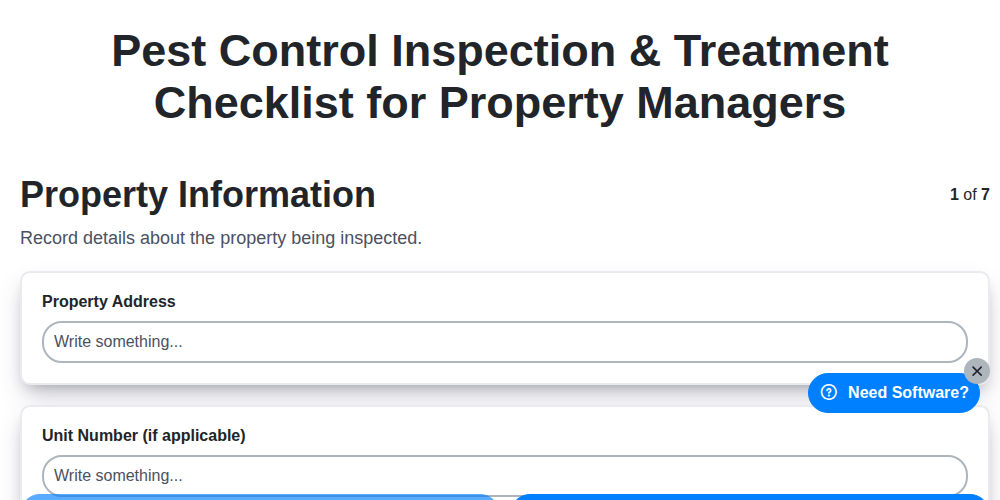
Table of Contents
- Introduction: Why Pest Control is Crucial for Property Managers
- 1. Property Information: Setting the Foundation
- 2. Initial Inspection - Exterior: Identifying Exterior Entry Points
- 3. Initial Inspection - Interior: Assessing Interior Infestations
- 4. Pest Identification & Damage Assessment: Knowing Your Enemy
- 5. Treatment Plan & Implementation: Strategies for Elimination
- 6. Choosing the Right Pest Control Partner
- 7. Follow-Up & Monitoring: Ensuring Long-Term Prevention
- 8. Documentation & Reporting: Maintaining a Clear Record
- 9. Tenant Communication: Keeping Residents Informed
- 10. Legal Considerations & Compliance
- Resources & Links
TLDR: Stop pest problems before they escalate! This checklist template guides property managers through a complete pest control process, from initial inspections (inside and out!) to treatment, follow-up, and detailed record-keeping. It helps identify risks, plan effective treatments, and protect your properties (and your reputation!). Download the template and simplify your pest management today.
Introduction: Why Pest Control is Crucial for Property Managers
As property managers, you're responsible for maintaining not just the aesthetics and functionality of your properties, but also the health and safety of your tenants. Pest infestations are a significant threat to both, impacting tenant satisfaction, property value, and potentially leading to costly legal issues. Ignoring a potential pest problem can quickly escalate into a full-blown infestation, leading to structural damage, health risks, and negative reviews - all of which can significantly impact your bottom line. A proactive and well-documented pest control strategy isn't just a reactive measure; it's a preventative investment that protects your assets and ensures a positive living environment for your tenants. This checklist will provide a clear framework to implement that proactive approach.
1. Property Information: Setting the Foundation
Before diving into the physical inspection, meticulous record-keeping is paramount. This section forms the bedrock of your pest control strategy and provides crucial context for future assessments. Start by capturing the essential property details:
- Property Address: Full address, including unit number if applicable.
- Property Type: (e.g., Single-family home, apartment complex, condo, commercial building)
- Contact Information: Name, phone number, and email of the property manager and/or point of contact.
- Tenant Information (if applicable): Gather tenant names and contact information for communication regarding treatment and preventative measures.
- Previous Pest Control History: Review any existing pest control contracts, treatment records, and previous reports. Understanding past issues will inform your approach.
- Building Age & Construction: Note the age of the building and its construction materials (wood, brick, concrete, etc.). Older buildings often present unique vulnerabilities.
- Landscaping: Briefly describe the landscaping around the property. Dense vegetation can provide harborage for pests.
This detailed information isn't just about ticking boxes; it builds a comprehensive property profile that will guide your inspection and treatment decisions.
2. Initial Inspection - Exterior: Identifying Exterior Entry Points
The exterior of a property is the first line of defense against pests. A thorough inspection here is crucial for preventing infestations before they even begin. Walk the entire perimeter, paying close attention to these key areas:
- Foundation: Look for cracks, gaps, or crumbling mortar. These are prime entry points for ants, rodents, and spiders. Use a flashlight to thoroughly examine these areas.
- Doors & Windows: Inspect door and window frames for gaps, damaged weather stripping, and improperly sealed screens. Check for signs of pest activity around thresholds.
- Landscaping: Overgrown vegetation, mulch piled against the building, and standing water create ideal pest habitats. Trim shrubs away from the structure, ensure proper drainage, and consider using pest-resistant landscaping options.
- Gutters & Downspouts: Clogged gutters can lead to moisture buildup, attracting pests like mosquitoes and termites. Ensure they are clean and properly draining.
- Outdoor Structures: Inspect decks, patios, sheds, and fences for signs of damage or pest activity. Pay close attention to areas where wood is in contact with the ground.
- Utility Entrances: Look for gaps around pipes, wires, and other utility entrances. These provide easy access for rodents and insects.
Document any findings with photos and detailed notes.
3. Initial Inspection - Interior: Assessing Interior Infestations
Once the exterior inspection is complete, shift your focus indoors. A thorough interior inspection is crucial for identifying existing pest infestations and potential entry points. Here's what to look for:
- Kitchen: This is a prime target. Check under sinks, around appliances (refrigerator, dishwasher, oven), in pantries, and behind cabinets. Look for signs of rodents (droppings, gnaw marks), insects (roach droppings, webbing), and food residue that could attract pests. Don't forget to inspect inside cabinets and drawers.
- Bathrooms: Moisture attracts many pests. Inspect around pipes, under sinks, and in wall cavities for signs of moisture and potential pest activity.
- Bedrooms & Living Areas: Pay close attention to areas where pests can hide, such as behind furniture, under carpets, and in closets. Look for signs of bed bugs (dark spots, shed skins, bites) and other insects.
- Basements & Crawl Spaces: These damp, dark areas are havens for pests. Inspect walls, floors, and ceilings for signs of infestation. Ensure proper ventilation to reduce moisture.
- Attic: Look for signs of rodents, birds, and insects. Check insulation for damage and nests. Ensure proper sealing of entry points.
During the interior inspection, document all findings with photos and detailed notes. Note the specific location of any pest activity and any conditions that might be contributing to the problem.
4. Pest Identification & Damage Assessment: Knowing Your Enemy
Simply seeing signs of pests isn't enough; accurate identification is crucial for effective treatment. A thorough assessment goes beyond just spotting a few ants. This is where a trained eye is invaluable.
Here's what a comprehensive pest identification and damage assessment should include:
- Precise Pest Identification: Determine the exact species of pest. Different pests require different treatment approaches. For example, carpenter ants require a different strategy than pavement ants. Utilize resources like pest identification guides, online databases, or consult with a pest control specialist for difficult cases.
- Source Identification: Where are the pests originating? Finding the entry points - cracks in foundations, gaps around pipes, openings in siding - is key to preventing re-infestation.
- Extent of Infestation: How widespread is the problem? A small cluster of ants might indicate a minor issue, while widespread droppings or nests signal a more serious infestation.
- Damage Assessment: Carefully inspect for any structural damage caused by pests. This could include:
- Wood Damage: Look for hollowed wood, galleries carved by beetles (like termites or powderpost beetles), or sawdust-like material (frass).
- Fabric/Material Damage: Check for holes in carpets, upholstery, or stored goods caused by moths, rodents, or other pests.
- Electrical Damage: Rodents often chew on electrical wiring, posing a significant fire hazard.
- Structural Weakening: Termites and other wood-boring insects can compromise the integrity of building structures.
- Moisture Assessment: Many pests thrive in moist environments. Inspect for leaks, condensation, and standing water, as these can attract and sustain infestations.
Documentation is key: Record your findings meticulously, including photos and detailed descriptions, as this will inform the treatment plan and provide a baseline for monitoring progress.
5. Treatment Plan & Implementation: Strategies for Elimination
Once a comprehensive pest identification and damage assessment is complete, a targeted treatment plan is essential for effective elimination. A "one-size-fits-all" approach rarely works, so customizing the plan based on the specific pest, infestation severity, and property characteristics is paramount. Here's a breakdown of key strategies:
1. Prioritize Integrated Pest Management (IPM): IPM focuses on prevention and long-term solutions, minimizing reliance on chemical treatments. This includes:
- Sealing Entry Points: Caulk cracks and crevices, repair damaged screens, and ensure proper weather stripping around doors and windows.
- Eliminating Food and Water Sources: Address standing water, secure garbage bins, and ensure proper food storage for tenants.
- Habitat Modification: Remove debris, clear vegetation away from the building foundation, and trim overgrown bushes.
- Sanitation Recommendations for Tenants: Provide clear instructions and reminders to tenants about maintaining cleanliness to minimize attractants.
2. Choosing the Right Treatment Methods: The selected methods depend on the pest. Common options include:
- Chemical Treatments (Pesticides): When used responsibly and according to label instructions, pesticides can be effective. Prioritize low-toxicity options and always follow all safety precautions. Consider baits, spot treatments, and residual sprays.
- Trapping: Effective for controlling rodent populations and certain insect species. Regularly monitor and replace traps.
- Heat Treatment: Can be used for infestations in localized areas, particularly effective against bed bugs.
- Biological Control: Utilizing natural predators (e.g., nematodes for soil-dwelling pests).
3. Tenant Communication & Coordination: Crucial for treatment success.
- Pre-Treatment Notification: Provide ample notice (usually 24-48 hours) to tenants, explaining the purpose of the treatment, potential disruptions, and any necessary preparations (e.g., removing food items, pets).
- Post-Treatment Instructions: Provide clear instructions about re-entry into the unit, ventilation, and potential sensitivities.
- Addressing Concerns: Be prepared to answer tenant questions and address any concerns they might have.
4. Documentation of Treatments: Meticulously document all treatments, including:
- Date and time of treatment
- Pest(s) targeted
- Products used (including concentration and application rate)
- Areas treated
- Technician's initials
By focusing on preventative measures, utilizing targeted treatments, and maintaining open communication, you can effectively manage pest issues and protect your property and tenants.
6. Choosing the Right Pest Control Partner
Dealing with pests on managed properties isn't just about eliminating them; it's about protecting your investment and ensuring tenant satisfaction. That's why selecting a reliable and reputable pest control partner is crucial. Here's what to look for:
Experience & Licensing: Verify the company holds all necessary state and local licenses and insurance. Don's hesitate to ask about their experience specifically with properties similar to yours - apartments, single-family homes, commercial buildings, etc.
Integrated Pest Management (IPM) Approach: Avoid companies who rely solely on broad-spectrum pesticides. Look for a partner who employs IPM - a holistic approach prioritizing prevention, sanitation, and targeted treatments that minimize environmental impact and prioritize tenant safety. Ask about their IPM strategies.
Clear Communication & Reporting: A good pest control partner should be proactive in communication. They should explain their treatment plans clearly, provide detailed reports after each inspection and treatment, and be readily available to answer your questions and address concerns.
Guarantees & Re-treatment Policies: Understand their guarantees. What happens if pests return shortly after treatment? A reputable company will offer re-treatment policies or further inspections to ensure long-term resolution.
References & Reviews: Don't skip this! Check online reviews and request references from other property managers. This provides valuable insights into their professionalism, effectiveness, and customer service.
Proactive Prevention: Ideally, your partner should offer preventative maintenance plans to minimize future pest issues, rather than solely reacting to problems.
7. Follow-Up & Monitoring: Ensuring Long-Term Prevention
The initial treatment is just the beginning. Effective pest control is an ongoing process, not a one-time fix. Robust follow-up and monitoring are crucial for long-term prevention and protecting your properties and tenants.
Here's what your follow-up & monitoring program should include:
- Regular Inspections: Schedule routine inspections (frequency based on risk assessment - high-risk properties might need monthly checks, while lower-risk ones could be checked quarterly). These aren't just a cursory glance; they're thorough evaluations looking for signs of re-infestation.
- Tenant Communication: Encourage tenants to report any sightings or unusual activity immediately. A quick response can prevent a small issue from escalating. Provide them with clear contact information and a simple reporting mechanism.
- Trap Monitoring: If traps are used, regularly check them for activity. This provides valuable data on pest presence and population levels. Replace or adjust trap placement as needed.
- Visual Checks: During inspections, pay close attention to common pest entry points (cracks, gaps, around pipes) and areas where food and water sources are present.
- Record Keeping: Meticulously document all follow-up inspections, observations, and any corrective actions taken. This creates a historical record to identify trends and adjust strategies.
- Seasonal Adjustments: Pest activity often fluctuates with the seasons. Tailor your monitoring and treatment approaches accordingly. For example, increased termite activity may require more frequent inspections during warmer months.
- Review Treatment Plan Effectiveness: Periodically review the overall effectiveness of the treatment plan. Are pest levels decreasing? Are new problems arising? Adapt the plan as needed based on data and observations.
8. Documentation & Reporting: Maintaining a Clear Record
Consistent and thorough documentation is the cornerstone of effective pest management for property managers. It's not just about knowing what you did, but having a clear record to reference for future treatments, demonstrating due diligence, and communicating effectively with owners and tenants.
Here's what your documentation & reporting should include:
- Inspection Reports: Detailed notes from each inspection - exterior and interior - noting areas of concern, pest sightings, and environmental conditions. Include photos when possible.
- Treatment Records: Document the specific pesticides used, application rates, dates of application, and areas treated. Keep Safety Data Sheets (SDS) readily accessible.
- Tenant Communication Logs: Record all conversations with tenants regarding pest complaints, treatment schedules, and any required preparation.
- Owner Notifications: Formal notifications to property owners regarding pest issues, treatment plans, and associated costs.
- Follow-Up Records: Document the results of follow-up inspections, noting any continued activity or areas needing further attention.
- Service Agreements: Copies of contracts with pest control service providers, outlining services, costs, and responsibilities.
- Trend Analysis: Regularly review your documentation to identify patterns in pest activity, allowing for proactive preventative measures.
Why is this important?
- Legal Protection: Demonstrates compliance with local and federal regulations.
- Liability Reduction: Provides a clear audit trail in case of tenant complaints or legal issues.
- Improved Service: Allows for more targeted and effective pest control strategies over time.
- Clear Communication: Keeps owners and tenants informed and builds trust.
Consider using a digital property management system with integrated pest control tracking. This streamlines the process, reduces errors, and provides easy access to information.
9. Tenant Communication: Keeping Residents Informed
Pest control isn't just about eliminating unwanted guests; it's about reassuring your tenants and maintaining a positive living environment. Proactive and transparent communication is essential throughout the entire process.
Here's how to keep your residents informed:
- Advance Notice: Always provide ample notice (as legally required and best practice) before any inspection or treatment. Clearly state the purpose, the date/time window, and an estimated duration.
- Explain the Process: Briefly explain the inspection and treatment process. This helps alleviate concerns and builds trust. For example, Our technician will be inspecting for common pests and applying targeted treatments to prevent further issues."
- Treatment Details: Inform tenants about the type of treatment being used, emphasizing safety measures. Highlight that licensed professionals are handling the process and that the products used are EPA-approved and applied according to label instructions.
- Post-Treatment Instructions: Provide clear, concise instructions for tenants to follow after treatment, such as keeping pets and children away from treated areas for a specific period.
- Ongoing Updates: Keep tenants updated on the status of the pest control program, especially if recurring issues are being addressed. A simple email or brief phone call can make a big difference.
- Address Concerns Promptly: Encourage tenants to report any ongoing pest concerns and respond promptly and professionally. Demonstrate that you're taking their concerns seriously.
By keeping tenants informed, you can foster a collaborative approach to pest management and minimize disruption to their lives.
10. Legal Considerations & Compliance
Property management comes with a responsibility to protect your tenants and your properties, and pest control is a significant part of that. Failing to address pest issues can lead to legal trouble and unhappy residents. Here's a breakdown of key legal considerations:
Tenant Rights & Disclosure: Most states have laws requiring landlords to maintain habitable premises, which includes addressing pest infestations. Failing to do so can lead to lease violations, rent abatement claims, and potential lawsuits. Always check your local and state laws regarding landlord responsibilities for pest control. Consider a clause in your lease addressing pest control responsibilities - clearly outlining what you will handle and what tenants are expected to do (e.g., reporting infestations promptly, keeping food properly stored).
Pesticide Application Laws: Regulations surrounding pesticide application are strict. Ensure your pest control technicians are licensed and follow all label instructions. Many jurisdictions require notification to tenants before pesticide treatments, especially in multi-family dwellings. Failure to comply can result in fines and legal action. Keep meticulous records of all pesticides used and application dates.
Accessibility for Treatments: You're typically entitled to access a property for pest control, but proper notification is crucial. Check local laws regarding notice periods - it's often 24-48 hours. Respect tenant privacy and schedule treatments at convenient times.
Liability: Understand your liability regarding pest-related damages. While you're responsible for pest control, tenants are generally responsible for their own negligence in attracting pests. However, structural damage caused by pests is usually the landlord's responsibility. Insurance coverage is essential; review your policy to ensure it covers pest-related claims.
Record Keeping is Key: Comprehensive documentation (as outlined in your pest control checklist) is your best defense against legal disputes. Document everything from initial inspections to treatments and follow-up.
Disclaimer: This information is for general guidance only and does not constitute legal advice. Consult with a legal professional to ensure compliance with applicable laws and regulations in your jurisdiction.
Resources & Links
- United States Environmental Protection Agency (EPA): Provides information and resources on pesticide safety, regulations, and pest management practices. Crucial for understanding legal compliance and safe usage of control methods.
- Centers for Disease Control and Prevention (CDC) - Vectorborne Diseases: Offers resources on vector-borne illnesses (e.g., West Nile Virus, Zika) which can be a concern with certain pests, particularly outdoors. Helps understand health risks.
- Pest Control Technology: Industry publication covering pest management techniques, emerging threats, and best practices. Provides technical insight for property managers.
- National Pest Management Association (NPMA): Professional association for pest control companies, offering resources for consumers and professionals. Includes information on finding qualified pest control providers.
- American Society of Certified Pest Control Operators (ASCA): Provides certification and continuing education for pest control professionals. Helps verify the expertise of potential partners.
- Fair Housing Institute: Addresses legal considerations related to pest control and tenant rights, especially ensuring equal access to pest-free housing. Important for avoiding discrimination claims.
- U.S. Department of Housing and Urban Development (HUD): Provides guidelines and regulations regarding housing standards and landlord responsibilities, including pest control. Focuses on habitability standards.
- Termidor (Bayer): Provides information about termite control, a common issue for property managers. Useful for understanding termite prevention and treatment.
- RentPrep: Provides resources and templates for property managers, including lease agreements and inspection checklists. Might offer templates adaptable for pest control documentation.
- ManageBuilding.com: Online resource for property managers, offering articles, webinars, and tools covering various aspects of property management, including pest control.
- Buildings.com: Provides information and resources for building professionals, including articles on pest control and building maintenance.
- Appraisal Insider: While primarily for appraisers, the site's sections on property condition can provide context for assessing pest damage impact on property value - useful for larger infestations or legal disputes.
Frequently Asked Questions
What types of pests should property managers be most concerned about?
Common pests include rodents (mice, rats), insects (cockroaches, ants, termites, bed bugs, flies, mosquitoes), and birds. The specific concerns will vary based on location and property type.
Why is pest control particularly important for property managers?
Pest infestations can damage property, create health hazards for tenants, violate lease agreements, lead to tenant complaints and turnover, and damage a property manager's reputation. Proactive pest control is an investment, not an expense.
What's the difference between preventative and reactive pest control?
Preventative pest control focuses on measures to *avoid* infestations (sealing cracks, landscaping maintenance, regular inspections). Reactive pest control deals with infestations *after* they're discovered - treatment, eradication, and damage repair.
What are some key preventative measures I can implement?
Seal cracks and crevices in buildings, maintain proper landscaping (trim bushes, remove standing water), ensure proper waste management (secure trash cans), and provide tenants with information on pest prevention.
How often should I conduct pest control inspections?
The frequency of inspections depends on the property's location, history of infestations, and local regulations. Generally, quarterly or semi-annual inspections are a good starting point, with more frequent checks for high-risk properties.
What should I include in a tenant's pest control addendum?
The addendum should outline tenant responsibilities (reporting infestations promptly, keeping units clean), landlord responsibilities (providing pest control services), and consequences for non-compliance. It's important to ensure it complies with local laws.
What should I do if a tenant reports a pest problem?
Respond promptly and investigate the issue. Arrange for a professional pest control service to assess and treat the problem. Document all communication and actions taken.
What types of pest control treatments are available, and which are most suitable for multi-unit properties?
Treatments range from baiting and trapping to chemical sprays and fumigation. Integrated Pest Management (IPM) is often recommended for multi-unit properties, combining preventative measures with targeted treatments.
What is Integrated Pest Management (IPM) and why is it recommended?
IPM is a comprehensive approach that prioritizes prevention and environmentally responsible treatments. It minimizes pesticide use while effectively managing pest populations.
How can I verify that a pest control company is reputable and licensed?
Check for licensing and insurance. Request references and check online reviews. Ask about their experience, methods, and guarantees. Ensure they are familiar with multi-unit property regulations.
Are there any legal or regulatory requirements related to pest control that I need to be aware of?
Yes, regulations vary by location. Research local, state, and federal laws regarding pesticide application, tenant notification, and record-keeping. Consult with legal counsel to ensure compliance.
What documentation should I keep regarding pest control services?
Maintain records of inspections, treatments, contracts, invoices, tenant communication, and any pest-related incidents. This documentation is essential for compliance and can be valuable in resolving disputes.
What are some cost-effective ways to manage pest control on a budget?
Focus on preventative measures. Negotiate service contracts with pest control companies. Educate tenants about pest prevention. Regularly inspect properties to catch problems early. Explore DIY solutions for minor issues (with caution).
Comments
There are no comments yet. Be the first to add one!
Real Estate Management Solution Demo
Simplify your real estate operations! ChecklistGuro streamlines property management, lease renewals, and maintenance requests. Enhance tenant satisfaction and maximize ROI. Manage it all with our Work OS.
Related Articles
Stress-Free Inspections: Your Home Inspection Coordination Checklist Template
The Ultimate Website Maintenance Checklist Template
10 Essential Checks: Your Brokerage Policy Review Checklist
The Ultimate Office Opening/Closing Checklist Template
Your Ultimate AML Compliance Checklist Template
Rent Collection Checklist Template: Your Landlord's Guide
Your Complete Flood Zone Disclosure Checklist Template
Fair Housing Training Checklist Template: Your Guide to Compliance
Need help with
Real Estate?
Have a question? We're here to help. Please submit your inquiry, and we'll respond promptly.