Navigating Port d'Haltère: Your Comprehensive Compliance Checklist
Published: 12/09/2025 Updated: 07/02/2026
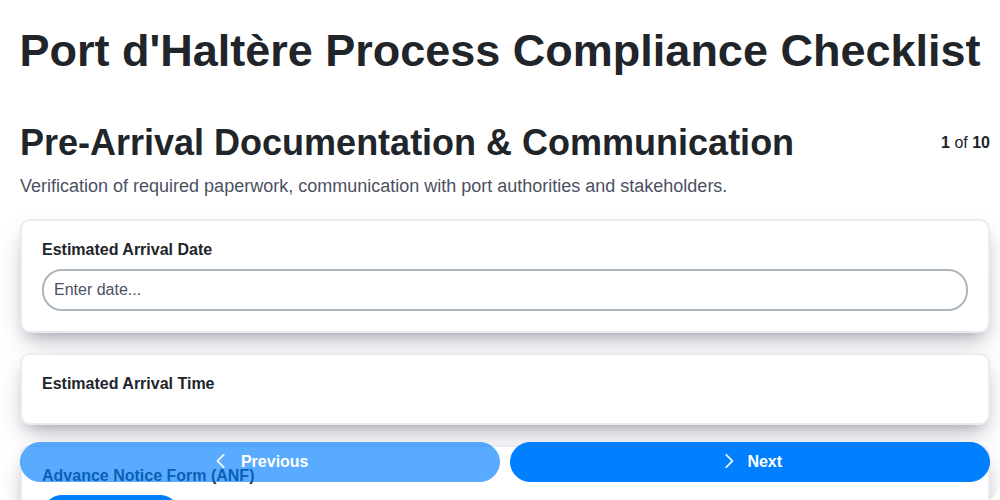
Table of Contents
- Introduction: Why Port d'Haltère Compliance Matters
- 1. Pre-Arrival Documentation & Communication: Setting the Stage
- 2. Berth Assignment & Scheduling: Optimizing Operations
- 3. Gangway and Mooring Operations: Ensuring Safe Access and Secure Fastening
- 4. Cargo Handling Procedures: Efficiency and Safety in Movement
- 5. Security Protocols & Surveillance: Protecting Assets and Personnel
- 6. Customs Clearance & Inspections: Streamlining Regulatory Processes
- 7. Post-Operation Reporting & Documentation: Maintaining Accurate Records
- 8. Environmental Compliance & Waste Management: Minimizing Impact
- 9. Personnel Training & Certification: Building Competency
- 10. Emergency Response Procedures: Preparedness is Key
- 11. Checklist Review & Updates: Continuous Improvement
- 12. Technology Integration for Compliance
- Conclusion: Mastering Port d'Haltère Compliance
- Resources & Links
TLDR: Running a Port d'Haltère operation safely and compliantly is complex! This checklist template breaks down every critical step - from pre-arrival paperwork to emergency response - ensuring you cover documentation, security, cargo handling, environmental regs, and more. Use it to minimize risk, streamline processes, and avoid costly errors.
Introduction: Why Port d'Haltère Compliance Matters
Port d'Haltère, a vital hub for global trade, operates within a complex web of regulations and protocols. Maintaining strict adherence to these guidelines isn't just about ticking boxes; it's about ensuring the safety, efficiency, and sustainability of every operation. Non-compliance can lead to costly delays, hefty fines, reputational damage, and, most importantly, potential risks to personnel, the environment, and the port's infrastructure.
This isn't simply a matter of internal process - it's a responsibility to stakeholders, from shipping lines and cargo owners to local communities and regulatory bodies. A robust compliance framework builds trust, minimizes risk, and contributes to the long-term viability of Port d'Haltère as a premier trading destination. This post dives into a comprehensive checklist designed to streamline and verify adherence to these critical procedures, ensuring a smoother, safer, and more responsible port operation.
1. Pre-Arrival Documentation & Communication: Setting the Stage
Effective port operations begin long before a vessel makes its approach. The Pre-Arrival Documentation & Communication phase is critical for ensuring a seamless and compliant haltère. This isn't just about paperwork; it's about proactive information sharing and meticulous preparation.
Here's what needs to be addressed:
- Vessel Information & Advance Notice: Accurate and complete vessel details - including draft, dimensions, cargo manifest, and intended operations - must be submitted well in advance. This allows the port to adequately prepare infrastructure and resources.
- Communication Channels: Establish clear and reliable communication lines between the vessel, the port authority, agents, and relevant stakeholders. This includes designated contact persons and preferred communication methods.
- Review of Arrival Notifications: Thoroughly review all Arrival Notices (ANs) and Subsequent ANs (SANs) to confirm accuracy and identify any potential issues. Discrepancies should be flagged and resolved before arrival.
- Pre-Arrival Meetings (Optional but Recommended): For complex operations or vessels with specific requirements, consider a pre-arrival meeting to discuss procedures and address any anticipated challenges.
- Compliance Verification: Ensure the vessel possesses all necessary permits, licenses, and certifications required for entry and operation within the Port d'Haltère.
A failure in this phase can lead to delays, increased costs, and potential compliance issues down the line. Prioritizing thoroughness and clear communication here is an investment in a successful haltère.
2. Berth Assignment & Scheduling: Optimizing Operations
Efficient berth assignment and scheduling are the cornerstones of a smoothly running port operation. A poorly managed schedule leads to delays, congestion, and increased costs - impacting everyone involved. This section of the Port d'Haltère Process Compliance Checklist focuses on ensuring a robust and optimized approach.
Key Elements for Compliance:
- Real-time Visibility: Utilizing a dynamic berth management system is critical. This system should integrate with vessel tracking data, ETA (Estimated Time of Arrival) updates, and operational resources.
- Prioritization Matrix: Implement a clear prioritization matrix based on factors like cargo type (e.g., perishables requiring rapid turnaround), vessel size, contractual obligations, and port congestion levels.
- Communication Protocol: Establish a defined communication protocol for berth assignments, schedule modifications, and potential delays. This should involve clear channels between the port authority, shipping agents, vessel operators, and cargo handling teams.
- Contingency Planning: Develop robust contingency plans to address unexpected delays, such as adverse weather conditions, mechanical failures, or unexpected surge in vessel traffic. This includes alternative berth options and strategies for re-sequencing operations.
- Documentation & Audit Trail: Maintain a comprehensive audit trail of all berth assignments, schedule changes, and related communications. This provides transparency and facilitates post-operation analysis for continuous improvement.
- Coordination with Other Departments: Ensure seamless coordination with cargo handling, security, and customs departments to avoid bottlenecks and maximize overall port efficiency.
By meticulously adhering to these points, Port d'Haltère can significantly reduce turnaround times, minimize disruption, and maintain its reputation for operational excellence.
3. Gangway and Mooring Operations: Ensuring Safe Access and Secure Fastening
This critical phase of port operations demands meticulous attention to detail and adherence to established protocols. A compromised gangway or improperly secured mooring can lead to significant safety risks and operational delays. This checklist section focuses on ensuring safe access for personnel and secure vessel fastening.
Key Considerations:
- Gangway Inspection: Before any personnel transit, a thorough inspection of the gangway is mandatory. This includes checking for structural integrity (corrosion, cracks, secure fastenings), proper angle of approach, adequate lighting, and non-slip surfaces. Ensure the gangway is free from obstructions and the supporting cables are correctly tensioned.
- Weather Monitoring: Real-time weather conditions (wind speed, wave height, visibility) must be continuously monitored. Operations should be suspended or adjusted if conditions exceed safe working limits as determined by port procedures.
- Mooring Line Inspection: Before and during mooring, mooring lines must be visually inspected for wear, damage, or incorrect sizing. Ensure lines are correctly passed and secured to designated bollards or points on the dock.
- Bollard and Dock Integrity: Confirm the integrity of the bollards and dock structure before applying load. Any signs of deterioration should be reported immediately.
- Communication: Clear and constant communication between the vessel crew, mooring crew, and port control is vital throughout the entire operation. Use established protocols and designated radio channels.
- Pilotage & Assistance: Strict adherence to pilotage requirements is essential. Ensure the pilot's instructions are followed precisely. Tug assistance, if required, must be coordinated and executed safely.
- Gangway Lighting: Ensure adequate and functional lighting is provided on the gangway, especially during evening or low-light conditions.
- Documentation: Record all inspection findings, mooring line details, and any deviations from standard procedures.
4. Cargo Handling Procedures: Efficiency and Safety in Movement
Efficient and safe cargo handling is paramount for a smooth Port d'Haltère operation. This checklist section focuses on ensuring all procedures are meticulously followed, minimizing risk, and maximizing throughput.
Key Considerations & Checklist Items:
- Pre-Operation Planning: Verify cargo manifests, stow plans, and weight distribution data. Confirm compatibility of cargo types and adherence to any special handling requirements (e.g., temperature control, hazardous materials).
- Equipment Inspection: Thoroughly inspect all cargo handling equipment - cranes, forklifts, reach stackers, conveyors - ensuring functionality and safety. Document inspections and address any identified defects immediately.
- Lashing & Securing: Rigorous adherence to lashing and securing protocols is essential to prevent cargo shift during port operations and transit. Verify correct application of chains, wires, and other securing devices based on cargo weight and type. Document lashings.
- Stevedore Briefing: Conduct a comprehensive pre-shift briefing for all stevedores, clarifying the cargo handling plan, potential hazards, and communication protocols.
- Supervision and Monitoring: Dedicated supervisors must oversee cargo handling activities, ensuring compliance with procedures and promptly addressing any deviations or safety concerns.
- Damage Prevention: Implement measures to minimize the risk of cargo damage during handling, including careful lifting techniques, appropriate padding, and careful placement.
- Hazardous Materials Handling: Strict adherence to hazardous materials handling protocols, including proper labeling, segregation, and spill containment procedures. Verify all personnel involved have appropriate training.
- Documentation: Maintain detailed records of cargo handling activities, including lifting plans, inspection reports, and any incidents or deviations.
5. Security Protocols & Surveillance: Protecting Assets and Personnel
The port environment presents unique security challenges. Robust protocols and vigilant surveillance are paramount to protecting assets, personnel, and the overall integrity of operations at Port d'Haltère. This section details the critical steps involved.
Key Procedures:
- Access Control: Strict adherence to access control measures is essential. This includes verified ID checks, controlled entry points, and visitor management systems. Regular review of access permissions is mandatory.
- Perimeter Security: Constant monitoring of the port's perimeter is crucial, employing a combination of physical barriers (fencing, bollards) and electronic surveillance (CCTV, intrusion detection systems). Regular checks for breaches are required.
- CCTV Monitoring & Analysis: CCTV cameras should cover all critical areas, with dedicated personnel responsible for continuous monitoring and review of footage. Automated anomaly detection systems should be implemented where possible. Recordings must be archived securely for a defined period.
- Cargo Security: Strict procedures must be in place to secure cargo throughout its handling and storage within the port. This includes secure container sealing, tracking systems, and inspection protocols to prevent theft or unauthorized access.
- Personnel Security: Background checks and ongoing security awareness training are critical for all port personnel. Random security checks and audits should be conducted to ensure compliance with protocols.
- Cybersecurity Measures: Ports are increasingly vulnerable to cyberattacks. Robust cybersecurity protocols, including firewalls, intrusion prevention systems, and regular vulnerability assessments, are essential to protect sensitive data and operational systems.
- Reporting Procedures: A clear and easily accessible reporting system must be in place for personnel to report suspicious activities or security breaches. Swift and decisive action must be taken on all reported incidents.
Regular audits of security protocols and surveillance systems are required to identify weaknesses and ensure continued effectiveness.
6. Customs Clearance & Inspections: Streamlining Regulatory Processes
Customs clearance and inspections are a critical, often complex, component of port operations. A smooth, compliant process minimizes delays, avoids penalties, and maintains the integrity of the port. This section of the Port d'Haltère Process Compliance Checklist focuses on ensuring adherence to all relevant regulations and protocols.
Key Checklist Points:
- Advance Notification: Confirm all required advance notifications to customs authorities are submitted accurately and within the mandated timelines. This includes details of cargo, vessel, and intended route.
- Documentation Accuracy: Verify all submitted documentation (e.g., manifests, bills of lading, commercial invoices, packing lists) is complete, accurate, and consistent. Discrepancies can trigger delays and additional scrutiny.
- Goods Declaration: Ensure accurate classification and valuation of goods for customs declaration. Utilizing harmonized system (HS) codes correctly is paramount.
- Inspection Coordination: Proactively coordinate with customs officials regarding inspection requirements, providing necessary information and facilitating access to cargo.
- Security Seals: Maintain accurate records of security seals, ensuring proper application and verification procedures are followed. Any breach or alteration must be immediately reported.
- Compliance with Import/Export Regulations: Stay abreast of and comply with all applicable import and export regulations, including those related to prohibited goods, restricted substances, and controlled items.
- Record Keeping: Meticulously maintain records of all communications, declarations, and inspection reports related to customs clearance.
- Authorized Personnel: Ensure only authorized and trained personnel handle customs-related documentation and interact with customs authorities.
Pro Tip: Establish a strong relationship with local customs officials to facilitate communication and address any potential issues proactively. Regular updates on regulatory changes are also essential for maintaining ongoing compliance.
7. Post-Operation Reporting & Documentation: Maintaining Accurate Records
The final, yet crucial, step in the Port d'Haltère process compliance checklist is diligent Post-Operation Reporting & Documentation. This isn't just about ticking a box; it's about creating a comprehensive audit trail for accountability, continuous improvement, and potential incident analysis.
Here's what robust post-operation reporting should encompass:
- Vessel Departure Logs: Detailed records of departure times, communicated discrepancies, and any unusual events during departure.
- Cargo Manifest Verification: Confirmation that cargo quantities and descriptions match initial declarations and that all required paperwork is complete.
- Incident/Deviation Reports: Immediate recording of any incidents, near misses, or deviations from planned procedures. These reports need to include dates, times, locations, people involved, root cause assessment, and corrective actions taken.
- Equipment Maintenance Logs: Documentation of any maintenance or repairs carried out on port equipment during the operation.
- Communication Records: Copies of all significant communications with the vessel, customs, security personnel, and other relevant parties.
- Waste Management Records: Detailed logs of waste generated, collected, and disposed of, ensuring compliance with environmental regulations.
- Security Logs: Records of security personnel activity, surveillance footage (if applicable), and any security-related events.
- Personnel Sign-Off Sheets: Formal sign-off from key personnel confirming they completed their assigned tasks and acknowledging compliance.
These records should be stored securely, readily accessible for audits, and managed according to established retention policies. Regular review of these records allows for identification of trends, areas for improvement, and proactive mitigation of potential risks, ultimately contributing to a safer and more efficient port operation.
8. Environmental Compliance & Waste Management: Minimizing Impact
Port d'Haltère's commitment to sustainable operations extends to rigorous environmental compliance and waste management practices. This isn't just about adhering to regulations; it's about minimizing our ecological footprint and protecting the surrounding marine environment.
Our checklist ensures comprehensive action across multiple areas:
- Waste Segregation & Recycling: Clear protocols and dedicated containers for separating waste streams (plastics, paper, metal, organic) are mandatory. Personnel training emphasizes proper segregation techniques.
- Oily Water Management: Strict adherence to MARPOL regulations regarding oily water discharge. This includes monitoring, record-keeping, and utilizing oil-water separators to ensure discharge meets permissible levels. Regular inspections of holding tanks and treatment systems are carried out.
- Ballast Water Management: Compliance with the International Convention for the Prevention of Pollution from Ships (Ballast Water Management Convention - BWM Convention) is paramount. Record-keeping requirements are meticulously followed to prevent the introduction of invasive species.
- Garbage Management: All garbage generated on board vessels is handled in accordance with regulations, ensuring it's stored, treated, and disposed of responsibly ashore.
- Spill Prevention & Response: Comprehensive spill prevention plans are in place, including designated spill response equipment and trained personnel. Regular drills are conducted to ensure preparedness.
- Noise Pollution Mitigation: Measures to reduce noise pollution from port operations are implemented, particularly concerning dredging and heavy machinery.
- Air Emission Controls: Monitoring and control of air emissions from vessels and port equipment, with emphasis on reducing sulfur oxide and particulate matter.
- Waste Minimization Programs: Proactive measures to reduce overall waste generation through optimized processes and supplier engagement.
Documentation of all waste management activities, including quantities, disposal methods, and compliance records, is essential and subject to audit. Regular environmental audits are performed to verify adherence to these procedures and identify opportunities for continuous improvement.
9. Personnel Training & Certification: Building Competency
The safety and efficiency of port operations, particularly during a Port d'Haltère process, are fundamentally reliant on the competency of the personnel involved. A robust training and certification program isn't just a regulatory requirement; it's a cornerstone of operational excellence and risk mitigation.
This section of the compliance checklist focuses on ensuring all individuals, from stevedores to security personnel, possess the necessary skills and knowledge to perform their duties effectively and safely. Key areas include:
- Role-Specific Training: Tailored training programs must be developed for each role, addressing the specific hazards and responsibilities associated with the Port d'Haltère process. This encompasses everything from proper mooring techniques for deck crews to cargo handling protocols for stevedores and security awareness training for guards.
- Mandatory Safety Inductions: New employees require comprehensive safety inductions covering general port safety, emergency procedures, and relevant environmental regulations.
- Refresher Training: Regular refresher training ensures personnel maintain their skills and stay up-to-date with any procedural changes or updated safety regulations. Frequency should be determined by risk assessment.
- Certification & Validation: Formal certification should be implemented for critical roles, with regular validation exercises to confirm competency. This might include practical assessments, written exams, and simulated scenarios.
- Documentation & Record Keeping: Maintain meticulous records of all training, certifications, and validations. This documentation serves as proof of compliance and is crucial for audits and incident investigations.
- Competency Assessment: Beyond certification, regular assessments of personnel competency, observing their performance and identifying areas for improvement, should be conducted.
- Specialized Training: Training should include modules on topics such as working at heights, confined space entry, and the safe operation of specific equipment.
A failure to adequately invest in personnel training and certification can lead to increased risk of accidents, delays, and ultimately, significant financial and reputational damage. It demonstrates a commitment to safety and professional standards.
10. Emergency Response Procedures: Preparedness is Key
The Port d'Haltère operates in a complex environment, and despite rigorous preventative measures, emergencies can and do occur. A robust and frequently practiced emergency response plan is paramount to ensuring the safety of personnel, protecting the port's infrastructure, and minimizing environmental impact. This checklist element focuses on ensuring that the plan is not just in place, but actively maintained and readily deployable.
Here's what's covered within this critical section of the Port d'Haltère Process Compliance Checklist:
- Comprehensive Plan Availability: Is there a documented, readily accessible emergency response plan specific to the port, detailing procedures for various scenarios (fire, medical emergencies, security threats, environmental spills, etc.)?
- Regular Drills & Simulations: Are emergency drills conducted regularly (at least annually, but ideally more frequently) to test the plan's effectiveness and identify areas for improvement? These should include table-top exercises and practical simulations.
- Clear Communication Channels: Are designated communication channels established and tested for rapid dissemination of information during emergencies? This includes internal communication with port staff and external communication with relevant authorities (coast guard, emergency services).
- Emergency Equipment & Resources: Is emergency equipment (firefighting equipment, medical kits, spill containment materials) properly maintained, readily available, and adequately stocked? Are personnel trained in their use?
- Designated Response Teams: Are specific teams assigned responsibility for various emergency response functions? Are these teams adequately trained and equipped for their roles?
- Evacuation Procedures: Are clear evacuation procedures posted and understood by all personnel? Are assembly points clearly marked and regularly checked?
- Coordination with External Agencies: Are procedures in place for coordinating with external agencies (fire department, medical services, law enforcement) in the event of an emergency?
- Post-Incident Review & Improvement: After any emergency or drill, is a thorough review conducted to identify lessons learned and implement improvements to the emergency response plan?
- Plan Updates & Distribution: Is the emergency response plan regularly reviewed and updated to reflect changes in port operations, regulations, or potential hazards? Is the updated plan distributed to all relevant personnel?
A proactive and well-rehearsed emergency response plan isn's just a procedural requirement; it's a vital investment in the safety and resilience of Port d'Haltère.
11. Checklist Review & Updates: Continuous Improvement
A Port d'Haltère Process Compliance Checklist isn't a static document; it's a living resource that demands regular review and updates. The maritime landscape is constantly evolving - new regulations emerge, technologies advance, and best practices shift. Relying on an outdated checklist can quickly render it ineffective and expose vulnerabilities.
Here's why regular review is crucial and how to approach it:
- Regulatory Changes: Maritime regulations are updated frequently by organizations like the IMO, local port authorities, and customs agencies. Your checklist must reflect these changes to ensure ongoing compliance.
- Lessons Learned: Each port call presents unique challenges. Document incidents, near misses, and areas for improvement and incorporate those learnings into checklist revisions.
- Technological Advancements: New equipment and digital solutions are constantly being introduced. Assess how these innovations can streamline processes and improve safety, and update the checklist accordingly.
- Feedback Loop: Establish a formal process for collecting feedback from all personnel involved in the port call, including pilots, stevedores, security teams, and customs officials. Their practical experience provides invaluable insights.
- Periodic Audits: Schedule regular internal and external audits of the checklist and associated procedures to identify gaps and areas needing attention.
- Version Control: Implement a robust version control system to track changes, ensuring everyone is using the most current version of the checklist.
Frequency of Review: Aim for a comprehensive review at least annually, and more frequent updates (quarterly or even monthly) as needed to address urgent regulatory changes or operational concerns. A smaller, focused review should be conducted after every significant port call with unique circumstances.
By embracing a culture of continuous improvement and actively updating your Port d'Haltère Process Compliance Checklist, you can proactively mitigate risks, enhance operational efficiency, and maintain the highest standards of safety and compliance.
12. Technology Integration for Compliance
Staying ahead in port operations requires more than just following procedures - it demands embracing technology. Implementing digital tools can significantly streamline the Port d'Haltère Process Compliance Checklist and drastically reduce the risk of errors and delays. Consider these integrations:
- Real-time Tracking & Data Logging: IoT sensors and GPS tracking provide visibility into vessel location, cargo status, and equipment performance, automatically logging data for audit trails and performance analysis.
- Digital Documentation Management: Move away from paper-based systems. A centralized digital platform for pre-arrival documentation, permits, certifications, and inspection reports eliminates manual filing and improves accessibility for all stakeholders.
- Automated Scheduling & Communication: Integrated platforms can automate berth assignment, schedule updates, and communication with pilots, tug operators, and cargo handlers, minimizing conflicts and delays.
- Compliance Management Software: Dedicated software can track deadlines for certifications, training, and inspections, sending automated reminders and generating comprehensive reports for regulatory audits.
- AI-powered Security Systems: Utilize AI to analyze CCTV footage, identify anomalies, and enhance perimeter security, proactively addressing potential threats.
- Digital Signature & Workflow Automation: Streamline approvals and signatures on crucial documents, reducing processing time and ensuring accountability.
Investing in these technologies not only enhances compliance but also drives operational efficiency and reduces costs in the long run.
Conclusion: Mastering Port d'Haltère Compliance
Navigating the complexities of Port d'Haltère operations demands meticulous attention to detail and a proactive approach to compliance. As demonstrated by the comprehensive checklist outlined, adherence isn't merely about avoiding penalties; it's about ensuring safety, efficiency, environmental responsibility, and ultimately, the long-term sustainability of your port.
Implementing and consistently updating this checklist, while seemingly daunting, is a foundational investment. It fosters a culture of accountability, minimizes risks, and strengthens the port's reputation as a reliable and trustworthy partner in the global supply chain. Remember, compliance isn't a one-time event; it's an ongoing process of evaluation, improvement, and adaptation to evolving regulations and best practices. By prioritizing each element - from pre-arrival communication to post-operation reporting - you'll be well-equipped to navigate the challenges of Port d'Haltère operations and build a truly compliant and thriving port environment.
Resources & Links
- International Maritime Organization (IMO): The IMO develops and adopts international conventions and regulations concerning maritime safety, security, and pollution prevention. Crucial for understanding the foundational rules affecting Port d'Haltère operations.
- PortSEurope: A leading online news source for the port and shipping industry. Provides industry news, analysis, and insights relevant to compliance requirements, including regulatory updates and best practices.
- International Chamber of Shipping (ICS): Represents shipowners globally. Offers resources, guidance, and best practice advice on maritime safety, security, and environmental protection, which are essential for Port d'Haltère compliance.
- BIMCO (Baltic and International Maritime Council): A global shipping association providing a wide range of standard contracts, clauses, and guidance, relevant to operational and legal aspects of Port d'Haltère interactions.
- International Organization for Standardization (ISO): Provides various ISO standards (e.g., ISO 9001 for Quality Management, ISO 14001 for Environmental Management, ISO 45001 for Occupational Health and Safety) that can be implemented to ensure robust compliance systems.
- CustomsInfo: Provides information and resources related to international customs regulations and procedures, vital for sections on Customs Clearance & Inspections.
- Maritime Executive: Provides news, analysis, and information relevant to maritime industry, including regulatory updates and emerging compliance challenges.
- Safety4Sea: Focuses on maritime safety and environmental protection. Offers news, webinars, and resources relating to safety procedures and emergency response - useful for sections 3 and 10.
- GreenPort: A publication and event organizer focusing on sustainable port operations. Relevant for Environmental Compliance & Waste Management (section 8).
- ICS Maritime Security Guidance: Provides detailed guidance on maritime security, a crucial element for the Security Protocols & Surveillance section (section 5).
- WINIR: Provides solutions for ports, including training and certification programs for personnel (section 9). Offers insights into competency building.
- Port Technology International: Provides industry news and analysis relating to the digital transformation of ports, including technology integration for compliance (section 12).
Frequently Asked Questions
What is Port d'Haltère and why is compliance important?
Port d'Haltère is a specific type of mooring system used in harbors, particularly in Belgium and France. Compliance refers to adhering to the regulations and safety standards governing its operation, maintenance, and inspection. Failure to comply can lead to fines, operational shutdowns, and, most importantly, safety hazards and potential accidents.
Who is this checklist for?
This checklist is designed for harbor masters, port authorities, mooring operators, vessel crews, and anyone involved in the management, operation, or inspection of Port d'Haltère systems.
What types of regulations does this checklist cover?
The checklist addresses key areas including structural integrity, mooring line condition, inspection procedures, record-keeping requirements, operator training, and emergency response protocols. It references relevant international and national standards (specific references are included in the article).
How often should I use this checklist?
The frequency of checklist use should be based on the manufacturer's recommendations, local regulations, and the condition of the Port d'Haltère system. Regular inspections (e.g., daily, weekly, monthly, annually) are essential, with more frequent checks during periods of heavy use or adverse weather.
Where can I find the specific regulations mentioned in the article?
The article references specific regulations and standards (e.g., ISO standards, Belgian maritime regulations). Detailed information and access to the official documents are provided as links within the article. Always refer to the latest official publications.
What should I do if I identify a non-compliance issue during the checklist review?
Immediately report the issue to the designated responsible person within your organization (e.g., harbor master, mooring supervisor). Document the finding, implement corrective actions, and verify the effectiveness of the repairs or modifications. Follow established procedures for reporting and escalating critical issues.
Is there a difference in compliance requirements between Belgian and French ports utilizing Port d'Haltère?
While the fundamental principles of safe operation remain consistent, there can be differences in specific regulatory requirements between Belgium and France. The checklist highlights these nuances where applicable and encourages users to consult local authorities for definitive guidance.
What types of records should I be keeping related to Port d'Haltère compliance?
You should maintain records of inspections, maintenance activities, repairs, operator training, mooring line certificates, and any incidents or near misses. These records are crucial for demonstrating compliance and for tracking the system's performance over time.
How can I ensure my Port d'Haltère operators are adequately trained?
Training programs should cover proper mooring procedures, safety protocols, inspection techniques, and emergency response actions. Training should be documented and regularly refreshed. Refer to the checklist for suggested training topics and relevant certifications.
Where can I find assistance if I have further questions about Port d'Haltère compliance?
The article provides links to relevant organizations, industry associations, and regulatory bodies that can provide further assistance. You can also consult with qualified marine engineers or mooring specialists.
Comments
There are no comments yet. Be the first to add one!
SCM - Supply Chain Management Solution Demo
Struggling with supply chain disruptions & lack of visibility? ChecklistGuro delivers a centralized SCM solution, connecting your suppliers, manufacturers, & distributors for improved collaboration and control. Simplify operations & boost efficiency.
Related Articles
The Ultimate Supply Chain Inventory Accuracy Audit Checklist: A Step-by-Step Guide
Supply Chain Capacity Planning Checklist: Ensure Readiness for Peak Demand
The Ultimate Supply Chain Network Optimization Checklist: A Step-by-Step Guide
Supply Chain Risk Assessment Checklist: Your Guide to Resilience
Navigating Sustainability: Your Supply Chain Compliance Checklist

Top 10 SAP Logistics Business Network (LBN) Alternatives for 2025

Fortify Your Supply Chain: The Ultimate Resilience Assessment Checklist
Navigating Global Trade: Your Essential Import/Export Compliance Checklist
Need help with
Supply Chain Management (SCM)?
Have a question? We're here to help. Please submit your inquiry, and we'll respond promptly.