Power Plant Maintenance Checklist Template: Ensuring Reliability and Safety
Published: 12/05/2025 Updated: 07/02/2026
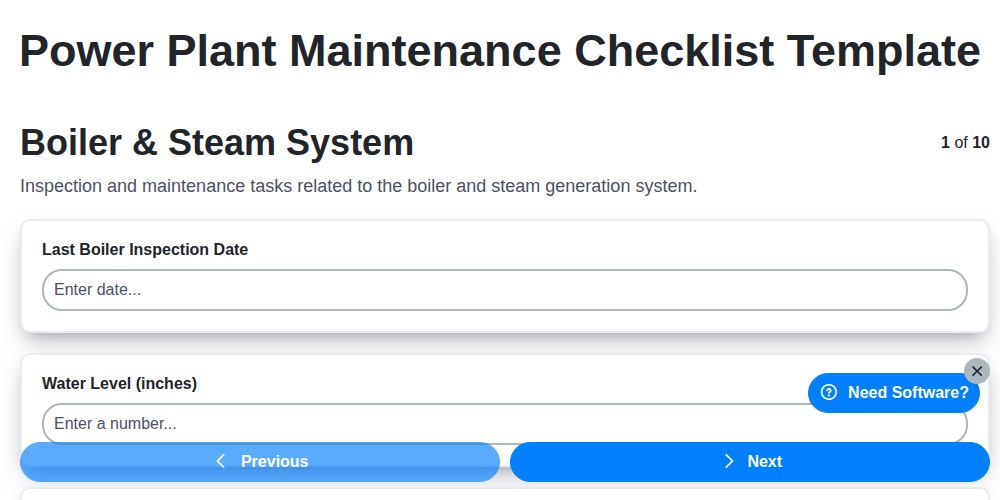
Table of Contents
- Introduction: The Importance of a Power Plant Maintenance Checklist
- Why a Checklist is Crucial for Power Plant Reliability
- Understanding the Scope: What's Included in a Power Plant Maintenance Program
- Boiler & Steam System Maintenance Checklist
- Turbine & Generator Maintenance Checklist: Key Inspections
- Electrical Systems Maintenance: A Critical Component
- Fuel Handling & Storage: Safety and Efficiency
- Cooling Water System Maintenance: Preventing Fouling and Corrosion
- HVAC Systems: Maintaining Optimal Plant Conditions
- Instrumentation & Control: Accuracy and Responsiveness
- Safety Equipment Inspections: Prioritizing Personnel Wellbeing
- Environmental Compliance Checklist: Meeting Regulations
- General Plant Housekeeping: A Foundation for Safety and Efficiency
- Creating and Implementing Your Power Plant Maintenance Checklist Template
- Resources & Links
TLDR: Keep your power plant running smoothly and safely with this comprehensive maintenance checklist template! It covers everything from boilers and turbines to electrical systems and environmental compliance, ensuring preventative maintenance is consistently performed and potential issues are caught early. Download the template and simplify your maintenance operations today!
Introduction: The Importance of a Power Plant Maintenance Checklist
A power plant's reliable operation is paramount for consistent energy supply and community well-being. Unexpected breakdowns can lead to costly downtime, safety hazards, and environmental repercussions. That's where proactive maintenance takes center stage, and a well-structured maintenance checklist is its cornerstone. This isn't just about ticking boxes; it's about ensuring equipment longevity, optimizing performance, minimizing risks, and adhering to regulatory standards. A comprehensive checklist provides a systematic approach to identifying potential issues before they escalate into major problems, significantly reducing the likelihood of unplanned outages and increasing overall plant efficiency. Ultimately, a solid power plant maintenance checklist template translates to a more dependable and sustainable energy infrastructure.
Why a Checklist is Crucial for Power Plant Reliability
Power plants are complex ecosystems of interconnected systems, and a single point of failure can lead to costly downtime, safety hazards, and environmental repercussions. Relying solely on memory or undocumented procedures simply isn't sustainable. A comprehensive checklist isn't just a nice-to-have; it's a critical element in ensuring consistent performance, identifying potential problems before they escalate, and maintaining overall plant reliability.
Think of a checklist as a standardized operating procedure, ensuring every technician, regardless of experience level, follows the same steps and verifies the same points during maintenance tasks. This minimizes human error, promotes consistency, and acts as a vital record of work performed. Furthermore, checklists facilitate knowledge transfer - training new personnel becomes significantly easier when they can follow a proven, documented process. Ultimately, a robust checklist program translates to reduced risk, optimized efficiency, and a safer, more dependable power generation facility.
Understanding the Scope: What's Included in a Power Plant Maintenance Program
A robust power plant maintenance program is far more than just routine inspections; it's a comprehensive system designed to ensure reliability, efficiency, and safety. The scope of these programs is broad, encompassing critical infrastructure and ongoing operational needs. Here's a breakdown of the key areas typically covered, and why each is vital:
- Boiler & Steam System: This is the heart of many power plants. Maintenance focuses on preventing tube failures, addressing corrosion, ensuring proper water chemistry, and optimizing efficiency.
- Turbine & Generator: These components convert energy into usable electricity. Inspections cover bearing condition, blade integrity, rotor alignment, and overall performance.
- Electrical Systems: This includes transformers, switchgear, motors, and cabling. Checks are performed to maintain voltage stability, prevent overheating, and ensure safe operation.
- Fuel Handling & Storage: Safe and efficient handling of fuels (coal, natural gas, oil, etc.) is paramount. This involves inspecting tanks, pipelines, and handling equipment to prevent leaks and ensure proper storage conditions.
- Cooling Water System: Maintaining adequate cooling is critical for preventing overheating. This covers pumps, condensers, cooling towers, and water treatment processes.
- HVAC Systems: Ensuring comfortable working conditions and proper equipment temperatures is achieved through regular HVAC maintenance, including filter changes, coil cleaning, and system performance checks.
- Instrumentation & Control: Accurate monitoring and control are essential. This involves calibrating sensors, testing control loops, and ensuring the reliability of automated systems.
- Safety Equipment: Functionality of fire suppression systems, emergency power generators, and personal protective equipment must be regularly verified.
- Environmental Compliance: Adherence to environmental regulations requires monitoring emissions, managing waste, and preventing pollution.
- General Plant Housekeeping: A clean and organized environment enhances safety, prevents equipment damage, and improves overall operational efficiency.
Boiler & Steam System Maintenance Checklist
The boiler and steam system are the heart of many power plants, demanding rigorous and consistent maintenance to ensure efficiency, safety, and longevity. Neglecting these systems can lead to costly downtime, reduced performance, and potentially hazardous situations. This checklist outlines essential tasks to keep your boiler and steam system operating reliably.
Daily:
- Visual Inspection: Check for leaks, unusual noises, or vibrations in the boiler shell, piping, and fittings.
- Water Level Monitoring: Verify water level remains within the operational range and is stable. Record readings.
- Pressure Gauge Verification: Confirm pressure readings are accurate and consistent with expected values.
- Blowdown Valve Operation: Briefly open and close blowdown valves to remove accumulated sediment.
Weekly:
- Feedwater Analysis: Test feedwater for pH, hardness, dissolved solids, and oxygen content. Adjust treatment as necessary.
- Steam Purity Check: Analyze steam for carryover and condensate contamination.
- Burner Inspection (if applicable): Check burner flame characteristics and adjust as needed for optimal combustion efficiency.
- Safety Valve Testing (periodic): Manually lift safety valves and verify proper release pressure. Note: Requires qualified personnel and documented procedure.
Monthly:
- Tube Cleaning: Clean boiler tubes to remove scale and deposits. Frequency depends on water quality and operating conditions.
- Refractory Inspection: Visually inspect refractory lining for damage and deterioration.
- Chimney Inspection: Check for obstructions or excessive soot buildup.
Annually:
- Complete Boiler Inspection: Conduct a thorough internal and external inspection by qualified inspectors. Document findings.
- Hydrostatic Testing: Perform hydrostatic testing to verify the integrity of the boiler shell. Requires specialized equipment and qualified personnel.
- Safety Valve Recalibration: Send safety valves to a certified testing facility for recalibration and verification of set pressures.
- Blowdown System Cleaning: Clean blowdown lines and separators.
Important Notes:
- This is a general checklist and may need to be adjusted based on specific boiler type, operating conditions, and manufacturer recommendations.
- Always consult the manufacturer's operation and maintenance manuals for detailed instructions.
- All tasks should be performed by qualified and trained personnel.
- Maintain detailed records of all maintenance activities and readings.
Turbine & Generator Maintenance Checklist: Key Inspections
The turbine and generator represent a significant investment and are critical to power plant operation. A robust maintenance checklist is essential for maximizing their lifespan, ensuring efficiency, and preventing costly downtime. Here's a breakdown of key inspections and tasks typically included in a turbine and generator maintenance checklist:
Visual Inspections (Performed Regularly - e.g., Monthly/Quarterly):
- Blade Inspection: Examine turbine blades for erosion, cracking, pitting, and discoloration. Document findings with photos and measurements.
- Diaphragm Inspection: Check diaphragms for wear, cracking, and alignment.
- Casing Inspection: Assess turbine casing for leaks, cracks, and distortion. Look for signs of thermal stress.
- Generator Stator & Rotor: Visually inspect for signs of overheating, insulation degradation, and loose windings.
- Bearing Inspection: Check bearing temperatures, vibrations, and lubrication levels. Listen for unusual noises.
- Shaft Alignment: Verify shaft alignment using laser alignment tools. Correct misalignments promptly.
- Coupling Inspection: Examine couplings for wear, looseness, and signs of damage.
Operational Checks (Performed Regularly - e.g., Annually/Bi-Annually):
- Vibration Analysis: Conduct vibration analysis on turbine and generator bearings to identify potential issues early.
- Insulation Resistance Testing (Megger): Perform insulation resistance testing to assess the condition of generator windings.
- Partial Discharge Testing: Use partial discharge testing to identify insulation weaknesses.
- Synchronizing & Governing System Checks: Verify proper synchronization and governing system operation.
- Response Testing: Test the turbine's response to load changes to ensure stable operation.
Preventative Maintenance (Scheduled Intervals - e.g., Every 5-10 Years):
- Rotor Rewinding: Schedule routine rotor rewinding to extend the generator's lifespan.
- Stator Winding Inspection: Conduct a detailed inspection of stator windings, including turns ratio testing.
- Bearing Replacement: Replace bearings according to manufacturer's recommendations and operating conditions.
- Lubrication System Flush & Filter Change: Thoroughly flush the lubrication system and replace filters.
Documentation is key. All findings, measurements, and corrective actions should be meticulously documented and tracked to monitor trends and plan future maintenance.
Electrical Systems Maintenance: A Critical Component
The reliable operation of a power plant hinges on the integrity of its electrical systems. From the switchgear to the transformers and distribution networks, any failure can lead to cascading issues and significant downtime. This section of the maintenance checklist focuses on preventative measures to ensure electrical stability.
Key tasks include:
- Transformer Inspections: Regular visual inspections for oil leaks, bushing condition, and temperature readings. Oil analysis (dielectric strength, dissolved gas analysis) is crucial for identifying internal issues before they escalate.
- Switchgear Maintenance: Cleaning contacts, testing circuit breakers, and performing insulation resistance tests. Analyzing operating records and addressing any abnormal behavior is vital.
- Cable and Wiring Checks: Examination for signs of degradation (cracking, overheating, rodent damage) and tightness of connections. Thermal imaging can identify hot spots indicating potential failures.
- Motor Maintenance: Vibration analysis, winding insulation testing, and lubrication of bearings. Alignment checks are also important to minimize wear.
- Grounding System Verification: Testing ground resistance to ensure adequate fault current path and safety.
- UPS (Uninterruptible Power Supply) Testing: Load testing and battery condition monitoring.
- Lightning Protection System Inspection: Visual inspection of grounding conductors and surge arresters.
Consistent adherence to this electrical systems maintenance checklist reduces the risk of costly outages and promotes the long-term health of the power plant's electrical infrastructure. Remember to maintain detailed records of all inspections and repairs for trending analysis and future reference.
Fuel Handling & Storage: Safety and Efficiency
Fuel handling and storage are critical operations in any power plant, demanding meticulous attention to detail to ensure both safety and operational efficiency. A robust checklist in this area is non-negotiable. Here's a breakdown of key considerations and common checklist items:
Safety First:
- Tank Integrity Checks: Regularly inspect tanks for corrosion, leaks, and structural damage. This includes visual inspections, ultrasonic testing (UT), and gauging system accuracy verification. Documentation of all findings and repairs is vital.
- Spill Prevention & Containment: Verify the integrity of containment dikes, spill kits, and emergency response procedures. Ensure proper signage is visible and easily understood. Routine drills for spill response are highly recommended.
- Vapor Control: Confirm proper operation of vapor recovery systems to minimize emissions and maintain air quality. Monitor and log vapor pressures.
- Fire Prevention: Regularly inspect fire suppression systems (foam, dry chemical) and ensure accessibility. Inspect wiring and electrical connections for potential ignition hazards.
- Personnel Training: Validate that all personnel involved in fuel handling possess adequate training and are familiar with emergency procedures.
Operational Efficiency:
- Fuel Quality Monitoring: Implement procedures for verifying fuel quality upon receipt, including density, sulfur content, and other relevant parameters.
- Inventory Management: Track fuel levels accurately and maintain proper inventory records to avoid shortages or overstocking.
- Transfer System Checks: Regularly inspect pumps, valves, and pipelines used for fuel transfer, looking for leaks and ensuring proper functionality.
- Sediment Removal: Implement a schedule for removing sediment and sludge from tanks to prevent equipment damage and maintain fuel quality.
- Sampling Procedures: Ensure standardized and documented procedures for fuel sampling are followed to maintain data integrity.
Checklist Items to Consider:
- Tank level readings and reconciliation
- Inspection of tank vents and pressure/vacuum relief valves
- Verification of grounding and bonding systems
- Leak detection system functionality
- Compliance with regulatory requirements (e.g., EPA, OSHA)
- Review of incident/near-miss reports
Cooling Water System Maintenance: Preventing Fouling and Corrosion
The cooling water system is the unsung hero of power plant efficiency, diligently removing heat and preventing equipment failure. Neglecting its maintenance can lead to reduced performance, increased energy consumption, and costly downtime. This section outlines key maintenance tasks crucial for keeping your cooling water system operating at peak condition.
Regular Inspections & Monitoring:
- Water Quality Analysis: Frequent testing (weekly or bi-weekly, depending on water source and system complexity) is paramount. Monitor pH, conductivity, dissolved oxygen, hardness, chloride, sulfate, silica, and biological activity (e.g., algal growth). Maintain water chemistry within the manufacturer's recommended ranges.
- Pressure and Flow Checks: Verify operating pressures and flow rates against design specifications. Deviations can indicate blockages, leaks, or pump inefficiencies.
- Visual Inspection of Components: Regularly inspect pipes, pumps, heat exchangers, towers, and sumps for leaks, corrosion, and physical damage. Document findings and schedule repairs promptly.
- Cooling Tower Condition: Assess cooling tower performance. Check for algae or slime buildup, proper ventilation, and fill condition. Cleaning is often required - frequency dependent on environmental conditions.
Preventative Maintenance Tasks:
- Chemical Treatment Programs: Implement and strictly adhere to a robust chemical treatment program. This typically includes scale inhibitors, corrosion inhibitors, biocides, and algaecides. Optimize chemical dosages based on water quality analysis and system performance.
- Filter Cleaning/Replacement: Regularly clean or replace filters to remove suspended solids and prevent fouling of heat exchangers.
- Heat Exchanger Cleaning: Fouling significantly reduces heat transfer efficiency. Implement a scheduled cleaning program for shell-and-tube and plate heat exchangers, utilizing chemical cleaning methods or mechanical scraping.
- Pump Maintenance: Perform preventative maintenance on pumps, including lubrication, seal replacement, and impeller inspection. Vibration analysis can help identify potential issues before failure.
- Leak Detection and Repair: Promptly address any leaks in pipes, valves, and equipment to minimize water loss and prevent corrosion.
- Strainers & Screens: Clean strainers and screens to maintain proper water flow and prevent debris buildup.
By prioritizing these maintenance activities, you can extend the lifespan of your cooling water system, maximize efficiency, and minimize the risk of unexpected shutdowns.
HVAC Systems: Maintaining Optimal Plant Conditions
A power plant's HVAC (Heating, Ventilation, and Air Conditioning) systems are critical, often overlooked, components. They ensure comfortable working conditions for personnel, maintain precise temperature and humidity control for sensitive equipment (like control rooms and electronics), and contribute to overall plant efficiency. Neglecting these systems can lead to decreased productivity, equipment malfunctions, and even safety hazards.
Our HVAC maintenance checklist focuses on preventative measures to avoid costly breakdowns and ensure consistent performance. Key areas include:
- Filter Replacement: Regularly replacing air filters is paramount for maintaining airflow and protecting HVAC components from dust and debris. Frequency depends on operating conditions and air quality, typically ranging from monthly to quarterly.
- Coil Cleaning: Both condenser and evaporator coils accumulate grime, reducing efficiency. Cleaning schedules are vital, often quarterly or semi-annually, depending on environmental factors.
- Belt Inspections & Replacements: Drive belts in fans and compressors should be inspected for wear, cracks, and proper tension. Replace worn belts promptly.
- Refrigerant Level Checks: Maintaining proper refrigerant levels is crucial for efficient cooling. Leaks need to be identified and repaired immediately.
- Condensate Drain Line Cleaning: Clogged condensate drains can lead to water damage and microbial growth. Regular cleaning is essential.
- Fan Motor Inspections: Lubrication, bearing checks, and electrical checks on fan motors are vital for reliability.
- Damper & Louver Operation: Ensuring dampers and louvers operate freely is important for proper airflow and ventilation.
- Overall System Performance Monitoring: Tracking temperature differentials, energy consumption, and system pressures provides valuable insight into HVAC system health.
Consistent adherence to these checks, documented in our checklist template, will minimize downtime and maximize the lifespan and efficiency of your power plant's HVAC systems.
Instrumentation & Control: Accuracy and Responsiveness
Reliable power generation hinges on precise monitoring and control. This section of the maintenance checklist focuses on ensuring the accuracy and responsiveness of the plant's instrumentation and control systems. Regular checks are vital to prevent cascading failures and maintain optimal performance.
Key Checks Include:
- Calibration Verification: Regularly calibrate all critical instruments - pressure transmitters, temperature sensors, flow meters, level indicators - against known standards. Document all adjustments and deviations.
- Loop Testing: Perform loop tests for control systems, simulating process changes to ensure proper response and stability. This verifies the entire control loop, from sensor to actuator.
- Controller Functionality: Inspect and test Programmable Logic Controllers (PLCs), Distributed Control Systems (DCS), and Supervisory Control and Data Acquisition (SCADA) systems. Check for software errors, communication issues, and hardware faults.
- Signal Integrity: Assess signal quality across the entire network. Check for noise, interference, and signal degradation that can lead to inaccurate readings.
- Alarm System Verification: Test all alarms and interlocks to ensure timely warnings and safe system shutdowns in abnormal conditions. Verify alarm setpoints and response actions.
- Power Supply Checks: Examine power supplies to instrumentation - batteries, UPS systems - ensuring they are functioning correctly and have adequate backup capacity.
- Data Logging & Trending: Review historical data and trending to identify subtle performance changes that could indicate developing issues.
- Cybersecurity Assessment: Conduct routine checks for vulnerabilities in instrumentation and control systems to protect against cyber threats.
Safety Equipment Inspections: Prioritizing Personnel Wellbeing
Power plant operations inherently involve risks, making robust safety equipment and consistent inspections absolutely paramount. This isn't just about regulatory compliance; it's about protecting the lives and wellbeing of your personnel. This section of the maintenance checklist focuses on ensuring that essential safety gear is functional and readily available.
Here's what we're covering:
- Fire Suppression Systems: Regular checks of fire extinguishers (pressure, condition), sprinkler systems (activation tests, flow rates), and fire alarms (audibility, functionality). Documentation of any deficiencies and immediate corrective actions are crucial.
- Personal Protective Equipment (PPE): Verification of adequate PPE availability (hard hats, safety glasses, respirators, gloves, hearing protection, fall protection harnesses). Inspecting for wear and tear and ensuring proper fit and training on its use. Replacements should be initiated promptly when needed.
- Emergency Lighting & Power: Testing emergency lighting systems and backup generators to guarantee functionality during power outages or emergencies.
- First Aid & Rescue Equipment: Checking first aid kits for restocking needs and verifying the operational readiness of rescue equipment (stretchers, ropes, etc.). Regular refresher training for personnel in first aid and rescue procedures is vital.
- Gas Detection Systems: Calibration and functional testing of gas detectors, particularly in areas where hazardous gases may be present.
- Emergency Exit Routes: Ensuring clear and unobstructed access to all emergency exit routes, with proper signage and lighting.
- Security Systems: Verifying the functionality of security systems, including surveillance cameras, access control systems, and intrusion alarms.
Neglecting this checklist section can lead to catastrophic consequences. Consistent inspections and prompt corrective action are non-negotiable for a safe and reliable power plant.
Environmental Compliance Checklist: Meeting Regulations
Power plants operate within a complex web of environmental regulations, and non-compliance can lead to significant penalties and reputational damage. This section of the maintenance checklist focuses on ensuring adherence to these crucial guidelines.
Air Emissions Monitoring & Control: Regularly inspect and maintain air pollution control equipment (scrubbers, filters, etc.) according to manufacturer specifications and regulatory requirements. Document emission readings and maintain records for reporting. Verify proper functioning of Continuous Emission Monitoring Systems (CEMS).
Wastewater Discharge: Monitor and maintain wastewater treatment systems to ensure compliance with discharge permits. Check for leaks and corrosion in pipelines and tanks. Verify proper pH levels and contaminant concentrations before discharge. Maintain detailed records of water usage and discharge volumes.
Waste Management: Implement a comprehensive waste management plan including hazardous and non-hazardous waste segregation, storage, and disposal. Ensure proper labeling and manifests are used for all waste shipments. Conduct periodic audits of waste storage areas.
Spill Prevention, Control, and Countermeasure (SPCC) Plan: Inspect and maintain secondary containment structures around tanks and pipelines. Review and update the SPCC plan regularly, and train personnel on spill response procedures. Regularly check for leaks and cracks in tank foundations.
Regulatory Reporting: Maintain accurate and complete records of all environmental monitoring data and submit required reports to relevant agencies on time. Stay informed about changes in environmental regulations and update procedures accordingly.
Noise Pollution Control: Regularly assess noise levels at the plant boundary and implement mitigation measures if necessary. Inspect and maintain noise reduction equipment.
Soil and Groundwater Protection: Implement measures to prevent soil and groundwater contamination. Conduct periodic inspections for leaks and spills. Have a remediation plan in place in case of contamination.
Documentation: Meticulous record-keeping is paramount. All inspections, tests, maintenance activities, and corrective actions related to environmental compliance must be documented thoroughly and readily accessible for audits.
General Plant Housekeeping: A Foundation for Safety and Efficiency
Maintaining a clean and organized power plant isn't just about aesthetics; it's a critical component of overall operational safety, efficiency, and longevity. Neglecting general housekeeping can lead to a surprising number of problems, from increased fire hazards and equipment failures to reduced worker productivity and potential environmental issues.
This checklist item isn't about a once-a-year deep clean - it's about establishing and consistently maintaining a baseline level of cleanliness across the entire facility. This includes:
- Waste Management: Proper disposal of trash, scrap metal, oily rags, and other waste materials. Clearly marked and accessible waste containers are essential.
- Floor Cleanliness: Regularly sweeping, mopping, and pressure washing floors to remove debris, oil spills, and dust that can contribute to slip hazards and equipment corrosion.
- Walkway & Access Route Clearance: Keeping walkways, access routes, and emergency exits clear of obstructions is paramount for safe and rapid movement.
- Tool & Equipment Storage: Properly storing tools and equipment prevents tripping hazards and ensures they are readily available when needed.
- Surface Cleaning: Removing dust, dirt, and grime from surfaces, including walls, ceilings, and machinery, helps prevent corrosion and improves visibility.
- Vegetation Control: Maintaining vegetation around the plant perimeter reduces fire risks and prevents pest infestations.
- Regular Inspections: Conducting routine housekeeping inspections to identify and address potential issues before they escalate.
A proactive approach to general plant housekeeping contributes significantly to a safer working environment, minimizes equipment downtime, and extends the overall lifespan of the power plant. It's a simple investment with substantial returns.
Creating and Implementing Your Power Plant Maintenance Checklist Template
Developing a robust maintenance checklist template for a power plant isn't just about ticking boxes; it's about ensuring operational efficiency, safety, and longevity of critical assets. Here's a breakdown of how to create and effectively implement a checklist that works for your facility:
1. Define Scope and Objectives: Before you even begin listing tasks, clarify why you need this checklist. What specific goals are you trying to achieve? (e.g., reducing unplanned downtime, extending equipment lifespan, improving safety scores). This will inform the level of detail and frequency required.
2. Involve Subject Matter Experts: This is crucial. Don't create this checklist in isolation. Engage experienced plant operators, maintenance technicians, and engineers. Their practical knowledge will ensure the tasks listed are relevant, realistic, and capture the intricacies of your specific equipment and processes.
3. Task Breakdown & Frequency: For each area - Boiler & Steam System, Turbine & Generator, Electrical Systems, etc. - break down maintenance activities into specific, actionable tasks. Consider:
- Preventive Maintenance (PM): Scheduled tasks to prevent failures (e.g., lubrication, inspections).
- Predictive Maintenance (PdM): Condition-based tasks using data and analysis (e.g., vibration analysis, thermal imaging).
- Corrective Maintenance: Addressing issues after they arise, although the checklist can help minimize these.
Define the frequency for each task based on manufacturer recommendations, industry best practices, and your own operational experience. (e.g., Daily, Weekly, Monthly, Quarterly, Annually).
4. Template Design & Standardization: Use a consistent format for all checklists. Include:
- Task Description: Clear and concise explanation of the action required.
- Procedure/Reference: Link to detailed procedures, manuals, or instructions.
- Frequency: As previously determined.
- Personnel Responsible: Clearly assign responsibility for each task.
- Date Completed: A place to record when the task was performed.
- Initials of Performer: Verification that the task was completed.
- Notes/Comments: A space for recording observations, issues, or deviations from the standard procedure.
5. Digital vs. Paper-Based: Consider the pros and cons of both. Digital checklists (using CMMS - Computerized Maintenance Management System - or dedicated software) offer benefits like automated scheduling, real-time data capture, trend analysis, and easier reporting. Paper-based checklists are simpler to implement initially but lack these advanced features.
6. Training and Communication: Ensure all personnel responsible for completing checklist tasks are properly trained on the procedures and understand the importance of accurate documentation.
7. Regular Review and Updates: Maintenance requirements change over time. Review and update your checklist template at least annually, or more frequently if operational changes occur. Feedback from maintenance personnel is invaluable in this process.
Resources & Links
- ReliabilityFirst: A non-profit organization focused on improving the reliability and resilience of the electric power grid. They offer resources, best practices, and training materials related to asset management and maintenance.
- Electric Power Research Institute (EPRI): EPRI conducts research and development to advance a sustainable energy future. Their publications and reports often contain valuable insights into maintenance best practices and emerging technologies for power plants.
- Power Magazine: A leading trade publication covering power generation, including plant maintenance and operations. They often feature articles and case studies on maintenance strategies and equipment reliability.
- Maintenance World: A comprehensive resource for maintenance professionals, offering articles, webinars, and industry news covering a broad range of maintenance topics applicable to power plants.
- National Renewable Energy Laboratory (NREL): While focused on renewable energy, NREL's work on reliability and efficiency often touches on maintenance principles applicable to all power generation facilities. Check their publications database for relevant reports.
- American National Standards Institute (ANSI): ANSI develops and coordinates voluntary consensus standards for various industries, including power generation. These standards often inform maintenance procedures and equipment specifications. Search for relevant standards regarding power plant equipment.
- American Society of Mechanical Engineers (ASME): ASME provides codes and standards for boilers, pressure vessels, and other critical power plant equipment. Compliance with ASME standards is often a requirement for power plant maintenance.
- Occupational Safety and Health Administration (OSHA): OSHA provides regulations and guidelines for workplace safety, which are crucial for power plant maintenance operations. Familiarize yourself with OSHA standards relevant to confined space entry, lockout/tagout, and other maintenance tasks.
- International Energy Agency (IEA): The IEA provides analysis and data on energy markets and technologies. Their reports on energy efficiency and reliability can inform maintenance strategies for power plants.
- Plant Maintenance: Offers a vast library of articles, tutorials, and resources related to plant maintenance, including predictive maintenance, reliability centered maintenance (RCM), and condition monitoring.
- Thermography Connection: Specializes in infrared thermography for condition monitoring of electrical and mechanical equipment, a key element in predictive maintenance programs. Offers training and resources.
- Vibration Monitoring Inc.: A leading provider of vibration analysis and condition monitoring services. Their website offers valuable information on vibration analysis techniques and equipment.
- Reliability Solutions: Offers consulting services and training focused on reliability and maintenance excellence. Their resources and case studies can provide valuable insights for power plant maintenance programs.
Frequently Asked Questions
What is a power plant maintenance checklist template and why is it important?
A power plant maintenance checklist template is a structured document outlining the routine and preventative maintenance tasks required to keep a power plant operating reliably and safely. It's important because it ensures tasks are completed consistently, reduces equipment failures, minimizes downtime, improves safety, and extends the lifespan of assets.
Who should use this maintenance checklist template?
This template is designed for power plant maintenance personnel, supervisors, engineers, and anyone responsible for ensuring the upkeep and operational integrity of power plant equipment. It's beneficial for both experienced and newer teams.
What types of equipment are typically covered in a power plant maintenance checklist?
Checklists often cover a wide range, including boilers, turbines, generators, transformers, pumps, valves, cooling towers, switchgear, electrical systems, and safety equipment. Specific items will vary based on the power plant's technology and equipment.
Can I customize the template to fit my power plant's specific needs?
Absolutely. The template is designed to be a starting point. You should modify it to include equipment specific to your power plant, adjust frequencies of tasks, add custom checks, and incorporate relevant safety procedures.
What is the difference between preventative and corrective maintenance, and how does the checklist address both?
Preventative maintenance involves scheduled tasks to prevent failures (e.g., lubrication, inspections). Corrective maintenance is performed *after* a failure has occurred (e.g., repairs, replacements). The checklist focuses primarily on preventative maintenance, but includes sections for documenting corrective actions taken and recommendations for preventing recurrence.
How often should the tasks listed in the checklist be performed?
The frequency of tasks will vary depending on equipment manufacturer recommendations, operational conditions, and regulatory requirements. The template provides suggested frequencies, but these should be adjusted based on your plant's specific needs and historical data.
What safety precautions should be taken while using the checklist?
Always follow established safety procedures, wear appropriate personal protective equipment (PPE), lockout/tagout procedures must be followed rigorously, ensure adequate ventilation when working with chemicals, and consult with safety personnel for any unfamiliar tasks.
How can I track and manage the completion of tasks listed in the checklist?
You can use manual methods like paper forms or spreadsheets, or implement a computerized maintenance management system (CMMS). A CMMS offers features like automated scheduling, task assignment, reporting, and integration with other systems.
Where can I find more information on power plant maintenance best practices?
Consult equipment manufacturer manuals, industry standards (e.g., ASME, IEEE), regulatory guidelines (e.g., EPA, OSHA), and seek guidance from experienced power plant engineers and consultants.
What happens if a maintenance task is missed or delayed?
Document the reason for the omission and reschedule the task as soon as possible. Analyze the reasons for the delay to prevent future occurrences, and consider adjusting the schedule or adding reminders to the checklist.
Comments
There are no comments yet. Be the first to add one!
Energy Management Solution Demo
Managing operations, safety, and compliance in the energy sector is critical. ChecklistGuro's Work OS platform streamlines your workflow from exploration and production to distribution and maintenance. Enhance safety, improve efficiency, and ensure regulatory adherence. Discover how ChecklistGuro can transform your energy business!
Related Articles
Stay Compliant: Your Energy Metering Compliance Checklist Template
Unlock Savings: Your Complete Energy Efficiency Audit Checklist
Your Ultimate Energy Efficiency Audit Checklist Template
Power Through: Your Essential Energy Grid Outage Support Checklist
Oil & Gas Well Safety Inspection Checklist: Ensuring a Secure Operation
HVAC System Maintenance Checklist: Building Climate Control & Energy Savings
Renewable Energy Project Checklist Template
Energy Audit Reporting Compliance: Your Checklist for Success
Need help with
Energy?
Have a question? We're here to help. Please submit your inquiry, and we'll respond promptly.