The Ultimate Supplier Onboarding Checklist for Supply Chain Success
Published: 12/09/2025 Updated: 07/02/2026
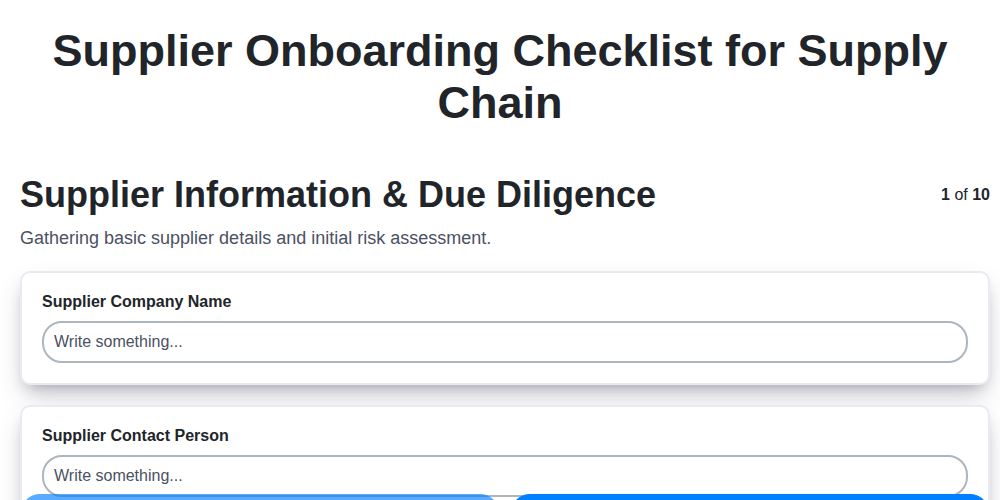
Table of Contents
- Introduction: Why a Robust Supplier Onboarding Process Matters
- 1. Supplier Information & Due Diligence: Laying the Foundation
- 2. Legal & Compliance Verification: Minimizing Risks
- 3. Financial Stability Assessment: Ensuring Reliability
- 4. Quality Management System Review: Guaranteeing Standards
- 5. Security & Data Protection: Safeguarding Information
- 6. Ethical Sourcing & Sustainability: Aligning with Values
- 7. Contract Negotiation & Agreement: Defining Responsibilities
- 8. System Integration & Training: Seamless Collaboration
- 9. Performance Metrics & Reporting: Tracking Success
- 10. Final Approval & Documentation: Formalizing the Relationship
- Best Practices for a Smooth Onboarding Experience
- Common Pitfalls to Avoid in Supplier Onboarding
- Conclusion: Building a Resilient Supply Chain
- Resources & Links
TLDR: New supplier? Don't risk disruptions! This checklist covers everything from legal checks and financial stability to ethical sourcing and system integration - ensuring a smooth, compliant, and reliable partnership. Use it to avoid costly errors and build a stronger supply chain.
Introduction: Why a Robust Supplier Onboarding Process Matters
A strong supply chain is the backbone of any successful business. But that chain is only as strong as its weakest link - and a poorly onboarded supplier can quickly become that vulnerability. Beyond simply adding a new name to a vendor list, effective supplier onboarding is a critical process that establishes trust, mitigates risk, and sets the foundation for a mutually beneficial partnership. Failing to adequately vet and integrate new suppliers can lead to quality issues, compliance breaches, financial instability, security vulnerabilities, reputational damage, and ultimately, disruptions to your operations. This isn't just about ticking boxes; it's about building resilience and ensuring long-term value within your supply chain. A well-defined onboarding checklist, like the one we've detailed below, is the cornerstone of this crucial process.
1. Supplier Information & Due Diligence: Laying the Foundation
The onboarding process begins long before a single order is placed. Thorough supplier information and due diligence are absolutely critical for mitigating risk and setting the stage for a successful, long-term partnership. This initial phase goes beyond simply gathering contact details. It involves a deep dive into the supplier's background and operational structure.
Here's what this step should include:
- Basic Company Information: Collect official company name, registered address, contact persons (including multiple points of contact), legal structure (LLC, Corporation, etc.), and ownership details. Verify this information against public records.
- Business Overview: Understand their core business, key products/services, customer base, and overall market position. This helps assess their capabilities and potential for future growth or decline.
- Site Visits (If Applicable): Consider physical site visits to assess their facilities, equipment, and operational processes. This allows for a firsthand view of their capabilities and adherence to safety standards.
- Background Checks: Conduct background checks on key personnel to identify any potential red flags or legal issues.
- References: Request and thoroughly check references from other clients to gauge their reputation and performance.
- Conflict of Interest Disclosure: Require suppliers to disclose any potential conflicts of interest that could impact their objectivity or performance.
A solid foundation built on comprehensive information reduces the likelihood of future surprises and strengthens the entire supply chain relationship.
2. Legal & Compliance Verification: Minimizing Risks
Onboarding a new supplier isn't just about finding a reliable source for goods or services; it's about mitigating legal and compliance risks. Failing to thoroughly verify a supplier's adherence to relevant laws and regulations can expose your organization to significant penalties, reputational damage, and legal disputes.
This step goes beyond simply asking for licenses and permits. It involves a deeper dive into their practices and potential liabilities. Here's what you need to cover:
- Regulatory Compliance: Verify they comply with all applicable industry-specific regulations (e.g., FDA for food, HIPAA for healthcare).
- Export/Import Compliance: If your supply chain involves international trade, meticulously check their adherence to export and import regulations, including sanctions and trade restrictions.
- Anti-Corruption & Bribery: Implement robust checks to ensure they have a strong anti-corruption and bribery program in place, complying with laws like the Foreign Corrupt Practices Act (FCPA) or the UK Bribery Act.
- Labor Law Compliance: Review their practices regarding labor laws, including minimum wage, working hours, child labor, and forced labor.
- Environmental Regulations: Assess their compliance with environmental regulations, including waste management, emissions, and responsible resource use.
- Sanctions Screening: Regularly screen the supplier (and their ultimate beneficial owners) against sanctions lists to prevent indirect involvement with sanctioned entities.
- Conflict Minerals Reporting: If applicable, ensure they have a process for due diligence related to conflict minerals.
Document all verification steps and findings meticulously. Consider periodic audits and ongoing monitoring to confirm continued compliance throughout the supplier relationship. Don't hesitate to reject a supplier if they cannot demonstrate a commitment to legal and ethical conduct.
3. Financial Stability Assessment: Ensuring Reliability
A robust supply chain relies on the financial health of its suppliers. A supplier facing financial distress can lead to disruptions, delayed deliveries, compromised quality, and ultimately, significant costs for your organization. Therefore, a thorough financial stability assessment is a critical component of supplier onboarding.
This assessment isn't about predicting the future; it's about understanding current risk. Here's what to include:
- Reviewing Financial Statements: Obtain and analyze at least the last three years of financial statements (balance sheets, income statements, and cash flow statements). Look for trends in revenue, profitability, debt levels, and liquidity.
- Credit Rating & Reports: Check the supplier's credit rating from reputable agencies. These reports provide an independent evaluation of their creditworthiness and can highlight potential concerns.
- Debt-to-Equity Ratio: A high debt-to-equity ratio can indicate financial risk. Evaluate this metric in relation to industry benchmarks.
- Working Capital Assessment: Analyze working capital (current assets minus current liabilities). A healthy working capital position demonstrates a supplier's ability to meet short-term obligations.
- Ownership and Key Personnel Changes: Be aware of any recent changes in ownership or key management personnel, as these can be indicators of instability.
- Industry Risk Factors: Consider the supplier's industry and any macroeconomic factors that could impact their financial health.
- Contingency Planning: Discuss with the supplier their contingency plans in case of financial difficulties.
While a perfect financial record isn't always possible, these assessments help mitigate risks and ensure your supply chain remains stable and reliable. Don't hesitate to request further clarification or conduct more in-depth analysis if concerns arise.
4. Quality Management System Review: Guaranteeing Standards
A robust quality management system (QMS) is paramount to a resilient and reliable supply chain. Simply put, you need to know your supplier can consistently deliver goods or services that meet your required standards. This review goes beyond a cursory glance at certifications; it's a deep dive into their processes.
Here's what to look for during the QMS review:
- Certification Verification: While ISO 9001 (or equivalent) certification is a good starting point, verify the certification's validity and scope. Confirm the certifying body is accredited and that the scope of certification aligns with the products or services you require.
- Process Documentation: Assess if the supplier has documented their quality processes, including control of non-conforming materials, corrective actions, and continuous improvement initiatives. Ask to see examples.
- Internal Audits: Determine the frequency and scope of their internal audits. A regular audit program signals a commitment to continuous improvement and adherence to established standards.
- Management Review: Does leadership actively review the QMS and its effectiveness? Management buy-in is crucial for sustained quality performance.
- Employee Training: How are employees trained on quality procedures? Proper training minimizes errors and improves overall product/service quality.
- Customer Feedback Mechanisms: How does the supplier collect and act on customer feedback? A proactive approach to addressing concerns is vital.
Don't hesitate to ask for evidence and request a tour of their facilities to observe their quality control processes firsthand.
5. Security & Data Protection: Safeguarding Information
In today's interconnected world, data breaches and security vulnerabilities are a constant threat. Integrating a new supplier means introducing another potential entry point for risk. This section of your onboarding checklist must prioritize robust security and data protection measures.
Go beyond simply asking if the supplier has a security policy. Drill down into specifics:
- Data Encryption: Verify they encrypt sensitive data both in transit and at rest. What encryption standards do they use (e.g., AES-256)?
- Access Controls: Understand their access control procedures. Who has access to what data, and how is access managed and regularly reviewed? Implement the principle of least privilege.
- Cybersecurity Certifications: Look for relevant certifications like ISO 27001, SOC 2, or FedRAMP (if applicable to your industry). These demonstrate a commitment to security best practices.
- Incident Response Plan: Request a copy of their incident response plan. How do they handle data breaches or security incidents? What are their notification procedures?
- Vulnerability Assessments & Penetration Testing: Inquire about the frequency and results of their vulnerability assessments and penetration testing.
- Data Residency & Compliance: Confirm where data will be stored and whether it complies with relevant data privacy regulations (e.g., GDPR, CCPA).
- Subcontractor Security: If the supplier uses subcontractors, assess their security posture as well. You'll be accountable for the entire supply chain's security.
Failing to thoroughly vet a supplier's security practices can expose your organization to significant financial, reputational, and legal repercussions. Make this a non-negotiable element of your onboarding process.
6. Ethical Sourcing & Sustainability: Aligning with Values
Today's consumers and stakeholders are demanding more than just quality products and competitive pricing. They want to know how those goods are made and the impact their purchase has on people and the planet. Integrating ethical sourcing and sustainability into your supplier onboarding process isn't just good PR - it's becoming a business imperative.
This section of your checklist should move beyond simply checking for regulatory compliance. It's about ensuring your suppliers share your company's values and are committed to responsible practices. Here's what to consider:
- Labor Standards: Verify suppliers adhere to fair labor practices, including no child labor, forced labor, or unsafe working conditions. This can involve audits, certifications (like Fairtrade or WRAP), and worker interviews.
- Environmental Impact: Assess the supplier's environmental footprint - their energy consumption, waste management, water usage, and emissions. Encourage and reward suppliers implementing eco-friendly processes.
- Human Rights: Go beyond labor - consider the broader human rights implications of the supply chain, particularly in areas with vulnerable populations.
- Conflict Minerals: Ensure suppliers can trace the origin of raw materials to avoid contributing to conflict zones.
- Community Impact: Evaluate the supplier's impact on local communities, including potential displacement, pollution, and fair compensation.
- Transparency & Traceability: Demand clear traceability of materials and processes, allowing you to identify and address potential ethical issues.
Don't be afraid to ask tough questions and require independent verification. A robust ethical sourcing and sustainability assessment demonstrates your commitment to responsible business practices and strengthens your brand reputation. Consider incorporating these factors into supplier scorecards to incentivize continuous improvement.
7. Contract Negotiation & Agreement: Defining Responsibilities
This stage is where the rubber meets the road - translating all the due diligence and assessments into a legally binding agreement. Don't rush this! A poorly negotiated contract can lead to disputes, performance issues, and significant financial repercussions down the line.
Here's what to focus on:
- Clearly Defined Scope of Work: Precisely outline what goods or services the supplier will provide, including specifications, quantities, delivery schedules, and acceptance criteria. Avoid ambiguity - the more detail, the better.
- Pricing and Payment Terms: Ensure the pricing structure is transparent, inclusive of all relevant costs (shipping, taxes, duties, etc.), and aligns with your budget and value expectations. Clearly state payment terms, including timelines and potential penalties for late payments.
- Liability and Indemnification: Address potential liabilities and responsibilities for product defects, delays, or breaches of contract. Indemnification clauses protect your company from legal claims arising from the supplier's actions.
- Intellectual Property Rights: If applicable, define ownership and usage rights for any intellectual property developed or used during the supply relationship.
- Termination Clause: Outline the conditions under which either party can terminate the agreement, including notice periods and potential penalties.
- Dispute Resolution: Specify a process for resolving disputes, such as mediation or arbitration, to avoid costly litigation.
- Review and Approval: Ensure both legal and procurement teams thoroughly review the contract before final signature. Don't be afraid to negotiate!
8. System Integration & Training: Seamless Collaboration
Bringing a new supplier into your supply chain isn't just about paperwork; it's about ensuring they can effectively integrate with your existing systems and processes. This requires careful planning and robust training.
System Integration: We need to ensure data flows seamlessly between your systems and the supplier's. This might involve connecting ERP, MRP, or other platforms. Consider these key integration points:
- Order Management: Automated order placement and confirmation.
- Inventory Visibility: Real-time inventory updates to optimize stock levels.
- Shipping and Receiving: Integration for tracking shipments and managing goods receipt.
- Invoice Processing: Automated invoice submission and reconciliation.
Training is Crucial: Don't underestimate the importance of thorough training. Your supplier's team needs to be comfortable and proficient using the integrated systems. This includes:
- Platform Navigation: Training on how to access and utilize the platforms.
- Process Understanding: Clear explanation of your specific procedures and requirements.
- Troubleshooting: Guidance on resolving common issues and escalating problems.
- Ongoing Support: Providing a dedicated point of contact for continued assistance.
A well-executed system integration and training program minimizes errors, accelerates processes, and strengthens the overall supplier relationship, ultimately contributing to a more resilient and efficient supply chain. Neglecting these steps can lead to delays, inaccuracies, and frustration for everyone involved.
9. Performance Metrics & Reporting: Tracking Success
Onboarding a supplier isn't a set it and forget it endeavor. To ensure a successful, long-term partnership and to realize the benefits of your strategic sourcing efforts, continuous monitoring and performance reporting are vital. This section outlines key performance indicators (KPIs) and reporting processes to track and optimize supplier performance.
Defining Key Performance Indicators (KPIs):
Before the supplier even ships their first order, agree upon clear and measurable KPIs. These should align with your overall supply chain goals and reflect the specific services or products being provided. Examples include:
- On-Time Delivery (OTD): Measures the percentage of orders delivered on or before the agreed-upon date.
- Quality Rejection Rate: Tracks the percentage of products or materials rejected due to quality issues.
- Lead Time: Monitors the time from order placement to receipt of goods.
- Cost Savings: Evaluates any cost reductions achieved through the partnership.
- Responsiveness: Assesses the supplier's ability to address inquiries and resolve issues promptly.
- Fill Rate: Measures the percentage of orders fulfilled completely.
Establishing Reporting Frequency and Format:
- Regular Reporting: Agree on a reporting frequency - weekly, monthly, or quarterly - that allows for timely intervention if performance deviates from expectations.
- Data Format: Define a standardized data format to ensure easy comparison and analysis across suppliers. This may involve shared spreadsheets, dashboards, or integrated reporting tools.
- Joint Review Meetings: Schedule regular review meetings with the supplier to discuss performance data, identify areas for improvement, and foster a collaborative relationship.
Continuous Improvement:
Performance data shouldn't just be monitored; it should drive action. Use the insights gathered from reporting to:
- Identify Root Causes: When KPIs fall short, investigate the underlying causes.
- Implement Corrective Actions: Work with the supplier to develop and implement solutions.
- Refine Processes: Continuously improve both your internal and supplier processes.
Ultimately, a robust performance metrics and reporting system builds trust, enhances collaboration, and ensures your supply chain remains agile and efficient.
10. Final Approval & Documentation: Formalizing the Relationship
Reaching the end of the supplier onboarding process is a significant milestone, but it's crucial not to rush the final steps. This phase is about solidifying the relationship and ensuring all due diligence has been thoroughly recorded and accessible.
This isn't just about signing a contract; it's about confirming everyone is aligned and ready to move forward. The approval process should involve key stakeholders from procurement, legal, finance, quality, and potentially operations, depending on the supplier's role. Each department needs to sign off, acknowledging their respective reviews and ensuring the supplier meets established standards.
Key tasks include:
- Obtain Final Sign-Off: Secure formal approval from all designated stakeholders.
- Compile Comprehensive Documentation: Gather all onboarding documents-due diligence reports, compliance assessments, contracts, training records, and security protocols-into a centralized, accessible repository. This serves as a critical reference point throughout the supplier relationship.
- Create a Supplier Profile: Build a dedicated profile within your supplier management system containing key contact information, agreement details, performance metrics, and onboarding documentation.
- Notify Relevant Teams: Officially announce the supplier's onboarding to relevant internal teams who will be interacting with them.
- Communicate to the Supplier: Formally welcome the supplier and reiterate key expectations and contact points. A welcome letter or brief onboarding session can be beneficial.
Proper final approval and thorough documentation protect your organization and establish a foundation for a successful, long-term partnership. Don't skip these essential steps - they are the last line of defense and the first step towards a thriving supplier relationship.
Best Practices for a Smooth Onboarding Experience
Supplier onboarding isn't just about ticking boxes; it's about building a strong, reliable partnership. A rushed or incomplete onboarding process can lead to delays, errors, and even reputational damage. Here's how to ensure a positive and efficient experience for your new suppliers:
- Proactive Communication: Keep suppliers informed before they even start the process. Clear communication regarding timelines, required documentation, and contact persons reduces confusion and frustration.
- Dedicated Point of Contact: Assign a single point of contact within your organization to guide the supplier through each step. This provides accountability and simplifies communication.
- User-Friendly Portal/Platform: Utilize a digital onboarding portal or platform whenever possible. This streamlines document submission, tracking, and communication.
- Feedback & Collaboration: Encourage feedback from suppliers throughout the process. This shows you value their input and can highlight areas for improvement in your onboarding process. Consider conducting brief onboarding satisfaction surveys.
- Regular Check-ins: Schedule regular check-in calls or meetings, particularly during the early stages, to address any questions or concerns promptly.
- Training & Resources: Provide easily accessible training materials and resources to help suppliers understand your expectations and processes.
- Celebrate Success: Acknowledge and appreciate the supplier's effort in completing the onboarding process. A simple thank you can go a long way in fostering a positive relationship.
Common Pitfalls to Avoid in Supplier Onboarding
Onboarding a new supplier is rarely a walk in the park. Rushing the process or overlooking key areas can lead to significant downstream problems, impacting everything from product quality to financial stability. Here are a few common pitfalls to watch out for:
- Skipping Due Diligence: A superficial review of a supplier's background - failing to check references, regulatory compliance, or even basic online reputation - can expose your business to serious risk.
- Focusing Solely on Price: While cost is important, prioritizing it above all else can compromise quality, reliability, and ethical practices. The cheapest supplier isn't always the best.
- Neglecting Communication: A lack of clear and consistent communication throughout the onboarding process creates confusion, delays, and frustration. Ensure both parties understand expectations and responsibilities.
- Ignoring Cultural Differences: When working with international suppliers, be mindful of cultural nuances and communication styles. Misunderstandings can easily arise.
- Assuming Compliance: Don't assume a supplier is compliant with all relevant regulations. Verify their compliance status independently.
- Insufficient Training: Failing to adequately train the supplier on your systems and processes can lead to errors and inefficiencies.
- Lack of Ongoing Monitoring: Onboarding isn't a one-time event. Ongoing performance monitoring and regular reviews are crucial to ensure continued adherence to standards.
- Forgetting Small Details: Overlooking seemingly minor details in the contract or agreement can lead to disputes and legal challenges later on.
Conclusion: Building a Resilient Supply Chain
Ultimately, a thorough supplier onboarding process isn't just about ticking boxes; it's about laying the foundation for a resilient and thriving supply chain. The checklist outlined above - encompassing everything from initial due diligence to ongoing performance monitoring - represents a significant investment, but one that pays dividends in the form of reduced risk, improved quality, enhanced sustainability, and stronger supplier relationships. Neglecting any of these steps can expose your business to vulnerabilities. By embracing a proactive and systematic approach to supplier onboarding, you're not just adding suppliers; you're building a network of trusted partners committed to your shared success, ready to weather challenges and drive innovation within your supply chain. Remember, ongoing review and adaptation of this checklist are crucial - as your business and the external landscape evolve, so too must your supplier onboarding practices.
Resources & Links
- Supply Chain Dive: Provides in-depth reporting and analysis on supply chain trends, technologies, and strategies - useful for understanding the broader context of supplier onboarding.
- APICS (The Association for Supply Chain Management): Offers resources, certifications, and educational materials related to supply chain management, including supplier relationship management.
- ISM (Institute for Supply Management): Provides resources, training, and certifications focused on procurement and supply management. Their publications and webinars often address supplier onboarding best practices.
- SRM Alliance: Focuses specifically on Supplier Relationship Management (SRM). They offer frameworks, reports, and resources for effective supplier collaboration - a vital component of onboarding.
- LexisNexis: Provides access to legal information, regulatory updates, and due diligence reports, crucial for the 'Legal & Compliance Verification' section. (Note: often requires subscription).
- Dun & Bradstreet: Offers business credit reports and data, helping with 'Financial Stability Assessment' of potential suppliers. (Note: often requires subscription).
- ISO (International Organization for Standardization): Provides information on quality management systems (like ISO 9001), relevant to the 'Quality Management System Review' section. Understand the standards they adhere to.
- NIST (National Institute of Standards and Technology): Provides cybersecurity frameworks and guidance applicable to the 'Security & Data Protection' section. Useful for assessing supplier security practices.
- Sedex: A platform for ethical supply chain data. Relevant for 'Ethical Sourcing & Sustainability' to assess supplier practices and alignment with responsible sourcing principles.
- EcoVadis: Provides sustainability ratings for suppliers, offering a comprehensive evaluation of their environmental, social, and ethical performance.
- Contractbook: Offers contract management software to streamline the 'Contract Negotiation & Agreement' phase and ensure efficient execution of supplier agreements.
- Zapier: A platform for automating workflows and integrating systems, helpful for 'System Integration & Training' to create efficient supplier onboarding processes.
- Tableau: Data visualization and business intelligence tool, useful for 'Performance Metrics & Reporting' to track supplier performance and identify areas for improvement.
- Capterra: A software review site. Helps research and compare various software solutions for supplier onboarding, contract management, SRM, and data analytics.
- Cority: A provider of environmental, health, safety, and sustainability (EHS&S) software. May be relevant to comprehensive supplier risk assessments related to ethical sourcing and compliance.
Frequently Asked Questions
What is supplier onboarding and why is it important?
Supplier onboarding is the process of integrating a new supplier into your supply chain. It's more than just creating an account; it involves thorough assessments, documentation, risk mitigation, and relationship building. Effective onboarding ensures quality, compliance, minimizes risk, fosters collaboration, and ultimately contributes to supply chain success by establishing a strong foundation for a mutually beneficial partnership.
Why should I use a supplier onboarding checklist?
A checklist ensures consistency, reduces errors, and prevents overlooking crucial steps in the onboarding process. It standardizes the process across all new suppliers, making it more efficient, scalable, and compliant. It also helps identify potential risks early on, saving time and resources in the long run.
What are the key categories typically covered in a supplier onboarding checklist?
Most checklists cover areas like legal and compliance (contract reviews, certifications), financial assessment (credit checks, solvency), operational capabilities (quality control, capacity), risk management (cybersecurity, business continuity), technical requirements (data integration, system compatibility), and sustainability practices.
Who should be involved in the supplier onboarding process?
A cross-functional team is vital. This typically includes procurement, legal, finance, quality assurance, operations, and IT. Each department brings unique expertise and ensures all aspects of the supplier are thoroughly vetted and integrated.
What types of documentation are typically required during supplier onboarding?
Common documents include supplier agreements, insurance certificates, tax forms (W-9, W-8), quality certifications (ISO 9001), environmental permits, safety data sheets (SDS), business licenses, and compliance attestations. Specific requirements depend on the supplier's industry and the nature of the goods or services.
How can I assess supplier risk during onboarding?
Risk assessment involves evaluating the supplier's financial stability, operational capabilities, geographic location, cybersecurity practices, and compliance history. Tools like credit checks, site audits, and questionnaires can help identify potential vulnerabilities and develop mitigation strategies.
What should I do if a supplier fails to meet certain onboarding requirements?
Clearly define acceptance criteria and consequences for non-compliance within the onboarding process. Options include requesting corrective action, negotiating modified terms, or, in severe cases, rejecting the supplier. Document all communication and actions taken.
How often should I review and update my supplier onboarding checklist?
Regular reviews, at least annually, are recommended. Updates should reflect changes in regulations, industry best practices, internal policies, and emerging risks. Continuous improvement is key to maintaining an effective onboarding process.
What role does technology play in supplier onboarding?
Supplier onboarding software can automate many tasks, such as document collection, data validation, and risk assessments. It streamlines the process, improves efficiency, and enhances collaboration between teams and suppliers. Integration with existing systems (e.g., ERP) is also crucial.
How can I ensure a positive relationship with new suppliers throughout the onboarding process?
Communication is key. Keep suppliers informed of expectations, timelines, and progress. Provide clear instructions, offer support, and foster a collaborative environment. Showing genuine interest in their success builds trust and strengthens the partnership.
Comments
There are no comments yet. Be the first to add one!
SCM - Supply Chain Management Solution Demo
Struggling with supply chain disruptions & lack of visibility? ChecklistGuro delivers a centralized SCM solution, connecting your suppliers, manufacturers, & distributors for improved collaboration and control. Simplify operations & boost efficiency.
Related Articles
The Ultimate Supply Chain Inventory Accuracy Audit Checklist: A Step-by-Step Guide
Supply Chain Capacity Planning Checklist: Ensure Readiness for Peak Demand
The Ultimate Supply Chain Network Optimization Checklist: A Step-by-Step Guide
Supply Chain Risk Assessment Checklist: Your Guide to Resilience
Navigating Sustainability: Your Supply Chain Compliance Checklist
Top 10 SAP Logistics Business Network (LBN) Alternatives for 2025

Fortify Your Supply Chain: The Ultimate Resilience Assessment Checklist
Navigating Global Trade: Your Essential Import/Export Compliance Checklist
Need help with
Supply Chain Management (SCM)?
Have a question? We're here to help. Please submit your inquiry, and we'll respond promptly.