Supply Chain Security Risk Checklist: A Comprehensive Guide to Protecting Your Operations
Published: 12/09/2025 Updated: 07/02/2026
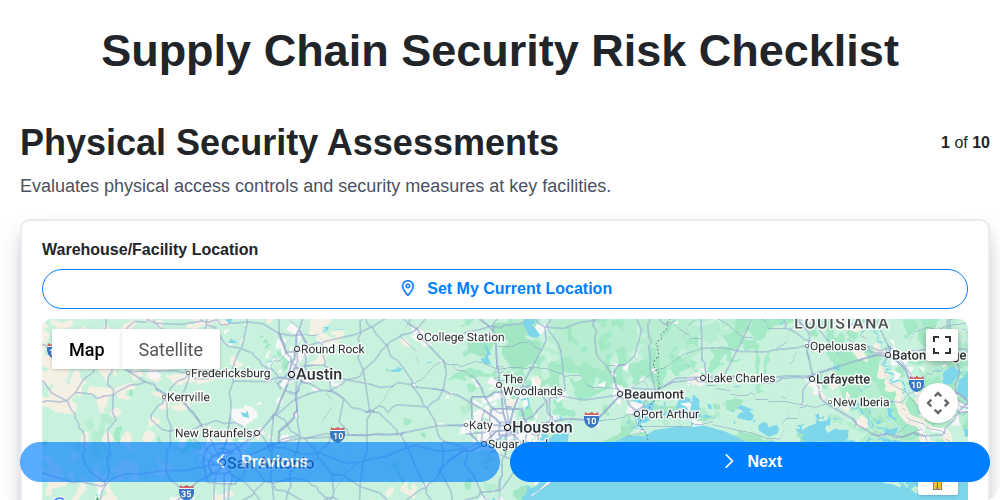
Table of Contents
- Introduction: Why Supply Chain Security Matters
- 1. Physical Security Assessments: Fortifying Your Facilities
- 2. Cybersecurity Risk Management: Defending Against Digital Threats
- 3. Supplier Risk Profiling: Knowing Your Partners
- 4. Contractual Security Requirements: Setting Clear Expectations
- 5. Transportation Security: Safeguarding Goods in Transit
- 6. Incident Response Planning: Preparing for the Inevitable
- 7. Business Continuity & Disaster Recovery: Maintaining Operations Through Disruption
- 8. Compliance & Regulatory Checks: Meeting Legal Obligations
- 9. Data Security & Privacy: Protecting Sensitive Information
- 10. Employee Security Awareness: The Human Factor
- 11. Integrating Security Across Your Supply Chain
- 12. Continuous Monitoring and Improvement
- 13. Leveraging Technology for Supply Chain Security
- Conclusion: Building a Resilient Supply Chain
- Resources & Links
TLDR: Worried about supply chain disruptions and security breaches? This checklist provides a step-by-step guide to assess and strengthen your supply chain security. It covers everything from physical security and cybersecurity to supplier risk and incident response, helping you identify vulnerabilities and build resilience against potential threats - no matter your industry or size.
Introduction: Why Supply Chain Security Matters
The modern supply chain is a complex, interconnected web - a strength that also presents significant vulnerabilities. Recent events, from geopolitical instability to cyberattacks and natural disasters, have starkly highlighted the fragility of this interconnectedness. A single point of failure within your supply chain can ripple outwards, impacting production, delivery, reputation, and ultimately, your bottom line.
It's no longer enough to simply focus on cost optimization and efficiency. Proactive supply chain security is paramount. It's about safeguarding your business from disruption, protecting sensitive data, and ensuring business resilience. Failing to address these risks can lead to financial losses, operational downtime, legal repercussions, and damage to your brand's reputation. This checklist is designed to help you systematically assess and strengthen your supply chain security posture, offering a practical framework for protecting your operations.
1. Physical Security Assessments: Fortifying Your Facilities
Your supply chain begins and ends with physical locations - factories, warehouses, distribution centers, and more. A vulnerability at any of these points can have devastating consequences. A thorough physical security assessment isn't just about locking doors; it's a comprehensive evaluation of your entire facility's susceptibility to threats.
Here's what a robust assessment should cover:
- Perimeter Security: Evaluate fencing, gates, lighting, and surveillance systems. Are they adequate to deter and detect unauthorized access? Consider vulnerabilities like blind spots and easily bypassed areas.
- Access Control: Review badge systems, visitor management processes, and key control procedures. Are these systems effectively limiting access to sensitive areas?
- Building Security: Assess the integrity of doors, windows, and roofs. Are they resistant to forced entry? Consider the security of loading docks and delivery areas.
- Storage Security: Evaluate the security of raw materials, finished goods, and sensitive documents. Are these assets adequately protected from theft or damage?
- Employee Background Checks: While primarily an HR responsibility, the rigor of background checks directly impacts physical security.
- Security Personnel: If you utilize security personnel, are they adequately trained and equipped?
- Regular Inspections & Audits: Don't just assess once; implement a routine inspection schedule to identify and address vulnerabilities proactively.
Remember, physical security is a layered approach. Identifying and mitigating weaknesses in this foundational aspect of your supply chain is paramount to overall resilience. Consider working with a qualified security professional for an unbiased and comprehensive assessment.
2. Cybersecurity Risk Management: Defending Against Digital Threats
In today's interconnected world, a robust supply chain is only as strong as its weakest digital link. Cybersecurity risks are no longer confined to internal networks; they permeate every tier of your supply chain, making proactive management absolutely critical. A breach impacting a supplier can easily cascade and cripple your own operations, damaging reputation and incurring significant financial losses.
This section of your Supply Chain Security Risk Checklist focuses on fortifying your digital defenses. Here's what you need to assess:
- Vulnerability Scanning & Penetration Testing: Regularly scheduled vulnerability scans and penetration testing of your own systems, and requiring these from key suppliers. This helps identify and remediate weaknesses before attackers can exploit them.
- Network Segmentation: Implementing network segmentation to isolate critical systems and limit the potential spread of an attack.
- Multi-Factor Authentication (MFA): Mandating MFA for all access points, especially those connecting to your supply chain partners.
- Endpoint Security: Employing robust endpoint detection and response (EDR) solutions and ensuring consistent patching across all connected devices.
- Data Encryption: Implementing encryption both in transit and at rest, safeguarding sensitive data from unauthorized access.
- Security Information and Event Management (SIEM): Utilizing a SIEM system to monitor security events, detect anomalies, and facilitate rapid incident response.
- Supplier Cybersecurity Assessments: Requiring suppliers to demonstrate their cybersecurity posture through assessments, certifications (e.g., ISO 27001, SOC 2), and questionnaires.
- Incident Response Plan Alignment: Ensuring your incident response plan aligns with your suppliers' and covers potential supply chain-related attacks.
- Regular Security Audits: Conducting regular security audits of your own infrastructure and, when possible, of your key suppliers' security practices.
Addressing these points demonstrates a commitment to proactively mitigating digital threats and strengthens the overall resilience of your supply chain.
3. Supplier Risk Profiling: Knowing Your Partners
Your supply chain is only as strong as your weakest link, and often, that weak link lies within your suppliers. Supplier risk profiling isn't just about vetting them once; it's an ongoing process to understand and mitigate potential vulnerabilities.
Why is it critical? A breach at a supplier - whether due to financial instability, operational failure, or a security lapse - can directly impact your business, leading to disruptions, reputational damage, and financial losses.
What does effective supplier risk profiling entail?
- Tiered Approach: Segment suppliers based on criticality. Tier 1 (direct suppliers) require the most rigorous assessment, while Tier 1.5 and Tier 2 require adjusted levels of scrutiny.
- Financial Health: Evaluate supplier financial stability. Can they meet their obligations? A struggling supplier might cut corners on security.
- Geopolitical Risk: Consider the supplier's location and the associated geopolitical risks - political instability, natural disasters, trade wars, etc.
- Cybersecurity Posture: Assess their cybersecurity practices. Do they have a SOC 2 report? Do they conduct penetration testing? Are they compliant with relevant frameworks?
- Operational Resilience: Understand their business processes and infrastructure. What are their backup systems? What's their plan for disruptions?
- Reputation & Compliance: Research their history and compliance record. Have they had previous breaches or regulatory issues?
- Regular Reviews: Supplier risk profiles aren't static. Conduct periodic reviews (at least annually, or more frequently for high-risk suppliers) to account for changes in their business, the threat landscape, and regulatory requirements.
- Questionnaires & Audits: Utilize standardized questionnaires and, for critical suppliers, consider on-site audits to verify information.
By proactively understanding your suppliers' vulnerabilities, you can strengthen your overall supply chain security posture and minimize potential disruptions.
4. Contractual Security Requirements: Setting Clear Expectations
Too often, supply chain security is treated as an internal problem. However, your suppliers are an extension of your operations, and their vulnerabilities can directly impact your organization. Simply hoping your suppliers maintain adequate security isn't enough. You need to require it.
This is where robust contractual security requirements come into play. These clauses aren't just nice-to-haves; they're essential safeguards. Here's what they should cover:
- Security Standards Alignment: Clearly state the specific security frameworks or standards your suppliers must adhere to (e.g., ISO 27001, NIST Cybersecurity Framework, SOC 2). Be specific - avoid vague language like maintain a secure environment.
- Right to Audit: Include the right to audit supplier security practices. This allows you to verify compliance and identify potential gaps. Define the scope, frequency, and reporting requirements for audits.
- Data Handling Obligations: Precisely outline how suppliers must handle your data - storage, processing, encryption, access controls, and disposal.
- Incident Reporting: Mandate timely notification of security incidents, data breaches, or suspected vulnerabilities. Define the reporting channels and required information.
- Subcontractor Management: Require suppliers to ensure that any subcontractors they engage also adhere to your security requirements.
- Remediation Requirements: Specify timelines and processes for addressing identified vulnerabilities or non-compliance.
- Termination Clauses: Outline the consequences of failing to meet security requirements, including potential termination of the contract.
Remember, your legal team should review all contractual security requirements to ensure they are enforceable and aligned with relevant regulations. Proactive contractual language provides accountability and helps foster a culture of security throughout your supply chain.
5. Transportation Security: Safeguarding Goods in Transit
The journey from origin to destination is often a significant vulnerability point in the supply chain. Transportation security isn't just about preventing theft; it encompasses a broad range of risks, including damage, loss, and even malicious tampering. A robust strategy requires a layered approach.
Key Considerations:
- Route Optimization: Evaluate transportation routes for inherent risks like high-crime areas or geopolitical instability. Consider alternative routes, even if they involve slightly longer transit times, if security is enhanced.
- Mode Selection: Different modes of transportation (truck, rail, sea, air) present varying security challenges. Analyze the risks associated with each and select the most appropriate option.
- Carrier Vetting: Don't assume all carriers are created equal. Conduct thorough background checks and security audits of your transportation providers. Inquire about their security protocols, employee screening processes, and track record.
- Vehicle Security: Implement measures to secure vehicles, such as GPS tracking, tamper-evident seals, and secure loading/unloading procedures. Consider security escort services for high-value or sensitive goods.
- Package Integrity: Utilize secure packaging materials and labeling techniques to deter theft and identify tampering. Employ tracking and tracing technology to monitor shipments in real-time.
- Chain of Custody: Establish and document a clear chain of custody for goods throughout the transportation process. This helps ensure accountability and facilitates investigations in case of incidents.
- Cargo Insurance: Secure appropriate cargo insurance coverage to mitigate financial losses resulting from theft, damage, or loss during transit.
By prioritizing transportation security, you significantly reduce the risk of disruptions and protect your valuable goods throughout the entire supply chain journey.
6. Incident Response Planning: Preparing for the Inevitable
Let's face it: despite your best efforts, security incidents will happen. A successful supply chain isn't about preventing all risks - it's about being prepared to handle them effectively when they arise. Incident Response Planning (IRP) is your roadmap for navigating those challenging moments.
A robust IRP for your supply chain isn't just about technical solutions; it's a comprehensive framework covering people, processes, and technology. Here's what it needs to include:
- Defined Roles & Responsibilities: Clearly outline who is responsible for what during an incident. Include internal teams, key suppliers, and potentially law enforcement or regulatory bodies.
- Communication Protocols: Establish how information will be disseminated internally and externally. Designate spokespeople and pre-approved communication templates to avoid misinformation.
- Incident Classification & Prioritization: Create a system for categorizing incidents based on severity and potential impact. This guides resource allocation and response urgency.
- Containment Strategies: Detail steps to isolate and contain an incident to prevent further damage and spread. This might involve isolating affected systems, halting shipments, or shutting down specific supplier access.
- Recovery Procedures: Outline steps to restore affected systems and data as quickly and securely as possible. This includes data recovery, system restoration, and validating functionality.
- Post-Incident Analysis & Lessons Learned: Following an incident, conduct a thorough review to identify vulnerabilities, assess response effectiveness, and update your IRP accordingly. This is crucial for continuous improvement.
Your IRP should be regularly tested through tabletop exercises and simulations to ensure its effectiveness and familiarity among your team. Don't wait for a crisis to discover your plan is inadequate - proactive preparation is key to minimizing disruption and protecting your supply chain.
7. Business Continuity & Disaster Recovery: Maintaining Operations Through Disruption
Supply chain disruptions aren't just about delays; they can be catastrophic. A sudden factory closure, a natural disaster impacting a key supplier, or even a cyberattack can bring your entire operation to a standstill. That's where robust Business Continuity & Disaster Recovery (BCDR) plans become absolutely critical.
Your BCDR plan shouldn't be a dusty document gathering dust. It needs to be a living, breathing strategy encompassing proactive measures and clearly defined response protocols. Here's what you need to consider:
- Risk Assessment & Impact Analysis: Identify critical business functions and their dependencies on your supply chain. What's the potential impact of losing a supplier, a transportation route, or even access to your own facilities? Quantify those impacts (financial, reputational, legal).
- Alternative Sourcing & Redundancy: Do you have backup suppliers for critical components or materials? Explore dual or multiple sourcing strategies. Geographical diversification can also mitigate risk.
- Data Backup & Recovery: Your data is the lifeblood of your business. Regular, offsite backups (and testing of those backups!) are non-negotiable. Consider cloud-based solutions for increased resilience.
- Communication Protocols: Who needs to be notified in the event of a disruption? How will you communicate with suppliers, customers, and employees? Establish clear communication channels and ensure everyone knows their roles.
- Recovery Time Objectives (RTOs) & Recovery Point Objectives (RPOs): Define how quickly you need to recover operations (RTO) and the amount of data you can afford to lose (RPO) for each critical function. These drive the necessary investments in infrastructure and processes.
- Regular Testing & Training: Your BCDR plan is only as good as its last test. Conduct regular simulations (tabletop exercises, full-scale drills) to identify weaknesses and ensure everyone understands their responsibilities. Train employees on procedures and emergency contact information.
- Plan Maintenance: The supply chain landscape is constantly evolving. Your BCDR plan must be reviewed and updated regularly to reflect changes in your operations, supplier relationships, and potential threats.
8. Compliance & Regulatory Checks: Meeting Legal Obligations
Supply chain security isn't just about best practices; it's often mandated by law. Failing to adhere to relevant regulations can lead to hefty fines, legal action, and irreparable damage to your reputation. This section of your checklist should ensure you're meeting all applicable requirements.
What to consider:
- Industry-Specific Regulations: Different industries face unique compliance obligations. For example, the food industry will have different requirements than pharmaceuticals or defense. Research and document all regulations impacting your supply chain.
- International Trade Laws: If your supply chain spans multiple countries, be acutely aware of import/export controls, tariffs, and trade agreements.
- Data Protection Laws: GDPR, CCPA, and other data privacy regulations impact how you handle data shared with and received from suppliers. Ensure contracts align with these obligations.
- Conflict Minerals Reporting: Many companies are required to trace the origin of minerals used in their products and ensure they aren't sourced from conflict zones.
- Anti-Bribery and Corruption Laws: Implement due diligence processes to ensure your suppliers are compliant with anti-bribery and anti-corruption laws like the FCPA and UK Bribery Act.
- Regular Audits: Conduct periodic audits of your suppliers to verify their compliance with applicable laws and regulations. Document these audits and any corrective actions taken.
- Stay Updated: Laws and regulations are constantly evolving. Establish a process to monitor changes and update your security measures accordingly.
By proactively addressing compliance and regulatory checks, you're not just mitigating risk; you're building a resilient and trustworthy supply chain.
9. Data Security & Privacy: Protecting Sensitive Information
In today's interconnected supply chain, data is arguably the most valuable asset. Protecting it isn't just about compliance; it's about maintaining trust, avoiding crippling fines, and ensuring business continuity. This section of your supply chain security risk checklist focuses directly on safeguarding sensitive information throughout the entire chain.
Key Considerations:
- Data Mapping: Understand what data you handle, where it resides (including cloud storage, third-party systems, and physical documents), and who has access. This is the foundational step.
- Encryption: Implement strong encryption for data at rest and in transit. This applies to all data, regardless of location or format.
- Access Controls: Strictly limit access to data based on the principle of least privilege. Regularly review and update access permissions.
- Data Loss Prevention (DLP): Employ DLP tools and policies to monitor and prevent unauthorized data transfers.
- Privacy Regulations: Remain compliant with applicable data privacy regulations like GDPR, CCPA, and others relevant to your industry and geographic reach.
- Third-Party Risk Management (Specific to Data): Conduct thorough data security assessments of your suppliers and partners. Ensure their data protection practices align with your own standards. Include data security clauses in your contracts.
- Regular Audits: Conduct periodic data security audits to identify vulnerabilities and ensure ongoing compliance.
- Data Minimization: Only collect and retain data that is absolutely necessary.
Neglecting data security and privacy can lead to devastating consequences. Prioritize this area of your supply chain security risk assessment to protect your organization and its stakeholders.
10. Employee Security Awareness: The Human Factor
Often, the weakest link in any security chain isn't a technological vulnerability - it's the people. Human error, lack of awareness, and susceptibility to social engineering attacks are consistently major contributors to supply chain breaches. Your employees, contractors, and even visitors are potential entry points for malicious actors.
Therefore, robust employee security awareness training isn't a nice-to-have, it's a must-have. This training should go beyond basic password hygiene (though that's important!) and encompass a wider range of potential risks.
Here are some key areas to cover:
- Phishing & Social Engineering: Realistic simulations and ongoing education on recognizing and reporting suspicious emails, calls, and interactions.
- Data Handling Best Practices: Clear guidelines on how to handle sensitive information, both physical and digital - including proper disposal of documents and secure file sharing protocols.
- Insider Threat Awareness: Educating employees to recognize and report suspicious behavior from colleagues.
- Mobile Device Security: Covering risks associated with using personal devices for work and secure access to company resources.
- Physical Security Protocols: Reinforcing the importance of access controls, visitor management, and reporting security concerns.
- Supply Chain-Specific Risks: Training tailored to the unique threats within your specific supply chain (e.g., recognizing counterfeit parts, reporting unusual supplier activity).
Beyond Initial Training: Security awareness shouldn't be a one-and-done activity. Regular refresher courses, ongoing communications (like newsletters or security reminders), and continuous testing (e.g., simulated phishing campaigns) are crucial to keep security top-of-mind and reinforce best practices. Investing in employee security awareness is an investment in your entire supply chain's resilience.
11. Integrating Security Across Your Supply Chain
Supply chain security isn't a standalone project; it's a deeply interwoven fabric that needs to permeate every layer of your operations and those of your partners. Siloed security measures are simply not enough in today's complex and interconnected landscape. True resilience demands a holistic approach where security considerations are embedded into every process, from initial supplier selection to final product delivery.
This means fostering a culture of shared responsibility and continuous improvement. It's not enough to tell your suppliers to be secure; you need to actively work with them to achieve that. This includes establishing clear communication channels, providing training resources, and conducting joint assessments.
Consider these key areas for integration:
- Shared Risk Assessments: Regularly conduct risk assessments with your suppliers, not just of them. Collaborative efforts reveal vulnerabilities you might have missed.
- Cybersecurity Collaboration: Share threat intelligence and collaborate on incident response plans. A coordinated response is critical.
- Contractual Alignment: Ensure contracts explicitly outline security expectations and require regular audits to verify compliance.
- Performance Metrics: Incorporate security performance into supplier scorecards, incentivizing security improvements.
- Technological Integration: Where possible, integrate security technologies across your supply chain, like visibility platforms or secure data sharing tools.
Ultimately, a truly secure supply chain is one where security is not an afterthought, but a fundamental and shared value. This requires ongoing effort, open communication, and a commitment to working together to mitigate risks and build a more resilient future.
12. Continuous Monitoring and Improvement
Supply chain security isn't a "set it and forget it" endeavor. The threats landscape is constantly evolving, new vulnerabilities emerge regularly, and your business changes over time. A static security posture quickly becomes a weak one. That's why continuous monitoring and improvement are paramount.
This means establishing ongoing processes to regularly review and refine your supply chain security program. Here's what that entails:
- Regular Audits: Schedule periodic audits (at least annually, but more frequently for high-risk areas) to assess the effectiveness of existing controls. These audits should be both internal and potentially involve independent third-party assessments.
- Performance Metrics: Define key performance indicators (KPIs) to measure your security performance. Examples include supplier security assessment completion rates, incident response times, and employee training completion percentages. Track these metrics over time to identify trends and areas for improvement.
- Threat Intelligence Integration: Stay informed about emerging threats and vulnerabilities affecting your industry and supply chain. Subscribe to industry newsletters, participate in threat sharing platforms, and regularly review security advisories.
- Feedback Loops: Create channels for internal stakeholders and, where appropriate, suppliers to report security concerns and suggestions.
- Adaptability: Be prepared to adapt your security measures in response to changes in your business operations, technology, or the threat landscape. This might involve updating security policies, implementing new controls, or adjusting supplier risk profiles.
- Lessons Learned: After any incident (even minor ones), conduct a thorough post-incident review to identify root causes and implement corrective actions.
By embracing a culture of continuous monitoring and improvement, you can ensure your supply chain security program remains robust and adaptable to the ever-changing threat environment.
13. Leveraging Technology for Supply Chain Security
The manual processes often associated with traditional supply chain security are simply unsustainable in today's complex and rapidly evolving threat landscape. Thankfully, technology offers a powerful arsenal to bolster defenses and streamline risk mitigation. Here's how:
- Risk Management Platforms: Centralize your data. These platforms integrate data from various sources (assessments, supplier profiles, compliance checks) into a single, accessible dashboard, providing a holistic view of your supply chain security posture. Automated alerts and reporting capabilities highlight potential vulnerabilities.
- Blockchain Technology: Enhance traceability and transparency. Blockchain's immutable ledger allows you to track products and materials throughout the supply chain, verifying authenticity and origin, and reducing the risk of counterfeiting and diversion.
- AI and Machine Learning: Predictive threat detection and anomaly detection. AI algorithms can analyze vast datasets to identify patterns and anomalies that might indicate a security breach or a potential risk, proactively alerting you to problems before they escalate.
- IoT Device Security: Secure connected devices. As IoT devices become increasingly integrated into supply chains (e.g., tracking shipments, managing inventory), robust security measures are crucial. This includes secure device onboarding, firmware updates, and network segmentation.
- Cybersecurity Tools: Utilize advanced tools such as Security Information and Event Management (SIEM) systems, vulnerability scanners, and intrusion detection systems to protect your digital assets and identify and respond to cyber threats.
- Geographic Information Systems (GIS): Visualize risk. GIS tools can map your supply chain, overlaying risk factors (crime rates, natural disaster zones, political instability) to identify areas requiring enhanced security measures.
- Automated Assessment Tools: Streamline assessments. Automated tools can assist with physical security and cybersecurity assessments, reducing workload and ensuring consistency.
Embracing these technologies isn't just about keeping up; it's about gaining a competitive advantage through a more resilient and secure supply chain.
Conclusion: Building a Resilient Supply Chain
The journey to securing your supply chain is not a one-time project; it's a continuous process of assessment, mitigation, and adaptation. As demonstrated by the checklist outlined in this article, the vulnerabilities are multifaceted, spanning physical infrastructure, digital systems, contractual obligations, and even human behavior.
Implementing each of these points requires commitment, resources, and a proactive mindset. However, the cost of inaction - disruptions, financial losses, reputational damage, and even legal repercussions - far outweighs the investment in robust security measures.
Remember, resilience isn't about eliminating risk entirely; it's about understanding it, preparing for it, and responding effectively when it inevitably arises. Regularly review and update your security protocols, adapt to emerging threats, and foster a culture of security awareness throughout your entire supply chain ecosystem. By embracing this approach, you can build a supply chain that's not just secure, but resilient and ready to weather any storm.
Resources & Links
- National Institute of Standards and Technology (NIST): NIST provides a wealth of resources, frameworks, and guidance on cybersecurity and supply chain risk management, including the Cybersecurity Framework and various special publications relevant to supply chain security. Their publications offer detailed insights and best practices.
- Cybersecurity and Infrastructure Security Agency (CISA): CISA offers alerts, advisories, and guidance on emerging cyber threats and provides resources for enhancing cybersecurity resilience. They have specific guidance related to supply chain risk management and critical infrastructure protection.
- Supply Chain Security Foundation: This foundation provides education, awareness, and best practices related to supply chain security, focusing on collaboration and information sharing across industries.
- International Organization for Standardization (ISO): ISO develops and publishes international standards, including ISO 28000, which provides guidelines for security management systems specifically for the supply chain. Reviewing ISO standards helps establish a consistent approach.
- British Standards Institution (BSI): BSI offers standards, training, and certification related to supply chain security, often based on ISO standards. They have expertise in security risk assessments and management.
- U.S. Small Business Administration (SBA): The SBA offers resources for small and medium-sized businesses, including cybersecurity guidance and risk management tools that are applicable to supply chain security.
- Resilience360: Provides supply chain risk management solutions including mapping, monitoring, and assessment. Their website offers insights and reports on global supply chain risks and disruption.
- Risk Methods: Offers supply chain risk management software and intelligence, providing visibility into potential risks and enabling proactive mitigation. They publish thought leadership content on risk monitoring.
- Everest Group: A research firm that provides insights into various industries, including supply chain management. They offer reports and analyses on supply chain security trends and emerging technologies. Useful for understanding market landscape.
- Interpol: Interpol offers information and resources related to transnational crime, which often impacts supply chains. Especially relevant for issues like counterfeiting and cargo theft.
- Federal Bureau of Investigation (FBI): The FBI provides warnings and information on criminal activities that impact supply chains. Awareness of their alerts is crucial for proactive risk management.
- U.S. Department of Transportation (DOT): The DOT offers resources and regulations related to transportation security, relevant for safeguarding goods in transit, especially for those in the transportation industry.
- Department of Homeland Security (DHS): Provides information on national security efforts, including initiatives related to supply chain security and critical infrastructure protection. Useful for understanding the broader regulatory environment.
- CyberSource: While primarily a payment gateway, CyberSource provides resources and insights on data security and fraud prevention, crucial components of data security and privacy within the supply chain.
Frequently Asked Questions
What is supply chain security risk and why is it important?
Supply chain security risk refers to vulnerabilities and threats that can disrupt or compromise your business operations through your suppliers and vendors. It's important because disruptions can lead to financial losses, reputational damage, legal issues, and even endanger human safety. Increasingly, it's recognized as a critical element of overall business resilience.
Who should use this checklist?
This checklist is designed for anyone involved in supply chain management, procurement, risk management, and operations. This includes procurement managers, supply chain analysts, security officers, and business owners concerned about their operational continuity.
What types of risks does this checklist cover?
The checklist addresses a wide range of risks including geopolitical instability, cyberattacks, natural disasters, supplier financial health, data breaches, regulatory compliance issues, ethical sourcing concerns, and transportation vulnerabilities. It covers both physical and digital threats.
How frequently should I review this checklist?
We recommend reviewing this checklist at least annually, or more frequently if there are significant changes to your supply chain (e.g., new suppliers, expansion into new regions, new regulations). Trigger events like security incidents also warrant an immediate review.
What is a 'critical supplier' and how does the checklist address them?
A critical supplier is one whose failure or compromise would severely impact your business operations. The checklist prompts you to identify and evaluate these suppliers with heightened scrutiny, focusing on more detailed assessments and mitigation strategies.
The checklist mentions 'mapping' my supply chain. What does that entail?
Supply chain mapping involves visualizing and documenting your entire supply chain, from raw materials to finished goods. This includes identifying all tiers of suppliers, their locations, and the flow of information and goods. It helps understand dependencies and potential vulnerabilities.
What is 'due diligence' in the context of this checklist?
Due diligence is the process of investigating a supplier's security practices, financial stability, and compliance with regulations. The checklist provides prompts for assessing supplier due diligence programs and verifying their effectiveness.
The checklist refers to 'incident response planning'. What's involved?
Incident response planning involves creating a plan to handle security breaches or disruptions within your supply chain. This includes identifying key personnel, communication protocols, and recovery procedures to minimize impact and restore operations quickly.
How can I prioritize the risks identified by this checklist?
The checklist includes prompts for assessing the likelihood and impact of each risk. Prioritize risks based on their combined likelihood and impact score, focusing on those with the highest potential for damage.
Where can I find additional resources to improve my supply chain security?
We recommend exploring resources from organizations like CISA (Cybersecurity and Infrastructure Security Agency), NIST (National Institute of Standards and Technology), and industry-specific security forums. Consulting with security experts is also beneficial.
Comments
There are no comments yet. Be the first to add one!
SCM - Supply Chain Management Solution Demo
Struggling with supply chain disruptions & lack of visibility? ChecklistGuro delivers a centralized SCM solution, connecting your suppliers, manufacturers, & distributors for improved collaboration and control. Simplify operations & boost efficiency.
Related Articles
The Ultimate Supply Chain Inventory Accuracy Audit Checklist: A Step-by-Step Guide
Supply Chain Capacity Planning Checklist: Ensure Readiness for Peak Demand
The Ultimate Supply Chain Network Optimization Checklist: A Step-by-Step Guide
Supply Chain Risk Assessment Checklist: Your Guide to Resilience
Navigating Sustainability: Your Supply Chain Compliance Checklist
Top 10 SAP Logistics Business Network (LBN) Alternatives for 2025

Fortify Your Supply Chain: The Ultimate Resilience Assessment Checklist
Navigating Global Trade: Your Essential Import/Export Compliance Checklist
Need help with
Supply Chain Management (SCM)?
Have a question? We're here to help. Please submit your inquiry, and we'll respond promptly.