Mastering Appeals: Your Ultimate Case Management Checklist Template
Published: 17/12/2025 22:00 Updated: 20/12/2025 12:26
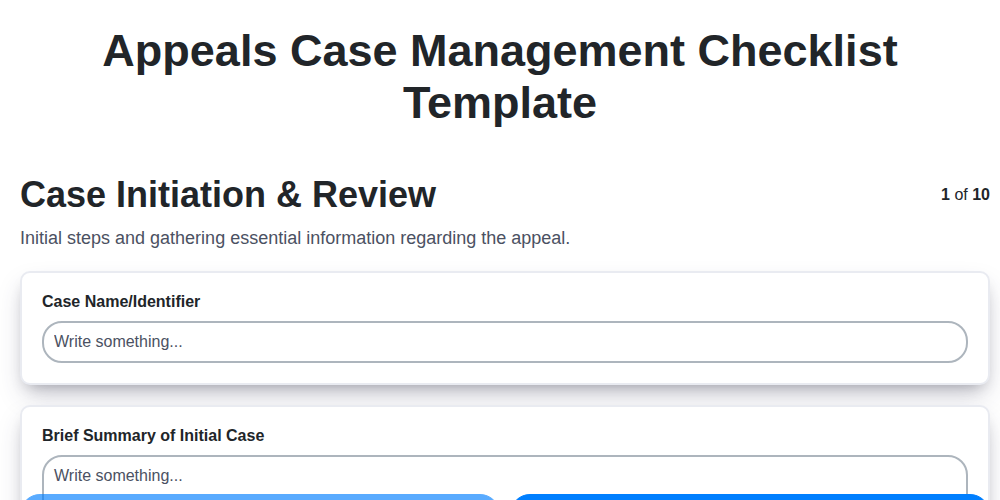
Table of Contents
- Introduction: Why Appeals Case Management is Critical
- 1. Case Initiation & Review: Laying the Foundation
- 2. Legal Research & Strategy: Building Your Argument
- 3. Document Preparation: Precision and Detail
- 4. Filing & Deadlines: Strict Adherence
- 5. Hearing Preparation: Anticipating Challenges
- 6. Hearing Conduct & Record Keeping: Presenting and Documenting
- 7. Post-Hearing Actions: Motions and Responses
- 8. Client Communication & Updates: Maintaining Transparency
- 9. Appeal Outcome & Closure: Finalizing the Decision
- 10. Record Management & Archiving: Protecting Vital Information
- 11. Checklist Template Overview: A Step-by-Step Guide
- 12. Common Pitfalls & How to Avoid Them
- 13. Leveraging Technology for Appeals Case Management
- Resources & Links
TLDR: Feeling overwhelmed by appeals cases? This checklist template is your lifeline! It breaks down every step - from initial review to final archiving - ensuring you never miss a deadline or detail. Use it to stay organized, reduce stress, and increase your chances of a successful appeal.
Introduction: Why Appeals Case Management is Critical
Appeals cases present a unique set of challenges. Unlike straightforward litigation, they demand meticulous planning, a deep understanding of appellate procedure, and a relentless focus on deadlines. A single missed step can have significant consequences, potentially jeopardizing your client's outcome. Effective appeals case management isn't just about organization; it's about proactively mitigating risk, ensuring compliance, and maximizing the chances of a successful appeal. Without a structured and consistently followed process, details can slip through the cracks, leading to errors, delays, and ultimately, a less than optimal result for your client. This checklist is designed to provide a roadmap, ensuring every stage of the appeals process is handled with precision and care.
1. Case Initiation & Review: Laying the Foundation
The journey of a successful appeal begins long before the first document is filed. This initial phase, Case Initiation & Review, is crucial for setting the groundwork for a strong and well-managed appeal. It's more than just receiving a case; it's about understanding its intricacies and identifying potential avenues for success.
Here's what this stage entails:
- Initial Intake & Client Interview: Thoroughly document the client's account of events, understanding their perspective and identifying key concerns. This includes gathering all relevant initial documentation.
- Case File Review: Scrutinize the underlying court documents (trial transcripts, orders, pleadings, etc.) to identify errors, inconsistencies, or points of law ripe for appeal.
- Jurisdiction & Appealability Assessment: Confirm the appellate court has jurisdiction over the matter and that the underlying order is appealable. Note any potential procedural roadblocks early on.
- Identify Key Issues: Pinpoint the core legal and factual issues to be raised on appeal. These will guide all subsequent steps.
- Preliminary Legal Research: Conduct initial research on applicable laws, precedents, and relevant statutes related to the identified issues.
- Preliminary Assessment of Appeal Potential: Based on the initial review and research, provide the client with a realistic assessment of the appeal's potential for success.
- Case Acceptance/Rejection: Determine whether to accept the case based on assessment of potential and firm resources. Document the rationale for acceptance or rejection.
2. Legal Research & Strategy: Building Your Argument
A successful appeal hinges on a robust legal strategy, meticulously built upon thorough research. This isn't simply about finding statutes; it's about understanding precedent, identifying weaknesses in the lower court's reasoning, and crafting a compelling narrative that persuades the appellate court.
Here's what this stage of your Appeals Case Management Checklist should encompass:
- Identify Key Issues: Clearly define the legal and factual issues presented by the case. What went wrong in the initial proceedings? What errors of law or fact are you challenging?
- Comprehensive Legal Research: This goes beyond a quick search. Delve into relevant statutes, case law (both binding and persuasive), regulations, and legal commentary. Focus on precedent that directly addresses the issues at hand. Use legal databases (Westlaw, LexisNexis, etc.) effectively, employing various search terms and refining your queries.
- Analyze Lower Court Rulings: Scrutinize the lower court's opinion for weaknesses or inconsistencies. Identify the reasoning and factual findings you intend to challenge.
- Develop Legal Argument: Construct a logical and persuasive argument that supports your position. Anticipate and address potential counterarguments. Ensure your argument aligns with established legal principles and precedent.
- Assess Appealability: Confirm that the issues you intend to raise are properly appealable. Understand the standard of review the appellate court will apply.
- Identify Potential Experts (if needed): If your appeal involves complex technical or factual matters, determine if expert testimony is necessary and begin identifying potential experts.
This stage is arguably the foundation of your appeal; a poorly researched or weakly argued appeal is unlikely to succeed, regardless of how well-prepared you are in other areas.
3. Document Preparation: Precision and Detail
This stage is where meticulousness truly shines. Poorly prepared documents can significantly hinder your appeal's success, regardless of the strength of your legal arguments. This checklist item encompasses several crucial tasks:
- Identify Required Documents: Based on the court rules and legal strategy, compile a complete list of all necessary filings, briefs, motions, and supporting exhibits. Double-check court-specific formatting requirements early - deviations can lead to rejection.
- Drafting and Review: Draft each document with clarity and accuracy. Legal writing demands precision. Have a second attorney or experienced paralegal thoroughly review every document for errors in grammar, citations, and factual assertions. Consider using blind spots review software to catch anything overlooked.
- Exhibits and Evidence: Assemble all exhibits and supporting evidence. Ensure they are properly organized, indexed, and linked to relevant arguments. Pay close attention to admissibility standards for each piece of evidence.
- Formatting & Compliance: Rigorously adhere to court-mandated formatting guidelines. Font size, margins, spacing, page numbering - all matter. Utilize templates to ensure consistency and accuracy.
- Electronic Filing Requirements: If filing electronically, ensure documents meet the court's specific technical requirements (file types, naming conventions, etc.). A rejected electronic filing wastes valuable time.
- Document Version Control: Implement a system for tracking document versions. Clearly label drafts and final versions to avoid confusion.
4. Filing & Deadlines: Strict Adherence
Appeals cases operate on a rigid timeline. Missing a deadline - even by a single day - can be fatal to your client's chances. This section underscores the paramount importance of meticulous deadline tracking and document filing.
Here's what this checklist stage focuses on:
- Docket Tracking: Implement a robust system (digital calendar, specialized legal software) to track every deadline. Include not just court-imposed dates, but also internal deadlines for document preparation and review.
- Court Rules Mastery: Thoroughly understand the specific rules of appellate procedure for the relevant court. These rules govern everything from formatting requirements to page limits.
- Filing Methods: Confirm acceptable filing methods (electronic, mail, in-person) well in advance and ensure compliance. Account for potential delays associated with each method.
- Service Requirements: Strictly adhere to rules regarding service of documents on opposing counsel. Maintain proof of service meticulously.
- Compliance Checks: Before submitting anything, conduct a final review to ensure it meets all formatting and content requirements. Consider a peer review to catch any overlooked errors.
- Backup Copies: Maintain multiple copies of all filed documents, both electronic and physical.
- Calendar Reminders: Set multiple reminders for each critical deadline, escalating in urgency as the deadline approaches.
Failure to comply with filing and deadline protocols is a major risk factor. Proactive, systematic adherence is essential.
5. Hearing Preparation: Anticipating Challenges
Hearing preparation isn't just about knowing your arguments; it's about anticipating what the opposition will throw at you and being ready to respond. This crucial stage involves rigorous mock hearings, detailed analysis of the opposing counsel's past arguments, and identifying potential weaknesses in your own case.
Consider these key areas:
- Cross-Examination Projections: Brainstorm the likely questions you'll face during cross-examination. Practice answering them concisely and truthfully. Identify potential gotcha questions and formulate strategies to address them effectively.
- Witness Preparation: If you have witnesses, ensure they understand their roles, the importance of honesty and accuracy, and how to handle challenging questioning. Conduct mock direct and cross-examinations with them.
- Evidence Evaluation: Re-examine all evidence to identify potential admissibility challenges. Prepare justifications for its relevance and explain why it should be admitted. Anticipate objections and craft persuasive counter-arguments.
- Judge's Perspective: Research the presiding judge's rulings and tendencies in similar cases. Understanding their preferred style and potential biases can help tailor your presentation and arguments.
- Contingency Planning: What if a key piece of evidence is deemed inadmissible? What if a witness falters? Have alternative arguments and strategies ready to deploy.
Thorough anticipation drastically reduces the element of surprise and allows you to approach the hearing with confidence and preparedness.
6. Hearing Conduct & Record Keeping: Presenting and Documenting
The hearing itself is a critical stage, demanding meticulous preparation and diligent record-keeping. This isn't just about delivering a compelling argument; it's about creating a clear, accurate, and defensible record of what transpired.
During the Hearing:
- Professional Demeanor: Maintain a respectful and professional demeanor throughout the hearing, even when faced with challenging questions or opposing arguments.
- Clear Presentation: Present your arguments clearly, concisely, and logically. Anticipate opposing arguments and be prepared to respond.
- Witness Management: If you have witnesses, ensure they are prepared, understand their role, and provide clear and consistent testimony. Ensure proper procedures for witness examination and cross-examination are followed.
- Objecting & Addressing Rulings: Be prepared to object to improper questions, evidence, or arguments. Clearly document the basis for your objections and note the presiding officer's ruling, even if you disagree.
- Real-Time Note Taking: Designate someone (if possible) to take detailed notes of the hearing. This should include not only the main points but also specific questions asked, answers provided, objections raised, rulings made, and any unexpected developments. Digital recording, if permitted and ethically advisable, can supplement note-taking.
Record Keeping - Essential Documentation:
- Hearing Transcript/Recording: Secure a copy of the official hearing transcript or recording as soon as it is available. Verify its accuracy.
- Exhibits List: Maintain a precise list of all exhibits introduced during the hearing, including identification numbers or labels, descriptions, and dates of introduction.
- Witness Statements/Affidavits: Keep copies of all witness statements or affidavits relied upon during the hearing, clearly marked.
- Objection Log: Maintain a detailed log of all objections raised, the grounds for the objections, and the presiding officer's rulings. This is crucial for potential post-hearing motions or appeals.
- Internal Notes: Supplement official records with your own internal notes summarizing key events, observations, and potential legal implications.
Effective hearing conduct and thorough record keeping are vital for protecting your client's interests and establishing a strong foundation for any subsequent legal actions.
7. Post-Hearing Actions: Motions and Responses
The hearing isn't always the final word. Often, post-hearing actions are crucial to securing a favorable outcome in an appeals case. This stage involves carefully monitoring for opportunities and responding strategically to any actions taken by the opposing side.
Potential Actions & Your Response:
- Motion for Reconsideration: Be prepared for the opposing party to file a motion for reconsideration, especially if they believe errors occurred during the hearing or new evidence has surfaced. Assess the validity of their arguments and prepare a well-reasoned response. This may involve legal research, factual analysis, and potentially another round of brief writing.
- Motion to Clarify: If the appellate court's decision is unclear or ambiguous, a motion to clarify can be a valuable tool. Carefully analyze the ruling and determine if clarification is genuinely needed.
- Cross-Motions: The appellate court might allow for cross-motions addressing specific issues. Be vigilant in identifying opportunities to file these and equally prepared to respond to any filed by your opponent.
- Petitions for Panel Rehearing: If you disagree with the panel's decision, you might consider filing a petition for rehearing. This requires demonstrating that the panel overlooked a significant issue or misapprehended the facts or law. The bar for success is high.
- Compliance with Court Orders: Regardless of the motion filed, ensure strict compliance with any orders issued by the appellate court. Failure to do so can result in sanctions.
Documentation is Key: Meticulously document all post-hearing filings, responses, and court orders. Track deadlines and maintain a clear timeline of events. This detailed record will be invaluable if further action becomes necessary.
8. Client Communication & Updates: Maintaining Transparency
Appeals cases are inherently stressful for clients. Uncertainty and a complex legal process can lead to anxiety and a feeling of being out of the loop. Consistent and proactive communication isn't just good practice; it's crucial for maintaining trust, managing expectations, and ensuring your client remains informed and engaged throughout the entire appeals process.
This checklist item emphasizes regular updates, regardless of significant developments or not. Here's a breakdown of best practices:
- Initial Consultation & Expectations: Clearly outline the appeals process, potential timelines, and possible outcomes during the initial consultation. Manage expectations from the very beginning.
- Regular Status Reports: Provide brief, easy-to-understand status reports at predetermined intervals (e.g., bi-weekly, monthly). Even a simple all is progressing as planned provides reassurance.
- Significant Developments: Immediately communicate any critical events - court dates, requests for additional information, deadlines approaching - with clear explanations of their implications.
- Multiple Communication Channels: Offer clients multiple ways to stay connected - email, phone calls, secure client portals - to accommodate their preferences.
- Explain Complexities: Translate legal jargon into plain language to ensure comprehension. Don't assume they understand legal terms.
- Seek Feedback: Actively solicit feedback from the client regarding their understanding of the case and their satisfaction with communication.
- Document Everything: Meticulously record all communication with the client, including dates, methods, and content of discussions. This serves as a valuable record for both the legal team and the client.
Prioritizing client communication builds a strong attorney-client relationship and contributes to a smoother, more collaborative appeals process.
9. Appeal Outcome & Closure: Finalizing the Decision
Once the appeal hearing concludes, the process doesn't simply end. This phase is crucial for ensuring all loose ends are tied up and the outcome is properly documented and communicated. Here's what this checklist item covers:
- Await the Decision: Track the timeline for the appellate court's decision. This can vary significantly, so maintain a clear record of expected dates and any communication regarding delays.
- Analyze the Decision: Thoroughly review the court's decision. Understand the reasoning behind the ruling, any dissenting opinions, and how it impacts your client.
- Advise the Client: Communicate the outcome to your client promptly and clearly. Explain the implications of the decision in plain language, addressing any questions or concerns they may have. Outline potential next steps, such as further appeals or compliance actions.
- Motion for Reconsideration (If Applicable): Determine if a motion for reconsideration is warranted based on the decision's reasoning and any potential errors. If so, prepare and file the motion within the applicable deadline.
- Petition for Certiorari (If Applicable): Assess the potential for a petition for certiorari to a higher court. Evaluate the case's legal significance and likelihood of success.
- Case Closure: Once all post-hearing actions are complete and the outcome is finalized, officially close the case file. This includes updating internal case status and ensuring all associated tasks are marked as resolved.
- Billing & Invoicing: Finalize all billing and invoicing related to the appeal process.
- Final Client Report: Prepare a comprehensive final report for the client summarizing the entire appeal process, the outcome, and any relevant conclusions or recommendations.
10. Record Management & Archiving: Protecting Vital Information
Appeals cases generate a significant volume of documentation - pleadings, research, correspondence, hearing transcripts, and more. Proper record management and archiving aren't just about tidiness; they're crucial for legal compliance, potential future reviews, and safeguarding your firm's reputation.
This stage focuses on establishing a secure and organized system for storing all case-related files after the appeal outcome is finalized and the case is officially closed. Here's what this entails:
- Define Retention Schedule: Research and adhere to applicable legal and ethical guidelines regarding record retention periods. These vary depending on jurisdiction and the type of case.
- Digital Storage: Migrate all physical documents to a secure digital format (scanning is essential). Utilize a cloud-based system with robust security measures, access controls, and backup protocols.
- Metadata Tagging: Implement a consistent metadata tagging system (e.g., case name, client ID, date, document type) to enable efficient search and retrieval.
- Physical Storage (If Applicable): If physical documents must be retained, ensure they are stored in a climate-controlled, secure location, clearly labeled and organized.
- Access Control: Limit access to case files based on need-to-know principles. Implement strong passwords and multi-factor authentication.
- Regular Backups: Schedule automatic backups of your digital case files to an off-site location to prevent data loss due to hardware failure or disaster.
- Destruction Protocol: When the retention period expires, establish a documented protocol for the secure destruction of both physical and digital records, ensuring compliance with privacy regulations.
Proper record management minimizes risk, supports future reference, and reinforces your commitment to professionalism.
11. Checklist Template Overview: A Step-by-Step Guide
This Appeals Case Management Checklist Template is designed to provide a structured and organized approach to handling appeals, ensuring no critical steps are missed and deadlines are consistently met. It breaks down the appeals process into ten crucial phases, each with specific tasks and considerations. Here's a walkthrough of what you can expect within each section:
1. Case Initiation & Review: This section covers the initial assessment of the case. You're prompted to verify the notice of appeal, review the underlying order/judgment, and identify potential grounds for appeal. Key tasks include confirming jurisdiction and establishing a timeline.
2. Legal Research & Strategy: Here, the focus shifts to developing a strong legal argument. Tasks involve researching relevant case law and statutes, analyzing the legal precedents, and formulating a comprehensive appeal strategy.
3. Document Preparation: This stage involves meticulously crafting the necessary legal documents. The checklist guides you through preparing briefs, motions, and any other supporting paperwork, ensuring accuracy and compliance with court rules.
4. Filing & Deadlines: This crucial phase centers around ensuring all filings are submitted accurately and on time. The checklist prompts you to track deadlines, prepare filing documents, and manage all related correspondence.
5. Hearing Preparation: Get ready for the courtroom! This section outlines tasks related to preparing witnesses, anticipating opposing counsel's arguments, and refining your presentation.
6. Hearing Conduct & Record Keeping: This addresses the actual hearing. It ensures meticulous record-keeping during the proceedings, accurately capturing all arguments, rulings, and evidence presented.
7. Post-Hearing Actions: Following the hearing, this phase guides you through potential next steps, such as filing post-hearing motions or seeking clarification from the court.
8. Client Communication & Updates: Maintaining clear and consistent communication with your client is paramount. This section includes reminders to provide regular updates and manage expectations.
9. Appeal Outcome & Closure: Once the appeal decision is rendered, this stage focuses on finalizing the case, documenting the outcome, and addressing any follow-up actions.
10. Record Management & Archiving: This final section covers the essential task of organizing and archiving all case records securely and in compliance with relevant regulations. It ensures long-term accessibility and preservation.
Using this checklist template will streamline your appeals management process, reduce errors, and contribute to a more efficient and successful outcome. Remember to customize the checklist to fit the specific requirements of each case.
12. Common Pitfalls & How to Avoid Them
Appeals case management is a complex undertaking, and even seasoned professionals can fall prey to oversights. Here's a look at common pitfalls and practical steps to steer clear of them:
- Insufficient Initial Case Review: Jumping straight into drafting without thoroughly understanding the underlying case and the grounds for appeal is a recipe for disaster. Avoid it by: Dedicating ample time for Case Initiation & Review, meticulously analyzing transcripts, orders, and relevant documents.
- Neglecting Legal Research: Assuming existing knowledge or relying on outdated sources can lead to missed arguments and incorrect interpretations of law. Avoid it by: Implementing a robust Legal Research & Strategy phase, utilizing updated legal databases, and consulting with senior colleagues when necessary.
- Rushing Document Preparation: Errors in drafting pleadings, briefs, or other key documents can seriously undermine your client's position. Avoid it by: Multiple reviews of all documents, ideally by different team members, using standardized templates, and employing grammar/spell-checking tools.
- Missing Deadlines: Appeals are time-sensitive. Missing deadlines can result in automatic dismissal. Avoid it by: Utilizing the Filing & Deadlines section of your checklist religiously, setting multiple reminders, and double-checking all filings.
- Underestimating Hearing Preparation: A poorly prepared hearing can significantly impact the outcome. Avoid it by: Thoroughly reviewing the Hearing Preparation checklist, practicing arguments, anticipating opposing counsel's strategies, and preparing compelling visuals.
- Failing to Document Hearing Details: Incomplete or inaccurate hearing records can create problems later. Avoid it by: Diligently following the Hearing Conduct & Record Keeping section, ensuring accurate notes, and maintaining proper exhibit management.
- Ignoring Post-Hearing Procedures: Failing to address post-hearing motions or requests can lose valuable opportunities. Avoid it by: The Post-Hearing Actions phase, immediately after hearing, make sure the timeline and requirements are met.
- Lack of Proactive Client Communication: Leaving clients in the dark breeds mistrust and frustration. Avoid it by: Maintaining regular Client Communication & Updates, providing clear explanations of the process and potential outcomes.
- Inadequate Record Management: Losing crucial documents or failing to properly archive them can be disastrous. Avoid it by: Implementing a comprehensive Record Management & Archiving system from the outset, following established protocols, and regularly backing up data.
- Overlooking Procedural Rules: Each court has specific rules of procedure. Failure to adhere to them can lead to sanctions or dismissal. Avoid it by: Familiarizing yourself with the relevant rules, verifying compliance with each filing, and seeking clarification when needed.
- Assuming Appeal Outcome is Certain: Even with a strong case, an appeal is not guaranteed to succeed. Avoid it by: Managing client expectations realistically, explaining potential outcomes and risks, and preparing for alternative strategies.
- Ignoring Team Collaboration: Appeals often require diverse skills. Working in silos can hinder progress. Avoid it by: Encouraging open communication, assigning clear roles, and regularly reviewing progress as a team.
13. Leveraging Technology for Appeals Case Management
The demands of appeals case management can quickly overwhelm even the most organized legal professional. Fortunately, technology offers powerful solutions to streamline workflows, reduce errors, and enhance efficiency. Several tools can significantly impact your appeal process, from initial case review to final archiving.
Case Management Software: This is arguably the most impactful investment. Dedicated legal case management software (like Clio, MyCase, PracticePanther, or even specialized appeals software) centralizes all case information - documents, deadlines, communications, research - in a single, accessible platform. Features like automated deadline reminders, task assignments, and client portals are invaluable.
Document Automation: For repetitive tasks like drafting initial pleadings or standard appeal notices, document automation tools can save considerable time. These tools use templates and variables to automatically generate documents, minimizing manual typing and reducing the risk of errors.
Cloud Storage & Collaboration: Services like Google Drive, Dropbox, and Microsoft OneDrive ensure that all team members have access to the latest versions of documents, regardless of location. Real-time collaboration features further enhance team efficiency.
Legal Research Platforms: Westlaw, LexisNexis, and Fastcase offer powerful search capabilities and analytical tools that accelerate legal research and strategy development. Integrated research functionalities within case management software can further streamline this crucial step.
Communication Tools: Utilize secure client portals and communication platforms (like Slack or Microsoft Teams for internal teams) to maintain clear and documented communication.
Artificial Intelligence (AI): Emerging AI tools can assist with tasks like legal research, document review (identifying relevant precedents or key clauses), and even predicting case outcomes based on past data. While still evolving, AI holds significant potential to enhance appeals case management.
Embracing these technologies isn't just about keeping up with the times; it's about creating a more efficient, accurate, and ultimately more successful appeals practice.
Resources & Links
- American Bar Association (ABA): The ABA offers resources, publications, and CLE programs related to appellate practice and legal ethics, crucial for ensuring proper appeals case management.
- State Bar of California (Example - adjust to relevant state bar): Most state bar associations have sections or committees dedicated to appellate practice. Check your local state bar for relevant resources and continuing legal education (CLE) opportunities.
- LexisNexis: A comprehensive legal research platform offering access to case law, statutes, regulations, and legal forms relevant to appeals case management. Helpful for legal research and document preparation.
- Westlaw: Similar to LexisNexis, Westlaw provides extensive legal research capabilities and is vital for building a strong legal strategy in appeals cases.
- United States Courts: Provides access to federal appellate court rules, procedures, and opinions, essential for understanding the specifics of federal appeals.
- Nolo: Offers practical legal information and forms for individuals and small businesses, which can be useful for understanding the basics of appeals and legal procedures. While not a substitute for legal advice, it can provide a general overview.
- Justia: Offers free legal information, including case law, statutes, and regulations. Good for preliminary research, though not a replacement for comprehensive legal research platforms.
- Fastcase: Another legal research platform providing access to legal materials at a potentially more accessible price point. Consider for cost-effective research.
- MyCase: Case management software that can be adapted for appeals work, assisting with organization, deadlines, and communication. (Specifically mentions case management software - leverage the technology section of the post)
- Clio: Another popular cloud-based legal practice management software solution that helps attorneys organize their appeals case management workflows. (Reinforces technology use)
- ABA Clarity: Provides legal research and analytics tools, assisting attorneys in understanding case law trends and developing effective strategies.
- Legal Information Institute (LII) - Cornell Law School: Provides free access to U.S. Code, Supreme Court opinions, and other legal resources. A useful resource for understanding the legal framework.
Frequently Asked Questions
What is this checklist template for?
This checklist template is designed to help case managers systematically manage appeals, ensuring all necessary steps are completed and deadlines are met, ultimately increasing the likelihood of a successful outcome.
Who is this checklist template for?
This template is ideal for case managers, social workers, advocates, attorneys, and anyone responsible for managing appeals processes, regardless of their experience level.
What kind of appeals does this checklist cover?
The checklist is adaptable and covers a broad range of appeals, including disability appeals (SSI/SSDI), healthcare appeals, and other administrative appeals. Specific sections can be customized based on the unique requirements of each appeal type.
Is the checklist customizable?
Absolutely! The template is designed to be highly customizable. You can add, remove, or modify steps to align with specific appeal procedures, client needs, and your organization's protocols.
What file format is the checklist template in?
The checklist is provided in a commonly used spreadsheet format (e.g., Microsoft Excel or Google Sheets), allowing for easy editing and tracking.
How can I access and download the checklist template?
Follow the instructions provided in the article - typically, there's a link or button to download the checklist template directly.
What are the key sections included in the checklist?
The checklist typically includes sections for case intake, gathering evidence, filing the appeal, responding to requests, attending hearings, and post-decision actions. Each section contains detailed steps and reminders.
Will this checklist guarantee a successful appeal?
While this checklist provides a comprehensive framework, it does not guarantee a successful outcome. The outcome of an appeal depends on the merits of the case and the applicable laws and regulations. However, following the checklist meticulously increases the chances of a well-prepared and thorough appeal.
Are there any examples of how to use the checklist?
The article itself provides some examples, and the checklist includes prompts and reminders to guide you through each step. You can also adapt it based on your own experiences and the specific requirements of each case.
Where can I go for legal advice regarding my appeal?
This checklist is for case management purposes and should not be considered legal advice. For legal advice, consult with a qualified attorney specializing in the relevant area of law.
Found this Article helpful?
Comments
There are no comments yet. Be the first to add one!
Case Management Solution Demo
Streamline your casework & improve outcomes! ChecklistGuro centralizes case details, tasks, & communication. Enhance efficiency, ensure compliance, & deliver exceptional service. Manage it all with our Work OS.
Related Articles
Streamline Your Deals: The Ultimate Real Estate Case Management Checklist Template
Streamline Your Debt Collection: A Case Management Checklist Template
Cybersecurity Incident Response: Your Checklist Template for Success
Streamline Your Case Management: The Ultimate Checklist Template
Mastering IP: Your Intellectual Property Case Management Checklist Template
HR Case Management Checklist Template: Your Guide to Fair & Compliant Investigations
Streamlining Veteran Care: Your Comprehensive Case Management Checklist Template
Mastering Investigations: Your Case Management Checklist Template Guide
We can do it Together
Need help with
Case Management?
Have a question? We're here to help. Please submit your inquiry, and we'll respond promptly.