Streamlining Veteran Care: Your Comprehensive Case Management Checklist Template
Published: 12/20/2025 10:00 PM Updated: 12/21/2025 6:19 AM
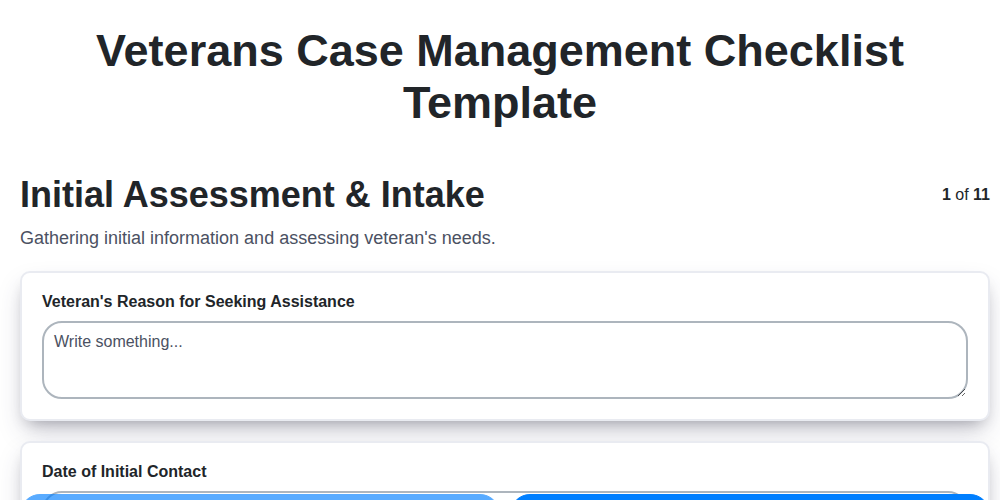
Table of Contents
- Introduction: Why a Veteran Case Management Checklist is Essential
- Understanding Veteran Case Management
- The Comprehensive Checklist Template: A Step-by-Step Guide
- 1. Initial Assessment & Intake: Building a Foundation
- 2. Benefit Eligibility Verification: Navigating VA & Other Programs
- 3. Documentation Collection: Gathering Crucial Information
- 4. Application Submission & Tracking: Ensuring Timely Processing
- 5. Coordination of Care: Connecting Veterans with Services
- 6. Financial Assistance & Resource Management: Addressing Immediate Needs
- 7. Legal Support & Advocacy: Protecting Veteran Rights
- 8. Housing & Homelessness Prevention: Securing Stable Living
- 9. Employment & Vocational Rehabilitation: Empowering Career Growth
- 10. Ongoing Case Review & Updates: Monitoring Progress
- 11. Termination & Closure: Transitioning Veterans to Independence
- Resources & Links
TLDR: Overwhelmed by Veteran case management? This checklist template breaks down the process into 10 key steps - from initial assessment to closure - ensuring you cover all bases for comprehensive support. It's a practical guide to help you deliver consistent, thorough care, track progress, and simplify your workload.
Introduction: Why a Veteran Case Management Checklist is Essential
Navigating the complexities of veteran benefits and support services can be overwhelming, both for the veterans themselves and for the case managers dedicated to assisting them. A robust case management process is vital for ensuring veterans receive the comprehensive care and resources they deserve. However, without a structured approach, vital steps can be missed, deadlines can be overlooked, and ultimately, the veteran's needs may not be fully met. This is where a Veteran Case Management Checklist Template becomes an indispensable tool. It provides a standardized, step-by-step guide, ensuring consistency, accuracy, and accountability throughout the entire case management journey. It's more than just a list; it's a roadmap to successful outcomes, promoting efficiency and ultimately, enhancing the veteran experience.
Understanding Veteran Case Management
Veteran case management is a vital support system designed to navigate the complex web of resources and assistance available to those who served. It goes beyond simply connecting veterans to benefits; it's about providing personalized, holistic support that addresses their unique needs and challenges. A case manager acts as a dedicated advocate, guiding veterans through processes like benefit applications, housing assistance, healthcare coordination, and legal aid. They build rapport, understand individual circumstances, and proactively work to remove barriers to success. This approach acknowledges that veterans often face a multitude of issues - from physical and mental health concerns to financial instability and difficulty transitioning back to civilian life - and requires a coordinated, supportive response. Effective case management empowers veterans to regain control of their lives and thrive after their service.
The Comprehensive Checklist Template: A Step-by-Step Guide
Navigating the complexities of Veterans Case Management can be overwhelming, both for case managers and the veterans they serve. A robust checklist template is an invaluable tool for ensuring thoroughness, consistency, and ultimately, positive outcomes. This checklist acts as a roadmap, detailing each critical stage of the case management process, helping to guarantee no vital steps are missed. Here's a breakdown of the checklist's components:
1. Initial Assessment & Intake: This crucial first step involves gathering comprehensive information about the veteran's background, needs, goals, and current circumstances. Key items include gathering contact information, military service history, and a preliminary assessment of physical, mental, and social well-being.
2. Benefit Eligibility Verification: Determining which benefits the veteran is eligible for is paramount. This involves researching and confirming eligibility for VA benefits (healthcare, education, pension), as well as potential state and local programs. Detailed documentation of this verification process is essential.
3. Documentation Collection: A consistent and organized approach to gathering necessary documentation is vital. This includes military records (DD-214), medical records, financial statements, and proof of residency, ensuring all requirements for benefits and services are met.
4. Application Submission & Tracking: This section ensures timely and accurate submission of applications for various programs. Detailed tracking of submission dates, confirmation receipts, and any communication with agencies is critical for proactive follow-up.
5. Coordination of Care: Veterans often require a multidisciplinary approach. This section emphasizes collaboration with healthcare providers, social workers, therapists, and other relevant professionals to ensure a holistic and integrated support system.
6. Financial Assistance & Resource Management: Many veterans face financial challenges. This area focuses on connecting them with resources for financial assistance, budgeting advice, debt management, and accessing emergency funds.
7. Legal Support & Advocacy: Veterans may need assistance with legal issues related to benefits appeals, housing, or other matters. This section outlines connecting them with legal aid services and advocating on their behalf.
8. Housing & Homelessness Prevention: Stable housing is foundational for well-being. This area focuses on connecting veterans with housing assistance programs, preventing homelessness, and providing support for those experiencing housing instability.
9. Employment & Vocational Rehabilitation: Finding meaningful employment is a key to independence. This section details connecting veterans with job training programs, resume assistance, and employment opportunities.
10. Ongoing Case Review & Updates: Case management isn's a one-and-done process. Regular reviews of the veteran's progress, needs, and goals are essential to ensure continued support and adjust strategies as needed.
11. Termination & Closure: When a veteran's needs have been met and case management support is no longer required, a formal termination and closure process ensures a smooth transition and avoids potential gaps in services. This includes final documentation and a summary of services provided.
1. Initial Assessment & Intake: Building a Foundation
The very first step in effective Veterans Case Management is a thorough Initial Assessment & Intake. This isn't just about gathering basic information; it's about building rapport and understanding the Veteran's unique circumstances and goals. We prioritize creating a safe and trusting environment where Veterans feel comfortable sharing their story.
This phase involves:
- Comprehensive Interview: We conduct a detailed interview to understand the Veteran's background, military service, current living situation, health concerns (physical, mental, and emotional), and any immediate needs.
- Goal Setting: Collaboratively identifying short-term and long-term goals, ensuring the Veteran is actively involved in shaping their case management plan.
- Identifying Challenges: Recognizing any barriers the Veteran faces, whether related to health, finances, housing, or other crucial areas.
- Establishing a Case Management Plan Outline: A preliminary outline of how the case management process will proceed, always subject to adjustments based on the Veteran's evolving needs.
- Explanation of Rights & Responsibilities: Clearly explaining the Veteran's rights within the case management process and outlining their responsibilities.
2. Benefit Eligibility Verification: Navigating VA & Other Programs
A crucial step in veteran case management is thoroughly verifying eligibility for a range of benefits. This process can feel overwhelming, as it involves understanding complex regulations and navigating multiple agencies. Our checklist aims to simplify this by ensuring a systematic approach.
Why is this so important? Many veterans are unaware of the full spectrum of programs available to them. Incorrect assumptions about eligibility can lead to frustration and wasted time. Accurate verification ensures veterans receive the support they deserve, efficiently and effectively.
What We Verify:
- VA Benefits: We meticulously review eligibility for VA healthcare, disability compensation, pension, education benefits (GI Bill), burial benefits, and more. This includes assessing service history, disability ratings (if applicable), and enrollment status. We utilize VA's online resources and databases to confirm information.
- Supplemental Security Income (SSI): For veterans with limited income and resources, we determine eligibility for SSI, which can provide crucial financial assistance.
- Medicare & Medicaid: We assess eligibility for Medicare and Medicaid, particularly for veterans with age-related or disability-related healthcare needs.
- State & Local Programs: We identify and investigate state and local programs that may provide additional support, such as property tax relief, rent assistance, and utility assistance.
- Other Federal Programs: We explore eligibility for other federal programs, like SNAP (Supplemental Nutrition Assistance Program) and energy assistance programs, based on individual needs.
Our Process:
- Client Interview: We conduct a detailed interview with the veteran to gather all relevant information about their service, income, assets, and health conditions.
- Documentation Review: We carefully review provided documentation (discharge papers, medical records, financial statements) to corroborate the information.
- Agency Contact: We contact relevant agencies directly to confirm eligibility and clarify any discrepancies.
- Clear Communication: We explain the verification findings to the veteran in clear, understandable terms, outlining potential benefits and any limitations.
This rigorous approach ensures that veterans are connected with the right resources to address their unique challenges and improve their overall well-being.
3. Documentation Collection: Gathering Crucial Information
A robust case management process hinges on meticulous documentation. This stage focuses on gathering all necessary paperwork to support a veteran's claim for benefits and services. This isn't just about collecting documents; it's about ensuring accuracy, completeness, and secure storage.
Here's a breakdown of what's typically required and best practices for this critical phase:
- Common Documents Needed: This list is extensive and will vary depending on the veteran's specific needs and circumstances, but generally includes:
- Military Records: DD214, Discharge Papers, Service Records, Medical Records from military service.
- Financial Records: Bank statements, tax returns, pay stubs, proof of income and assets.
- Medical Records: Civilian medical records, especially those related to service-connected conditions.
- Legal Documents: Marriage certificates, divorce decrees, birth certificates, power of attorney (if applicable).
- Benefit Award Letters: Any existing benefit award letters from the VA or other agencies.
- Housing Documents: Lease agreements, mortgage statements, utility bills.
- Employment History: Resumes, employment contracts, performance reviews.
- Secure Handling & Storage: Implement strict protocols for handling sensitive documents. Utilize secure digital storage with appropriate access controls. Physical documents should be stored in locked cabinets.
- Verification & Accuracy: Cross-reference information from different documents to ensure accuracy. Address any discrepancies with the veteran and correct errors immediately.
- Veteran Education: Explain to the veteran why each document is needed and how it contributes to their case. This builds trust and encourages cooperation.
- Organized Filing System: Maintain a clear and organized filing system, both physical and digital, that allows for easy retrieval of information. Labeling and consistent naming conventions are essential.
- Document Tracking: Keep a record of all documents received, including the date received, source, and any notes related to their content.
Accurate and complete documentation lays the foundation for a successful case management journey.
4. Application Submission & Tracking: Ensuring Timely Processing
Navigating the application process for veteran benefits can feel overwhelming. This section of case management focuses on streamlining that experience and ensuring timely processing. We meticulously prepare all required documentation, ensuring accuracy and completeness to minimize delays. Our team then handles the submission to the appropriate agencies (VA, state, or local), clearly labeling and organizing everything for efficient review.
Crucially, we don't just submit and forget. We implement a robust tracking system to monitor application status, proactively following up with agencies to address any roadblocks or requests for additional information. Clients receive regular updates on their application's progress, alleviating anxiety and keeping them informed every step of the way. This includes setting reminders for deadlines, anticipating potential issues, and escalating concerns when necessary to expedite the process. We're your advocate, ensuring your application receives the attention it deserves.
5. Coordination of Care: Connecting Veterans with Services
Navigating the complex web of veteran services can be overwhelming. This stage of case management focuses on bridging the gap and ensuring veterans receive the comprehensive support they need. It's more than just knowing what's available; it's about actively connecting veterans with the right services at the right time.
This involves a collaborative approach, acting as a central point of contact between the veteran, VA medical centers, community-based organizations, and family members (with the veteran's consent). We're talking about linking veterans with:
- Mental Health Services: Counseling, therapy, and support groups to address PTSD, depression, and anxiety.
- Medical Care: Facilitating appointments, referrals to specialists, and coordinating primary care.
- Substance Abuse Treatment: Connecting veterans with evidence-based treatment programs and support.
- Social Services: Assistance with accessing food banks, transportation, and other essential resources.
- Family Support: Providing resources and referrals for family members who may be struggling or need support.
A critical element here is ensuring seamless communication. We diligently track appointments, follow up on referrals, and proactively address any roadblocks that might hinder access to care. Ultimately, the goal is to empower veterans to take control of their well-being and thrive.
6. Financial Assistance & Resource Management: Addressing Immediate Needs
Many veterans face immediate financial hardship, impacting their ability to secure stable housing, food, and essential needs. Effective case management necessitates a proactive approach to identifying and connecting veterans with relevant financial assistance programs. This involves more than just handing out a list; it's about understanding their unique circumstances and guiding them through the application process.
Key Actions Include:
- Needs Assessment: Conduct a thorough assessment of current financial situation, including income, expenses, and outstanding debts.
- Benefit Identification: Explore eligibility for federal, state, and local financial assistance programs, such as:
- Supplemental Nutrition Assistance Program (SNAP)
- Temporary Assistance for Needy Families (TANF)
- Utility Assistance Programs
- Emergency Rental Assistance
- Food Banks and Pantries
- Application Assistance: Provide direct assistance with completing applications, gathering required documentation, and navigating complex eligibility requirements. This can be a significant barrier for veterans, particularly those with limited computer literacy or mobility issues.
- Budgeting & Financial Literacy: Offer guidance on budgeting techniques and financial literacy skills to promote long-term financial stability.
- Resource Linking: Connect veterans with local charities, non-profits, and volunteer organizations offering financial support.
- Fraud Prevention: Educate veterans on common scams and fraud schemes targeting vulnerable individuals, ensuring they receive legitimate assistance.
Addressing these immediate financial needs provides a crucial foundation for veterans to progress toward greater stability and independence.
7. Legal Support & Advocacy: Protecting Veteran Rights
Navigating the legal landscape surrounding veteran benefits and rights can be incredibly complex. Many veterans face challenges related to disability claims, appeals, pension disputes, and more. Our legal support & advocacy component within the case management process provides crucial assistance.
We help veterans understand their rights and entitlements, explain complex legal jargon, and represent their interests when necessary. This includes:
- Reviewing legal documents: We carefully examine all paperwork related to claims and appeals, identifying potential errors or areas of concern.
- Appeals Assistance: We guide veterans through the appeals process for denied benefits, helping them gather evidence and prepare strong arguments.
- Representation (where appropriate and resources allow): In certain situations, we can connect veterans with legal professionals who specialize in veteran law to provide direct representation.
- Advocacy with Agencies: We act as advocates with government agencies like the VA to ensure veterans receive the support and benefits they deserve.
- Information & Education: We provide ongoing education about relevant legal changes and updates affecting veteran rights.
Ultimately, our goal is to empower veterans to assert their legal rights and access the resources they need to thrive.
8. Housing & Homelessness Prevention: Securing Stable Living
Stable housing is foundational to well-being, and its absence can significantly impede progress in other areas of a veteran's life. This section of the case management process focuses on preventing homelessness and securing safe, affordable housing.
Our efforts involve several crucial steps:
- Assessment of Housing Needs: We begin with a comprehensive assessment to understand the veteran's current housing situation, history, and future needs. This includes identifying potential barriers to stable housing, such as income limitations, disabilities, or family conflicts.
- Connection to Housing Resources: We actively link veterans with a range of housing programs and resources, including:
- VA Supportive Housing (VASH): Assistance with obtaining HUD-VASH vouchers.
- Emergency Shelters: Providing temporary shelter when needed.
- Transitional Housing Programs: Offering a bridge to permanent housing.
- Section 8 Housing Choice Vouchers: Guiding through the application process and navigating requirements.
- Public Housing: Exploring options for eligible veterans.
- Rapid Rehousing Programs: Providing short-term rental assistance and support services.
- Financial Assistance for Rent & Utilities: We explore and assist with applications for emergency rental assistance, utility bill support, and other financial aid to prevent eviction and utility shutoffs.
- Landlord Mediation: We can act as a mediator between veterans and landlords to resolve disputes and prevent eviction.
- Homelessness Prevention Education: We provide education and resources on tenant rights, responsible financial management, and strategies for maintaining stable housing.
- Connection to Legal Assistance: If facing eviction or housing discrimination, we connect veterans with legal aid services.
Our goal is to empower veterans to secure and maintain safe, affordable, and dignified housing, providing a solid foundation for their recovery and reintegration.
9. Employment & Vocational Rehabilitation: Empowering Career Growth
Transitioning from military service to civilian life can be a significant shift, and finding stable, meaningful employment is a cornerstone of successful reintegration. Our case management support extends to comprehensive employment and vocational rehabilitation services, designed to equip veterans with the skills, resources, and opportunities they need to thrive in the civilian workforce.
This isn't just about finding any job; it's about aligning skills and interests with rewarding career paths. We work with veterans to:
- Assess Skills and Interests: Identifying transferable skills from military experience and exploring new career possibilities.
- Resume & Interview Preparation: Crafting compelling resumes and cover letters, and providing mock interview practice to boost confidence.
- Job Training & Education: Connecting veterans with relevant job training programs, apprenticeships, and educational opportunities to enhance their qualifications.
- Career Counseling: Providing guidance and support in navigating career options, setting goals, and developing a personalized career plan.
- Job Placement Assistance: Partnering with local employers and recruiters to identify and secure suitable job opportunities.
- Entrepreneurship Support: For veterans interested in starting their own businesses, we offer guidance and resources on business planning, funding, and legal considerations.
- Addressing Barriers: Helping veterans overcome challenges such as transportation issues, childcare needs, or lack of appropriate work attire, which might hinder their employment prospects.
Our goal is to empower veterans to achieve long-term career success and financial stability, fostering a sense of purpose and accomplishment as they embark on their post-service journey.
10. Ongoing Case Review & Updates: Monitoring Progress
Case management isn't a set it and forget it process. Consistent monitoring and updates are crucial to ensure our veterans are receiving the ongoing support they need and that their circumstances haven't shifted, requiring adjustments to their care plan. This section of our checklist focuses on precisely that.
We schedule regular review periods - typically every 3-6 months, but more frequently as needed based on individual circumstances. During these reviews, we:
- Reassess Goals: We revisit the veteran's original goals and objectives, discussing progress made and any new priorities that have emerged.
- Evaluate Service Effectiveness: We actively solicit feedback from the veteran regarding the effectiveness of current services and identify areas for improvement.
- Update Documentation: We ensure all records are current, accurately reflect the veteran's status, and document any changes in needs or circumstances.
- Adjust Care Plans: Based on the review, we modify the care plan to address evolving needs and ensure continued progress. This might involve adding new services, adjusting existing ones, or discontinuing services no longer required.
- Communicate with Stakeholders: We keep all relevant parties (e.g., family members, medical providers, VA representatives) informed of progress and any significant changes to the care plan, with the veteran's consent.
This ongoing review process allows us to proactively adapt to changing needs, maximizing the positive impact of case management services and empowering our veterans to thrive.
11. Termination & Closure: Transitioning Veterans to Independence
The ultimate goal of case management is to empower veterans to achieve self-sufficiency and thrive. Termination and closure of a case signifies this achievement, but it's far from an ending - it's a carefully planned transition. This phase involves a collaborative process, ensuring the veteran has the resources and skills to continue on their path to independence.
Here's what's involved in the termination and closure process:
- Review of Progress: A final review of the veteran's progress against initial goals and objectives is conducted. This serves as a record of achievements and highlights areas where continued support might be beneficial.
- Skills & Resource Recap: We thoroughly review the skills the veteran has acquired during case management and reiterate the resources available to them - connecting them with community partners, VA services, or other support networks.
- Transition Planning: A tailored transition plan is created, outlining steps the veteran can take to maintain their stability and address any potential challenges.
- Exit Interview: A final exit interview allows the veteran to provide feedback on their experience and identify any outstanding needs.
- Documentation & Record Keeping: All case notes, assessments, and correspondence are meticulously documented for future reference, ensuring continuity of care if needed.
- Warm Handoffs (where appropriate): Depending on individual needs, we facilitate warm handoffs to other agencies or programs that can provide ongoing support.
- Formal Closure: Upon mutual agreement and confirmation that the veteran is stable and independent, the case is formally closed. We remain available for brief follow-up inquiries for a predetermined period, offering continued support as needed.
Our commitment doesn't end with case closure; we strive to equip veterans with the confidence and tools to navigate their future with strength and resilience.
Resources & Links
- U.S. Department of Veterans Affairs: The official website of the VA, offering information on benefits, programs, and services available to veterans. A primary resource for eligibility and application details.
- VA Benefits: Specific section of the VA website detailing all available benefits, from healthcare to education and financial assistance. Crucial for understanding eligibility requirements.
- USA.gov - Veterans: A portal providing access to federal government resources and information related to veteran affairs. Offers a broad overview and links to various programs.
- National Alliance to End Homelessness: Provides information, advocacy, and resources related to homelessness prevention, particularly relevant for Section 8, HUD-VASH, and other housing programs.
- VA Vet Centers: Provides readjustment counseling and support services to veterans, service members, and their families, particularly helpful for mental health and trauma-related issues.
- U.S. Department of Labor - Veterans' Employment and Training Service (VETS): Provides employment and training resources for veterans, supporting vocational rehabilitation and career growth.
- Legal Advice for Veterans: Connects veterans with legal assistance for various issues, aligning with the Legal Support & Advocacy section.
- American Veterans Foundation: Provides emergency financial assistance and support services to veterans in need, a resource for Financial Assistance & Resource Management.
- Indian Health Service: Provides healthcare to American Indians and Alaska Natives, a vital resource if working with Veterans who are also Native American.
- VA Health Care Cost Comparators: Helps veterans understand and compare the cost of VA healthcare services.
- VA Quality Care Resources: Provides information on VA quality care initiatives and resources, ensuring optimal care coordination.
Frequently Asked Questions
What is a Case Management Checklist and why is it important for Veteran care?
A Case Management Checklist is a structured document outlining all the necessary steps and tasks involved in providing comprehensive care to a Veteran. It's important because it ensures consistency, reduces errors, improves coordination among care providers, and ultimately enhances the quality of care received by Veterans, ensuring no crucial steps are missed.
Who is this checklist template designed for?
This template is designed for case managers, social workers, nurses, and other healthcare professionals directly involved in coordinating care for Veterans. It's adaptable for various Veteran care settings, including VA clinics, community-based organizations, and home healthcare agencies.
Can I customize the checklist template?
Absolutely! The template is designed to be flexible. You can add, remove, or modify items to align with specific Veteran needs, program requirements, and your organization's protocols. We strongly encourage tailoring it to your unique context.
What types of information should be included in each checklist item?
Each checklist item should include a clear action, responsible party, due date/frequency, and a field for documentation (e.g., completed, partially completed, not applicable). Specific details to record might include dates of appointments, communication logs, and relevant observations.
The article mentions different checklist categories. Can you explain those?
The checklist is divided into categories like Assessment & Planning, Benefit Enrollment, Healthcare Coordination, and Follow-Up & Advocacy. This categorization helps to organize the tasks and ensure all aspects of care are addressed systematically. Additional categories can be added as needed.
How can this checklist help prevent Veteran care gaps?
By systematically outlining each step and assigning responsibility, the checklist acts as a proactive tool. It serves as a reminder to complete vital tasks, reduces the risk of overlooking important information, and promotes a more connected and coordinated care plan.
What are some best practices for using this checklist effectively?
Regularly review and update the checklist, involve the Veteran in the care planning process, document all actions taken, and establish clear communication channels between team members. Consider incorporating technology to manage and track checklist progress.
Where can I access the checklist template mentioned in the article?
The article provides a link to download the comprehensive Case Management Checklist Template. Please refer to the article for the direct link.
What should I do if a checklist item cannot be completed?
If an item cannot be completed, clearly document the reason why and propose an alternative solution or timeframe. Inform the Veteran and relevant team members about the delay and any adjustments to the care plan.
Is there a specific format recommended for documenting checklist items?
While the template includes a documentation field, the specifics depend on your organization's record-keeping policies. Be sure to follow established protocols for accurate and complete documentation, including utilizing approved terminology and maintaining confidentiality.
Found this Article helpful?
Comments
There are no comments yet. Be the first to add one!
Case Management Solution Demo
Streamline your casework & improve outcomes! ChecklistGuro centralizes case details, tasks, & communication. Enhance efficiency, ensure compliance, & deliver exceptional service. Manage it all with our Work OS.
Related Articles
Streamline Your Bankruptcy Cases: The Ultimate Case Management Checklist Template
Mastering IP: Your Intellectual Property Case Management Checklist Template
Cybersecurity Incident Response: Your Checklist Template for Success
Streamline Your Debt Collection: A Case Management Checklist Template
Mastering Investigations: Your Case Management Checklist Template Guide
HR Case Management Checklist Template: Your Guide to Fair & Compliant Investigations
Streamline Your Case Management: The Ultimate Checklist Template
Streamline Your Deals: The Ultimate Real Estate Case Management Checklist Template
We can do it Together
Need help with
Case Management?
Have a question? We're here to help. Please submit your inquiry, and we'll respond promptly.