Mastering IP: Your Intellectual Property Case Management Checklist Template
Published: 12/20/2025 10:00 PM Updated: 12/21/2025 6:21 AM
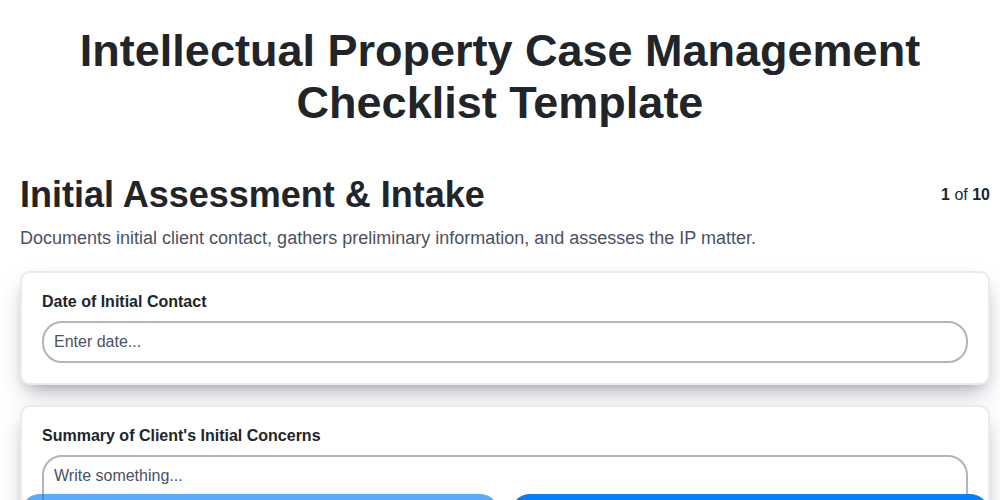
Table of Contents
- Introduction: Why a Checklist is Essential for IP Case Management
- 1. Initial Assessment & Intake: Laying the Foundation
- 2. IP Asset Identification & Documentation: Cataloging Your Innovations
- 3. Prior Art/Landscape Search & Analysis: Understanding the Existing Landscape
- 4. Strategy Development & Planning: Charting Your IP Path
- 5. Filing & Prosecution (Patents/Trademarks): Navigating the Application Process
- 6. Enforcement & Litigation: Protecting Your Rights
- 7. Licensing & Agreements: Monetizing Your IP
- 8. Monitoring & Watch Services: Staying Vigilant
- 9. Maintenance & Renewal: Keeping Your IP Active
- 10. Client Communication & Reporting: Transparency and Collaboration
- 11. Checklist Template Overview: A Step-by-Step Guide
- 12. Key Considerations & Best Practices
- Conclusion: Proactive IP Management for Success
- Resources & Links
TLDR: Feeling overwhelmed managing your IP? This checklist template is your new best friend! It breaks down the entire IP case lifecycle - from initial assessment to renewals - into manageable steps. Think of it as a roadmap to stay organized, avoid costly mistakes, and maximize the value of your intellectual property assets.
Introduction: Why a Checklist is Essential for IP Case Management
Managing intellectual property - patents, trademarks, copyrights, and trade secrets - is a complex, multifaceted endeavor. It's not enough to simply file an application and hope for the best. Effective IP case management requires meticulous organization, proactive planning, and consistent tracking across numerous stages and deadlines. Missed deadlines can mean abandonment, loss of rights, or costly re-evaluation.
This is where a robust checklist becomes absolutely essential. An IP case management checklist isn't just a nice-to-have; it's a vital tool for ensuring your IP assets are protected, properly maintained, and strategically leveraged. It provides a systematic approach, minimizing errors, maximizing efficiency, and ultimately, safeguarding your valuable intellectual property investments. This article outlines the key components of a comprehensive IP case management checklist - a framework you can adapt to your specific needs and the unique requirements of each IP asset you manage.
1. Initial Assessment & Intake: Laying the Foundation
The first step in effectively managing your intellectual property is a thorough initial assessment and intake process. This isn't just about gathering information; it's about understanding your client's business, their innovative goals, and their current IP landscape.
This phase involves several key actions:
- Client Interview: A detailed interview is crucial. We delve into the client's business, their inventions or branding initiatives, and their desired protection scope. Understanding their overall goals informs all subsequent IP strategies.
- Confidentiality Agreements (NDAs): Secure confidential information with properly executed Non-Disclosure Agreements before discussing sensitive details.
- Preliminary IP Scan: A quick preliminary search can identify potentially conflicting marks or patents already in existence, raising early warning flags.
- Information Gathering: Collect all relevant documentation - sketches, prototypes, marketing materials, business plans, and existing IP registrations (if any).
- Budget & Scope Discussion: A clear discussion of budget and scope ensures realistic expectations and avoids misunderstandings later. This includes outlining potential costs for different levels of protection and enforcement.
- Defining Goals: Clearly define the client's goals - are they seeking patent protection, trademark registration, or both? What markets are they targeting?
A strong initial assessment sets the stage for a successful IP management strategy, preventing costly mistakes and maximizing the value of your client's innovations.
2. IP Asset Identification & Documentation: Cataloging Your Innovations
Identifying and documenting your intellectual property (IP) assets is the bedrock of effective IP case management. It's more than just knowing you have an invention or a brand; it's about having a clear, organized record of what it is, who created it, when it was created, and where it's being used. This meticulous record-keeping is crucial for everything from potential licensing deals to defending against infringement claims.
This stage involves a deep dive into your company's activities. Here's what you should be focusing on:
- Comprehensive Inventory: Gather information on all potential IP, including inventions, designs, trademarks, copyrights, and trade secrets. Don't just rely on memory; proactively seek out information from inventors, designers, marketing teams, and engineers.
- Detailed Descriptions: For each asset, create a detailed description. This isn't just the name; it's a technical explanation (for patents and designs), a description of the mark (for trademarks), a synopsis of the creative work (for copyrights), or a clear explanation of the confidential information (for trade secrets).
- Inventor/Creator Information: Document the full name, address, and contact information for each inventor, designer, author, or creator. This is essential for patent assignments and other legal formalities.
- Creation Date & Usage Details: Record the date the IP was conceived, first disclosed, first used (for trademarks), or first fixed (for copyrights). Also, detail how the IP is being used-products, services, territories, etc.
- Ownership Records: Establish clear ownership records. Ensure proper assignment agreements are in place to transfer rights from inventors/creators to your company.
- Physical & Digital Storage: Create a centralized and secure system for storing all IP-related documentation, both physical and digital. This could be a shared drive, a dedicated IP management software, or a combination.
- Regular Updates: This isn't a one-and-done task. IP assets evolve, usage expands, and new creations emerge. Schedule regular reviews and updates to your IP inventory.
Proper IP asset identification and documentation forms the foundation for a robust IP strategy and efficient case management. Don't underestimate its importance!
3. Prior Art/Landscape Search & Analysis: Understanding the Existing Landscape
Before investing heavily in protecting an intellectual property asset, a thorough prior art and landscape search is absolutely crucial. This isn't just a formality; it's a critical risk mitigation step that can save significant time and money down the line.
What is Prior Art & Landscape?
- Prior Art: This refers to any evidence that your invention already exists or is similar to something that has been publicly disclosed before your filing date. It can include patents, published articles, product offerings, presentations, and even publicly available online content.
- Landscape Analysis: Goes beyond simply identifying prior art. It maps the competitive landscape, revealing who is innovating in a particular area, identifying key players, understanding emerging trends, and revealing potential market opportunities.
Why is it Important?
- Patentability Assessment: A comprehensive search helps determine if your invention is truly novel and non-obvious - key requirements for patentability. Discovering relevant prior art early on allows you to refine your invention or adjust your patent strategy.
- Trademark Clearance: Similarly, a trademark search reveals existing brands that could conflict with your intended trademark. This helps avoid potential legal challenges and costly rebranding efforts.
- Freedom to Operate: A landscape search allows you to assess the risk of infringing on existing patents or trademarks while developing or commercializing your product or service.
- Informed Strategy: Understanding the existing IP landscape informs your overall IP strategy, helping you identify opportunities for innovation, anticipate competitors' moves, and prioritize your IP protection efforts.
What's Involved?
A robust search involves:
- Keyword Searching: Utilizing relevant keywords and search terms across patent databases (e.g., USPTO, Espacenet, Google Patents), trademark databases, academic journals, and online resources.
- Classification Searching: Leveraging patent classification systems (e.g., Cooperative Patent Classification - CPC) to identify relevant patents beyond simple keyword matches.
- Analysis and Interpretation: This isn't just about finding documents; it's about analyzing them to determine their relevance and impact on your IP position.
- Expert Opinion: Often, a professional patent or trademark search firm or attorney is needed to conduct a truly comprehensive search and provide expert interpretation of the results.
4. Strategy Development & Planning: Charting Your IP Path
Once you've thoroughly assessed your IP assets and the competitive landscape, it's time to develop a comprehensive strategy. This isn't just about filing patents or trademarks; it's about aligning your IP with your overall business goals.
Here's what this phase involves:
- Define Business Objectives: What are you trying to achieve? Increased market share? Competitive advantage? New revenue streams? Your IP strategy must directly support these objectives.
- Identify IP Goals: Based on your business objectives, determine specific IP goals. This could include securing freedom to operate, blocking competitors, protecting core innovations, or building a portfolio for potential sale.
- Prioritize IP Assets: You likely won't have the resources to protect everything. Prioritize based on commercial value, competitive significance, and cost of protection. A high-value, easily-copied invention warrants immediate attention. A niche, less-critical invention might be deferred.
- Develop a Protection Roadmap: Outline the specific steps to achieve your IP goals. This includes deciding which types of IP (patents, trademarks, copyrights, trade secrets) are appropriate, identifying key jurisdictions for protection, and establishing a budget and timeline.
- Competitive Analysis Integration: Continuously factor in competitor activity. Are they innovating? Are they challenging your IP? Adapt your strategy accordingly.
- Risk Assessment: Identify potential IP risks, such as infringement claims or challenges to the validity of your IP. Develop mitigation strategies.
A well-defined IP strategy isn't a static document. It needs to be reviewed and updated regularly to reflect changes in the business environment and technological advancements.
5. Filing & Prosecution (Patents/Trademarks): Navigating the Application Process
This phase represents the core of securing your intellectual property rights. It's a meticulous process with distinct steps for both patents and trademarks, demanding accuracy and adherence to specific legal requirements.
Patents:
- Drafting the Application: Working closely with a patent attorney or agent, we meticulously draft the patent application, including a detailed description of the invention, claims defining the scope of protection, and any necessary drawings. This requires a thorough understanding of the invention's technical aspects and legal patentability requirements.
- Filing with the Relevant Office: The application is formally filed with the appropriate patent office (e.g., the USPTO in the United States, EPO in Europe). This initiates the examination process.
- Prosecution: This ongoing interaction with the patent examiner is crucial. We analyze examiner actions (office actions), address rejections, amend claims (if necessary), and provide arguments to overcome objections. This iterative process requires expertise in patent law and a deep understanding of the invention.
- Allowance & Issue: Upon successful examination, the patent office issues a notice of allowance. After payment of issue fees, the patent is formally granted and published.
Trademarks:
- Application Filing: The trademark application is filed with the relevant trademark office, providing detailed information about the mark, goods/services, and the basis for filing (use or intent to use).
- Examination & Publication: The trademark office examines the application for compliance with legal requirements and conducts a search for conflicting marks. If approved, the mark is published for opposition.
- Opposition Period: Third parties have an opportunity to oppose the trademark registration. We handle any opposition proceedings.
- Registration: If no opposition is filed (or if any opposition is successfully overcome), the trademark is registered and legally protected.
Proper execution in this phase is critical to ensure a robust and enforceable intellectual property right. We ensure all deadlines are met, all legal requirements are satisfied, and the application accurately reflects the client's invention or brand.
6. Enforcement & Litigation: Protecting Your Rights
Intellectual property rights are valuable assets, but their existence on paper doesn't guarantee protection. Enforcement and litigation are often necessary to defend your IP and prevent infringement. This phase requires a proactive and often aggressive approach.
Here's what's involved:
- Infringement Detection: Establishing a robust system for monitoring the marketplace - both online and offline - to identify potential infringements. This can involve automated searches, competitor analysis, and customer feedback.
- Cease and Desist Letters: A formal notice to the alleged infringer, outlining the infringement and demanding that they stop the infringing activity. This is often the first step in resolving disputes.
- Negotiation & Mediation: Attempting to resolve the infringement issue through negotiation or mediation. This can be a less costly and time-consuming alternative to litigation.
- Litigation (Patent, Trademark, Copyright): If negotiation fails, filing a lawsuit to enforce your IP rights. This can be a complex and expensive process, requiring skilled legal counsel.
- Customs Recordation: For trademark owners, recording your trademarks with customs authorities to prevent the importation of counterfeit goods.
- Online Enforcement (DMCA Takedown Notices, Social Media Reporting): Addressing online infringements through platforms like YouTube and Facebook, utilizing Digital Millennium Copyright Act (DMCA) takedown procedures where applicable.
- Investigative Due Diligence: Gathering evidence of infringement, documenting damages, and identifying the responsible parties.
This phase is not just about legal action; it's about protecting your brand reputation and market share. A well-executed enforcement strategy can deter future infringers and maintain the integrity of your IP portfolio.
7. Licensing & Agreements: Monetizing Your IP
Once you've established and protected your intellectual property, the next logical step is often to explore how to use it to generate revenue. Licensing and agreement creation are crucial tools in this process. But it's more than just handing out permission; it requires careful planning and legally sound documentation.
What kind of licensing should you consider? Here are a few common types:
- Patent Licensing: Allowing others to manufacture, use, or sell your patented invention in exchange for royalties or other compensation. This is a great option if you lack the resources or desire to commercialize the invention yourself.
- Trademark Licensing: Allowing others to use your trademark (brand name, logo) on specific products or services, often with quality control stipulations. Think of apparel companies licensing a popular cartoon character.
- Copyright Licensing: Granting permission to reproduce, distribute, or create derivative works based on your copyrighted material (e.g., software, music, writing).
- Trade Secret Licensing: A less common but sometimes viable approach, requiring strict confidentiality agreements and limitations on use.
Key Considerations for Licensing Agreements:
- Scope of License: Clearly define exactly what rights are being granted (e.g., territory, products/services, duration).
- Royalties and Compensation: Structure a royalty system that's beneficial to both parties. Consider upfront fees, running royalties, minimum royalties, and audit rights.
- Quality Control: Especially important for trademarks. Include clauses to protect your brand's reputation and prevent misuse.
- Confidentiality: Maintain the sensitivity of your technology or brand.
- Termination Clause: Outline the conditions under which the agreement can be terminated.
- Assignment and Sub-licensing: Specify whether the licensee can assign the license or sub-license its rights.
- Governing Law & Dispute Resolution: Define the jurisdiction and preferred method for resolving disagreements.
Don't DIY! Licensing agreements are complex legal documents. Engage experienced IP counsel to draft, review, and negotiate these agreements to ensure they protect your interests and are enforceable. A poorly drafted agreement can lead to costly disputes and lost revenue.
8. Monitoring & Watch Services: Staying Vigilant
Protecting your intellectual property isn't a one-and-done effort; it's an ongoing process. That's where robust monitoring and watch services become absolutely critical. Think of them as your early warning system against potential infringement and unauthorized use.
What exactly do these services entail? They involve actively searching for instances where your IP rights might be challenged or violated. For trademarks, this means scouring online marketplaces, social media, and company directories for potentially infringing use. For patents, it means keeping an eye on competitor activity, emerging technologies, and any published documents that could foreshadow challenges to your patent's validity.
Here's why they are essential:
- Early Detection: Identifying infringements early allows for proactive intervention, minimizing potential damage and avoiding costly legal battles down the line.
- Brand Protection: Constant monitoring safeguards your brand reputation and prevents consumer confusion caused by counterfeit goods or misleading advertising.
- Patent Validity: Keeping abreast of new publications can help you anticipate and prepare for potential challenges to your patent's validity.
- Competitive Intelligence: Monitoring competitor activity provides valuable insights into their innovation strategies and market positioning.
We typically employ a combination of automated search tools and manual review processes to ensure comprehensive coverage. This includes tracking relevant industry publications, domain registrations, social media mentions, and more. The frequency of monitoring depends on the specific IP asset and the perceived level of risk. Regular reports detailing findings and recommended actions are provided to keep you informed and empowered to protect your valuable IP.
9. Maintenance & Renewal: Keeping Your IP Active
Intellectual property rights, while valuable assets, aren't set and forget. They require ongoing maintenance and renewal to remain valid and enforceable. Neglecting these steps can lead to automatic expiration and a significant loss of investment.
Patents: Patent maintenance fees are crucial. In the US, these fees are due at 3.5, 7.5, and 11.5 years from the date of the patent grant. Failure to pay results in the patent lapsing, effectively making the invention free for anyone to use. Similar maintenance or renewal fees apply in most other jurisdictions.
Trademarks: Trademark registrations also require periodic renewal, typically every 10 years in the US and every 5-10 years internationally. Renewal involves demonstrating continued use of the mark in commerce, which is a critical aspect of the process. Failure to renew means the mark becomes available for others to register.
Copyright: While copyright lasts much longer (the life of the author plus 70 years), registration is often the first step to protecting your rights. Renewal of registration (while formerly required) is not needed under current US law but proper record keeping remains vital.
Best Practices:
- Calendar Reminders: Implement a robust calendaring system with ample lead time for renewal deadlines.
- Automated Alerts: Utilize IP management software to automate renewal alerts and reminders.
- Regular Review: Review your IP portfolio regularly (at least annually) to confirm renewal deadlines and assess ongoing relevance.
- Stay Informed: Keep abreast of any changes in renewal requirements and procedures in each relevant jurisdiction.
Proactive maintenance and renewal are integral to maximizing the value and longevity of your intellectual property assets.
10. Client Communication & Reporting: Transparency and Collaboration
Effective intellectual property case management isn't just about legal strategy; it's about building a strong, trusting relationship with your client. Consistent and transparent communication is paramount. This checklist emphasizes proactive updates, not just reactive responses to inquiries.
Here's what's included:
- Regular Status Updates: Schedule consistent reporting intervals (e.g., monthly, quarterly) to summarize progress, milestones achieved, and any potential roadblocks. Tailor the frequency based on client preference and the stage of the case.
- Clear Explanations: Legal jargon can be confusing. Always explain complex concepts in plain language, ensuring the client understands the implications of decisions and potential outcomes. Use visuals like timelines or flowcharts when appropriate.
- Proactive Risk Assessment: Don't wait for problems to arise. Regularly communicate potential risks and challenges, along with proposed mitigation strategies. This demonstrates foresight and builds confidence.
- Budget Transparency: Keep clients informed about current expenses and potential cost overruns. Provide detailed invoices and explain any unexpected charges promptly.
- Feedback Mechanisms: Encourage client feedback on the case management process itself. This allows for continuous improvement and ensures their needs are being met.
- Secure Communication Channels: Utilize secure platforms for sharing sensitive information and maintain confidentiality at all times.
- Record Keeping: Maintain meticulous records of all communications, decisions, and client approvals, ensuring a clear audit trail.
By prioritizing client communication and providing regular, comprehensive reporting, you foster a partnership built on trust and shared success.
11. Checklist Template Overview: A Step-by-Step Guide
This Intellectual Property Case Management Checklist Template is designed to provide a structured approach to handling IP matters, ensuring nothing falls through the cracks. It's more than just a list; it's a roadmap for efficient and compliant IP management. Here's a breakdown of each step and what it entails:
1. Initial Assessment & Intake: This crucial first step involves understanding the client's needs, assessing the novelty and commercial potential of their IP, and defining the scope of services. It includes initial consultations, preliminary due diligence, and outlining potential risks and opportunities.
2. IP Asset Identification & Documentation: Comprehensive identification and detailed documentation of all intellectual property assets (patents, trademarks, copyrights, trade secrets, etc.) is essential. This includes gathering relevant creation dates, ownership information, and maintaining accurate records.
3. Prior Art/Landscape Search & Analysis: A thorough search for existing prior art (for patents) or similar trademarks is critical to determine patentability or registrability. This analysis informs the strategy moving forward.
4. Strategy Development & Planning: Based on the initial assessment and prior art search, a tailored IP strategy is developed. This includes defining objectives (e.g., patent filing, trademark registration, enforcement) and allocating resources.
5. Filing & Prosecution (Patents/Trademarks): This step covers the formal process of filing patent applications or trademark applications with the relevant authorities. It includes responding to examiner rejections, conducting interviews, and pursuing approvals.
6. Enforcement & Litigation: Addressing IP infringement is a critical aspect of management. This checklist step details procedures for investigating, documenting, and potentially pursuing legal action against infringers.
7. Licensing & Agreements: Managing IP licensing and related agreements, including drafting, reviewing, and negotiating terms, is vital for maximizing IP value and ensuring compliance.
8. Monitoring & Watch Services: Proactive monitoring of the marketplace for potential infringements and tracking competitor activities helps maintain IP rights and identify opportunities.
9. Maintenance & Renewal: Patents and trademarks require periodic maintenance fees and renewals to remain in force. This step ensures these deadlines are met.
10. Client Communication & Reporting: Regular and transparent communication with the client regarding the progress of IP matters, including reporting on milestones and risks, is essential for building trust and managing expectations.
11. Checklist Template Overview: A Step-by-Step Guide: This checklist aims to provide a framework for consistent and thorough IP case management, enabling your team to protect and leverage your clients' valuable assets.
12. Key Considerations & Best Practices
Managing intellectual property is a complex, ongoing process, and success hinges on more than just ticking boxes on a checklist. Here's a look at crucial considerations and best practices to elevate your IP case management:
Proactive, Not Reactive: Don't wait for issues to arise. Regularly review your IP portfolio, anticipated business changes, and competitive landscape. This allows for adjustments to strategy and potential proactive enforcement.
Data Security is Paramount: IP is often your most valuable asset. Implement robust data security measures to protect confidential information related to your patents, trademarks, and trade secrets. This includes access controls, encryption, and secure document storage.
Embrace Technology: IP management software can automate many tasks, improve collaboration, and provide real-time visibility into your portfolio. Explore options that integrate with your existing systems and workflows.
Foster Cross-Functional Collaboration: IP impacts various departments - R&D, marketing, sales, legal. Encourage open communication and collaboration to ensure alignment and maximize IP value.
Stay Informed of Legal Changes: IP laws are constantly evolving. Subscribe to industry publications, attend webinars, and consult with legal experts to stay abreast of changes that may affect your rights.
Document Everything: Maintain meticulous records of all activities related to your IP, including correspondence, searches, analyses, and decisions. This documentation is vital for enforcement and litigation.
Regularly Review Your Strategy: Your initial IP strategy may need adjustment as your business evolves. Periodically re-evaluate your goals and tactics to ensure they remain aligned with your overall business objectives.
Consider Costs & Budgets: IP management can be expensive. Establish clear budgets for each stage of the process and regularly review expenses to ensure cost-effectiveness.
Conclusion: Proactive IP Management for Success
Navigating the complex world of intellectual property requires more than just occasional attention - it demands a structured, proactive approach. This checklist template isn't just a list of tasks; it's a framework for building a robust IP management system that safeguards your innovations and strengthens your competitive advantage.
Implementing this checklist, and adapting it to your specific business needs, offers tangible benefits: reduced risk of infringement, maximized value from your IP assets, streamlined operations, and improved client communication. Reactive IP management is often costly and stressful. By embracing a proactive strategy, you transform your IP from a potential liability into a valuable asset driving innovation and growth. Remember, protecting your intellectual property is an ongoing journey, not a one-time event. Consistent monitoring, updating, and refinement of your IP strategy are key to sustained success in today's dynamic marketplace. Invest in your IP - it's an investment in your future.
Resources & Links
- World Intellectual Property Organization (WIPO): The global forum for intellectual property, offering resources, databases, and information on patents, trademarks, and other IP rights.
- United States Patent and Trademark Office (USPTO): The official website for U.S. patents and trademarks, providing application procedures, status checks, and legal information.
- European Patent Office (EPO): Handles the grant of European patents and provides information on patent law and practice in Europe.
- Intellectual Property Office (UK): The UK's official IP office, responsible for patents, trademarks, and design rights.
- LexisNexis: A legal research service providing access to statutes, case law, and other legal resources relevant to IP law. (Subscription required for full access).
- Westlaw: Another leading legal research service providing comprehensive IP resources. (Subscription required for full access).
- IPWatchdog: A leading online publication covering patents, trademarks, and other intellectual property topics, offering news, analysis, and commentary.
- Intellectual Asset Management (IAM): A leading IP business media company, providing news, analysis, and events focused on the business value of intellectual property.
- Nolo: Provides self-help legal information, including articles and guides on intellectual property law, accessible to non-lawyers.
- Corsearch: Provides IP research and competitive intelligence services, useful for prior art searches and market analysis.
- Markify: Provides trademark search and monitoring services, helping businesses identify potential conflicts and track trademark usage.
- Keenetic: Offers competitive IP landscape analysis and intelligence, for strategy development and freedom-to-operate assessments.
- Alt Legal: Offers legal operations solutions, potentially including technology for managing IP case files and workflows (particularly relevant for the 'Client Communication & Reporting' section).
- Clio: A cloud-based legal practice management software that can be adapted for IP case management, focusing on workflow and client interaction. (Similar to Alt Legal)
Frequently Asked Questions
What is Intellectual Property (IP) Case Management?
IP Case Management refers to the systematic process of tracking, organizing, and managing all aspects of your intellectual property, including patents, trademarks, copyrights, and trade secrets. It involves everything from initial filings and maintenance fees to prosecution, licensing, and enforcement. This article and checklist template provides a framework to streamline that process.
Why do I need an IP Case Management Checklist?
An IP case management checklist ensures nothing falls through the cracks. IP assets require regular maintenance, deadlines need to be met (renewal fees, office actions, etc.), and consistent tracking is vital for enforcement and protecting your rights. A checklist helps you stay organized and avoid costly errors.
Who is this checklist template for?
This checklist is designed for anyone managing IP assets, including inventors, entrepreneurs, startups, established businesses, and IP legal professionals. It's adaptable to various IP types and organizational sizes.
What types of IP are covered by this checklist?
The checklist template covers a broad range of IP, including patents, trademarks, copyrights, and trade secrets. While tailored to each type, the core framework is applicable to all.
Can I customize the checklist template?
Absolutely! The template is designed to be a starting point. You can add, remove, or modify items to fit your specific needs and the complexities of your IP portfolio. Feel free to adjust timelines, add specific tasks, and incorporate unique requirements.
What software or tools do I need to use this checklist?
You don't *need* specialized software. This template is designed to be usable in a spreadsheet program like Excel or Google Sheets, or even a physical document. However, utilizing IP management software can significantly enhance efficiency (the article might suggest tools - check the article itself for recommendations).
What is an 'Office Action'?
An Office Action is a communication from a patent or trademark office (like the USPTO) responding to an application. It outlines any objections or rejections and requires a response within a specific timeframe. The checklist helps you track and manage these deadlines.
How do I use the 'Deadlines & Reminders' section of the checklist?
This section is crucial. Input all relevant deadlines (renewal fees, office action responses, etc.) and set reminders well in advance to allow sufficient time to prepare and respond appropriately. Regularly check these reminders.
Where can I find more information about IP laws and regulations?
The article may provide links to relevant government websites (like the USPTO, Copyright Office) and professional organizations. Consulting with an IP attorney is highly recommended for specific legal advice.
What's the difference between a patent and a trademark?
A patent protects inventions (functional or ornamental designs), while a trademark protects brand identifiers (names, logos). The checklist helps you track specific requirements for each. Refer to the article for a more detailed explanation.
Found this Article helpful?
Comments
There are no comments yet. Be the first to add one!
Case Management Solution Demo
Streamline your casework & improve outcomes! ChecklistGuro centralizes case details, tasks, & communication. Enhance efficiency, ensure compliance, & deliver exceptional service. Manage it all with our Work OS.
Related Articles
Streamline Your Bankruptcy Cases: The Ultimate Case Management Checklist Template
Streamline Your Debt Collection: A Case Management Checklist Template
Cybersecurity Incident Response: Your Checklist Template for Success
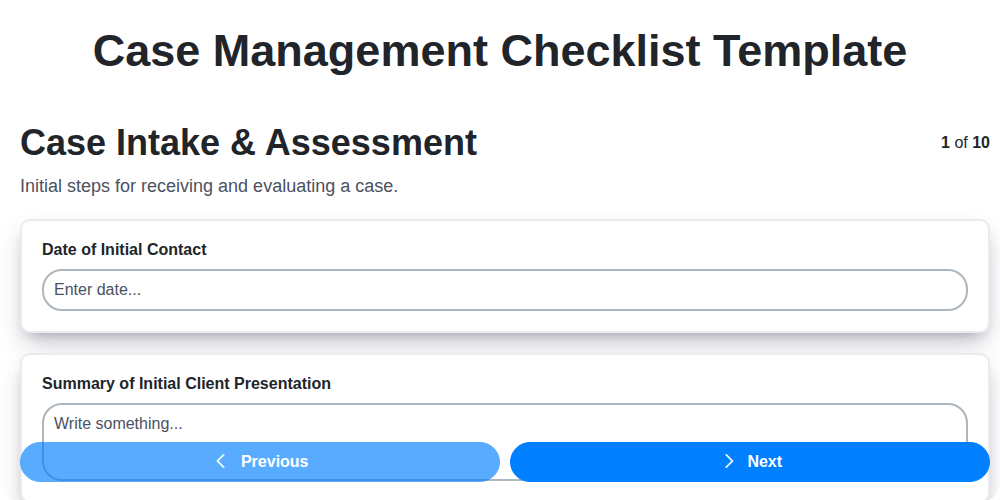
Streamline Your Case Management: The Ultimate Checklist Template
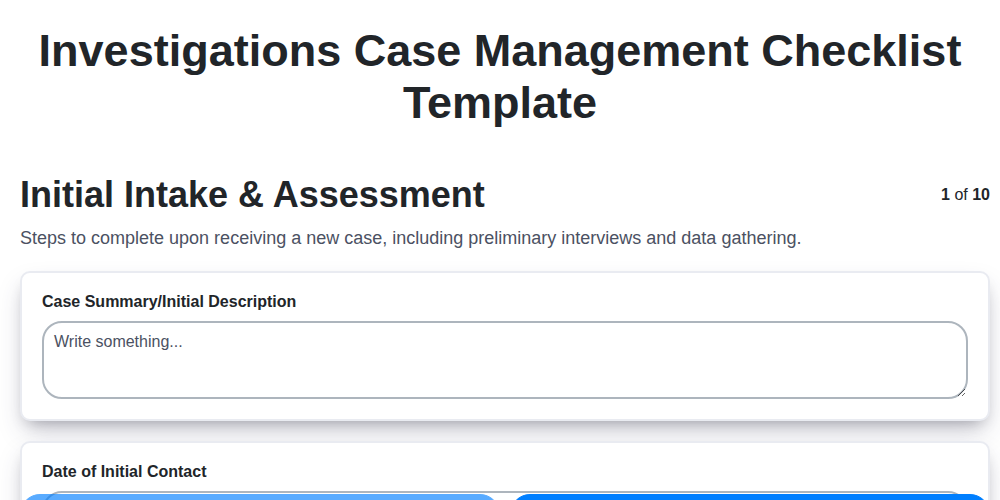
Mastering Investigations: Your Case Management Checklist Template Guide
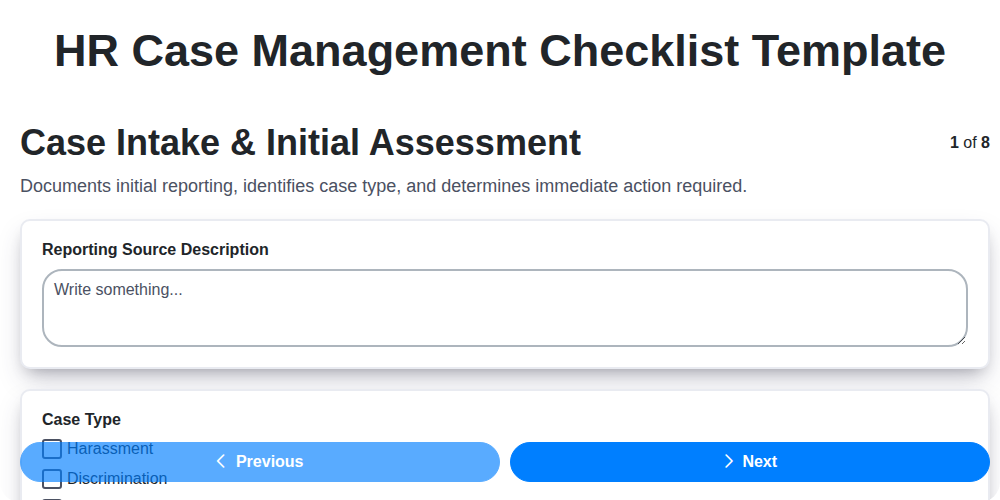
HR Case Management Checklist Template: Your Guide to Fair & Compliant Investigations
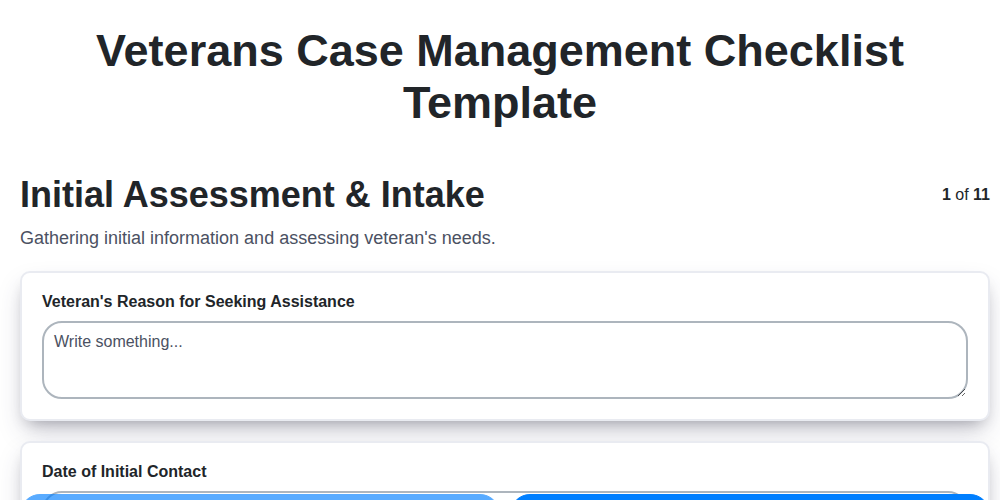
Streamlining Veteran Care: Your Comprehensive Case Management Checklist Template
Streamline Your Deals: The Ultimate Real Estate Case Management Checklist Template
We can do it Together
Need help with
Case Management?
Have a question? We're here to help. Please submit your inquiry, and we'll respond promptly.