Streamline Your Debt Collection: A Case Management Checklist Template
Published: 12/20/2025 10:00 PM Updated: 12/21/2025 7:04 AM
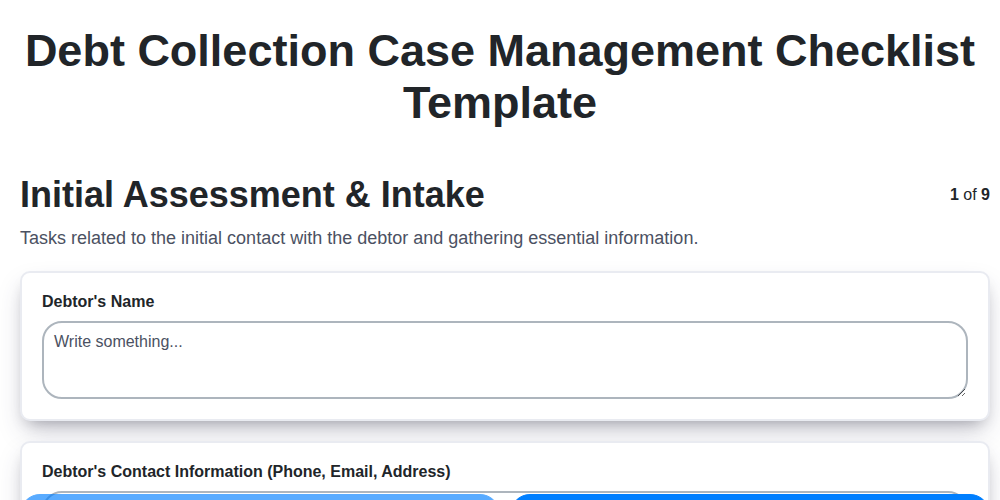
Table of Contents
- Introduction: Why a Debt Collection Case Management Checklist Matters
- 1. Initial Assessment & Intake: Qualifying the Case
- 2. Account Verification & Validation: Ensuring Accuracy
- 3. Communication & Negotiation: Building a Path to Resolution
- 4. Legal Review & Compliance: Staying on the Right Side of the Law
- 5. Payment Plan Management: Structuring Sustainable Repayments
- 6. Collection Actions & Escalation: When to Step Up Efforts
- 7. Documentation & Record Keeping: Your Foundation for Success
- 8. Account Resolution & Closure: Finalizing the Case
- 9. Reporting & Analysis: Measuring Performance and Identifying Trends
- 10. Checklist Template Overview: A Practical Guide
- Tools & Technologies to Enhance Your Checklist
- Common Pitfalls to Avoid in Debt Collection Case Management
- Conclusion: Optimizing Your Debt Collection Process
- Resources & Links
TLDR: Overwhelmed by debt collection cases? This checklist template - covering everything from initial assessment to account closure and reporting - will help you organize your workflow, stay compliant, maximize recovery rates, and reduce errors. It's your shortcut to a more efficient and successful debt collection process!
Introduction: Why a Debt Collection Case Management Checklist Matters
Debt collection is a complex and highly regulated process. A single misstep can lead to legal repercussions, damage your reputation, and ultimately hinder your ability to recover outstanding debts. That's where a robust debt collection case management checklist becomes invaluable. It's more than just a list; it's a roadmap to consistent, compliant, and effective debt recovery. Without a structured approach, cases can easily fall through the cracks, leading to missed opportunities, increased costs, and potential regulatory issues. This checklist ensures every case receives the attention it deserves, adheres to legal guidelines, and maximizes the chances of successful resolution, while also providing a clear audit trail for accountability and continuous improvement.
1. Initial Assessment & Intake: Qualifying the Case
The foundation of a successful debt collection case lies in a thorough initial assessment and intake process. This isn't just about accepting every account that comes your way; it's about strategically selecting cases with the highest probability of recovery while minimizing risk and wasted resources.
Here's what this phase entails:
- Account Source Verification: Confirm the legitimacy of the referral source. Are they a reputable client with a history of providing quality accounts?
- Client Agreement Review: Ensure the account falls within the scope of your agreement with the client. Pay attention to any limitations or exclusions.
- Basic Account Details: Gather crucial information like debtor name, address (or last known address), account number, original creditor, and outstanding balance.
- Statute of Limitations Check: This is critical. Immediately verify the statute of limitations for the debt in the debtor's jurisdiction. Recovering a debt past its legal limit is a compliance nightmare and a lost cause.
- Potential Litigation Risk Assessment: Identify any red flags suggesting potential litigation. This could include a history of disputes, bankruptcy filings, or legal action against the original creditor.
- Debtor Location Verification: Initial checks to confirm the debtor's current location are essential for proper service and jurisdiction.
- Initial Scoring (Optional): Implement a scoring system based on factors like debt age, debtor contact information, and potential for recovery to prioritize accounts.
By meticulously evaluating these aspects during intake, you can efficiently filter out unsuitable cases and focus your efforts on those with the greatest chance of a successful resolution.
2. Account Verification & Validation: Ensuring Accuracy
Before any collection efforts begin, rigorous account verification and validation are absolutely critical. This isn't just a best practice; it's a legal requirement in many jurisdictions and builds trust with debtors. A faulty validation can lead to legal challenges, reputational damage, and wasted resources.
This phase focuses on confirming the legitimacy of the debt. It involves:
- Confirming the Original Creditor: Verifying the original lender or service provider.
- Debt Amount Validation: Ensuring the stated amount owed is accurate, including principal, interest, fees, and applicable taxes. Reviewing original loan agreements, contracts, and invoices.
- Account Ownership: Confirming the individual is the rightful debtor for the account. This often requires matching information like name, address, date of birth, and Social Security Number (SSN - handled with strict security protocols, of course).
- Contractual Obligations: Reviewing the original contract or agreement to understand the terms and conditions of the debt.
- Statute of Limitations: Checking whether the statute of limitations has expired, which could prevent collection efforts.
- Debt Assignment Verification: If the debt has been sold or assigned, confirming the legitimacy of the transfer and the current debt owner's right to collect.
During this process, provide the debtor with a validation notice outlining these details and providing them with an opportunity to dispute the debt. Detailed record-keeping of all verification steps and responses is essential.
3. Communication & Negotiation: Building a Path to Resolution
Effective communication and skillful negotiation are cornerstones of successful debt collection case management. This isn't about aggressive tactics; it's about building rapport, understanding the debtor's situation, and collaboratively finding a viable path to resolution.
Prioritize Empathy and Understanding: Start by actively listening to the debtor's perspective. Why are they behind on payments? What challenges are they facing? Understanding their situation, even if it doesn't excuse the debt, allows for a more tailored and empathetic approach.
Clear and Concise Communication: Avoid jargon and confusing language. Clearly explain the outstanding amount, the original agreement, and the potential consequences of non-payment. Providing accurate and accessible information builds trust and demonstrates professionalism.
Explore Payment Options: Don't immediately push for the full amount. Proactively offer a range of payment options, including installment plans, settlements (lump-sum payments for less than the full amount), and hardship programs. Be prepared to explain the details and implications of each option.
Document Everything: Meticulously document every interaction - the date, time, method of communication (phone, email, letter), the individuals involved, and the substance of the conversation. This provides a clear audit trail and protects your agency in case of future disputes.
Maintain a Professional Tone: Regardless of the debtor's behavior, maintaining a professional and respectful tone is crucial. Escalation rarely leads to positive outcomes. Focus on finding a solution, not assigning blame.
Negotiation Strategies:
- Offer Gradual Concessions: Start with a slightly more favorable offer and gradually move towards the original terms.
- Highlight the Benefits of Resolution: Emphasize how resolving the debt positively impacts their credit score and avoids further legal action.
- Confirm Agreements in Writing: Always follow up verbal agreements with written confirmation to avoid misunderstandings.
Remember, a successful negotiation isn't always about getting the full amount. It's about resolving the debt responsibly and ethically, benefiting both parties.
4. Legal Review & Compliance: Staying on the Right Side of the Law
Debt collection is a heavily regulated industry. Failing to adhere to applicable laws can result in hefty fines, lawsuits, and reputational damage. This stage of your case management process is absolutely critical.
Key Considerations:
- Fair Debt Collection Practices Act (FDCPA): This is your cornerstone. Ensure all communications, from initial contact to payment negotiations, comply with FDCPA guidelines regarding disclosures, prohibited practices (harassment, false representations), and validation rights.
- Telephone Consumer Protection Act (TCPA): Scrutinize your calling and texting practices. Obtain consent where required and adhere to limitations on calling times and messaging frequency.
- State-Specific Laws: Many states have their own debt collection laws that can be stricter than the FDCPA. Research and understand the regulations in each state where you operate or where the debtor resides.
- Gramm-Leach-Bliley Act (GLBA): If applicable, ensure compliance regarding the protection of consumer financial information.
- Regular Legal Consultation: It's prudent to have legal counsel review your debt collection processes periodically. Laws change, and interpretations evolve. Proactive legal review can prevent costly mistakes.
- Training & Updates: Provide regular training to your team on relevant laws and regulations. Keep them informed of any changes or updates.
- Record of Compliance: Document all efforts made to ensure compliance, including training records, legal reviews, and communication audits.
5. Payment Plan Management: Structuring Sustainable Repayments
Successful debt collection isn't just about squeezing every last dollar; it's about establishing sustainable repayment plans that encourage long-term adherence and ultimately resolve the debt. A well-managed payment plan benefits both the collection agency and the debtor, fostering a sense of trust and responsibility.
This phase goes beyond simply agreeing on a payment amount. It requires careful consideration of the debtor's financial situation and a tailored approach. Here's what robust payment plan management entails:
- Thorough Financial Assessment: Don't just ask for a number. Understand the debtor's income sources, expenses, and existing obligations. This information is vital for creating a realistic and achievable plan.
- Realistic Payment Amounts: Overly aggressive payment amounts are destined to fail. The plan needs to be challenging but attainable. Consider incremental increases if appropriate.
- Payment Frequency & Schedule: Determine the best payment frequency - weekly, bi-weekly, or monthly - based on the debtor's preferences and income cycle. Clearly define due dates.
- Automated Reminders: Implement automated reminders via email or SMS to ensure on-time payments. Gentle reminders are far more effective than aggressive demands.
- Contingency Planning: Address potential roadblocks upfront. What happens if the debtor misses a payment? Have a plan for addressing temporary hardships.
- Regular Review & Adjustment: Financial circumstances change. Regularly review the payment plan (e.g., quarterly) and be prepared to adjust it if needed. Transparency and flexibility are key.
- Documentation: Meticulously document all discussions regarding the payment plan, any modifications, and the rationale behind them.
6. Collection Actions & Escalation: When to Step Up Efforts
While a friendly and understanding approach often yields the best results, there are times when escalated collection actions are necessary. This section outlines when and how to appropriately escalate efforts while remaining compliant and ethical.
Identifying Escalation Triggers:
- Consistent Non-Response: Despite multiple attempts at communication (phone, email, mail), the debtor remains unresponsive.
- Broken Promises: Repeatedly missed payment deadlines and unfulfilled commitments indicate a lack of intent to resolve the debt.
- Insufficient Progress: After a reasonable period of negotiation and payment plan attempts, minimal or no progress is made.
- Red Flags: Information suggests potential fraud, bankruptcy filing, or deliberate attempts to avoid payment.
Escalation Stages & Actions:
- Increased Communication Frequency: Shift to more frequent contact attempts, potentially including certified mail.
- Formal Demand Letters: Send a formal demand letter outlining the outstanding debt, consequences of non-payment, and a final opportunity to resolve the matter.
- Credit Reporting: (Ensure compliance with the Fair Credit Reporting Act) Initiate or continue credit reporting of the debt if applicable and legally permissible.
- Placement with a Collection Agency: If internal efforts fail, consider outsourcing to a licensed and reputable collection agency.
- Legal Action (Litigation): As a last resort, explore the possibility of filing a lawsuit to recover the debt. This requires thorough legal review and assessment of potential recovery versus costs.
Important Considerations:
- Legal Review: Always consult with legal counsel before initiating any escalated collection action, especially litigation.
- Compliance: Ensure all actions are compliant with the Fair Debt Collection Practices Act (FDCPA) and any applicable state laws.
- Documentation: Meticulously document all communication and actions taken, including reasons for escalation.
- Consumer Rights: Respect consumer rights and offer opportunities for dispute resolution.
- Cost-Benefit Analysis: Evaluate the potential recovery versus the cost of escalated actions. Litigation can be expensive and may not guarantee a successful outcome.
7. Documentation & Record Keeping: Your Foundation for Success
In debt collection case management, meticulous documentation isn't just a best practice - it's essential. It's your shield against legal challenges, provides a clear audit trail, and helps optimize your recovery processes. A robust documentation system isn't just about compliance; it's about building a defensible and efficient operation.
What to Document:
- Initial Intake Details: Record everything from the source of the account referral to the consumer's initial contact.
- Validation Responses: Document the validation process, including all communications sent and received, and the consumer's responses. Keep copies of validation notices and supporting documentation.
- Communication Logs: Every call, letter, email, and SMS message related to the account needs to be logged. Include date, time, method of communication, topics discussed, and any agreements made.
- Negotiation History: Detail all offers, counteroffers, and final agreements reached during negotiations.
- Legal Review Notes: Keep records of any legal consultations, advice received, and actions taken based on that advice.
- Payment Plan Details: Clearly document all payment plan terms, including amounts, due dates, and any modifications.
- Collection Action Dates & Correspondence: Track all legal actions taken (e.g., lawsuits, judgments) and related correspondence.
- Account Resolution Details: Document the final resolution, whether it's a full payment, settlement, or other outcome.
Best Practices for Effective Documentation:
- Centralized System: Utilize a digital case management system to store all documentation in one secure location.
- Standardized Templates: Create standardized templates for communications and forms to ensure consistency and completeness.
- Timestamps & User Identification: Automatically timestamp all entries and identify the user who created or modified the record.
- Secure Storage: Implement robust security measures to protect sensitive consumer data.
- Regular Backups: Perform regular backups to prevent data loss.
- Retention Policy: Establish a clear retention policy that complies with legal requirements and industry best practices.
Proper documentation isn't just about ticking boxes; it's about building a sustainable, legally sound, and ultimately successful debt collection operation.
8. Account Resolution & Closure: Finalizing the Case
This is the culmination of the debt collection process, and it's crucial to handle it meticulously to ensure a clean closure and minimize potential future issues. The steps here are about formally closing the case and ensuring all loose ends are tied.
Here's what needs to be completed:
- Confirm Full Payment: Verify that all outstanding amounts, including principal, interest, fees, and any agreed-upon settlement amounts, have been received and processed.
- Release of Lien/Security Interest (if applicable): If the debt was secured by a lien or security interest (e.g., a car loan), ensure the lien is formally released and documented according to legal requirements.
- Final Account Reconciliation: Perform a final reconciliation of the account to confirm accuracy. This includes verifying all payments, adjustments, and credits.
- Notification to Debtor: Provide written notification to the debtor confirming the account is closed and outlining any remaining obligations (if any). Maintain a copy of this notification.
- Internal System Updates: Update internal accounting systems to reflect the closed status and confirm no further action is required.
- File Archiving: Archive the physical and digital files according to the company's established retention policy. This ensures accessibility for future reference if needed but prevents the account from being inadvertently reopened.
- Compliance Review: Conduct a final compliance review to ensure all actions taken throughout the process adhered to relevant regulations (FDCPA, TCPA, etc.). Document this review.
Proper closure prevents re-engagement, protects your agency's reputation, and provides a solid foundation for future operations.
9. Reporting & Analysis: Measuring Performance and Identifying Trends
Debt collection case management isn't just about resolving individual accounts; it's about optimizing your entire process. This is where robust reporting and analysis become crucial. Regularly reviewing key metrics provides invaluable insights into your team's effectiveness and reveals opportunities for improvement.
Here's what you should be tracking:
- Collection Rate: The percentage of accounts successfully resolved. A declining rate signals potential issues needing investigation.
- Average Time to Resolution: How long it takes to resolve an account from intake to closure. Shorter times generally indicate efficiency.
- Negotiation Success Rate: The percentage of accounts where a payment arrangement or settlement is agreed upon.
- Legal Referral Rate: The percentage of accounts requiring legal involvement, highlighting potential compliance risks or accounts needing a different approach.
- Account Recovery by Collection Strategy: Comparing results based on different communication tactics (e.g., phone calls, letters, email) helps identify which methods are most effective for specific account types.
- Cost Per Collection: Tracks the resources spent per account resolved, enabling cost optimization efforts.
Beyond these core metrics, look for trends. Are certain demographics or account types proving more challenging? Are there seasonal fluctuations impacting collection rates? Analyzing these patterns allows for proactive adjustments to your strategies, ensuring continuous performance enhancement and maximizing recovery efforts. Regularly scheduled reports (weekly, monthly, quarterly) should be disseminated to relevant team members, fostering data-driven decision-making across the entire debt collection process.
10. Checklist Template Overview: A Practical Guide
This isn't just a list; it's a roadmap for efficient and compliant debt collection case management. Below is a breakdown of each section within the checklist template, outlining key actions and considerations. We strongly recommend customizing this template to align with your specific business practices, legal jurisdiction, and client requirements.
1. Initial Assessment & Intake: This covers the preliminary steps - verifying the client's authorization, reviewing account details, and assessing the collectability of the debt.
2. Account Verification & Validation: Rigorous validation is critical! This section guides you through confirming the debt's legitimacy, outstanding balance, and the debtor's identity. Errors here can lead to legal issues.
3. Communication & Negotiation: Focuses on appropriate communication channels, documenting all interactions, and attempting to negotiate payment arrangements. Emphasizes professionalism and compliance with communication regulations.
4. Legal Review & Compliance: A crucial step for ensuring adherence to all relevant debt collection laws (e.g., FDCPA, TCPA). Includes review of contracts, disclosures, and potential legal risks.
5. Payment Plan Management: Details the process for setting up, tracking, and enforcing payment plans. Addresses potential defaults and necessary follow-up actions.
6. Collection Actions & Escalation: Outlines the progression of collection efforts, from initial contact to escalated measures (e.g., credit reporting, legal action). Ensures appropriate authorization and documentation at each stage.
7. Documentation & Record Keeping: Emphasizes the importance of maintaining comprehensive and organized records of all communication, actions taken, and account history.
8. Account Resolution & Closure: Covers the steps involved in finalizing the account - whether through full payment, settlement, or other resolution - and properly closing the case.
9. Reporting & Analysis: Guides you through generating reports on key performance indicators (KPIs) and analyzing trends to improve collection efficiency and identify areas for optimization.
Using the Template: Each step within the template contains specific tasks and best practices. Consider assigning responsibility for each task, setting deadlines, and regularly reviewing the checklist's effectiveness. Remember to tailor this template to your unique operational needs and legal environment.
Tools & Technologies to Enhance Your Checklist
Managing debt collection cases effectively requires more than just a solid checklist - it demands leveraging the right tools. Thankfully, technology offers significant improvements over manual processes, boosting efficiency, accuracy, and compliance. Here's a look at some tools and technologies that can significantly enhance your debt collection case management checklist:
- Case Management Software (CMS): This is the cornerstone. A robust CMS centralizes all aspects of the checklist, automating tasks, tracking progress, and ensuring consistent workflows. Look for features like automated task assignment, customizable dashboards, and integration with other systems.
- Customer Relationship Management (CRM) Systems: Integrating a CRM allows you to build a detailed view of debtors, improving communication strategies and tailoring negotiation approaches.
- Automated Communication Platforms: Automated dialing, SMS messaging, and email systems can streamline communication efforts, allowing for high-volume outreach and personalized messaging. Ensure compliance with TCPA and other regulations.
- Debt Validation Software: Automated validation tools can expedite the account verification process, reducing errors and potential legal issues.
- Optical Character Recognition (OCR): OCR technology can digitize paper documents, simplifying the documentation and record-keeping portions of your checklist.
- Data Analytics & Reporting Tools: These tools can analyze your collection data, identify trends, and optimize your strategies. Look for reporting features that tie directly back to your checklist's completion status.
- Secure Document Management Systems: Essential for maintaining compliance and protecting sensitive debtor information, these systems ensure documents are securely stored and easily accessible.
- AI-Powered Chatbots: Used for initial contact and answering basic queries, freeing up human collectors to focus on more complex cases.
Common Pitfalls to Avoid in Debt Collection Case Management
Navigating debt collection case management can be complex, and overlooking crucial steps can lead to legal issues, reputational damage, and ultimately, lower recovery rates. Here are some common pitfalls to be aware of:
- Insufficient Initial Assessment: Rushing into collection efforts without a thorough initial assessment - verifying the debt's legitimacy, understanding the debtor's financial situation, and identifying any potential legal obstacles - is a recipe for wasted time and potential legal challenges.
- Neglecting Account Validation: Failing to properly validate the debt - confirming the original creditor, loan details, and debtor's responsibility - leaves you vulnerable to disputes and potential lawsuits.
- Ignoring Communication Regulations: Not adhering to the Fair Debt Collection Practices Act (FDCPA) and other communication guidelines can lead to fines and legal action. This includes improper timing, content, and methods of communication.
- Lack of Legal Review: Failing to consult with legal counsel regarding complex cases, potential legal risks, or new legislation can have serious consequences.
- Inconsistent Payment Plan Enforcement: Not consistently enforcing payment plans, or failing to document modifications, can undermine their effectiveness and lead to debtor frustration.
- Overly Aggressive Collection Tactics: Employing overly aggressive or harassing collection methods, even if legal, can damage your reputation and increase the likelihood of disputes and legal action.
- Poor Documentation: Insufficient or inaccurate documentation of all interactions, decisions, and actions taken on a case is a significant risk. It's crucial for compliance and defending against potential claims.
- Failure to Analyze Results: Not regularly analyzing collection performance metrics hinders your ability to identify areas for improvement and optimize strategies.
Conclusion: Optimizing Your Debt Collection Process
Implementing a robust debt collection case management checklist, like the one detailed above, isn't just about ticking boxes - it's about transforming your entire debt collection operation. By systematically working through each stage, from initial assessment to account closure, you're laying the foundation for increased recovery rates, reduced legal risk, and improved customer relations (even in difficult circumstances).
The checklist provides a framework for consistency and accountability, ensuring that every account receives appropriate attention and that your team adheres to best practices and legal requirements. Don't view it as a rigid set of rules, but as a living document that can be adapted and refined based on your specific needs and evolving industry standards. Regularly review and update your checklist to stay ahead of the curve and maximize the efficiency and effectiveness of your debt collection efforts. Ultimately, a well-managed debt collection process is a profitable and responsible one.
Resources & Links
- Federal Trade Commission (FTC): The FTC provides resources and regulations related to debt collection practices, consumer protection, and fair debt collection acts. Essential for compliance.
- Consumer Financial Protection Bureau (CFPB): The CFPB offers information and guidance on consumer financial protection, including debt collection regulations and consumer rights.
- U.S. Department of Justice (DOJ): The DOJ's website provides information on debt collection enforcement actions and legal precedents.
- National Association of Collectors (NAC): The NAC is a professional association for collection professionals, offering resources, training, and ethical guidelines.
- American Collectors Association (ACA International): ACA International is another leading association providing resources, advocacy, and education for collection professionals, focusing on ethical and compliant practices.
- LexisNexis: LexisNexis provides legal research and resources, including case law and statutes related to debt collection. (Subscription required for full access)
- Westlaw: Similar to LexisNexis, Westlaw provides legal research tools and resources for accessing relevant legislation and case law. (Subscription required for full access).
- CollectPlus: CollectPlus is a vendor that offer Debt collection services with specific software that could be integrated with a case management system for debt collection.
- BillerBee: BillerBee provides software and tools focused on automating billing and payment collection processes, which can be used as a tool supporting case management.
- Salesforce: Salesforce provides a customizable CRM platform that can be adapted for debt collection case management, integrating various stages of the process.
Frequently Asked Questions
What is a debt collection case management checklist template and why do I need one?
A debt collection case management checklist template is a structured guide outlining the steps required to effectively manage and pursue debt collection cases. It helps ensure consistent processes, minimizes errors, improves efficiency, and increases the likelihood of successful recovery. Without one, cases can fall through the cracks, leading to missed deadlines, lost opportunities, and potential legal issues.
Who is this checklist template for?
This template is designed for debt collection agencies, law firms specializing in debt recovery, in-house collection departments, and anyone involved in the process of collecting outstanding debts. It's adaptable to various debt types and collection strategies.
What kinds of steps are included in the checklist?
The checklist covers a range of actions including initial assessment and validation of the debt, communication strategies (letters, calls, emails), legal filing processes (if necessary), dispute resolution, settlement negotiation, and account closure. It also includes reminders for important deadlines and documentation.
Is the checklist customizable? Can I add or remove steps?
Yes, absolutely. The checklist is designed to be a starting point. You should customize it to align with your specific business processes, legal requirements, and the nature of the debts you're collecting. Feel free to add, remove, or modify steps as needed.
What information should I gather before using the checklist?
Before using the checklist, gather key information about the debt, including the debtor's contact information, contract details, payment history, and any documentation supporting the debt's validity. Having this information readily available will streamline the collection process.
What types of debts is this checklist suitable for?
The checklist is adaptable and can be used for various types of debts, such as consumer loans, credit card debt, medical bills, and business debts. However, certain debt types (like those with specific regulatory requirements) may require additional considerations and modifications to the checklist.
How does this checklist help with compliance?
The checklist includes reminders for important compliance steps, such as validating the debt, providing required disclosures, and adhering to fair debt collection practices. By following the checklist, you can help ensure your collection efforts are compliant with applicable laws and regulations.
Found this Article helpful?
Comments
There are no comments yet. Be the first to add one!
Case Management Solution Demo
Streamline your casework & improve outcomes! ChecklistGuro centralizes case details, tasks, & communication. Enhance efficiency, ensure compliance, & deliver exceptional service. Manage it all with our Work OS.
Related Articles
Streamline Your Bankruptcy Cases: The Ultimate Case Management Checklist Template
Mastering IP: Your Intellectual Property Case Management Checklist Template
Cybersecurity Incident Response: Your Checklist Template for Success
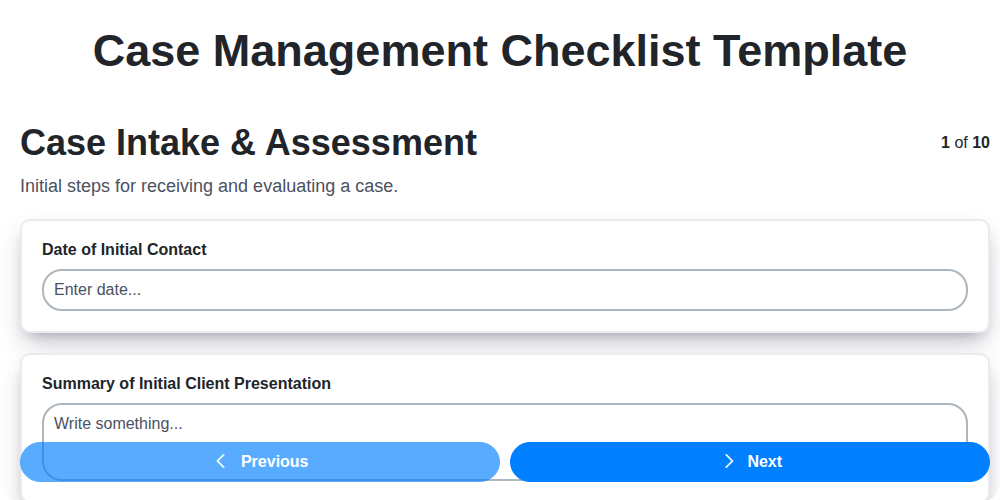
Streamline Your Case Management: The Ultimate Checklist Template
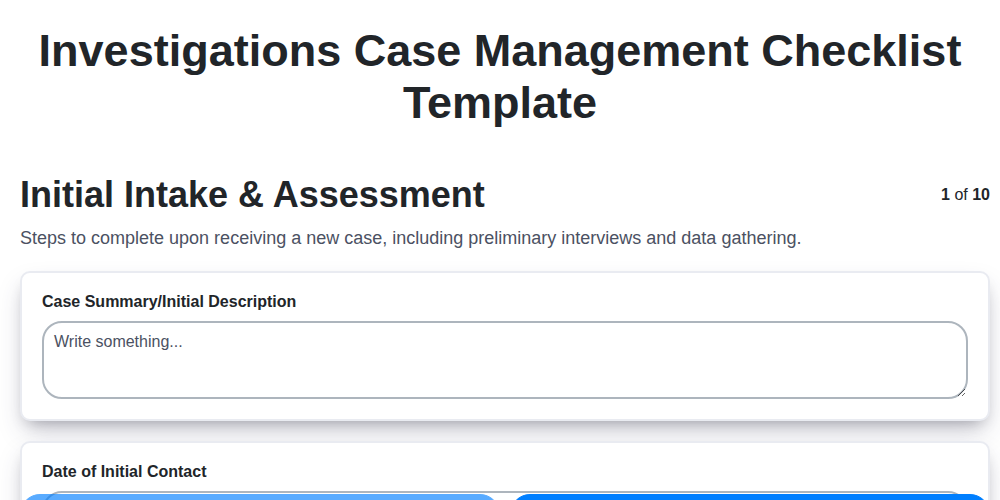
Mastering Investigations: Your Case Management Checklist Template Guide
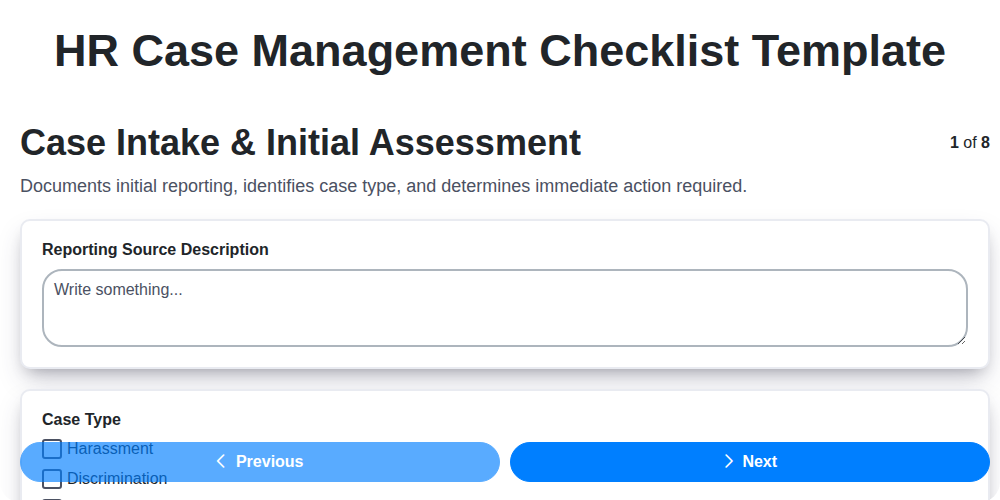
HR Case Management Checklist Template: Your Guide to Fair & Compliant Investigations
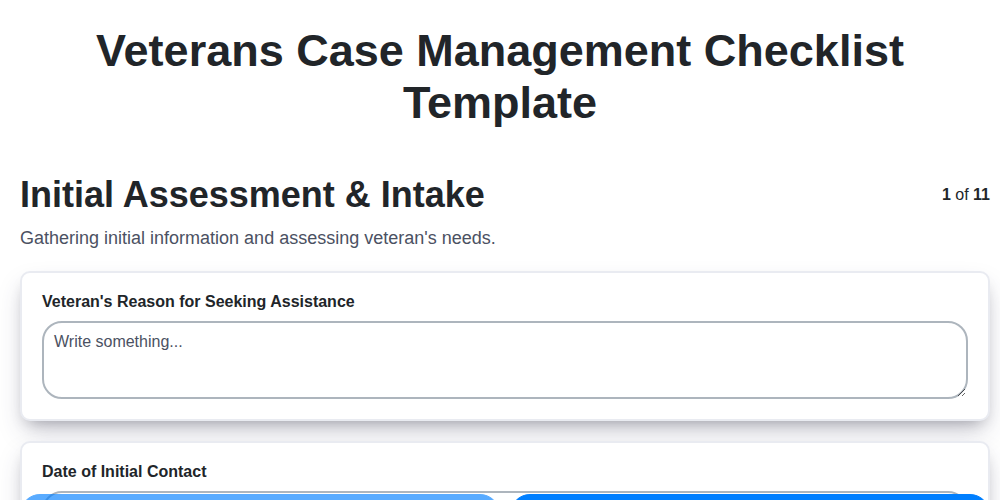
Streamlining Veteran Care: Your Comprehensive Case Management Checklist Template
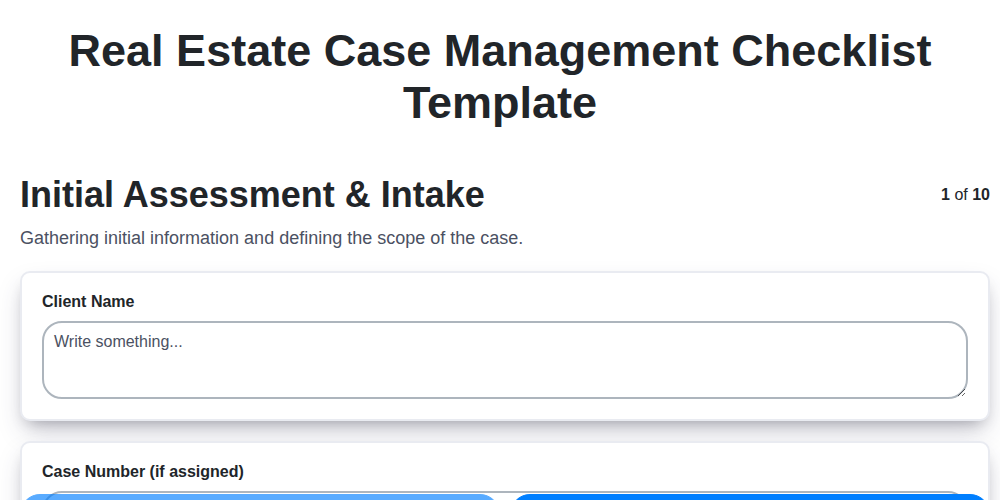
Streamline Your Deals: The Ultimate Real Estate Case Management Checklist Template
We can do it Together
Need help with
Case Management?
Have a question? We're here to help. Please submit your inquiry, and we'll respond promptly.