Streamline Your Deals: The Ultimate Real Estate Case Management Checklist Template
Published: 12/20/2025 10:00 PM Updated: 12/21/2025 7:25 AM
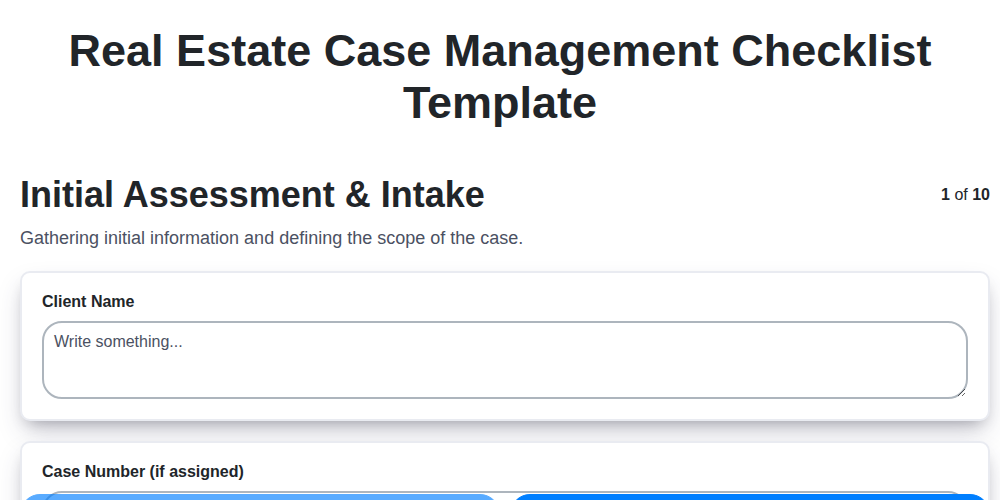
Table of Contents
- Introduction: Why a Real Estate Case Management Checklist is Essential
- 1. Initial Assessment & Intake: Setting the Foundation
- 2. Due Diligence & Title Review: Uncovering Potential Issues
- 3. Contract Negotiation & Execution: Securing the Agreement
- 4. Financing & Escrow: Navigating the Financials
- 5. Property Inspections & Reports: Assessing Condition & Risks
- 6. Legal & Regulatory Compliance: Staying Above Board
- 7. Closing & Transfer of Ownership: Finalizing the Deal
- 8. Post-Closing Activities: Wrapping Up Loose Ends
- 9. Document Management & Archiving: Keeping Records Organized
- 10. Communication & Stakeholder Management: Maintaining Transparency
- 11. Utilizing Technology for Checklist Efficiency
- 12. Customizing Your Checklist for Specific Deal Types
- Conclusion: Mastering Real Estate Case Management
- Resources & Links
TLDR: Overwhelmed by real estate deals? This checklist template is your new best friend! It breaks down every stage - from initial intake to post-closing - ensuring you don't miss critical steps and keeping your deals organized and on track. Think of it as your comprehensive guide to real estate case management, boosting efficiency and reducing errors.
Introduction: Why a Real Estate Case Management Checklist is Essential
Real estate transactions are complex, involving numerous moving parts and potential pitfalls. For case managers, juggling deadlines, coordinating stakeholders, and ensuring compliance can feel overwhelming. That's where a robust real estate case management checklist becomes indispensable. It's more than just a list; it's a roadmap that guides you through each stage of the process, minimizing errors, maximizing efficiency, and ensuring consistent service delivery. Without a structured approach, critical details can slip through the cracks, leading to delays, legal issues, and ultimately, dissatisfied clients. This checklist provides a framework for consistent, professional handling of every real estate case, regardless of its size or complexity, giving you the confidence and control you need to succeed.
1. Initial Assessment & Intake: Setting the Foundation
The first impression is crucial in real estate case management. This stage isn't just about gathering information; it's about establishing trust and ensuring a clear understanding of the client's needs and goals. A thorough initial assessment and intake form the bedrock for a smooth and successful case.
Here's what this phase should encompass:
- Client Questionnaire: A detailed questionnaire covering the client's background, property details (address, type, current status), desired outcomes (buying, selling, investing, etc.), timeline expectations, and any potential challenges.
- Preliminary Consultation: A direct conversation (phone, video, or in-person) to clarify questionnaire responses, explain the process, and discuss fees and scope of services. This is a chance to assess the client's knowledge and identify any immediate concerns.
- Conflict of Interest Check: A mandatory step to ensure there are no existing relationships or commitments that could compromise representation.
- Engagement Agreement: A formal document outlining the terms of the agreement, including scope of services, fees, responsibilities, and termination clauses. Clear and transparent expectations are key to avoiding disputes later.
- Data Collection & Organization: Securely collect and organize all initial documentation provided by the client, including but not limited to property information, financial details, and any relevant correspondence.
A robust Initial Assessment & Intake process sets the stage for efficiency and minimizes potential errors down the line. It's the crucial first step toward a successful real estate case.
2. Due Diligence & Title Review: Uncovering Potential Issues
This phase is your opportunity to really dig deep and ensure you're making a sound investment. Don't skip it! Due diligence and title review are crucial for identifying potential red flags that could impact the property's value or lead to costly surprises down the line.
Here's what needs to be covered:
- Title Search: A comprehensive search of public records is paramount. This verifies the legal ownership and reveals any liens, encumbrances, easements, or judgments against the property. Don't just rely on a basic search - a thorough investigation by a professional title company is highly recommended.
- Survey Review: Examining the property survey will confirm boundaries, identify encroachments (structures extending onto neighboring properties), and reveal any discrepancies between the recorded legal description and the actual physical layout.
- Zoning & Land Use Verification: Confirming the property's zoning classification and permissible uses is vital. This ensures your intended use of the property is allowed and avoids potential legal battles or restrictions.
- Environmental Assessments: Depending on the property's history and location, a Phase I Environmental Site Assessment (ESA) might be necessary to identify potential contamination issues.
- Property Tax Records: Review property tax history and current assessments to understand the ongoing financial obligations.
- Outstanding Permits: Check for any unpermitted work or outstanding permits, which can lead to fines and remediation costs.
- HOA Documents (if applicable): If the property is part of a Homeowners Association, carefully review the covenants, conditions, and restrictions (CC&Rs), as well as financial statements.
This thorough review, often conducted with the help of legal and title professionals, can save you significant headaches and financial losses later on.
3. Contract Negotiation & Execution: Securing the Agreement
This stage is where the rubber meets the road - turning initial interest into a legally binding agreement. A robust checklist here is absolutely crucial to protect your client's interests and avoid costly disputes down the line.
Here's what your checklist should encompass:
- Review the Initial Offer: Carefully analyze the initial offer, noting any contingencies, proposed terms, and potential red flags. Discuss these with your client to ensure they understand the implications.
- Counteroffer Strategies: Develop negotiation strategies based on market conditions, property value, and your client's goals. Document all proposed changes clearly.
- Contingency Review & Modification: Carefully examine all contingencies (financing, inspection, appraisal, etc.). Are they sufficient to protect your client? Discuss and negotiate specific timelines and resolution processes for each.
- Earnest Money Deposit Details: Verify the amount, source, and handling of the earnest money deposit. Ensure it's held in a compliant escrow account.
- Legal Review of Contract: Mandatory! Have a real estate attorney review the contract before execution, especially in complex transactions or with unusual clauses.
- Client Approval: Obtain clear, written approval from your client on every change made to the original offer. No surprises later!
- Proper Execution & Notarization: Ensure all parties sign the contract correctly and that it is properly notarized where required.
- Contract Delivery: Confirm delivery of fully executed copies to all parties - buyer, seller, title company, and relevant agents.
- Record Keeping: Create a detailed record of all negotiation correspondence and the final, executed contract.
A missed detail here can lead to significant legal and financial headaches. Thoroughness and clear communication are your best allies.
4. Financing & Escrow: Navigating the Financials
This phase is often the most stressful and complex for all parties involved. A solid financing and escrow checklist is crucial for a smooth and transparent process. Here's what it should cover:
- Loan Application & Approval: Track the submission of loan applications, follow up on status updates from lenders, and verify the loan commitment letter. Ensure all borrower documentation is complete and accurate.
- Loan Estimate Review: Thoroughly review the Loan Estimate with the client, explaining all costs, interest rates, and fees associated with the loan. Address any questions or concerns.
- Escrow Account Setup: Verify the escrow account is set up correctly and funds are properly allocated. Confirm that all required deposits are made and tracked.
- Title Insurance & Commitment: Review the title insurance commitment and address any exceptions or issues that may impact the transaction.
- Appraisal Coordination: Schedule and track the property appraisal, ensuring the appraiser has access and the report is received in a timely manner.
- Funding & Disbursement: Confirm the loan funds are received and disbursed according to the closing instructions. Track any adjustments to the loan amount.
- Wire Transfers & Security: Implement strict security protocols for all wire transfers to prevent fraud. Verify wire instructions with the client through multiple channels.
- Final Loan Documents: Review the final loan documents before signing, ensuring accuracy and consistency with the initial Loan Estimate.
A detailed checklist ensures every financial aspect is handled correctly and transparently, providing peace of mind for all parties involved.
5. Property Inspections & Reports: Assessing Condition & Risks
This stage is crucial for uncovering potential issues and protecting your client's investment. Don't skip it! A thorough property inspection goes beyond a simple walkthrough; it's a deep dive into the property's condition.
Here's what this checklist item encompasses:
- Schedule & Coordinate Inspections: Secure qualified inspectors (home, pest, environmental - as needed). Coordinate schedules for all parties involved.
- Review Inspection Reports: Meticulously analyze the reports. Identify any red flags, deferred maintenance, or significant repairs needed.
- Negotiate Repairs/Credits: Based on inspection findings, negotiate with the seller to address issues. This could involve requesting repairs, receiving credits at closing, or adjusting the purchase price.
- Specialized Reports (if applicable): Depending on the property and its location, you might need specialized reports like:
- Environmental Assessments: (e.g., Phase I Environmental Site Assessment for potential contamination)
- Structural Engineering Reports: (if concerns arise from the general inspection)
- Roof Inspections: (for properties with older or concerning roofing systems)
- Pool/Spa Inspections: (if applicable)
- Client Communication: Clearly explain the inspection findings to your client, outlining potential risks and implications. Ensure they understand their options and the potential impact on the overall transaction.
- Documentation: Maintain detailed records of all inspection reports, correspondence, and negotiation outcomes.
6. Legal & Regulatory Compliance: Staying Above Board
Real estate transactions are inherently complex, laden with legal and regulatory requirements that can easily trip up even the most experienced professionals. Failing to adhere to these rules isn't just a matter of fines; it can expose you to significant legal liabilities and damage your reputation. This section of your case management checklist focuses on ensuring every step is legally sound.
Here's what you need to consider:
- Federal & State Laws: Remain current on the Fair Housing Act, RESPA (Real Estate Settlement Procedures Act), TILA (Truth in Lending Act), and state-specific real estate laws. Regulations change frequently, so subscribe to industry updates and legal alerts.
- Disclosures: Meticulously track and document all required disclosures to buyers and sellers. This includes property condition disclosures, lead-based paint disclosures (for properties built before 1978), and any known defects. Verify compliance with local ordinances.
- Environmental Regulations: Conduct thorough due diligence related to environmental issues. This might involve Phase I environmental site assessments (ESAs) or assessments for wetlands, endangered species, or asbestos.
- Zoning & Land Use: Confirm the property's zoning allows for its intended use and ensure compliance with local land use regulations.
- Title Issues: Review title reports carefully and address any liens, easements, or other encumbrances that could impact ownership. Coordinate with title companies to resolve any issues.
- Accessibility Compliance: For new construction or renovations, verify compliance with the Americans with Disabilities Act (ADA) and other accessibility standards.
- Record Keeping: Maintain meticulous records of all legal documents, correspondence, and compliance checks. This is vital for audits and potential legal disputes.
- Legal Counsel: Don't hesitate to consult with legal counsel for complex or unclear situations. Their expertise can prevent costly mistakes.
Checklist Items:
- Confirm compliance with Fair Housing Act.
- Verify RESPA and TILA compliance.
- Document all required disclosures.
- Review and address title report issues.
- Consult with legal counsel as needed.
- Maintain accurate records of all legal documents.
7. Closing & Transfer of Ownership: Finalizing the Deal
This is the moment you've all been working towards! The closing process is the culmination of months of effort, requiring meticulous attention to detail to ensure a smooth and legally sound transfer of ownership. Here's what's involved:
- Review Closing Disclosure: Carefully examine the Closing Disclosure (CD) provided at least three business days prior to closing. Verify all figures (loan amount, interest rate, closing costs, etc.) match the Loan Estimate and previously agreed upon terms. Address any discrepancies immediately.
- Funds Transfer: Ensure all necessary funds are available and wired to the escrow company according to instructions. This includes the down payment, closing costs, and any other required amounts.
- Sign Closing Documents: Attend the closing meeting (in-person or remote) and sign all required documents. This typically includes the deed, promissory note, mortgage or deed of trust, and various affidavits and certifications. Understand what you're signing - don't hesitate to ask questions!
- Record the Deed: The escrow company will record the deed with the local county recorder's office, officially transferring ownership to the buyer.
- Key Exchange: The keys to the property are officially handed over to the buyer.
- Final Walk-Through: While typically done earlier, a final walk-through just prior to closing provides one last opportunity to ensure the property is in the agreed-upon condition.
- Confirmation & Follow-Up: After closing, confirm with the escrow company that all documents have been properly recorded and all funds have been distributed. Address any outstanding questions or concerns promptly.
8. Post-Closing Activities: Wrapping Up Loose Ends
The closing table might be cleared, but your work isn't quite done. Post-closing activities are crucial for ensuring a smooth and legally sound completion of the real estate case. Neglecting these steps can lead to future complications and liability. Here's what needs to be addressed:
- Finalize Disbursement of Funds: Verify all funds have been distributed according to the closing statement and resolve any discrepancies immediately. Keep meticulous records of all transactions.
- Record Deeds and Other Documents: Ensure all necessary documents, including the deed, mortgage, and any lien releases, are officially recorded with the appropriate county recorder's office. Confirm recording fees are paid and obtain confirmation of recording.
- Finalize Property Tax & Insurance Transfers: Confirm property tax responsibility has been properly transferred to the new owner, and that they have secured appropriate insurance coverage.
- Client Follow-Up: Check in with your client to ensure they are satisfied with the process and address any lingering questions or concerns. This builds trust and fosters referrals.
- File Review & Storage: Conduct a final review of the entire case file to ensure nothing has been missed. Securely store all physical and digital documents according to your firm's retention policy.
- Commission Reconciliation: Verify and reconcile commissions with any brokers or agents involved in the transaction.
- Address Outstanding Issues: Be prepared to address any unforeseen issues that might arise post-closing, such as title defects or contractual obligations.
- Update Systems: Update your CRM or case management system to reflect the case as closed and archive relevant details.
9. Document Management & Archiving: Keeping Records Organized
Real estate case management generates a lot of documents. From initial disclosures to closing statements and beyond, a disorganized paper trail (or digital clutter) can quickly become a nightmare. Robust document management and archiving are absolutely critical for efficiency, compliance, and risk mitigation.
Here's what a solid document management system for real estate case management should include:
- Centralized Repository: Implement a secure, cloud-based or on-premise platform where all documents related to a case are stored in one place. This eliminates scattered files and ensures easy access for authorized personnel.
- Standardized Naming Conventions: Develop a clear and consistent naming system for all files. This allows for quick and accurate searching and prevents confusion. (Example: CaseID_DocumentType_Date.pdf)
- Version Control: Track changes to documents and maintain a history of revisions. This is particularly important for legally binding agreements.
- Secure Access Controls: Limit access to sensitive documents based on user roles and permissions.
- Retention Schedule: Establish a schedule for how long documents must be retained, adhering to legal and regulatory requirements. Know your state's statute of limitations and any industry-specific retention policies.
- Digitization of Physical Documents: Scan and upload any physical documents to the digital repository, ensuring they are searchable and accessible.
- Backup & Disaster Recovery: Implement regular backups of your document repository to protect against data loss.
- Metadata Tagging: Add metadata (tags) to documents to improve searchability. Examples include property address, client name, document type, and key dates.
A well-managed document system saves time, reduces errors, and provides a clear audit trail - all vital for a successful real estate case management practice.
10. Communication & Stakeholder Management: Maintaining Transparency
Real estate case management isn't just about ticking boxes; it's about building trust and ensuring everyone involved feels informed and supported. Effective communication is paramount to a smooth and successful transaction. This checklist emphasizes proactive and consistent communication with all stakeholders - clients, lenders, title companies, inspectors, attorneys, and other parties.
Here's what this section covers:
- Regular Updates: Implement a system for providing regular updates to your client, even when there's nothing new to report. This demonstrates your engagement and prevents anxieties.
- Clearly Defined Roles: Ensure all parties understand their responsibilities and who to contact for specific questions. A brief introductory email outlining roles at the outset can be incredibly helpful.
- Prompt Response Times: Establish response time expectations and strive to exceed them. Quick responses to inquiries build confidence and demonstrate your commitment.
- Centralized Communication Hub: Consider using a shared platform (project management software, secure portal) where relevant documents and communication can be accessed by authorized stakeholders.
- Address Concerns Proactively: Don't wait for issues to escalate. Encourage open communication and address concerns immediately and transparently.
- Meeting Minutes/Summary: For key meetings (e.g., contract negotiation, final walkthrough), provide a brief summary outlining key decisions and action items.
- Escalation Protocol: Define a clear escalation process for resolving disagreements or complications, ensuring clients know who to contact when issues arise.
Prioritizing communication fosters strong relationships, minimizes misunderstandings, and ultimately contributes to a more positive client experience.
11. Utilizing Technology for Checklist Efficiency
Let's face it, managing real estate cases is complex, and relying solely on paper checklists or spreadsheets can quickly become overwhelming. Technology offers a powerful solution to streamline your workflow and significantly boost efficiency. Dedicated real estate case management software is the gold standard, offering features like automated checklist triggers, task assignments, progress tracking, and integrated document storage.
However, even if a full-fledged system isn't in the budget, there are accessible alternatives. Consider using project management tools like Asana, Trello, or Monday.com to create digital checklists, assign responsibilities, and set deadlines. Cloud-based document storage solutions like Google Drive or Dropbox, integrated with your checklist tool, ensure everyone has access to the latest versions of crucial files.
Automating notifications for task completion or upcoming deadlines is another huge time-saver. Many platforms allow for customizable alerts via email or SMS, keeping everyone informed without constant manual check-ins. Embrace digital signatures to expedite document approvals and move the process forward faster. The initial investment in learning a new platform is well worth the long-term gains in productivity and reduced risk of errors.
12. Customizing Your Checklist for Specific Deal Types
Not all real estate deals are created equal. A residential flip requires a different level of scrutiny compared to a commercial lease or a complex land acquisition. That's why a generic checklist, while a great starting point, needs customization.
Consider these scenarios:
- Commercial Properties: These often involve more complex lease agreements, environmental assessments, and zoning regulations. Add sections for tenant improvement allowances, CAM charges review, and environmental due diligence.
- Land Acquisitions: Focus on zoning approvals, surveys, geotechnical reports, and potential development restrictions.
- Foreclosures/REOs: Include steps to verify property condition, potential lien priorities, and eviction processes (if applicable).
- Investment Properties (Multi-family, etc.): Incorporate rent roll analysis, expense reviews, and tenant lease details.
- Short Sales: Add steps for lender approval, BPO review, and potential negotiation complexities.
Don't be afraid to add, remove, or modify steps based on the specific nuances of each deal. The goal is to tailor the checklist to accurately reflect the required actions and ensure a smooth, legally sound transaction. Regularly review and update your checklist as regulations and industry best practices evolve.
Conclusion: Mastering Real Estate Case Management
Ultimately, effective real estate case management isn't about doing more, it's about doing things right and consistently. Utilizing a comprehensive checklist, like the one detailed above, transforms chaos into clarity. It minimizes errors, ensures compliance, and ultimately, contributes to smoother transactions and happier clients. Embrace the power of this template - customize it to your specific needs and processes - and watch your real estate practice thrive. Remember, proactive management and meticulous attention to detail are the cornerstones of success in this industry.
Resources & Links
- National Association of REALTORS® (NAR): The leading trade association for real estate professionals, offering resources, education, and advocacy. Useful for understanding industry standards and legal considerations.
- Commercial Real Estate Institute (CREI): Provides resources and education specifically for commercial real estate professionals, important for dealing with complex deals and due diligence.
- American Title Insurance Association (ATIA): Provides information and resources regarding title insurance and related issues, critical for the Due Diligence & Title Review section.
- U.S. Department of Housing and Urban Development (HUD): Offers information on housing programs, fair housing laws, and regulations, relevant for Legal & Regulatory Compliance.
- Escrow.com: A popular online escrow service; helpful for understanding escrow processes as discussed in the Financing & Escrow section. Demonstrates a practical application of escrow services.
- American Society of Appraisers (ASA): Provides resources and certification for appraisers. Useful for understanding property valuations as a part of Due Diligence.
- Internal Revenue Service (IRS): Essential for understanding tax implications related to real estate transactions, particularly in Post-Closing Activities.
- Law.com: A legal news and resources website, offering insights into real estate law and regulations. Relevant for Legal & Regulatory Compliance and Contract Negotiation.
- Procore: A construction management software platform; while focused on construction, its document management and collaboration features are relevant to understanding efficient digital workflows in real estate case management.
- DocuSign: A leading provider of electronic signature software; crucial for streamlining contract negotiation and execution as highlighted in the Contract Negotiation & Execution section.
- Smartsheet: A work management platform that provides spreadsheet-like functionality with advanced features, excellent for creating and managing checklists. Can be used to build the template discussed.
- Asana: Project management software; useful for visualizing and tracking tasks within a real estate case, aligning with the Communication & Stakeholder Management section and overall workflow optimization.
Frequently Asked Questions
What is real estate case management?
Real estate case management involves organizing and tracking all aspects of a real estate transaction, from initial client inquiry to closing. It's about keeping everything on track - documents, deadlines, communication - to ensure a smooth and efficient process for everyone involved.
Why do I need a case management checklist template?
A checklist template helps you standardize your processes, reduce errors, and ensure you don't miss crucial steps in a real estate deal. It saves time, improves organization, and ultimately leads to more successful and profitable transactions. It also helps ensure compliance with legal requirements.
Who is this checklist template designed for?
This checklist is designed for real estate agents, brokers, transaction coordinators, and anyone involved in managing real estate deals. It's adaptable for various deal types, including residential, commercial, and investment properties.
What are the key sections covered in the checklist template?
The template typically includes sections for Initial Client Intake, Property Evaluation, Offer Negotiation, Contract Execution, Title & Escrow, Financing, Inspection & Appraisal, Closing Preparation, and Post-Closing tasks. Specific subsections within each section cover the individual actions needed.
Is the checklist template customizable?
Yes! The template is designed to be highly customizable. You can add, remove, or modify tasks to fit your specific workflow and deal types. The included notes sections also allow for unique deal details.
How can I best implement this checklist into my business?
Start by familiarizing yourself with all the tasks listed. Then, tailor it to your specific needs and integrate it into your daily workflow. Train your team on its usage and regularly review and update the checklist to ensure its continued relevance.
What if a task doesn't apply to my specific deal?
Simply mark the task as 'Not Applicable' or remove it entirely. The purpose of the checklist is to provide a framework; adapt it to suit each individual transaction.
Are there any legal disclaimers associated with using this checklist template?
Please remember that this checklist template is a guide and should not be considered legal advice. Always consult with a legal professional for any specific legal questions related to your real estate transactions.
Found this Article helpful?
Comments
There are no comments yet. Be the first to add one!
Case Management Solution Demo
Streamline your casework & improve outcomes! ChecklistGuro centralizes case details, tasks, & communication. Enhance efficiency, ensure compliance, & deliver exceptional service. Manage it all with our Work OS.
Related Articles
Streamline Your Bankruptcy Cases: The Ultimate Case Management Checklist Template
Streamline Your Debt Collection: A Case Management Checklist Template
Cybersecurity Incident Response: Your Checklist Template for Success
Streamline Your Case Management: The Ultimate Checklist Template
Mastering IP: Your Intellectual Property Case Management Checklist Template
HR Case Management Checklist Template: Your Guide to Fair & Compliant Investigations
Streamlining Veteran Care: Your Comprehensive Case Management Checklist Template
Mastering Investigations: Your Case Management Checklist Template Guide
We can do it Together
Need help with
Case Management?
Have a question? We're here to help. Please submit your inquiry, and we'll respond promptly.