Streamline Your Case Management: The Ultimate Checklist Template
Published: 12/20/2025 10:00 PM Updated: 12/21/2025 7:07 AM
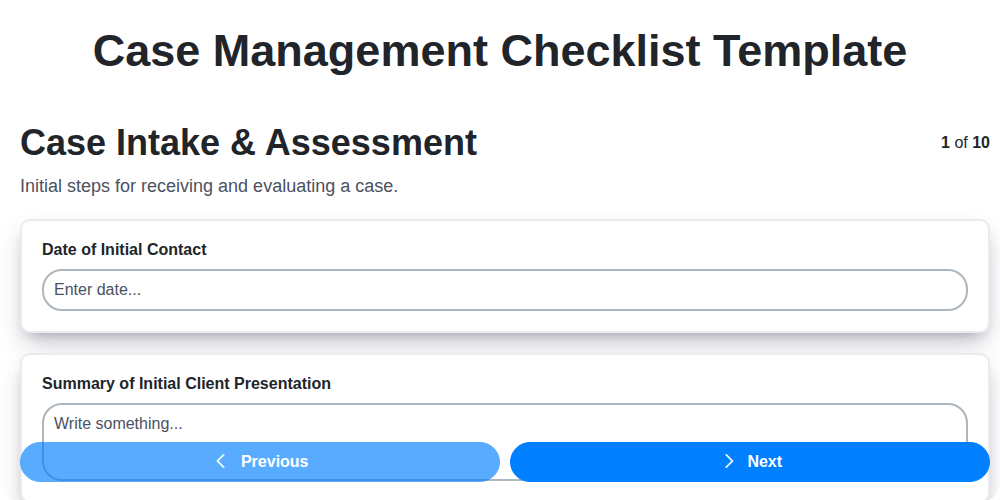
Table of Contents
- Introduction: Why a Case Management Checklist is Essential
- Understanding the Core Components of Case Management
- The Ultimate Case Management Checklist Template
- 1. Case Intake & Assessment: Getting Started Right
- 2. Client Information Verification: Ensuring Accuracy
- 3. Needs Assessment & Goal Setting: Defining the Path Forward
- 4. Resource Identification & Allocation: Connecting Clients to Support
- 5. Service Delivery & Implementation: Putting the Plan into Action
- 6. Progress Monitoring & Evaluation: Staying on Track
- 7. Documentation & Record Keeping: Maintaining a Complete History
- 8. Communication & Collaboration: Working Together
- 9. Risk Management & Safety: Prioritizing Client Wellbeing
- 10. Case Closure & Transition: Planning for the Future
- Leveraging Technology for Efficient Case Management
- Resources & Links
TLDR: Overwhelmed by case management? This checklist template breaks down the entire process - from initial intake to case closure - into clear, actionable steps. It ensures you cover all crucial areas, reduces errors, improves client outcomes, and saves you valuable time. Download it now and simplify your workflow!
Introduction: Why a Case Management Checklist is Essential
Case management is a complex undertaking, demanding meticulous organization and a consistent approach to ensure client wellbeing and positive outcomes. Juggling multiple clients, complex needs, and various resources can easily lead to oversights or inconsistencies if not managed effectively. That's where a case management checklist template becomes absolutely essential. It's more than just a list; it's a roadmap, a guide, and a safety net. A well-designed checklist ensures that every crucial step is taken, reducing the risk of errors, improving service quality, and demonstrating accountability. Whether you're a seasoned professional or new to the field, a standardized checklist provides a framework for delivering comprehensive and ethical case management services. It promotes efficiency, improves client satisfaction, and ultimately contributes to better outcomes for those you serve.
Understanding the Core Components of Case Management
Case management is a complex process requiring careful attention to detail and a systematic approach. A well-structured case management checklist isn't just a formality; it's the backbone of effective client support. Let's break down the core components that a comprehensive checklist addresses. Each stage builds upon the previous one, ensuring a holistic and client-centered approach. We'll delve into each element, highlighting why it's crucial for successful outcomes. Understanding these stages allows for a more adaptable and responsive case management strategy. These components represent a cycle, with ongoing evaluation and potential adjustments throughout the client's journey.
The Ultimate Case Management Checklist Template
A robust case management process hinges on consistency and thoroughness. That's why a well-designed checklist is invaluable. Let's break down each stage of our Case Management Checklist Template, explaining why each step is crucial for successful client outcomes and efficient practice.
1. Case Intake & Assessment: This initial phase sets the foundation. Ensure proper referral sources are documented, consent forms are signed, and a preliminary assessment is conducted to understand the presenting concerns and potential case complexity. Key items include initial contact information, referral reason, and preliminary risk assessment.
2. Client Information Verification: Accuracy is paramount. This stage verifies all client details - contact information, identification, insurance details, and emergency contacts - against official records. Discrepancies need immediate investigation and correction to avoid future complications.
3. Needs Assessment & Goal Setting: This involves a deep dive into the client's specific needs, strengths, and challenges. Collaborative goal setting, agreed upon by both the case manager and client, provides a roadmap for progress and fosters client ownership. Document clearly defined, measurable, achievable, relevant, and time-bound (SMART) goals.
4. Resource Identification & Allocation: Based on the needs assessment, this step identifies appropriate resources - financial assistance, housing options, medical professionals, legal aid - and the process for accessing them. Document funding sources, eligibility criteria, and timelines.
5. Service Delivery & Implementation: Putting the plan into action. This phase tracks which services are being provided, by whom, and how effectively. Record dates, times, and brief summaries of each interaction.
6. Progress Monitoring & Evaluation: Regularly assess the client's progress toward their goals. This involves data collection, observation, and client feedback. Adjust the plan as needed based on performance and emerging needs.
7. Documentation & Record Keeping: Maintain meticulous records of all case activities, including assessments, plans, progress notes, communication logs, and authorizations. Adhere to confidentiality regulations and agency policies.
8. Communication & Collaboration: Effective communication is key. This stage tracks all communication with the client, family members, referral sources, and other professionals involved in the case. Clearly document content, date, time, and method of communication.
9. Risk Management & Safety: Prioritize client safety. This includes identifying and mitigating potential risks such as self-harm, violence, or exploitation. Document risk assessments, safety plans, and any incidents that occur.
10. Case Closure & Transition: Successfully transitioning the client to ongoing support or independence. This involves finalizing all paperwork, coordinating follow-up care, and ensuring the client has the resources needed to maintain their progress. Document client feedback and lessons learned for future practice.
1. Case Intake & Assessment: Getting Started Right
The foundation of successful case management hinges on a thorough and efficient intake and assessment process. This initial phase establishes the crucial groundwork for understanding the client's situation and charting a course for positive outcomes.
Here's what this critical step involves:
- Initial Contact & Information Gathering: Begin with a welcoming and empathetic approach. Collect preliminary information, including reason for seeking assistance, immediate concerns, and any urgent needs. Use intake forms to ensure consistency.
- Preliminary Screening: Determine eligibility for services based on established criteria. This may involve verifying program requirements and identifying potential limitations.
- Comprehensive Assessment: Conduct a detailed assessment, exploring the client's background, history, current challenges, and strengths. This should include, but isn't limited to, aspects like mental health, physical health, social supports, education, and employment.
- Establishing Rapport: Building trust and rapport with the client from the outset is vital. Active listening and demonstrating genuine care can significantly impact engagement throughout the case management process.
- Setting Expectations: Clearly outline the scope of services, client responsibilities, and potential limitations upfront. This avoids misunderstandings and fosters a collaborative working relationship.
This first impression is paramount - invest the time and effort to ensure a positive and productive beginning.
2. Client Information Verification: Ensuring Accuracy
Accurate client information is the bedrock of effective case management. A single error can lead to misdirected resources, inappropriate service delivery, and potentially detrimental consequences for the client. This stage is about more than just confirming names and addresses; it's about establishing a reliable foundation for the entire case.
Here's what should be included in this verification process:
- Comprehensive Data Collection: Gather all necessary information - contact details, demographics, emergency contacts, legal identifiers (where applicable), insurance details, and any other relevant data points outlined by agency policy and legal requirements.
- Cross-Referencing: Compare the collected information with existing records (if available), identification documents, and any information provided by referral sources.
- Client Confirmation: Crucially, always verify the information directly with the client. Explain the purpose of verification and reassure them that accuracy is paramount.
- Documentation of Verification: Clearly document the verification process, including the date, method of verification (e.g., in-person, phone, email), and the individual who performed the verification. Any discrepancies discovered and how they were resolved should also be noted.
- Privacy and Confidentiality: Maintain strict adherence to privacy regulations (like HIPAA or GDPR) throughout the verification process. Explain how data will be used and protected.
By prioritizing accuracy in this initial stage, you create a solid framework for providing effective and ethical case management services.
3. Needs Assessment & Goal Setting: Defining the Path Forward
This crucial phase moves beyond simply understanding who the client is to understanding what they need and where they want to be. A thorough needs assessment isn't just a formality; it's the bedrock upon which a successful case management plan is built.
What's Involved?
- Active Listening & Empathetic Inquiry: Truly listen to the client's perspective, allowing them to articulate their challenges, fears, and desires. Use open-ended questions to encourage them to elaborate.
- Identifying Functional Limitations: Explore how challenges impact daily living, including areas like housing, employment, health, and social connections.
- Uncovering Strengths: It's equally important to identify existing strengths, skills, and support systems the client already possesses. Building on these resources fosters a sense of agency and empowers them throughout the process.
- Collaborative Goal Setting: Goals should be SMART: Specific, Measurable, Achievable, Relevant, and Time-bound. Crucially, these goals are collaboratively defined with the client, ensuring buy-in and motivation. Don't impose goals on the client; work with them to create a plan they feel ownership of.
- Prioritizing Goals: Often, a client faces multiple needs. Prioritization, again with the client's input, helps focus efforts on the most pressing concerns first.
Documentation is Key: Meticulously document the assessment findings, identified needs, prioritized goals, and the client's input. This record serves as a reference point for progress monitoring and adjustments to the case plan.
4. Resource Identification & Allocation: Connecting Clients to Support
Resource identification and allocation is a critical stage in effective case management. It moves beyond simply understanding a client's needs to actively bridging those needs with tangible support. This involves a two-pronged approach: first, identifying potential resources, and second, ensuring the client can access and benefit from them.
Identifying Potential Resources: This isn't just about knowing what exists; it's about proactively searching. Consider:
- Internal Resources: Leverage your agency's existing programs, staff expertise, and internal support networks.
- Community Partners: Build and maintain relationships with local organizations - shelters, food banks, legal aid, counseling services, job training programs, and more. A robust referral network is invaluable.
- Government Assistance: Familiarize yourself with relevant state and federal programs like SNAP, Medicaid, housing assistance, and disability benefits.
- Online Databases: Utilize online resource directories and databases specific to your region or area of need.
Allocation and Facilitation: Identifying resources is only half the battle. Clients often face barriers to access, such as transportation issues, complex application processes, or a lack of confidence. Your role involves:
- Simplifying Processes: Help clients navigate application forms, understand eligibility requirements, and overcome bureaucratic hurdles.
- Advocacy: Advocate on behalf of the client when necessary to ensure they receive the support they're entitled to.
- Coordination: Coordinate services between different providers to avoid duplication and ensure a holistic approach.
- Transportation Assistance: Provide or arrange transportation to appointments and services.
- Cultural Sensitivity: Be mindful of cultural barriers and language needs.
Ultimately, successful resource identification and allocation isn's just about pointing clients towards resources; it's about empowering them to access and utilize those resources effectively. Regularly review and update your resource database, and actively seek feedback from clients to ensure your offerings remain relevant and accessible.
5. Service Delivery & Implementation: Putting the Plan into Action
This is where the rubber meets the road. The carefully crafted plan, born from assessment and goal setting, now needs to be put into practice. Effective service delivery isn't just doing things; it's delivering them with intention, consistency, and client-centeredness.
Here's what a robust Service Delivery & Implementation phase should encompass:
- Schedule & Coordination: Clearly establish a schedule for services, ensuring it aligns with the client's availability and preferences. Coordinate with all involved parties - therapists, support workers, specialists - to avoid conflicting appointments or gaps in care.
- Service Provision: This is the actual delivery of the agreed-upon services, whether it's therapy sessions, housing assistance, legal advocacy, or any other intervention. Ensure providers are adequately trained and equipped to deliver the services effectively.
- Client Engagement: Actively engage the client in the process. Explain the purpose of each service and its expected outcome. Encourage questions, feedback, and ongoing participation. Empowering the client strengthens their buy-in and promotes positive results.
- Flexibility & Adaptation: Recognize that plans may need adjustments. Be prepared to modify service delivery based on the client's evolving needs and circumstances. Regular check-ins and open communication are key to identifying necessary changes.
- Documentation: Meticulously record all service delivery activities, including dates, times, duration, content, and the client's response. This documentation serves as a vital record of progress (or challenges) and supports ongoing evaluation.
It's not enough to simply deliver services; it's about delivering them well - with empathy, professionalism, and a constant focus on the client's best interests.
6. Progress Monitoring & Evaluation: Staying on Track
Case management isn't a "set it and forget it" process. Regular progress monitoring and evaluation are crucial for ensuring your client is moving toward their goals and that your interventions are effective. This phase involves systematically assessing the impact of the services provided and making adjustments as needed.
Here's what this step includes:
- Scheduled Reviews: Implement a system of regular check-ins, whether weekly, bi-weekly, or monthly, to review progress with the client. Frequency should be determined based on individual client needs and the complexity of their case.
- Data Collection: Gather data on relevant indicators. This might include attendance records, client feedback, objective measures (e.g., income levels, housing stability), and progress toward specific goals outlined in the initial assessment.
- Client Feedback: Actively solicit feedback from the client about their experience with the services and their perception of their progress. This is vital for ensuring client ownership and satisfaction.
- Goal Review & Adjustment: Regularly review the original goals. Are they still relevant and achievable? Do they need to be modified based on new information or changing circumstances? Be prepared to collaboratively adjust goals with the client.
- Intervention Adjustment: Analyze the data and feedback collected. Are the current interventions proving effective? If not, brainstorm alternative strategies with the client and adjust the plan accordingly.
- Documentation: Meticulously document all progress monitoring activities, including data collected, client feedback, goal adjustments, and changes to interventions. This documentation is essential for demonstrating accountability and informing future case management efforts.
7. Documentation & Record Keeping: Maintaining a Complete History
Accurate and thorough documentation is the backbone of effective case management. It's not just about covering your bases; it's about providing a clear, accessible, and legally defensible record of the client's journey and the support provided. A robust system protects both the client and the case manager.
Here's what robust documentation & record keeping entails:
- Timely Entries: Record observations, interactions, and actions immediately following an event. Relying on memory is unreliable and can lead to inaccuracies.
- Objective and Factual Language: Avoid subjective opinions or judgments. Describe behaviors and events objectively. For example, instead of writing Client was being difficult, write Client expressed frustration and raised their voice when discussing appointment scheduling.
- Confidentiality is Key: Adhere strictly to privacy regulations (HIPAA, GDPR, etc.). Securely store all client files, both physical and electronic, with appropriate access controls.
- Comprehensive Records: Include details about initial assessments, goal setting, service plans, progress updates, significant events, communication with other professionals, and any changes to the client's situation.
- Client Consent & Access (Where Applicable): Always obtain client consent before sharing information with external parties. Consider offering clients access to their own records, where legally permissible and ethically appropriate.
- Standardized Forms & Templates: Utilize standardized case management forms and templates to ensure consistency and completeness across all cases. This simplifies review and reporting.
- Regular Audits: Periodically audit documentation to ensure accuracy, completeness, and adherence to legal and ethical guidelines.
- Secure Storage & Retention: Establish clear protocols for archiving and disposing of records, complying with legal retention requirements.
Effective documentation isn't just about creating a paper trail; it's about building trust, facilitating continuity of care, and ultimately supporting positive client outcomes.
8. Communication & Collaboration: Working Together
Effective case management hinges on consistent and open communication. This isn't just about relaying information; it's about building a shared understanding and fostering a collaborative environment. This section of the checklist focuses on ensuring everyone involved - the client, their family (with consent), other professionals, and relevant agencies - is kept informed and working towards common goals.
Here's what's covered:
- Regular Updates: Establish a clear schedule for updates with the client and key stakeholders. Document these updates within the case file.
- Consent & Boundaries: Always obtain informed consent before sharing information with anyone. Respect client confidentiality and clearly define communication boundaries.
- Inter-Agency Communication: Facilitate smooth information exchange between different service providers to avoid duplication of efforts and ensure a coordinated approach. Utilize secure communication channels and follow agency protocols.
- Team Meetings: Schedule regular meetings with the case management team to review progress, discuss challenges, and coordinate efforts. Document key decisions and action items.
- Client Participation: Actively involve the client in all communication planning. Encourage them to participate in discussions and share their perspectives.
- Conflict Resolution: Address communication breakdowns or disagreements promptly and constructively. Document the resolution process.
- Emergency Contacts: Maintain readily accessible emergency contact information for the client and relevant support individuals.
9. Risk Management & Safety: Prioritizing Client Wellbeing
Client safety is paramount in effective case management. This section of the checklist focuses on identifying, assessing, and mitigating potential risks to ensure the client's physical, emotional, and psychological wellbeing.
Key considerations within this phase include:
- Risk Identification: Proactively identify potential risks. This might involve domestic violence, substance abuse, mental health concerns, financial instability, exploitation, or involvement with the legal system. Regularly review client history and current circumstances.
- Risk Assessment: Evaluate the likelihood and potential impact of identified risks. Utilize established risk assessment tools where appropriate and document your rationale.
- Safety Planning: Develop a detailed safety plan with the client, outlining strategies to mitigate risks and ensure their safety. This plan should include emergency contact information, safe housing options, and steps to take in a crisis.
- Reporting Obligations: Be aware of and adhere to mandatory reporting requirements for suspected abuse, neglect, or harm. Document all reports made and maintain records of related actions.
- Client Empowerment: Equip the client with knowledge and skills to recognize and respond to potential risks. Encourage self-advocacy and promote a sense of control over their safety.
- Collaboration: Communicate any identified risks and safety concerns with relevant stakeholders (e.g., supervisors, other professionals, law enforcement) according to established protocols and with the client's informed consent where applicable.
- Regular Review: Risk assessments and safety plans are not static. Regularly review and update them based on changing circumstances and client feedback.
10. Case Closure & Transition: Planning for the Future
Closing a case isn't an endpoint; it's a carefully planned transition. This phase focuses on ensuring the client has the skills, resources, and support network to maintain progress and navigate life independently. Our checklist emphasizes a proactive and collaborative approach.
Here's what we cover:
- Review Progress & Outcomes: A final assessment of the client's journey, highlighting achievements and areas for continued development.
- Develop a Post-Case Plan: This document outlines steps the client can take to sustain gains, including strategies for handling potential challenges. It should be created with the client, not for them.
- Identify Ongoing Support: Determine if continued support from other agencies or community resources is needed. Facilitate referrals and handoffs, ensuring a smooth transition.
- Client Education & Empowerment: Equip the client with knowledge about available resources and self-advocacy skills. This includes understanding their rights and how to access future assistance if needed.
- Formal Closure Meeting: A final meeting with the client (and relevant family members/supports, with consent) to review the case, the post-case plan, and formally close the case file.
- File Documentation & Secure Storage: Ensure all documentation is finalized, stored securely according to agency protocols, and accessible for future reference (if needed, and within legal guidelines).
- Feedback Collection: Gather feedback from the client about their experience with case management to continually improve our services.
The goal is to leave the client feeling empowered, prepared, and connected to the support they need to thrive beyond our involvement.
Leveraging Technology for Efficient Case Management
Managing cases effectively often involves juggling numerous details and coordinating multiple stakeholders. Fortunately, technology offers a wealth of tools to streamline processes and minimize errors. Gone are the days of overflowing paper files and scattered spreadsheets. Modern case management software can automate many checklist tasks, centralizing client information and facilitating collaboration.
For instance, automated reminders can ensure timely follow-ups during the Client Information Verification and Progress Monitoring & Evaluation phases, reducing the risk of missed appointments or neglected documentation. Secure online portals can facilitate the Communication & Collaboration process, allowing clients and team members to access relevant information and participate in discussions safely.
Furthermore, tools like CRM (Customer Relationship Management) systems can significantly aid in Case Intake & Assessment, allowing for standardized processes and improved data capture. Data analytics features within these platforms can help identify trends and patterns, improving Resource Identification & Allocation and overall service delivery. While no technology can replace the human element in case management, embracing these digital tools can free up valuable time for caseworkers to focus on building rapport and providing compassionate support. Consider exploring options like cloud-based platforms, mobile accessibility, and integrations with other relevant systems to maximize efficiency.
Resources & Links
- Social Solutions: Offers case management software and resources, helpful for understanding industry best practices and exploring digital solutions. Focuses on integrated systems for non-profits and human services.
- CareLogic: Provides case management software and related support services, with a focus on government and social services agencies. Good for understanding compliance and reporting needs.
- EC-Council (for Risk Management/Safety context): While primarily known for cybersecurity, EC-Council provides a foundational understanding of risk management principles which are valuable for client safety protocols - a relevant tie-in for the Risk Management & Safety section.
- National Association of Social Workers (NASW): Provides ethical guidelines, professional development, and resources for social workers, vital for ensuring ethical and best-practice case management. Offers standards and codes of ethics.
- American Psychological Association (APA): Offers resources on goal setting, assessment techniques, and understanding client behavior - useful for Needs Assessment & Goal Setting and Progress Monitoring & Evaluation sections. Helpful for understanding client motivation.
- U.S. Department of Housing and Urban Development (HUD): Relevant if your case management involves housing assistance, providing information on programs and eligibility requirements.
- Social Security Administration (SSA): Useful for understanding eligibility and application processes for Social Security benefits, if applicable to your cases.
- Benefits.gov: A central hub for finding and applying for government benefits - a valuable resource for Resource Identification & Allocation.
- Health Resources & Services Administration (HRSA): Provides information and resources related to healthcare access and services, relevant if your cases involve healthcare needs.
- U.S. Department of Justice (DOJ): Can be a resource for understanding legal considerations and reporting requirements related to client safety and risk management. Particularly useful for the Risk Management & Safety section.
Frequently Asked Questions
What is case management and why is it important?
Case management is the process of organizing and coordinating services for individuals or groups facing complex issues. It's crucial for ensuring efficient resource allocation, improving outcomes, and reducing overall costs by providing focused and individualized support.
What is a case management checklist template and how can it help?
A case management checklist template is a pre-structured document that outlines the key steps and tasks involved in managing a case, from initial intake to closure. It helps ensure consistency, reduces errors, and saves time by providing a standardized workflow. It serves as a guide to ensure no vital steps are missed.
Who is this checklist template designed for?
This template is designed for a wide range of case management professionals, including social workers, healthcare providers, legal professionals, and anyone involved in coordinating support services for individuals or groups. It's adaptable to various industries and case types.
What types of cases can this checklist template be used for?
This template is versatile and can be adapted for various case types, such as healthcare, social services, legal proceedings, insurance claims, and education. It's designed to be customized to suit the specific requirements of different case scenarios.
How do I customize the checklist template?
The template is designed to be easily customizable. You can add, remove, or modify tasks to fit your specific case needs. We recommend reviewing each step carefully and adjusting it based on the individual case's complexity and requirements. Sections for notes and specific details are included for easy personalization.
Is the checklist template free to use?
Yes, the checklist template is freely available for download. We want to make it accessible to as many case management professionals as possible.
What file format is the checklist template available in?
The checklist template is available in a widely compatible format, such as Microsoft Word (.docx) or a PDF, allowing for easy editing and printing.
What are some best practices for using a case management checklist?
Best practices include regularly reviewing and updating the checklist to reflect changes in procedures or regulations, ensuring all team members understand and adhere to the checklist, and using it as a communication tool to ensure everyone is on the same page.
How do I ensure the checklist remains confidential and compliant with privacy regulations?
Always store the checklist and related case information securely. Follow your organization's policies regarding data privacy and confidentiality (e.g., HIPAA for healthcare). Ensure all team members understand and adhere to these regulations. Remove or anonymize any identifying information when sharing or storing the checklist electronically.
Where can I find additional resources or support for case management?
We recommend exploring professional organizations like the Case Management Society of America (CMSA) and relevant government agencies for additional resources, training, and support related to case management.
Found this Article helpful?
Comments
There are no comments yet. Be the first to add one!
Case Management Solution Demo
Streamline your casework & improve outcomes! ChecklistGuro centralizes case details, tasks, & communication. Enhance efficiency, ensure compliance, & deliver exceptional service. Manage it all with our Work OS.
Related Articles
Streamline Your Bankruptcy Cases: The Ultimate Case Management Checklist Template
Mastering IP: Your Intellectual Property Case Management Checklist Template
Cybersecurity Incident Response: Your Checklist Template for Success
Streamline Your Debt Collection: A Case Management Checklist Template
Mastering Investigations: Your Case Management Checklist Template Guide
HR Case Management Checklist Template: Your Guide to Fair & Compliant Investigations
Streamlining Veteran Care: Your Comprehensive Case Management Checklist Template
Streamline Your Deals: The Ultimate Real Estate Case Management Checklist Template
We can do it Together
Need help with
Case Management?
Have a question? We're here to help. Please submit your inquiry, and we'll respond promptly.