Streamline Your Case Management: The Ultimate Benefits Case Management Checklist Template
Published: 12/19/2025 10:00 PM Updated: 12/20/2025 9:15 AM
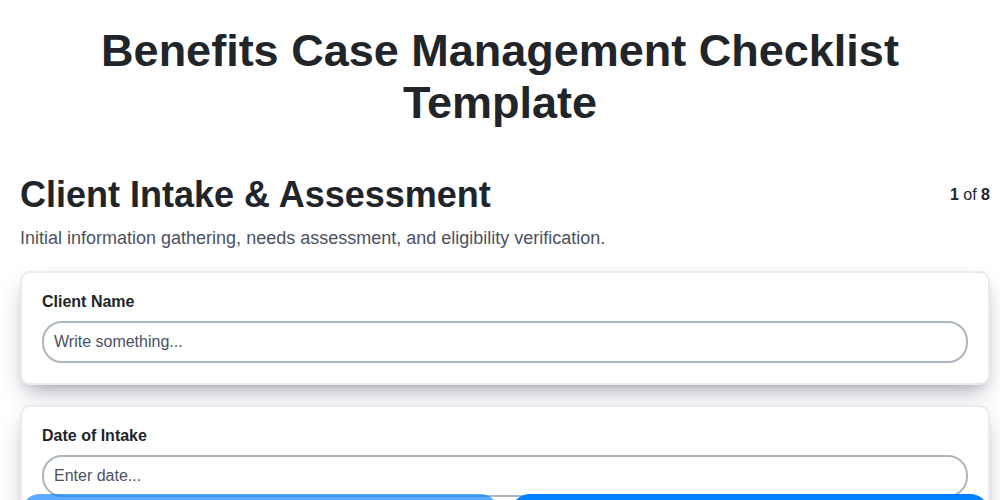
Table of Contents
- Introduction: Why a Benefits Case Management Checklist Matters
- Understanding the Benefits of a Structured Approach
- The Ultimate Benefits Case Management Checklist Template: A Deep Dive
- 1. Client Intake & Assessment: Setting the Foundation
- 2. Benefit Application Process: Navigating Eligibility & Submission
- 3. Coordination of Care: Connecting Clients to Essential Services
- 4. Monitoring & Advocacy: Ensuring Ongoing Support & Protection
- 5. Documentation & Record Keeping: Maintaining Accuracy & Legal Compliance
- 6. Case Closure & Follow-up: Planning for Long-Term Success
- 7. Compliance & Reporting: Meeting Regulatory Requirements
- 8. Client Communication & Engagement: Fostering Trust and Participation
- 9. Customizing the Checklist for Your Specific Needs
- Tools & Resources to Simplify Case Management
- Conclusion: Achieving Efficiency and Client-Centered Care
- Resources & Links
TLDR: Overwhelmed managing benefits cases? This checklist template provides a step-by-step guide covering everything from initial client assessment to case closure and ongoing compliance. It ensures consistent processes, reduces errors, and frees up your time to focus on client care!
Introduction: Why a Benefits Case Management Checklist Matters
Navigating the complexities of benefits case management can feel overwhelming, both for the case manager and the client. It's a field requiring meticulous attention to detail, adherence to regulations, and a commitment to ensuring clients receive the support they need. Without a structured approach, critical steps can be missed, deadlines can be overlooked, and the overall quality of care can suffer. That's where a benefits case management checklist becomes indispensable. It's not just about ticking boxes; it's about ensuring consistent, thorough, and compliant service delivery, ultimately leading to better outcomes for your clients and increased efficiency for your organization. A well-designed checklist provides a roadmap, minimizes errors, and promotes best practices across your team, fostering a culture of accountability and client-centered care.
Understanding the Benefits of a Structured Approach
A structured approach to case management, particularly through the use of a checklist, offers a wealth of benefits that go beyond simply ticking boxes. It fosters consistency, minimizing the risk of overlooking crucial steps and ensuring all clients receive a comparable level of care. This consistency translates to reduced errors and improved overall quality of service. Furthermore, a checklist provides a framework for training new case managers, allowing them to quickly grasp essential procedures and best practices. It also streamlines workflows, freeing up valuable time for case managers to focus on direct client interaction and complex problem-solving, ultimately leading to more effective and personalized support. Finally, a well-designed checklist serves as a built-in audit trail, demonstrating adherence to standards and protocols, which is vital for accountability and compliance.
The Ultimate Benefits Case Management Checklist Template: A Deep Dive
This checklist isn't just a list; it's a roadmap to consistent, high-quality benefits case management. Let's break down what each section covers and why it's crucial for success.
1. Client Intake & Assessment: This foundational step ensures a thorough understanding of each client's unique circumstances. It encompasses gathering essential information, conducting assessments (financial, health, and social needs), and establishing initial goals. A robust intake prevents future misunderstandings and allows for tailored support.
2. Benefit Application Process: This section guides you through the often-complex process of applying for various benefits - Medicaid, Medicare, Supplemental Security Income (SSI), SNAP, and more. It includes verifying eligibility criteria, completing application forms accurately, submitting documentation, and tracking application status.
3. Coordination of Care: Effective case management often requires collaborating with a network of providers - doctors, therapists, social workers, and more. This section outlines steps for establishing communication, sharing information (within legal and ethical boundaries), and ensuring seamless transitions between services.
4. Monitoring & Advocacy: Regular check-ins are vital! This section focuses on tracking client progress toward goals, identifying any emerging challenges, and advocating on their behalf with benefit agencies or other organizations.
5. Documentation & Record Keeping: Accurate and detailed records are paramount. This section emphasizes the importance of documenting all interactions, decisions, and actions taken within the case file, maintaining confidentiality, and adhering to legal requirements.
6. Case Closure & Follow-up: Case closure isn't an ending, it's a transition. This section outlines procedures for formally closing cases, ensuring clients have continued support if needed, and documenting the reason for closure. Follow-up ensures continued well-being.
7. Compliance & Reporting: This section highlights the critical need for adhering to relevant regulations, policies, and ethical guidelines. It includes reporting requirements to funding agencies or oversight bodies and maintaining up-to-date knowledge of changing laws.
8. Client Communication & Engagement: Building trust and rapport with clients is essential. This section emphasizes clear, empathetic communication, actively soliciting client input, and empowering clients to participate in their own care.
9. Benefit Recertification: Many benefits require periodic recertification. This section ensures timely completion of necessary paperwork and adherence to recertification deadlines, preventing loss of benefits.
By systematically addressing each of these areas, case managers can significantly improve client outcomes, reduce errors, and maintain a high level of professionalism.
1. Client Intake & Assessment: Setting the Foundation
The initial client intake and assessment phase is arguably the most crucial step in effective case management. It lays the groundwork for understanding the client's needs, goals, and challenges, allowing you to tailor your support accordingly. A thorough assessment goes beyond simply gathering basic information; it involves building rapport, establishing trust, and actively listening to the client's perspective.
This stage should include:
- Comprehensive Data Collection: Gathering demographic information, medical history (if applicable), social support networks, financial status, and any relevant legal documentation.
- Needs Identification: Using interviews, observations, and standardized assessment tools to pinpoint specific needs related to benefits, healthcare, housing, employment, and other essential services.
- Goal Setting (Client-Driven): Collaboratively establishing short-term and long-term goals with the client, ensuring they are realistic, measurable, and aligned with their desires.
- Risk Assessment: Identifying potential risks (e.g., homelessness, safety concerns, substance abuse) and developing strategies to mitigate them.
- Strengths Identification: Recognizing and documenting the client's existing strengths and resources, building on them to promote empowerment and resilience.
- Initial Plan Development: Creating a preliminary case plan outlining potential interventions and services based on the assessment findings. This plan should be reviewed and adjusted regularly with client input.
A well-executed intake and assessment ensures that subsequent case management efforts are targeted, efficient, and client-centered.
2. Benefit Application Process: Navigating Eligibility & Submission
The benefit application process can feel overwhelming, filled with forms, deadlines, and complex eligibility requirements. This section of your case management checklist focuses on guiding clients through this crucial step, ensuring accuracy and maximizing their chances of approval.
Here's what this checklist component covers:
- Eligibility Verification: Thoroughly assess client eligibility for relevant benefit programs (e.g., Medicaid, SNAP, SSI, Medicare). This involves understanding program-specific income, asset, and residency requirements. Utilize online resources, program handbooks, and direct contact with benefit agencies to confirm eligibility.
- Form Completion Assistance: Provide hands-on assistance with completing application forms. This includes clarifying instructions, ensuring accuracy of information, and explaining the implications of each response. Be mindful of potential language barriers or literacy challenges and provide support accordingly.
- Document Gathering: Create a comprehensive list of required documentation for each application (proof of income, residency, identification, medical records, etc.). Actively assist clients in gathering these documents, offering guidance on obtaining replacements if needed.
- Application Submission: Review the completed application for accuracy and completeness before submission. Assist with online submissions or mailing physical copies, ensuring proper tracking and confirmation of receipt.
- Follow-up & Status Updates: Regularly monitor application status and proactively follow up with benefit agencies to check on progress. Keep clients informed about updates and estimated processing times. Address any issues or requests for additional information promptly.
- Appeals Support (If Necessary): If an application is denied, guide clients through the appeals process, explaining their rights and assisting with preparing and submitting appeals documentation.
3. Coordination of Care: Connecting Clients to Essential Services
Navigating the complexities of benefit programs and accessing necessary services can be overwhelming for clients. Effective case management hinges on proactive coordination of care, acting as a bridge between clients and the resources they need. This isn't just about identifying services; it's about actively facilitating access.
Our checklist emphasizes the crucial steps in this process, including:
- Identifying Client Needs: Going beyond initial assessments to regularly re-evaluate needs and potential gaps in service.
- Referral Management: Maintaining a current list of community resources (housing, medical care, legal aid, transportation, etc.) and streamlining the referral process. This includes understanding referral requirements and follow-up procedures.
- Service Provider Communication: Establishing and maintaining open communication with relevant service providers to ensure continuity of care and address any challenges.
- Appointment Scheduling & Support: Assisting clients with appointment scheduling, providing transportation assistance, and offering reminders to reduce missed appointments.
- Advocating for Clients: When necessary, acting as an advocate to ensure clients receive the services they are entitled to, overcoming bureaucratic hurdles or addressing concerns with service providers.
- Tracking Service Utilization: Monitoring which services clients are receiving and documenting their progress, allowing for adjustments to the care plan as needed.
By consistently prioritizing coordination of care, case managers empower clients to achieve their goals and improve their overall well-being.
4. Monitoring & Advocacy: Ensuring Ongoing Support & Protection
Case management isn't a one-and-done process. Consistent monitoring and advocacy are vital to ensuring clients maintain access to needed benefits and support services. This stage focuses on proactively identifying and addressing potential challenges that may arise after initial assistance.
Our checklist guides you to regularly review the client's situation, tracking changes in circumstances that could impact their eligibility or need for services. This includes observing changes in health status, financial stability, housing, or any other relevant factors.
Advocacy is a key element here. It means acting as a voice for your client, navigating complex systems on their behalf. This could involve:
- Appealing denied benefits: Thoroughly investigating and challenging unfavorable decisions.
- Negotiating with providers: Ensuring fair treatment and access to appropriate care.
- Connecting with community resources: Identifying and leveraging opportunities for additional support.
- Educating clients: Empowering them to understand their rights and advocate for themselves.
By actively monitoring and advocating, you move beyond reactive problem-solving to preventative support, fostering long-term stability and well-being for your clients. This stage emphasizes the ongoing commitment to client empowerment and protection.
5. Documentation & Record Keeping: Maintaining Accuracy & Legal Compliance
Robust documentation and record keeping are the backbone of effective case management. It's not just about ticking a box; it's about creating a clear, auditable trail of every action taken and interaction had with the client. This meticulous record-keeping safeguards both the client and the case manager, ensuring legal compliance and demonstrating the quality of care provided.
Here's why thorough documentation is crucial:
- Legal Protection: Accurate records serve as legal proof of services rendered and decisions made, protecting you from potential liabilities and disputes.
- Service Continuity: When case managers change or coverage is needed, comprehensive records allow other team members to quickly understand the client's history, needs, and ongoing plan.
- Quality Assurance: Detailed notes allow for consistent review of case progress, identifying areas for improvement and ensuring adherence to best practices.
- Auditing & Compliance: Regular audits are common. Well-organized and complete records facilitate these reviews and demonstrate adherence to regulations.
- Client Transparency: Providing clients with access to their records (within legal and ethical boundaries) fosters trust and strengthens the client-case manager relationship.
Your checklist should include sections for recording client interactions, assessment findings, benefit application details, care coordination plans, monitoring progress, and all relevant correspondence. Standardized forms and templates can ensure consistency and completeness. Remember to adhere to HIPAA and other relevant privacy regulations when handling sensitive client information.
6. Case Closure & Follow-up: Planning for Long-Term Success
Closing a case doesn't mean the relationship with a client ends. It signifies a transition - a carefully planned move towards sustained independence and well-being. A robust case closure and follow-up process ensures the support you've provided translates into lasting positive outcomes.
Our checklist emphasizes a thoughtful approach to this phase. It includes steps like:
- Reviewing Progress & Goals: We revisit the client's original goals and assess whether they've been met. If not, we identify any remaining challenges and explore potential solutions, even if it involves connecting them with alternative resources.
- Developing a Post-Closure Plan: This plan outlines the client's ongoing support needs, including referrals to community resources, healthcare providers, or other support systems. It details who is responsible for what and provides clear contact information.
- Client Education & Empowerment: We ensure the client understands their ongoing responsibilities and possesses the knowledge and skills to manage their situation independently. This may involve providing resources on benefits maintenance, healthcare navigation, or self-advocacy.
- Establishing Follow-Up Schedule (if applicable): Depending on the client's needs and agreement, we schedule follow-up calls or meetings to check on their progress and address any emerging concerns. This demonstrates a continued commitment to their well-being.
- Documenting Closure & Plan: All closure activities, the post-closure plan, and client agreement are meticulously documented in the case file.
- Obtaining Client Feedback: We proactively seek feedback from the client about their experience with case management. This valuable input helps us refine our processes and improve service delivery.
A well-executed case closure and follow-up process not only ensures a positive client experience but also contributes to the overall effectiveness of your case management services.
7. Compliance & Reporting: Meeting Regulatory Requirements
Case management operates within a framework of stringent regulations and reporting requirements. Failing to adhere to these can result in penalties, audits, and compromised client care. A robust compliance and reporting process isn't just about avoiding trouble; it's about demonstrating accountability and maintaining the integrity of your services.
This section of your checklist should include steps to ensure adherence to relevant federal, state, and local laws and guidelines. This might involve:
- Understanding Applicable Regulations: Regularly update your knowledge of legislation impacting case management, such as HIPAA, Medicaid/Medicare rules, and any state-specific requirements.
- Data Security Protocols: Implement and consistently enforce data security protocols to protect client information, including secure storage, access controls, and breach response plans.
- Reporting Deadlines: Track all reporting deadlines and ensure timely submission of required forms and reports to funding sources, oversight agencies, and internal stakeholders.
- Audit Trails: Maintain thorough audit trails to document all case-related activities and decisions, demonstrating transparency and accountability.
- Quality Assurance Reviews: Conduct regular quality assurance reviews of case files to identify and address potential compliance gaps.
- Staff Training: Provide ongoing training for case managers on relevant compliance requirements and best practices.
By diligently maintaining this aspect of the checklist, you're not only safeguarding your organization but also fostering trust and demonstrating a commitment to ethical and responsible case management practices.
8. Client Communication & Engagement: Fostering Trust and Participation
Effective case management hinges on building strong, trusting relationships with clients. This goes far beyond simply delivering services; it's about empowering them to actively participate in their own care and feel genuinely heard and understood. A proactive and consistent communication strategy is paramount.
Here's how we prioritize client communication & engagement within our case management process:
- Regular Check-ins: Scheduled calls, meetings, or video conferences, even brief ones, demonstrate commitment and provide opportunities for updates and feedback. Frequency should be tailored to individual client needs and preferences.
- Accessible Communication Channels: Offer diverse options - phone, email, text messaging, in-person meetings - to accommodate varying preferences and accessibility challenges.
- Plain Language Explanation: Ensure all information regarding benefits, services, and processes is communicated in clear, understandable language, avoiding jargon.
- Active Listening & Validation: Truly listening to client concerns and validating their experiences builds rapport and fosters trust.
- Client Input in Goal Setting: Collaboratively develop goals and action plans, ensuring clients feel ownership and are invested in the process.
- Updates on Progress: Regularly inform clients about progress towards goals, even when there are setbacks. Transparency builds trust and accountability.
- Feedback Mechanisms: Implement systems for clients to provide feedback on services and identify areas for improvement. This shows that their opinions are valued.
- Cultural Sensitivity: Recognizing and respecting cultural differences in communication styles is crucial for building rapport and ensuring understanding.
By consistently prioritizing client communication and engagement, we build a foundation of trust, empower clients to actively participate in their care, and ultimately achieve better outcomes.
9. Customizing the Checklist for Your Specific Needs
While our case management checklist template provides a robust framework, remember that every agency and every client is unique. Don't be afraid to tailor it! Consider these points for customization:
- Service Variations: Does your agency offer specialized services? Add steps or sub-tasks related to those specific offerings (e.g., job training, housing assistance, specific medical advocacy).
- Client Complexity: Some clients require more intensive support. Adjust the frequency and depth of tasks in areas like Monitoring & Advocacy or Coordination of Care for higher-need cases.
- Local Regulations: Ensure the checklist reflects local, state, and federal regulations impacting your services and reporting requirements.
- Team Roles: Assign specific tasks to different team members based on expertise and workload. Clearly define responsibilities for each step.
- Technology Integration: If you use case management software, adapt the checklist to align with its functionalities and reporting features. Consider how to integrate checklist completion directly into your system.
- Client Goals: Incorporate client-defined goals and objectives directly into the checklist to ensure your support aligns with their individual needs and priorities.
Ultimately, a customized checklist is a living document that evolves alongside your agency's practices and your clients' evolving needs.
Tools & Resources to Simplify Case Management
Managing a caseload can feel overwhelming, juggling multiple clients, applications, and deadlines. Thankfully, you don't have to rely solely on spreadsheets and notebooks! Several digital tools and resources are specifically designed to streamline the case management process and reduce administrative burden.
One of the most impactful is a well-structured case management checklist template. These templates provide a standardized framework, ensuring no crucial step is missed throughout the client's journey. We've developed a comprehensive checklist encompassing key areas like Client Intake & Assessment, Benefit Application Process, Coordination of Care, Monitoring & Advocacy, Documentation & Record Keeping, Case Closure & Follow-up, Compliance & Reporting, and Client Communication & Engagement - all laid out in a clear, actionable format.
Beyond checklist templates, consider exploring:
- CRM (Customer Relationship Management) Software: Many CRMs can be adapted for case management, allowing you to track client interactions, document progress, and set reminders.
- Secure File Sharing Platforms: Essential for collaborative work and maintaining confidentiality.
- Benefit Application Software: Some platforms automate parts of the application process, reducing errors and saving time.
- Client Portals: Empowering clients to access information and communicate with you, freeing up your time for more complex tasks.
By leveraging these resources alongside a robust checklist, you can transform your case management workflow, improve client outcomes, and reduce the stress of daily tasks.
Conclusion: Achieving Efficiency and Client-Centered Care
Ultimately, implementing a robust case management checklist, like the one outlined above, isn't just about ticking boxes - it's about transforming how you deliver care. By standardizing processes, you streamline workflows, minimize errors, and free up valuable time for what truly matters: building rapport and providing individualized support to your clients. This structured approach fosters consistency, ensures comprehensive service delivery, and strengthens accountability across your case management team. Furthermore, a well-maintained checklist provides a clear audit trail, demonstrating compliance and contributing to a culture of continuous improvement. Embrace this tool, tailor it to your specific needs, and witness the positive impact on both your operational efficiency and the client-centered care you provide.
Resources & Links
- Benefits.gov: Official U.S. government website providing information and applications for various government benefits programs. Crucial for understanding eligibility requirements and application processes.
- Social Security Administration (SSA): Provides information and resources related to Social Security benefits, including retirement, disability, and survivor benefits. Essential for case managers assisting clients applying for these programs.
- Medicaid: Official website for Medicaid, providing information about eligibility, coverage, and state-specific resources. Vital for clients needing healthcare assistance.
- Centers for Medicare & Medicaid Services (CMS): Provides information and regulations related to Medicare and Medicaid programs, helping case managers stay compliant.
- Administration for Community Living (ACL): Connects older adults and people with disabilities to services and supports. Provides valuable resources for coordination of care.
- National Association of Area Agencies on Aging (N4A): Provides resources and support to Area Agencies on Aging, often key partners in case management. Helpful for finding local services.
- National Association of Social Workers (NASW): Professional organization for social workers, providing ethical guidelines, continuing education, and resources for best practices.
- Case Management Society of America (CMSA): Provides professional development, certifications, and resources specifically for case managers. Valuable for staying updated on industry standards.
- American Health Information Management Association (AHIMA): Provides resources and training on health information management, crucial for understanding documentation and record-keeping requirements in case management.
- USA.gov - Benefits Finder: A search tool from the U.S. government to help users find government benefits they may be eligible for. Useful for initial client assessments.
Frequently Asked Questions
What is case management and why is it important?
Case management is the process of organizing and coordinating services for individuals facing complex issues, such as legal matters, healthcare needs, or social services. It's important because it improves efficiency, ensures comprehensive support, and ultimately leads to better outcomes for those being served. Without it, cases can become disorganized, services can be duplicated, and individuals may fall through the cracks.
What makes a 'case management checklist template' so helpful?
A checklist template provides a structured framework to follow for each case, ensuring all necessary steps are completed consistently. It reduces the risk of overlooking crucial tasks, promotes standardization, and saves time by providing a pre-built system to adapt.
Who is this checklist template designed for?
This template is designed for case managers working in various fields, including legal, social work, healthcare, and human services. It's beneficial for both experienced and new case managers looking to improve their organization and workflows.
What types of tasks are typically covered in a case management checklist?
The checklist template typically covers areas such as initial assessment, information gathering, service planning, coordination of care, documentation, legal procedures (if applicable), regular reviews, and case closure. Specific categories will vary based on the case type.
Can I customize the checklist template to fit my specific needs?
Absolutely! The template is designed to be flexible and adaptable. You can add, remove, or modify tasks to align with your organization's policies, legal requirements, and the unique aspects of each case.
What format is the checklist template provided in?
The checklist template is provided in a readily accessible format like Microsoft Word or Excel, making it easy to download, edit, and integrate into your existing systems. Specific formats will be detailed in the article.
How will using this checklist template benefit my case management practice?
By using this checklist, you're likely to experience improved organization, reduced errors, increased efficiency, better client outcomes, enhanced compliance, and ultimately, a more manageable caseload.
Is there a cost associated with using the checklist template?
The article will specify if the checklist template is free or requires a purchase. Details on access and any associated costs will be clearly outlined.
Where can I find additional resources or support if I have questions about using the checklist template?
The article will often include links to helpful resources, tutorials, or contact information for support if you need assistance with using the checklist template.
Found this Article helpful?
Comments
There are no comments yet. Be the first to add one!
Case Management Solution Demo
Streamline your casework & improve outcomes! ChecklistGuro centralizes case details, tasks, & communication. Enhance efficiency, ensure compliance, & deliver exceptional service. Manage it all with our Work OS.
Related Articles
Streamline Your Deals: The Ultimate Real Estate Case Management Checklist Template
Streamline Your Debt Collection: A Case Management Checklist Template
Cybersecurity Incident Response: Your Checklist Template for Success
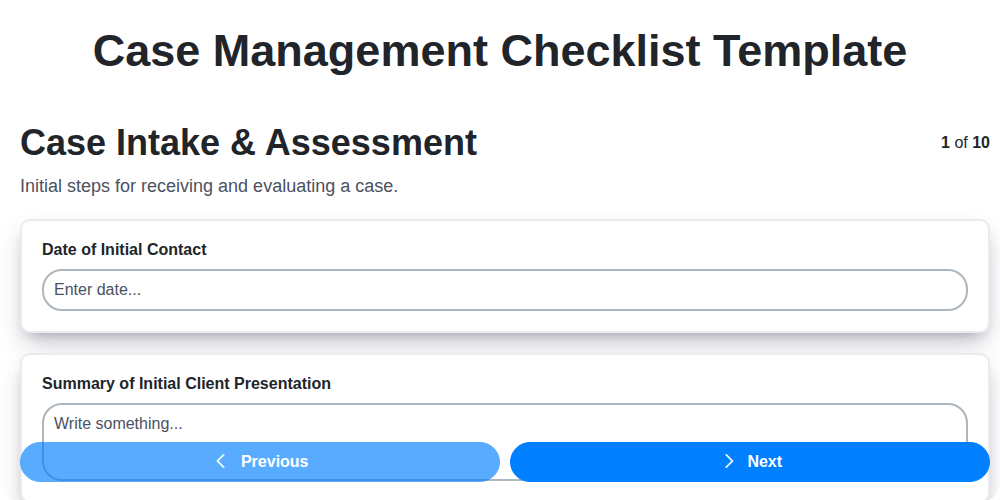
Streamline Your Case Management: The Ultimate Checklist Template
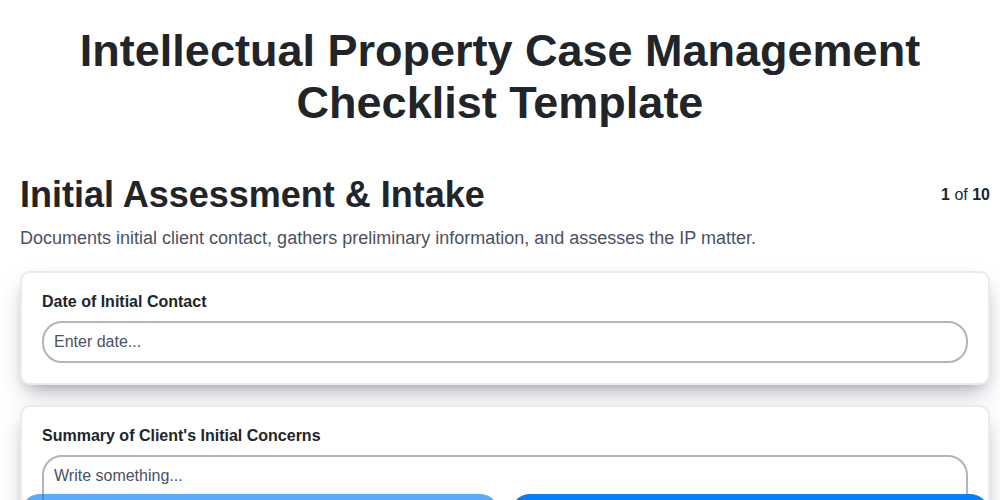
Mastering IP: Your Intellectual Property Case Management Checklist Template
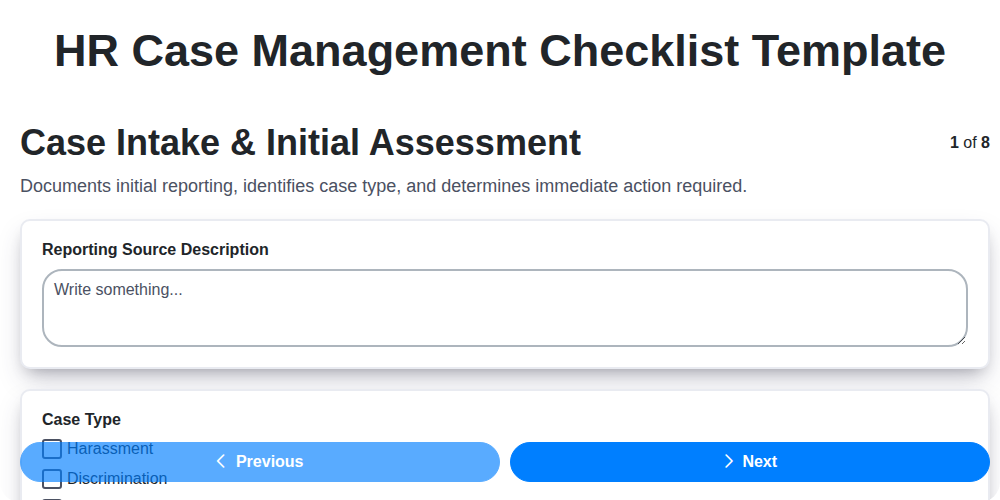
HR Case Management Checklist Template: Your Guide to Fair & Compliant Investigations
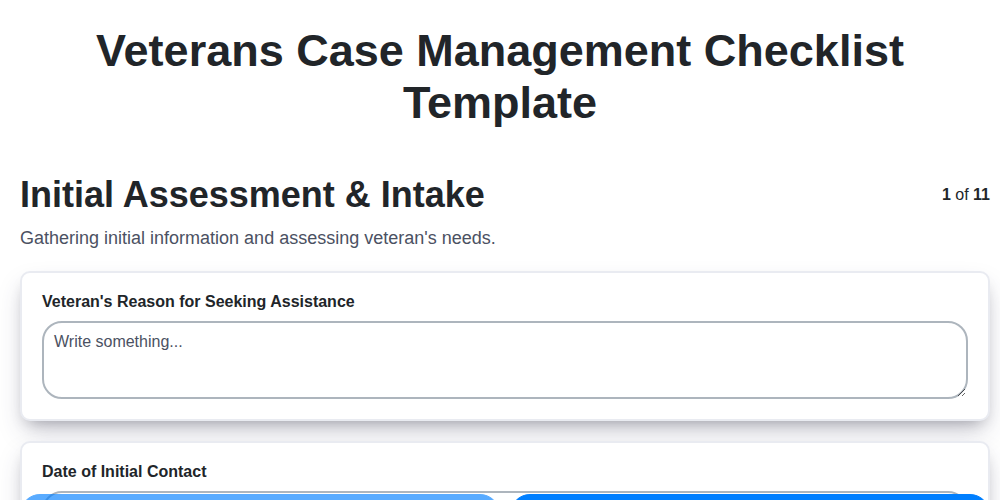
Streamlining Veteran Care: Your Comprehensive Case Management Checklist Template
Mastering Investigations: Your Case Management Checklist Template Guide
We can do it Together
Need help with
Case Management?
Have a question? We're here to help. Please submit your inquiry, and we'll respond promptly.