Streamline Your Work: The Ultimate Criminal Justice Case Management Checklist Template
Published: 12/19/2025 10:00 PM Updated: 12/20/2025 9:14 AM
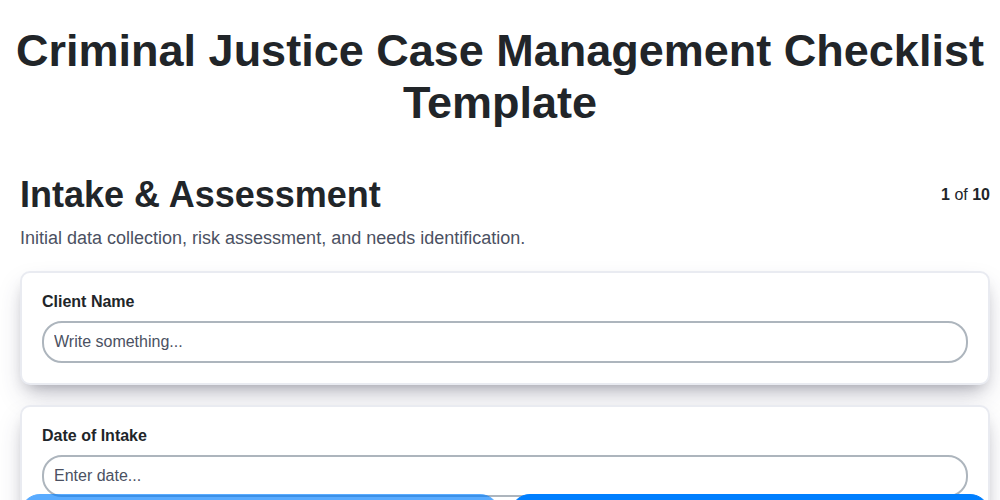
Table of Contents
- Introduction: Why a Criminal Justice Case Management Checklist is Essential
- Understanding the Scope of Criminal Justice Case Management
- The Ultimate Checklist Template: A Step-by-Step Guide
- 1. Intake & Assessment: Laying the Foundation
- 2. Investigation & Evidence Gathering: Ensuring Thoroughness
- 3. Legal Representation & Court Proceedings: Navigating the Legal System
- 4. Case Planning & Intervention: Tailoring Support
- 5. Risk Management & Safety: Prioritizing Wellbeing
- 6. Service Coordination: Connecting Clients to Resources
- 7. Documentation & Reporting: Maintaining a Clear Record
- 8. Case Review & Evaluation: Measuring Progress and Adapting
- 9. Case Closure & Discharge: Planning for Success
- 10. Compliance & Ethical Considerations: Maintaining Integrity
- 11. Leveraging Technology for Efficient Case Management
- 12. Best Practices for Using the Checklist
- 13. Common Challenges and How to Overcome Them
- Conclusion: Improving Outcomes with Structured Case Management
- Resources & Links
TLDR: Overwhelmed by criminal justice case management? This checklist template breaks down the entire process - from intake to closure - with clear steps for assessment, investigation, legal proceedings, risk management, and more. It's designed to keep you organized, compliant, and focused on the best possible outcomes for everyone involved.
Introduction: Why a Criminal Justice Case Management Checklist is Essential
The complexities of criminal justice case management demand meticulous organization and adherence to established protocols. Without a structured approach, cases can easily fall through the cracks, leading to compromised outcomes, potential legal liabilities, and ultimately, a failure to serve the individuals involved and the community. A comprehensive checklist isn't just a helpful tool; it's a vital safeguard. It ensures all critical steps are consistently followed, minimizes errors, promotes transparency, and facilitates collaboration amongst professionals. This is especially crucial considering the sensitive nature of these cases, the potential impact on lives, and the ever-present need for accountability. This checklist serves as a framework to navigate these challenges, offering a consistent and reliable method for managing criminal justice cases from beginning to end.
Understanding the Scope of Criminal Justice Case Management
Criminal justice case management is a complex and multifaceted process, demanding a structured approach to ensure effective client support and successful outcomes. It's far more than simply tracking appointments; it's about comprehensively addressing the individual needs of individuals involved in the justice system. This process involves a wide range of activities, from initial assessment to eventual closure, all while navigating legal, ethical, and safety considerations.
The scope encompasses not only the individual client but often extends to their family, community, and the various agencies involved in their case. It requires constant communication, collaboration, and meticulous record-keeping. A poorly managed case can lead to missed opportunities for rehabilitation, increased recidivism, and potential safety risks for both the client and the community. Therefore, a well-defined and consistently applied case management checklist, like the one we'll explore later, is absolutely essential for ensuring accountability and optimizing outcomes across the entire justice system. This includes addressing not just immediate needs but also long-term goals and potential barriers to success.
The Ultimate Checklist Template: A Step-by-Step Guide
Navigating the complexities of criminal justice case management requires meticulous organization and a consistent, thorough approach. A well-designed checklist isn't just a convenience; it's a vital tool for ensuring client well-being, legal compliance, and ultimately, positive outcomes. This comprehensive checklist template provides a framework for managing cases from intake to closure, promoting accountability and reducing the risk of critical oversights. Let's break down each stage with key considerations and actions to be completed. Remember, this is a template - adapt it to fit your specific program, client needs, and jurisdictional requirements.
1. Intake & Assessment:
- Initial Contact & Client Acknowledgement (Date, Method, Documented)
- Client Consent Forms (Informed Consent, HIPAA, etc.)
- Comprehensive Risk Assessment (Violence Risk, Suicide Risk, Substance Use, Trauma History - Utilize validated tools)
- Needs Assessment (Housing, Employment, Education, Mental Health, Medical, Legal)
- Preliminary Case Plan Development (Initial Goals and Objectives)
- Client Rights Explanation (Legal Rights, Confidentiality, Grievance Procedures)
2. Investigation & Evidence Gathering:
- Background Checks (Criminal History, Prior Interactions with the System)
- Collateral Contacts (Family, Friends, Employers - With Client Consent)
- Gathering of Relevant Documents (Court Orders, Arrest Records, Medical Records)
- Verification of Information (Cross-referencing with official sources)
- Documentation of all Findings (Detailed notes, dates, sources)
3. Legal Representation & Court Proceedings:
- Referral to Legal Counsel (If applicable and client desires)
- Court Appearance Support (Transportation, Advocacy - Within scope of services)
- Communication with Legal Team (Updates, Information Sharing - With Client Consent)
- Documentation of Court Orders & Hearings (Dates, Outcomes, Requirements)
- Monitoring of Compliance with Court-Ordered Conditions (Probation, Parole)
4. Case Planning & Intervention:
- Formal Case Plan Development (SMART Goals - Specific, Measurable, Achievable, Relevant, Time-bound)
- Selection of Appropriate Interventions (Individual Counseling, Group Therapy, Skills Training)
- Intervention Scheduling & Coordination
- Client Engagement & Motivation Strategies
- Regular Case Plan Reviews & Adjustments (Based on progress and changing needs)
5. Risk Management & Safety:
- Ongoing Risk Assessments (Periodic re-evaluation of risk factors)
- Safety Planning (Developed with client - Addressing potential threats and vulnerabilities)
- Crisis Intervention Protocol (Clear steps to follow in emergency situations)
- Reporting of Mandatory Concerns (Child Abuse, Domestic Violence, Threats to Self/Others)
- Staff Training on Risk Management and Safety Procedures
6. Service Coordination:
- Identification of Necessary Services (Mental Health, Substance Abuse, Housing, Employment)
- Referral to Appropriate Agencies & Providers
- Coordination of Services (Communication, Information Sharing - With Client Consent)
- Monitoring of Service Delivery (Ensuring access and effectiveness)
- Addressing Barriers to Service Access (Financial, Transportation, Language)
7. Documentation & Reporting:
- Timely and Accurate Case Notes (Record all significant interactions, observations, and events)
- Maintenance of Case Files (Organized, Secure, Confidential)
- Reporting to Funding Sources & Oversight Agencies (Adherence to reporting requirements)
- Data Entry & Tracking (For program evaluation and performance measurement)
- Secure Storage and Disposal of Records (Following legal and ethical guidelines)
8. Case Review & Evaluation:
- Periodic Case Plan Reviews (With client and relevant team members)
- Evaluation of Intervention Effectiveness (Using measurable outcomes)
- Identification of Areas for Improvement (In case planning and service delivery)
- Documentation of Review Findings and Action Plans
- Client Feedback Solicitation (Regarding satisfaction with services)
9. Case Closure & Discharge:
- Client Readiness Assessment (Evaluation of progress and stability)
- Discharge Planning (Transition to independence or alternative services)
- Provision of Aftercare Resources & Referrals
- Final Case Plan Review & Sign-off
- Formal Case Closure Documentation
10. Compliance & Ethical Considerations:
- Adherence to all relevant laws and regulations (HIPAA, Confidentiality Laws, Ethical Codes)
- Informed Consent Procedures (Ongoing verification and documentation)
- Conflict of Interest Management
- Supervision and Consultation for Staff
- Ongoing Training on Legal and Ethical Issues
This checklist serves as a starting point. Regular updates and refinements are crucial to ensure its relevance and effectiveness.
1. Intake & Assessment: Laying the Foundation
The initial intake and assessment phase is arguably the most critical in criminal justice case management. It's the bedrock upon which the entire case plan is built. A thorough and accurate assessment ensures appropriate resources are allocated, interventions are targeted, and ultimately, contributes to positive outcomes.
This phase involves more than just gathering basic information. It requires a comprehensive understanding of the individual's background, circumstances, and needs. Key steps include:
- Data Collection: Meticulously gather biographical information, criminal history, substance use history, mental health history, employment status, education level, family dynamics, and housing situation.
- Risk & Needs Assessment: Utilize validated assessment tools to identify potential risks to public safety and the individual's specific needs (e.g., substance abuse treatment, mental health counseling, job training, housing assistance).
- Trauma Screening: Recognize the prevalence of trauma within the criminal justice system and screen for potential trauma experiences.
- Client Interview: Conduct a structured interview to understand the client's perspective and build rapport. Actively listen and validate their experiences.
- Information Verification: Corroborate information obtained through interviews with official records and collateral contacts (with appropriate consent).
- Initial Goal Setting: Collaboratively establish initial, achievable goals with the individual, aligning with their needs and desired outcomes.
- Documentation: Meticulously document all findings, assessment results, and initial goals.
A rushed or incomplete intake and assessment can lead to misdiagnosis, inappropriate interventions, and ultimately, setbacks for both the individual and the community.
2. Investigation & Evidence Gathering: Ensuring Thoroughness
This stage is the bedrock of any successful criminal justice case management process. A meticulous and thorough investigation and evidence gathering phase directly impacts the strength of the case, the accuracy of assessments, and ultimately, the outcomes for all involved. This isn't just about collecting information; it's about doing so ethically, legally, and in a way that supports the client's needs and rights.
Here's what a robust investigation & evidence gathering process should encompass:
- Identify Relevant Sources: This includes interviewing clients, victims, witnesses, family members, and relevant professionals (e.g., therapists, educators, employers). Consider community resources and historical records where appropriate.
- Document Everything: Meticulous documentation is critical. This includes detailed interview notes, summaries of observations, and copies of all relevant documents (police reports, medical records, school records, correspondence).
- Evidence Preservation: Maintain a clear chain of custody for all physical evidence. Secure digital evidence properly, ensuring its integrity and admissibility.
- Cross-Verification: Don't rely on a single source of information. Corroborate information obtained from different sources to ensure accuracy and identify potential discrepancies.
- Legal Compliance: Always adhere to legal guidelines regarding evidence gathering, including search warrants, consent forms, and privacy regulations.
- Client Rights & Privacy: Inform the client (or their legal representative) about the investigation process and respect their right to privacy. Explain how information will be used and who will have access.
- Photography & Video Recording: Utilize these tools where appropriate and legally permissible, documenting the scene, injuries, or other relevant details.
- Digital Forensics: In cases involving digital devices or online activity, consider utilizing forensic specialists to extract and analyze data.
A weak or incomplete investigation can lead to misdiagnosis, inappropriate interventions, and ultimately, jeopardize the client's safety and progress. Prioritizing thoroughness and ethical practices here is paramount.
3. Legal Representation & Court Proceedings: Navigating the Legal System
This phase is critical and demands meticulous record-keeping and adherence to legal protocols. The checklist ensures all necessary steps are taken to support the client's legal journey and maintain compliance.
Checklist Items:
- Confirmation of Legal Representation: Verify the client has been assigned legal counsel (public defender, private attorney, etc.). Document contact information and any initial consultations.
- Court Appearance Tracking: Record all court dates, times, locations, and the nature of the proceedings. Include attendance records for the client and legal representation.
- Discovery & Disclosure: Log all documents exchanged during discovery, including requests, responses, and any relevant materials presented to the court. Ensure client's rights are being upheld.
- Plea Negotiations & Agreements: Document all discussions regarding plea bargains, conditions of release, and any agreed-upon terms. Secure written confirmation of any agreements reached.
- Trial Preparation & Support: If applicable, record preparations for trial, including witness preparation, exhibit organization, and legal strategy discussions. Provide appropriate support to the client throughout this process.
- Sentencing & Post-Conviction Relief: Document sentencing hearings, conditions of probation/parole, and any appeals or post-conviction relief proceedings.
- Communication Log with Legal Team: Maintain a detailed record of all communication with the legal team regarding case progress, concerns, and any necessary updates.
This section requires constant vigilance to protect the client's rights and ensure a fair legal process.
4. Case Planning & Intervention: Tailoring Support
Effective case management hinges on a well-defined and adaptable case plan. This isn't a one-size-fits-all approach; it's a dynamic document built collaboratively with the individual involved, considering their specific needs, goals, and challenges.
Key Steps in Case Planning & Intervention:
- Goal Setting: Establish clear, measurable, achievable, relevant, and time-bound (SMART) goals. These goals should directly address the individual's needs identified in the assessment phase and align with their aspirations for the future.
- Intervention Selection: Based on the needs and goals, carefully select appropriate interventions. This could include counseling, substance abuse treatment, job training, educational opportunities, housing assistance, family mediation, or restorative justice programs.
- Resource Identification & Allocation: Identify and secure necessary resources to support the interventions. This involves leveraging community partners, government programs, and other relevant services.
- Regular Review and Adjustment: The case plan isn't static. Schedule regular reviews (frequency dependent on case complexity) to assess progress, identify roadblocks, and make necessary adjustments to the plan. Document these modifications meticulously.
- Client Involvement: Maintain active client involvement throughout the process. Empower them to take ownership of their progress and provide feedback on the effectiveness of interventions.
- Contingency Planning: Anticipate potential setbacks and develop contingency plans to address them proactively. What happens if a program falls through? What if the client relapses? Having backup options prepared minimizes disruption.
A thoughtfully constructed and regularly updated case plan is the cornerstone of positive outcomes in criminal justice case management.
5. Risk Management & Safety: Prioritizing Wellbeing
Criminal justice case management inherently involves navigating situations with potential risk, both for the individuals involved and for the wider community. A robust risk management and safety protocol isn't simply a procedural box to check; it's a core element of ethical and effective case management. This section of the checklist focuses on proactive measures and ongoing assessment to minimize harm.
Key Considerations:
- Comprehensive Risk Assessment: Regularly and thoroughly assess the risk posed by the client, potential victims, and any related parties. This includes violence risk, substance abuse risk, self-harm risk, and risk of re-offending. Utilize validated risk assessment tools where appropriate and document all findings.
- Safety Planning: Develop and implement safety plans for clients, staff, and any individuals at risk. These plans should outline specific actions to be taken in various scenarios, including emergency contact information, safe housing options, and strategies for de-escalation.
- Staff Safety Training: Ensure all case managers receive appropriate training in de-escalation techniques, crisis intervention, personal safety protocols, and awareness of potential threats. Regular refresher training is crucial.
- Environmental Scanning: Be aware of potential environmental hazards and risks within the client's community and the case management setting. Collaborate with local law enforcement and community partners when necessary.
- Reporting & Disclosure: Establish clear protocols for reporting incidents of violence, threats, or other safety concerns to the appropriate authorities and internal stakeholders. Understand and adhere to reporting requirements for mandated reporters.
- Ongoing Monitoring: Risk profiles can change. Regularly reassess risks and adjust safety plans accordingly. Documentation of these reviews is essential.
6. Service Coordination: Connecting Clients to Resources
Connecting clients to vital services is a cornerstone of effective criminal justice case management. This phase extends beyond simply identifying needs; it's about actively facilitating access and ensuring clients receive the support they require to achieve positive outcomes. This includes collaborating with a network of community partners, such as mental health providers, substance abuse treatment centers, housing assistance programs, vocational training services, and educational institutions.
The process involves more than just providing a list of resources. It requires understanding the complexities of accessing these services, which can include navigating bureaucratic hurdles, overcoming financial barriers, and addressing transportation challenges. Case managers should proactively advocate for clients, assisting with applications, making referrals, and acting as a liaison between the client and the service provider.
Furthermore, ongoing monitoring is crucial. This involves regularly checking in with clients to ensure services are being utilized effectively and to address any emerging obstacles. A collaborative approach with both the client and the service providers is key to maximizing impact and fostering a client-centered support system. Ultimately, successful service coordination empowers clients to take control of their lives and reduces the likelihood of recidivism.
7. Documentation & Reporting: Maintaining a Clear Record
Thorough and accurate documentation is the backbone of any successful criminal justice case management process. It's not just about ticking boxes; it's about creating a clear, defensible record of every interaction, decision, and action taken throughout the case. This documentation serves multiple vital purposes: it protects the agency, ensures continuity of care, facilitates case review, and provides critical information for ongoing assessment and evaluation.
Key elements of effective documentation & reporting include:
- Timeliness: Records should be updated promptly after interactions. Delayed or incomplete entries can raise questions and compromise the reliability of the record.
- Accuracy & Objectivity: Information must be factual and unbiased. Avoid subjective opinions or assumptions; focus on observable behaviors and statements.
- Specificity: Use clear and specific language. Generic terms like client appeared anxious should be replaced with detailed descriptions like client exhibited rapid breathing, fidgeted constantly, and reported feeling overwhelmed by upcoming court date.
- Comprehensive Records: Capture all relevant information, including intake assessments, investigation findings, legal correspondence, meeting notes, intervention plans, risk assessments, and contact logs.
- Confidentiality: Strict adherence to confidentiality policies is paramount. Securely store records and limit access to authorized personnel.
- Reporting Requirements: Ensure compliance with all mandated reporting requirements, including submissions to courts, supervising agencies, and other stakeholders. Understand the specific formats and deadlines for each report.
- Digital vs. Paper: Whether using electronic or paper records, maintain a consistent and organized system. Digital platforms often provide features for version control, audit trails, and data analysis.
Proper documentation isn't a burden; it's a critical investment in the integrity and effectiveness of your case management efforts.
8. Case Review & Evaluation: Measuring Progress and Adapting
Case review and evaluation are not just administrative tasks; they're vital for ensuring effective case management and demonstrating accountability. This stage involves systematically assessing the client's progress toward established goals, evaluating the effectiveness of interventions, and identifying areas for adjustment.
Key elements of this process include:
- Regular Reviews: Scheduled reviews (e.g., monthly, quarterly) should occur, alongside any significant event impacting the case.
- Data Analysis: Analyze collected data (attendance records, assessment scores, incident reports, client feedback) to identify trends and patterns.
- Goal Reassessment: Determine if original goals remain relevant and appropriate given the client's current situation. Adjustments should be made collaboratively, involving the client whenever possible.
- Intervention Effectiveness: Evaluate whether current interventions are achieving the desired outcomes. Are they contributing to positive change? If not, why?
- Client Feedback: Actively solicit and incorporate client feedback on their experience with services and the case management process. This provides invaluable insights into perceived effectiveness.
- Team Collaboration: Discuss observations and findings with the case management team and other relevant professionals to gain a comprehensive perspective.
- Documentation: Meticulously document the review process, findings, and any resulting changes to the case plan.
This ongoing evaluation loop ensures that case management remains responsive to the client's evolving needs and promotes continuous improvement within the system. It's about demonstrating not just activity, but meaningful impact.
9. Case Closure & Discharge: Planning for Success
Bringing a case to closure and initiating discharge isn't simply an ending; it's a critical transition period requiring careful planning and execution. A poorly managed closure can lead to relapse, recidivism, or a return to the system. This checklist emphasizes a phased approach ensuring the individual is prepared for independence and sustainable well-being.
Pre-Discharge Planning (6-8 Weeks Prior):
- Review Progress & Goals: Revisit the initial assessment and case plan to evaluate progress toward established goals. Identify any outstanding needs or areas requiring further attention.
- Transition Planning Meeting: Hold a meeting with the individual, relevant stakeholders (family, support network, treatment providers), and the case management team. Discuss discharge plans, potential challenges, and available resources.
- Develop Post-Discharge Plan: Outline specific steps the individual will take after formal case closure. This includes housing, employment, healthcare, and ongoing support services.
- Identify Support Network: Solidify connections with community resources, support groups, or mentors who can provide ongoing support. Document these contacts.
- Skills Review: Ensure the individual possesses the necessary skills (e.g., budgeting, communication, problem-solving) to maintain stability and independence.
Discharge Day & Immediate Post-Discharge (First 2 Weeks):
- Final Documentation: Complete all necessary paperwork, including final reports and transfer of responsibility documents.
- Resource Provision: Provide a comprehensive list of relevant resources, contact information, and emergency contacts.
- Follow-Up Contact (72 Hours): A brief phone call or visit to check on the individual's immediate well-being and address any urgent concerns.
- Follow-Up Contact (1 Week): Assess progress against the post-discharge plan and identify any emerging challenges.
- Emergency Contact Protocol: Clearly outline who to contact in case of emergency and how.
Long-Term Monitoring (3-6 Months):
- Periodic Check-Ins (Optional): Depending on the individual's risk level and needs, schedule periodic brief check-ins (e.g., monthly) to monitor progress and provide ongoing support. Clearly define the purpose and duration of these check-ins.
- Data Analysis & Feedback: Analyze case outcomes and gather feedback from the individual and stakeholders to inform future case management practices and improve discharge planning.
A successful case closure isn't just about ending a case; it's about empowering individuals to build a better future.
10. Compliance & Ethical Considerations: Maintaining Integrity
Criminal justice case management demands the highest level of ethical conduct and strict adherence to legal and professional guidelines. Failure to do so can have devastating consequences for all parties involved, eroding trust and potentially jeopardizing case outcomes. This section highlights key compliance and ethical considerations that must be consistently upheld.
Confidentiality is Paramount: Client information is highly sensitive and protected by law (e.g., HIPAA, state confidentiality laws). Strict protocols for data storage, access, and sharing are essential. Ensure all staff are thoroughly trained on confidentiality policies and procedures. Regularly review these procedures to adapt to evolving regulations.
Avoiding Conflicts of Interest: Carefully assess potential conflicts of interest - situations where personal or professional interests could compromise objectivity. This includes avoiding situations where case managers have personal relationships with clients, victims, or other involved parties. Transparency and disclosure are vital if a potential conflict arises.
Bias and Fairness: Recognize and actively mitigate personal biases that could influence decision-making. Apply consistent standards and procedures across all cases, regardless of a client's background, beliefs, or circumstances. Regularly examine processes for potential unintended biases.
Cultural Sensitivity & Competency: Demonstrate respect and understanding of diverse cultural backgrounds. Be aware of how cultural differences can impact communication, perceptions of risk, and engagement in services. Seek training and consultation to improve cultural competency.
Professional Boundaries: Maintain clear and appropriate professional boundaries with clients. Avoid dual relationships, personal favors, or any actions that could be perceived as exploitative.
Legal & Regulatory Compliance: Stay abreast of all applicable laws, regulations, and professional codes of ethics that govern criminal justice case management. This includes understanding reporting requirements, mandated training, and record-keeping procedures.
Documentation of Ethical Considerations: Whenever ethical dilemmas or concerns arise, document them thoroughly in the case file, including the steps taken to address the issue. This demonstrates a commitment to ethical practice and provides a record for review.
Seeking Supervision & Consultation: Don't hesitate to seek supervision or consultation from experienced professionals when facing complex ethical challenges. An outside perspective can provide valuable guidance and support.
11. Leveraging Technology for Efficient Case Management
The demands on criminal justice case managers are immense. Juggling multiple cases, managing complex data, and ensuring compliance can quickly become overwhelming. Fortunately, technology offers a powerful suite of tools to streamline workflows and improve overall efficiency.
Moving beyond paper-based systems and spreadsheets, dedicated case management software offers a central hub for all case-related information. Cloud-based solutions offer accessibility from anywhere, a crucial benefit for teams working in various locations or needing remote access.
Here's how technology can specifically aid in each stage of your checklist:
- Intake & Assessment: Digital forms and automated data entry minimize errors and speed up initial processing.
- Investigation & Evidence Gathering: Secure digital storage for evidence, integration with law enforcement databases, and automated tracking of investigative leads.
- Legal Representation & Court Proceedings: Automated scheduling of hearings and appointments, digital filing of documents, and real-time updates on court proceedings.
- Case Planning & Intervention: Collaborative platforms for case planning, allowing for easy sharing of information and coordination among team members.
- Risk Management & Safety: Automated alerts for potential safety concerns and secure communication channels for reporting incidents.
- Service Coordination: Integrated referral systems and tracking of service delivery to ensure clients receive necessary support.
- Documentation & Reporting: Automated report generation, reducing manual data entry and ensuring compliance with reporting requirements.
- Case Review & Evaluation: Data analytics dashboards to identify trends and assess the effectiveness of interventions.
- Compliance & Ethical Considerations: Automated reminders for required training and audits to maintain ethical standards.
Investing in the right technology isn't just about automation; it's about empowering case managers to focus on what matters most: providing effective support and achieving positive outcomes for the individuals under their care. Don't just manage cases - optimize them.
12. Best Practices for Using the Checklist
This Criminal Justice Case Management Checklist is a powerful tool, but its effectiveness hinges on thoughtful application. Here's how to maximize its utility and ensure consistent, high-quality case management:
- Tailor it to the Case: Remember, this is a template. Don't treat it as a rigid script. Adapt the checklist items to fit the specifics of each case. Some items may be irrelevant, while others might need expansion.
- Team Collaboration: Case management often involves multiple professionals. Use the checklist to foster communication and ensure everyone is on the same page. Regularly discuss progress and any deviations from the plan.
- Dynamic Updates: This isn't a "set it and forget it" document. As the case evolves, update the checklist. New information or changes in circumstances require corresponding adjustments to the plan.
- Prioritize Flexibility: Be prepared to deviate from the checklist when necessary. Client needs and emergent situations often demand adjustments that align with ethical and legal responsibilities.
- Focus on Client Involvement: Where appropriate, share relevant portions of the checklist with the client and solicit their input. This promotes client empowerment and fosters a sense of ownership in the case.
- Regular Training: Ensure all team members are thoroughly trained on the checklist's purpose, use, and limitations. Ongoing training reinforces best practices and fosters consistent application.
- Audit and Review: Periodically audit completed checklists to identify areas for improvement in case management processes. This ensures continuous quality enhancement.
- Documentation is Key: Every adjustment or deviation from the checklist must be thoroughly documented. Explain the reason for the change and its potential impact.
13. Common Challenges and How to Overcome Them
Criminal justice case management is rarely a smooth process. Several recurring challenges can significantly impact efficiency, client outcomes, and overall program effectiveness. Here's a look at some common hurdles and practical strategies to navigate them:
1. Data Silos & Lack of Integration: Fragmented information across different agencies and systems is a huge obstacle. Solution: Advocate for and implement integrated case management software that allows for seamless data sharing with appropriate permissions and protocols. This requires collaboration and buy-in from all stakeholders.
2. Client Engagement Difficulties: Clients may be resistant to services due to distrust, trauma, mental health challenges, or substance abuse. Solution: Employ trauma-informed approaches, build rapport through active listening and empathy, offer flexible service delivery options, and involve clients in the case planning process. Motivational interviewing techniques can also be invaluable.
3. Resource Constraints (Staffing & Funding): Understaffing and limited funding can stretch resources thin and compromise the quality of care. Solution: Advocate for increased funding, explore volunteer opportunities, leverage technology to automate tasks, and prioritize cases based on risk and need. Cross-training staff can increase flexibility.
4. Complex Co-occurring Needs: Many clients have complex needs, such as substance abuse, mental health issues, and housing instability, requiring specialized expertise. Solution: Develop partnerships with specialized service providers, provide training for case managers on co-occurring disorders, and utilize a holistic, integrated approach.
5. Maintaining Ethical Boundaries: Navigating confidentiality, informed consent, and potential conflicts of interest can be challenging. Solution: Provide ongoing ethics training, establish clear protocols for managing dual relationships, and provide access to legal consultation when needed.
6. Ensuring Cultural Competency: Working with diverse populations requires sensitivity and understanding of cultural nuances. Solution: Provide cultural competency training, utilize interpreters when necessary, and actively seek feedback from clients regarding service delivery.
7. Accurate and Timely Documentation: Maintaining detailed and accurate records is crucial for legal accountability and program evaluation. Solution: Utilize digital checklists and templates (like the one outlined in this article!), provide training on proper documentation procedures, and conduct regular audits to ensure compliance.
8. Risk Assessment Accuracy: Inaccurate risk assessments can lead to inappropriate service allocation and potential harm. Solution: Implement validated risk assessment tools, provide training for those administering the tools, and regularly review and update assessment practices.
9. Coordination Across Multiple Agencies: Working with various agencies can be complex and time-consuming. Solution: Establish clear communication channels, utilize case conferencing, and develop written protocols for inter-agency collaboration.
10. Keeping up with Legal and Policy Changes: Criminal justice laws and policies are constantly evolving. Solution: Subscribe to relevant newsletters, attend training sessions, and designate a staff member responsible for staying informed of changes.
11. Client Non-compliance: Clients may not always adhere to case plan requirements. Solution: Understand the reasons behind non-compliance (often stemming from underlying issues), adjust the plan collaboratively, and provide ongoing support and encouragement.
12. Burnout Among Case Managers: The demanding nature of criminal justice case management can lead to burnout. Solution: Provide supervision and mentorship, encourage self-care, and create a supportive work environment.
13. Measuring Program Effectiveness: Demonstrating the impact of case management services can be difficult. Solution: Collect data on key outcomes (recidivism rates, housing stability, employment), utilize evaluation tools, and regularly review and adjust program strategies.
Conclusion: Improving Outcomes with Structured Case Management
Ultimately, embracing a structured Criminal Justice Case Management Checklist Template isn't just about ticking boxes; it's about fostering a more effective, equitable, and ultimately, more humane system. By standardizing processes, ensuring crucial steps aren't overlooked, and promoting accountability at every stage, we can significantly improve outcomes for individuals involved in the justice system - both those receiving services and the community as a whole. The template provides a framework for continuous improvement, allowing for reflection and adaptation based on case experiences and evolving best practices. It's a vital tool for case managers striving to provide consistent, high-quality support and contribute to a more just and rehabilitative justice system.
Resources & Links
- National Institute of Justice (NIJ): Provides research and resources on crime and justice issues, helpful for understanding the broader context of case management.
- Bureau of Justice Assistance (BJA): Offers funding and technical assistance to state and local criminal justice agencies, providing insights into best practices and legal mandates.
- Criminal Justice Alliance: A non-profit organization providing advocacy, resources, and information about the criminal justice system, particularly focused on reducing incarceration and promoting rehabilitation.
- U.S. Department of Justice: The main website for the DOJ, offering legal information, statistics, and agency resources relevant to criminal justice case management.
- Federal Courts: Provides information on federal court procedures and legal resources applicable to court proceedings.
- American Bar Association (ABA): Offers resources, ethics opinions, and guidelines relevant to legal representation and ethical considerations in criminal justice.
- National Association of Counties (NAC): Provides resources for county governments, many of which administer criminal justice programs - relevant for understanding local collaboration and service delivery.
- Substance Abuse and Mental Health Services Administration (SAMHSA): Provides resources and guidance for addressing substance abuse and mental health needs, often a critical component of case management in criminal justice.
- Administration for Children and Families (ACF): Provides resources for children and families involved in the criminal justice system, particularly concerning dependency and juvenile justice.
- Criminal Justice Data: Provides a centralized location to access criminal justice data from various sources, useful for evaluating case management effectiveness and identifying trends.
- Ontario's Ministry of Community Safety and Correctional Services: This link provides insight to how a successful program looks like, a lot of principles can be extracted and adapted to any context
Frequently Asked Questions
What is a criminal justice case management checklist?
A criminal justice case management checklist is a structured document outlining all the essential steps and tasks involved in managing a criminal justice case, from initial intake to disposition. It ensures consistency, reduces errors, and helps maintain organized records.
Why do I need a case management checklist template?
Using a checklist template helps standardize procedures, minimizes missed tasks, improves efficiency, facilitates collaboration between team members, and enhances accountability throughout the case management process.
Who is this checklist template designed for?
This template is designed for various criminal justice professionals including paralegals, investigators, attorneys, court staff, probation officers, and anyone involved in managing criminal justice cases.
What types of tasks are typically included in a criminal justice case management checklist?
Common tasks include intake documentation, legal research, discovery requests, witness interviews, court filings, trial preparation, sentencing considerations, and post-conviction processes.
Is this checklist template customizable?
Yes, the template is designed to be highly customizable. You can add, remove, or modify tasks to reflect the specific requirements of your jurisdiction, agency, and individual cases.
How can I best implement this checklist into my workflow?
Start by reviewing the checklist and modifying it to align with your agency's policies and procedures. Assign responsibility for each task and regularly update the checklist as the case progresses. Consider integrating it into your case management software, if applicable.
What are the benefits of using a digital checklist versus a paper one?
Digital checklists allow for easy sharing, real-time updates, automated reminders, electronic signatures, and integration with other case management tools, resulting in increased efficiency and collaboration.
Can this checklist help with compliance requirements?
Yes, a well-designed checklist can ensure adherence to legal and ethical standards, aiding in compliance with court rules, reporting requirements, and professional guidelines.
Found this Article helpful?
Comments
There are no comments yet. Be the first to add one!
Case Management Solution Demo
Streamline your casework & improve outcomes! ChecklistGuro centralizes case details, tasks, & communication. Enhance efficiency, ensure compliance, & deliver exceptional service. Manage it all with our Work OS.
Related Articles
Streamline Your Deals: The Ultimate Real Estate Case Management Checklist Template
Streamline Your Debt Collection: A Case Management Checklist Template
Cybersecurity Incident Response: Your Checklist Template for Success
Streamline Your Case Management: The Ultimate Checklist Template
Mastering IP: Your Intellectual Property Case Management Checklist Template
HR Case Management Checklist Template: Your Guide to Fair & Compliant Investigations
Streamlining Veteran Care: Your Comprehensive Case Management Checklist Template
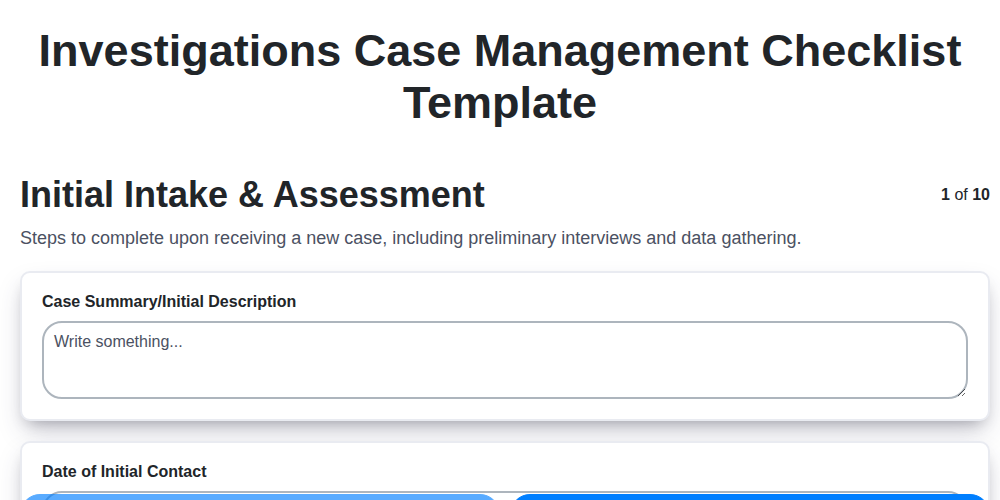
Mastering Investigations: Your Case Management Checklist Template Guide
We can do it Together
Need help with
Case Management?
Have a question? We're here to help. Please submit your inquiry, and we'll respond promptly.