Streamline Student Support: Your Education Case Management Checklist Template
Published: 20/12/2025 22:00 Updated: 21/12/2025 7:05
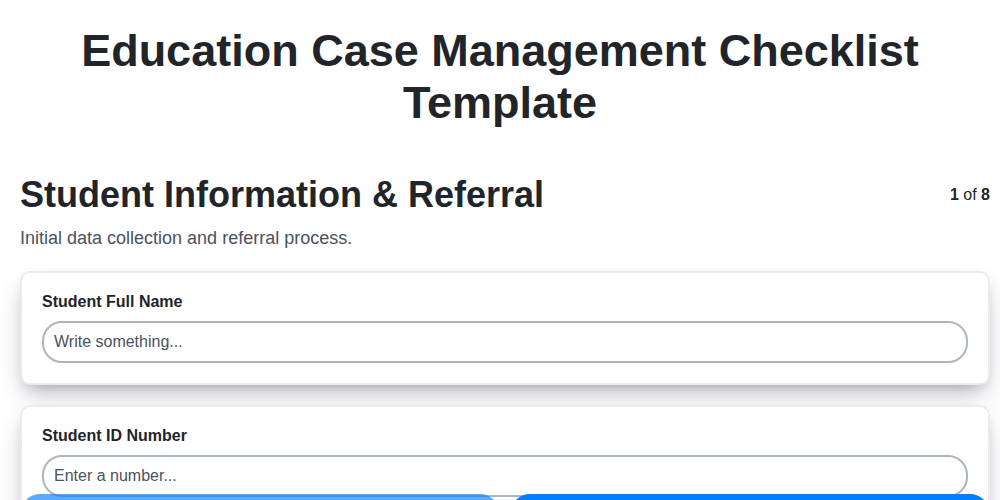
Table of Contents
- Introduction: Why a Case Management Checklist is Essential
- 1. Student Information & Referral: Gathering the Foundation
- 2. Assessment & Planning: Understanding Student Needs
- 3. Intervention Implementation: Putting the Plan into Action
- 4. Progress Monitoring & Evaluation: Tracking Student Growth
- 5. Collaboration & Communication: A Team Approach
- 6. Documentation & Reporting: Maintaining Accurate Records
- 7. Case Closure & Transition: Planning for the Future
- 8. Legal and Compliance: Ensuring Ethical Practice
- 9. Checklist Template: A Practical Guide
- Benefits of Using a Checklist
- Customizing Your Checklist
- Best Practices for Case Management
- Conclusion: Empowering Student Success
- Resources & Links
TLDR: Overwhelmed by student case management? This checklist template breaks down the process into clear steps (Student Info, Assessment, Intervention, Progress Tracking, Communication, Reporting, Closure, and Compliance) so you can stay organized, ensure student needs are met, and avoid crucial oversight - saving you time and improving outcomes!
Introduction: Why a Case Management Checklist is Essential
Effective case management in education is a complex undertaking, demanding meticulous organization and a consistent approach to ensure student success. Juggling multiple responsibilities - from initial referrals to successful transitions - can easily lead to oversights and inconsistencies. This is where a well-designed case management checklist becomes absolutely essential. A checklist isn't just about ticking boxes; it's a framework for providing high-quality, equitable support for each student. It ensures that no critical steps are missed, promotes accountability among case managers, facilitates seamless handoffs when needed, and ultimately, maximizes the positive impact on student outcomes. Utilizing a standardized checklist minimizes errors, streamlines workflows, and provides a clear roadmap for delivering comprehensive and supportive services.
1. Student Information & Referral: Gathering the Foundation
The first critical step in effective case management is ensuring we have a comprehensive understanding of the student and how they arrived at needing support. This phase focuses on gathering vital information and making appropriate referrals.
Here's what this stage entails:
- Initial Intake & Data Collection: This includes collecting basic demographic information, contact details for the student and their family/guardians, and a preliminary understanding of the presenting concerns.
- Referral Source Verification: Understanding who referred the student and why is crucial. Was it a teacher, counselor, administrator, parent, or another agency? Documenting the referral rationale provides context.
- Family/Guardian Consent & Authorization: Secure informed consent and authorizations for information sharing and case management services. Ensure compliance with privacy regulations (e.g., FERPA, HIPAA where applicable).
- Review of Existing Records: Obtain and review relevant school records (attendance, grades, prior assessments, discipline reports) and any outside agency reports available (with proper authorization).
- Initial Meeting/Interview: Conduct an initial meeting with the student (age-appropriate) and their family/guardian to gather their perspective on the concerns and goals for support.
- Identification of Potential Resources: Begin identifying potential internal and external resources that might be beneficial to the student and their family.
- Documentation: Thoroughly document all information gathered, including sources, dates, and individuals involved.
2. Assessment & Planning: Understanding Student Needs
This phase is the bedrock of effective case management. Without a thorough understanding of a student's challenges and strengths, interventions will likely be misdirected and ineffective. This checklist item focuses on gathering comprehensive data and developing a personalized plan.
Key Activities:
- Data Collection: Gather information from multiple sources - teachers, parents/guardians, the student themselves, school counselors, and previous records. This includes academic performance, attendance, behavior, social-emotional well-being, and any relevant medical or psychological evaluations.
- Functional Behavior Assessment (FBA): If behavioral concerns are present, conduct a detailed FBA to identify triggers, maintaining factors, and the function the behavior serves.
- Needs Identification: Based on collected data, pinpoint the student's specific academic, social-emotional, and behavioral needs. Be specific - instead of difficulty with math, note struggles with fractions and word problems.
- Strength Identification: Equally important is identifying the student's strengths and positive attributes. This informs strategies that build on existing skills and fosters a sense of self-efficacy.
- Goal Setting: Collaboratively develop SMART goals (Specific, Measurable, Achievable, Relevant, Time-bound) that address identified needs and build upon strengths. Ensure the student and their family are actively involved in this process.
- Plan Development: Outline specific interventions, supports, and strategies to help the student achieve their goals. This should include responsible parties, timelines, and resources needed.
- Parent/Guardian Involvement: Document communication with parents/guardians and their input into the assessment and planning process. Obtain informed consent when necessary.
- Review and Revision: This assessment and plan is not static. Regularly review the plan (at least quarterly, or more frequently if needed) and revise it based on student progress and changing needs.
Checklist Items to Confirm:
- Data collected from multiple sources.
- FBA conducted (if applicable).
- Specific needs clearly identified.
- Student strengths acknowledged.
- SMART goals established.
- Comprehensive intervention plan developed.
- Parent/Guardian input documented.
- Plan reviewed and approved by relevant stakeholders.
3. Intervention Implementation: Putting the Plan into Action
This is where the real work begins! The assessment and planning phase outlined a roadmap for student success; now it's time to put those strategies into practice. Intervention implementation isn't just about doing things; it's about doing them effectively and with fidelity to the plan.
Here's what this stage involves:
- Define Specific Responsibilities: Clearly assign ownership of each intervention. Who is responsible for delivering the counseling sessions? Who's managing the tutoring? Documenting these assignments ensures accountability.
- Schedule and Coordinate: Build a realistic schedule for intervention delivery. Coordinate across team members (teachers, counselors, specialists, parents) to avoid conflicts and maximize efficiency. Consider student availability and potential barriers.
- Training and Support: Ensure that all individuals delivering interventions are adequately trained and receive ongoing support. This could involve refresher training, access to resources, or ongoing mentorship.
- Adaptation & Flexibility: While fidelity to the plan is important, recognize that interventions may need adjustment based on student response. Be prepared to adapt strategies as needed, and document these changes.
- Resource Allocation: Ensure you have the necessary materials, tools, and personnel to deliver the interventions effectively. This might include assistive technology, learning materials, or access to specialized equipment.
- Student Engagement: Prioritize engaging the student in the intervention process. Their buy-in is crucial for success. Explain the purpose of the interventions and solicit their feedback.
Remember to regularly review the implementation process to ensure it's running smoothly and that interventions are delivered with consistency and quality.
4. Progress Monitoring & Evaluation: Tracking Student Growth
Consistent progress monitoring is the bedrock of effective case management. It's not enough to simply implement interventions; we need to know if they's working. This section of the checklist focuses on systematically tracking student growth and making data-driven adjustments.
Key Checklist Items:
- Define Measurable Goals: Ensure initial goals are SMART (Specific, Measurable, Achievable, Relevant, Time-bound). Regularly review if these goals remain appropriate.
- Select Appropriate Monitoring Tools: Choose tools aligned with the intervention and student needs. This might include standardized assessments, curriculum-based measures, work samples, observation checklists, or anecdotal records.
- Establish a Monitoring Schedule: Determine the frequency of progress checks. This could be weekly, bi-weekly, or monthly, depending on the intensity of the intervention and student needs.
- Collect Data Consistently: Accurate and reliable data collection is paramount. Adhere to the established monitoring schedule and ensure data is recorded clearly and consistently.
- Analyze Data & Identify Trends: Regularly analyze collected data to identify patterns and trends in student progress. Look beyond just the numbers - consider qualitative observations as well.
- Data-Driven Decision Making: Based on the analysis, determine if adjustments to the intervention are needed. Are goals being met? Is the intervention intensity appropriate? Consider modifications to strategies, supports, or even goals themselves.
- Regular Review Meetings: Schedule reviews with the team (including student, family, and relevant professionals) to discuss progress, challenges, and next steps.
- Documentation of Progress & Adjustments: Meticulously document all progress monitoring data, analyses, and any modifications made to the intervention plan.
This ongoing cycle of progress monitoring and evaluation ensures that case management remains responsive to the student's evolving needs and maximizes their potential for success.
5. Collaboration & Communication: A Team Approach
Case management isn't a solo endeavor; it thrives on consistent and open communication. A student's success hinges on a unified front from all involved parties. This section of the checklist emphasizes the critical importance of collaboration and communication throughout the entire case management process.
Here's what this collaboration looks like in practice:
- Regular Meetings: Schedule recurring meetings (frequency determined by the case needs) with parents/guardians, teachers, counselors, administrators, and any other relevant specialists. These meetings should have a clear agenda and documented outcomes.
- Open Communication Channels: Establish accessible and reliable communication channels - email, dedicated messaging apps, or a shared online platform - to facilitate quick and easy updates.
- Active Parent/Guardian Involvement: Proactively seek and incorporate parental/guardian input and perspectives. Their insights are invaluable and contribute to a more holistic understanding of the student's needs.
- Clear Roles & Responsibilities: Ensure everyone understands their roles and responsibilities within the case management team. This prevents duplication of efforts and ensures accountability.
- Feedback Loops: Create opportunities for ongoing feedback from all stakeholders. What's working? What could be improved?
- Cultural Sensitivity: Recognize and respect diverse cultural backgrounds and communication preferences.
Effective collaboration and communication transforms the case management process from a series of isolated actions into a cohesive and supportive network dedicated to the student's success.
6. Documentation & Reporting: Maintaining Accurate Records
Consistent and thorough documentation is the backbone of effective case management. It protects both the student and the school, ensures continuity of services, and provides a clear record of progress (or lack thereof) towards goals. This section outlines key documentation practices.
Essential Elements to Include:
- Referral Details: Date of referral, referring party, reasons for referral, initial concerns.
- Assessment Results: Summaries of all assessments conducted, including standardized test scores, observations, and interview notes. Clearly indicate who conducted the assessment and their qualifications.
- Planning Meeting Notes: Detailed records of planning meetings, including attendees, goals established, interventions agreed upon, and responsibilities assigned.
- Intervention Records: Dates and details of interventions provided, including who provided them, duration, and any notable observations.
- Progress Monitoring Data: Quantitative and qualitative data gathered during progress monitoring, illustrating student progress towards goals. Use graphs or charts where appropriate for visual representation.
- Communication Logs: Dates and content of all communication with parents/guardians, teachers, outside agencies, and other relevant parties.
- Incident Reports: Accurate and objective accounts of any significant incidents or behavioral concerns.
- Signature Verification: Ensure all documentation is appropriately signed and dated by the responsible individuals.
Best Practices:
- Timeliness: Record information promptly after events or interactions.
- Objectivity: Document factual information, avoiding subjective opinions or assumptions. Use I observed... rather than The student seems...
- Confidentiality: Store documentation securely and ensure confidentiality is maintained in accordance with privacy regulations (FERPA, HIPAA if applicable).
- Accessibility: Make documentation accessible to authorized personnel while upholding confidentiality.
- Regular Review: Periodically review documentation for accuracy, completeness, and consistency.
7. Case Closure & Transition: Planning for the Future
Successfully closing a case isn't just about finishing paperwork; it's about ensuring the student continues to thrive. This phase requires proactive planning and a focus on the student's long-term success.
Here's what needs to be considered:
- Review Progress & Goals: Conduct a final review of the student's progress against their initial goals. Determine what has been achieved and identify any remaining needs.
- Develop a Post-Case Plan: Create a clear plan outlining how the student's needs will be met after case management ends. This may involve referrals to community resources, continued support from school staff, or strategies for self-advocacy.
- Student & Family Input: Actively involve the student and their family in the transition planning process. Their input is invaluable in ensuring the plan is realistic and meets their needs.
- Staff Training/Briefing: If the student will continue receiving support from school staff, provide a thorough briefing on the student's background, interventions, and ongoing needs.
- Documentation: Detail the transition plan in the case file, including contact information for relevant agencies and individuals.
- Scheduled Follow-Up (Optional): Consider scheduling a brief follow-up meeting a few weeks or months after case closure to check in on the student's well-being and address any emerging issues.
- Celebrate Successes: Acknowledge and celebrate the student's accomplishments and the progress made during case management. This reinforces positive outcomes and builds confidence.
8. Legal and Compliance: Ensuring Ethical Practice
Case management in education carries significant legal and ethical responsibilities. This section of the checklist focuses on ensuring practices adhere to relevant laws, regulations, and ethical guidelines.
Key Considerations & Checklist Items:
- FERPA Compliance: Strict adherence to the Family Educational Rights and Privacy Act (FERPA) is paramount. Ensure all student information handling, sharing, and storage procedures comply with these regulations. Regularly review and update protocols.
- IDEA Requirements: For students with disabilities, meticulously follow the Individuals with Disabilities Education Act (IDEA) guidelines. This includes procedural safeguards, parental rights, IEP process adherence, and timely implementation of services.
- State and Local Regulations: Be aware of and comply with all state and local laws and policies related to education, child welfare, and reporting requirements. This often includes mandatory reporting of suspected child abuse or neglect.
- Confidentiality Protocols: Maintain strict confidentiality of student records and information. Limit access to authorized personnel and use secure data storage methods. Implement procedures for handling sensitive data like medical information or legal proceedings.
- Consent and Release of Information: Obtain proper written consent from parents/guardians before sharing information with external parties (e.g., therapists, medical professionals, law enforcement). Maintain accurate records of consent and releases.
- Mandatory Reporting: Understand and fulfill mandatory reporting obligations for suspected child abuse or neglect, and document all related actions.
- Legal Consultation: Establish a process for seeking legal counsel on complex cases or when legal questions arise.
- Record Retention: Adhere to established record retention policies for all case management documentation, ensuring compliance with legal and regulatory requirements.
By consistently addressing these legal and compliance aspects, case managers can mitigate risk, uphold ethical standards, and protect the rights and well-being of students.
9. Checklist Template: A Practical Guide
Navigating the complexities of education case management can feel overwhelming. To streamline your workflow and ensure no crucial step is missed, we've developed a comprehensive checklist template. This isn't just a list; it's a roadmap designed to guide you through each stage of the case management process, promoting consistency and accountability.
How to Use the Template:
The checklist is organized around nine core phases, each with specific tasks. We recommend printing the template and using it as a physical guide during each case. Checkboxes are provided for easy tracking of completed tasks. Consider using a digital version for sharing and collaborative editing within your team.
Key Sections & Examples of Tasks:
- Student Information & Referral: Initial intake, collecting student data, verifying demographics, understanding referral sources.
- Assessment & Planning: Conducting assessments, analyzing data, developing individualized plans, setting SMART goals.
- Intervention Implementation: Initiating planned interventions, scheduling support services, coordinating with specialists.
- Progress Monitoring & Evaluation: Regularly tracking student progress, adjusting interventions as needed, documenting observations.
- Collaboration & Communication: Maintaining consistent contact with parents/guardians, sharing updates with teachers and administrators.
- Documentation & Reporting: Ensuring all actions are meticulously documented, generating reports for stakeholders.
- Case Closure & Transition: Planning for student transitions, formally closing the case, archiving relevant documents.
- Legal and Compliance: Adhering to relevant laws and regulations (FERPA, IDEA, etc.), maintaining confidentiality.
- A note on customization: This template is a starting point. Feel free to add or remove tasks to best fit your specific program and student needs.
Pro-Tip: Share this checklist with your team and encourage consistent usage to enhance case management quality and reduce potential errors.
Benefits of Using a Checklist
Using a structured checklist for education case management offers a wealth of benefits, boosting efficiency and ensuring thoroughness. It minimizes the risk of overlooking critical steps, particularly vital when dealing with complex student needs and legal requirements. A checklist fosters consistency across caseworkers, ensuring every student receives a similar level of care and attention regardless of who is managing their case. It also dramatically improves accountability - providing a clear record of actions taken and tasks completed. This transparency is invaluable for audits, reviews, and demonstrating adherence to best practices and legal obligations. Ultimately, a checklist allows case managers to focus their energy on the student, rather than worrying about what steps they might have missed.
Customizing Your Checklist
While our provided Education Case Management Checklist Template offers a robust framework, remember that every student and situation is unique. Don't be afraid to tailor it to your specific needs! Here's how to customize it effectively:
- Add/Remove Steps: Does your program have unique processes? Add steps to reflect them. Conversely, if a step isn't relevant to your work, remove it to streamline the checklist.
- Specific Tasks: Break down broader categories (like "Intervention Implementation") into more granular, actionable tasks. For example, under "Intervention Implementation," you might add tasks like Secure parental consent for therapy or Schedule initial tutoring session.
- Assign Responsibility: Clearly assign responsibility for each task. Who is accountable for completing each item on the checklist? This ensures accountability and prevents tasks from falling through the cracks.
- Add Relevant Fields: Consider adding fields for notes, dates, responsible parties, and required documentation. This will make the checklist more comprehensive and useful.
- Consider Student-Specific Needs: For students with complex needs, you may need to add specific checkpoints or considerations within each category to ensure all aspects of their case are addressed.
- Regular Review: Schedule periodic reviews of your customized checklist to ensure it remains relevant and effective. As student needs and program requirements evolve, so too should your checklist.
Best Practices for Case Management
Effective education case management hinges on consistent, well-executed processes. Moving beyond simply ticking boxes, it's about ensuring student needs are met proactively and collaboratively. Here are some key best practices to elevate your case management efforts, aligning with the critical checklist areas we've outlined:
Prioritize Student-Centered Planning: Every step, from initial referral to case closure, should revolve around the student's individual needs and goals. Involve the student (when appropriate), family, and relevant support staff in the planning process. Avoid a one-size-fits-all approach.
Foster a Collaborative Team: Case management isn't a solitary endeavor. Build a strong, communicative team consisting of teachers, counselors, administrators, specialists, and family members. Regular team meetings, even brief ones, can prevent misunderstandings and ensure everyone is on the same page.
Embrace a Strengths-Based Approach: While addressing challenges is crucial, also focus on the student's strengths and resources. This positive lens can empower the student and build their self-advocacy skills.
Maintain Proactive Progress Monitoring: Don't wait for formal evaluations. Regularly monitor the student's progress through observation, data collection, and informal assessments. This allows for timely adjustments to the intervention plan.
Focus on Family Engagement: Active family involvement is a cornerstone of successful case management. Communicate regularly, provide resources, and involve families in decision-making to build trust and ensure continuity between school and home.
Utilize Data for Continuous Improvement: Regularly analyze case management data to identify trends, assess program effectiveness, and refine processes. This data-driven approach ensures that your case management practices are evolving to meet the changing needs of students.
Conclusion: Empowering Student Success
Ultimately, consistent and thorough case management is vital for student success, particularly for those facing complex challenges. Utilizing a robust Education Case Management Checklist Template, like the one we've outlined, isn't just about ticking boxes; it's about providing a structured and accountable framework to ensure every student receives the individualized support they need. By embracing this approach, educators and case managers can proactively address student needs, foster positive outcomes, and ultimately, empower students to thrive academically, emotionally, and socially. Remember, a well-executed checklist isn't a burden-it's a tool for building brighter futures.
Resources & Links
- National Association of School Psychologists (NASP): Provides resources, standards, and best practices for school psychologists and case management professionals. Useful for understanding legal and ethical considerations.
- Wrightslaw: Excellent resource for special education law and advocacy, providing information relevant to legal and compliance aspects of case management.
- Council for Exceptional Children (CEC): A leading professional organization for special education, offering research, resources, and professional development related to student support and case management.
- PBIS (Positive Behavioral Interventions and Supports): Provides a framework for creating supportive school environments and addressing student behavior - valuable for intervention implementation and progress monitoring.
- U.S. Department of Education: Provides federal guidelines and regulations related to education, including special education and student support services. Essential for legal and compliance understanding.
- Centers for Disease Control and Prevention (CDC) - Children's Health: Provides information on children's health and development, which can inform assessments and interventions in case management.
- Understood: Offers resources and support for parents and educators of children with learning and thinking differences. Valuable for understanding student needs and developing appropriate interventions.
- American Psychological Association (APA): Provides information and resources on psychological principles and practices, relevant for understanding student behavior and developing effective interventions.
- Youth.gov: A U.S. government website providing information and resources related to youth development, including guidance on collaboration and communication.
- Interagency Coordinating Forum on Youth Programs (ICF): Provides resources related to youth programs and initiatives, which can offer examples of collaborative approaches to student support.
Frequently Asked Questions
What is an Education Case Management Checklist Template?
It's a structured document, like a checklist, designed to guide education professionals (teachers, counselors, administrators, etc.) through the process of providing support to students facing academic, social-emotional, or behavioral challenges. It ensures consistent, thorough, and documented support is provided.
Why do I need a case management checklist template?
Using a template promotes consistency, reduces the risk of overlooking crucial steps, provides a framework for collaboration, facilitates data tracking for reporting, and ultimately helps ensure students receive the comprehensive support they need.
Who is this checklist template for?
This template is designed for teachers, counselors, social workers, special education staff, administrators, and anyone involved in providing direct support to students within an educational setting.
What types of student support does this template cover?
The template is adaptable and can cover a wide range of support areas, including academic interventions, behavioral support, social-emotional learning, crisis intervention, and connecting students with external resources. It's designed to be customized to fit specific student needs.
How can this checklist help with data tracking and reporting?
The checklist provides a record of actions taken, meetings held, and progress made with each student. This information can be compiled into reports to demonstrate the effectiveness of support services and identify areas for improvement.
What file format is the checklist template available in?
The article mentions availability in various formats such as Word, Excel, or PDF. Please refer to the article for the specific download options.
Is this checklist compliant with FERPA and other privacy regulations?
The checklist itself is a tool; compliance with FERPA and other privacy regulations is the responsibility of the user. Ensure that all information recorded and shared aligns with your school's and district's privacy policies and procedures.
Where can I find the template?
The article provides links or instructions on how to access and download the Education Case Management Checklist Template. Refer to the article's download section for details.
Found this Article helpful?
Comments
There are no comments yet. Be the first to add one!
Case Management Solution Demo
Streamline your casework & improve outcomes! ChecklistGuro centralizes case details, tasks, & communication. Enhance efficiency, ensure compliance, & deliver exceptional service. Manage it all with our Work OS.
Related Articles
Streamline Your Deals: The Ultimate Real Estate Case Management Checklist Template
Streamline Your Debt Collection: A Case Management Checklist Template
Cybersecurity Incident Response: Your Checklist Template for Success
Streamline Your Case Management: The Ultimate Checklist Template
Mastering IP: Your Intellectual Property Case Management Checklist Template
HR Case Management Checklist Template: Your Guide to Fair & Compliant Investigations
Streamlining Veteran Care: Your Comprehensive Case Management Checklist Template
Mastering Investigations: Your Case Management Checklist Template Guide
We can do it Together
Need help with
Case Management?
Have a question? We're here to help. Please submit your inquiry, and we'll respond promptly.