The Ultimate Estate Case Management Checklist Template: A Step-by-Step Guide
Published: 20.12.2025 22:00 Updated: 21.12.2025 07:06
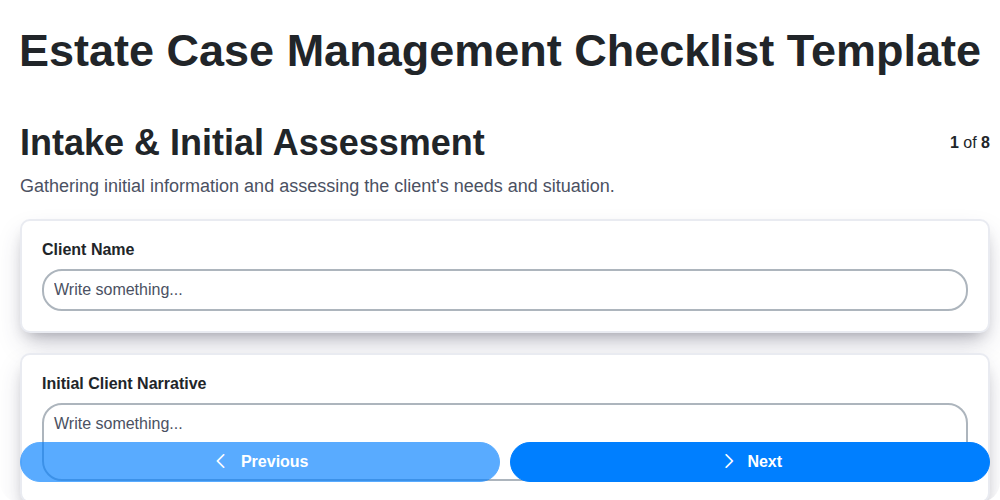
Table of Contents
- Introduction: Navigating the Estate Management Process
- 1. Intake & Initial Assessment: Gathering Essential Information
- 2. Asset Identification & Valuation: Uncovering and Assessing the Estate's Value
- 3. Creditor Claims & Debt Management: Addressing Outstanding Obligations
- 4. Legal Proceedings & Court Filings: Handling Legal Requirements
- 5. Distribution & Beneficiary Communication: Ensuring Fair and Transparent Transfers
- 6. Tax Compliance & Reporting: Meeting Federal and State Obligations
- 7. Closing & Finalization: The Final Steps to Estate Closure
- 8. Record Keeping & Documentation: Maintaining a Comprehensive Trail
- 9. Checklist Template Overview: Your Roadmap to Success
- Pro Tips for Efficient Estate Case Management
- Common Pitfalls to Avoid in Estate Administration
- Leveraging Technology for Estate Case Management
- Resources & Links
TLDR: Feeling overwhelmed by estate case management? This checklist template breaks down the entire process-from initial assessment and asset valuation to distribution, taxes, and final closure-into manageable steps. Download it to stay organized, avoid costly mistakes, and ensure a smooth, legally sound estate administration.
Introduction: Navigating the Estate Management Process
Managing an estate can feel overwhelming, a complex web of legal, financial, and emotional considerations. Whether you're a professional estate administrator or a family member stepping into this role, a systematic approach is crucial for ensuring accuracy, transparency, and compliance. This process involves numerous steps, from initially assessing the situation to the final distribution of assets and closure of the estate. Without a clear roadmap, you risk overlooking vital tasks, incurring unnecessary delays, and potentially facing legal repercussions. That's where a comprehensive estate case management checklist becomes an indispensable tool. This article will outline key steps in the estate management process and provide a template to help you stay organized and efficient throughout. Let's break down the journey, one step at a time.
1. Intake & Initial Assessment: Gathering Essential Information
The very first step in estate case management is a thorough intake and initial assessment. This phase sets the foundation for everything that follows, so accuracy and detail are paramount. We start by gathering critical information from the personal representative (executor or administrator) and, where appropriate, from family members. This includes collecting vital documents such as the will (if one exists), death certificate, and identifying key contacts.
Beyond paperwork, we need to understand the scope of the estate. This involves a preliminary discussion to determine the potential complexity of the case - considering factors like the size of the estate, the number of beneficiaries, potential creditor claims, and any anticipated disputes. We also establish clear communication channels and explain the personal representative's responsibilities and the overall process. A well-executed intake minimizes future misunderstandings and ensures a smoother journey through the estate administration. Initial questions should cover:
- Decedent Information: Full name, date of death, place of residence, Social Security number, and marital history.
- Will & Testament: Location of the will, if any, and instructions for its presentation to the probate court.
- Family Members: Identifying heirs and beneficiaries, and noting their contact information.
- Preliminary Asset Overview: A general understanding of potential assets (real estate, bank accounts, investments).
- Potential Debts: Any known outstanding debts or liabilities.
2. Asset Identification & Valuation: Uncovering and Assessing the Estate's Value
This stage is critical for establishing a clear picture of the estate's financial health and informing all subsequent decisions. It goes far beyond simply listing bank accounts; it's about a comprehensive and accurate assessment of everything the deceased owned.
What Needs to be Identified?
The list can be extensive and often surprises even those familiar with the deceased's life. Consider these categories:
- Real Estate: Homes, land, rental properties. This requires obtaining current market values, often through appraisals.
- Financial Accounts: Bank accounts (checking, savings, CDs), brokerage accounts, retirement accounts (IRA, 401k, pensions), life insurance policies. Beneficiary designations are vital here.
- Personal Property: Vehicles, jewelry, antiques, collectibles, artwork, furniture, and other tangible assets. This can involve appraisals for high-value items.
- Business Interests: Ownership in companies, partnerships, or sole proprietorships. Requires careful valuation often by a professional business appraiser.
- Digital Assets: Cryptocurrency, online accounts (social media, email, subscriptions) - increasingly important to identify and manage. The estate may need login information and instructions.
- Intellectual Property: Copyrights, patents, trademarks.
Valuation Methods & Considerations:
Once identified, assets must be valued as of the date of death. This isn't always straightforward.
- Market Value: Often used for real estate and publicly traded securities.
- Appraisals: Essential for real estate, valuable personal property, and business interests. Use qualified and reputable appraisers.
- Date of Death Value: This is key for tax purposes and can differ from current market value. Consulting with a tax professional is highly recommended.
- Documentation is Paramount: Keep meticulous records of all valuations and appraisals. This is crucial for estate tax filings and potential challenges.
Potential Challenges:
- Hidden Assets: The deceased may have assets you're unaware of. Thorough investigation is key.
- Complex Assets: Business interests and cryptocurrency require specialized valuation expertise.
- Disagreements: Beneficiaries may disagree on asset values, requiring mediation or legal intervention.
3. Creditor Claims & Debt Management: Addressing Outstanding Obligations
Navigating creditor claims is often one of the most complex and potentially contentious aspects of estate case management. It's crucial to handle this process meticulously to ensure legal compliance, protect the estate's assets, and minimize potential disputes. Here's a breakdown of the key steps involved:
1. Identifying and Notifying Creditors: A primary responsibility is to actively seek out and identify all potential creditors. This involves a thorough review of the deceased's records, including bank statements, credit card bills, loan agreements, and correspondence. State laws dictate a timeframe for notifying creditors - typically through publication in a local newspaper - to ensure they're aware of the estate and have the opportunity to file claims. Failing to do so can lead to personal liability for the executor or administrator.
2. Claim Review & Verification: Once claims are filed, each one must be carefully reviewed. This includes verifying the validity of the debt, determining the amount due, and assessing any potential defenses. It's important to scrutinize documentation supporting each claim, looking for discrepancies or errors. Legal counsel can be invaluable in this process.
3. Prioritization of Claims: Not all debts are created equal. State law dictates the order in which claims are paid. Typically, secured creditors (those with collateral, like a mortgage on a house) are paid first, followed by funeral expenses and certain administrative costs. Then, unsecured creditors (credit card companies, medical bills) are paid in a defined order, often based on when the claim was filed.
4. Negotiating & Settling Claims: Often, the total amount of outstanding debt exceeds the available estate assets. In these situations, negotiation and settlement become essential. An experienced estate attorney can negotiate with creditors to reduce the debt or establish a payment plan, protecting the remaining assets for beneficiaries.
5. Dispute Resolution: If a claim is deemed invalid or the amount is disputed, a formal dispute resolution process may be necessary. This could involve mediation, arbitration, or even litigation. Proper documentation and legal representation are paramount in these situations.
6. Management of Priority Debts: Even with limited assets, certain debts, such as taxes, often have a high priority and must be addressed to avoid penalties or legal action. Understanding the applicable tax laws and deadlines is essential.
Effectively managing creditor claims requires a combination of diligence, legal expertise, and strong organizational skills. Ignoring this crucial step can significantly impact the estate's financial health and expose the executor or administrator to personal liability.
4. Legal Proceedings & Court Filings: Handling Legal Requirements
Estate administration often necessitates navigating complex legal proceedings and court filings. This phase demands meticulous attention to detail and a thorough understanding of local probate laws. Here's a breakdown of common tasks:
- Petition for Probate: Initiating the legal process by formally requesting the court to appoint an executor or administrator and officially open the estate. This includes preparing and filing the necessary petition, along with supporting documentation.
- Notice to Creditors: Legally required notification to potential creditors, providing them with a timeframe to submit claims against the estate. This is a critical step to ensure all debts are properly addressed.
- Responding to Claims: Reviewing and validating creditor claims, disputing invalid or excessive claims, and negotiating settlements when appropriate. Accurate documentation of each claim and the resolution is paramount.
- Objections & Litigation: Addressing any objections to the will or appointment of the executor, and managing any necessary litigation related to the estate. This often requires the assistance of legal counsel.
- Accountings & Reporting: Providing regular accountings to the court, detailing all transactions and disbursements made on behalf of the estate. These accountings must be accurate and transparent.
- Court Orders & Compliance: Adhering to all court orders and directives issued throughout the administration process. Failure to do so can result in penalties and delays.
- Will Contests: Handling and responding to any challenges to the validity of the will, which can involve complex legal arguments and evidence.
Proper legal representation is often essential in this phase to ensure compliance and protect the interests of the estate and its beneficiaries.
5. Distribution & Beneficiary Communication: Ensuring Fair and Transparent Transfers
Distributing assets fairly and communicating effectively with beneficiaries is arguably one of the most sensitive and crucial aspects of estate case management. Lack of transparency or perceived unfairness can quickly escalate into disputes and negatively impact family relationships. This section focuses on ensuring a smooth and legally sound distribution process.
Here's what's involved:
- Identify All Beneficiaries: Double-check the will, trust documents, and state laws to ensure all rightful beneficiaries are identified and their entitlements clearly defined. Don't overlook potential unclaimed beneficiaries or those who may have changed since the estate plan was created.
- Preliminary Communication: Early on, provide beneficiaries with a preliminary timeline and overview of the estate's status. This sets expectations and allows them to ask clarifying questions. Regularly update them on progress, even if there's limited news.
- Detailed Accounting: Provide beneficiaries with a detailed accounting of assets, debts, and expenses. This should be easily understandable, avoiding overly technical jargon. A clear breakdown builds trust and demonstrates accountability.
- Distribution Notices: Before any asset distribution occurs, send formal notices detailing the proposed distribution plan, including the specific assets being transferred and their value. Provide a reasonable timeframe for objections.
- Handling Objections: Establish a clear process for addressing beneficiary objections. Document all communications and consider mediation or legal counsel to resolve disputes fairly.
- Record all Communications: Keep meticulous records of all beneficiary communications - emails, letters, meeting notes - for future reference and to demonstrate adherence to legal obligations.
- Consider Mediation: For complex estates or potential disagreements, consider utilizing mediation to facilitate constructive dialogue and reach a mutually agreeable resolution.
Effective beneficiary communication isn't just about legal compliance; it's about maintaining family harmony and minimizing stress during a difficult time.
6. Tax Compliance & Reporting: Meeting Federal and State Obligations
Tax compliance is a critical, and often complex, component of estate case management. Failing to properly handle taxes can result in penalties, interest, and potential legal challenges. Here's a breakdown of key areas to consider:
Federal Estate Tax: This applies to estates exceeding a certain threshold (which changes annually - consult the IRS website for current limits). If applicable, you's need to file Form 706, United States Estate (and Gift) Tax Return, and potentially pay the estate tax.
Income Tax for the Estate: The estate itself may generate income (e.g., from rental properties, investments). This income is taxable and requires filing Form 1041, U.S. Income Tax Return for Estates and Trusts. Careful management of estate assets and timing of distributions can help minimize this tax burden.
State Estate and Inheritance Taxes: Many states also impose estate or inheritance taxes. Requirements vary significantly by state, so it's crucial to understand the specific rules applying to the deceased's domicile.
Beneficiary Tax Implications: Distributions to beneficiaries can have significant tax consequences for them. You should provide beneficiaries with appropriate documentation (e.g., 1099-DIV, K-1 forms) so they can accurately report their income and pay any applicable taxes. Explain the tax implications of different distribution options.
Required Documentation: Maintaining meticulous records of all income, expenses, and distributions is essential for accurate tax reporting and audits. This includes receipts, bank statements, and detailed ledgers.
Professional Guidance: Due to the complexities of estate tax law, it's highly recommended to engage a qualified tax professional (CPA or tax attorney) to ensure compliance and minimize potential tax liabilities. They can provide tailored advice based on the specific circumstances of the estate.
Resources:
- IRS Estate and Gift Tax Information: https://www.irs.gov/businesses/small-businesses/estate-and-gift-tax
- Your State's Department of Revenue website
7. Closing & Finalization: The Final Steps to Estate Closure
Reaching the closing phase of an estate case marks a significant milestone. It's the culmination of all the hard work and careful navigation through complex legal and financial processes. However, it's crucial to execute this phase with meticulous attention to detail to avoid future complications and ensure a smooth transition.
Here's what typically happens during the closing & finalization stage:
- Final Accounting: A comprehensive accounting of all estate assets, income, expenses, and distributions is prepared and presented to the court (if required) and the beneficiaries. This document provides a complete record of the estate's financial activities.
- Court Approval (if applicable): If court oversight was involved, the final accounting needs formal approval from the court, confirming its accuracy and fairness.
- Receipts and Acknowledgements: Secure written receipts or acknowledgements from beneficiaries confirming they have received their distributions. This protects the executor/administrator from future claims.
- Release of Claims: Obtain releases from beneficiaries, waiving any further claims against the estate. This is a key step in securing the executor's protection.
- Final Tax Returns: File any remaining federal and state tax returns for the estate, including Form 1041 (U.S. Income Tax Return for Estates and Trusts).
- Formal Discharge: Request and receive a formal discharge from the court, officially releasing the executor/administrator from their duties and liabilities.
- Safe Deposit Box Closure: Close any safe deposit boxes held in the estate's name and ensure all contents are properly accounted for and distributed.
Taking these steps diligently ensures that the estate is properly closed and all legal and fiduciary obligations are fulfilled.
8. Record Keeping & Documentation: Maintaining a Comprehensive Trail
Estate case management isn't just about completing tasks; it's about proving that those tasks were completed correctly and in accordance with legal requirements. Robust record keeping and meticulous documentation are absolutely critical throughout the entire process. This isn't just a 'nice to have' - it's a necessity for demonstrating fiduciary responsibility, defending against potential challenges, and ensuring a smooth, transparent administration.
What should be included? Virtually everything. This encompasses:
- Intake Documents: Client agreements, initial consultations notes, powers of attorney, will copies.
- Asset Records: Deeds, titles, bank statements, investment account statements, appraisals, insurance policies - all with dates and sources.
- Creditor Information: Claims filed, correspondence with creditors, payment records, settlement agreements.
- Court Filings: All pleadings, motions, orders, and judgments.
- Communication Logs: Detailed records of all communication with beneficiaries, creditors, legal counsel, and court personnel, including dates, methods (email, phone, in-person), and key discussion points.
- Expense Reports: Detailed records of all expenses incurred on behalf of the estate, categorized appropriately.
- Tax Documents: All tax returns filed, supporting documentation, and correspondence with tax authorities.
- Receipts and Invoices: Keep everything - seriously, everything.
Best Practices:
- Digital Storage: Implement a secure, cloud-based system for document storage. This allows for easy access, backups, and collaboration.
- Naming Conventions: Establish clear and consistent file naming conventions to ensure quick retrieval.
- Regular Backups: Cloud storage helps, but regular backups are still essential.
- Retention Schedule: Understand and adhere to relevant legal retention schedules. While it may seem tempting to delete everything after closing, some documents must be preserved for a specific period.
- Audit Trail: Ensure your system allows for an audit trail, allowing you to track who accessed and modified documents.
Thorough record keeping isn't just about compliance; it's about peace of mind - knowing that you've fulfilled your fiduciary duties and have a clear, auditable trail to support your actions.
9. Checklist Template Overview: Your Roadmap to Success
This comprehensive Estate Case Management Checklist Template is designed to be your guide through the complexities of estate administration. Think of it as a detailed roadmap, ensuring no crucial step is overlooked. Each section-from initial intake to final closure-contains actionable tasks and prompts to maintain organization and compliance. We've broken down the entire process into nine key phases, each building upon the last to achieve a smooth and legally sound conclusion.
Here's a quick look at what each phase covers:
- Intake & Initial Assessment: Gathering necessary documents, understanding the scope of the estate, and identifying key stakeholders.
- Asset Identification & Valuation: Cataloging all assets (real estate, personal property, investments, etc.) and determining their fair market value.
- Creditor Claims & Debt Management: Identifying and addressing creditor claims, negotiating settlements, and managing outstanding debts.
- Legal Proceedings & Court Filings: Navigating court procedures, filing required documents, and addressing legal challenges.
- Distribution & Beneficiary Communication: Distributing assets according to the will or state law, and keeping beneficiaries informed throughout the process.
- Tax Compliance & Reporting: Ensuring proper tax filings and reporting, including federal and state estate taxes.
- Closing & Finalization: Obtaining court approvals, finalizing accountings, and formally closing the estate.
- Record Keeping & Documentation: Maintaining meticulous records of all transactions, communications, and decisions.
By utilizing this template, you can proactively manage your responsibilities, minimize errors, and ultimately, provide a greater peace of mind throughout the estate administration process. The checklist is designed to be adaptable - tailor it to your specific needs and the unique circumstances of each estate.
Pro Tips for Efficient Estate Case Management
Managing an estate can feel overwhelming, but strategic organization and proactive steps can significantly ease the process. Here are a few pro tips to help you streamline your workflow and avoid common pitfalls:
- Embrace Technology: Don't rely solely on paper files! Utilize case management software or even a robust spreadsheet system. These tools can centralize information, automate reminders, and improve collaboration if you're working with a team.
- Prioritize and Schedule: Estate cases often involve numerous tasks with varying deadlines. Prioritize based on urgency (court filings, tax deadlines) and schedule dedicated blocks of time to focus on specific areas.
- Communication is Key: Keep all parties - beneficiaries, creditors, legal counsel - informed throughout the process. Regular updates, even if brief, build trust and reduce inquiries. Consider setting up a dedicated email address for estate communications.
- Delegate When Possible: Don't be afraid to delegate tasks, either to other team members or to trusted professionals. This frees up your time for the more complex legal and strategic decisions.
- Anticipate Challenges: Be prepared for potential hurdles like disputed claims, complex asset valuations, or unexpected tax implications. Research and proactively address potential issues to minimize delays.
- Document Everything: Maintain meticulous records of all actions taken, communications made, and decisions reached. This provides a clear audit trail and protects against potential liabilities.
Common Pitfalls to Avoid in Estate Administration
Navigating the complexities of estate administration can be overwhelming, and even experienced professionals can stumble. Here are some frequent pitfalls to watch out for, directly related to the tasks outlined in your checklist:
- Incomplete Asset Identification: Failing to identify all assets - think forgotten bank accounts, digital assets, or even valuable collectibles - can significantly impact the estate's value and distribution. A thorough asset identification process, as detailed in the "Asset Identification & Valuation" section of your checklist, is crucial.
- Ignoring Digital Assets: These are increasingly common and often overlooked. Social media accounts, online investment portfolios, and digital photos all have ownership and potential value. Failing to address them is a growing issue.
- Underestimating Creditor Claims: Properly vetting and managing creditor claims is vital. Ignoring or dismissing legitimate claims can lead to costly legal challenges and delay the process. Meticulously following the Creditor Claims & Debt Management steps is essential.
- Missed Deadlines for Legal Filings: Court deadlines are strict. Missing a filing deadline can have severe consequences, including penalties and the potential for the entire estate administration to be thrown off track. Your Legal Proceedings & Court Filings checklist section is your guide here.
- Poor Beneficiary Communication: Lack of clear and consistent communication with beneficiaries can breed frustration, distrust, and even legal disputes. Keep beneficiaries informed throughout the process.
- Ignoring Tax Implications: Estate taxes and income taxes are complex. Failing to accurately calculate and file these taxes can result in significant penalties. The Tax Compliance & Reporting section is your critical reference.
- Insufficient Record Keeping: A disorganized or incomplete record-keeping system makes it difficult to track progress, respond to inquiries, and defend the administration in case of challenges. Consistent adherence to the Record Keeping & Documentation steps is non-negotiable.
Leveraging Technology for Estate Case Management
Managing an estate is complex, demanding meticulous organization and accuracy. While traditional methods relying on spreadsheets and paper files can work, they're often prone to errors, inefficiencies, and lost information. Modern estate case management software offers a significant upgrade, streamlining workflows and minimizing risks.
These platforms typically centralize all case data - from initial intake forms and asset inventories to creditor claims and beneficiary communications - in a secure, cloud-based environment. Automated workflows can trigger reminders for deadlines, ensure compliance with legal requirements, and simplify tasks like calculating inheritances and generating reports. Features like digital document storage, e-signatures, and automated beneficiary portals further reduce manual effort and enhance transparency. For example, instead of manually tracking deadlines for creditor claims, a software platform can automatically alert you and other involved parties, preventing costly penalties. Furthermore, many platforms integrate with court filing systems, streamlining legal proceedings. Ultimately, leveraging technology not only improves efficiency but also reduces the potential for human error and strengthens the security of sensitive client data.
Resources & Links
- U.S. Department of Justice - Elder Fraud: Provides information and resources about elder fraud prevention and recovery, a relevant concern in many estate cases. Useful for intake and beneficiary communication.
- IRS - Estate Tax: Official IRS information on estate tax regulations, forms, and publications. Essential for tax compliance and reporting.
- U.S. Courts - Estate Administration: Provides a general overview of the federal court system and resources related to estate administration. Helpful for understanding legal proceedings.
- Nolo - Estate Planning: Nolo offers comprehensive legal information and resources related to estate planning, wills, and trusts. Useful for understanding broader context.
- Investopedia - Estate Definition: Provides a clear and concise definition of "estate" and related terms, aiding in initial assessment and beneficiary understanding.
- EstatePlanning.com: A resource for finding estate planning attorneys and accessing articles and information about estate planning and administration.
- National Association of Estate Administrators: Provides resources and information for professional estate administrators. Useful for those handling estates professionally.
- American Bar Association: The ABA offers resources and legal information related to all areas of law, including estate administration. Offers broader legal context.
- PracticeLawyer - Estate Planning Law: Provides information and connects individuals with estate planning attorneys, useful for understanding complex situations and potential legal consultation.
- Brook Law Group - Estate Planning: Another legal resource offering information and insights into estate planning and administration, including articles and blog posts.
Frequently Asked Questions
What is estate case management?
Estate case management involves organizing and managing all aspects of administering an estate, from gathering assets and paying debts to distributing inheritances. It's a complex process and this checklist is designed to help you stay organized and compliant with legal requirements.
Who is this checklist template for?
This checklist is designed for executors, administrators, estate attorneys, and anyone responsible for managing an estate. It's useful regardless of the size or complexity of the estate.
Is this checklist legally binding?
No, the checklist itself is not legally binding. It's a guideline to ensure all necessary steps are taken during the estate administration process. Always consult with an estate attorney for legal advice tailored to your specific situation.
Can I customize the checklist template?
Absolutely! The template is designed to be flexible. You can add, remove, or modify tasks to accurately reflect the specific circumstances of the estate you're managing.
What software or tools do I need to use this checklist?
You don't need any specific software. The template is provided as a document that can be used manually or imported into spreadsheet programs like Microsoft Excel or Google Sheets. There are also digital estate management software options that can integrate similar checklists.
What is probate and why is it mentioned in the checklist?
Probate is the legal process of validating a will and administering an estate in court. Many tasks on the checklist relate to the probate process, ensuring proper legal procedures are followed.
What does 'assets' refer to in the checklist?
'Assets' encompass all of the deceased's belongings, including real estate, bank accounts, investments, vehicles, personal property, and any other items of value.
What should I do if I'm unsure about a task on the checklist?
If you're unsure about any task, it's crucial to seek professional help. Consult with an estate attorney or qualified accountant to ensure you're handling the process correctly.
Are there different checklists for different types of estates (e.g., intestacy, small estates)?
While this checklist provides a comprehensive overview, some estates, such as small estates or those handled through intestacy (without a will), may have simplified procedures. Consult with an attorney to determine the appropriate process and checklist variations.
Where can I find legal resources and support for estate administration?
You can find resources from your state's bar association, estate planning councils, and online legal directories. A qualified estate attorney is your best resource for tailored legal advice.
Found this Article helpful?
Comments
There are no comments yet. Be the first to add one!
Case Management Solution Demo
Streamline your casework & improve outcomes! ChecklistGuro centralizes case details, tasks, & communication. Enhance efficiency, ensure compliance, & deliver exceptional service. Manage it all with our Work OS.
Related Articles
Streamline Your Deals: The Ultimate Real Estate Case Management Checklist Template
Streamline Your Debt Collection: A Case Management Checklist Template
Cybersecurity Incident Response: Your Checklist Template for Success
Streamline Your Case Management: The Ultimate Checklist Template
Mastering IP: Your Intellectual Property Case Management Checklist Template
HR Case Management Checklist Template: Your Guide to Fair & Compliant Investigations
Streamlining Veteran Care: Your Comprehensive Case Management Checklist Template
Mastering Investigations: Your Case Management Checklist Template Guide
We can do it Together
Need help with
Case Management?
Have a question? We're here to help. Please submit your inquiry, and we'll respond promptly.