Streamline Government Case Management: Your Essential Checklist Template
Published: 20.12.2025 22:00 Updated: 21.12.2025 07:07
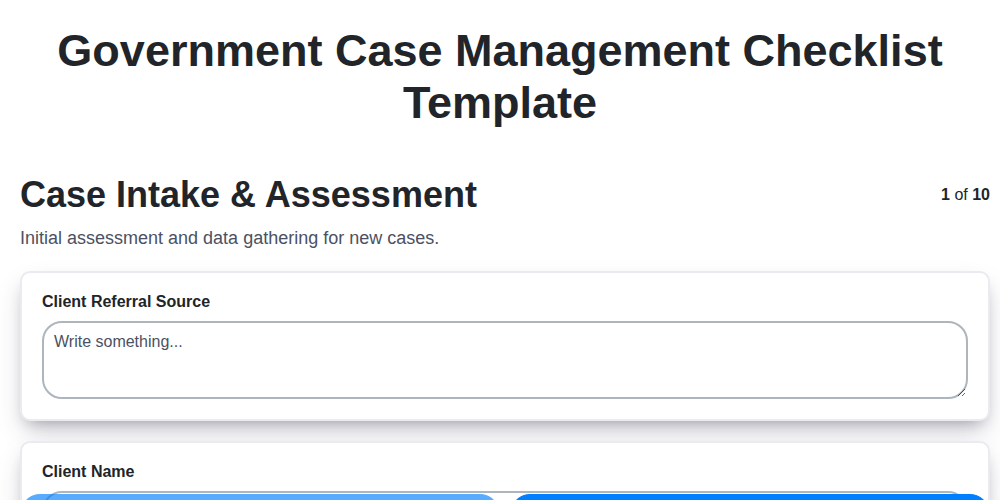
Table of Contents
- Introduction: Why a Case Management Checklist is Crucial
- 1. Case Intake & Assessment: Getting Started Right
- 2. Eligibility Verification: Ensuring Compliance
- 3. Service Planning & Coordination: Tailoring Support
- 4. Documentation & Record Keeping: Maintaining Accurate Records
- 5. Progress Monitoring & Evaluation: Tracking Outcomes
- 6. Communication & Collaboration: Keeping Everyone Informed
- 7. Legal Compliance & Reporting: Staying Within the Law
- 8. Case Closure & Transition: Planning for the Future
- 9. Security & Confidentiality: Protecting Sensitive Information
- 10. Quality Assurance & Auditing: Ensuring Best Practices
- 11. Leveraging Technology for Enhanced Efficiency
- 12. Training and Staff Development
- Conclusion: Implementing and Refining Your Checklist
- Resources & Links
TLDR: Overwhelmed by government case management? This checklist template covers everything from initial intake to case closure, ensuring you're compliant, organized, and delivering quality service. It's a one-stop resource for efficient and effective case handling - saving you time and reducing errors!
Introduction: Why a Case Management Checklist is Crucial
Government case management often deals with vulnerable populations and complex situations, demanding meticulous organization and adherence to strict protocols. A robust case management checklist isn't just a nice-to-have - it's a critical tool for ensuring consistent, ethical, and legally sound service delivery. Without a standardized approach, cases can fall through the cracks, leading to inefficiencies, potential legal risks, and, most importantly, compromised outcomes for the individuals and families you serve.
This checklist acts as a framework, guiding caseworkers through each stage of a case, from initial contact to closure. It promotes accountability, reduces errors, and ensures that all necessary steps are taken, ultimately contributing to better case outcomes and increased organizational effectiveness. It fosters a culture of best practices and provides a vital record of actions taken, supporting both internal oversight and external audits. Let's explore the key components that make a comprehensive case management checklist essential for government agencies.
1. Case Intake & Assessment: Getting Started Right
The foundation of successful case management lies in a thorough and accurate intake and assessment process. This initial phase is more than just gathering information; it's about establishing rapport, understanding the client's needs, and setting the stage for effective intervention.
Here's what your checklist for this stage should include:
- Initial Contact & Information Gathering: Record the date, time, method of contact, and initial reason for seeking assistance. Document any immediate concerns expressed by the client.
- Client Interview: Conduct a structured interview to gather comprehensive background information, including demographics, family history, relevant experiences, and current challenges.
- Needs Identification: Utilize standardized assessment tools (where applicable and appropriate) to identify specific needs in areas like housing, employment, mental health, substance abuse, and legal assistance.
- Risk Assessment: Evaluate for any immediate safety risks, including potential for harm to self or others, and take appropriate actions as mandated by policy.
- Goal Setting (Preliminary): Begin a preliminary discussion about potential goals, emphasizing that these are subject to refinement as the case unfolds.
- Referral Source Documentation: Clearly record how the client was referred - agency referral, self-referral, court order, etc.
- Consent & Authorization: Obtain informed consent and necessary authorizations for sharing information and accessing services.
A well-executed Case Intake & Assessment is the cornerstone of effective case management, ensuring services are aligned with the client's specific needs and promoting positive outcomes.
2. Eligibility Verification: Ensuring Compliance
A robust eligibility verification process is the bedrock of any successful government case management program. It's not just about ticking a box; it's about ensuring resources are allocated appropriately and ethically, minimizing fraud and maximizing impact. This stage involves meticulously gathering and verifying information against established criteria outlined in program guidelines.
Here's a breakdown of key considerations for this crucial step:
- Gathering Required Documentation: This includes, but isn't limited to, proof of income, residency, identification, and any other documentation specific to the program's eligibility requirements. Develop a clear and concise list of required documents and communicate it effectively to applicants.
- Verification Against Databases: Cross-referencing applicant information with relevant databases (e.g., state databases, national registries) is essential for confirming identity and assessing existing support. Adhere strictly to privacy regulations when accessing and utilizing these databases.
- Income Calculation & Validation: Employ a standardized method for calculating income, considering all sources and deductions as per program rules. Document your calculations clearly and maintain audit trails.
- Dependency Assessment: Determine dependency status accurately, following established guidelines. Misclassification can significantly impact eligibility and resource allocation.
- Appeal Process Clarity: Applicants denied eligibility must be informed of their right to appeal the decision, with clear instructions on how to do so. Document all appeals and their resolutions.
- Regular Review of Eligibility Criteria: Government programs often evolve. Regularly review and update eligibility criteria to ensure they remain relevant and aligned with policy changes.
Thorough eligibility verification minimizes errors, protects program integrity, and ultimately benefits the individuals who are rightfully eligible to receive assistance.
3. Service Planning & Coordination: Tailoring Support
Effective case management hinges on creating a personalized service plan that genuinely addresses the individual's needs. This isn't a one-size-fits-all approach; it requires careful consideration and active collaboration. Here's what a strong service planning & coordination process includes:
- Collaborative Needs Identification: Begin by engaging the client directly. Actively listen to their goals, challenges, and preferences. Incorporate input from family members, advocates, and other relevant professionals - always with the client's consent.
- Goal Setting: Define clear, measurable, achievable, relevant, and time-bound (SMART) goals. These goals should align with the client's identified needs and desires. Break down larger goals into smaller, manageable steps.
- Service Selection: Based on the assessed needs and goals, identify appropriate services. This could include referrals to specialized programs, community resources, counseling, financial assistance, or other support.
- Coordination & Referral Management: Actively coordinate services to ensure a seamless experience for the client. This means managing referrals, scheduling appointments, and following up with service providers.
- Regular Review & Adjustment: The service plan isn't static. Regularly review its effectiveness with the client and adjust it as needed to reflect changing circumstances or progress towards goals. Document these reviews thoroughly.
- Cultural Sensitivity: Ensure all services and interventions are culturally sensitive and respectful of the client's background and beliefs.
A well-coordinated service plan empowers clients to take control of their journey and increases the likelihood of positive outcomes.
4. Documentation & Record Keeping: Maintaining Accurate Records
Robust documentation and record keeping are the backbone of effective government case management. It's not just about ticking boxes; it's about creating a clear, auditable trail of every action taken on behalf of a client. This section focuses on maintaining accurate, organized, and secure records, which are vital for accountability, legal compliance, and continuity of service.
Key Elements of Effective Documentation:
- Consistent Formatting: Establish a standardized format for all case notes, reports, and correspondence. This promotes clarity and ease of retrieval. Use pre-defined templates where possible.
- Timeliness: Record information as close to the event as possible. Delayed documentation can lead to inaccuracies and inconsistencies.
- Specificity & Detail: Avoid vague or subjective language. Document specific observations, actions, and client responses. Client appeared sad is less helpful than Client reported feeling overwhelmed due to job loss and expressed difficulty paying rent.
- Objectivity: Maintain a professional and objective tone. Separate personal opinions from factual observations.
- Data Security: Adhere strictly to data privacy regulations and security protocols. Implement access controls to limit who can view and modify case records.
- Retention Schedules: Follow established retention schedules for record storage and disposal, ensuring compliance with legal and regulatory requirements.
- Electronic vs. Paper Records: If utilizing electronic records, ensure data integrity through backups and disaster recovery plans. If paper records are used, implement secure storage and retrieval systems.
- Client Rights: Document how client rights regarding access to records and confidentiality are addressed and acknowledged.
Proper documentation safeguards the agency, protects client confidentiality, and ultimately contributes to better outcomes.
5. Progress Monitoring & Evaluation: Tracking Outcomes
Regularly monitoring progress and evaluating outcomes is crucial for effective case management. This isn't just about ticking boxes; it's about ensuring your interventions are truly impacting the client's life and moving them towards their goals. Implement a structured approach using measurable indicators. These might include changes in income, housing stability, educational attainment, health status, or any other relevant factors tied to the client's individualized service plan.
Establish clear timelines for progress checks - perhaps weekly, bi-weekly, or monthly, depending on the case complexity. During these reviews, gather data through client interviews, observations, and any available external reports. Document these findings meticulously, noting both successes and challenges.
Don't be afraid to adjust the service plan based on evaluation results. If a particular intervention isn't working, pivot to a different strategy. This demonstrates responsiveness and a commitment to achieving optimal outcomes. It's also vital to track unforeseen consequences, positive or negative, and document how you're addressing them. The ultimate goal is to demonstrate accountability and continuous improvement in your case management services.
6. Communication & Collaboration: Keeping Everyone Informed
Effective case management hinges on clear, consistent, and timely communication. This isn't just about informing the client; it's about keeping all stakeholders - including legal representatives, support staff, collaborating agencies, and family members (with appropriate consent) - in the loop.
Our checklist emphasizes the importance of establishing a communication plan early on. This plan should outline:
- Preferred Communication Methods: Determine the best way to reach each stakeholder (phone, email, secure portal, in-person meetings) and document these preferences.
- Frequency of Updates: Schedule regular updates, both formal and informal, to track progress and address emerging issues.
- Designated Contacts: Clearly identify who is responsible for disseminating information and who to contact for specific inquiries.
- Consent and Privacy: Ensure all communication adheres to privacy regulations and requires informed consent from the client, where applicable. Document all consent received.
- Meeting Minutes & Notes: Maintain records of all significant conversations and meetings related to the case.
- Escalation Procedures: Outline how to handle situations requiring immediate attention and to whom concerns should be escalated.
Proactive communication fosters trust, strengthens partnerships, and ultimately leads to more successful case outcomes. Regular, transparent updates are essential for a truly collaborative approach.
7. Legal Compliance & Reporting: Staying Within the Law
Government case management operates within a complex web of laws, regulations, and reporting requirements. Failing to adhere to these can result in serious repercussions, including fines, legal action, and damage to reputation. This section of the checklist focuses on ensuring your case management processes are legally sound and transparent.
Key Checklist Items:
- Stay Current with Applicable Laws: Regularly review and update your understanding of federal, state, and local laws relevant to your case types (e.g., HIPAA, FOIA, state privacy laws, specific program regulations). Designate a staff member or team responsible for legal updates.
- Mandatory Reporting: Understand and comply with all mandatory reporting requirements for suspected abuse, neglect, or exploitation. Document all reporting actions meticulously.
- Data Security & Privacy: Strict adherence to data privacy laws (like HIPAA if applicable) is non-negotiable. Ensure protocols for data storage, access, and transmission are robust.
- Record Retention Policies: Establish and follow legally compliant record retention schedules. Knowing how long to keep records and when to securely destroy them is critical.
- Audit Trails: Maintain comprehensive audit trails documenting all case actions, modifications, and accesses. This provides transparency and accountability.
- Reporting to Oversight Bodies: Understand and fulfill all reporting requirements to government agencies or oversight bodies responsible for your program. Meet deadlines and ensure accuracy in reports.
- Legal Consultation: When faced with complex legal situations or ambiguity, consult with legal counsel for guidance and ensure compliance.
- Training: Regularly train staff on relevant laws, regulations, and reporting procedures. Document all training sessions.
8. Case Closure & Transition: Planning for the Future
Closing a case isn't just about finalizing paperwork; it's about ensuring a smooth and successful transition for the individual or family receiving services. A well-planned closure minimizes setbacks and maximizes long-term stability. This checklist item focuses on ensuring a responsible and supportive end to case management.
Here's what needs to be addressed:
- Review Progress & Outcomes: Revisit the initial goals and objectives established during the case intake. Assess what has been achieved and identify any remaining needs.
- Develop a Transition Plan: Collaboratively create a transition plan with the individual/family, outlining steps for continued support, resources, and potential follow-up services. This should include contact information for relevant agencies and individuals.
- Identify Ongoing Supports: Determine what ongoing supports are needed (e.g., community resources, support groups, advocacy services) and provide detailed information about accessing them.
- Assess Continued Needs: Specifically identify any potential barriers to continued progress post-closure and strategize for overcoming them.
- Schedule Follow-Up (if applicable): If deemed necessary and agreed upon, schedule a follow-up appointment to ensure the transition is going well and to address any emerging challenges.
- Obtain Client Sign-Off: Secure documented client agreement and understanding of the closure plan and transition process.
- Finalize Documentation: Update case notes to accurately reflect the closure and transition plan.
- Secure Necessary Referrals: Formalize referrals to any ongoing service providers.
- Inform Relevant Parties: Notify any relevant parties (e.g., other agencies, family members - with client consent) regarding the case closure and transition plan.
9. Security & Confidentiality: Protecting Sensitive Information
Case management often involves handling incredibly sensitive personal information - medical history, financial details, legal records, and more. Maintaining the security and confidentiality of this data isn't just best practice; it's often a legal and ethical obligation. This checklist section focuses on ensuring robust protections are in place.
Here's what to include:
- Data Encryption: All electronic data, both at rest and in transit, should be encrypted. This includes files stored on servers, laptops, and portable devices. Regularly review encryption protocols.
- Access Controls: Implement strict access controls, granting access to case files only to authorized personnel. Utilize role-based access to limit permissions. Regularly review and update access permissions as staff changes.
- Physical Security: Secure physical storage of paper records, locking cabinets and restricting access to designated areas.
- Password Management: Enforce strong password policies and multi-factor authentication. Regularly remind staff of the importance of secure password practices.
- Data Breach Response Plan: Develop and regularly test a comprehensive data breach response plan, outlining steps to take in case of a security incident.
- Training and Awareness: Provide ongoing training to all staff regarding data security protocols and confidentiality requirements. Reinforce the importance of privacy and the consequences of breaches.
- Secure Communication: Utilize secure communication channels (e.g., encrypted email) when sharing sensitive information.
- Third-Party Vendor Agreements: Ensure that any third-party vendors handling case data adhere to strict security and confidentiality standards, outlined in written agreements.
- Regular Security Audits: Conduct periodic security audits to identify vulnerabilities and ensure compliance with established protocols.
10. Quality Assurance & Auditing: Ensuring Best Practices
Consistent quality assurance and regular auditing are vital for any government case management program. They provide a crucial layer of oversight, ensuring adherence to established procedures, identifying areas for improvement, and ultimately, safeguarding the quality of services provided to clients. This isn't just about ticking boxes; it's about demonstrating accountability and continuously striving for excellence.
Our checklist incorporates several key aspects of quality assurance:
- Regular Case File Reviews: Implement a schedule for randomly selecting case files for review by supervisors or designated quality assurance personnel. These reviews should focus on accuracy, completeness, and compliance with established protocols.
- Staff Training and Competency Checks: Ongoing training isn't just a requirement; it's a cornerstone of quality. Regularly assess staff competency in case management best practices, legal updates, and ethical considerations. Document these assessments and provide targeted training to address any gaps.
- Client Satisfaction Surveys: Directly solicit feedback from clients through surveys or interviews. This provides invaluable insights into the client experience and helps identify areas where services can be enhanced.
- Process Audits: Periodically examine specific case management processes (e.g., eligibility verification, service coordination) to identify bottlenecks, inefficiencies, and potential risks.
- Data Integrity Checks: Implement measures to ensure the accuracy and reliability of data entered into the case management system. This includes regular data validation and reconciliation processes.
- Compliance Reviews: Conduct periodic reviews to ensure adherence to relevant regulations, policies, and ethical guidelines.
Documentation of all quality assurance and auditing activities is paramount, including findings, corrective actions taken, and follow-up measures. By prioritizing these practices, we can foster a culture of continuous improvement and consistently deliver high-quality case management services.
11. Leveraging Technology for Enhanced Efficiency
Managing government cases effectively demands meticulous organization and streamlined processes. Thankfully, technology offers a powerful arsenal to alleviate the burdens traditionally associated with manual case management. Consider how digital tools can revolutionize each stage of your checklist:
- Centralized Data Storage: Move beyond paper files and spreadsheets! Case management software provides a single, secure repository for all case-related information, accessible to authorized personnel.
- Automated Reminders & Notifications: Never miss a deadline again. Automated reminders for appointments, assessments, and reporting requirements drastically reduce the risk of errors and delays.
- Secure Communication Platforms: Facilitate seamless communication between caseworkers, clients, and partner agencies through encrypted portals and messaging systems. This improves collaboration and keeps everyone informed.
- Workflow Automation: Automate repetitive tasks, such as eligibility verification checks or report generation. This frees up caseworkers to focus on client interaction and complex problem-solving.
- Data Analytics & Reporting: Leverage built-in analytics dashboards to track case progress, identify trends, and evaluate program effectiveness. This informs decision-making and helps optimize resource allocation.
- Client Portals: Empower clients with secure online access to their case information, documents, and communication channels, fostering transparency and engagement.
Implementing a robust case management system, whether cloud-based or on-premise, is an investment that pays dividends in terms of efficiency, accuracy, and improved client outcomes. Don't let outdated processes hold you back - embrace technology to unlock the full potential of your case management efforts.
12. Training and Staff Development
Effective case management hinges on a skilled and knowledgeable team. A robust training program isn't just a "nice-to-have," it's a critical investment that ensures consistent, high-quality service delivery and keeps your staff up-to-date with evolving regulations and best practices.
This section outlines essential training areas for case management staff:
- Initial Onboarding: Comprehensive training on the government case management checklist template itself - its purpose, each step, and how it integrates into daily workflows. This should include practical exercises and supervised practice.
- Legal and Ethical Considerations: Regular updates on relevant laws, regulations, and ethical guidelines pertaining to case management, client confidentiality, and data privacy.
- Specific Service Areas: Targeted training on the specialized services offered within the case management program, such as housing assistance, mental health support, or disability services.
- Cultural Competency & Sensitivity: Ongoing training to foster cultural sensitivity and awareness, enabling staff to effectively serve diverse client populations.
- Technology & System Proficiency: Training on all case management software and technology used, including data entry, reporting, and communication tools.
- Trauma-Informed Care: Providing staff with the knowledge and skills to understand and respond to clients who have experienced trauma.
- Continuous Professional Development: Encouraging staff to pursue continuing education and certifications relevant to their roles.
Regular refresher courses and opportunities for skill enhancement are vital to maintain a competent and adaptable team, ensuring the government case management checklist template is utilized effectively and client needs are consistently met.
Conclusion: Implementing and Refining Your Checklist
Implementing a robust government case management checklist isn't a set it and forget it endeavor. It's a living document that needs ongoing attention and refinement. Regularly review your checklist, ideally quarterly or annually, to ensure it aligns with evolving regulations, agency policies, and best practices. Solicit feedback from case managers - they're the ones using it daily and can offer invaluable insights into its effectiveness. Are there steps that feel redundant? Are there critical areas being missed?
Consider incorporating a system for tracking checklist adherence and identifying trends. This data can highlight areas where additional training or process improvements are needed. Remember, the goal isn't just to complete the checklist, but to ensure consistent, high-quality case management that leads to positive outcomes for the individuals and communities you serve. Continuously adapting your checklist will contribute to a more efficient, compliant, and ultimately, more impactful case management system.
Resources & Links
- USA.gov - Case Management: Official U.S. government website providing general information about case management and relevant federal resources.
- Administration for Children and Families (ACF): A federal agency within the U.S. Department of Health and Human Services. Provides resources, guidelines, and data related to case management in child welfare and other areas.
- Centers for Disease Control and Prevention (CDC): While not directly focused on case management, the CDC often has resources and guidelines relevant to data collection and analysis, which can inform evaluation and reporting processes within case management.
- U.S. Department of Justice (DOJ): Provides information on legal compliance and reporting requirements related to case management, especially relevant for cases involving legal or criminal justice components.
- National Institute of Standards and Technology (NIST): Provides cybersecurity guidelines and frameworks (like NIST 800-53) crucial for Section 9: Security & Confidentiality, addressing data protection and system security.
- Internal Revenue Service (IRS): Relevant for documenting financial aspects of service provision or reporting requirements, if applicable to the case management context.
- Social Security Administration (SSA): Offers insights and resources related to benefits and support services that might be integrated into case plans.
- Administration on Aging (AoA): Provides resources and guidelines for case management services related to older adults, which can be helpful if the target population includes seniors.
- U.S. Department of Housing and Urban Development (HUD): Offers information and assistance for housing-related case management and support services.
- International City/County Management Association (ICMA): Provides best practices and resources for government agencies, potentially including guidance on program evaluation and data management.
- Rubicon: While primarily a procurement platform, Rubicon demonstrates how digital tools can streamline workflows and improve operational efficiency-a relevant analogy for case management technology.
Frequently Asked Questions
What is government case management and why is it important?
Government case management involves tracking and managing cases (e.g., applications, investigations, appeals) handled by government agencies. It's crucial for ensuring efficiency, transparency, compliance, and accountability in delivering public services. Effective case management prevents cases from falling through the cracks, improves outcomes, and enhances public trust.
What is a case management checklist template and how can it help?
A case management checklist template is a pre-defined structure that outlines the steps, tasks, and documents required to handle a case from initiation to closure. It helps standardize processes, ensures consistency, reduces errors, and acts as a reminder for necessary actions, ultimately streamlining workflows.
Who is this checklist template designed for?
This template is designed for government agencies and departments of all sizes dealing with various case types. It's particularly helpful for teams that are looking to standardize their processes, improve efficiency, or onboard new employees.
What types of case management scenarios is this checklist suitable for?
The template is adaptable and suitable for a wide range of government case management scenarios, including (but not limited to) benefits applications, permit requests, legal appeals, investigations, and enforcement actions. The 'Customization' section of the article provides guidance on tailoring it to specific case types.
How do I customize the checklist template to fit my specific needs?
The template includes sections marked for customization. You can add, delete, or modify tasks to match your agency's unique processes. Consider the specific steps involved in each case type and adjust the checklist accordingly. Pay attention to the 'Customization Notes' within the template for specific examples.
Are there any examples of how to use the checklist template in practice?
Yes, the article provides several examples demonstrating how to apply the checklist to different case types. These examples illustrate how to tailor the template and interpret the tasks involved in the workflow.
What are the potential benefits of implementing a standardized case management checklist?
Benefits include improved accuracy and consistency, reduced processing time, better resource allocation, enhanced compliance, increased transparency, improved public satisfaction, and easier auditing capabilities.
Found this Article helpful?
Comments
There are no comments yet. Be the first to add one!
Case Management Solution Demo
Streamline your casework & improve outcomes! ChecklistGuro centralizes case details, tasks, & communication. Enhance efficiency, ensure compliance, & deliver exceptional service. Manage it all with our Work OS.
Related Articles
Streamline Your Deals: The Ultimate Real Estate Case Management Checklist Template
Streamline Your Debt Collection: A Case Management Checklist Template
Cybersecurity Incident Response: Your Checklist Template for Success
Streamline Your Case Management: The Ultimate Checklist Template
Mastering IP: Your Intellectual Property Case Management Checklist Template
HR Case Management Checklist Template: Your Guide to Fair & Compliant Investigations
Streamlining Veteran Care: Your Comprehensive Case Management Checklist Template
Mastering Investigations: Your Case Management Checklist Template Guide
We can do it Together
Need help with
Case Management?
Have a question? We're here to help. Please submit your inquiry, and we'll respond promptly.