Mastering Immigration Cases: Your Essential Management Checklist Template
Published: 12/20/2025 10:00 PM Updated: 12/21/2025 6:50 AM
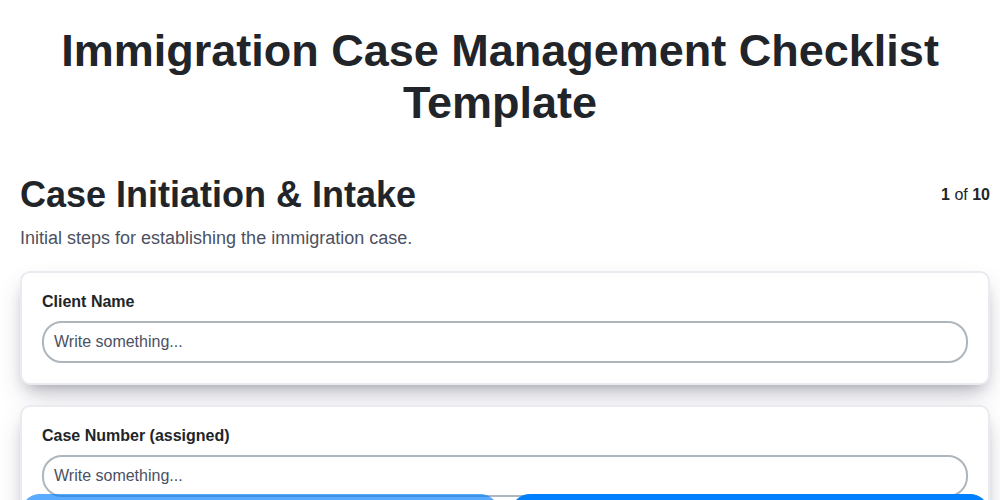
Table of Contents
- Introduction: Why a Checklist is Crucial for Immigration Case Management
- 1. Case Initiation & Intake: Laying the Foundation
- 2. Eligibility Assessment: Determining the Path Forward
- 3. Document Gathering: The Backbone of Your Case
- 4. Petition/Application Preparation: Accuracy and Completeness
- 5. Filing & Tracking: Keeping Things Moving
- 6. Response to USCIS Requests: Addressing Inquiries Promptly
- 7. Interview Preparation (If Applicable): Ensuring a Smooth Process
- 8. Decision & Next Steps: Understanding the Outcome
- 9. Case Closure: Officially Marking Completion
- 10. Compliance & Updates: Staying Informed of Policy Changes
- 11. Checklist Template Breakdown: A Detailed Look
- Tips for Maximizing Checklist Effectiveness
- Conclusion: Streamlining Your Immigration Case Workflow
- Resources & Links
TLDR: Feeling overwhelmed by immigration cases? This checklist template breaks down the entire process - from initial intake to case closure - into manageable steps. It's your go-to guide for staying organized, ensuring nothing falls through the cracks, and navigating the complexities of immigration case management with confidence.
Introduction: Why a Checklist is Crucial for Immigration Case Management
Navigating the complexities of immigration law can feel overwhelming, both for practitioners and clients. A single misstep, missed deadline, or overlooked document can have significant consequences, potentially derailing a case and causing unnecessary stress. That's where a robust checklist becomes an invaluable tool. Think of it as your roadmap through the immigration process-a structured guide that ensures every critical step is accounted for and executed correctly. A checklist isn't just about ticking boxes; it's about consistency, accuracy, and minimizing the risk of costly errors. Whether you're managing a single case or a high volume of clients, a well-designed immigration case management checklist is essential for efficiency, client satisfaction, and ultimately, positive outcomes.
1. Case Initiation & Intake: Laying the Foundation
This crucial first step sets the tone for the entire immigration case. A thorough and well-documented intake process minimizes errors and prevents costly delays later on. Here's what to cover:
- Client Consultation: Begin with a detailed consultation to understand the client's background, immigration history, goals, and concerns. Document everything discussed, including potential challenges and desired outcomes.
- Initial Assessment: Perform an initial assessment of the client's potential eligibility for various immigration options. This isn't a definitive eligibility determination yet, but a preliminary look.
- Fee Agreement & Retainer: Clearly outline the scope of services, fees, and payment schedule in a written fee agreement. Obtain a signed retainer.
- Client File Creation: Establish a secure and organized client file (physical and/or digital) to store all relevant documents and communications. Use a consistent naming convention.
- Conflict of Interest Check: Conduct a thorough conflict of interest check to ensure you can represent the client effectively. Document the search.
- Acknowledgement of Representation: Have the client formally acknowledge your representation in writing.
2. Eligibility Assessment: Determining the Path Forward
This crucial step lays the foundation for a successful immigration case. A thorough eligibility assessment goes beyond a simple yes or no; it involves a deep dive into the client's background, immigration history, and potential pathways to achieve their desired outcome.
We begin by understanding the client's goals - are they seeking permanent residency, a work visa, or something else? Then, we meticulously evaluate their qualifications against the relevant immigration laws and regulations. This includes analyzing factors like:
- Immigration History: Reviewing prior visa applications, denials, deportations, or any interactions with immigration authorities.
- Family Relationships: Verifying family member statuses and relationships, ensuring they meet the legal requirements.
- Employment History: Assessing work experience and qualifications for employment-based petitions.
- Educational Background: Evaluating educational credentials and degrees for eligibility criteria.
- Financial Resources: Determining if the client meets any financial requirements or sponsorship obligations.
- Criminal History: Carefully reviewing any criminal record and its potential impact on eligibility.
- Health Requirements: Identifying potential health concerns that could affect admissibility.
This assessment isn't just about identifying potential roadblocks; it's also about exploring all possible avenues. Sometimes, a client doesn't immediately qualify for their preferred option, but there might be alternative pathways we can explore. We'll clearly communicate the potential risks and benefits of each option, ensuring the client is fully informed and involved in the decision-making process. This transparency builds trust and allows for a realistic understanding of the case's complexities.
3. Document Gathering: The Backbone of Your Case
This phase is arguably the most time-consuming, but also the most critical. A missing or incomplete document can lead to delays, requests for evidence (RFEs), and even potential denial. We're not just talking about birth certificates; this often involves a mountain of financial records, academic transcripts, employment verification letters, police records, medical evaluations, and more, depending on the specific immigration benefit.
Here's what you need to consider:
- Create a Detailed List: Your initial consultation and eligibility assessment will dictate the required documentation. Create a spreadsheet or checklist to track everything.
- Originals vs. Certified Copies: Understand which documents need to be originals or certified copies. This is crucial - simply making a photocopy often isn't enough.
- Translation Requirements: Any documents not in English must be accompanied by certified English translations.
- Verify Accuracy: Double and triple-check all dates, names, and information to ensure consistency across all documents. Discrepancies raise red flags.
- Secure Storage: Organize and store all documents securely, both physical and digital copies, for easy retrieval and reference. Consider scanning everything immediately upon receipt.
- Proactive Approach: Don't wait for a Request for Evidence (RFE). Gather everything you anticipate needing upfront.
4. Petition/Application Preparation: Accuracy and Completeness
This is arguably the most critical phase. A flawed petition or application is a leading cause of delays and rejections. Don't rush this step! Thoroughness and accuracy are paramount.
Here's what needs meticulous attention:
- Review the Form Instructions: Read them carefully. USCIS instructions are detailed for a reason. Understand each field and requirement.
- Gather all Required Information: Double-check that all information requested on the form is present, including dates, names, addresses, and employment history. Cross-reference with supporting documentation.
- Verify Beneficiary Details: Ensure the beneficiary's name, date of birth, and other identifying information exactly match their passport, birth certificate, and other official records. Even minor discrepancies can cause issues.
- Accurate Translations: If any documents are not in English, ensure they are accompanied by certified English translations.
- Signatures & Dates: Verify all signatures are present and dates are accurate.
- Legal Review (Highly Recommended): Especially for complex cases, having an experienced immigration attorney review the petition/application before filing can significantly increase the chances of success and prevent costly mistakes.
- Check for Consistency: Ensure information is consistent across all documents submitted. Any contradictions will raise red flags.
A well-prepared petition demonstrates your commitment to compliance and significantly improves your case's likelihood of approval.
5. Filing & Tracking: Keeping Things Moving
This is arguably where many immigration cases can stall if not managed meticulously. Once your petition or application is meticulously prepared, the filing process itself demands attention.
1. Choosing the Right Filing Method: Do you file online (e-filing) or via mail? E-filing offers immediate confirmation of receipt and often faster processing, but ensure your client has the necessary technology and is comfortable with the process. If mailing, certified mail with return receipt is essential - it's your proof of filing.
2. USCIS Receipt Notices & Processing Times: Track receipt notices carefully. Note the receipt date and assigned receipt number - this is crucial for all future communication with USCIS. Immediately update your case management system with this vital information. Research the current processing times for the specific form type and service center handling the case. This sets realistic expectations for your client. Regularly check USCIS processing time updates on their website.
3. Online Case Status Checks: Utilize the USCIS case status online tool. This provides a basic overview of the case's progression (received, sent to a center, etc.). While not always fully detailed, it's a valuable quick check.
4. Periodic Review and Follow-up: Don't just "set it and forget it." Regularly review the case status. If processing times significantly exceed the estimated range, consider submitting an inquiry to USCIS (following their guidelines). Document all attempts to follow up and their outcomes.
5. Client Communication: Keep your client informed of any updates, both positive and potentially concerning. Transparent communication builds trust and allows them to proactively address any potential roadblocks.
6. Response to USCIS Requests: Addressing Inquiries Promptly
Responding to Requests for Evidence (RFEs) and other inquiries from U.S. Citizenship and Immigration Services (USCIS) is a critical phase in many immigration cases. Ignoring or delaying a response can severely jeopardize your case's success, potentially leading to denial. This isn't a phase to be taken lightly.
Here's what you need to do:
- Immediate Acknowledgment: Upon receiving any communication from USCIS, acknowledge receipt promptly, even if you need time to fully understand the request. A brief email confirming you received the notice and will review it shows good faith.
- Thorough Understanding: Carefully analyze the RFE or inquiry. Identify exactly what information or documentation USCIS is requesting. Don't assume - if anything is unclear, seek clarification from an immigration attorney.
- Time is of the Essence: Pay close attention to the deadline provided by USCIS. Missing the deadline is often a fatal error. Mark it prominently and begin working on the response immediately.
- Complete and Organized Response: Provide all requested information clearly and concisely. Organize documents logically and reference them within your written response. A well-organized response demonstrates professionalism and respect for USCIS's time.
- Legal Review: Ideally, have an immigration attorney review your response before submission. They can ensure it's legally sound and addresses all concerns effectively.
- Documentation: Keep meticulous records of all correspondence and submitted documents.
Effectively managing this step minimizes risk and strengthens your case's position.
7. Interview Preparation (If Applicable): Ensuring a Smooth Process
Not all immigration cases require an interview, but when one is scheduled, thorough preparation is absolutely crucial. This section outlines steps to ensure a successful interview.
1. Review the Interview Notice: Carefully examine the notice for the date, time, location, and required attendees. Confirm all details and address any discrepancies immediately by contacting USCIS.
2. Case File Deep Dive: Revisit the entire case file, including the petition/application, supporting documents, and any prior correspondence with USCIS. Refresh your memory on every detail presented.
3. Anticipate Questions: Brainstorm potential questions the interviewing officer might ask based on your application and personal history. Practice answering these questions clearly and concisely. Common areas include reasons for applying, family connections, employment history, and travel history.
4. Prepare Supporting Evidence: Gather any additional documentation that strengthens your case or addresses potential concerns. This could include updated financial statements, employment verification letters, or other relevant records. Organize these in a logical order for easy access during the interview.
5. Dress Professionally: Presenting yourself professionally demonstrates respect for the process and conveys seriousness about your application.
6. Bring a Companion (if permitted): Depending on your situation and comfort level, consider bringing an interpreter or legal representative. Confirm if bringing a companion is allowed beforehand.
7. Arrive Early & Be Respectful: Allow ample time to arrive, clear security, and locate the waiting room. Maintain a respectful demeanor and answer questions honestly and directly.
8. Decision & Next Steps: Understanding the Outcome
The moment of truth has arrived! Receiving a decision from USCIS can be a mix of relief and anxiety. It's crucial to understand what the decision means and what your next steps should be, regardless of the outcome.
Positive Decision (Approval): Congratulations! Carefully review the approval notice for any specific instructions. This might include requirements for taking an oath, submitting biometrics, or providing additional documentation. Make sure you follow all instructions precisely to avoid delays or issues. It's also important to keep the approval notice securely, as it's a vital document for future reference and potential renewals or extensions.
Request for Evidence (RFE): An RFE isn't a denial, but it means USCIS needs more information to make a decision. Read the RFE very carefully. It will specify what documents or information they require and the deadline for submission. Respond promptly and thoroughly, addressing each point raised in the request. Consider seeking legal advice if you find the request complex or confusing.
Notice of Intent to Deny (NOID): A NOID is a serious warning. It indicates that USCIS intends to deny your case based on specific reasons outlined in the notice. You have the opportunity to respond to the NOID and present additional evidence to counter the concerns raised. This is a critical juncture where legal counsel is highly recommended.
Denial: If your case is denied, understand why. The denial notice will explain the reasons for the decision. You may have options for appeal or motion to reconsider, depending on the specific immigration benefit and the basis for the denial. Again, legal consultation is essential to determine the best course of action and understand your rights.
No Matter the Decision: Document everything. Keep records of all correspondence with USCIS, including receipts, notices, and your responses. This documentation is crucial for future reference and potential appeals.
9. Case Closure: Officially Marking Completion
Reaching case closure signifies the successful culmination of your immigration case management. However, it's not just about putting the file away! Proper closure is crucial for maintaining records, ensuring future accessibility, and fulfilling potential ongoing obligations.
This step involves several key actions:
- Final Record Review: Conduct a comprehensive review of the entire case file to ensure all actions were properly documented.
- Data Entry & Archiving: Accurately update your case management system with the final outcome and date of closure. Archive the physical and digital case files according to your firm's retention policy. Clearly label the archived file with key information like the client's name, case number, and final status.
- Client Communication: Inform the client in writing about the case closure, reaffirming the outcome and outlining any potential future actions they might need to take. This communication should be clear and concise, avoiding legal jargon.
- System Updates: Flag the case as Closed in your case management software. Ensure any automated reminders or follow-up tasks are deactivated.
- Secure Storage: Ensure the archived case file is stored securely, protecting client confidentiality and complying with legal requirements.
Proper case closure is the final, essential step in providing excellent immigration case management. Don't skip it!
10. Compliance & Updates: Staying Informed of Policy Changes
Immigration law is dynamic; policies and procedures change frequently. Staying compliant isn't a one-and-done task - it's an ongoing commitment. This section highlights the importance of continuous monitoring and updates to your case management practices.
Here's what you need to do:
- Subscribe to USCIS Updates: Regularly check the USCIS website (https://www.uscis.gov/) and subscribe to their email updates. This is your primary source for official announcements regarding policy changes, form revisions, and processing time updates.
- Follow Immigration Legal News Sources: Reputable immigration law blogs, newsletters, and legal publications provide analyses of policy changes and their implications. These resources can help you understand the nuances of updates.
- Attend Webinars and Training: Consider participating in webinars or training sessions offered by professional organizations or legal experts. These provide opportunities to learn directly from specialists and ask questions.
- Review Internal Processes: Periodically review your checklist and case management procedures to ensure they reflect current requirements. Update templates and forms accordingly.
- Document Updates: Keep a log of all policy changes you identify and the steps taken to incorporate them into your workflows. This documentation can be invaluable for audits and demonstrating due diligence.
- Communicate with Clients: Proactively inform clients about relevant policy changes that may impact their cases. Transparency builds trust and helps manage expectations.
Staying informed and adapting to change is essential for effective immigration case management.
11. Checklist Template Breakdown: A Detailed Look
1. Case Initiation & Intake
- Client Consultation: Schedule and conduct an initial consultation. Document key details, client goals, and potential challenges.
- Conflict of Interest Check: Perform a thorough conflict of interest check.
- Engagement Agreement: Draft, review, and execute a comprehensive engagement agreement outlining scope, fees, and responsibilities.
- Client File Creation: Establish a secure client file (physical and/or digital) with proper naming conventions.
2. Eligibility Assessment
- Review Client Background: Thoroughly examine client's immigration history, including prior visas, applications, and any potential issues (e.g., deportations, overstays).
- Assess Eligibility Criteria: Determine which immigration options the client qualifies for based on current regulations and their specific circumstances.
- Identify Potential Roadblocks: Proactively identify any potential challenges or complications that may arise during the process.
- Document Assessment: Clearly document the eligibility assessment, rationale, and potential alternatives.
3. Document Gathering
- Create Document Request List: Develop a detailed checklist of required documents based on the chosen immigration pathway.
- Client Communication: Regularly communicate with the client regarding document requirements and deadlines.
- Track Received Documents: Maintain a system for tracking received documents (e.g., document log, spreadsheet).
- Verify Document Authenticity: Ensure all documents are authentic and meet USCIS requirements (e.g., translations, certified copies).
4. Petition/Application Preparation
- Form Selection: Choose the correct USCIS forms and supporting documents.
- Data Entry & Review: Accurately complete all forms and meticulously review for errors.
- Legal Review: Perform a legal review of the petition/application to ensure accuracy and completeness.
- Client Review & Approval: Obtain client review and approval of the prepared petition/application.
5. Filing & Tracking
- USCIS Fee Payment: Calculate and pay the correct USCIS filing fees.
- Form Submission: File the petition/application through the appropriate USCIS channel (online or mail).
- Receipt Number Tracking: Record the USCIS receipt number and track the case status online.
- Communication Log: Maintain a log of all communications with USCIS.
6. Response to USCIS Requests
- Monitor for RFEs/NOAs: Actively monitor for Requests for Evidence (RFEs) and Notices of Action (NOAs).
- Analyze RFE/NOA: Carefully analyze the RFE/NOA and identify required information.
- Prepare Response: Prepare a comprehensive and well-supported response to the RFE/NOA.
- Submit Response: Submit the response within the specified deadline, ensuring proper documentation.
7. Interview Preparation (if applicable)
- Interview Scheduling: Coordinate and confirm the client's interview appointment.
- Mock Interview: Conduct a mock interview to prepare the client for questions and address concerns.
- Document Review: Review all relevant documents with the client.
- Prepare Client for Scenarios: Anticipate and prepare the client for potential challenging questions.
8. Decision & Next Steps
- Receive Decision: Monitor USCIS case status for a decision.
- Analyze Decision: Carefully analyze the decision (approval, denial, etc.).
- Advise Client: Clearly explain the decision to the client and discuss options (e.g., appeal, motion to reopen).
- Implement Next Steps: Execute the appropriate next steps based on the decision.
9. Case Closure
- Final Document Review: Review all final documents and correspondence.
- Client Communication: Inform the client of case closure and provide final documentation.
- File Archiving: Properly archive the client's file according to firm policy.
10. Compliance & Updates
- Stay Updated on Immigration Law: Continuously monitor changes to immigration laws and regulations.
- Client Updates (if applicable): Provide ongoing updates to the client regarding potential changes that may impact their case.
- Record Keeping: Maintain accurate records of all case activities and client communications.
Tips for Maximizing Checklist Effectiveness
A checklist is only as good as how you use it. Here's how to make sure your immigration case management checklist truly boosts your efficiency and reduces stress:
- Personalize It: This template is a starting point. Add or remove steps based on the specifics of your case. Every immigration journey is unique.
- Break Down Large Tasks: Document Gathering can be overwhelming. Subdivide it into categories (Birth Certificates, Financial Records, etc.) with checkboxes for each.
- Assign Due Dates: Add deadlines to each task. This creates a timeline and keeps you accountable. Use a calendar to visualize these dates.
- Use a Digital Tool: While a paper checklist works, digital tools (like project management software or dedicated checklist apps) allow for reminders, collaboration, and easier updates.
- Regularly Review & Update: Immigration law changes. Update your checklist to reflect those changes. Review it regularly, even when things are quiet, to ensure accuracy.
- Delegate (If Possible): If you have assistance (family, friends, or legal support), clearly assign tasks and mark them as completed.
- Celebrate Small Wins: Crossing off each item, no matter how small, provides a sense of accomplishment and keeps motivation high.
- Don't Be Afraid to Re-Order: If a task needs to happen out of sequence based on an unexpected request, adjust the order. Flexibility is key.
- Keep it Accessible: Store your checklist where you can easily access it - whether that's on your phone, computer, or a physical binder.
- Document Everything: Keep notes related to each step. This can be crucial for future reference and to explain your process.
- Be Realistic: Don't cram too many tasks into a short timeframe. Allow for buffer time for unexpected delays.
- Seek Legal Advice: This checklist is a guide, not legal advice. Always consult with a qualified immigration attorney for personalized guidance.
Conclusion: Streamlining Your Immigration Case Workflow
Ultimately, effective immigration case management hinges on meticulous organization and a reliable process. This checklist template provides a robust framework, but remember it's a living document - tailor it to your specific client needs and the complexities of each case. By consistently following a structured approach, you can minimize errors, reduce stress, improve client communication, and ultimately, increase the likelihood of a successful outcome. Embrace this template as a cornerstone of your practice, and watch your immigration case workflow transform from chaotic to streamlined. Don't hesitate to revisit and refine it regularly, keeping abreast of evolving regulations and best practices. Your clients - and your peace of mind - will thank you for it.
Resources & Links
- U.S. Citizenship and Immigration Services (USCIS): The official website for all USCIS forms, guidance, processing times, and policy updates. Essential for accurate information and current requirements.
- Executive Office for Immigration Review (EOIR): Provides access to immigration court decisions, Board of Immigration Appeals (BIA) decisions, and information about immigration proceedings.
- American Immigration Lawyers Association (AILA): A professional organization for immigration attorneys. Provides resources, legal updates, and model forms (often requires membership for full access).
- National Immigrant Justice Center (NIJC): Offers legal assistance and resources for immigrants and advocates, with a focus on policy and system reform.
- Department of Justice - Immigration: Provides access to immigration-related legal resources, including statutes, regulations, and court decisions.
- Nolo - Immigration Law: Offers accessible legal information and do-it-yourself legal forms for immigrants, including guides and articles (may involve fees for some resources).
- EOIR Forms: Direct link to EOIR's form repository - critical for immigration court proceedings.
- LexisNexis: A comprehensive legal research database (subscription required) for attorneys needing in-depth case law and regulatory analysis.
- Westlaw: Another leading legal research database (subscription required) providing access to legal information and analysis. Similar to LexisNexis.
- MyVisaJobs: Offers data and analysis on employment-based immigration petitions and visa approvals. Useful for tracking trends and assessing petition success rates (limited free access).
Frequently Asked Questions
What is this checklist template designed for?
This checklist template is designed to help immigration legal professionals (attorneys, paralegals, case managers) efficiently manage immigration cases, ensuring no crucial steps are missed and deadlines are met. It aims to improve organization and reduce errors.
Who is this checklist template for?
This template is primarily for immigration attorneys, paralegals, and case managers who handle immigration cases. It can also be useful for other legal professionals involved in immigration matters.
Is this a one-size-fits-all template?
While the template provides a comprehensive starting point, immigration cases vary greatly. You're encouraged to customize it to fit the specific requirements of each case and individual client.
What types of immigration cases can this template be used for?
The template is adaptable to various immigration cases including, but not limited to, family-based petitions, employment-based petitions, asylum cases, deportation defense, and citizenship applications. Specific sections may need modification based on the case type.
What file formats is the checklist template available in?
The article mentions a downloadable template. Please refer to the article itself for specific file format details (e.g., Word document, Excel spreadsheet, PDF).
How can I customize the checklist template?
You can customize the checklist by adding, removing, or modifying tasks and deadlines. Feel free to add client-specific details, relevant forms, and important dates. Most file formats allow for easy editing and personalization.
What kind of information should I include in the 'client details' section?
Include essential client information like name, date of birth, alien registration number (A-number), priority date, contact information, and any specific case-related identifiers.
How often should I update the checklist?
The checklist should be regularly updated throughout the case lifecycle. Review and update it whenever new information arises, deadlines approach, or case developments occur.
What if a task on the checklist doesn't apply to my case?
Simply remove or mark the task as 'Not Applicable' to keep the checklist relevant to the specific case. Don't feel obligated to follow every single item if it's not pertinent.
Where can I find additional resources for immigration case management?
The article may link to external resources or offer suggestions. Consider consulting with experienced colleagues, legal associations, and online immigration law forums for best practices.
Found this Article helpful?
Comments
There are no comments yet. Be the first to add one!
Case Management Solution Demo
Streamline your casework & improve outcomes! ChecklistGuro centralizes case details, tasks, & communication. Enhance efficiency, ensure compliance, & deliver exceptional service. Manage it all with our Work OS.
Related Articles
Streamline Your Deals: The Ultimate Real Estate Case Management Checklist Template
Streamline Your Debt Collection: A Case Management Checklist Template
Cybersecurity Incident Response: Your Checklist Template for Success
Streamline Your Case Management: The Ultimate Checklist Template
Mastering IP: Your Intellectual Property Case Management Checklist Template
HR Case Management Checklist Template: Your Guide to Fair & Compliant Investigations
Streamlining Veteran Care: Your Comprehensive Case Management Checklist Template
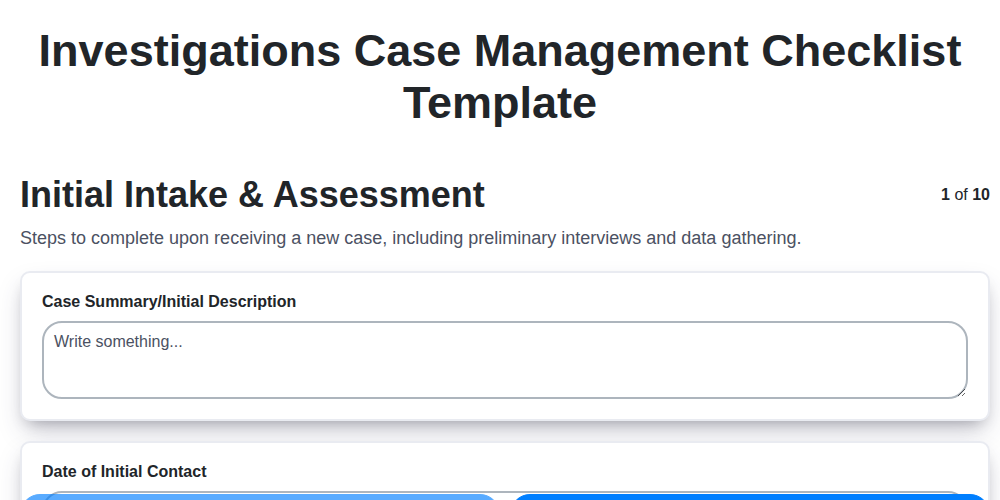
Mastering Investigations: Your Case Management Checklist Template Guide
We can do it Together
Need help with
Case Management?
Have a question? We're here to help. Please submit your inquiry, and we'll respond promptly.