Mastering Insurance Claims: Your Complete Case Management Checklist Template
Published: 12/19/2025 Updated: 07/02/2026
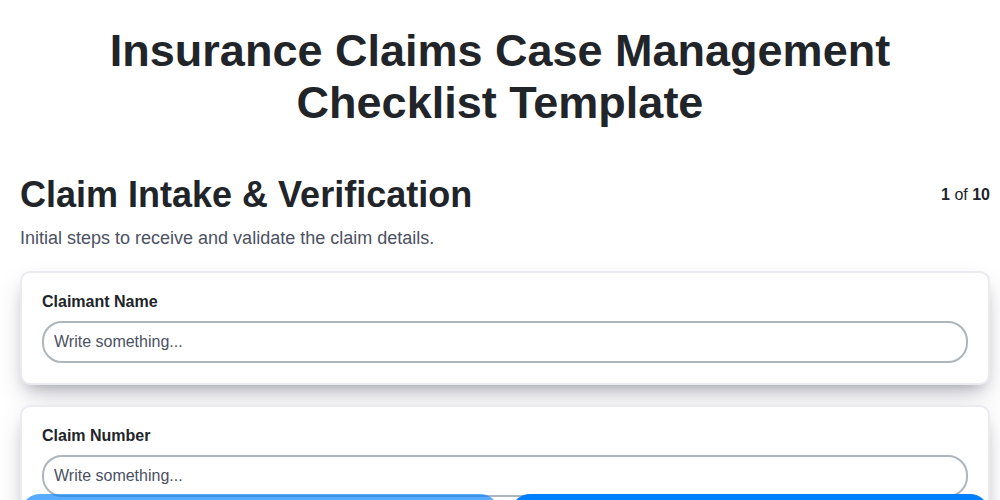
Table of Contents
- Introduction: Why a Claims Case Management Checklist is Essential
- 1. Claim Intake & Verification: The Foundation of Accuracy
- 2. Policy Validation: Confirming Coverage Eligibility
- 3. Investigation & Documentation: Gathering Comprehensive Evidence
- 4. Coverage Determination: Applying Policy Terms
- 5. Damage Assessment & Valuation: Quantifying the Loss
- 6. Negotiation & Settlement: Reaching a Fair Agreement
- 7. Payment Processing: Ensuring Timely Disbursement
- 8. Claim Closure & Audit: Finalizing the Case
- 9. Communication & Stakeholder Management: Keeping Everyone Informed
- 10. Regulatory Compliance: Adhering to Legal Requirements
- 11. Utilizing Technology for Efficiency
- 12. Risk Mitigation: Identifying and Addressing Potential Issues
- 13. Continuous Improvement: Refining Your Checklist
- Resources & Links
TLDR: Overwhelmed by insurance claims? This checklist template breaks down the entire claims process - from initial intake to final audit - into 10 manageable steps. Use it to streamline your workflow, reduce errors, ensure compliance, and ultimately, manage claims more efficiently and effectively.
Introduction: Why a Claims Case Management Checklist is Essential
Managing insurance claims can feel like navigating a complex maze. Each claim is unique, involving intricate details, multiple stakeholders, and strict regulatory requirements. Without a consistent and organized approach, errors, delays, and dissatisfied customers are almost inevitable. That's where a comprehensive Claims Case Management Checklist comes in.
This checklist isn't just about ticking boxes; it's a foundational tool for efficiency, accuracy, and compliance. It ensures every step, from initial intake to final closure, is handled meticulously, reducing the risk of costly mistakes, improving customer satisfaction, and fostering a more streamlined claims process for your team. It provides a framework for consistency, allowing both seasoned professionals and new hires to deliver quality service while minimizing potential liabilities. Essentially, a checklist transforms chaos into control.
1. Claim Intake & Verification: The Foundation of Accuracy
The claim intake and verification phase is absolutely critical - it's the bedrock upon which the entire claims management process is built. A rushed or incomplete intake can lead to downstream errors, delays, and ultimately, dissatisfied claimants. This isn't just about gathering information; it's about validating that information and ensuring its accuracy.
Here's what this stage should encompass:
- Initial Contact & Data Collection: Promptly acknowledge the claim notification. Gather essential details: claimant information, policy number, date of loss, brief description of the incident, and type of loss. Use a standardized intake form to ensure consistency.
- Claimant Identification: Verify the identity of the claimant and ensure they are the policyholder or an authorized representative.
- Loss Description Assessment: Obtain a detailed description of the loss from the claimant. Encourage them to provide supporting documentation (photos, police reports, etc.).
- Preliminary Fraud Indicators: Screen for potential fraud indicators - inconsistencies in the story, missing details, or red flags raised by the initial information.
- Acknowledgement & Expectations: Immediately acknowledge receipt of the claim and set clear expectations regarding the claims process, timelines, and required documentation. This proactive communication reduces anxiety and builds trust.
2. Policy Validation: Confirming Coverage Eligibility
Before moving forward with a claim, rigorous policy validation is absolutely critical. This step verifies that the policyholder was indeed covered at the time of the loss and that the policy is active and in good standing. Don't skip it - a failed policy validation later in the process can lead to significant delays, legal issues, and ultimately, denial of the claim.
Here's what needs to be covered in this phase:
- Policy Status: Confirm the policy is currently active and hasn't lapsed due to non-payment or cancellation.
- Coverage Period: Verify the policy was in effect during the date of loss.
- Named Insured Verification: Ensure the named insured on the policy is the claimant or has the authority to file a claim.
- Endorsements & Riders: Review all endorsements and riders to identify any special conditions, exclusions, or limitations that may impact coverage. Pay close attention to any specific requirements or obligations outlined within these documents.
- Policy Limits: Confirm the policy limits are sufficient to potentially cover the loss.
- Geographic Restrictions: Validate that the loss occurred within the geographical area covered by the policy.
- Cross-Reference with Internal Systems: Check internal databases and records to ensure consistency with the policy details.
A thorough policy validation process not only protects the insurance company but also ensures a fair and transparent claims experience for the policyholder.
3. Investigation & Documentation: Gathering Comprehensive Evidence
A robust investigation and thorough documentation are the backbone of successful insurance claims case management. This stage moves beyond initial reporting and delves into the specifics of the incident. It's not just about collecting information; it's about establishing a clear and defensible record of events.
Here's what comprehensive investigation and documentation entails:
- Scene Assessment: If applicable, a physical inspection of the loss site should be conducted, ideally by a qualified professional. This includes taking detailed photographs and videos, noting environmental conditions, and securing any relevant evidence.
- Witness Interviews: Interviewing all parties involved - claimants, witnesses, first responders - is crucial. Document these interviews meticulously, including dates, times, and transcribed statements.
- Police Reports & Official Records: Obtain and review any relevant police reports, fire marshal reports, or other official documentation pertaining to the incident.
- Expert Opinions: Depending on the complexity of the claim, engaging experts (e.g., engineers, appraisers, medical professionals) to provide specialized assessments and reports is often necessary. Ensure expert reports are clearly documented and retained.
- Maintaining a Centralized Repository: All investigation materials (photos, reports, interviews, emails) should be stored in a secure, centralized digital repository for easy access and traceability.
- Chain of Custody: If physical evidence is involved, meticulously maintain the chain of custody to ensure its integrity and admissibility.
- Documenting Assumptions & Reasoning: Clearly document the rationale behind decisions made during the investigation and any assumptions made based on available information.
Thorough investigation and documentation minimize legal risks, support accurate coverage determinations, and facilitate efficient claim resolution.
4. Coverage Determination: Applying Policy Terms
This is arguably one of the most critical steps, and where missteps can lead to disputes and increased costs. Coverage determination involves a meticulous review of the insurance policy language in relation to the reported loss. Don't just skim the policy - analyze it.
Begin by clearly identifying the reported cause of loss and comparing it directly to the policy's covered perils. Are there exclusions that apply? Are there specific conditions precedent that weren't met? For example, a flood claim requires careful examination of flood insurance coverage and potential exclusions for pre-existing conditions. A fire claim might need to determine the origin of the fire to ensure it's a covered peril.
Consider endorsements and riders - these often modify standard policy language and are essential to understand. Document everything. Record the specific policy language considered, the rationale behind your interpretation, and any legal or regulatory guidelines applied. A clearly documented rationale protects your decision-making and provides a defensible position if challenged. If the coverage is unclear or complex, consult with legal counsel or a coverage expert to ensure accuracy and mitigate risk.
5. Damage Assessment & Valuation: Quantifying the Loss
This critical phase moves beyond simply identifying the damage; it's about putting a precise monetary value on it. Accurate damage assessment and valuation directly impact the fairness and efficiency of the claim resolution process. Here's what's involved:
- Detailed Inspection: A thorough physical inspection of the damaged property or assets is paramount. This often requires specialized expertise - a building inspector for structural damage, an appraiser for personal property, or a mechanic for vehicle repairs. Photographic and video documentation is essential.
- Scope of Work Definition: Clearly outline the necessary repairs or replacements needed to restore the property or asset to its pre-loss condition. This should be detailed enough for contractors or repair professionals to understand the scope of work.
- Cost Estimation: Obtain accurate cost estimates for the required repairs or replacements. This may involve requesting multiple bids from qualified contractors or using industry-standard pricing guides. Be mindful of current market conditions, as material and labor costs can fluctuate.
- Depreciation Considerations: For older assets, depreciation may need to be factored into the valuation. Understand the applicable depreciation methods and relevant regulations.
- Salvage Value: Determine if any salvageable materials can be recovered and their potential value.
- Independent Valuation: Depending on the complexity and value of the claim, an independent appraiser may be required to provide an unbiased valuation.
- Documentation is Key: Meticulously document every aspect of the assessment, including photos, videos, contractor bids, appraisal reports, and rationale for any adjustments made.
6. Negotiation & Settlement: Reaching a Fair Agreement
This phase is where the rubber meets the road. After a thorough investigation and damage assessment, it's time to engage in negotiations with the claimant. A successful negotiation hinges on transparency, empathy, and a solid understanding of the policy terms and applicable laws.
Here's what's involved:
- Presenting Findings: Clearly and concisely communicate the findings of the investigation to the claimant, explaining the reasoning behind any offered settlement amount. Avoid jargon and present the information in an easily digestible format.
- Understanding Claimant Needs: Actively listen to the claimant's perspective and understand their expectations. There's often more than just monetary value at stake; consider factors like inconvenience, emotional distress, and potential business interruption.
- Maintaining Flexibility (Within Reason): While adhering to policy guidelines is paramount, demonstrate a willingness to consider reasonable alternative solutions. This might involve exploring repair options, alternative treatment plans, or adjusted payment schedules.
- Documenting Every Interaction: Meticulously record all negotiation attempts, offers, counter-offers, and justifications. This provides a clear audit trail and protects against potential disputes.
- Legal Consultation (When Necessary): Recognize when legal counsel is required. Complex claims or hardline negotiation tactics may necessitate involvement from an attorney to ensure compliance and protect your organization's interests.
- Formalizing the Agreement: Once a settlement is reached, create a clear, written release that outlines all terms and conditions. Ensure the claimant understands and agrees to the release before it is signed.
7. Payment Processing: Ensuring Timely Disbursement
This stage is where the rubber meets the road - actually getting funds to the claimant. While it might seem straightforward, payment processing is fraught with potential pitfalls if not handled meticulously. Our checklist ensures accuracy and efficiency here.
Key Steps & Considerations:
- Verification of Settlement Agreement: Before any payment is released, double-check that the agreed-upon settlement amount and terms are accurately reflected in the payment authorization. A mismatched number can trigger delays and disputes.
- Claimant Information Validation: Confirm the claimant's banking details, address, and legal name against the policy and settlement agreement. This minimizes the risk of misdirected payments, which can lead to fraud concerns and potential legal issues.
- Payment Method Selection: Determine the most appropriate payment method based on claimant preference (direct deposit, check) and internal policy. Consider potential associated fees and processing times for each option.
- Payment Authorization & Approval: Implement a clear authorization workflow with designated approvers based on payment amounts and risk levels. This safeguards against unauthorized payments.
- Payment Tracking & Reconciliation: Meticulously track all payments, noting the date, method, amount, and recipient. Reconcile payment records with accounting systems to identify any discrepancies promptly.
- Documentation of Payment Details: Maintain comprehensive records of all payment-related details, including authorizations, bank transfer confirmations, and any communication with the claimant regarding payment status.
- Fraud Prevention Measures: Implement fraud prevention checks during payment processing, such as verifying bank account ownership and utilizing address verification services.
- Compliance with Payment Regulations: Adhere to all relevant payment processing regulations, including those related to anti-money laundering (AML) and know your customer (KYC) requirements.
A delayed or inaccurate payment can severely damage claimant satisfaction and increase the likelihood of further disputes. Prioritizing accuracy and speed in this stage is paramount.
8. Claim Closure & Audit: Finalizing the Case
Bringing a claim to closure isn't just about issuing a payment. It's about ensuring a complete and auditable record of the entire process. This phase is critical for risk mitigation, continuous improvement, and demonstrating accountability.
Here's what needs to be included in your claim closure and audit procedures:
- Final Documentation Review: Conduct a thorough review of all documents related to the claim. This includes the initial intake form, investigation reports, estimates, correspondence, and settlement agreements. Ensure everything is complete and accurate.
- Verification of Payment: Confirm the payment was processed correctly and that funds were disbursed to the appropriate party. Record the transaction details - date, amount, method, and confirmation number - in the claim file.
- Claim File Archiving: Properly archive the claim file according to your company's retention policy. This includes both physical and electronic documents. Ensure the file is clearly labeled and easily retrievable for future reference or audits.
- Internal Audit Review (Periodic): Implement periodic internal audits of closed claims to identify any potential errors, inefficiencies, or areas for improvement in your claim management process. This should include a random sample of claims across different claim types and severity levels.
- System Data Validation: Confirm that all relevant data points in your claims management system accurately reflect the claim's resolution, including final costs, reserves, and loss ratios.
- Feedback Collection (Optional): Consider soliciting feedback from claimants regarding their experience with the claim process. This can provide valuable insights for enhancing customer satisfaction and streamlining workflows.
- Legal Hold Compliance: If applicable, verify that any legal holds have been lifted and that documents are appropriately handled in accordance with legal requirements.
Proper closure and auditing help solidify the integrity of your claims management system and contribute to long-term operational excellence.
9. Communication & Stakeholder Management: Keeping Everyone Informed
Effective claim management isn't just about ticking boxes; it's about building trust and ensuring a positive experience for all involved. Communication and stakeholder management are crucial to achieving this. This involves proactively keeping the claimant, policyholders, adjusters, brokers, and potentially legal counsel informed throughout the claims process.
Here's what good communication looks like:
- Regular Updates: Provide claimants with consistent updates on the status of their claim, even if there's no significant change. Silence breeds anxiety and frustration.
- Preferred Communication Channels: Determine each stakeholder's preferred method of communication (phone, email, portal) and adhere to it.
- Clear and Concise Language: Avoid jargon and complex insurance terminology. Explain decisions and processes in plain language.
- Empathy and Active Listening: Acknowledge the claimant's distress and actively listen to their concerns. Showing empathy builds rapport and can de-escalate tense situations.
- Internal Alignment: Keep all internal teams - adjusters, claims processors, management - aligned on the claim's status and any decisions made. Miscommunication internally can easily translate to confusion externally.
- Transparency (within legal limits): Be as transparent as possible about the claim's timeline, required documentation, and any limitations.
- Feedback Mechanisms: Provide claimants with opportunities to provide feedback on the claims process, allowing for continuous improvement.
Failing to prioritize communication can lead to escalated complaints, negative reviews, and damage to your organization's reputation. A well-managed communication strategy fosters trust and contributes to a smoother, more satisfactory claims experience for everyone.
10. Regulatory Compliance: Adhering to Legal Requirements
Navigating the insurance claims landscape isn't just about processing paperwork and resolving disputes; it's fundamentally about adhering to a complex web of regulations. From state-specific guidelines on claim handling timeframes and good faith practices to federal laws like the Fair Claims Settlement Practices Act, non-compliance can lead to significant penalties, legal action, and reputational damage.
This checklist underscores the critical need for constant vigilance regarding regulatory changes. Stay informed about updates to state insurance codes, federal regulations impacting claims processing, and any industry-specific mandates. Maintain thorough documentation proving adherence to these rules, including audit trails of decision-making processes and evidence of communication with claimants regarding their rights. Regularly review internal procedures to ensure alignment with current legal requirements and consult with legal counsel as needed to address complex or ambiguous situations. Failure to prioritize regulatory compliance isn't just a procedural oversight; it's a significant risk.
11. Utilizing Technology for Efficiency
The modern insurance claims landscape demands speed and accuracy. Manually managing claims is simply unsustainable. Leveraging technology isn't just a 'nice-to-have'-it's a necessity. Several tools can drastically improve your claims case management process, streamlining workflows and reducing errors.
Claim Intake & Verification: Automated forms with built-in validation rules minimize data entry mistakes and immediately flag potentially fraudulent claims. Optical Character Recognition (OCR) can pull data directly from submitted documents.
Policy Validation: Integrate your claims system with your policy administration system for real-time validation, eliminating manual policy lookups.
Investigation & Documentation: Secure document management systems with version control and centralized storage prevent loss and ensure accessibility. Mobile apps allow investigators to gather photos and notes directly at the scene, automatically linked to the claim.
Coverage Determination & Damage Assessment: AI-powered tools can analyze policy language and damage photos to assist in coverage determination and initial damage estimates. Drone imagery and virtual reality assessments are increasingly valuable for complex claims.
Negotiation & Settlement: Claim portals allow for transparent communication and document sharing, facilitating negotiation. Automated settlement calculation tools reduce manual errors and ensure consistency.
Payment Processing: Integrated payment platforms automate payment workflows, reducing processing time and errors.
Claim Closure & Audit: Automated reporting and audit trails improve transparency and compliance.
Communication & Stakeholder Management: Customer Relationship Management (CRM) integrations ensure consistent communication across all channels and provide a centralized view of stakeholder interactions.
Ultimately, embracing technology reduces operational costs, improves customer satisfaction, and enhances the overall efficiency of your insurance claims case management.
12. Risk Mitigation: Identifying and Addressing Potential Issues
Throughout the claims case management process, potential pitfalls can arise, leading to delays, increased costs, or even legal challenges. Proactive risk mitigation is crucial. This checklist inherently builds in some risk reduction through diligent documentation and adherence to established procedures, but let's delve deeper.
Here's how to specifically address common risks at each stage:
- Claim Intake & Verification: Verify identity and contact information meticulously. Errors here can lead to fraud or misdirected payments. Implement fraud detection tools and red flags.
- Policy Validation: Regularly update policy information and cross-reference with internal databases. Outdated information causes coverage disputes.
- Investigation & Documentation: Maintain a clear audit trail. Poor documentation can be devastating in litigation. Utilize photos, videos, and witness statements whenever possible.
- Coverage Determination: Consult legal counsel when coverage is uncertain. Incorrect interpretations can lead to expensive legal battles. Document the reasoning behind every decision.
- Damage Assessment & Valuation: Employ qualified and independent appraisers. Biased or inaccurate assessments inflate costs and create dissatisfaction.
- Negotiation & Settlement: Clearly document all negotiation attempts and offers. Ensure agreements are legally sound and reviewed by appropriate personnel.
- Payment Processing: Implement stringent fraud prevention measures for payments, including multi-factor authentication and verification processes.
- Claim Closure & Audit: Regularly audit closed claims to identify trends and areas for improvement in the claims handling process.
- Communication & Stakeholder Management: Manage expectations with claimants, policyholders, and other stakeholders. Unrealistic promises breed resentment and potential legal action.
- Regulatory Compliance: Stay current with all applicable regulations and reporting requirements. Non-compliance can lead to fines and penalties.
By consistently focusing on these risk areas and integrating preventative measures into each checklist step, you can minimize exposure and ensure a smoother, more efficient claims process.
13. Continuous Improvement: Refining Your Checklist
Your claims case management checklist isn't a static document; it's a living tool. Regularly revisit and refine it to ensure it remains effective and adapts to evolving industry practices, regulatory changes, and internal feedback.
Here's how to continuously improve your checklist:
- Gather Feedback: Solicit input from claims adjusters, managers, and even policyholders. What's working well? What's cumbersome? What's missing?
- Analyze Claim Data: Look for trends in claim handling times, settlement amounts, and error rates. These insights can highlight areas for process improvement reflected in checklist updates.
- Stay Updated on Regulations: Insurance regulations are constantly changing. Ensure your checklist incorporates the latest requirements and compliance standards.
- Embrace Technology: Explore how technology, such as automation tools or AI, can streamline checklist tasks and improve accuracy. Consider integrating these advancements into your checklist.
- Document Changes: Whenever you make a revision, document the date, changes made, and the reason for the adjustment. This creates a history of improvements and facilitates future updates.
- Periodic Review Schedule: Establish a regular schedule (e.g., quarterly or annually) to proactively review the entire checklist and identify potential enhancements.
Resources & Links
- Insurance Information Institute (III): Provides comprehensive information about insurance, including claims processes, industry statistics, and consumer resources. Useful for background information and understanding the broader context of insurance claims.
- National Association of Insurance Commissioners (NAIC): A regulatory association for state insurance commissioners. Provides resources related to insurance regulations and compliance.
- American Institute of Certified Public Accountants (AICPA): Offers guidance and resources for accountants and auditors, relevant to financial aspects of claim assessments and audits.
- Adjusters International: A public adjusting firm with extensive experience in insurance claim management. Provides insights and resources related to claim handling best practices.
- Verisk: A data analytics provider for the insurance industry. Useful for understanding data-driven claim assessment and fraud detection techniques.
- LexisNexis: Provides legal research and compliance tools. Useful for staying informed about relevant insurance laws and regulations.
- Risk Management Institute, Inc. (RMI): Provides risk management and insurance training and resources, including checklists and templates.
- Actuarial Outcomes: Provides resources and expertise related to actuarial analysis and loss reserving, essential for damage assessment and valuation.
- Claims.com: Offers various resources for understanding insurance claims, including articles and guides on the claims process.
- Cedars Legal: Provides information and resources pertaining to legal aspects of insurance claims, helpful for understanding regulatory compliance and potential legal issues.
- National Council on Compensation Insurance (NCCI): Specifically relevant if your post touches on workers' compensation claims, provides data and resources for loss costs and claim trends.
- Securities Industry and Financial Markets Association (SIFMA): While broadly focused on finance, can offer insights into financial considerations related to claim settlements and payment processing.
Frequently Asked Questions
What is this checklist template for?
This checklist template is designed to help insurance adjusters, claims handlers, and anyone involved in insurance claims management effectively track and manage claims from start to finish, ensuring no crucial step is missed and promoting consistency and accuracy.
Who is this checklist template for?
This template is beneficial for insurance adjusters, claims handlers, claims managers, and even independent adjusters. It can be adapted for various insurance types, including property, casualty, auto, and more.
What are the key sections included in the checklist template?
The checklist is divided into sections covering initial claim receipt, investigation, documentation, coverage determination, settlement negotiation, and claim closure. It includes specific tasks within each of these areas. (See the full template for detailed sections.)
Can I customize this checklist template?
Absolutely! The template is designed to be flexible. You can add, remove, or modify tasks to better suit your specific needs, insurance type, and internal processes. The sections and items are suggestions and should be tailored to your requirements.
Does this checklist include legal considerations?
While the checklist aims for comprehensive case management, it is not a substitute for legal advice. Always consult with legal counsel regarding specific legal implications or complex situations related to insurance claims.
How can this checklist improve efficiency in claims processing?
By providing a structured workflow and ensuring all necessary steps are completed, the checklist reduces the risk of errors, omissions, and delays, leading to more efficient claims processing and potentially lower costs.
What does 'documentation' refer to in the checklist?
'Documentation' encompasses all relevant records related to the claim, including inspection reports, police reports, repair estimates, medical records, correspondence, photographs, and any other evidence supporting the claim.
Comments
There are no comments yet. Be the first to add one!
Case Management Solution Demo
Streamline your casework & improve outcomes! ChecklistGuro centralizes case details, tasks, & communication. Enhance efficiency, ensure compliance, & deliver exceptional service. Manage it all with our Work OS.
Related Articles
Streamline Your Deals: The Ultimate Real Estate Case Management Checklist Template
Streamline Your Debt Collection: A Case Management Checklist Template
Cybersecurity Incident Response: Your Checklist Template for Success
Streamline Your Case Management: The Ultimate Checklist Template
Mastering IP: Your Intellectual Property Case Management Checklist Template
HR Case Management Checklist Template: Your Guide to Fair & Compliant Investigations
Streamlining Veteran Care: Your Comprehensive Case Management Checklist Template
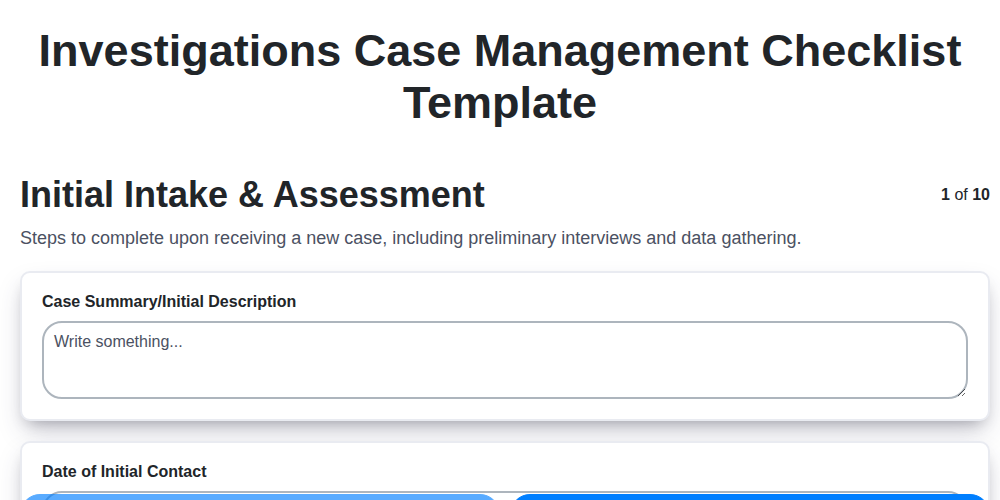
Mastering Investigations: Your Case Management Checklist Template Guide
We can do it Together
Need help with
Case Management?
Have a question? We're here to help. Please submit your inquiry, and we'll respond promptly.