Mastering Legal Case Management: Your Ultimate Checklist Template
Published: 12/19/2025 10:00 PM Updated: 12/20/2025 9:14 AM
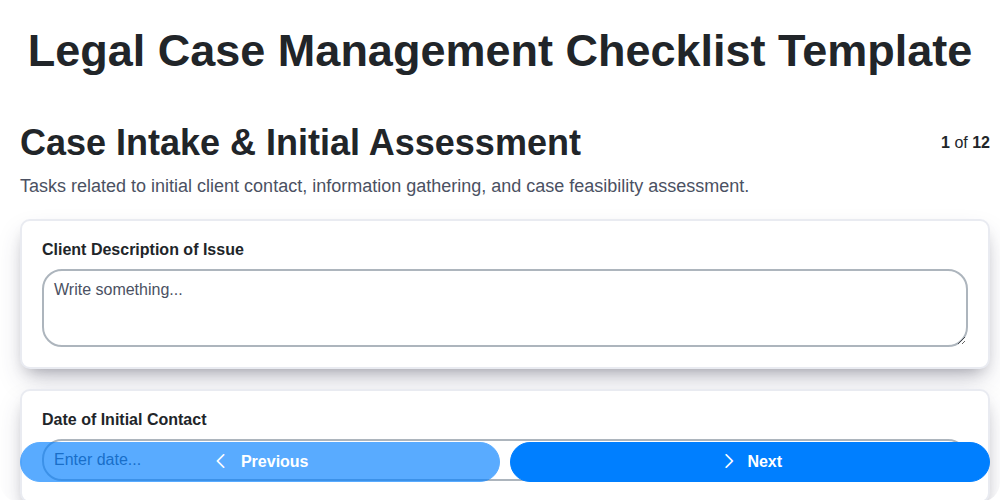
Table of Contents
- Introduction: Why a Legal Case Management Checklist is Essential
- 1. Case Intake & Initial Assessment: Setting the Foundation
- 2. Client Onboarding & Engagement: Building Trust & Expectations
- 3. Document Management & Organization: A Centralized System
- 4. Discovery & Investigation: Uncovering the Facts
- 5. Legal Research & Strategy Development: Crafting a Winning Approach
- 6. Pleadings & Court Filings: Accuracy & Timeliness
- 7. Discovery Responses & Production: Navigating the Process
- 8. Witness Management: Preparation and Coordination
- 9. Trial Preparation & Execution: The Main Event
- 10. Post-Trial & Appeals: Exploring Options
- 11. Case Closure & Reporting: Finalizing the Record
- 12. Billing & Time Tracking: Accuracy and Efficiency
- Conclusion: Streamlining Your Legal Workflow
- Resources & Links
TLDR: Feeling overwhelmed by legal case management? This checklist template breaks down the entire process - from initial client intake to case closure - into manageable steps. It covers everything you need to do, ensuring you stay organized, meet deadlines, and never miss a critical detail. Download it now and transform your case management!
Introduction: Why a Legal Case Management Checklist is Essential
The legal profession demands meticulous organization and unwavering attention to detail. A single missed step can have significant consequences, impacting client outcomes and potentially leading to ethical or professional repercussions. That's where a legal case management checklist becomes an indispensable tool. More than just a list, a well-structured checklist is a roadmap, guiding you through the complexities of a case from initial intake to final closure. It ensures consistency across all your cases, reduces the risk of errors and omissions, and frees up valuable time for strategic thinking and client interaction. In today's demanding legal landscape, embracing a checklist isn't just best practice; it's essential for efficient, compliant, and successful case management.
1. Case Intake & Initial Assessment: Setting the Foundation
The initial assessment phase is critical. It's where you determine if a case is viable, profitable, and aligns with your firm's expertise. A thorough checklist here prevents wasted time and resources later.
Here's what you should cover:
- Client Contact Information: Capture complete and accurate details (name, address, phone, email). Verify information.
- Initial Complaint/Issue: Document the client's narrative in detail. Encourage them to be comprehensive.
- Preliminary Conflict Check: Immediately run a conflict check against existing clients and matters. This is non-negotiable.
- Jurisdiction & Venue: Identify the correct court and location for the case.
- Potential Claims & Causes of Action: Based on the initial information, identify possible legal claims. This is a preliminary assessment, not a definitive statement.
- Statute of Limitations: Immediately verify the applicable statute of limitations. Missing this deadline is a critical error.
- Potential Damages/Relief: Begin to estimate the potential financial recovery or other relief the client might be seeking.
- Initial Feasibility Assessment: Based on the above, make a preliminary determination of case viability. Consider factors like evidence availability, potential costs, and likelihood of success.
- Case Acceptance/Rejection: Clearly document the decision to accept or reject the case, with justification for the decision.
- Initial Consultation Fee (if applicable): Record any consultation fees charged and payment status.
2. Client Onboarding & Engagement: Building Trust & Expectations
The initial client interaction sets the tone for the entire legal journey. A thorough and well-structured onboarding process isn't just administrative; it's a crucial opportunity to build trust, manage expectations, and lay the foundation for a successful attorney-client relationship.
This phase goes beyond simply gathering signatures. It involves:
- Detailed Intake Interview: This isn't just about facts; it's about understanding the client's goals, concerns, and anxieties. Active listening is paramount.
- Clear Explanation of Legal Process: Demystify the legal system. Explain the timeline, potential challenges, and what the client can reasonably expect. Avoid legal jargon and use plain language.
- Fee Agreement Transparency: Provide a clear and understandable fee agreement outlining all costs, billing practices, and potential expenses. Address any questions fully and honestly.
- Conflict of Interest Check: Conduct a meticulous conflict of interest check and document the process to ensure ethical compliance.
- Engagement Letter: A comprehensive engagement letter formally outlines the scope of representation, responsibilities, and expectations for both parties.
- Introduction to Team (if applicable): If multiple team members will be involved, introduce the client and clarify roles.
- Communication Protocol: Establish clear communication channels and response time expectations.
A positive onboarding experience demonstrates professionalism, competence, and genuine care for the client's needs, significantly contributing to client satisfaction and retention.
3. Document Management & Organization: A Centralized System
In legal case management, a chaotic document system is a recipe for disaster. Lost files, missed deadlines, and frantic searches can severely impact a case's success and your firm's reputation. Moving beyond scattered folders and email attachments to a centralized document management system is critical.
What does a robust system look like? It involves more than just digitizing everything. It requires a structured approach:
- Consistent Naming Conventions: Establish clear, logical naming protocols for all files and folders. Include case number, document type, date, and version number. Example: 12345_Contract_20231027_v3.pdf
- Folder Hierarchy: Develop a well-defined folder structure mirroring the case's lifecycle - intake, discovery, pleadings, etc. This provides instant access to relevant materials.
- Version Control: Implement a system to track changes to documents, ensuring everyone is working with the most current version.
- Metadata Tagging: Leverage metadata to add searchable information to files - client name, judge, opposing counsel, key topics. This dramatically improves search capabilities.
- Secure Access & Permissions: Control who can access and edit specific documents based on roles and responsibilities. Compliance with data privacy regulations is paramount.
- Cloud-Based Solutions: Consider cloud storage for accessibility, security, and collaboration features.
Investing in a good document management system (often integrated within a larger case management software) isn't just about tidiness. It's about efficiency, compliance, and ultimately, a stronger defense for your clients.
4. Discovery & Investigation: Uncovering the Facts
This phase is the crucial digging phase - where you uncover the facts that will either support or challenge your case. Effective discovery and investigation move beyond assumptions and build a solid foundation for your legal strategy. It's more than just sending out interrogatories; it's a proactive and comprehensive process.
Here's what you need to be doing:
- Develop a Discovery Plan: Outline what information you need, from whom, and through what methods (interrogatories, depositions, requests for production, subpoenas). This should align with your overall legal strategy.
- Requests for Production of Documents: Identify all relevant documents and information held by the opposing party and third parties. Be specific and targeted to avoid objections and maximize response quality.
- Interrogatories: Craft carefully worded questions to gather information from the opposing party under oath. Consider potential evasiveness and draft questions that elicit complete and straightforward answers.
- Depositions: Prepare for and conduct depositions of key witnesses - both your own and those of the opposing party. This is a vital opportunity to assess credibility, gather testimony, and preserve evidence.
- Subpoenas: Utilize subpoenas to compel testimony and document production from non-parties who hold relevant information.
- Background Checks & Investigative Work: Depending on the case, consider hiring investigators to gather evidence, locate witnesses, and verify information. This might involve surveillance, interviews, and public record searches.
- Data Analysis & Review: With the sheer volume of data often involved, having a system for organizing, reviewing, and analyzing the discovered information is critical. Utilize technology when possible.
- Preservation of Evidence: Ensure all potential evidence - documents, emails, recordings - is properly preserved and protected from alteration or destruction. Implement a litigation hold if necessary.
This rigorous approach to discovery and investigation transforms a vague sense of the facts into a concrete understanding, allowing you to make informed decisions and build a winning case.
5. Legal Research & Strategy Development: Crafting a Winning Approach
This phase is the bedrock of any successful legal case. It's more than just pulling up statutes; it's about interpreting them, understanding precedent, and formulating a proactive strategy. Here's what this stage involves:
- Comprehensive Legal Research: Deep dive into relevant statutes, case law, regulations, and legal articles. Utilize legal databases (Westlaw, LexisNexis, Bloomberg Law) and public records. Don't limit research to obvious areas; explore tangential issues that could impact the case.
- Fact-Pattern Analysis: Thoroughly analyze the client's facts in light of the legal research. Identify weaknesses and strengths in the client's position. Consider alternative interpretations of the facts.
- Jurisdictional Research: Legal principles can vary significantly between jurisdictions. Verify the applicable law for the specific venue.
- Strategic Options Development: Based on the research and fact analysis, brainstorm multiple legal strategies. Consider the potential outcomes, risks, and costs associated with each approach.
- Risk Assessment & Mitigation: Objectively assess potential pitfalls and develop plans to mitigate them. This includes anticipating opposing counsel's arguments and preparing counter-strategies.
- Client Consultation: Present the research findings and potential strategies to the client. Explain the pros and cons of each option and gain their informed consent for the chosen path. Document this consultation meticulously.
- Ongoing Monitoring: Legal landscapes shift. Continuously monitor relevant legal developments throughout the case's duration.
6. Pleadings & Court Filings: Accuracy & Timeliness
This stage is critical - a single misstep here can significantly impact your case. Pleadings and court filings (complaints, answers, motions, etc.) must be flawlessly accurate, meticulously drafted, and filed precisely on time.
Checklist Items:
- Verify Jurisdiction & Venue: Double-check that the case is filed in the correct court with proper jurisdiction and venue.
- Statute of Limitations: Confirm the statute of limitations hasn't expired.
- Drafting Accuracy: Ensure all information, legal arguments, and citations are accurate and consistent with the case facts and relevant law. Utilize legal drafting best practices and have a senior team member review drafts.
- Formatting Compliance: Adhere strictly to court rules regarding formatting, font size, margins, and page numbering.
- Service of Process: Confirm proper service of process is executed according to court rules. Document the method and proof of service.
- Filing Deadlines: Establish a calendar with all critical filing deadlines. Implement reminders and proactively plan for potential extensions.
- E-Filing Compliance: If e-filing, ensure the system is functioning correctly and familiarize yourself with specific e-filing requirements. Save and archive filed documents.
- Backup Copies: Maintain secure backup copies of all filed documents, both electronic and physical.
Failure to address these elements can lead to dismissals, sanctions, or ultimately, a less favorable outcome for your client.
7. Discovery Responses & Production: Navigating the Process
Discovery is a crucial, and often complex, phase in legal case management. It's the formal process where parties exchange information relevant to the case, ensuring a fair and transparent legal proceeding. Responding to discovery requests and producing relevant documents demands meticulous attention to detail and a strategic approach.
Understanding the Scope:
Discovery can encompass a wide range of requests, including:
- Interrogatories: Written questions requiring detailed answers under oath.
- Requests for Production of Documents: Demands for specific documents, electronically stored information (ESI), and other tangible items.
- Depositions: Oral examinations of witnesses under oath.
- Requests for Admission: Statements requiring acknowledgment or denial.
Key Steps for Efficient Responses:
- Review and Analyze: Thoroughly examine each request. Understand precisely what is being sought and its relevance to the case. Don't rush this initial review!
- Identify Responsive Documents/Information: Locate all documents and information that even potentially answer the request. It's better to err on the side of caution at this stage.
- Collection & Preservation: Ensure proper collection and preservation of potentially relevant ESI and physical documents. Legal hold procedures are critical here. Failure to do so can lead to serious sanctions.
- Review for Privilege: Carefully review all responsive materials for privileged information (attorney-client privilege, work product doctrine, etc.). Properly log and redact privileged documents.
- Draft Responses: Prepare clear, concise, and complete responses. This might involve answering interrogatories, objecting to requests, or producing documents.
- Production: If documents are being produced, organize them logically, index them appropriately, and comply with any specified production formats (e.g., TIFF, PDF).
- Bates Stamping & Indexing: Essential for organizing and referencing documents during production. A consistent and accurate system is vital.
- Verification & Final Review: Before serving responses, have another team member or attorney review them for accuracy and completeness.
Common Pitfalls to Avoid:
- Ignoring or Delaying Responses: Failure to respond by the deadline can result in sanctions.
- Overbroad Requests: Object to requests that are unduly burdensome or seek irrelevant information.
- Inadequate Privilege Review: Failing to properly assert privilege can waive it.
- Poor Organization & Indexing: Making it difficult to locate and retrieve documents can be costly.
8. Witness Management: Preparation and Coordination
Witnesses are vital to a strong legal case, but effectively managing them can be a significant undertaking. This section of your case management checklist focuses on ensuring witnesses are handled professionally and their testimony is accurately presented.
Here's what to include:
- Identification & Prioritization: Immediately identify all potential witnesses. Prioritize them based on relevance and potential impact on the case.
- Contact & Scheduling: Establish contact with each witness, explaining their role and scheduling interviews or depositions at mutually convenient times. Keep meticulous records of all communication.
- Interview Preparation: Prepare detailed interview outlines to ensure consistency and elicit vital information. Review relevant documents and background information before each interview.
- Interview Execution & Note-Taking: Conduct thorough interviews, ensuring witnesses understand the process and are comfortable. Assign a dedicated note-taker to record key statements, observations, and any inconsistencies.
- Subpoena Management: If necessary, handle the issuance and service of subpoenas for witness attendance at depositions or trial. Track all related deadlines.
- Expert Witness Coordination: For expert witnesses, manage communication regarding their reports, testimony preparation, and billing.
- Testimony Preparation: Conduct mock examinations and cross-examinations to prepare witnesses for trial. Address potential challenges and inconsistencies.
- Witness Logistics: Coordinate witness travel, lodging, and other logistical needs for court appearances.
- Tracking & Updates: Continuously update witness information, contact details, and status within your case management system.
Proper witness management minimizes risk, strengthens your case, and contributes to a more organized and successful legal strategy.
9. Trial Preparation & Execution: The Main Event
The trial is often the culmination of months, even years, of work. Thorough preparation here isn't just recommended - it's essential for success. This checklist focuses on ensuring everything is in order leading up to and during the trial itself.
Pre-Trial Preparation:
- Finalize Witness Lists: Confirm witness availability, prepare them for testimony, and ensure all necessary subpoenas are served and confirmed.
- Exhibit Preparation: Organize and label all exhibits meticulously. Ensure digital exhibits are compatible with the courtroom technology. Create demonstrative evidence as needed (charts, timelines, videos).
- Jury Selection (if applicable): Develop a jury selection strategy, prepare voir dire questions, and thoroughly research potential jurors.
- Opening Statement Refinement: Craft a compelling opening statement that clearly outlines your case theory and what you intend to prove. Practice delivery.
- Direct and Cross-Examination Outline: Create detailed outlines for each witness, anticipating potential questions and objections.
- Objection Practice: Practice common objections and responses.
- Technology Check: Conduct a full tech run-through to ensure all equipment (laptops, projectors, microphones) functions flawlessly.
- Courtroom Logistics: Confirm courtroom location, dates, and times. Familiarize yourself with the courtroom layout.
During Trial Execution:
- Witness Handling: Ensure witnesses are brought to the courtroom at the correct time and are properly sworn in.
- Objection Management: Be prepared to object appropriately and efficiently.
- Evidence Presentation: Present evidence in a clear and organized manner.
- Real-time Note Taking: Diligently record key testimonies, rulings, and events.
- Adaptability: Be prepared to adapt your strategy based on unexpected developments or rulings.
- Closing Argument Preparation: Start drafting the closing argument early, incorporating key evidence and rulings.
- Professional Demeanor: Maintain a professional and respectful demeanor throughout the proceedings.
10. Post-Trial & Appeals: Exploring Options
The conclusion of a trial isn't always the end of the case. Depending on the outcome and legal strategies employed, a post-trial period and potential appeal process can be significant. This checklist segment focuses on navigating these crucial steps.
Immediate Post-Trial Actions:
- Review the Verdict & Judgment: Thoroughly analyze the court's decision, noting specific findings and rulings.
- Assess Potential for Post-Trial Motions: Determine if there's a basis for filing motions like a motion for a new trial, judgment notwithstanding the verdict (JNOV), or motion to alter or amend the judgment. Evaluate the likelihood of success and potential impact.
- Client Consultation: Discuss the verdict and potential appeal options with your client. Explain the costs, risks, and potential benefits of an appeal. Ensure informed consent.
- Preserve the Record: Ensure a complete and accurate appellate record is prepared. This involves identifying and securing all relevant transcripts, exhibits, and pleadings.
Appeals Process:
- Notice of Appeal: File a timely notice of appeal. Deadlines are strict and failure to comply can be fatal to the appeal.
- Appellate Briefing: Draft and file appellate briefs arguing the errors made in the trial court. Thorough legal research and persuasive writing are essential.
- Oral Argument: Prepare for and participate in oral argument before the appellate court.
- Monitor Appellate Court Decision: Track the progress of the appeal and be prepared to advise the client on the implications of the appellate court's decision.
- Potential Further Appeals: Understand if further appeals are possible (e.g., to a supreme court) and the associated timelines and requirements.
Important Note: Appealing a case is complex and requires specialized expertise. Consult with an experienced appellate attorney if considering this option.
11. Case Closure & Reporting: Finalizing the Record
Bringing a case to a formal closure isn't just about hitting a finish line; it's about ensuring a complete and accurate record for future reference and potential appeals. This crucial step requires a methodical approach to prevent overlooking vital details.
Our checklist focuses on tying up loose ends and generating comprehensive reports. This includes:
- Confirming Resolution: Officially verify the case's resolution - settlement, judgment, dismissal, or otherwise. Document the agreement or court order meticulously.
- Final Document Review: Conduct a final sweep of all case files, both physical and digital, to ensure nothing has been missed.
- File Archiving: Properly archive the case file according to your firm's retention policy. This involves clear labeling, secure storage (physical and/or digital), and indexing for easy retrieval. Be sure to note the destruction date, if applicable.
- Client Communication: Provide the client with a final report summarizing the case outcome, any outstanding balances, and documentation of resolution. Confirm their acknowledgement of closure.
- Internal Reporting: Generate a case summary report for internal review. This can include key learnings, process improvements, and any notes regarding client satisfaction.
- System Updates: Update the case management system to reflect the closed status and record all relevant final details.
- Data Analysis (Optional): If your firm tracks key performance indicators (KPIs), incorporate this case's data into your analysis to identify trends and areas for improvement in future cases.
Proper case closure and reporting protects your firm and provides valuable insights for continuous improvement.
12. Billing & Time Tracking: Accuracy and Efficiency
Legal billing is more than just recording hours; it's a crucial element of profitability and client relations. A robust time tracking system integrated with your case management process isn't just good practice - it's essential. This checklist section focuses on ensuring accuracy and efficiency in your billing practices.
Key Steps:
- Standardized Time Entry: Implement a clear, standardized system for attorneys and support staff to record time spent on each case. Define specific task codes and descriptions to avoid ambiguity.
- Regular Time Entry: Enforce a policy of daily or at least weekly time entry to minimize errors and memory lapses.
- Time Sheet Review: Establish a review process where senior staff or partners scrutinize time entries for accuracy, reasonableness, and compliance with billing guidelines.
- Client Billing Agreements: Ensure all clients have a clear and written agreement outlining billing rates, payment terms, and any associated fees. Review these periodically.
- Invoice Generation & Delivery: Automate invoice generation whenever possible. Deliver invoices promptly and professionally.
- Payment Tracking & Follow-up: Maintain meticulous records of payments received. Implement a system for proactively following up on overdue invoices.
- Audit Trail: Keep a detailed audit trail of all billing adjustments and write-offs, including the reason for the adjustment and who authorized it.
- Integration with Case Management Software: Leverage the power of your case management software to automate time tracking and billing tasks, reducing manual errors and increasing efficiency.
- Regular Analysis: Regularly analyze billing data to identify trends, areas for improvement, and potential revenue leakage.
Consistent and transparent billing practices build trust with clients and contribute directly to the financial health of your firm.
Conclusion: Streamlining Your Legal Workflow
Ultimately, implementing a legal case management checklist template isn't just about ticking boxes; it's about building a robust, efficient, and compliant legal practice. By systematically addressing each critical phase - from initial intake to case closure - you reduce errors, improve communication, and free up valuable time to focus on what truly matters: advocating for your clients. While this template provides a solid foundation, remember to customize it to fit your firm's specific needs and the nuances of each case. Embrace the power of checklists to transform your workflow and elevate your legal practice to new heights.
Resources & Links
- American Bar Association (ABA): The ABA offers resources, articles, and continuing legal education (CLE) on case management, ethics, and best practices relevant to the checklist items.
- Nolo - Legal Resources: Provides plain-language legal information and resources, including articles and guides that can inform various checklist stages, especially those relating to client communication and legal processes.
- LexisNexis: A leading legal research platform offering extensive case law, statutes, and legal forms that are vital for legal research and strategy development.
- Westlaw: Another primary legal research service, providing comprehensive access to case law, statutes, regulations, and legal analysis - crucial for legal research and strategy.
- Clio Legal Technology: Offers legal practice management software. The blog and resources section often features articles on best practices, including case management techniques. The software itself can help automate many checklist items.
- MyCase Legal Practice Management: Provides case management software and has a resources section with articles and webinars about case workflows, document management, and client communication.
- Business Tips: While not purely legal-focused, this site offers articles on time management, organization, and workflow efficiency, which are relevant to the 'Billing & Time Tracking' and overall efficiency aspects of case management.
- LegalZoom: Offers legal forms and information. While primarily focused on consumer legal needs, their resources can provide context for some legal process steps mentioned in the checklist.
- Practical Law: Provides practical legal know-how, templates, and standard clauses - particularly useful for 'Pleadings & Court Filings,' 'Discovery Responses,' and other document-heavy phases. (Subscription required for full access.)
- FindLaw: A comprehensive directory of legal professionals and resources, offering articles, blog posts, and information about legal procedures - useful for understanding different aspects of case management.
Frequently Asked Questions
What is legal case management and why is it important?
Legal case management is the process of organizing and managing all aspects of a legal case, from initial client intake to case resolution. It's crucial for efficiency, organization, client satisfaction, and minimizing errors, ultimately leading to better case outcomes and improved profitability for law firms.
What is a checklist template for legal case management?
A checklist template is a pre-structured document outlining the sequential tasks and deadlines required throughout a legal case. It acts as a guide, ensuring no crucial steps are missed and promoting consistency across cases.
Who is this checklist template designed for?
This template is designed for law firms of all sizes, paralegals, legal assistants, and attorneys who want to streamline their case management processes and improve organization.
What types of tasks are included in this checklist template?
The template covers a wide range of tasks, including client intake, document generation, discovery, deadlines tracking, court filings, communications, and trial preparation. It's structured to be adaptable to various case types.
Is this a one-size-fits-all template? Can I customize it?
While the template provides a comprehensive framework, it's *not* a one-size-fits-all solution. It's designed to be highly customizable. You can add, remove, or modify tasks and deadlines to fit the specific requirements of each case and your firm's workflow.
What are some key benefits of using a legal case management checklist?
Key benefits include improved organization, reduced risk of missed deadlines, enhanced client communication, increased efficiency, and better overall case outcomes.
Can this checklist template help with compliance?
Yes, the checklist helps ensure compliance with procedural rules, ethical obligations, and relevant statutes by providing a framework for systematically addressing all necessary steps.
Found this Article helpful?
Comments
There are no comments yet. Be the first to add one!
Case Management Solution Demo
Streamline your casework & improve outcomes! ChecklistGuro centralizes case details, tasks, & communication. Enhance efficiency, ensure compliance, & deliver exceptional service. Manage it all with our Work OS.
Related Articles
Streamline Your Deals: The Ultimate Real Estate Case Management Checklist Template
Streamline Your Debt Collection: A Case Management Checklist Template
Cybersecurity Incident Response: Your Checklist Template for Success
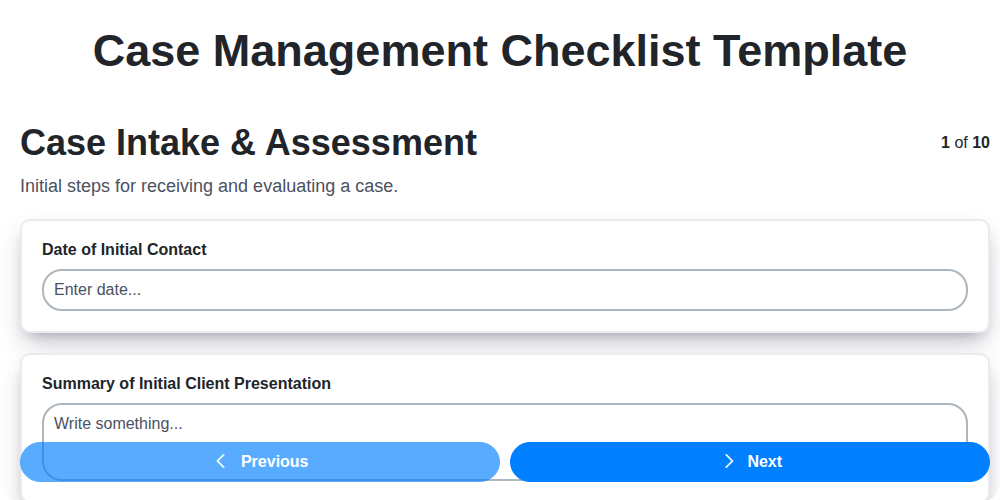
Streamline Your Case Management: The Ultimate Checklist Template
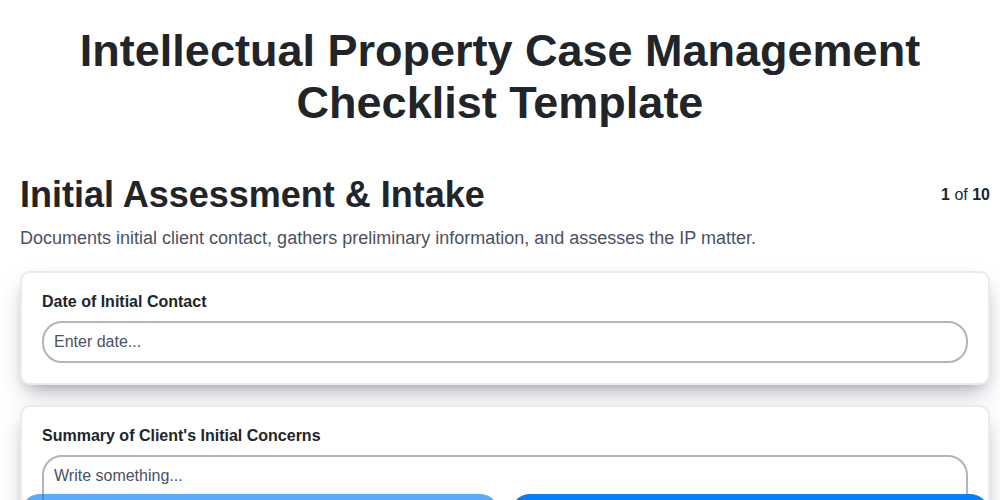
Mastering IP: Your Intellectual Property Case Management Checklist Template
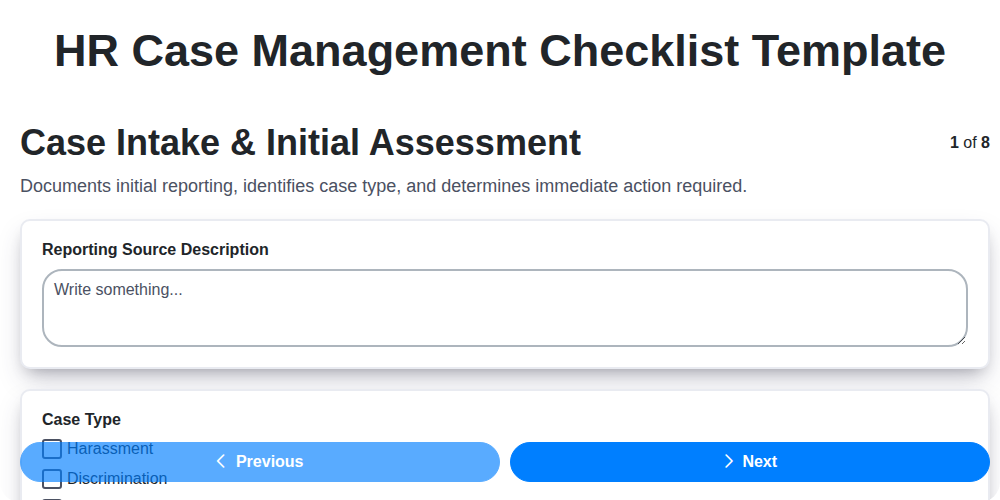
HR Case Management Checklist Template: Your Guide to Fair & Compliant Investigations
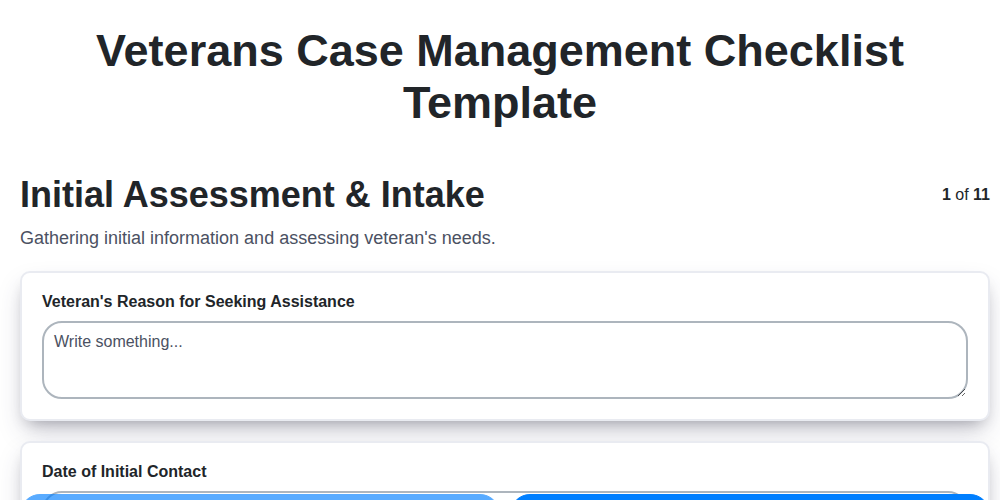
Streamlining Veteran Care: Your Comprehensive Case Management Checklist Template
Mastering Investigations: Your Case Management Checklist Template Guide
We can do it Together
Need help with
Case Management?
Have a question? We're here to help. Please submit your inquiry, and we'll respond promptly.