Mastering Maritime Cases: Your Ultimate Checklist Template Guide
Published: 12/20/2025 10:00 PM Updated: 12/21/2025 7:24 AM
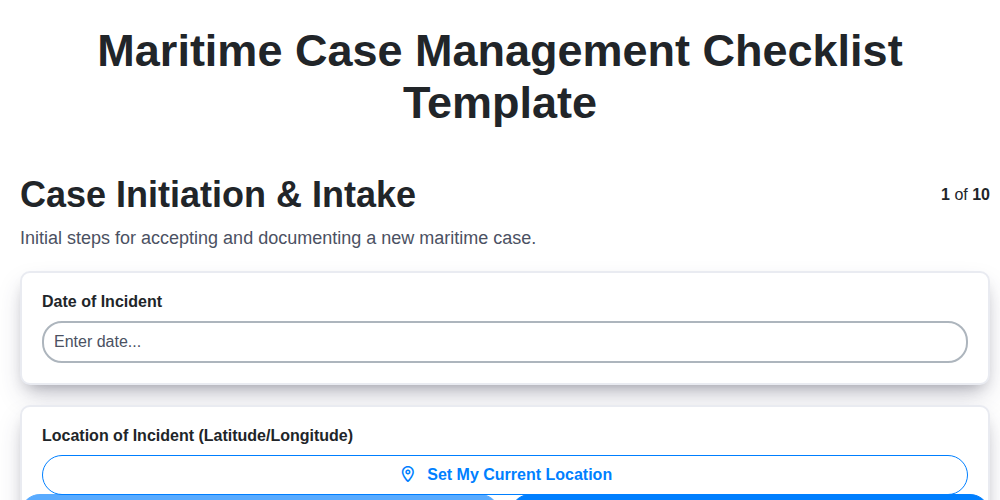
Table of Contents
- Introduction: Navigating the Complexities of Maritime Cases
- Why a Maritime Case Management Checklist is Essential
- Checklist Template Overview: A Step-by-Step Guide
- 1. Case Initiation & Intake: Laying the Foundation
- 2. Claim Assessment & Investigation: Gathering the Facts
- 3. Documentation & Evidence Management: Organizing Your Resources
- 4. Legal Research & Strategy Development: Charting Your Course
- 5. Negotiation & Settlement: Seeking Resolution
- 6. Litigation Preparation: Readying for Court (If Necessary)
- 7. Trial Management: Executing Your Strategy
- 8. Post-Judgment/Settlement Tasks: Finalizing the Resolution
- 9. Communication & Reporting: Keeping Everyone Informed
- 10. Regulatory Compliance: Ensuring Legal Adherence
- Conclusion: Streamlining Maritime Case Management
- Resources & Links
TLDR: Overwhelmed by maritime cases? This checklist template is your lifeline! It breaks down every stage - from initial intake to post-settlement tasks - ensuring you're organized, compliant, and strategically prepared for success, whether settling or going to trial.
Introduction: Navigating the Complexities of Maritime Cases
Maritime cases are notoriously complex, involving international laws, specialized terminology, and often, high-stakes financial outcomes. From personal injury claims and cargo damage to collisions and contractual disputes, these cases demand meticulous attention to detail and a structured approach. Without a robust system in place, crucial evidence can be missed, deadlines can be overlooked, and the overall case can suffer. This is where a comprehensive maritime case management checklist becomes an indispensable tool. This article explores the critical steps involved in effectively managing maritime cases and provides a template checklist to help you stay organized and maximize your chances of success. We'll break down the process, highlighting key considerations at each stage to ensure a thorough and strategically sound approach to handling these challenging legal matters.
Why a Maritime Case Management Checklist is Essential
Maritime cases are notoriously complex. They involve unique legal frameworks, often international jurisdictions, and frequently demand meticulous record-keeping due to the high stakes and potential for lengthy proceedings. Without a structured approach, it's easy to lose track of crucial details, miss deadlines, or overlook vital evidence - all of which can severely impact the outcome of a case.
A maritime case management checklist isn't just a 'nice-to-have'; it's a necessity. It acts as your roadmap, ensuring every step is accounted for, from the initial intake to post-settlement administration. This structured process minimizes errors, enhances efficiency, and fosters collaboration within your team. Think of it as a safety net, protecting against costly oversights and providing a clear audit trail for all actions taken. Ultimately, a well-defined checklist translates to better case outcomes, increased client satisfaction, and a more organized and productive legal practice.
Checklist Template Overview: A Step-by-Step Guide
Our Maritime Case Management Checklist Template is designed to provide a structured and comprehensive approach to handling maritime legal cases, from initial intake to final resolution. It breaks down the complex process into ten distinct phases, each with its own set of actionable steps. Here's a brief overview of what you can expect in each phase:
1. Case Initiation & Intake: This phase focuses on accurately recording client information, establishing initial contact, and confirming jurisdiction and venue. Key steps include verifying maritime lien status, identifying all relevant parties, and initiating a client file.
2. Claim Assessment & Investigation: This is the crucial phase where we evaluate the viability of the claim and gather initial facts. Expect steps like reviewing documentation, conducting preliminary interviews, and assessing potential damages.
3. Documentation & Evidence Management: Maintaining a well-organized and secure repository of all case-related documents is paramount. This section includes steps for scanning, indexing, and protecting sensitive information.
4. Legal Research & Strategy Development: This involves thorough legal research to understand applicable maritime laws and regulations and formulate a sound legal strategy based on the facts and legal precedents.
5. Negotiation & Settlement: This phase outlines steps for engaging in settlement discussions with opposing counsel, including preparing settlement proposals and evaluating counteroffers.
6. Litigation Preparation (if applicable): If a settlement isn't possible, this section details steps for filing a complaint, preparing pleadings, conducting discovery, and managing pre-trial motions.
7. Trial Management (if applicable): For cases proceeding to trial, this outlines steps for witness preparation, exhibit organization, trial briefing, and courtroom management.
8. Post-Judgment/Settlement Tasks: This section covers essential tasks after a judgment or settlement, such as ensuring compliance with orders, distributing funds, and finalizing paperwork.
9. Communication & Reporting: Maintaining clear and consistent communication with clients and stakeholders is critical. This includes creating reporting schedules and managing correspondence.
10. Regulatory Compliance: Maritime law is heavily regulated. This section ensures all actions adhere to relevant maritime laws, rules of court, and professional ethics.
By following this checklist, you're establishing a robust framework for efficient case management, minimizing errors, and maximizing the chances of a successful outcome.
1. Case Initiation & Intake: Laying the Foundation
The initial phase of maritime case management is arguably the most critical. A thorough and organized intake process sets the stage for efficient workflow and a stronger foundation for a successful outcome. This isn't just about collecting information; it's about establishing a clear understanding of the case and identifying potential challenges early on.
Here's what needs to be covered:
- Client Interview & Information Gathering: Conduct a detailed interview with the client, capturing their account of events, identifying key players, and understanding their goals. This includes meticulously recording all initial communications, dates, and contact information.
- Preliminary Document Review: Begin reviewing any initial documents provided by the client. This might include incident reports, cargo manifests, crew lists, contracts, or relevant correspondence. A preliminary assessment can highlight immediate red flags and potential complexities.
- Conflict of Interest Check: Conduct a thorough conflict of interest check to ensure your firm's representation doesn't compromise existing or potential client relationships. This is legally and ethically essential.
- Case File Creation & Centralization: Establish a centralized case file, both physical and digital. Implement a clear naming convention and folder structure to maintain organization and facilitate easy retrieval of information.
- Initial Case Assessment: Perform an initial assessment of the case's merits, potential liabilities, and possible defenses. This assessment, even at this early stage, can inform strategic planning.
- Fee Agreement & Retainer: Clearly outline the scope of representation, fees, and retainer requirements in a written agreement. Ensure the client understands their financial obligations.
A well-executed Case Initiation & Intake process minimizes future errors, streamlines workflow, and provides a solid foundation for the subsequent stages of maritime case management.
2. Claim Assessment & Investigation: Gathering the Facts
This stage is the bedrock of a successful maritime case. A thorough and meticulous claim assessment and investigation is crucial for building a strong foundation and anticipating potential challenges. It's more than just collecting documents; it's about understanding what happened, how it happened, and who is responsible.
Here's what a robust investigation should encompass:
- Initial Review of Documentation: Begin with a detailed review of all initial documentation - incident reports, crew manifests, voyage plans, cargo information, and any preliminary correspondence. Look for inconsistencies or red flags.
- Witness Interviews: Conduct thorough interviews with all relevant parties. This includes the injured party (or their family), crew members, shipowners, charterers, and any other individuals who have knowledge of the incident. Record these interviews meticulously.
- Site Inspection (if possible): Where feasible, a physical inspection of the incident site can provide invaluable insights and evidence. Photographs and videos should be taken to document the scene.
- Technical Expertise: Engage relevant technical experts (e.g., marine surveyors, naval architects, accident reconstructionists) to analyze the incident. Their expert opinions can be critical in establishing causation and liability.
- Data Collection: Gather and analyze all relevant data, including weather reports, navigational logs, maintenance records, and any data from Electronic Chart Display and Information Systems (ECDIS) or Automatic Identification Systems (AIS).
- Jurisdictional Considerations: Carefully consider the applicable maritime laws and jurisdictional issues. The location of the incident, the flag state of the vessel, and the nationalities of the parties involved can all influence the legal framework.
- Preservation of Evidence: Ensure all potential evidence is properly preserved and secured, preventing any possibility of spoliation. This includes electronic data, which requires specialized preservation techniques.
A comprehensive claim assessment and investigation establishes a clear understanding of the facts, which in turn informs your legal strategy and strengthens your case.
3. Documentation & Evidence Management: Organizing Your Resources
Maritime cases are notorious for the sheer volume of paperwork and digital assets involved. Charts, logs, repair records, witness statements, medical reports - it all adds up quickly. Effective documentation and evidence management isn't just about storing these items; it's about organizing them in a way that allows for quick retrieval, clear analysis, and robust presentation.
Key Steps for Robust Evidence Management:
- Centralized Repository: Implement a secure, digital repository (case management software is ideal, but a well-structured shared drive can suffice) where all case-related documents are stored.
- Consistent Naming Conventions: Establish a clear and consistent naming convention for all files (e.g., Date_WitnessName_DocumentType.pdf). This simplifies searching and ensures everyone on the team understands what a file contains.
- Detailed Indexing & Tagging: Don't just rely on filenames. Utilize tagging or indexing features within your chosen system. Tag documents with relevant keywords (e.g., Cargo Damage, Crew Member, Collision).
- Version Control: Clearly track revisions to documents. Implement a system to differentiate between drafts, final versions, and superseded documents.
- Secure Storage & Access Control: Protect sensitive information with appropriate security measures. Limit access to case documents based on role and need-to-know basis.
- Regular Backups: Ensure your digital repository is regularly backed up to prevent data loss.
- Physical Document Management: Don't neglect physical documents! Establish a system for scanning, archiving, and securely storing original paperwork.
Effective documentation and evidence management is a cornerstone of successful maritime case management. Proactive organization saves time, reduces risk, and strengthens your legal position.
4. Legal Research & Strategy Development: Charting Your Course
Maritime cases are notoriously complex, often involving international law, intricate contractual obligations, and a web of potential liabilities. Effective legal research and strategic development are paramount to a successful outcome. This phase goes beyond simply knowing the law; it's about understanding how it applies to the specific facts of your case and formulating a proactive plan.
Key steps in this crucial phase include:
- Jurisdictional Analysis: Determining which laws and courts have authority over the case. This often involves considering flags of vessels, locations of incidents, and residency of parties.
- Fact-Specific Legal Research: Diving deep into relevant statutes, regulations, case law (both domestic and international), and maritime industry standards to uncover precedent and legal principles applicable to the specific facts.
- Identification of Potential Legal Theories: Exploring all possible causes of action, defenses, and legal arguments based on the research findings. This might include negligence, breach of contract, unseaworthiness, collision regulations, etc.
- Expert Witness Identification (Preliminary): Begin identifying potential expert witnesses who can provide crucial testimony on technical matters like vessel operation, marine surveying, or cargo damage.
- Developing an Initial Litigation Strategy: Formulating a preliminary plan outlining the anticipated legal path, potential challenges, and overall objectives. This strategy will be refined as the case progresses and new information emerges.
- Risk Assessment: Identifying potential weaknesses in the case and developing strategies to mitigate them.
A robust legal research and strategy development phase sets the foundation for all subsequent actions, ensuring a well-informed and proactive approach to resolving your maritime case.
5. Negotiation & Settlement: Seeking Resolution
Reaching a settlement is often the most efficient and cost-effective outcome in maritime case management. This phase requires a strategic and well-prepared approach. Our checklist emphasizes proactive negotiation and diligent preparation.
Key Steps:
- Develop a Negotiation Strategy: Based on the claim assessment and legal research, formulate a clear negotiation strategy outlining your client's objectives, desired outcomes, and potential concessions. Consider the opposing party's likely position and potential leverage points.
- Initial Contact & Information Exchange: Establish clear communication channels and exchange relevant information with opposing counsel or the claimant. This includes providing a summary of the case and supporting documentation. Maintain a professional and respectful tone.
- Offer Formulation & Analysis: Prepare initial settlement offers, meticulously calculated based on potential liability exposure, damages, and legal fees. Carefully analyze counter-offers, identifying areas of agreement and disagreement. Document all offers and responses clearly.
- Mediation Consideration: Assess the suitability of mediation as a means of reaching settlement. A skilled mediator can facilitate productive dialogue and explore creative solutions. Prepare thoroughly for mediation, including identifying key arguments and potential compromises.
- Settlement Agreement Drafting & Review: If a settlement is reached, draft a comprehensive agreement outlining all terms and conditions. Ensure the agreement is legally sound, clearly defines all obligations, and addresses potential future disputes. Carefully review the agreement with your client before execution.
- Internal Client Communication: Regularly update your client on the progress of negotiations, explaining the potential implications of various settlement options. Obtain informed consent for all settlement offers and agreements.
Effective negotiation requires meticulous preparation, clear communication, and a willingness to explore compromise. This checklist helps ensure a structured and strategic approach to maximizing the chances of a favorable settlement.
6. Litigation Preparation: Readying for Court (If Necessary)
While a successful maritime case management strategy often aims to resolve disputes through negotiation and settlement, sometimes litigation becomes unavoidable. This section outlines the critical steps involved in preparing for trial.
1. Pleadings & Discovery: This begins with formally filing a complaint and responding to any counterclaims. The discovery phase - encompassing interrogatories, requests for production of documents, depositions, and expert witness disclosures - is paramount. Diligent and thorough discovery is vital to uncovering crucial information and strengthening your position.
2. Expert Witness Management: Maritime cases frequently rely on expert testimony regarding technical aspects like vessel operation, cargo handling, or maritime law. This involves identifying, retaining, and preparing expert witnesses. Ensure their reports are comprehensive, defensible, and aligned with your legal strategy. Thoroughly vet their methodologies and credentials.
3. Witness Preparation: Not just experts, but all witnesses - from crew members to surveyors - need careful preparation. This involves reviewing their testimony, anticipating cross-examination questions, and ensuring their accounts are consistent and credible. Mock examinations can prove invaluable.
4. Motion Practice: Anticipate and prepare for pre-trial motions - such as motions to compel discovery, motions to exclude evidence, and motions for summary judgment. These motions can significantly impact the scope of the case and the evidence presented at trial.
5. Exhibit Preparation: Organize and index all exhibits meticulously. Ensure they are properly authenticated and readily accessible during trial. Digital exhibit management systems can be incredibly helpful.
6. Trial Brief & Outline: Craft a persuasive trial brief outlining your legal arguments and presenting a compelling narrative. Develop a detailed trial outline to guide your presentation and ensure a logical flow.
7. Jury Selection (if applicable): If a jury trial is anticipated, invest time and resources into jury selection. Understand potential biases and identify jurors who are likely to be receptive to your arguments.
Litigation preparation is a complex and resource-intensive process. It requires meticulous attention to detail, strong organizational skills, and a thorough understanding of maritime law and procedure.
7. Trial Management: Executing Your Strategy
If your maritime case progresses to trial, meticulous trial management becomes paramount. This isn't just about showing up; it's about executing the strategy developed earlier with precision and adaptability. Here's what this phase involves:
- Witness Preparation: Extensive witness preparation is crucial. This includes thorough interviews, practice questioning, and ensuring witnesses understand their roles and potential cross-examination. Anticipate challenging questions and prepare robust responses.
- Exhibit Management: Organize and index all exhibits effectively. Ensure all demonstrative evidence is readily available, properly marked, and accessible to the court and jury. Digital exhibit management systems can be invaluable.
- Jury Selection (if applicable): Develop a strategic jury selection plan, focusing on identifying potential biases and seeking jurors who are likely to be sympathetic to your client's position.
- Opening Statements & Direct Examination: Craft compelling opening statements that clearly articulate your case's narrative. During direct examination, guide witnesses to present evidence in a clear, concise, and persuasive manner.
- Cross-Examination: Prepare for and execute strategic cross-examinations of opposing witnesses to challenge their credibility and expose weaknesses in their testimony.
- Objections & Motions: Be prepared to make and respond to objections throughout the trial, and address any motions presented by opposing counsel.
- Closing Arguments: Deliver a persuasive closing argument that summarizes the evidence, highlights key legal principles, and clearly requests a favorable verdict for your client.
- Real-Time Adjustments: The courtroom environment is dynamic. Be prepared to adapt your strategy based on unexpected developments, witness behavior, or judicial rulings.
8. Post-Judgment/Settlement Tasks: Finalizing the Resolution
Even after a judgment is rendered or a settlement is reached, critical tasks remain to ensure the case is properly closed and all obligations are fulfilled. Failing to address these can lead to unexpected complications and even re-opening of the case. This phase focuses on the administrative and finalization aspects of the maritime case management process.
Here's a breakdown of essential post-judgment/settlement tasks:
- Formal Order Entry: Ensure the judgment or settlement agreement is formally entered with the court and/or relevant authorities. This establishes the legal record of the resolution.
- Fund Distribution: Accurately calculate and distribute funds according to the judgment or settlement agreement, considering all parties involved (claimants, insurers, attorneys, etc.). Detailed records of distribution are crucial.
- Satisfaction of Judgment/Release: Obtain formal written acknowledgement (satisfaction of judgment) or release agreements from all parties who are obligated to make payments.
- Lien Release: If applicable, ensure all liens placed against the vessel or other assets are formally released and documented.
- Asset Transfer/Disposition: Oversee the transfer of any assets involved in the settlement, ensuring clear title and proper documentation.
- File Archiving: Properly archive all case files, both physical and digital, adhering to relevant record retention policies. This includes judgments, settlements, correspondence, and expert reports.
- Billing and Reconciliation: Finalize billing and reconcile all costs associated with the case, ensuring accuracy and compliance with fee agreements.
- Client Closure Communication: Provide clear and concise closure communication to the client, summarizing the outcome and any remaining obligations.
Maintaining meticulous records throughout this phase is essential for a clean and complete case closure.
9. Communication & Reporting: Keeping Everyone Informed
Effective maritime case management hinges on clear and consistent communication. This isn't just about keeping clients in the loop; it's about ensuring all stakeholders - adjusters, opposing counsel, experts, and internal team members - have access to accurate and timely information.
Our checklist emphasizes proactive reporting at every stage. This includes:
- Regular Status Updates: Establish a defined frequency (weekly, bi-weekly, etc.) for providing updates to clients and key team members. These updates should summarize progress, highlight challenges, and outline next steps.
- Documented Communication Log: Maintain a detailed record of all communications, including phone calls, emails, and meetings. Note the date, time, participants, and key discussion points. This acts as a crucial audit trail.
- Data Visualization & Dashboards: For complex cases with multiple moving parts, consider utilizing data visualization tools to present progress in an easily digestible format. Dashboards can track key metrics like timelines, costs, and potential exposure.
- Standardized Reporting Templates: Using standardized templates ensures consistency in reporting and simplifies the process for everyone involved.
- Escalation Procedures: Establish a clear process for escalating critical issues or potential delays to the appropriate personnel.
- Client Portal (Optional): Consider implementing a secure client portal where clients can access case documents and reports at their convenience.
Consistent and transparent communication minimizes misunderstandings, fosters trust, and ultimately contributes to a more efficient and successful case resolution.
10. Regulatory Compliance: Ensuring Legal Adherence
Maritime case management operates within a complex web of international, national, and regional regulations. Staying compliant isn't just about avoiding penalties; it's about upholding ethical standards and ensuring the integrity of your legal practice. This section of the checklist focuses on proactively addressing regulatory considerations throughout the case lifecycle.
Key Regulatory Areas to Consider:
- International Conventions: Familiarize yourself with relevant conventions like SOLAS, MARPOL, and the Athens Convention Relating to Compensation for Claims for Damage Caused by Ships, depending on the specific case. Understand how these conventions impact jurisdiction, liability, and recoverable damages.
- National Maritime Laws: Deep dive into the maritime laws of the relevant jurisdictions (flag state, state of loss, place of arrest, etc.). This includes understanding statutes related to limitation of liability, salvage, general average, and collision.
- Reporting Obligations: Maritime incidents often trigger mandatory reporting obligations to authorities (e.g., flag state administrations, port authorities, national maritime safety agencies). Ensure timely and accurate reporting according to applicable regulations.
- Data Privacy Regulations: Consider GDPR and other relevant data privacy laws, especially when dealing with personal information of injured parties, crew members, or other stakeholders.
- Anti-Corruption Laws: Maintain strict adherence to anti-corruption laws (e.g., FCPA, UK Bribery Act) throughout the case.
- Sanctions Compliance: Verify that all parties involved are not subject to sanctions imposed by relevant jurisdictions.
- Record Retention Policies: Establish and maintain robust record retention policies to comply with legal and regulatory requirements.
- Ongoing Monitoring: Regularly update your understanding of evolving maritime regulations and their impact on your case management practices.
Checklist Items:
- Identify all applicable regulations for this case.
- Confirm compliance with mandatory reporting requirements.
- Assess potential regulatory implications of legal strategy.
- Document all regulatory considerations and actions taken.
- Consult with regulatory experts as needed.
- Update checklist items and procedures based on regulatory changes.
Conclusion: Streamlining Maritime Case Management
Ultimately, implementing a robust maritime case management checklist, like the template we've explored, isn't just about ticking boxes. It's about fostering a proactive, organized, and compliant approach to complex maritime claims. By standardizing processes across case initiation, investigation, legal strategy, and all the way through potential litigation or settlement, you significantly reduce the risk of errors, delays, and missed opportunities. This, in turn, leads to more efficient resource allocation, improved client satisfaction, and a stronger foundation for successful case outcomes. Embrace the power of structured checklists - it's a critical investment in the future of your maritime practice.
Resources & Links
- U.S. Department of Justice - Maritime Law: Official resource providing information on maritime laws and regulations enforced by the U.S. government. Includes publications, court decisions, and enforcement actions.
- U.S. Courts - Maritime Law: Provides information about maritime law within the federal court system, including case filings, rules, and resources for legal professionals.
- Cornell Law School - Legal Information Institute (LII) - Maritime Law: Offers a comprehensive overview of maritime law, covering various aspects and legal concepts. Useful for understanding the fundamentals.
- IRMI - Marine Insurance: A Legal Overview: While focused on insurance, this article provides context to potential claims and liabilities frequently encountered in maritime cases.
- Nautical 911: Provides marine incident investigation and expert witness services; resources & articles for maritime professionals, potentially helpful for understanding investigative processes.
- LexisNexis - Maritime Law Guide: LexisNexis provides a variety of legal resources and guides. Their maritime law section, while often requiring a subscription, can offer insightful content.
- Westlaw: Similar to LexisNexis, Westlaw is a comprehensive legal research platform. While it's a subscription service, it contains a vast library of case law, statutes, and legal analysis.
- Maritime Law Training: Offers specialized training courses and resources for maritime lawyers and professionals. Could provide insights into complex legal procedures.
- AB Accountable: Case management software designed to help legal teams streamline their work, can be useful for implementation of checklist.
- MyCase: Another popular legal case management software that can help with organization and compliance.
Frequently Asked Questions
What is a maritime case, and why is a checklist important?
A maritime case involves legal disputes arising from activities on navigable waters, such as shipping, fishing, and offshore operations. A checklist is crucial to ensure no critical steps are missed in complex maritime litigation, promoting thoroughness, accuracy, and potentially reducing errors and delays.
Who is this checklist template guide for?
This guide is for maritime lawyers, paralegals, legal assistants, maritime claims adjusters, and anyone involved in handling maritime cases who wants a structured approach to case management and preparation.
What types of maritime cases does this checklist template cover?
The checklist is designed to be adaptable and covers a broad range of maritime cases, including collision, cargo claims, personal injury, longshore & harbor worker claims, seamen's claims, and marine insurance disputes. Specific sections can be customized for each case type.
Is the checklist template customizable? How so?
Yes, absolutely. The template is designed to be highly customizable. You can add, remove, or modify tasks to fit the specific details of your case. You can also add deadlines, assign responsibility to team members, and add notes for each item.
What file format is the checklist template available in?
The checklist template is provided in Microsoft Excel (.xlsx) format, allowing for easy editing and tracking.
How can I access and download the checklist template?
The article provides a direct link to download the checklist template. Follow the instructions in the article to access and save the file to your computer.
What are some key areas the checklist covers?
The checklist covers key areas like initial case assessment, discovery, expert witness management, motions, settlement negotiations, trial preparation, and post-trial procedures.
Will this checklist template replace legal expertise?
No, this checklist template is a tool to aid in case management, but it is not a substitute for professional legal advice and expertise. It should be used in conjunction with your legal judgment and knowledge.
What are some best practices for using the checklist effectively?
Regularly update the checklist with progress, assign deadlines, involve your team, utilize notes sections for crucial details, and review it periodically to ensure accuracy and completeness.
Can I share this checklist with my team?
Yes, you can share the checklist template with your team members. This facilitates collaboration and ensures everyone is aware of the tasks and deadlines.
Found this Article helpful?
Comments
There are no comments yet. Be the first to add one!
Case Management Solution Demo
Streamline your casework & improve outcomes! ChecklistGuro centralizes case details, tasks, & communication. Enhance efficiency, ensure compliance, & deliver exceptional service. Manage it all with our Work OS.
Related Articles
Streamline Your Deals: The Ultimate Real Estate Case Management Checklist Template
Streamline Your Debt Collection: A Case Management Checklist Template
Cybersecurity Incident Response: Your Checklist Template for Success
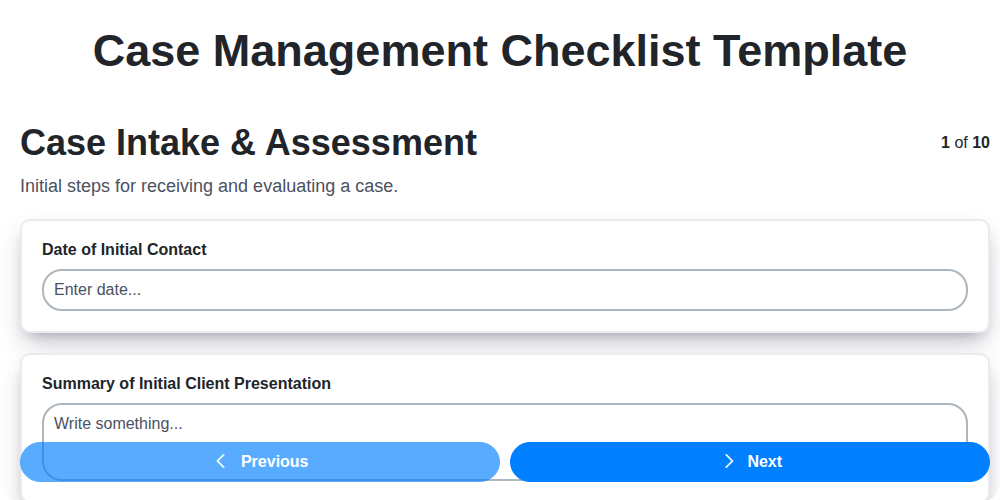
Streamline Your Case Management: The Ultimate Checklist Template
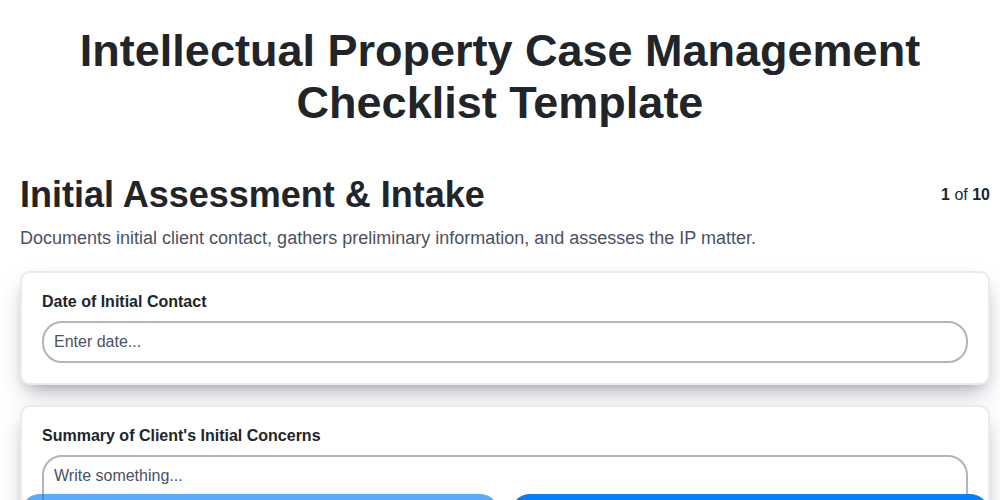
Mastering IP: Your Intellectual Property Case Management Checklist Template
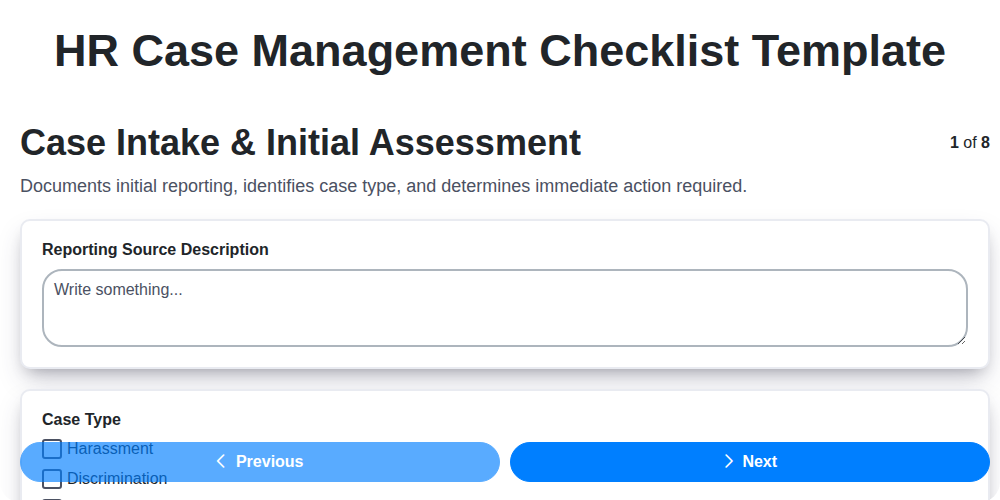
HR Case Management Checklist Template: Your Guide to Fair & Compliant Investigations
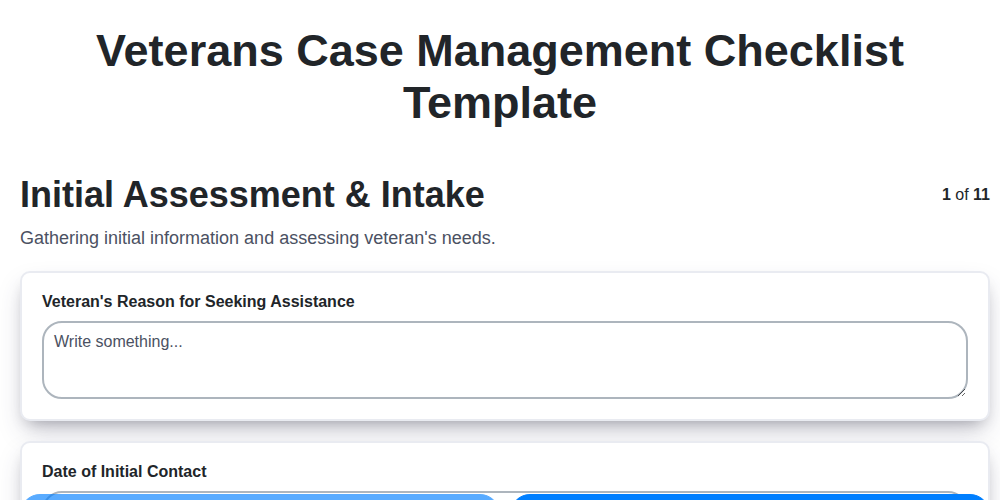
Streamlining Veteran Care: Your Comprehensive Case Management Checklist Template
Mastering Investigations: Your Case Management Checklist Template Guide
We can do it Together
Need help with
Case Management?
Have a question? We're here to help. Please submit your inquiry, and we'll respond promptly.