The Ultimate Property Condition Inspection Checklist: A Room-by-Room Guide
Published: 11/26/2025 Updated: 07/02/2026
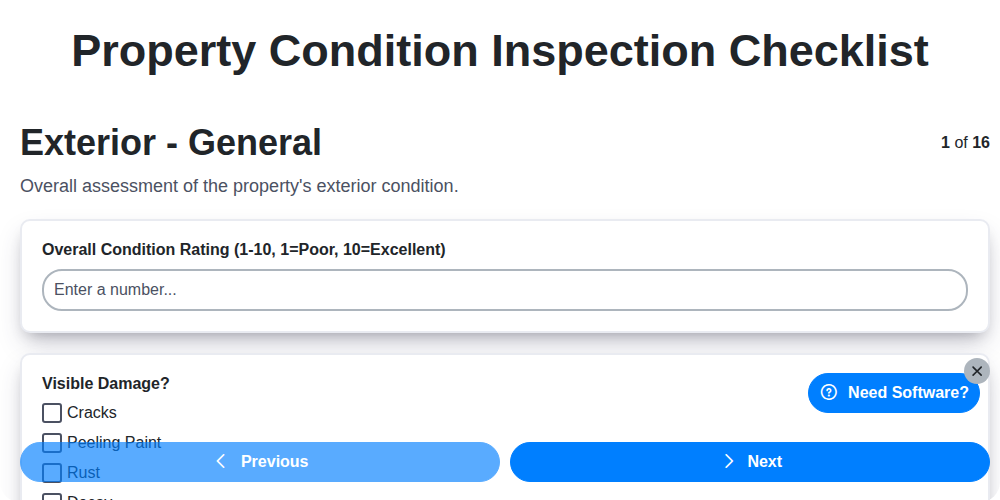
Table of Contents
- Why a Property Condition Inspection is Crucial
- Exterior Inspection: From Foundation to Landscaping
- Roof Inspection: Identifying Potential Issues
- Interior Inspection: A Detailed Room-by-Room Breakdown
- Kitchen & Bathrooms: Key Areas for Scrutiny
- Systems Check: HVAC, Electrical & Plumbing
- Safety & Security: Protecting Your Investment
- Final Assessment: Overall Cleanliness & Pest Concerns
- Resources & Links
TLDR: Buying or selling a property? This checklist is your ultimate guide! It breaks down a thorough inspection room-by-room (exterior & interior) covering everything from the roof and foundation to electrical and plumbing. Use it to identify potential issues, negotiate repairs, and ensure a smooth transaction - protecting your investment!
Why a Property Condition Inspection is Crucial
Buying a property is a significant investment, and it's easy to get swept up in the excitement of finding a place you love. However, overlooking potential issues can lead to costly repairs and headaches down the road. A property condition inspection is far more than just a formality; it's a vital safeguard that protects your financial well-being and provides clarity about the property's true condition.
Think of it as a detailed health check for the house. A qualified inspector meticulously examines every aspect of the property - from the roof to the foundation, the electrical system to the plumbing - uncovering potential problems that might be hidden from the untrained eye. This comprehensive assessment provides you with a clear understanding of what you're buying, including existing problems and potential future maintenance needs.
Beyond the financial aspect, a property condition inspection empowers you. Armed with this information, you can confidently negotiate repairs with the seller, adjust your offer to account for necessary work, or even walk away from a deal if the issues are too substantial. Ultimately, it allows you to make an informed decision, minimizing risk and maximizing your satisfaction with your new property. Don't leave your investment to chance - a thorough inspection is a smart, proactive step.
Exterior Inspection: From Foundation to Landscaping
The exterior of a property offers crucial clues about its overall health and potential issues. A thorough inspection here can save you significant headaches (and expenses) down the line. Here's a breakdown of what to look for, section by section:
General: Start with an overview. Note the property's general appearance - is it well-maintained? Are there obvious signs of neglect? Observe the slope of the land around the house to ensure proper water drainage away from the foundation.
Roof: This is critical! Look for missing, cracked, or curling shingles. Check for any signs of leaks (water stains on the eaves or soffits). Note the condition of gutters and downspouts - are they clean and properly attached? If visible, check the flashing around chimneys and vents. Important: Roof inspections are often best left to professionals due to safety concerns.
Foundation & Structure: Inspect the foundation for cracks - hair-line cracks are common, but wider cracks (over ¼ inch) should be investigated. Look for signs of settling or bowing. Check the condition of any exposed structural elements like porch supports or decks.
Exterior Walls & Siding: Evaluate the siding for damage - rotting, cracking, or warping. Look for signs of water damage, insect infestation (like termite tubes), or paint peeling. Check the condition of trim and caulking.
Windows & Doors: Examine window frames and sashes for rot, damage, and proper operation. Check for drafts and broken seals. Inspect door frames and thresholds for damage and proper sealing. Ensure all doors lock securely.
Landscaping & Grounds: Assess the overall health and maintenance of the landscaping. Look for overgrown vegetation that could be damaging the house or attracting pests. Check for proper drainage and any signs of erosion. Pay attention to trees - are there any branches that could pose a hazard to the house?
Roof Inspection: Identifying Potential Issues
Your roof is your home's first line of defense against the elements, and a thorough inspection is crucial. Don't just look for obvious leaks! Here's what to be on the lookout for:
- Shingle Condition: Examine shingles for curling, buckling, cracking, blistering, or granule loss. Excessive granule loss indicates the shingles are nearing the end of their lifespan.
- Missing Shingles: Even a few missing shingles can expose the underlayment and create a pathway for water damage.
- Flashing: Pay close attention to flashing around chimneys, vents, skylights, and valleys. This is a common area for leaks. Look for rust, corrosion, or gaps.
- Gutters & Downspouts: Ensure gutters are clean and properly attached. Clogged gutters can cause water to back up under the roof.
- Signs of Water Damage: Look for staining or discoloration on the underside of the roof decking (if accessible from the attic).
- Moss/Algae Growth: While cosmetic, excessive moss or algae can retain moisture and damage shingles.
- Sagging: A sagging roofline can indicate structural problems and requires immediate attention.
Important Note: Roof inspections can be dangerous. If you're uncomfortable or unsure about anything, hire a qualified roofing professional.
Interior Inspection: A Detailed Room-by-Room Breakdown
The interior of a property holds a wealth of potential issues, and a thorough inspection is crucial. This section breaks down the interior inspection process, room by room, to ensure no detail is overlooked.
General: Begin with a walk-through, noting overall layout, natural light, and the general condition of the space. Pay attention to any unusual odors or signs of previous repairs.
Walls, Ceilings & Floors: Carefully examine walls for cracks, water stains, or signs of patching. Check ceilings for signs of leaks, sagging, or discoloration. Floors should be assessed for levelness, damage (scratches, dents, loose tiles), and any signs of water damage or staining. Don't forget to check baseboards and trim for damage or loose connections.
Kitchen: This is a critical area. Inspect all appliances (oven, stove, microwave, dishwasher, refrigerator) functionality and condition. Check cabinet doors and drawers for smooth operation and signs of water damage. Examine countertops for cracks, stains, or burns. Pay close attention to the sink and surrounding area for leaks.
Bathrooms: Check for leaks around the toilet, sink, and shower/tub. Assess the condition of grout and caulking - signs of mold or mildew are red flags. Inspect the ventilation fan's functionality. Look for water damage around the floor and ceiling. Evaluate the condition of fixtures (faucets, showerheads, toilets).
HVAC System: Visually inspect the HVAC system's components (furnace, air conditioner, ductwork). Check for signs of rust, leaks, or improper venting. Verify the system is operating correctly (if possible - a more detailed HVAC inspection may be recommended). Note the age of the system.
Electrical System: Check visible electrical components, including outlets, switches, and the electrical panel. Look for any signs of loose wiring or burnt-out connections. (A qualified electrician should perform a detailed electrical inspection).
Plumbing System: Inspect visible plumbing pipes for leaks or corrosion. Check water pressure and drainage. (A plumber should perform a detailed plumbing inspection).
Safety & Security: Check for the presence and functionality of smoke detectors and carbon monoxide detectors. Assess the condition of handrails and stairways.
Kitchen & Bathrooms: Key Areas for Scrutiny
Kitchens and bathrooms are often the most valuable and heavily-used rooms in a home, making them prime areas for potential issues. A thorough inspection here can reveal costly repairs down the line.
Kitchen:
- Cabinets & Countertops: Check for water damage, loose hinges, scratches, and overall condition. Note any signs of previous repairs.
- Appliances: Inspect all appliances (stove, oven, dishwasher, microwave, refrigerator) for proper functionality, leaks, and corrosion. Look for recalls on appliances.
- Sink & Faucet: Examine the sink for cracks or leaks. Ensure the faucet operates smoothly and isn's dripping.
- Ventilation: Test the range hood to ensure proper ventilation.
- Flooring: Assess the flooring for cracks, water damage, or unevenness.
Bathrooms:
- Fixtures: Inspect toilets, sinks, showers, and tubs for leaks, cracks, and proper drainage. Check grout and caulking for mildew and damage.
- Ventilation: Test the bathroom exhaust fan to ensure proper ventilation to prevent moisture buildup and mildew.
- Water Pressure: Verify adequate water pressure at all fixtures.
- Tile & Grout: Look for cracked or loose tiles and deteriorated grout, which can indicate water damage.
- Under-Sink Plumbing: A quick visual inspection under the sinks can reveal leaks or signs of previous repairs.
Pay close attention to these areas - they are key indicators of potential maintenance needs.
Systems Check: HVAC, Electrical & Plumbing
These three systems are the backbone of any home, and their proper functioning is critical for comfort, safety, and energy efficiency. A thorough inspection here can reveal costly future repairs if issues are caught early.
HVAC System (Heating, Ventilation, and Air Conditioning):
- Visual Inspection: Check the overall condition of the unit (indoor and outdoor). Look for rust, corrosion, or damage.
- Operation: Confirm the system heats and cools effectively. Note any unusual noises or smells. Check the thermostat functionality.
- Filter: Inspect the air filter - a clogged filter significantly reduces efficiency.
- Ductwork: Look for leaks, tears, or disconnected sections. (This often requires a specialist for a detailed assessment).
- Maintenance Records: Review any available maintenance records to see when the system was last serviced.
Electrical System:
- Electrical Panel: Inspect the panel for rust, corrosion, and proper labeling of breakers. Look for any signs of overheating.
- Outlets & Switches: Test all outlets and switches to ensure they're working correctly. Look for cracked or damaged plates.
- Wiring: Visually inspect exposed wiring for damage or deterioration (though this is often limited).
- Grounding: Verify the grounding system is functional (often requires a qualified electrician).
- GFCI Outlets: Test Ground Fault Circuit Interrupter (GFCI) outlets in bathrooms, kitchens, and outdoors.
Plumbing System:
- Water Pressure: Check water pressure at various fixtures.
- Leaks: Inspect under sinks, around toilets, and around the water heater for leaks.
- Drainage: Run water in sinks and tubs to ensure proper drainage and check for slow drains.
- Water Heater: Examine the water heater for rust, corrosion, and proper venting. Note its age.
- Visible Pipes: Check exposed pipes for signs of leaks, corrosion, or damage.
Disclaimer: These are visual checks and should not replace a professional inspection. For detailed assessments and repairs, always consult with qualified professionals.
Safety & Security: Protecting Your Investment
A thorough property condition inspection isn't just about identifying cosmetic flaws; it's about safeguarding your investment and the wellbeing of future occupants. This section focuses on crucial safety and security elements that often get overlooked.
Smoke and Carbon Monoxide Detectors: Verify the presence and functionality of all smoke and carbon monoxide detectors. Check their expiration dates and ensure they're properly installed on each level of the home and outside sleeping areas. A simple test can save lives.
Security Systems: Note any existing security systems, including alarms, cameras, and smart locks. Confirm they are operational and inquire about their functionality and maintenance history.
Window and Door Locks: Assess the strength and condition of all window and door locks. Are they sturdy and functioning correctly? Consider recommending upgrades for added security.
Exterior Lighting: Adequate exterior lighting is a deterrent for potential intruders. Evaluate the existing lighting and note any areas needing improvement.
Fire Safety: Check for fire extinguishers and ensure they are easily accessible and properly charged. Look for any potential fire hazards, such as overloaded electrical outlets or improperly stored flammable materials.
Accessibility & Railings: For properties with stairs or elevated walkways, examine railings and handrails for stability and compliance with safety codes.
Emergency Exits: Identify and assess emergency exit routes, ensuring they are clear and unobstructed.
This evaluation provides peace of mind, knowing your property is not only structurally sound but also secure for years to come.
Final Assessment: Overall Cleanliness & Pest Concerns
The condition of a home extends beyond structural integrity; it's intrinsically linked to its livability and potential health concerns. This section focuses on two crucial, often overlooked, aspects: overall cleanliness and potential pest infestations.
Overall Cleanliness: A visibly clean home often indicates a history of good maintenance. Dust accumulation, grime, and general disrepair can signal neglected areas and potential underlying issues. Note any excessive dust, dirt, or staining on surfaces. A thorough cleaning can often mask minor flaws, but significant dirt and grime may point to deeper problems.
Pest Infestation: This is paramount for health and safety. Look for signs of pests, both inside and outside the property. This includes:
- Visible Signs: Droppings (rodent, insect), nests, chewed materials, dead insects or rodents.
- Structural Damage: Look for holes or tunnels in walls or floors.
- Musty Odors: These can indicate mold or moisture problems, which often attract pests.
- Insect Activity: Pay close attention to kitchens and bathrooms, looking for ants, cockroaches, spiders, or other insects.
Even if you don't see active pests, evidence of past infestations should be noted. Professional pest control may be necessary to eradicate existing problems and prevent future ones. Addressing this proactively can save you significant expense and stress down the line. A report from a pest control specialist might be a valuable addition to your inspection documentation.
Resources & Links
- ASHRAE: American Society of Heating, Refrigerating and Air-Conditioning Engineers. Provides standards and guidelines for HVAC systems, critical for the 'Systems Check' section.
- IEC (International Electrotechnical Commission): Provides standards for electrical equipment and systems, relevant for the 'Systems Check' - Electrical section. A good reference for understanding electrical safety and best practices.
- InterNACHI (International Association of Certified Home Inspectors): A leading professional organization for home inspectors. Offers valuable training resources, checklists, and information on inspection standards, helpful for understanding the scope of a property condition inspection. Specifically useful for building a thorough and professional inspection.
- ASHI (American Society of Home Inspectors): Another reputable professional association for home inspectors. Provides resources and information for inspectors, and offers consumer-friendly information about home inspections and what to expect. Good for understanding industry best practices.
- EPA (Environmental Protection Agency): Provides information on environmental hazards like lead paint, asbestos, and radon. Essential for the 'Safety & Security' and 'Final Assessment' sections, especially when dealing with older properties.
- CDC (Centers for Disease Control and Prevention): Provides information about indoor air quality, mold prevention, and pest control - relevant to 'Final Assessment' and overall health considerations within the property.
- FEMA (Federal Emergency Management Agency): Provides information and resources on natural disaster preparedness and mitigation. Important for assessing property vulnerability to hazards like flooding or earthquakes in the 'Exterior Inspection' and 'Roof Inspection' sections.
- NAHB (National Association of Home Builders): Provides information about building codes, construction practices, and home maintenance. Useful for understanding typical construction methods and potential areas of concern during the inspection.
- ICC (International Code Council): Develops building codes and standards used across the US. While not a direct resource for a buyer, understanding basic code principles can help interpret construction and potential issues. Relevant across multiple sections.
- USDA (United States Department of Agriculture): Provides information about soil quality and landscaping considerations, relevant to the 'Exterior Inspection: From Foundation to Landscaping' section, particularly regarding drainage and erosion.
- ANSI (American National Standards Institute): ANSI doesn't create standards directly, but it coordinates the standards development process and accredits standards developers. Provides context for many of the standards mentioned elsewhere, assuring their quality and consensus.
- ENERGY STAR: Provides information on energy-efficient appliances and building practices. Relevant to the 'Systems Check' section, especially when evaluating HVAC systems and appliances.
Frequently Asked Questions
What is a property condition inspection and why is it important?
A property condition inspection (PCI) is a thorough assessment of a property's condition, covering structural, mechanical, and cosmetic elements. It's important for buyers to identify potential issues before committing to a purchase, and for sellers to understand their property's condition for disclosure purposes. It can help avoid unexpected repair costs and potential legal issues down the line.
Who should conduct a property condition inspection?
Ideally, a qualified and certified property condition inspector (PCI) should conduct the inspection. They have the training and expertise to identify potential problems that a homeowner might miss. While you *can* do it yourself, a professional offers an objective and unbiased report.
What's the difference between a property condition inspection and a home inspection?
While both assess a property, a PCI is typically more comprehensive than a standard home inspection. A home inspection often focuses on major systems, whereas a PCI often includes a more detailed room-by-room evaluation, covering aspects like cosmetic condition and functionality of fixtures. They often have different scope of work and standards.
Does the checklist in the article cover every possible issue?
The checklist is designed to be comprehensive, covering common issues. However, every property is unique, and some specialized issues (like mold remediation or asbestos testing) may require separate, specialized inspections. Consider it a strong starting point, but it's not exhaustive.
What should I do if the inspection report reveals problems?
Review the report carefully with your real estate agent. Discuss the severity of the issues, their potential cost to repair, and negotiate with the seller to address them, either through price reduction, repairs, or credits at closing. You may also need to consult with specialized contractors for estimates.
Is the inspection report legally binding?
No, the inspection report is generally not legally binding. However, it provides valuable information that can inform your decision-making process. Ensure you understand any contractual obligations related to the inspection.
What is included in the 'Roof' section of the checklist?
The 'Roof' section will cover things like roof covering condition (shingles, tiles, etc.), flashing, gutters, downspouts, chimney condition, and evidence of leaks or damage. It may not include a detailed structural assessment of the roof's framing.
Should I attend the property condition inspection?
Yes, attending the inspection is highly recommended. It allows you to ask questions, observe the inspector's findings firsthand, and gain a better understanding of the property's condition.
What types of documentation should I keep related to the property condition inspection?
Keep all inspection reports, contractor estimates, repair invoices, and any correspondence related to the inspection. These documents are valuable for future reference and potential resale.
How often should I repeat a property condition inspection?
For your own residence, it is recommended to perform periodic visual inspections yourself, and consider a more thorough PCI every 5-10 years, or after major renovations or events (like storms).
Comments
There are no comments yet. Be the first to add one!
Real Estate Management Solution Demo
Simplify your real estate operations! ChecklistGuro streamlines property management, lease renewals, and maintenance requests. Enhance tenant satisfaction and maximize ROI. Manage it all with our Work OS.
Related Articles
Stress-Free Inspections: Your Home Inspection Coordination Checklist Template
The Ultimate Website Maintenance Checklist Template
10 Essential Checks: Your Brokerage Policy Review Checklist
The Ultimate Office Opening/Closing Checklist Template
Your Ultimate AML Compliance Checklist Template
Rent Collection Checklist Template: Your Landlord's Guide
Your Complete Flood Zone Disclosure Checklist Template
Fair Housing Training Checklist Template: Your Guide to Compliance
Need help with
Real Estate?
Have a question? We're here to help. Please submit your inquiry, and we'll respond promptly.