Mastering Regulatory Case Management: Your Checklist Template Guide
Published: 12/20/2025 10:00 PM Updated: 12/21/2025 7:04 AM
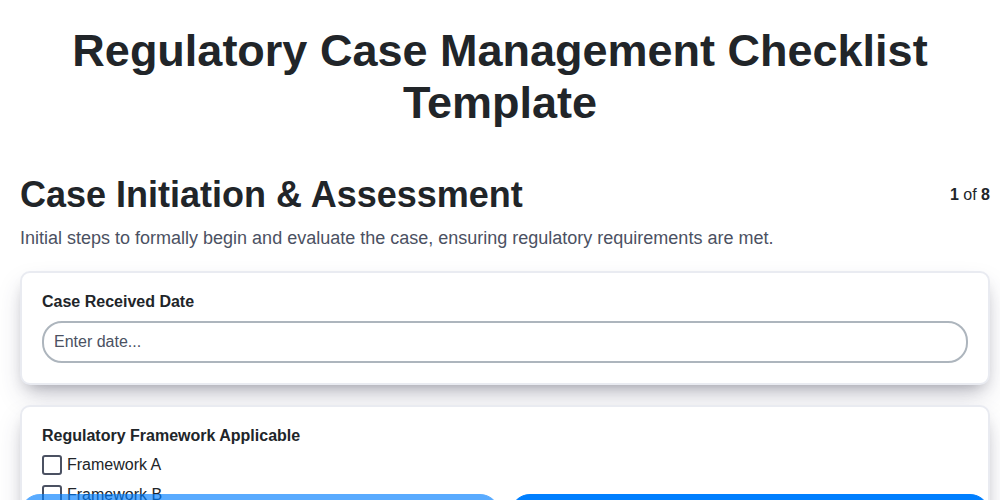
Table of Contents
- Introduction: Why a Regulatory Case Management Checklist Matters
- 1. Case Initiation & Assessment: Defining Scope and Urgency
- 2. Data Collection & Documentation: Building a Solid Foundation
- 3. Compliance Review: Ensuring Adherence to Regulations
- 4. Stakeholder Communication: Keeping Everyone Informed
- 5. Decision-Making & Approvals: Navigating the Approval Process
- 6. Reporting & Auditing: Tracking Progress and Maintaining Records
- 7. Risk Mitigation & Contingency Planning: Addressing Potential Issues
- 8. Case Closure & Archiving: Ensuring Proper Finalization
- 9. Understanding the Regulatory Landscape
- Leveraging Technology for Efficiency
- Best Practices for Checklist Implementation
- Common Pitfalls to Avoid
- Conclusion: Streamlining Your Regulatory Case Management
- Resources & Links
TLDR: Overwhelmed by regulatory case management? This checklist template breaks down the entire process - from initial assessment to archiving - into manageable steps. It ensures you're covering all your bases, maintaining compliance, and minimizing risk. Download the template and streamline your workflow!
Introduction: Why a Regulatory Case Management Checklist Matters
Regulatory compliance isn't just about ticking boxes; it's about safeguarding your organization's reputation, financial stability, and operational integrity. Navigating the complex web of regulations across industries - from finance and healthcare to manufacturing and energy - can be overwhelming. A single missed step or undocumented decision can lead to costly penalties, legal battles, and irreparable damage to your brand.
This is where a robust regulatory case management checklist becomes indispensable. It provides a structured, repeatable process that ensures every case is handled consistently and comprehensively, minimizing the risk of non-compliance. Think of it as your guide, walking you through each critical stage, from initial assessment to final archiving. A checklist promotes accountability, reduces errors, and fosters a culture of compliance across your entire organization. It's not just a document; it's a vital tool for proactive risk management and sustained regulatory adherence.
1. Case Initiation & Assessment: Defining Scope and Urgency
The foundation of effective regulatory case management lies in a thorough initial assessment. This isn't just about acknowledging a potential issue; it's about understanding its nature, potential impact, and required response. This phase determines the entire trajectory of the case.
Here's what's involved:
- Identify the Trigger: Clearly define what triggered the case. Was it a customer complaint, an internal audit finding, a regulatory inquiry, or something else? Document the source precisely.
- Initial Scope Definition: Broadly outline the potential areas affected. This will be refined later, but a preliminary assessment helps allocate resources. Consider regulatory areas impacted, systems affected, and potential personnel involved.
- Urgency Assessment: Immediately gauge the level of urgency. Is this a time-sensitive matter demanding immediate action, or can it be addressed within a standard timeframe? Factors like potential fines, reputational damage, or immediate operational disruption should be considered.
- Preliminary Risk Assessment: Conduct a high-level assessment of the potential regulatory, financial, and reputational risks associated with the case.
- Assign a Case Manager: A dedicated point person ensures accountability and drives the case forward.
- Document Initial Findings: All information gathered during the initial assessment must be meticulously documented. This includes dates, sources, initial impressions, and the assigned case manager.
A rushed or incomplete initial assessment can lead to wasted effort, missed deadlines, and ultimately, a less favorable outcome.
2. Data Collection & Documentation: Building a Solid Foundation
Robust regulatory case management hinges on meticulous data collection and documentation. This isn't simply about gathering information; it's about establishing a verifiable and auditable record of every aspect of the case. A well-documented case minimizes risk, facilitates efficient review, and provides clarity for all stakeholders.
Here's a breakdown of essential data collection and documentation practices:
- Define Required Data Points: Before any data is collected, clearly define what information is crucial for the specific regulatory requirement and the case in question. This includes identifying relevant regulations, guidelines, and internal policies.
- Standardize Data Fields: Employ standardized data fields across all case files. This promotes consistency, simplifies searches, and reduces the likelihood of errors. Create templates where appropriate.
- Document Sources: Precisely record the source of all data. Was it obtained from a government agency, an internal report, a client communication, or another source? Documenting the source adds credibility and allows for verification.
- Maintain a Chain of Custody: For any physical documents or records, maintain a clear chain of custody to demonstrate integrity and prevent tampering.
- Record All Communications: Log all communications related to the case, including emails, letters, phone calls, and meetings. Summarize key discussions and decisions in the case file.
- Utilize a Centralized Repository: Store all data and documentation in a centralized, secure repository that is accessible to authorized personnel. This prevents data silos and promotes collaboration.
- Implement Version Control: Maintain version control for all documents to track changes and ensure that everyone is working with the most up-to-date information.
- Regularly Review and Update: Periodically review the data collection and documentation process to identify areas for improvement and ensure ongoing compliance.
A strong foundation of accurate and organized data is vital for effective regulatory case management. Don't underestimate the power of meticulous documentation!
3. Compliance Review: Ensuring Adherence to Regulations
This phase is the core of effective regulatory case management. It's where you systematically assess whether the case activities and potential outcomes align with applicable laws, rules, and internal policies. Don't simply assume compliance; actively verify it.
Key Steps Include:
- Identify Applicable Regulations: Clearly define the specific regulations that govern this case. This might involve consulting legal counsel, regulatory guidance documents, or internal compliance resources. Don't rely on outdated information - regulations change!
- Gap Analysis: Compare the current case practices and potential outcomes against the identified regulatory requirements. Document any discrepancies (gaps) found.
- Remediation Planning: Develop a plan to address any compliance gaps. This might involve process changes, additional training, or modifications to the proposed action. Assign responsibility and timelines for remediation.
- Documentation: Thoroughly document the compliance review process, including the regulations considered, the findings, and the remediation plan. This record serves as evidence of due diligence.
- Expert Consultation: Engage compliance specialists or legal counsel to review complex or ambiguous situations. Their expertise is crucial for ensuring accuracy and minimizing risk.
- Periodic Review: Regulations are not static. Periodically review the regulatory landscape to ensure ongoing compliance.
4. Stakeholder Communication: Keeping Everyone Informed
Effective regulatory case management isn't a solo endeavor. It thrives on clear, consistent, and timely communication with all stakeholders. This section details how to keep everyone in the loop, fostering collaboration and ensuring everyone understands their roles and responsibilities.
Key Considerations:
- Identify Stakeholders: Before communicating, clearly define who your stakeholders are. This might include legal counsel, compliance officers, department heads, affected employees, external agencies, and even clients.
- Communication Cadence: Establish a regular communication schedule. This could be daily updates, weekly summaries, or ad-hoc notifications for critical developments. Specify the frequency upfront.
- Communication Channels: Select appropriate channels for different types of information. Formal reports might warrant email or secure document sharing platforms. Quick updates could be delivered through instant messaging or brief meetings.
- Transparency & Clarity: Avoid jargon and be upfront about the case's status, risks, and potential impacts. Use plain language and provide context.
- Feedback Loops: Encourage stakeholders to provide feedback and raise concerns. Create a safe space for open dialogue.
- Documentation: Record all communications - emails, meeting minutes, phone logs - as part of the case file. This provides an audit trail and demonstrates transparency.
- Escalation Procedures: Clearly define when and how to escalate issues that require higher-level attention.
Example Communication Touchpoints:
- Case Initiation: Announce the case, outlining the issues and potential impact.
- Significant Findings: Promptly communicate any new findings or developments that may require action.
- Decision Points: Keep stakeholders informed of pending decisions and the reasoning behind them.
- Resolution Updates: Regularly update stakeholders on the progress of the resolution and any changes to the plan.
5. Decision-Making & Approvals: Navigating the Approval Process
Regulatory case management isn't just about identifying issues; it's about resolving them effectively. This stage focuses on the crucial decision-making process and securing the necessary approvals to move forward. A clear, documented approval workflow is paramount.
Here's what this stage involves:
- Identify Required Approvers: Clearly define roles and responsibilities. Who has the authority to approve corrective actions, remediation plans, or proposed strategies? This should be outlined in your regulatory case management procedures.
- Document Rationale: Every decision must be supported by solid reasoning. Document the factors considered, the potential impacts of each option, and why a specific course of action was chosen.
- Formal Approval Workflow: Establish a structured process, whether it's sequential approvals, a review committee, or escalation procedures for higher-risk cases. Track each approval through the system, including dates and initials.
- Escalation Paths: Define clear escalation paths for cases where approvals are delayed or where disagreements arise. This prevents bottlenecks and ensures timely resolution.
- Record Approval Decisions: The final decision and any conditions or stipulations must be meticulously recorded within the case file. This creates an audit trail and provides clarity for future reference.
Failing to properly manage this approval process can lead to delays, incorrect actions, and increased regulatory risk. A well-defined workflow ensures accountability and minimizes potential setbacks.
6. Reporting & Auditing: Tracking Progress and Maintaining Records
Regulatory case management isn't just about resolving an issue; it's about demonstrating accountability and continuous improvement. Robust reporting and auditing are critical components of a successful case management system. This phase focuses on meticulously documenting the case's journey, measuring performance, and ensuring adherence to internal policies and external regulations.
Key Activities Include:
- Status Reporting: Regularly update stakeholders (management, legal, compliance) on case progress. Reports should include key milestones achieved, outstanding actions, anticipated completion dates, and any roadblocks encountered. Utilize clear, concise language and visual aids (dashboards, charts) for easy comprehension.
- Performance Metrics: Track key performance indicators (KPIs) such as case resolution time, cost per case, accuracy of documentation, and stakeholder satisfaction. These metrics provide valuable insights into the efficiency and effectiveness of your case management processes.
- Audit Trail Maintenance: Maintain a complete and auditable record of all actions taken throughout the case lifecycle. This includes documenting decisions, approvals, communications, and any changes made to the case file.
- Compliance Verification: Regularly verify that all case management activities comply with relevant regulations and internal policies. This might involve periodic reviews of case files and adherence checklists.
- Exception Reporting: Identify and report on any deviations from standard procedures or regulations. These exceptions provide opportunities for process improvement and remediation.
- Record Retention: Implement a clear record retention policy that dictates how long case documentation must be stored and how it should be securely archived, in compliance with legal and regulatory requirements.
7. Risk Mitigation & Contingency Planning: Addressing Potential Issues
Regulatory case management isn't just about responding to problems; it's about anticipating and preventing them. This section focuses on proactively identifying potential risks and establishing contingency plans to minimize disruption and ensure continued compliance.
Identifying Potential Risks:
Begin by brainstorming all potential points of failure within your case management process. Consider factors like:
- Data Breaches: What safeguards are in place to protect sensitive information?
- Resource Constraints: What happens if key personnel are unavailable or if budgets are cut?
- System Failures: Do you have backup systems and disaster recovery plans?
- Regulatory Changes: How will you adapt to evolving regulations and guidance?
- Third-Party Vendor Risks: Assess the reliability and compliance posture of any vendors involved.
- Process Errors: What are the potential for human error at each stage, and how can it be minimized?
Developing Contingency Plans:
For each identified risk, create a detailed contingency plan outlining:
- Triggers: What events will activate the plan?
- Response Actions: Step-by-step actions to mitigate the risk.
- Responsible Parties: Who is accountable for each action?
- Communication Protocols: How will stakeholders be informed?
- Recovery Procedures: How will operations return to normal after the incident?
Regular Review & Testing:
Risk mitigation isn's a one-and-done exercise. Regularly review and update your risk assessments and contingency plans - ideally at least annually, or more frequently if your regulatory landscape is rapidly changing. Conduct tabletop exercises or simulations to test the effectiveness of your plans and identify areas for improvement. This proactive approach strengthens your entire regulatory case management framework.
8. Case Closure & Archiving: Ensuring Proper Finalization
Bringing a regulatory case to closure isn't just about marking it "done." It's about ensuring a structured and defensible process for safeguarding information and demonstrating compliance. A robust closure and archiving process protects your organization from future inquiries, audits, and potential legal challenges.
This checklist item focuses on the final steps, covering essential actions to properly conclude and preserve case data. Here's what's involved:
- Verification of Resolution: Confirm all regulatory findings have been addressed and all necessary actions have been completed. This includes verifying the effectiveness of corrective actions and documenting the resolution.
- Final Documentation Review: Conduct a thorough review of all documentation related to the case - including assessments, findings, action plans, correspondence, and evidence. Ensure all materials are complete and accurate.
- Data Anonymization (if applicable): If sensitive personal data was involved, ensure it's appropriately anonymized or redacted according to regulations and internal policies before archiving.
- Secure Archiving: Transfer all case files - both physical and digital - to a secure and designated archive location. Adhere to established retention policies for the appropriate duration. This includes metadata tagging to facilitate future retrieval.
- Access Control & Permissions: Define access controls for archived case files. Limit access to authorized personnel only and review permissions periodically.
- Notification of Closure: Officially notify relevant stakeholders (internal teams, regulators, etc.) that the case has been formally closed.
- Record of Closure: Document the closure process itself, including the date of closure, responsible individuals, and confirmation that all steps in this checklist have been completed.
- Periodic Archive Review: Schedule periodic reviews of archived case files to ensure continued compliance with retention policies and any evolving regulatory requirements.
9. Understanding the Regulatory Landscape
Navigating regulatory case management successfully demands a deep understanding of the specific laws, regulations, and industry standards that govern your organization and the cases you handle. This isn't a one-size-fits-all situation; requirements vary dramatically based on industry (finance, healthcare, environmental, etc.) and geographic location. Staying current is crucial, as regulations are frequently updated and amended.
Consider these key aspects:
- Identify Applicable Regulations: Conduct a thorough analysis to pinpoint all relevant laws, rules, and guidelines that could impact your cases. This might involve legal counsel or specialized regulatory consultants.
- Monitor Regulatory Changes: Subscribe to industry newsletters, regulatory agency updates, and participate in relevant professional organizations to stay informed about upcoming changes.
- Maintain Regulatory Mapping: Create a clear mapping of regulations to specific case types and processes. This helps ensure consistent application and simplifies compliance efforts.
- Training & Awareness: Regularly train your team on applicable regulations and ensure they understand their responsibilities in maintaining compliance.
- Industry Best Practices: While not legally binding, adhering to industry best practices can demonstrate a commitment to compliance and mitigate potential risks.
Leveraging Technology for Efficiency
Managing regulatory cases is inherently complex, and manual checklist processes can quickly become overwhelming. Thankfully, technology offers a wealth of solutions to streamline and enhance efficiency. Case management software, often cloud-based, is a game-changer. These platforms allow you to digitize your checklist template, automating many of the steps and providing a centralized hub for all case-related information.
Think beyond just a digital version of a paper checklist. Good case management software can automate notifications based on checklist progress, assign tasks directly within the system, and trigger workflows based on specific findings. This reduces the risk of human error and ensures consistent adherence to procedures. Furthermore, integrations with document management systems simplify data collection and documentation. Real-time reporting and dashboards provide instant visibility into case status, highlighting bottlenecks and enabling proactive adjustments. Embrace technology to transform your regulatory case management from a reactive, time-consuming process into a proactive, efficient, and auditable system.
Best Practices for Checklist Implementation
To ensure your Regulatory Case Management Checklist Template truly delivers on its promise of efficiency and compliance, implementation best practices are essential. Simply having a checklist isn't enough; it needs to be integrated into workflows and actively utilized. Here's how to maximize its effectiveness:
- Training is Key: Don't assume everyone understands the checklist's purpose or how to use it. Conduct training sessions for all relevant personnel, clarifying each step and its importance.
- Assign Ownership: Clearly assign responsibility for each checklist item. This ensures accountability and prevents tasks from falling through the cracks.
- Regular Review and Updates: Regulatory landscapes are dynamic. Schedule periodic reviews (at least annually, or more frequently as needed) of the checklist itself, updating it to reflect changes in regulations, internal policies, and industry best practices.
- Integration with Systems: If possible, integrate the checklist into your existing case management system or document management platform. This streamlines workflows, minimizes manual data entry, and provides a centralized record of compliance efforts.
- Feedback Loop: Encourage feedback from users completing the checklist. This allows you to identify areas for improvement, clarify ambiguities, and enhance the overall usability of the template.
- Automate Where Possible: Explore opportunities to automate certain checklist tasks, like data population or notifications, to further improve efficiency and reduce the risk of human error.
- Performance Monitoring: Track key metrics related to checklist completion, such as time to close cases or number of errors identified during compliance reviews. This data helps to identify areas where processes can be optimized.
Common Pitfalls to Avoid
Navigating regulatory case management can be tricky, and even the most well-intentioned teams can stumble. Here are a few common pitfalls to watch out for:
- Insufficient Initial Assessment: Rushing into the data collection phase without a thorough initial assessment of the case's scope, complexity, and potential impact can lead to missed information and rework later on.
- Data Silos & Inconsistent Documentation: When data is scattered across different systems or departments, it's difficult to maintain accuracy and track progress. Ensure a centralized, standardized documentation system is in place.
- Neglecting Stakeholder Input: Failing to engage relevant stakeholders (legal, compliance, business units) throughout the process can create misunderstandings, delays, and potentially incorrect decisions.
- Lack of Clear Ownership & Accountability: Ambiguity about who is responsible for each step can lead to tasks falling through the cracks. Clearly defined roles and responsibilities are crucial.
- Ignoring the So What? - Risk Impact: Focusing solely on ticking boxes without analyzing the potential regulatory or reputational impact of the case is a significant oversight. Always connect actions to potential risk.
- Failing to Regularly Review & Update the Checklist: Regulations change. Your checklist needs to evolve with them. Scheduled reviews and updates are essential for continued effectiveness.
- Archiving Without Proper Context: Simply closing a case and archiving the files isn't enough. Ensure archiving includes summaries, key decisions, and any lessons learned for future reference.
Conclusion: Streamlining Your Regulatory Case Management
Ultimately, effective regulatory case management isn't about simply reacting to issues - it's about proactively minimizing risk and ensuring ongoing compliance. This checklist template, encompassing stages from initial assessment to final archiving, provides a robust framework for achieving this. By consistently applying these steps, organizations can not only navigate complex regulatory landscapes with greater confidence but also build a culture of accountability and continuous improvement. Embracing structured processes, fostering clear communication, and prioritizing documentation will lead to significant efficiency gains, reduced errors, and a stronger overall compliance posture. Remember, this template is a starting point - customize it to fit your specific industry, regulations, and organizational needs for optimal results.
Resources & Links
- Compliance Planet: A comprehensive resource for regulatory compliance professionals, offering news, articles, and insights on a wide range of topics.
- Lexology: Provides practical legal insights and updates from law firms worldwide, covering regulatory compliance matters across industries.
- National Audit Office (UK): (Relevant for understanding regulatory scrutiny and audits - a good example of accountability) Offers reports and audits relating to public sector regulatory compliance.
- U.S. Small Business Administration (SBA): (Particularly relevant if your audience includes smaller businesses) Provides resources and information on regulatory compliance for businesses, including industry-specific guidance.
- U.S. Department of Justice: Provides information on laws, regulations, and enforcement actions related to compliance and regulatory violations.
- National Institute of Standards and Technology (NIST): Offers frameworks and guidelines for cybersecurity and risk management, often relevant to regulatory compliance.
- International Organization for Standardization (ISO): Provides international standards for quality management, environmental management, and other areas relevant to regulatory compliance.
- Risk Management Institute: Offers resources and training on risk management, including regulatory compliance risk.
- The Institute of Internal Auditors: Provides resources and standards for internal audit functions, which are crucial for regulatory compliance monitoring.
- Gartner: Technology research and consulting firm; provides insights into regulatory technology (RegTech) and how to leverage technology for compliance.
Frequently Asked Questions
What is Regulatory Case Management and why is it important?
Regulatory Case Management (RCM) is the process of systematically managing interactions and obligations related to regulatory compliance. It's important because it helps organizations track requirements, respond to inquiries, manage audits, and demonstrate adherence to regulations, mitigating risk and potential penalties.
Who is this guide for?
This guide is for anyone involved in regulatory compliance, including compliance officers, legal professionals, risk managers, and operations teams in organizations across various industries facing regulatory oversight.
What is a Regulatory Case Management Checklist Template and how can it help?
A checklist template is a structured document outlining all the steps and tasks required to manage a regulatory case effectively. It helps ensure consistency, accuracy, and completeness in the process, minimizing errors and improving efficiency.
What kind of information should be included in a Regulatory Case Management Checklist Template?
The template should include sections for case details (ID, date, regulatory body), requirement identification, assessment findings, remediation plans, documentation, timelines, responsible parties, status updates, and sign-off procedures.
Can I customize the checklist template provided in the article?
Absolutely! The template is designed to be a starting point. You should customize it to reflect your organization's specific regulatory landscape, processes, and internal requirements. Consider adding or removing sections to match your unique needs.
What are some common types of regulatory cases that this checklist template can be used for?
This template is versatile and can be used for a wide range of regulatory cases, including freedom of information requests, audit responses, complaint investigations, regulatory inquiries, consent orders, and compliance reporting.
What is the difference between a 'case' and a 'requirement' in the context of regulatory case management?
A 'requirement' is a specific obligation or standard mandated by a regulatory body (e.g., a provision in a law or regulation). A 'case' is a specific instance where the organization is responding to an inquiry, audit, or event related to that requirement.
How can I best integrate this checklist template into our existing workflow?
Start by identifying key stakeholders and training them on how to use the template. Integrate it into your case management system (if you have one) or use it as a standard procedure for all regulatory cases. Regularly review and update the template to ensure it remains relevant.
Are there any tools or software that can assist with regulatory case management beyond using a checklist?
Yes, many dedicated Regulatory Case Management (RCM) software solutions are available. These tools often automate workflows, track requirements, and provide reporting capabilities. While a checklist is a great start, software can significantly enhance efficiency.
Where can I find more resources and information about Regulatory Case Management?
Several industry organizations and regulatory bodies offer resources on RCM. Search online for regulatory compliance blogs, webinars, and best practice guides related to your specific industry and regulatory environment.
Found this Article helpful?
Comments
There are no comments yet. Be the first to add one!
Case Management Solution Demo
Streamline your casework & improve outcomes! ChecklistGuro centralizes case details, tasks, & communication. Enhance efficiency, ensure compliance, & deliver exceptional service. Manage it all with our Work OS.
Related Articles
Streamline Your Deals: The Ultimate Real Estate Case Management Checklist Template
Streamline Your Debt Collection: A Case Management Checklist Template
Cybersecurity Incident Response: Your Checklist Template for Success
Streamline Your Case Management: The Ultimate Checklist Template
Mastering IP: Your Intellectual Property Case Management Checklist Template
HR Case Management Checklist Template: Your Guide to Fair & Compliant Investigations
Streamlining Veteran Care: Your Comprehensive Case Management Checklist Template
Mastering Investigations: Your Case Management Checklist Template Guide
We can do it Together
Need help with
Case Management?
Have a question? We're here to help. Please submit your inquiry, and we'll respond promptly.