Streamline Your Social Services: A Case Management Checklist Template Guide
Published: 20/12/2025 22:00 Updated: 21/12/2025 06:53
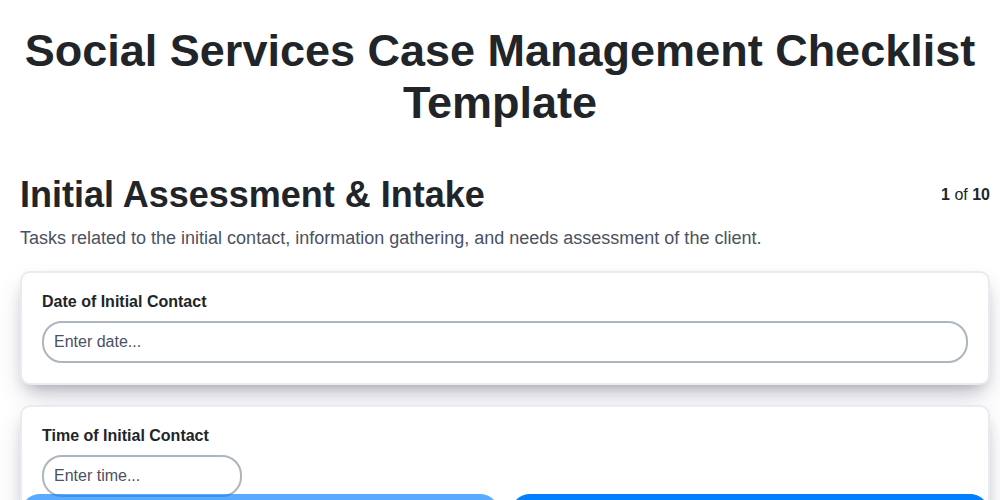
Table of Contents
- Introduction: Why a Case Management Checklist is Essential
- Understanding the Social Services Case Management Process
- The Comprehensive Checklist Template: A Step-by-Step Guide
- 1. Initial Assessment & Intake: Building Rapport and Gathering Information
- 2. Client Background & History: Uncovering Key Context
- 3. Needs Identification & Prioritization: Defining the Core Challenges
- 4. Service Planning & Goal Setting: Collaborative Action Plan
- 5. Resource Coordination & Referrals: Connecting Clients to Support
- 6. Service Delivery & Monitoring: Ensuring Quality and Effectiveness
- 7. Documentation & Record Keeping: Maintaining Accurate and Secure Records
- 8. Progress Review & Evaluation: Measuring Impact and Adapting Strategies
- 9. Case Closure & Discharge Planning: A Smooth Transition
- 10. Compliance & Reporting: Meeting Legal and Ethical Standards
- Leveraging Technology for Enhanced Case Management
- Resources & Links
TLDR: Overwhelmed by case management? This checklist template breaks down the process - from initial assessment to case closure - ensuring you cover all crucial steps, stay organized, meet compliance needs, and ultimately provide better support for your clients. It's a one-stop resource for social services professionals!
Introduction: Why a Case Management Checklist is Essential
Case management for social services is a demanding field, requiring meticulous attention to detail and a consistent approach to ensure positive client outcomes. Juggling multiple clients, complex situations, and evolving regulations can easily lead to overlooked steps and potential errors. That's where a standardized case management checklist template becomes invaluable. This isn't just about ticking boxes; it's about creating a framework for thoroughness, promoting client-centered care, and safeguarding both the client and the case manager. A well-designed checklist ensures every crucial step is addressed, reduces the risk of omissions, and contributes to a more organized and efficient workflow, ultimately leading to better service delivery and improved client well-being. It fosters accountability, promotes consistency across cases, and acts as a powerful tool for quality assurance and continuous improvement within your social services organization.
Understanding the Social Services Case Management Process
Social services case management isn't just about helping individuals; it's about guiding them through a structured process designed to empower them and achieve sustainable positive change. This process, while tailored to each client's unique situation, generally follows a defined sequence of steps. Think of it as a roadmap - it ensures comprehensive support and avoids gaps in care. Each stage builds upon the previous one, leading towards client independence and well-being. This consistent approach not only benefits the client but also provides a framework for accountability and quality assurance within the social services organization. Let's break down what these key steps typically involve - which we'll detail further in a practical checklist template later in this article. We'll explore how a well-structured process helps ensure clients receive the right support at the right time, ultimately contributing to their success.
The Comprehensive Checklist Template: A Step-by-Step Guide
Navigating the complexities of social services case management demands meticulous organization and consistent adherence to best practices. Our checklist template is designed to be your reliable guide, ensuring each client receives comprehensive and effective support. Here's a breakdown of the key stages, each with essential tasks to keep you on track:
1. Initial Assessment & Intake: This crucial first step establishes the foundation for the entire case. The checklist includes verifying client identification, obtaining informed consent, explaining confidentiality policies, and conducting an initial needs assessment to get a preliminary understanding of the situation.
2. Client Background & History: Moving beyond the initial assessment, this section focuses on gathering a detailed picture of the client's life. This involves documenting family structure, living situation, educational background, employment history, and any significant life events. Understanding the context is vital for effective intervention.
3. Needs Identification & Prioritization: With a robust background established, the next step is to systematically identify the client's needs. The checklist prompts you to assess needs across various domains (housing, healthcare, financial, emotional, etc.) and prioritize them based on urgency and impact.
4. Service Planning & Goal Setting: This phase focuses on collaborating with the client to develop a tailored service plan. The checklist ensures the plan is realistic, measurable, achievable, relevant, and time-bound (SMART goals), and that the client's input is central to the planning process.
5. Resource Coordination & Referrals: Connecting clients with the resources they need is paramount. This checklist guides you through identifying appropriate community resources, making referrals, coordinating with other agencies, and tracking referral outcomes.
6. Service Delivery & Monitoring: This stage involves implementing the service plan, ensuring services are delivered as intended, and proactively monitoring client progress. The checklist includes documenting service provision, tracking attendance, and addressing any challenges that arise.
7. Documentation & Record Keeping: Meticulous documentation is essential for accountability and continuity of care. The checklist emphasizes detailed record keeping of all interactions, assessments, plans, and progress notes, ensuring compliance with legal and ethical standards.
8. Progress Review & Evaluation: Regular reviews are crucial to assess the effectiveness of the service plan. This section outlines the steps for evaluating progress toward goals, adjusting the plan as needed, and ensuring client satisfaction.
9. Case Closure & Discharge Planning: A well-planned closure ensures a smooth transition for the client. This checklist guides you through final assessments, securing ongoing support (if needed), and formally closing the case.
10. Compliance & Reporting: Maintaining compliance with relevant regulations and reporting requirements is vital. The checklist includes steps to ensure accurate data collection and timely submission of reports.
1. Initial Assessment & Intake: Building Rapport and Gathering Information
The initial assessment and intake phase is critical - it's the foundation upon which the entire case management relationship is built. This isn't just about paperwork; it's about establishing trust and understanding the client's immediate circumstances. Here's what this phase should encompass:
- Warm Welcome & Introductions: Begin with a friendly and welcoming environment. Clearly explain your role and the purpose of the meeting.
- Verification of Identity & Consent: Confirm the client's identity and obtain informed consent for services, outlining confidentiality policies and client rights.
- Immediate Needs Assessment: Quickly identify any urgent needs (housing, food, safety concerns) that require immediate attention. Don't delay addressing these pressing issues.
- Preliminary Information Gathering: Collect basic demographic information, contact details, and a brief overview of the client's presenting issues.
- Active Listening & Observation: Pay close attention not only to what the client says, but how they say it. Observe body language and emotional cues.
- Explanation of Process: Briefly outline the case management process, including the expected timeline and client involvement. This sets expectations and promotes engagement.
- Initial Goal Identification (if possible): While a full needs assessment comes later, try to get a preliminary sense of what the client hopes to achieve through case management.
2. Client Background & History: Uncovering Key Context
Delving into a client's background and history is far more than simply gathering biographical details. It's about building a foundation of understanding, empathy, and informed decision-making. This section of the case management checklist focuses on gathering comprehensive information, always prioritizing client comfort and respecting privacy.
Here's what we aim to uncover:
- Family Structure & Dynamics: Understanding family relationships, support systems, and any potential stressors or conflicts within the family is crucial.
- Educational History: This includes levels of education completed, any learning difficulties, and current educational pursuits. It helps identify potential barriers and support needs.
- Employment History: Past and present employment experiences offer insight into skills, work ethic, and potential challenges related to securing and maintaining employment.
- Living Situation: Details about housing stability, neighborhood safety, and access to essential utilities are vital indicators of overall well-being.
- Legal History: Any involvement with the legal system, including arrests, convictions, or outstanding warrants, should be carefully documented and addressed with sensitivity, potentially involving legal referrals if appropriate.
- Medical & Mental Health History: A thorough record of past and present medical conditions, mental health diagnoses, and previous treatment attempts provides valuable context for current needs and informs potential interventions. Always ensure HIPAA compliance and obtain necessary consents.
- Cultural & Linguistic Background: Understanding a client's cultural norms, beliefs, and language preferences is essential for culturally competent service delivery.
- Trauma History: Gently explore potential experiences of trauma, recognizing the potential impact on a client's behavior and needs. Trauma-informed care principles are paramount here.
Important Considerations: Remember to use open-ended questions, active listening, and a non-judgmental approach. Client confidentiality and informed consent are non-negotiable throughout this process. Document the rationale behind any decisions made based on this information.
3. Needs Identification & Prioritization: Defining the Core Challenges
This stage is the bedrock of effective case management. It's more than simply listing what a client wants; it's about collaboratively identifying their needs - those essential requirements crucial for well-being and stability - and prioritizing them based on urgency and impact.
The process begins with a deep dive beyond the initial assessment. Employ open-ended questions, active listening, and empathy to uncover the underlying issues contributing to the client's situation. This might involve exploring housing instability, financial hardship, health concerns (physical and mental), challenges with childcare or eldercare, legal issues, lack of education or employment, or social isolation.
It's vital to differentiate between wants and needs. While a client may want a new phone, the need might be access to stable housing. This distinction requires skillful questioning and a focus on the core issues impacting their ability to function and thrive.
Prioritization is key. Not all needs can be addressed simultaneously. Consider factors like:
- Severity: Which needs pose the greatest immediate threat to the client's safety and well-being?
- Immediacy: Which needs must be addressed first to enable progress on other goals?
- Interdependence: How do certain needs impact the ability to address others? (e.g., securing employment might depend on addressing a mental health concern).
- Client Input: The client's own perception of urgency and importance must be central to the prioritization process.
Collaboratively develop a prioritized list with the client, documenting the rationale behind the order. This shared understanding ensures buy-in and fosters a sense of ownership in the case management process. Regularly revisit and adjust the prioritization as circumstances change.
4. Service Planning & Goal Setting: Collaborative Action Plan
This phase is the heart of effective case management - it's where we move beyond assessment and begin crafting a roadmap toward client well-being. Service planning and goal setting aren't directives given to the client; they are collaboratively developed with the client. This means the client's voice and preferences are paramount.
The process typically involves:
- Reviewing Assessment Findings: Revisit the information gathered during the initial assessment and background review. Ensure everyone understands the client's situation and identified needs.
- Defining Client Goals: Facilitate a discussion to identify the client's desired outcomes. What do they hope to achieve? These goals should be SMART - Specific, Measurable, Attainable, Relevant, and Time-bound. For example, instead of I want to feel better, a SMART goal might be, I will attend a support group meeting once a week for the next month to reduce feelings of isolation.
- Developing Action Steps: Break down the larger goals into smaller, manageable action steps. What specific actions will the client take to progress toward their goals? Consider potential barriers and strategize ways to overcome them.
- Identifying Services & Supports: Based on the goals and action steps, determine the appropriate services and supports needed. This might include therapy, job training, housing assistance, transportation, or other resources.
- Establishing Timelines & Responsibilities: Clearly define timelines for completing each action step and outline who is responsible for what (client, case manager, other agencies).
- Documenting the Plan: The service plan should be thoroughly documented, outlining the goals, action steps, timelines, responsible parties, and any contingencies. This document serves as a living guide for the case management process.
Remember to consistently reinforce the client's agency and ownership of the plan. Regular check-ins and adjustments are essential to ensure the plan remains relevant and effective as the client's circumstances evolve.
5. Resource Coordination & Referrals: Connecting Clients to Support
A crucial element of effective case management is skillfully connecting clients to the resources they need. This goes far beyond simply handing out a list of agencies. It requires proactive identification of appropriate services, navigating complex systems, and advocating for your client's access.
Here's what a robust resource coordination and referral process entails:
- Identifying Potential Resources: Maintaining a comprehensive and updated database of local resources - including social services, healthcare providers, housing assistance programs, legal aid, employment services, and community support groups - is essential. This database should include contact information, eligibility criteria, and any known limitations.
- Verification and Assessment of Resource Suitability: Before referring a client, verify the resource's reputation, accreditation (if applicable), and alignment with the client's specific needs and cultural background.
- Client Advocacy: Sometimes, clients face barriers to access, such as lengthy waitlists or bureaucratic hurdles. Case managers often need to advocate on behalf of their clients to expedite services or resolve issues.
- Coordination & Communication: Facilitate communication between the client and the referred agency, ensuring the agency understands the client's needs and the case manager is kept informed of progress.
- Follow-Up: Crucially, follow up with both the client and the referring agency to ensure the connection was successful and the client is receiving the intended support. This helps identify any unforeseen challenges and adjust strategies accordingly.
- Transportation Assistance: Often overlooked, transportation can be a significant barrier. Consider assisting clients with transportation arrangements to appointments and services.
Effective resource coordination and referrals are a hallmark of successful case management, empowering clients to overcome obstacles and achieve their goals.
6. Service Delivery & Monitoring: Ensuring Quality and Effectiveness
This phase is where the plan takes action. Service delivery & monitoring isn't just about providing services; it's about actively observing their impact and making adjustments as needed. It's a continuous feedback loop, ensuring the client receives the right support at the right time.
Here's what this phase entails:
- Regular Contact & Check-ins: Scheduled meetings, phone calls, or home visits - frequency determined by individual client needs and the service plan. These aren't just administrative; they're opportunities to build rapport and assess well-being.
- Service Implementation: Ensuring services outlined in the plan are delivered according to agreed-upon timelines and standards. This involves coordinating with external providers and managing client engagement.
- Ongoing Assessment of Progress: Consistently evaluate the client's progress toward goals. Are they experiencing challenges? Are services proving effective? Document observations and adjust the plan accordingly.
- Client Feedback: Actively solicit feedback from the client about their experience with services. This empowers them and provides invaluable insight into service quality.
- Data Collection & Analysis: Track key metrics related to service delivery (attendance, participation, outcomes). Analyze this data to identify trends, successes, and areas for improvement.
- Crisis Intervention (as needed): Be prepared to respond to unexpected crises or setbacks that impact the client's stability and progress.
- Collaboration & Communication: Maintain open communication with all involved parties - client, family, providers, and other relevant agencies.
Regular monitoring allows for agile adjustments and ensures the client remains at the center of the case management process.
7. Documentation & Record Keeping: Maintaining Accurate and Secure Records
Robust documentation and record keeping are the backbone of effective case management in social services. It's not merely about ticking boxes; it's about creating a clear, defensible, and valuable audit trail of client interactions and progress. This section emphasizes the critical aspects of maintaining accurate and secure records.
What to Document:
- Intake Information: Dates, times, names of individuals involved, purpose of contact.
- Assessment Findings: Detailed notes from assessments, including observations, interview responses, and any standardized assessment scores.
- Service Plans: Clearly outline goals, objectives, and assigned tasks, including who is responsible and timelines.
- Communication Logs: Record all significant conversations with clients, family members, referral sources, and other professionals.
- Progress Notes: Document client progress toward goals, any challenges encountered, and adjustments to the service plan.
- Referral Information: Dates, names of agencies, purpose of referral, and outcomes.
- Incident Reports: Thoroughly document any unusual incidents or concerns.
Best Practices:
- Timeliness: Record information as close to the event as possible.
- Objectivity: Use factual language and avoid subjective opinions.
- Accuracy: Double-check entries for accuracy and clarity.
- Confidentiality: Adhere strictly to privacy regulations (HIPAA, state-specific laws) and agency policies regarding confidential information. Utilize secure electronic health record (EHR) systems with appropriate access controls.
- Legibility (if handwritten): Ensure notes are legible and understandable.
- Client Rights: Document client consent for information sharing and any refusals.
- Data Security: Implement strong password protection, data encryption, and regular backups.
- Retention Policies: Follow agency and legal requirements for record retention.
Proper documentation protects both the client and the case manager and allows for effective case review and evaluation.
8. Progress Review & Evaluation: Measuring Impact and Adapting Strategies
Regular progress reviews are crucial for effective case management. They're not just about ticking boxes; they's about actively assessing whether the client is moving toward their goals and adjusting the plan as needed. This stage should occur at predetermined intervals (e.g., monthly, quarterly) and involve a collaborative discussion between the case manager and the client.
Here's what a thorough progress review should encompass:
- Goal Attainment: Are goals being met? If not, why? Is the client experiencing barriers? Are the goals still relevant and achievable?
- Service Effectiveness: Are the services provided proving beneficial? Are there areas where adjustments are needed? Consider client feedback and observed outcomes.
- Client Satisfaction: How satisfied is the client with the case management process and the services received? This helps identify areas for improvement in communication and approach.
- Data Analysis: Review data collected throughout the case - attendance records, progress notes, feedback forms - to identify trends and patterns.
- Plan Modification: Based on the review findings, collaboratively adjust the service plan. This might involve modifying goals, changing service providers, or exploring alternative strategies.
- Documentation: Meticulously document the review process, findings, and any adjustments made to the plan.
Remember, progress review isn't about assigning blame; it's about continuous improvement and ensuring the client receives the most effective support possible. A dynamic and responsive approach to evaluation is a hallmark of high-quality case management.
9. Case Closure & Discharge Planning: A Smooth Transition
Closing a case isn't an endpoint; it's a crucial phase focused on ensuring the client's continued well-being and progress. Effective discharge planning minimizes disruption and maximizes the likelihood of sustained positive outcomes. This checklist section emphasizes a client-centered approach, ensuring the individual feels supported and equipped for independence.
Here's what's included:
- Client Involvement: Actively engage the client in all aspects of discharge planning. Their input is paramount.
- Review Progress & Goals: Revisit the initial goals established at the beginning of case management. Assess what has been achieved and identify any ongoing needs.
- Identify Ongoing Support: Determine if the client requires continued support after case closure. This could include community resources, support groups, or informal networks.
- Develop a Post-Closure Plan: Create a written plan outlining steps for the client to maintain stability and pursue remaining goals. This should be clear, concise, and actionable.
- Connect with Community Resources: Facilitate connections with relevant community resources and organizations that can provide ongoing support. Provide contact information and application assistance if needed.
- Transfer of Information (with consent): With the client's written consent, share relevant information with other providers or support systems. This ensures continuity of care.
- Client Education: Educate the client about their rights and responsibilities post-closure, and provide information on how to access assistance if needed.
- Schedule Follow-Up (if applicable): Based on the client's needs, schedule a follow-up contact to check on their progress and address any emerging challenges.
- Documentation: Thoroughly document the discharge planning process, including the client's participation, the post-closure plan, and any referrals made.
Ensuring a well-planned and supportive discharge process sets the stage for long-term success and reinforces the value of the case management services provided.
10. Compliance & Reporting: Meeting Legal and Ethical Standards
Case management isn't just about helping clients; it's about upholding the legal and ethical framework within which we operate. This section of the checklist focuses on ensuring your case management practices adhere to relevant laws, regulations, and agency policies.
Key Elements:
- HIPAA Compliance: Strict adherence to HIPAA guidelines regarding client confidentiality, data security, and informed consent is paramount. Regularly review and update consent forms and data storage practices.
- Mandated Reporting: Understand and consistently follow mandated reporting requirements for suspected abuse, neglect, or exploitation. Document all reporting steps meticulously.
- Agency Policies & Procedures: Familiarize yourself and your team with all applicable agency policies regarding documentation, communication, and ethical conduct.
- Data Security & Privacy: Implement and maintain robust data security protocols to protect client information from unauthorized access or disclosure.
- Auditing & Quality Assurance: Participate in internal and external audits to ensure compliance with all regulations and identify areas for improvement.
- Record Retention: Adhere to established record retention schedules for all case documentation.
- Reporting to Funding Sources: Ensure accurate and timely reporting to funding sources, adhering to their specific requirements for data collection and submission.
- Legal Consultation: Seek legal consultation when navigating complex legal or ethical dilemmas within case management.
Documentation within this section must include dates of training on relevant regulations, records of consultations, and details of any reported incidents or compliance issues.
Leveraging Technology for Enhanced Case Management
The complexities of social services case management demand efficiency and accuracy. Thankfully, technology offers a wealth of tools to streamline workflows and improve client outcomes. Gone are the days of relying solely on paper files and manual processes. Modern case management software offers significant advantages, including centralized data storage, automated reminders for appointments and follow-ups, and secure communication channels.
Cloud-based platforms, in particular, allow for real-time collaboration among case managers and facilitate access to client information regardless of location. This is crucial for teams working across different agencies or providing services to clients in remote areas. Digital checklists, like the one we'll detail later, can be integrated into these systems, ensuring every step of the case management process is consistently followed and documented. Furthermore, data analytics within these platforms allow for tracking client progress, identifying trends, and optimizing service delivery. Embrace these tools to reduce administrative burden, minimize errors, and ultimately, focus more on what matters most: supporting your clients.
Resources & Links
- National Association of Social Workers (NASW): Professional organization offering resources, ethical guidelines, and continuing education for social workers.
- Canadian Association of Social Workers (CASW): Canadian equivalent of NASW, providing resources and advocacy for social workers in Canada. Useful for understanding ethical considerations.
- Administration for Children and Families (ACF): U.S. government agency providing resources and information related to social services, including case management guidelines and best practices.
- Benefits.gov: A comprehensive resource listing government benefits and assistance programs available to individuals and families - helpful for referrals in the Resource Coordination & Referrals section.
- USA.gov: The official website of the U.S. government, offering information and links to various government agencies and services - useful for compliance and reporting research.
- U.S. Department of Housing and Urban Development (HUD): Provides information and resources related to housing assistance programs - a crucial resource for housing-related case management.
- Substance Abuse and Mental Health Services Administration (SAMHSA): Provides resources and support for mental health and substance abuse services, vital for clients with those needs.
- Zero to Twenty (Canada): Canadian charity focused on children and youth services. Provides data and resources relevant to child welfare and youth case management.
- Health Resources & Services Administration (HRSA): Provides resources and programs related to healthcare access - important for ensuring clients receive necessary medical care.
- Administration on Aging (AoA): Provides resources and support for older adults, essential for geriatric case management.
- National Association for Community Support Services (NACSS): Focuses on community-based services and supports, a common setting for case management.
- TechSoup: Provides discounted or free technology resources for non-profits; useful for exploring case management software solutions.
Frequently Asked Questions
What is a case management checklist template?
A case management checklist template is a pre-structured document that outlines the essential steps and tasks required to effectively manage a case, ensuring no critical details are missed and promoting consistency in service delivery. It serves as a guide for social service workers to follow throughout a case's lifecycle.
Why use a case management checklist template?
Using a template streamlines workflows, reduces errors, improves consistency in service delivery, enhances documentation and accountability, facilitates collaboration among team members, and ultimately leads to better outcomes for clients.
Who is this guide for?
This guide is for social workers, case managers, support staff, and any professionals involved in providing social services and managing client cases. It's especially helpful for those new to case management or seeking to improve existing processes.
What are the key components typically found in a case management checklist template?
While templates vary, common components include: Initial Assessment, Needs Identification, Goal Setting, Service Planning, Implementation of Services, Monitoring and Evaluation, Documentation, Discharge Planning, and Follow-Up.
Can I customize the checklist template?
Absolutely! The template provided is a starting point. It's crucial to tailor it to your specific organization's policies, client needs, and program requirements. Add, remove, or modify items as needed.
What's the difference between a checklist and a case management plan?
A checklist is a tool to ensure all necessary actions are taken. A case management plan is a more comprehensive document outlining specific client goals, objectives, and interventions. The checklist helps *implement* the plan by providing a task-based guide.
How does this guide help me create an effective checklist?
The guide provides a framework for identifying critical tasks, categorizing them logically, and creating a user-friendly format. It also offers suggestions for incorporating best practices and ensuring clarity.
Are there any examples of specific tasks I might include in a checklist?
Examples include: verifying client identification, conducting a biopsychosocial assessment, connecting clients with resources (housing, food assistance, mental health services), scheduling appointments, documenting progress notes, and conducting follow-up calls.
What are best practices for using a case management checklist?
Best practices include regularly reviewing and updating the checklist, ensuring all team members are trained on its use, documenting all actions taken, and using the checklist to inform case reviews and quality improvement efforts.
Where can I find additional resources on case management?
Resources include professional organizations like the National Case Management Association (NCMA), state social work licensing boards, online training platforms, and academic journals focusing on social work and case management.
Found this Article helpful?
Comments
There are no comments yet. Be the first to add one!
Case Management Solution Demo
Streamline your casework & improve outcomes! ChecklistGuro centralizes case details, tasks, & communication. Enhance efficiency, ensure compliance, & deliver exceptional service. Manage it all with our Work OS.
Related Articles
Streamline Your Deals: The Ultimate Real Estate Case Management Checklist Template
Streamline Your Debt Collection: A Case Management Checklist Template
Cybersecurity Incident Response: Your Checklist Template for Success
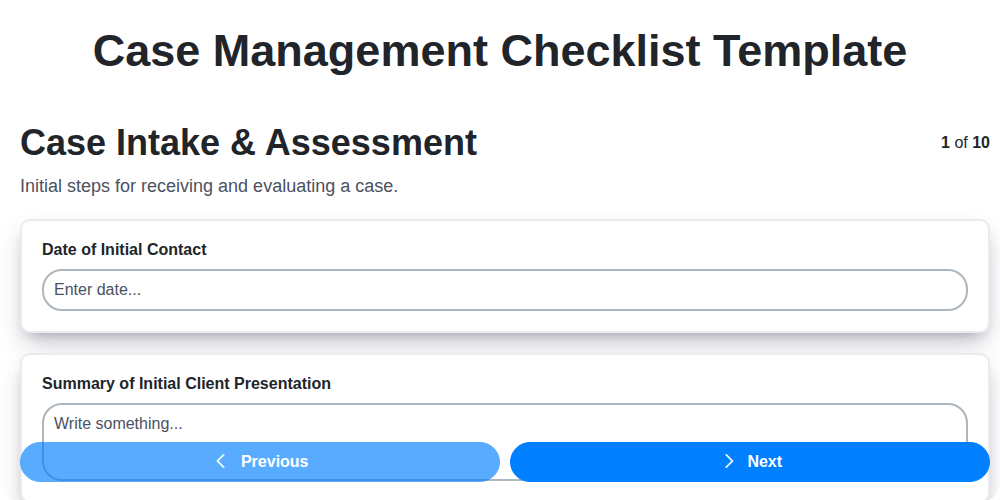
Streamline Your Case Management: The Ultimate Checklist Template
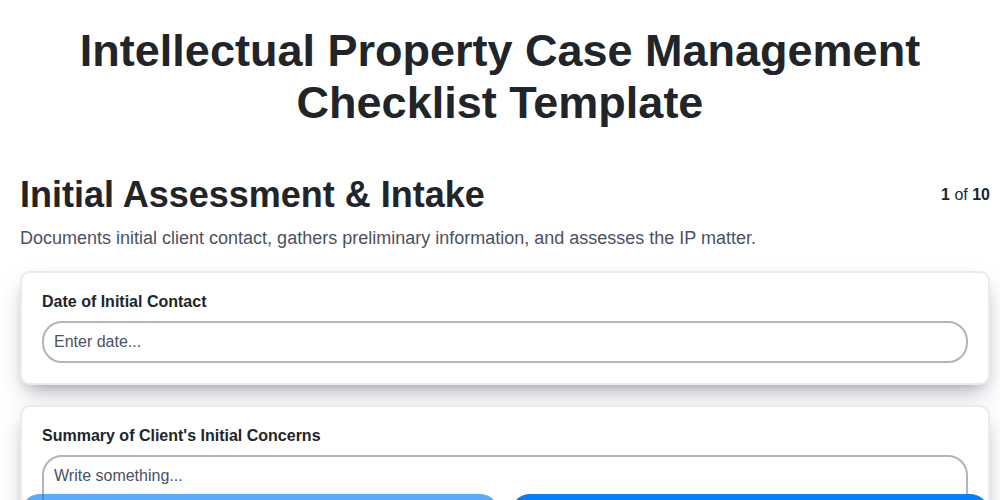
Mastering IP: Your Intellectual Property Case Management Checklist Template
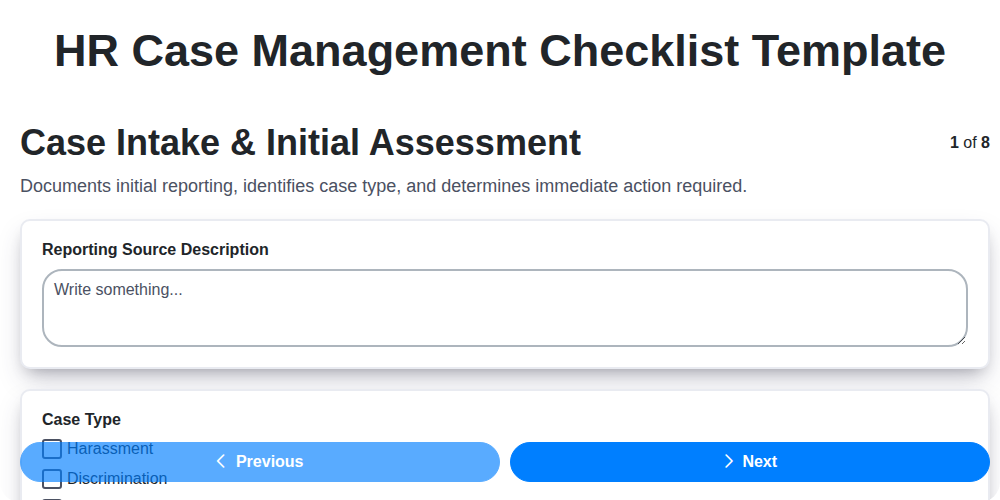
HR Case Management Checklist Template: Your Guide to Fair & Compliant Investigations
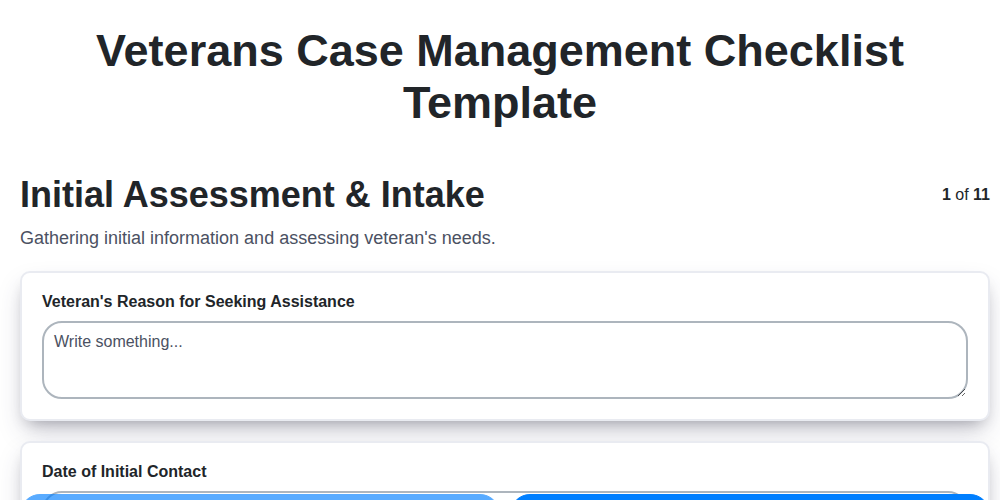
Streamlining Veteran Care: Your Comprehensive Case Management Checklist Template
Mastering Investigations: Your Case Management Checklist Template Guide
We can do it Together
Need help with
Case Management?
Have a question? We're here to help. Please submit your inquiry, and we'll respond promptly.