The Ultimate Transportation Management Compliance Checklist: Stay Ahead of the Curve
Published: 12/09/2025 Updated: 07/02/2026
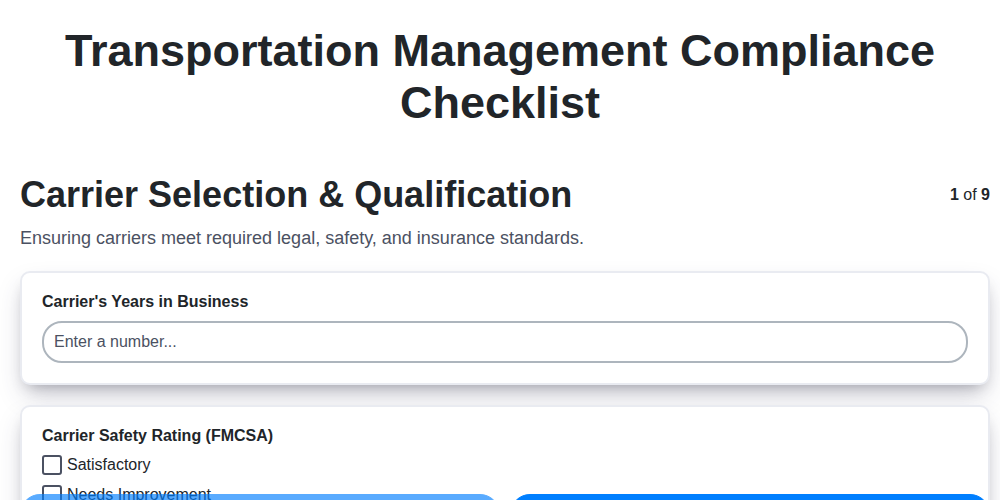
Table of Contents
- Introduction: Why Transportation Compliance Matters
- 1. Carrier Selection & Qualification: Building a Reliable Network
- 2. Rate Negotiation & Contract Management: Securing Optimal Pricing and Terms
- 3. Shipping Documentation & Accuracy: Minimizing Errors and Delays
- 4. Hazardous Materials Compliance: Safety First, Always
- 5. Customs & Import/Export Regulations: Navigating Global Trade
- 6. Driver Safety & Compliance: Protecting Your Drivers & the Road
- 7. Security Procedures & Risk Mitigation: Safeguarding Your Goods
- 8. Record Keeping & Audit Trail: Documentation is Key
- 9. Regulatory Updates & Training: Staying Informed and Prepared
- 10. Technology's Role in Compliance
- 11. Common Compliance Pitfalls to Avoid
- 12. Building a Culture of Compliance
- Conclusion: Proactive Compliance for a Smooth Supply Chain
- Resources & Links
TLDR: Feeling overwhelmed by transportation regulations? This checklist is your lifeline! It covers everything from choosing reliable carriers and negotiating rates to ensuring driver safety and navigating customs. Use it to proactively manage compliance, avoid costly penalties, and keep your supply chain running smoothly - a must-have for any business moving goods!
Introduction: Why Transportation Compliance Matters
In today's complex and interconnected global economy, effective transportation management is about far more than just getting goods from point A to point B. It's a critical component of overall business success, impacting everything from profitability and reputation to legal standing and risk exposure. Non-compliance in transportation isn't a minor inconvenience; it can trigger hefty fines, significant delays, legal action, and even damage your brand image. This isn't just about avoiding penalties - it's about building a resilient and responsible supply chain that operates ethically and efficiently. This checklist will guide you through key areas of transportation compliance, ensuring your operations meet regulatory requirements and mitigate potential risks. Ignoring these aspects can have serious consequences, so let's dive in and ensure your transportation processes are aligned with best practices and legal obligations.
1. Carrier Selection & Qualification: Building a Reliable Network
Choosing the right carriers is foundational to a successful transportation management program. It's not just about finding the cheapest option; it's about building a reliable network of partners who meet your specific needs and adhere to all relevant compliance regulations. This process should go far beyond a quick price comparison.
Here's what your carrier selection & qualification process should include:
- Financial Stability Assessment: Review carrier financial statements, credit reports, and business credit scores to ensure their longevity and ability to fulfill obligations.
- Safety Record Verification: Thoroughly examine the carrier's Safety Performance Ratings (SPR) from the Federal Motor Carrier Safety Administration (FMCSA) - look for trends and recurring issues. Don't just look at the score; delve into the details of the violations.
- Insurance Coverage Validation: Verify that carriers maintain adequate insurance coverage, including cargo insurance, general liability, and worker's compensation, and that these policies are current and meet your requirements.
- Compliance Audits: Conduct regular audits of carrier compliance with safety regulations, DOT hours of service rules, and any other applicable laws.
- References & Due Diligence: Contact references to inquire about the carrier's performance, reliability, and responsiveness.
- Equipment & Maintenance: Assess the age and maintenance of the carrier's equipment. Well-maintained equipment reduces breakdowns and delays.
- Subcontractor Management: If the carrier uses subcontractors, ensure they are also vetted and comply with all relevant regulations.
- Diversity & Sustainability: Consider carrier diversity and sustainability practices to align with your company's values.
A robust carrier selection and qualification process significantly reduces risk, improves service quality, and helps maintain a compliant transportation operation.
2. Rate Negotiation & Contract Management: Securing Optimal Pricing and Terms
Effective transportation management goes beyond simply finding a carrier; it's about securing the best possible pricing and terms that align with your business needs. A robust rate negotiation and contract management process is crucial for controlling costs and ensuring predictable shipping expenses.
Here's what you need to consider:
- Market Research: Before entering negotiations, understand current market rates. Utilize rate comparison tools, consult with industry peers, and leverage freight brokers to gain insights into prevailing prices for your lanes and shipping volumes.
- Volume Commitment: Leverage your shipping volume to negotiate favorable rates. Carriers are often willing to offer discounts for guaranteed business.
- Service Level Agreements (SLAs): Don't just focus on price. Negotiate SLAs that outline performance expectations, including on-time delivery, damage-free handling, and communication protocols. Clearly defined SLAs provide a basis for accountability.
- Fuel Surcharges: Scrutinize fuel surcharge clauses. Understand how they are calculated and negotiate caps or formulas that mitigate the impact of fluctuating fuel prices.
- Accessorial Charges: Meticulously review and negotiate potential accessorial charges (e.g., liftgate, inside delivery, detention). Preventing unexpected fees is key to cost control.
- Contract Review and Renewal: Regularly review your carrier contracts (at least annually) to ensure they remain competitive and aligned with your evolving needs. Factor in market changes and your company's growth.
- Carrier Performance Metrics: Implement a system to track carrier performance against the agreed-upon terms in your contracts. This data provides leverage for future negotiations and identifies potential issues.
- Legal Review: Have your legal team review carrier contracts to ensure compliance and protect your company's interests.
3. Shipping Documentation & Accuracy: Minimizing Errors and Delays
Accurate and complete shipping documentation is the backbone of a smooth and compliant transportation process. Errors here can trigger costly delays, fines, and damage to your reputation. This isn't just about slapping a label on a box; it's a meticulous process requiring attention to detail at every step.
What's Included?
Shipping documentation encompasses a wide range of items, including but not limited to:
- Bill of Lading (BOL): This is your primary shipping document, detailing the contents, origin, destination, and carrier information. Ensure accuracy in descriptions, quantities, and weights.
- Commercial Invoice: Vital for international shipments, this invoice outlines the value of goods for customs purposes.
- Packing List: Provides a detailed breakdown of the contents of each package, crucial for verification and customs clearance.
- Export/Import Declarations: Necessary for compliance with international trade regulations.
- Dangerous Goods Declarations (if applicable): These are critical when shipping hazardous materials and require strict adherence to regulations.
- Certificates of Origin: These documents verify the country of origin of your goods.
Common Pitfalls & How to Avoid Them:
- Incorrect Descriptions: Vague or inaccurate descriptions can lead to misclassification of goods and delays in customs. Be specific and use standardized terminology.
- Discrepancies Between Documents & Actual Contents: Inconsistencies between what's listed on the BOL and what's physically shipped can trigger inspections and penalties.
- Missing Information: Leaving out crucial details like Harmonized System (HS) codes or Incoterms can stall the process.
- Data Entry Errors: Human error during data entry is a significant contributor to documentation issues. Implement quality checks and consider automation where possible.
Best Practices:
- Standardize Your Templates: Using pre-designed templates ensures consistency and reduces the risk of missed fields.
- Implement Double-Checking Procedures: Have a second person review all documentation before shipment.
- Invest in Training: Regularly train your team on proper documentation procedures and regulatory updates.
- Leverage Technology: Transportation Management Systems (TMS) can automate document generation and improve accuracy.
By prioritizing accuracy and implementing robust documentation processes, you can streamline your transportation operations and minimize costly errors and delays.
4. Hazardous Materials Compliance: Safety First, Always
Transporting hazardous materials (HAZMAT) is a complex undertaking with significant legal and safety implications. Non-compliance can result in hefty fines, operational delays, reputational damage, and, most importantly, potential harm to people and the environment. This section of your transportation management compliance checklist must be meticulously managed.
Here's a breakdown of key areas to address:
- Proper Classification: Accurately identifying and classifying materials according to DOT (Department of Transportation) regulations is the foundation. Misclassification is a major compliance risk.
- Packaging & Labeling: Using approved packaging and applying the correct labels and markings are crucial. Ensure containers are certified for the materials they contain.
- Shipping Papers: Complete and accurate shipping papers are essential for communication throughout the transportation process. They must include proper descriptions, UN numbers, and emergency contact information.
- Training: All employees involved in HAZMAT shipping - from shippers to carriers - require comprehensive training and certification. Refreshers are vital.
- Emergency Response Information: Ensure readily available emergency response information is accessible in case of incidents. This includes SDS (Safety Data Sheets) and emergency contact details.
- Security Plans: If you handle certain high-risk hazardous materials, you may be required to have a security plan in place.
- Staying Updated: HAZMAT regulations are constantly evolving. Implement a system to track and incorporate changes.
Thorough HAZMAT compliance isn't just about avoiding penalties; it's about a commitment to safety and responsibility.
5. Customs & Import/Export Regulations: Navigating Global Trade
Global shipping isn't just about getting goods from Point A to Point B; it's about adhering to a complex web of international laws and regulations. Failing to do so can lead to costly delays, penalties, and even legal action. This section of your transportation management compliance checklist should be meticulously reviewed and regularly updated.
Here's what you need to consider:
- Harmonized System (HS) Codes: Accurate classification is paramount. Misclassifying goods leads to incorrect duty assessments. Regularly review and update HS codes based on product changes or regulatory adjustments.
- Country-Specific Requirements: Each nation has its own unique import and export procedures, documentation needs, and tariff schedules. Stay informed about these specific requirements for each trade lane.
- Import/Export Licenses & Permits: Determine if licenses or permits are required for your goods. Maintain accurate records of these permits and ensure their validity.
- Trade Agreements: Leverage beneficial trade agreements (like NAFTA/USMCA, or free trade agreements) to reduce duties and streamline processes.
- Prohibited and Restricted Goods: Be acutely aware of items prohibited or restricted from import/export to certain countries.
- Valuation & Origin Rules: Understand the rules governing the valuation of goods and their origin to determine correct duty rates.
- Documentation Compliance: Ensure all customs documentation (commercial invoices, packing lists, certificates of origin, etc.) is accurate, complete, and submitted on time.
- Sanctions & Embargoes: Stay informed about current sanctions and embargoes to avoid legal repercussions. Resources like the U.S. Department of Commerce's Bureau of Industry and Security (BIS) are crucial.
6. Driver Safety & Compliance: Protecting Your Drivers & the Road
Your drivers are the backbone of your transportation operation, and their safety is paramount - both morally and legally. A robust driver safety and compliance program isn't just about avoiding fines; it's about safeguarding your employees and mitigating significant operational risks.
Here's what you need to be doing:
- Driver Qualification Files (DQF): Ensure all drivers have complete and accurate DQFs, including driving history reports (DVRs), employment verification, and medical certifications. Regularly update these files as required by regulations (typically every 3 years, and sooner if there's a significant change).
- Medical Certifications: Verify and maintain accurate medical certificates for each driver, complying with FMCSA regulations. Don't just collect them - actively monitor expiration dates and proactively remind drivers to renew.
- Drug and Alcohol Testing Program: Implement and rigorously enforce a compliant drug and alcohol testing program. This includes pre-employment, random, post-accident, reasonable suspicion, and return-to-duty testing, all adhering to DOT regulations.
- Hours of Service (HOS) Compliance: Strictly adhere to Hours of Service regulations. Utilize Electronic Logging Devices (ELDs) and ensure proper training for drivers and dispatchers. Regularly audit HOS records for accuracy.
- Vehicle Inspection Reports (DVIRs): Require and review DVIRs before each trip. Address any reported defects promptly and document all repairs.
- Driver Training: Provide ongoing driver training, covering topics like defensive driving, load securement, hazardous materials handling (if applicable), and regulatory updates.
- Fatigue Management: Implement procedures to identify and address driver fatigue. Encourage breaks, promote healthy sleep habits, and monitor driver performance for signs of fatigue.
- Accident Reporting & Investigation: Establish clear procedures for reporting accidents and thoroughly investigate all incidents to identify root causes and prevent recurrence.
Prioritizing driver safety isn't just a regulatory requirement; it's a core value that builds a responsible and sustainable transportation operation.
7. Security Procedures & Risk Mitigation: Safeguarding Your Goods
In today's complex logistics landscape, security isn't just about preventing theft; it's about protecting your brand reputation, ensuring business continuity, and mitigating significant financial losses. A robust security program is a vital component of transportation management compliance.
This section extends beyond simple theft prevention and encompasses a proactive approach to risk assessment and mitigation throughout the entire shipping process. Here's what should be included:
- Facility Security: Regularly assess and secure your warehouses, distribution centers, and loading docks. This includes controlled access points, security cameras, lighting, and perimeter fencing.
- Cargo Security Plans: Implement security plans specific to high-value or sensitive goods. This might involve GPS tracking, tamper-evident seals, and secure packaging.
- Background Checks & Employee Training: Conduct thorough background checks on all employees involved in shipping and receiving. Ongoing training on security protocols and awareness of potential threats is crucial.
- Supply Chain Visibility: Utilize technology to track shipments in real-time and identify potential vulnerabilities.
- Incident Response Planning: Develop a clear and documented plan to address security breaches or incidents, including reporting procedures and recovery strategies.
- Cybersecurity Measures: Protect your TMS and related systems from cyber threats, including phishing and malware attacks.
- Collaboration with Carriers: Vet your carriers' security practices and ensure they align with your own standards. Share threat intelligence and collaborate on proactive security measures.
By proactively addressing security risks, you're not just safeguarding your goods; you're reinforcing your commitment to a resilient and trustworthy supply chain.
8. Record Keeping & Audit Trail: Documentation is Key
In transportation management, compliance isn't just about doing the right thing; it's about proving you're doing it. A robust record-keeping system and a clear audit trail are your best defenses against potential fines, penalties, and reputational damage.
What does a good record keeping system look like? It's more than just filing documents. It's about creating a system that is readily accessible, organized, and searchable. This includes:
- Carrier Qualification Files: Maintaining comprehensive files documenting carrier safety ratings, insurance certificates, and background checks.
- Rate Negotiation Records: Keeping a clear history of rate negotiations, including justifications for rate increases or decreases.
- Shipping Documentation: Retaining copies of all shipping documents - bills of lading, packing lists, customs declarations, etc. - for the required retention periods.
- Hazardous Materials Records: Detailed records of training, packaging verification, and shipping declarations for all hazardous materials transported.
- Incident Reports: Prompt and thorough documentation of any incidents, accidents, or near misses, with investigations and corrective actions clearly recorded.
- Audit Trails: Tracking changes to critical data, such as rate changes, carrier assignments, and security protocols. Who made the change? When? And why?
Why are audit trails so crucial? They provide transparency and accountability. In the event of an audit or investigation, a well-maintained audit trail allows you to quickly demonstrate compliance and pinpoint areas for improvement. It also helps identify potential internal control weaknesses.
Pro Tip: Consider implementing a Transportation Management System (TMS) to automate record keeping and audit trails. Many TMS platforms offer features designed specifically for compliance documentation and reporting, simplifying the process significantly.
9. Regulatory Updates & Training: Staying Informed and Prepared
The transportation landscape is constantly evolving. New regulations, safety standards, and industry best practices emerge regularly, making continuous learning and proactive adaptation crucial for compliance. Neglecting regulatory updates can lead to hefty fines, operational disruptions, and reputational damage.
What Needs Constant Monitoring?
- Federal Regulations: Stay abreast of changes from agencies like the FMCSA (Federal Motor Carrier Safety Administration), DOT (Department of Transportation), and TSA (Transportation Security Administration). This includes updates to Hours of Service rules, safety inspections, and security protocols.
- State & Local Laws: Remember that state and local regulations can vary significantly and may add layers of complexity.
- International Trade Regulations: For import/export operations, stay informed about changes in customs regulations, trade agreements, and tariffs.
- Industry Best Practices: While not always legally mandated, adhering to industry standards demonstrates a commitment to safety and efficiency.
The Power of Training:
Simply knowing about the updates isn't enough. Effective training programs are essential for translating knowledge into action. Your team needs to understand why changes are implemented and how they impact daily operations.
Training Should Cover:
- New Regulations: Explain the specifics of any new rules or amendments.
- Company Procedures: Ensure employees understand how new regulations integrate with existing company protocols.
- Practical Application: Include real-world scenarios and examples to reinforce understanding.
- Refresher Courses: Regular refresher training helps to reinforce knowledge and address any knowledge gaps.
- Documentation: Maintain detailed records of all training provided, including dates, attendees, and content covered.
Proactive Steps for Success:
- Subscribe to Industry Newsletters & Alerts: Stay informed about upcoming changes.
- Join Industry Associations: Participate in webinars, conferences, and networking events.
- Designate a Compliance Officer: Assign responsibility for tracking and implementing regulatory changes.
- Conduct Regular Internal Audits: Verify compliance and identify areas for improvement.
By prioritizing regulatory updates and robust training, you can ensure your transportation operations remain compliant, efficient, and safe.
10. Technology's Role in Compliance
Staying on top of transportation management compliance is a monumental task, and increasingly, technology is no longer a nice-to-have but a necessity. Manual processes are prone to errors, time-consuming, and difficult to scale. Thankfully, a range of solutions are available to streamline and automate many aspects of compliance.
Transportation Management Systems (TMS) are a core component, offering features that can manage carrier selection and qualification, rate negotiation tracking, and even generate required documentation. Compliance management software specifically focuses on tracking regulations, generating reports, and automating updates to training materials. Electronic Logging Devices (ELDs) are now mandatory for many drivers, ensuring accurate hours-of-service records and simplifying safety compliance.
Beyond these core tools, consider:
- Blockchain: Offers enhanced security and transparency in tracking shipments and verifying compliance documentation.
- Data Analytics & Reporting: Provides insights into compliance performance, identifying areas for improvement and potential risks.
- Automated Alerts: Notifications for upcoming deadlines, regulatory changes, and potential compliance breaches.
Investing in the right technology isn't just about avoiding penalties; it's about improving efficiency, reducing risk, and ensuring the long-term sustainability of your transportation operations. Embrace these tools, and you'll be better equipped to navigate the complexities of transportation management compliance.
11. Common Compliance Pitfalls to Avoid
Navigating transportation management compliance can feel like traversing a complex maze. Even with a robust checklist and diligent effort, mistakes happen. Here are some frequent pitfalls that can derail your compliance efforts and lead to costly penalties or disruptions:
- Ignoring Carrier Qualification Updates: Carrier qualifications don't remain static. Regularly review and update your carrier vetting process to ensure continued compliance with insurance requirements, safety ratings, and operational suitability.
- Rate Negotiation Blind Spots: Focusing solely on the lowest rate can lead to overlooking critical contract terms, liability clauses, and service level agreements that are crucial for compliance.
- Lack of Documentation Control: Shipping documentation errors, especially relating to weights, dimensions, and descriptions, can trigger audits and delays. Maintaining a controlled, easily accessible documentation system is vital.
- Hazardous Materials Shortcuts: Attempting to cut corners on hazmat classification, packaging, or labeling is a recipe for disaster. Consult the latest regulations and utilize certified training.
- Customs Duty Miscalculations: Incorrectly classifying goods or failing to account for all applicable duties and taxes can result in significant penalties and border delays.
- Driver Logbook Loopholes: Allowing drivers to circumvent electronic logging device (ELD) regulations or manipulating logbooks to extend driving hours is a serious safety violation.
- Security Protocol Oversights: Neglecting perimeter security, cargo screening, or employee background checks creates vulnerabilities and increases the risk of theft or terrorism.
- Insufficient Audit Trails: Inadequate record keeping makes it difficult to demonstrate compliance during audits, leaving you exposed to penalties and investigations.
- Assuming It Won't Happen to Me: Complacency is a major contributor to compliance failures. Ongoing vigilance and proactive assessment are essential.
- Neglecting Employee Training: Failing to adequately train employees on relevant compliance procedures is a common oversight.
- Relying on Outdated Information: Transportation regulations are constantly evolving. Sticking with old practices or outdated guides can quickly lead to non-compliance.
12. Building a Culture of Compliance
Compliance isn't just about ticking boxes on a checklist; it's about fostering an environment where adherence to regulations is ingrained in everyone's daily routines. A robust Transportation Management System (TMS) and even the most detailed compliance checklist are only as effective as the people implementing them.
Here's how to cultivate a culture of compliance within your transportation operations:
- Leadership Buy-in: Compliance starts at the top. Leaders must actively champion the importance of adherence and allocate resources for training and updates.
- Employee Empowerment: Encourage employees to speak up when they spot potential issues or aren't sure about a procedure. Creating a "no blame" environment is crucial.
- Regular Communication: Keep everyone informed about regulatory changes, internal policies, and best practices through newsletters, meetings, and easily accessible online resources.
- Training & Continuous Improvement: Ongoing training isn't just a requirement; it's an investment. Implement refresher courses, new hire onboarding specifically focused on compliance, and offer opportunities for specialized training.
- Performance Recognition: Acknowledge and reward employees who consistently demonstrate a commitment to compliance. This reinforces positive behaviors and motivates others to follow suit.
- Integrate Compliance into Performance Reviews: Make compliance performance a factor in employee evaluations. This emphasizes its importance and provides a tangible measure of success.
Ultimately, building a culture of compliance requires a shift in mindset - moving from a reactive approach to a proactive one, where everyone takes ownership of ensuring transportation operations remain safe, secure, and compliant.
Conclusion: Proactive Compliance for a Smooth Supply Chain
Ultimately, transportation management compliance isn't just about avoiding penalties; it's about building a resilient and efficient supply chain. This checklist provides a robust framework, but remember that it's a living document. Regularly revisiting and updating it - staying abreast of regulatory changes, incorporating lessons learned from audits, and refining your processes - is crucial. Proactive compliance minimizes disruptions, fosters strong carrier relationships, enhances your company's reputation, and contributes to a more secure and cost-effective transportation operation. Don't wait for an issue to arise; embrace a culture of continuous improvement and make transportation management compliance a cornerstone of your supply chain success.
Resources & Links
- Federal Highway Administration (FHWA): The FHWA is a leading source for information on transportation regulations, safety standards, and infrastructure development in the United States. Essential for understanding interstate trucking and highway-related compliance.
- Federal Motor Carrier Safety Administration (FMCSA): The FMCSA regulates and enforces safety regulations for commercial motor vehicles. A primary resource for compliance related to driver qualifications, hours of service, vehicle maintenance, and more. Critical for sections 6 & 8.
- U.S. Customs and Border Protection (CBP): CBP enforces import/export regulations. This resource is vital for understanding customs compliance, tariff schedules, and trade agreements. Key for Section 5.
- Department of Homeland Security (DHS): DHS provides information on security protocols and risk mitigation in the supply chain, including the Customs-Trade Partnership Against Terrorism (C-TPAT). Important for Section 7.
- Pipeline and Hazardous Materials Safety Administration (PHMSA): PHMSA regulates the safe transportation of hazardous materials. A crucial resource for Section 4 and includes regulations for packaging, labeling, and placarding.
- International Trade Administration (ITA): The ITA provides resources and guidance on international trade regulations, export controls, and trade agreements. Supports Section 5 on Customs and Import/Export Regulations.
- Internal Revenue Service (IRS): While not solely transportation-focused, understanding tax implications for carriers (fuel taxes, etc.) is part of overall compliance. Useful for Section 2 regarding contract terms.
- National Institute of Standards and Technology (NIST): NIST offers cybersecurity resources and frameworks, which are essential for secure data handling within transportation management systems. Supports Section 7 & 10.
- The National Shippers' Association: Provides resources, training, and advocacy for shippers, focusing on transportation cost reduction and compliance. Useful for all sections, particularly 1 & 2.
- Association of Certified Professional Innovators (ACPI): While focused on innovation, the principles discussed on ACPI are crucial for streamlining and improving compliance processes. Useful for Section 10.
- American Trucking Associations (ATA): The ATA is a leading advocate for the trucking industry, providing updates on regulations, legislation, and best practices. Covers all areas of transportation compliance.
- Surface Transportation Board (STB): The STB regulates railroads and other surface transportation modes. Relevant for intermodal transportation compliance.
- LexisNexis: A legal research resource that can be used to look up specific transportation regulations and case law. Essential for deeper understanding of legal compliance (paid subscription required).
Frequently Asked Questions
What is the role of documentation in TMS compliance?
Thorough and accurate documentation is critical for demonstrating compliance during audits. This includes records of driver qualifications, maintenance logs, training certificates, and audit trails of transportation processes.
Comments
There are no comments yet. Be the first to add one!
SCM - Supply Chain Management Solution Demo
Struggling with supply chain disruptions & lack of visibility? ChecklistGuro delivers a centralized SCM solution, connecting your suppliers, manufacturers, & distributors for improved collaboration and control. Simplify operations & boost efficiency.
Related Articles
The Ultimate Supply Chain Inventory Accuracy Audit Checklist: A Step-by-Step Guide
Supply Chain Capacity Planning Checklist: Ensure Readiness for Peak Demand
The Ultimate Supply Chain Network Optimization Checklist: A Step-by-Step Guide
Supply Chain Risk Assessment Checklist: Your Guide to Resilience
Navigating Sustainability: Your Supply Chain Compliance Checklist

Top 10 SAP Logistics Business Network (LBN) Alternatives for 2025

Fortify Your Supply Chain: The Ultimate Resilience Assessment Checklist
Navigating Global Trade: Your Essential Import/Export Compliance Checklist
Need help with
Supply Chain Management (SCM)?
Have a question? We're here to help. Please submit your inquiry, and we'll respond promptly.