Warehouse Inventory Control Checklist: Your Guide to Efficiency & Accuracy
Published: 09.12.2025 22:00 Updated: 14.12.2025 07:44
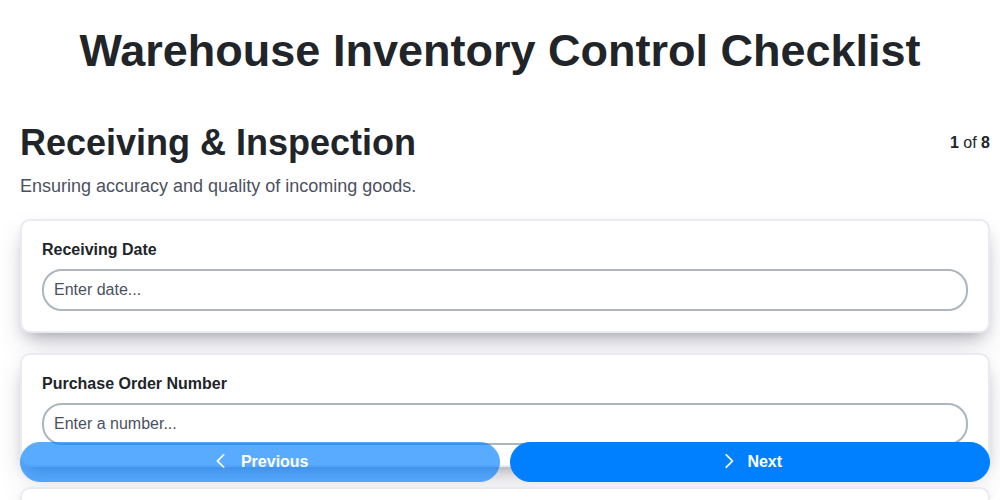
Table of Contents
- Introduction: Why Inventory Control Matters
- 1. Receiving & Inspection: Setting the Foundation
- 2. Strategic Storage & Location: Optimizing Space
- 3. Cycle Counting: Frequent Verification for Precision
- 4. Maintaining Inventory Record Accuracy: The Digital Backbone
- 5. Picking & Packing: Minimizing Errors & Damage
- 6. Shipping & Documentation: Ensuring Smooth Delivery
- 7. Safety & Security: Protecting Your Assets
- 8. Equipment Maintenance: Keeping Operations Running
- 9. Standard Operating Procedures (SOPs) Review
- 10. Employee Training and Accountability
- 11. Technology Integration: WMS & Beyond
- 12. Performance Metrics & Reporting
- 13. Continuous Improvement: Regular Audits & Adjustments
- Resources & Links
TLDR: Feeling overwhelmed by warehouse inventory? This checklist template - covering receiving, storage, cycle counting, picking, shipping, safety, and more - is your shortcut to accuracy and efficiency. Download it, follow the steps, and say goodbye to stockouts and costly errors!
Introduction: Why Inventory Control Matters
Warehouse inventory control isn't just about knowing what you have; it's the backbone of a profitable and efficient operation. Poor inventory management leads to a cascade of problems: stockouts leading to lost sales and frustrated customers, overstocking tying up valuable capital and risking obsolescence, and inaccurate records creating chaos and inefficiencies. A well-implemented inventory control checklist, like the one we'll explore in this article, provides a systematic approach to minimizing these risks. It ensures accuracy, optimizes workflows, reduces costs, and ultimately, boosts your bottom line. Beyond just numbers, a strong inventory control system fosters trust with your customers and suppliers, positioning your warehouse as a reliable partner in the supply chain.
1. Receiving & Inspection: Setting the Foundation
The receiving process is your warehouse's first point of contact with inventory, making it absolutely critical to get right. A flawed reception immediately introduces errors that can ripple through your entire operation. This section of your inventory control checklist focuses on ensuring accuracy and identifying potential issues from the get-go.
Here's what to include:
- Advance Shipping Notice (ASN) Verification: Always compare the ASN received from the supplier with the physical delivery. Discrepancies need to be flagged and investigated immediately.
- Quantity Confirmation: Verify the number of pallets, boxes, or individual units received against the purchase order and ASN.
- Condition Assessment: Thoroughly inspect all incoming goods for any visible damage - dents, tears, leaks, or other signs of mishandling. Document everything. Photos are invaluable.
- Product Verification: Don't just count - check. Verify product names, SKUs, part numbers, and lot numbers against the purchase order. This is a crucial step to avoid receiving the wrong items.
- Label Verification: Confirm that all labels are legible and accurate. Damaged or missing labels should trigger a further investigation.
- Temperature & Humidity (If Applicable): For temperature-sensitive goods (e.g., food, pharmaceuticals), meticulously record temperature and humidity readings during receiving.
- Receiving Documentation: Ensure all receiving documents (receiving reports, packing slips) are accurately completed and filed.
- Putaway Instructions: Clearly define and follow putaway instructions to ensure items are placed in the correct locations, minimizing future picking errors.
2. Strategic Storage & Location: Optimizing Space
Effective warehouse inventory control isn't just about knowing what you have; it's about where it is and how efficiently that space is utilized. Poor storage and location strategies can lead to wasted space, increased picking times, and higher error rates.
Here's what to consider for optimal storage:
- ABC Analysis: Categorize your inventory based on value and usage frequency. "A" items (high value, high turnover) should be located close to receiving and shipping areas for quick access. "B" items (moderate value and turnover) can be placed in mid-range locations. "C" items (low value, low turnover) can be placed further away.
- Slotting Optimization: Regularly review and adjust item placement to maximize space utilization and minimize travel time for pickers. Consider factors like item size, weight, and frequency of orders.
- Vertical Space Utilization: Don't neglect your vertical space! Implement racking systems, mezzanine floors, or automated storage and retrieval systems (AS/RS) to maximize storage density. Ensure proper labeling and signage for easy identification.
- Dedicated Storage Areas: Designate specific areas for different product types or suppliers to improve organization and reduce the risk of misplacement.
- Clear Aisles & Pathways: Maintain clear and unobstructed aisles to allow for safe and efficient movement of personnel and equipment.
- Regular Re-evaluation: Storage needs change. Periodically review your layout and adjust as needed based on changes in demand and product mix.
3. Cycle Counting: Frequent Verification for Precision
Cycle counting isn't just a task; it's a foundational practice for maintaining a healthy warehouse inventory. Unlike a full physical inventory, which can be disruptive and time-consuming, cycle counting involves regularly counting a portion of your inventory. This frequent verification allows you to identify and correct discrepancies before they snowball into larger problems.
Here's what a robust cycle counting process should include:
- Prioritization: Don't count everything at once. Prioritize high-value items, fast-moving products, and items with a history of discrepancies. ABC analysis (categorizing inventory based on usage value) is a common method for prioritization.
- Frequency: Establish a schedule based on the item's priority. "A" items (high value/usage) might be counted daily or weekly, while "C" items (low value/usage) might be counted monthly or quarterly.
- Detailed Procedures: Create clear, written procedures for cycle counting teams, outlining how to count, record, and reconcile differences. This ensures consistency and minimizes human error.
- Root Cause Analysis: When discrepancies are found, don't just correct the count. Investigate why the discrepancy occurred. Was it a picking error, a data entry mistake, or a receiving issue? Addressing the root cause prevents future errors.
- Regular Review: Periodically review your cycle counting program to ensure it's effective. Adjust frequencies, procedures, and areas of focus as needed.
- System Integration: Ideally, your cycle counting process should be integrated with your Warehouse Management System (WMS) for accurate data capture and real-time updates.
Implementing a diligent cycle counting program fosters greater inventory accuracy, reduces stockouts, minimizes waste, and ultimately strengthens your warehouse's efficiency and profitability.
4. Maintaining Inventory Record Accuracy: The Digital Backbone
Accurate inventory records are the bedrock of a smoothly functioning warehouse. Without them, you're essentially flying blind, prone to stockouts, overstocking, and ultimately, dissatisfied customers. While physical checks are vital (more on that in our cycle counting section), the true power lies in a robust and consistently updated digital record.
Here's how to bolster your inventory record accuracy:
- Implement a Warehouse Management System (WMS): A WMS isn't just a nice-to-have; it's increasingly a necessity. It provides real-time visibility into your inventory levels, tracks movements, and automates many record-keeping tasks.
- Barcode/RFID Scanning: Ditch manual data entry whenever possible. Scanning barcodes or using RFID tags minimizes human error and ensures near-instant updates to your inventory records. Ensure scanners are regularly maintained and employees are properly trained on their use.
- Regular Reconciliation: Don't just hope your records are accurate. Regularly compare your digital records with physical counts (again, cycle counting is key!) and investigate any discrepancies. Document the reasons for variances and implement corrective actions.
- Process Integration: Ensure your inventory system integrates seamlessly with other critical business systems like your accounting software and e-commerce platform. This avoids data silos and ensures consistency across your operations.
- Employee Training: Educate your team on proper data entry procedures, scanning protocols, and the importance of accuracy. Highlight the direct impact of errors on the entire business.
- Audit Trail: Your WMS should provide an audit trail, allowing you to track who made changes to inventory records and when. This helps pinpoint the source of errors and prevents unauthorized modifications.
5. Picking & Packing: Minimizing Errors & Damage
Picking and packing is a critical link in the warehouse process - it's where accuracy directly translates to customer satisfaction. A rushed or poorly managed picking & packing operation can lead to order errors, damaged goods, and ultimately, lost business. Here's a breakdown of key checklist items to ensure this stage runs smoothly:
- Verify Picking Lists: Before a picker even begins, double-check the picking list against the order details. This includes verifying the correct items, quantities, and customer information. A simple visual scan can catch discrepancies early on.
- Implement Zone Picking (If Applicable): Organizing your warehouse into zones and assigning pickers to specific areas can improve efficiency and reduce the risk of picking the wrong item.
- Utilize Barcode Scanners: Employ barcode scanners for both picking and packing. This automated process eliminates manual entry errors and ensures the correct items are being retrieved and included in the order.
- Proper Packing Materials: Use appropriate packing materials based on the fragility and size of the items being shipped. Don't skimp on bubble wrap, packing peanuts, or sturdy boxes. Consider using void fill to prevent items from shifting during transit.
- Labeling Accuracy: Double-check shipping labels before applying them. Incorrect addresses are a huge source of returns and delays. Include any special handling instructions (e.g., Fragile) clearly on the label.
- Weight Verification: Confirm the packed weight matches the expected weight. Significant discrepancies can indicate missing or incorrect items.
- Quality Checks: Implement a system where packed orders are briefly inspected for accuracy and damage before sealing.
- Training & SOPs: Provide comprehensive training to pickers and packers, and establish Standard Operating Procedures (SOPs) for every step of the process. Regularly review and update these SOPs.
6. Shipping & Documentation: Ensuring Smooth Delivery
Getting your inventory out the door efficiently and accurately is the final critical step in warehouse inventory control. Poor shipping and documentation can lead to customer dissatisfaction, costly returns, and damaged relationships. Here's a checklist to ensure a smooth delivery process:
- Verify Order Details: Double-check the order details against the picking list. Confirm quantities, item numbers, and customer addresses before anything leaves the warehouse.
- Packaging Integrity: Ensure products are adequately packaged to prevent damage during transit. Use appropriate packing materials and techniques based on the item's fragility and destination.
- Labeling Accuracy: Accurate and legible labels are paramount. Include the correct shipping address, tracking number, and any special handling instructions. Avoid abbreviations or unclear markings.
- Generate Necessary Documentation: Depending on the shipment method and destination, ensure all required paperwork is generated. This might include:
- Bill of Lading (BOL)
- Commercial Invoice
- Export Documentation (if applicable)
- Packing List
- Tracking Number Communication: Provide the customer with the tracking number promptly so they can monitor their shipment's progress.
- Carrier Compliance: Adhere to carrier-specific requirements for packaging, labeling, and documentation.
- Record Shipping Details: Log all shipping information, including carrier, tracking number, and delivery date, in your inventory management system.
- Address Discrepancies Immediately: If any discrepancies are identified during the shipping process (e.g., incorrect address, damaged packaging), address them immediately to prevent delays and potential loss.
7. Safety & Security: Protecting Your Assets
A warehouse isn't just a storage space; it's a hub of activity and potentially valuable assets. Robust safety and security protocols are paramount for preventing accidents, minimizing theft, and ensuring operational continuity. This section focuses on crucial checks to maintain a secure environment.
Here's what to include in your safety & security checklist:
- Perimeter Security: Regularly inspect fences, gates, and entry points. Are they in good repair and properly secured? Consider security cameras and alarm systems.
- Lighting: Ensure adequate lighting in all areas, especially around loading docks, storage areas, and walkways. Poor lighting is a major contributor to accidents.
- Fire Safety: Verify fire extinguishers are accessible, charged, and inspected. Conduct regular fire drills and ensure employees know emergency procedures. Check smoke detectors and sprinkler systems.
- Hazardous Materials Handling: If you store hazardous materials, ensure proper labeling, containment, and handling procedures are strictly followed and documented. Verify SDS (Safety Data Sheets) are readily available.
- Visitor Management: Implement a visitor log and escort procedures to control access to the warehouse.
- Employee Training: Provide safety training to all employees, covering topics like material handling, emergency procedures, and hazard recognition. Document all training.
- Security Personnel: Consider security personnel, especially for high-value inventory or during off-peak hours.
- Access Control: Implement controlled access to different zones within the warehouse, limiting access only to authorized personnel. Utilize key cards, biometric scanners, or other access control systems.
- Regular Security Audits: Conduct periodic security audits to identify vulnerabilities and improve security measures.
By consistently addressing these points, you significantly reduce the risk of accidents, theft, and unauthorized access, creating a safer and more secure warehouse environment.
8. Equipment Maintenance: Keeping Operations Running
Warehouse equipment is the backbone of efficient inventory control. From forklifts and pallet jacks to conveyor belts and barcode scanners, these tools handle a significant portion of your inventory flow. Neglecting their upkeep can lead to costly downtime, increased risk of accidents, and reduced productivity.
Here's what your equipment maintenance checklist should include:
- Scheduled Inspections: Implement a regular schedule (daily, weekly, monthly) for inspecting all equipment. This should go beyond visual checks and involve assessing functionality.
- Fluid Checks: Regularly check and top off fluids like hydraulic oil, coolant, and battery electrolyte. Low fluid levels can lead to equipment failure.
- Tire Condition (Forklifts/Pallet Jacks): Inspect tires for wear and tear, proper inflation, and damage.
- Battery Maintenance (Electric Equipment): Follow manufacturer guidelines for battery charging, watering, and cleaning. Track battery life and plan for replacements.
- Belt and Chain Inspection (Conveyors): Check for wear, cracks, or misalignment. Lubricate as needed.
- Scanner Calibration: Ensure barcode scanners are accurately reading labels. Recalibrate as necessary.
- Documentation: Maintain a detailed log of all maintenance performed, including dates, issues found, and corrective actions taken.
- Operator Training: Ensure all equipment operators are properly trained on safe operation and basic maintenance procedures.
- Preventative Maintenance Contracts: Consider outsourcing certain maintenance tasks to qualified professionals through preventative maintenance contracts.
Proactive equipment maintenance isn't just about fixing problems after they arise; it's about preventing them altogether. A well-maintained fleet of equipment translates to a more efficient, safe, and profitable warehouse.
9. Standard Operating Procedures (SOPs) Review
Inventory control isn't a one-and-done process; it's a dynamic system that requires ongoing refinement. That's where regular SOP reviews come in. Your warehouse likely has documented procedures for everything from receiving to shipping. But are those procedures still effective? Are they up-to-date with current technology, changing product lines, or evolving best practices?
Schedule periodic reviews (at least annually, but more frequently is often beneficial) to assess the efficacy of each SOP. This review should involve key personnel from each department. Ask questions like:
- Are the steps clearly defined and easy to follow?
- Are employees adhering to the SOPs? If not, why? (Training? Inconvenience? Inefficiency?)
- Have there been any recent changes in processes that need to be reflected in the SOPs?
- Are the SOPs enabling efficiency and accuracy, or creating bottlenecks?
- Can any steps be streamlined or eliminated?
Don't be afraid to make changes based on this review. Document all changes thoroughly, and retrain staff accordingly. A living, breathing SOP library is a cornerstone of a well-controlled warehouse.
10. Employee Training and Accountability
A robust warehouse inventory control checklist is only as effective as the people executing it. Without proper training and clear accountability, even the most meticulously crafted procedures can falter. This section highlights the critical importance of investing in your team and ensuring they understand their roles in maintaining accurate and efficient inventory management.
Training is Key:
- Onboarding: New employees need comprehensive training on all relevant inventory control procedures, from receiving to shipping. This includes demonstrating the correct usage of scanning equipment, understanding location codes, and knowing how to escalate issues.
- Refresher Courses: Inventory processes evolve. Regular refresher courses keep employees updated on new technologies, changes in procedures, and best practices.
- Specialized Training: Specific roles, like cycle counters or receiving clerks, require more specialized training tailored to their responsibilities.
- Documentation Review: Ensure all employees can readily access and understand the warehouse's inventory control documentation, including SOPs and guidelines.
Accountability Drives Accuracy:
- Defined Roles & Responsibilities: Clearly outline each employee's responsibilities within the inventory control process. Ambiguity leads to errors and shifting blame.
- Performance Monitoring: Implement a system for monitoring employee performance related to inventory accuracy. This isn's about blame, but identifying areas for improvement and providing targeted support.
- Regular Audits & Feedback: Conduct regular spot checks and audits to ensure procedures are being followed. Provide constructive feedback and recognize good performance.
- Incident Reporting: Encourage employees to report inventory discrepancies or procedural concerns without fear of reprisal. A transparent reporting system allows for prompt investigation and correction.
By prioritizing employee training and establishing clear accountability, you're not just improving inventory accuracy; you're fostering a culture of ownership and continuous improvement within your warehouse.
11. Technology Integration: WMS & Beyond
While diligent manual processes are foundational, embracing technology is critical for modern warehouse inventory control. A Warehouse Management System (WMS) is often the cornerstone, automating many tasks and providing real-time visibility. But integration doesn't stop there.
A good WMS will streamline receiving, storage, picking, packing, and shipping. It can track inventory in real-time, optimize storage locations, and minimize errors. But consider these additional integrations to truly elevate your control:
- Barcode/RFID Scanning: Automate data capture at every step, from receiving to shipping. This minimizes manual entry and boosts accuracy.
- IoT Sensors: Track environmental conditions (temperature, humidity) for sensitive goods, and monitor equipment performance.
- Data Analytics Dashboards: Visualize key inventory metrics, identify trends, and proactively address potential issues.
- Integration with ERP/Accounting Systems: Seamlessly sync inventory data with your broader business operations for accurate financial reporting.
- Mobile Devices: Equip your team with mobile scanners and tablets for increased efficiency and real-time updates from anywhere in the warehouse.
Don't just implement a WMS; think about how it can connect to other systems to create a truly integrated and intelligent warehouse environment.
12. Performance Metrics & Reporting
Inventory control isn't a one-and-done task; it's an ongoing process that requires constant monitoring and refinement. Regularly tracking key performance indicators (KPIs) and generating reports is essential for identifying trends, pinpointing weaknesses, and demonstrating the effectiveness of your inventory control efforts.
Here are some vital metrics to consider:
- Inventory Turnover Rate: Measures how quickly your inventory is sold and replaced. A higher rate generally indicates efficient inventory management.
- Order Fulfillment Rate: The percentage of orders fulfilled completely and on time. A low rate can signal issues with picking, packing, or inventory availability.
- Picking Accuracy: Tracks the percentage of correctly picked items. Errors here lead to returns and customer dissatisfaction.
- Receiving Accuracy: Percentage of received goods that match purchase orders and condition reports. Inaccuracies highlight issues with receiving processes.
- Cycle Count Accuracy: The consistency of cycle count results compared to the perpetual inventory records.
- Inventory Record Accuracy: Compares physical inventory with system records - a crucial indicator of overall inventory control effectiveness.
- Shrinkage Rate: Represents the loss of inventory due to theft, damage, or errors.
- Days of Inventory on Hand: This metric gives you an idea of how long your inventory will last at current usage rates.
Reporting Frequency & Analysis:
Establish a regular reporting schedule (weekly, monthly, quarterly) to review these metrics. Don't just collect data; analyze it. Look for patterns, investigate deviations from targets, and use the insights to make data-driven improvements to your warehouse inventory control checklist and processes. Visual dashboards can be particularly helpful for quickly understanding performance trends. Remember to document these reports and share them with relevant stakeholders.
13. Continuous Improvement: Regular Audits & Adjustments
Inventory control isn't a "set it and forget it" process. It's a living system that requires constant monitoring and refinement. Regular audits are critical to identifying areas for improvement and ensuring your warehouse inventory control checklist remains effective.
Here's what a continuous improvement cycle looks like:
- Conduct Regular Audits: Schedule periodic, comprehensive audits (weekly, monthly, quarterly - depending on your operation's scale and risk tolerance). These should cover all aspects of your checklist, not just spot-checking.
- Analyze Audit Findings: Identify trends and root causes for any discrepancies or issues discovered. Don't just note the problem; understand why it happened.
- Adjust the Checklist & Procedures: Based on your analysis, modify your checklist items, update procedures, or retrain personnel. Even minor tweaks can make a significant difference.
- Seek Employee Feedback: Your warehouse team is on the front lines. Solicit their input on how the process can be improved. They often have valuable insights.
- Implement and Monitor: After adjustments, closely monitor the results to ensure the changes are effective and don't introduce new problems.
- Embrace New Technologies: Stay abreast of new technologies (like barcode scanners, RFID, and warehouse management systems) that can streamline processes and improve accuracy.
Remember, the goal is to create a dynamic and responsive inventory control system that evolves with your business needs.
Resources & Links
- APICS (The Association for Supply Chain Management): A leading professional organization offering resources, certifications (like CPIM and CSCP), and educational materials related to supply chain management, including inventory control. Excellent for in-depth knowledge and best practices.
- ISCMR (Inventory & Supply Chain Resources): Provides a broad range of inventory and supply chain resources, including articles, templates, and industry reports. Good for practical advice and downloadable tools to enhance your inventory control process.
- Supply Chain Dive: A news website covering all aspects of supply chain management, including inventory control and warehousing. Provides current trends, industry news, and insights.
- Inbound Logistics: Magazine and website focused on inbound logistics and warehouse management. Features articles on inventory strategies, automation, and best practices.
- Warehouse & Distribution Magazine: Provides industry news and articles on warehouse operations, including inventory control, material handling, and technology. Valuable for understanding current trends.
- Barcoding: A leading provider of data capture and digital transformation solutions for warehouse and supply chain environments. Offers insightful articles and resources focused on barcode scanning, RFID, and other technologies that are crucial for inventory control.
- Zebra Technologies: A major provider of barcode scanners, RFID readers, and other data capture technologies. Their website has informative resources and whitepapers focused on improving warehouse efficiency and inventory accuracy, often featuring case studies.
- 3PLink: A resource hub for 3PL (Third-Party Logistics) providers and businesses looking to outsource warehousing and logistics. Offers insightful articles and case studies related to inventory management and warehouse operations.
- MES Systems: Provides information and resources related to Manufacturing Execution Systems (MES), a key technology for real-time inventory tracking and control within a warehouse setting.
- Oracle Supply Chain Management: Provides overview on Oracle's solutions and resources around Supply Chain Management including aspects of inventory control and warehouse management, provides blog posts and informational articles.
- Blue Harbor: Provides Warehouse Management Systems (WMS) solutions for small to midsize businesses. The website contains informational content including case studies and articles focused on efficient warehouse processes.
- Software Suggest: A platform offering comparisons and reviews of various warehouse management software (WMS) options. It helps businesses find the right technology to support their inventory control needs.
Frequently Asked Questions
What is warehouse inventory control?
Warehouse inventory control refers to the processes and techniques used to manage and track goods stored within a warehouse. It's about ensuring you have the right inventory, in the right quantity, in the right place, at the right time, while minimizing costs and maximizing efficiency.
Why is inventory control important for my warehouse?
Effective inventory control prevents stockouts (lost sales), reduces overstocking (tying up capital and increasing storage costs), minimizes waste and obsolescence, improves order fulfillment accuracy, optimizes warehouse space utilization, and provides valuable data for demand forecasting.
What are the key elements of a warehouse inventory control checklist?
A comprehensive checklist typically includes elements like cycle counting, physical inventory counts, ABC analysis, safety stock calculation, location accuracy, receiving and putaway procedures, picking and packing processes, and regular system audits.
What is cycle counting and how does it differ from a full physical inventory?
Cycle counting is a continuous process of counting a small portion of your inventory regularly. A full physical inventory is a one-time, comprehensive count of all items in the warehouse. Cycle counting is more efficient as it minimizes disruption to operations and allows for quicker error correction.
What does ABC analysis mean in inventory management?
ABC analysis categorizes inventory based on its value and usage. 'A' items are high-value, high-usage items that require tight control. 'B' items are medium-value, medium-usage. 'C' items are low-value, low-usage. This prioritization helps focus control efforts where they're most impactful.
How do I determine my safety stock levels?
Safety stock is extra inventory held to buffer against demand fluctuations and supply chain disruptions. It's calculated based on lead time, demand variability, and desired service level (how often you want to avoid stockouts). There are formulas and tools available to help calculate this, considering historical data and forecast accuracy.
What are best practices for receiving and putaway?
Proper receiving includes verifying shipments against purchase orders, inspecting for damage, and accurately recording receipts in the inventory system. Putaway involves efficiently storing items in designated locations, ensuring location accuracy and minimizing travel time.
How can I improve picking and packing accuracy?
Implement barcode scanning, utilize pick lists optimized for travel time, train pickers thoroughly, implement quality checks during packing, and utilize packaging that minimizes damage. Regular audits of the picking and packing process are also crucial.
What role does technology play in warehouse inventory control?
Technology like barcode scanners, RFID tags, Warehouse Management Systems (WMS), and inventory optimization software automate processes, improve accuracy, and provide real-time visibility into inventory levels. Even spreadsheets can be a starting point for smaller operations.
How often should I review and update my inventory control checklist?
Your inventory control checklist should be reviewed and updated at least annually, or more frequently if there are significant changes to your operations, product lines, or technology. Continuous improvement is key.
Found this Article helpful?
Comments
There are no comments yet. Be the first to add one!
SCM - Supply Chain Management Solution Demo
Struggling with supply chain disruptions & lack of visibility? ChecklistGuro delivers a centralized SCM solution, connecting your suppliers, manufacturers, & distributors for improved collaboration and control. Simplify operations & boost efficiency.
Related Articles
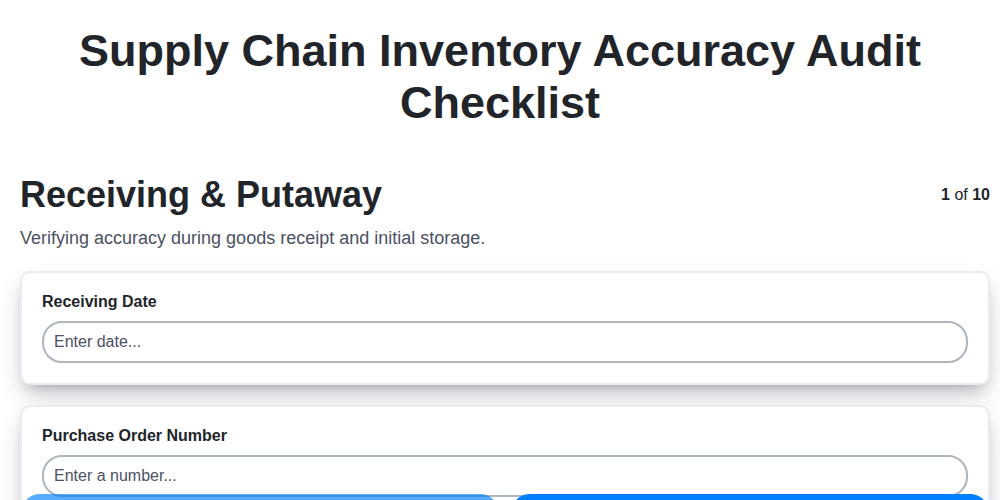
The Ultimate Supply Chain Inventory Accuracy Audit Checklist: A Step-by-Step Guide
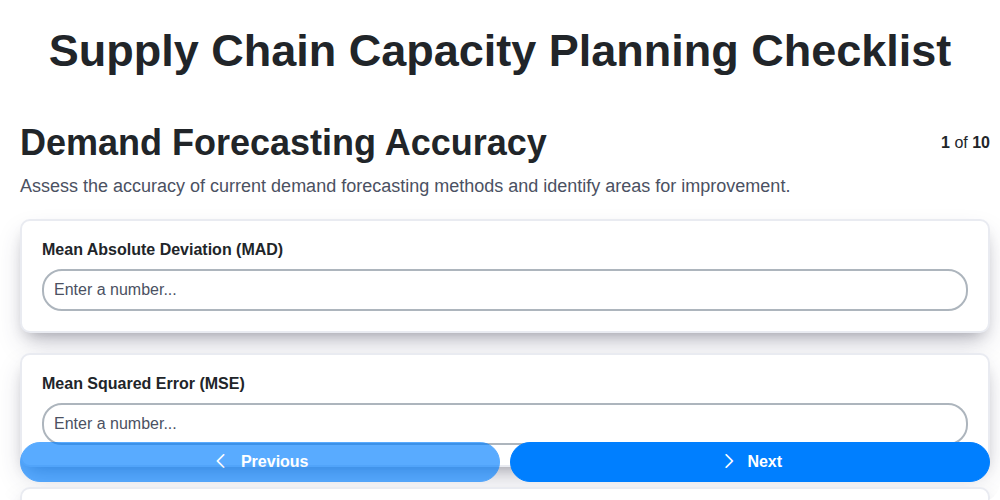
Supply Chain Capacity Planning Checklist: Ensure Readiness for Peak Demand
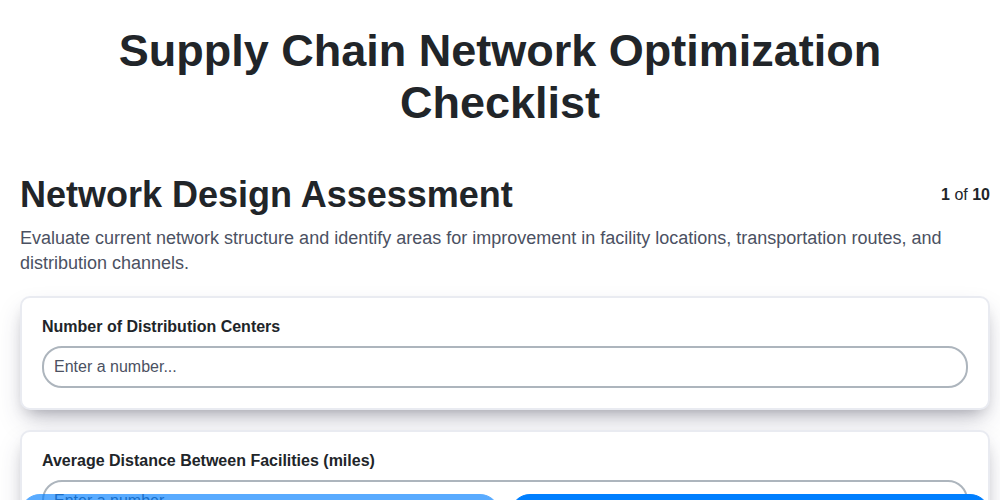
The Ultimate Supply Chain Network Optimization Checklist: A Step-by-Step Guide
Supply Chain Risk Assessment Checklist: Your Guide to Resilience
Navigating Sustainability: Your Supply Chain Compliance Checklist

Top 10 SAP Logistics Business Network (LBN) Alternatives for 2025

Fortify Your Supply Chain: The Ultimate Resilience Assessment Checklist
Navigating Global Trade: Your Essential Import/Export Compliance Checklist
We can do it Together
Need help with
Supply Chain Management (SCM)?
Have a question? We're here to help. Please submit your inquiry, and we'll respond promptly.