The Ultimate Accounts Receivable Collections Checklist: A Step-by-Step Guide to Streamlining Your Cash Flow
Published: 07/12/2026 Updated: 10/05/2026
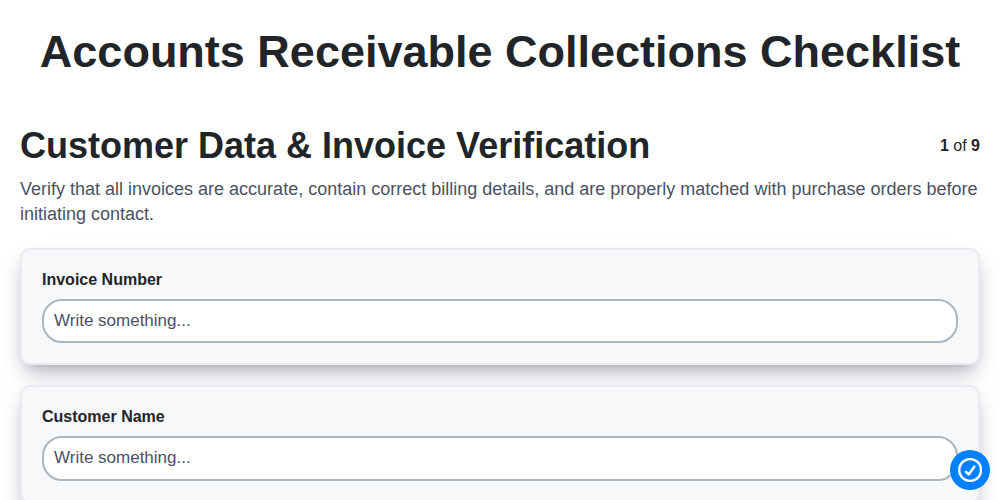
Table of Contents
- Introduction: The Importance of a Structured Collections Process
- Step 1: Customer Data & Invoice Verification
- Step 2: Aging Report Analysis
- Step 3: Initial Follow-up & Reminders
- Step 4: Dispute Management & Resolution
- Step 5: Direct Communication & Negotiation
- Step 6: Payment Receipt & Application
- Step 7: Credit Limit & Risk Assessment
- Step 8: Escalation & Write-off Procedures
- Step 9: Reporting & Documentation
- Conclusion: Building a Sustainable Cash Flow Cycle
- Resources & Links
TLDR: Master your cash flow with this comprehensive Accounts Receivable Collections Checklist. Learn how to systematically manage the entire collection lifecycle-from initial invoice verification and aging report analysis to dispute resolution and risk assessment-to reduce overdue payments, minimize bad debt, and ensure consistent revenue stability.
Introduction: The Importance of a Structured Collections Process
Managing cash flow is the lifeblood of any successful business, yet many companies struggle with the mounting pressure of overdue invoices. When payments slip through the cracks, it doesn't just create a minor inconvenience; it creates a ripple effect of financial instability, strained vendor relationships, and diminished working capital. The root cause is often not a lack of willing customers, but rather a lack of a standardized, repeatable process for following up on outstanding debts.
A disorganized approach to collections leads to missed deadlines, inconsistent communication, and ultimately, an increase in bad debt write-offs. Without a structured framework, your team is forced to react to crises rather than proactively managing your accounts receivable. By implementing a strategic collections checklist, you transform your approach from chasing payments to managing relationships. A structured process ensures that every overdue invoice is tracked, every dispute is addressed, and every potential risk is mitigated before it impacts your bottom line.
Step 1: Customer Data & Invoice Verification
The foundation of a successful collection strategy is laid long before you pick up the phone or send an email. The first and most critical step is ensuring that your data is impeccable. Before initiating any follow-up, you must perform a thorough audit of your Customer Data & Invoice Verification.
Errors in the billing stage are one of the most common reasons for payment delays. If a customer receives an invoice with an incorrect billing address, an outdated contact person, or a misspelled company name, they have a valid reason to pause payment. Even a small typo in the line items or a mismatch between the purchase order (PO) and the invoice can trigger an internal audit on the client's end, leading to weeks of unnecessary delays.
To execute this step effectively, your team should verify:
- Contact Accuracy: Ensure you are sending invoices to the specific accounts payable (AP) contact, not just a general info inbox.
- Invoice Precision: Cross-reference the invoice against the original contract or purchase order to confirm quantities, pricing, and tax calculations are correct.
- Delivery Confirmation: Verify that the goods or services were actually delivered and that the proof of delivery or service completion documentation is attached or readily available.
By eliminating clerical errors at the outset, you prevent preventable disputes-those frustrating situations where a customer refuses to pay simply because the paperwork is incorrect. Precision here builds trust and ensures that when you do reach out for payment, your claim is indisputable.
Step 2: Aging Report Analysis
Once you have verified your initial invoice data, the next critical step is to perform a deep dive into your Aging Report Analysis. You cannot effectively chase payments if you don't know exactly where your cash is stuck.
An aging report categorizes your outstanding receivables into specific time buckets-typically 0-30 days, 31-60 days, 61-90 days, and 90+ days. This visualization allows you to move away from a first-in, first-out approach and instead adopt a strategic, risk-based approach to collections.
When reviewing your report, focus on these three key areas:
- Identifying Trends: Look for patterns. Are certain customers consistently falling into the 60+ day bracket? This could indicate a systemic issue with their internal approval process or a potential decline in their financial stability.
- Prioritizing High-Value Overdue Accounts: Not all overdue invoices are created equal. Use the report to separate low-value/high-effort tasks from high-value/critical tasks. Your primary focus should be on the largest balances that are moving into more dangerous aging buckets.
- Spotting New Delinquencies: Catching an invoice the moment it hits the 31-day mark is much easier than trying to recover a debt that has been sitting unpaid for four months. Early detection via the aging report is your best defense against bad debt.
By systematically analyzing this report, you transform your collections process from a reactive scramble into a proactive strategy, ensuring you allocate your team's energy where it will have the greatest impact on cash flow.
Step 3: Initial Follow-up & Reminders
The key to successful collections is timing. The goal of your initial follow-up is not to be aggressive, but to serve as a helpful nudge to ensure your invoice hasn't been overlooked or lost in a busy inbox.
The most effective strategy is to implement a structured, multi-stage reminder sequence:
- The Pre-Reminder (Days before due date): For high-value clients, a polite courtesy notice sent a few days before the invoice is due can prevent late payments before they even happen.
- The Day-Of Notice: A brief, automated email on the actual due date acts as a gentle way to keep the invoice top-of-mind.
- The First Follow-up (1-7 days past due): This should be a friendly inquiry. Assume the oversight was accidental. Ask if they received the invoice and if there is any additional information they need to process the payment.
- The Second Follow-up (14 days past due): At this stage, the tone should become slightly more formal. Re-attach the original invoice to the email to eliminate any we didn't see it excuses.
Consistency is vital here. By establishing a predictable cadence, you signal to your customers that your accounts receivable process is organized and that you actively monitor your aging report.
Step 4: Dispute Management & Resolution
Even the most organized collections process will eventually encounter friction points where a customer refuses to pay due to a disagreement. Dispute management is a critical stage in the lifecycle of an accounts receivable claim; if handled poorly, it can stall payments indefinitely, but if handled strategically, it can preserve the customer relationship while securing the funds owed.
The first step in resolution is identifying the root cause. Is the dispute related to a perceived error in the invoice, a discrepancy in the goods or services delivered, or a disagreement over contract terms? Once the issue is identified, your team must act as investigators. This involves cross-referencing the invoice against purchase orders, delivery receipts, and communication logs to determine if the error lies internally or with the client.
To resolve disputes efficiently, follow these best practices:
- Acknowledge Promptly: Never ignore a dispute. Even if you cannot provide an immediate solution, acknowledging the customer's concern prevents them from using the dispute as an excuse to simply stop communicating.
- Internal Collaboration: Bridge the gap between your collections team and your sales or fulfillment departments. Often, a dispute is a symptom of a breakdown in service or shipping that needs to be addressed internally before the invoice can be cleared.
- Provide Evidence-Based Solutions: When communicating a resolution, provide the necessary documentation-such as signed BOLs (Bills of Lading) or email approvals-to substantiate your claim.
- Implement Short-Term Credit Memos: If the dispute is legitimate (e.g., a damaged item), issue a credit memo immediately to correct the balance. This removes the clutter from your aging report and allows the customer to focus on paying the undisputed portion of the invoice.
The goal of dispute management isn't just to win an argument, but to clear the path for payment while maintaining a professional, solution-oriented partnership.
Step 5: Direct Communication & Negotiation
When initial email reminders fail to yield results, it is time to move from automated notifications to personalized engagement. Direct communication is one of the most critical-and sensitive-stages of the collections process. This is where you transition from a transactional tone to a relational one, seeking to understand the why behind the delay.
The goal of this step is to establish a human connection to uncover potential hurdles. A phone call or a direct conversation allows you to gauge the customer's true situation, which is often much clearer than what is written in an email. During these interactions, focus on these key tactics:
- Active Listening: Instead of immediately demanding payment, listen to the customer's reasoning. Are they experiencing a temporary cash flow gap, or is there a fundamental issue with your service?
- Collaborative Problem-Solving: Approach the conversation as a partner rather than an adversary. If the customer is facing financial hardship, work with them to find a middle ground.
- Structured Payment Plans: If a full payment isn't possible immediately, negotiate a formal payment schedule. Securing a commitment to smaller, consistent installments is significantly better for your cash flow than leaving an invoice completely unpaid.
- Clear Documentation of Agreements: Never end a negotiation without summarizing the outcome. Immediately follow up every call with a written summary of the agreed-upon terms, dates, and amounts to ensure there is no ambiguity moving forward.
By mastering the art of negotiation, you can maintain vital client relationships while simultaneously securing the revenue your business needs to thrive.
Step 6: Payment Receipt & Application
Once a customer settles their outstanding balance, the collection process isn't officially complete until the payment is accurately recorded and applied to the correct invoice. This stage is critical for maintaining an accurate ledger and ensuring your aging reports reflect the true state of your receivables.
The process involves two key actions:
- Payment Reconciliation: Verify that the amount received matches the amount expected. This includes checking for discrepancies caused by short payments, bank fees, or unauthorized deductions.
- Invoice Application: Promptly apply the funds to the specific invoice numbers in your accounting system. Avoid leaving payments in a unapplied or suspense account, as this creates a false impression of overdue debt and can lead to unnecessary follow-ups with customers who have already paid.
Timely and precise application prevents double-calling customers for paid debts, which preserves professional relationships and maintains the integrity of your financial data.
Step 7: Credit Limit & Risk Assessment
To prevent future collection headaches, you must move from a reactive mindset to a proactive one. Credit limit and risk assessment involve evaluating the creditworthiness of your customers before-and during-their purchasing cycle. Instead of simply waiting for an invoice to become overdue, use this stage to analyze payment patterns and financial stability.
A robust assessment process should include:
- Monitoring Payment Trends: Regularly review if a customer is consistently paying near their due date or if they are gradually sliding into a pattern of late payments.
- Reviewing Credit Limits: Periodically reassess whether current credit limits are still appropriate. A customer who has become a chronic late payer should have their limit reduced or be moved to cash on delivery (COD) terms.
- Identifying Red Flags: Watch for signs of financial distress, such as frequent credit limit requests, sudden changes in contact information, or a sudden spike in the volume of disputed invoices.
- Updating Credit Files: Ensure that as your business grows, your criteria for extending credit remain stringent enough to protect your cash flow.
By integrating risk assessment into your collections workflow, you aren't just chasing old money; you are building a shield that protects your company from future bad debt.
Step 8: Escalation & Write-off Procedures
When standard follow-up methods fail to yield results, it is time to move from routine reminders to formal escalation. This stage is critical because it defines the boundary between persistent collection efforts and the necessity of recognizing bad debt.
The escalation process should be structured and incremental. Start by escalating the issue within the customer's organization-moving from the accounts payable clerk to their finance manager, and ultimately to executive leadership. If internal communication reaches a dead end, the next step involves involving third-party collection agencies or, in cases of significant amounts, seeking legal counsel to pursue formal litigation.
However, there comes a point where the cost of pursuing a debt exceeds the potential recovery amount. This is when you must initiate the write-off procedure. A write-off is not an admission of defeat, but a strategic financial decision to clear uncollectible balances from your accounts receivable to ensure your financial statements reflect a realistic view of your company's health.
To maintain financial integrity, ensure that every write-off is backed by a clear audit trail showing that all reasonable collection attempts were exhausted. This prevents easy write-offs and ensures that your credit policy remains a robust tool for protecting company cash flow.
Step 9: Reporting & Documentation
The final, and perhaps most critical, step in the collection process is maintaining a meticulous paper trail. Effective accounts receivable management relies heavily on the ability to look back at previous interactions to inform future decisions. Documentation serves as your single source of truth when disputes arise or when an account must be escalated to legal counsel.
Every interaction-whether it is a brief email, a phone call, or a formal dispute notification-must be logged with timestamps, contact names, and specific details of what was discussed. This level of detail ensures that if a collection agent changes or a task is handed off, no context is lost.
Beyond individual interaction logs, regular reporting is essential for high-level oversight. Your documentation should culminate in structured reports that track:
- Collection Effectiveness Index (CEI): To measure how much of the available receivables you are actually collecting.
- Days Sales Outstanding (DSO): To monitor the average time it takes to collect payment.
- Trend Analysis: To identify if specific customers or industries are starting to drift into longer payment cycles.
By treating reporting and documentation as a core part of your workflow rather than an afterthought, you transform your collection process from a reactive struggle into a proactive, data-driven strategy.
Conclusion: Building a Sustainable Cash Flow Cycle
Implementing a structured Accounts Receivable Collections Checklist is more than just a way to track down unpaid invoices; it is a fundamental strategy for ensuring the long-term financial health of your business. By moving away from reactive, disorganized follow-ups and toward a proactive, standardized workflow, you transform your collections process from a source of stress into a predictable engine for growth.
A disciplined approach to managing receivables minimizes bad debt, stabilizes your monthly cash flow, and fosters much stronger, more professional relationships with your clients. When your customers know that you have a consistent, transparent system in place for monitoring payments and resolving disputes, it creates an environment of accountability and trust. Ultimately, the goal of this checklist is to protect your working capital, allowing you to reinvest in your company's future with the confidence that your revenue is secure.
Resources & Links
- Investopedia: Accounts Receivable Explained: A foundational resource for understanding the fundamental principles of accounts receivable and its impact on corporate liquidity.
- Accounting Today: Industry news and expert insights regarding best practices in accounting, credit management, and financial workflows.
- Forbes Business: Strategic advice on managing business cash flow, risk assessment, and organizational scaling through efficient financial processes.
- QuickBooks: Practical tools and educational resources for automating invoice verification, tracking aging reports, and managing collections.
- Association for Financial Professionals (AFP): Professional resources for treasury and finance professionals focusing on risk assessment and working capital management.
Frequently Asked Questions
What is Accounts Receivable (AR) collections and why is it important?
Accounts Receivable collections is the process of following up with customers to ensure payments for goods or services provided are received on time. It is critical because it directly impacts your company's cash flow, liquidity, and ability to cover operational expenses.
What are the first steps to take when starting a collection process?
The first steps include establishing clear credit terms, sending professional invoices immediately after a sale, and maintaining an organized system to track due dates and payment histories.
How often should I follow up with overdue customers?
Follow-up frequency should be determined by your specific credit terms, but a standard approach involves a friendly reminder a few days before the due date, followed by increasingly urgent communications (email, then phone call) once the invoice becomes 1-7, 15, and 30 days past due.
What is the best way to handle a customer who disputes an invoice?
Address the dispute immediately by investigating the discrepancy. Communicate clearly with the customer, resolve any billing errors, and if the service was performed correctly, politely reiterate the obligation to pay while offering a structured payment plan if necessary.
How can automation help streamline the collections process?
Automation can reduce manual errors and human workload by automatically sending invoice reminders, updating payment statuses in real-time, and generating aging reports, allowing your team to focus on high-priority delinquent accounts.
At what point should I consider involving a collections agency?
You should consider a collections agency when an account is significantly past due (typically 90+ days) and internal efforts, such as phone calls and formal demand letters, have failed to yield results.
Comments
There are no comments yet. Be the first to add one!
Accounting Management Solution Demo
Move beyond rigid, one-size-fits-all software. Leverage a fully programmable accounting environment designed to adapt to your unique workflows, complex hierarchies, and evolving business logic.
Related Articles
Mastering Global Consolidation: The Ultimate Intercompany Reconciliation Checklist Template
The Ultimate Payroll Processing & Compliance Checklist: A Step-by-Step Guide to Error-Free Payroll
Mastering Financial Control: The Ultimate Departmental Budget Monitoring Checklist
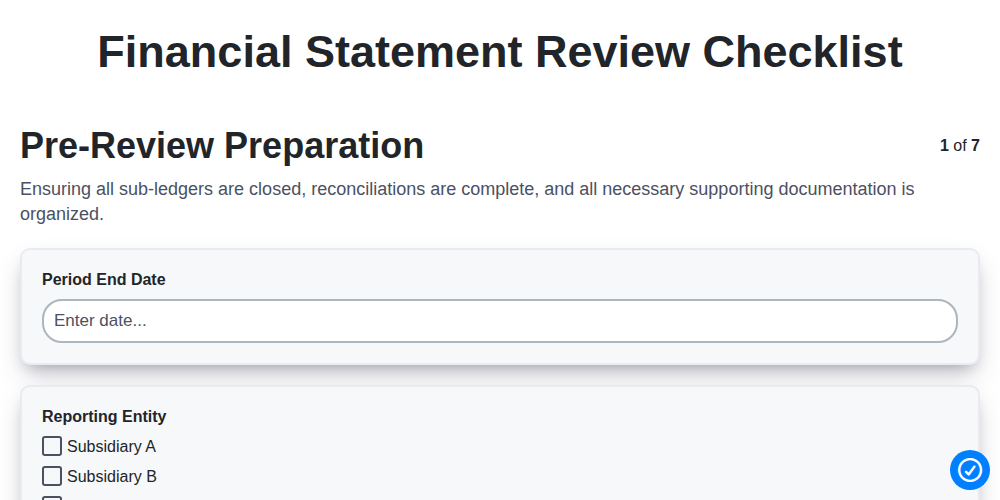
The Ultimate Financial Statement Review Checklist: A Step-by-Step Guide to Ensuring Accuracy and Compliance
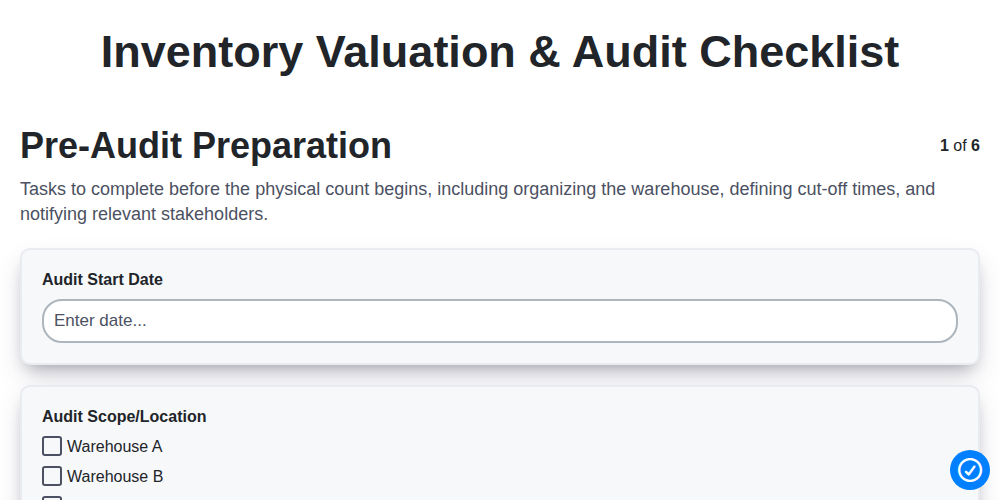
The Ultimate Inventory Valuation & Audit Checklist: A Step-by-Step Guide to Accuracy and Compliance
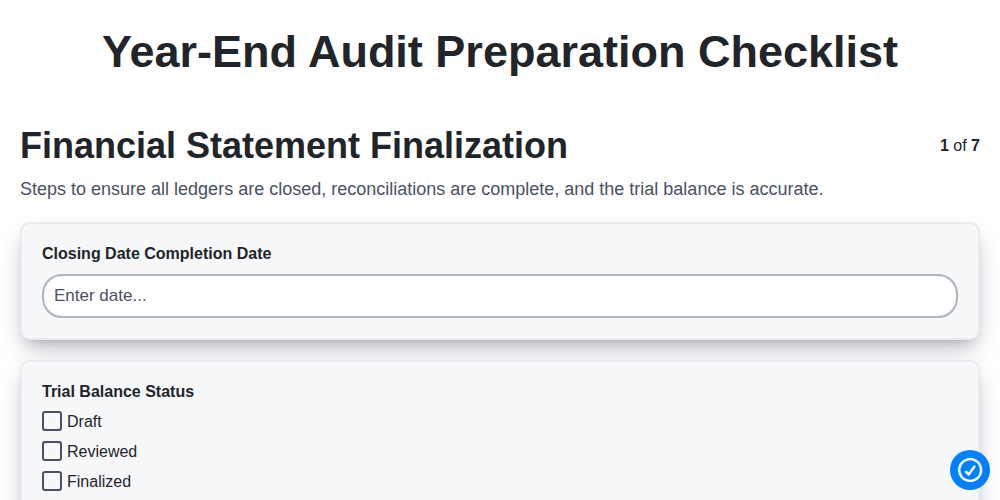
The Ultimate Year-End Audit Preparation Checklist: A Step-by-Step Guide to a Stress-Free Audit
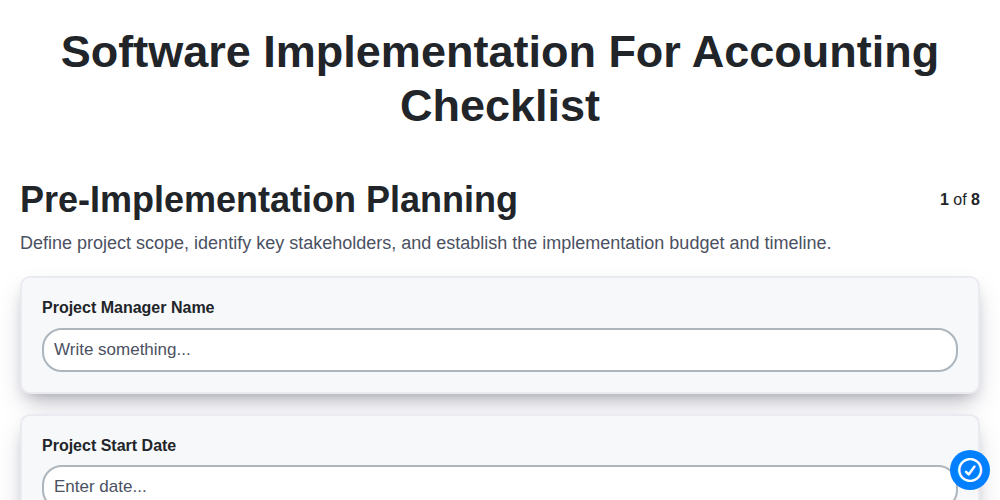
The Ultimate Software Implementation Checklist for Accounting Teams: A Step-by-Step Guide to a Seamless Transition
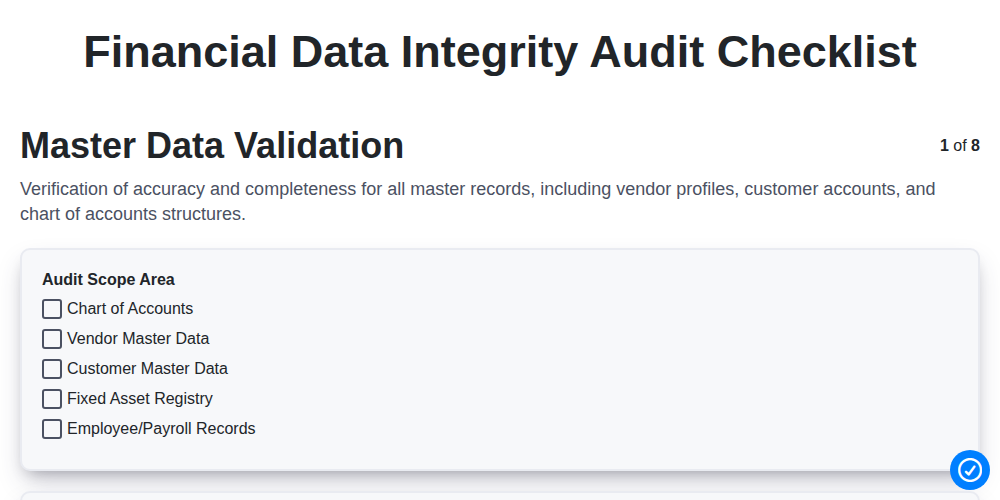
The Ultimate Financial Data Integrity Audit Checklist: A Step-by-Step Template for Precision and Compliance
We can do it Together
Need help with
Accounting Management?
Have a question? We're here to help. Please submit your inquiry, and we'll respond promptly.