The Ultimate Payroll Processing & Compliance Checklist: A Step-by-Step Guide to Error-Free Payroll
Published: 07/12/2026 Updated: 10/05/2026
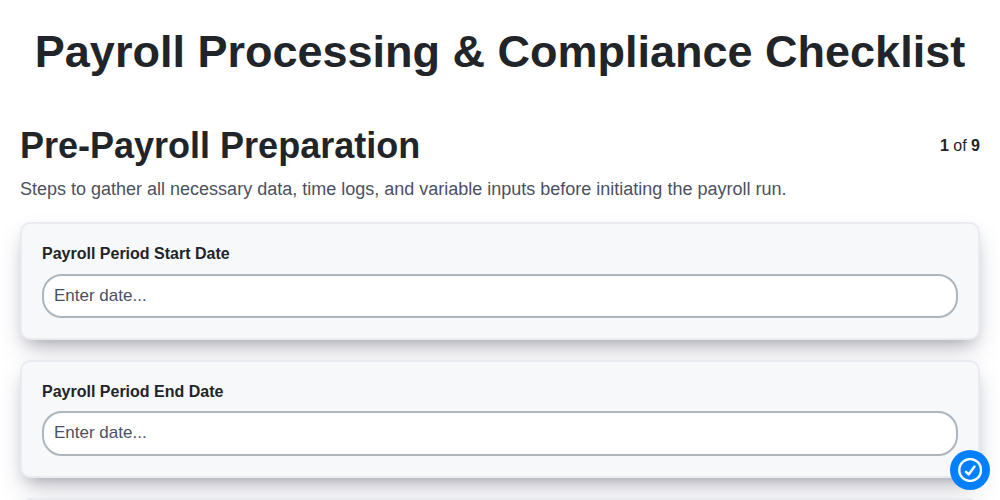
Table of Contents
- Introduction: Why a Structured Payroll Checklist is Essential
- Phase 1: Pre-Payroll Preparation
- Phase 2: Employee Data & Record Updates
- Phase 3: Time and Attendance Verification
- Phase 4: Deductions and Contributions Audit
- Phase 5: Payroll Calculation & Processing
- Phase 6: Compliance & Tax Withholding Review
- Phase 7: Post-Processing Review & Funding
- Phase 8: Payroll Reporting & Distribution
- Phase 9: Post-Payroll Reconciliation
- Conclusion: Maintaining Long-Term Payroll Integrity
- Resources & Links
TLDR: Avoid costly errors, legal penalties, and employee dissatisfaction with this comprehensive guide to mastering your payroll cycle. This post provides a structured, step-by-step checklist-covering everything from pre-payroll preparation and time verification to tax compliance and post-payroll reconciliation-designed to help HR and finance professionals ensure accuracy, maintain compliance, and streamline every stage of the payroll process.
Introduction: Why a Structured Payroll Checklist is Essential
Running a business involves juggling countless moving parts, but few tasks are as critical-or as high-stakes-as payroll. At its core, payroll is more than just moving money from a company account to an employee's bank account; it is a complex web of legal obligations, mathematical precision, and data management. Even a single oversight, such as a missed tax deadline or an incorrectly calculated deduction, can lead to disgruntled employees, heavy regulatory fines, and significant administrative headaches.
This is where a structured payroll processing checklist becomes your most valuable asset. A standardized checklist acts as a fail-safe mechanism, ensuring that no step is overlooked in the heat of a busy month-end. By following a repeatable, step-by-step process, you transform payroll from a stressful, error-prone scramble into a predictable, streamlined operation. Beyond just preventing errors, a consistent checklist promotes compliance with evolving tax laws, simplifies the auditing process, and builds fundamental trust between an employer and their workforce. In short, it provides the peace of mind that comes from knowing your most sensitive financial obligations are being handled with absolute accuracy.
Phase 1: Pre-Payroll Preparation
Before any numbers are crunched or transfers are initiated, the foundation of an error-free payroll cycle is laid during the pre-payroll phase. This stage is all about proactive planning and setting the stage for accuracy. Effective pre-payroll preparation involves reviewing the upcoming payroll calendar to ensure all deadlines-including bank holidays and submission cut-offs-are clearly communicated to management and stakeholders.
During this phase, you should also assess the payroll period's scope, identifying any special circumstances such as upcoming bonuses, one-time commissions, or changes in pay cycles. By auditing your internal processes and ensuring all necessary inputs are organized before the actual calculation begins, you significantly reduce the risk of last-minute scrambles and costly computational errors. Success in this stage ensures that the subsequent steps of the checklist flow seamlessly.
Phase 2: Employee Data & Record Updates
Accuracy in payroll begins with the integrity of your underlying data. Before you run any numbers, you must ensure that your employee master file is current and error-free. Inaccuracies in this phase can lead to incorrect paychecks, tax filing errors, and significant compliance headaches later in the cycle.
To ensure a seamless processing period, your checklist should include the following actions:
- Update New Hire Information: Ensure all recent hires have been fully onboarded with completed tax forms (such as W-4s), direct deposit authorizations, and I-9 documentation.
- Process Terminations and Departures: Verify that all recent exits have been recorded. This includes updating the status of departed employees to prevent ghost employees from remaining on the payroll and ensuring final paychecks are calculated according to state-specific laws.
- Update Changes in Compensation: Review and input any recent salary adjustments, promotions, bonuses, or hourly rate changes. Double-check that these updates align with signed offer letters or compensation agreements.
- Maintain Personal Information Accuracy: Confirm that changes in addresses, legal names, or marital status have been documented, as these can directly impact tax withholding jurisdictions and benefit enrollments.
- Review Benefit & Status Changes: Update records for any changes in benefit elections, such as 401(k) contribution adjustments, health insurance transitions, or changes in employment status (e.g., moving from part-time to full-time).
Phase 3: Time and Attendance Verification
Before moving into the calculation stage, you must ensure that every hour worked is accounted for and accurately documented. This phase acts as the bridge between raw data and actual payment; if the underlying time data is incorrect, even the most sophisticated payroll software cannot prevent costly errors.
The goal of this stage is to validate that the hours recorded in your system align with your company's actual operations and labor policies. To ensure accuracy, focus on the following key tasks:
- Reconcile Hours Worked vs. Scheduled Shifts: Cross-reference digital punch logs with employee schedules to identify any discrepancies, such as missed clock-ins/outs or unexplained gaps in coverage.
- Verify Overtime Accuracy: Confirm that all overtime hours are calculated according to both legal standards and company policy. Ensure that overtime is being attributed to the correct pay period and that double time or time-and-a-half rules are being applied where necessary.
- Audit Leave and Absence Data: Review all approved Paid Time Off (PTO), sick leave, and unpaid leaves of absence. Ensure that these absences have been correctly coded so that they do not inadvertently trigger incorrect regular pay.
- Review Unresolved Discrepancies: Address any missing punches or manual adjustments by communicating with department managers. Resolving these issues before the calculation phase prevents the need for retroactive adjustments or manual checks later in the cycle.
By meticulously verifying time and attendance, you mitigate the risk of payroll leakage-the loss of company funds through unrecorded overtime or unearned pay-while maintaining high employee trust.
Phase 4: Deductions and Contributions Audit
Before finalizing the payroll run, it is critical to conduct a thorough audit of all deductions and contributions to ensure accuracy and prevent costly errors. This step acts as a safety net, ensuring that the amounts being withheld from employee paychecks-and the amounts the company is responsible for contributing-align perfectly with current legal requirements and internal policies.
During this phase, your audit should focus on three key areas:
- Statutory Deductions: Verify that federal, state, and local tax withholdings are being calculated correctly based on the most recent tax tables and employee W-4 updates.
- Benefit Contributions: Confirm that employee premiums for health, dental, and vision insurance are accurate, and that any changes in coverage or enrollment are reflected in the current cycle.
- Voluntary and Court-Ordered Deductions: Double-check retirement contributions (such as 401(k) or 403(b) deferrals), savings plans, and mandatory garnishments. It is particularly important to ensure that wage garnishments are updated to reflect any changes in court orders or limits on maximum withholdable income.
A mistake in this stage can lead to significant consequences, ranging from disgruntled employees due to incorrect take-home pay to legal complications and penalties from tax authorities. By meticulously auditing these line items, you ensure that every cent deducted is accounted for and that your company remains in full compliance with both benefit plan documents and legal mandates.
Phase 5: Payroll Calculation & Processing
Once you have verified all the necessary data, it is time to move into the core phase of the cycle: the actual calculation and execution. This stage is where the raw data-hours worked, hourly rates, commissions, and bonuses-is transformed into actionable payment figures.
During this phase, you must perform the following actions:
- Compute Gross Pay: Calculate the total earnings for each employee by multiplying hours worked by their respective pay rates and adding any supplemental pay (overtime, bonuses, or commissions).
- Apply Deductions: Systematically subtract all pre-determined amounts, including federal and state taxes, insurance premiums, retirement contributions, and any voluntary garnishments.
- Execute the Run: Using your payroll software or manual ledger, process the calculations to arrive at the final net pay for every individual on the roster.
- Final Validation: Perform a sanity check on the total payroll amount. Does the total sum of this period align roughly with the previous period? If there is a massive, unexplained spike or drop in your total liability, pause and investigate before finalizing the run.
Precision is critical here; a single decimal error or a missed decimal point in a tax percentage can lead to significant downstream compliance issues and employee dissatisfaction.
Phase 6: Compliance & Tax Withholding Review
After the core calculations are complete, the focus shifts from math to legal integrity. This stage is the most critical step for mitigating the risk of audits, penalties, and legal disputes. The goal here is to ensure that every cent withheld from an employee's paycheck is accounted for and correctly categorized according to local, state, and federal regulations.
During this review, you must verify that tax withholdings-including federal, state, and local income taxes-align perfectly with the information provided on employee W-4 forms (or their regional equivalents). Additionally, this is the time to audit statutory deductions such as Social Security, Medicare, and unemployment insurance (FUTA/SUTA).
A thorough compliance review also involves checking for any changes in tax jurisdictions, especially for remote employees working in different states, as tax obligations can shift based on a worker's physical location. By meticulously auditing these withholdings before the funds are moved, you protect the company from the high costs of retroactive tax adjustments and ensure your business remains in good standing with tax authorities.
Phase 7: Post-Processing Review & Funding
Once the payroll calculations are finalized, the focus shifts from computation to execution. This phase is the final safety check before money leaves your company's accounts. The primary objective is to ensure that the calculated payroll amounts align with your bank's liquidity and that the distribution mechanism is ready to trigger.
First, perform a high-level validation of the total payroll outlay. Compare the grand total of the current run against the previous pay period; while slight fluctuations are normal due to overtime or new hires, any significant, unexplained discrepancy should trigger an immediate investigation.
Next, initiate the funding process. Depending on your payroll provider, this may involve manual ACH transfers or an automated pull from your operating account. Ensure that sufficient funds are available in the designated payroll account to prevent bounced transfers or failed direct deposits, which can lead to severe legal repercussions and employee dissatisfaction. This is also the time to confirm that all one-off payments-such as reimbursements or bonus payouts-are included in the funding instructions. Once the funding is authorized, the payroll is officially in the transit stage.
Phase 8: Payroll Reporting & Distribution
Once the calculations are finalized and the funds are ready for release, the focus shifts to transparency and communication. Payroll reporting and distribution is the final step in the cycle that ensures every employee receives their accurate compensation and that the business maintains a clear paper trail for auditing purposes.
This phase involves two critical actions:
- Paystub Distribution: Ensure that employees receive their detailed paystubs (either physically or via digital portals) in a timely manner. Each stub should clearly outline gross earnings, itemized deductions, taxes withheld, and net pay to prevent confusion and reduce inquiries to the HR department.
- Comprehensive Payroll Reporting: Generate and archive necessary internal reports. This includes summaries of total payroll costs, departmental breakdowns, and tax liability reports. These documents are vital for budget management and serve as the primary source of truth during internal audits or tax season.
Effective distribution is not just about moving money; it is about ensuring accountability and providing your team with the clarity they need regarding their earnings.
Phase 9: Post-Payroll Reconciliation
Once the payroll has been distributed, the final and most critical step in ensuring long-term accuracy is Post-Payroll Reconciliation. This phase is your safety net; it is the process of cross-referencing your payroll outputs against your general ledger and bank statements to ensure every cent is accounted for.
To perform an effective reconciliation, you should compare the total payroll expense recorded in your accounting software with the actual funds debited from your corporate bank account. This step helps identify discrepancies caused by unexpected bank fees, failed transfers, or manual entry errors. Additionally, you should reconcile your payroll summary reports with your tax liability accounts to ensure that the amounts withheld for taxes match the amounts earmarked for payment to the authorities.
By treating reconciliation as a non-negotiable final step, you move beyond simply paying people and begin building a robust, audit-ready financial ecosystem. Detecting a minor discrepancy during this phase is a minor correction; discovering it during a tax audit is a major liability.
Conclusion: Maintaining Long-Term Payroll Integrity
Mastering your payroll process is not a one-time achievement but a commitment to continuous improvement. While following a checklist provides a vital safety net against immediate errors, the true value lies in the discipline of regular audits and the proactive refinement of your workflows. As your organization grows, your payroll complexities will inevitably evolve-whether through new tax regulations, expanding your workforce, or integrating new software.
By treating this checklist as a living document rather than a static task list, you transform payroll from a high-stress administrative burden into a streamlined, predictable, and scalable function. Ultimately, maintaining this level of rigor does more than just ensure compliance; it builds a foundation of trust with your employees and safeguards your company's financial health for the long term.
Resources & Links
- Internal Revenue Service (IRS): The primary resource for federal tax withholding regulations, employer tax deposits, and federal payroll tax compliance guidelines.
- U.S. Department of Labor (DOL): Essential for verifying Fair Labor Standards Act (FLSA) regulations regarding minimum wage, overtime pay, and recordkeeping requirements.
- Society for Human Resource Management (SHRM): A comprehensive resource for HR professionals regarding best practices in employee data management and payroll administration.
- USA.gov: A central hub for navigating various government agency requirements related to business compliance and employment laws.
- Accounting Today: Provides industry news and deep dives into payroll accounting, reconciliation processes, and financial auditing standards.
- Financial Accounting Standards Board (FASB): Relevant for understanding the principles of financial reporting and the reconciliation of payroll expenses within company ledgers.
Frequently Asked Questions
What is payroll processing?
Payroll processing is the systematic procedure of calculating and distributing wages to employees, including the deduction of taxes, benefits, and other legal withholdings, while ensuring compliance with labor laws.
Why is a payroll compliance checklist important?
A checklist helps prevent costly errors, such as incorrect tax withholdings or late filings, which can lead to legal penalties, audits, and dissatisfied employees.
What are the most common payroll errors to avoid?
Common errors include incorrect data entry, failing to update tax information, missing deadlines for tax filings, and miscalculating overtime or deductions.
How often should payroll be audited?
While regular monthly checks are recommended, it is crucial to perform a comprehensive payroll audit at least once a year or whenever there are significant changes in tax laws or company structure.
What documents are essential for maintaining payroll compliance?
Essential documents include employee W-4 forms, I-9 verification, timecards, payroll registers, tax deposit records, and proof of all statutory deductions.
Can payroll software help with compliance?
Yes, modern payroll software can automate calculations, track tax changes in real-time, and alert employers to upcoming filing deadlines, significantly reducing the risk of human error.
Comments
There are no comments yet. Be the first to add one!
Accounting Management Solution Demo
Move beyond rigid, one-size-fits-all software. Leverage a fully programmable accounting environment designed to adapt to your unique workflows, complex hierarchies, and evolving business logic.
Related Articles
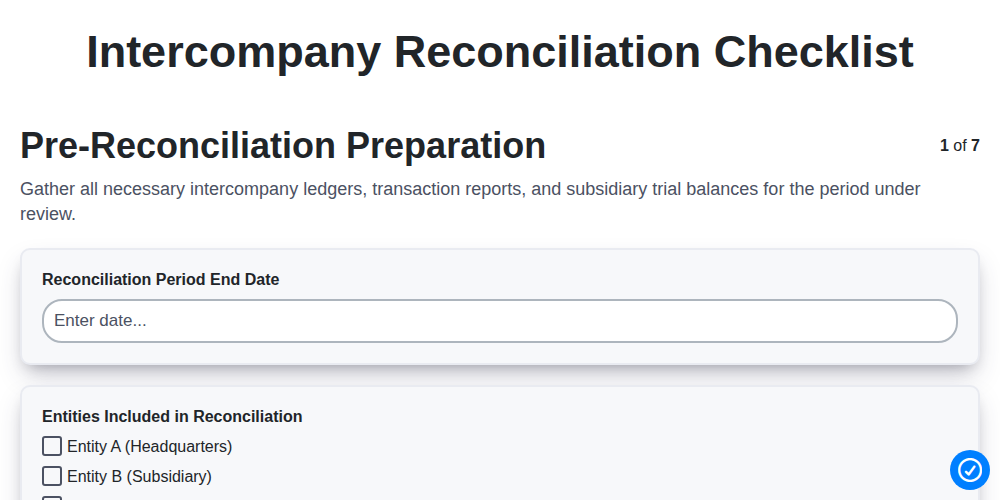
Mastering Global Consolidation: The Ultimate Intercompany Reconciliation Checklist Template
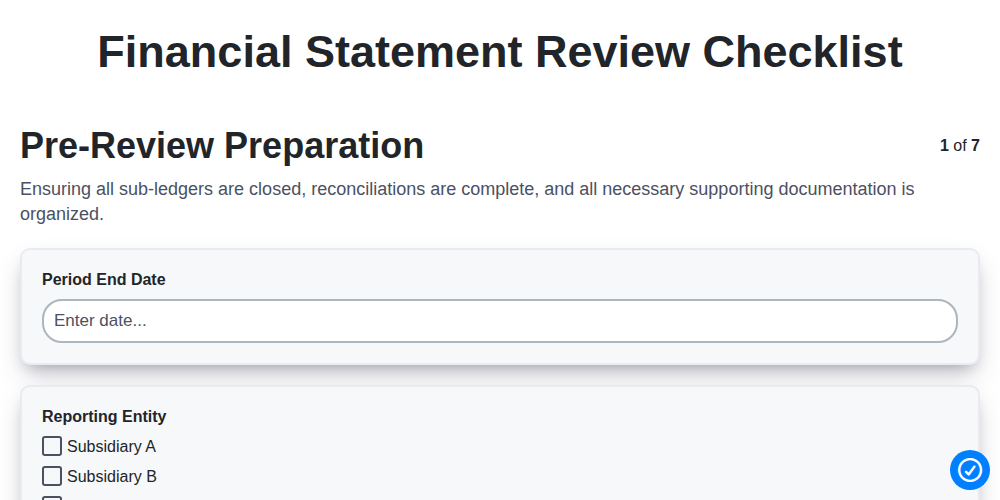
The Ultimate Financial Statement Review Checklist: A Step-by-Step Guide to Ensuring Accuracy and Compliance
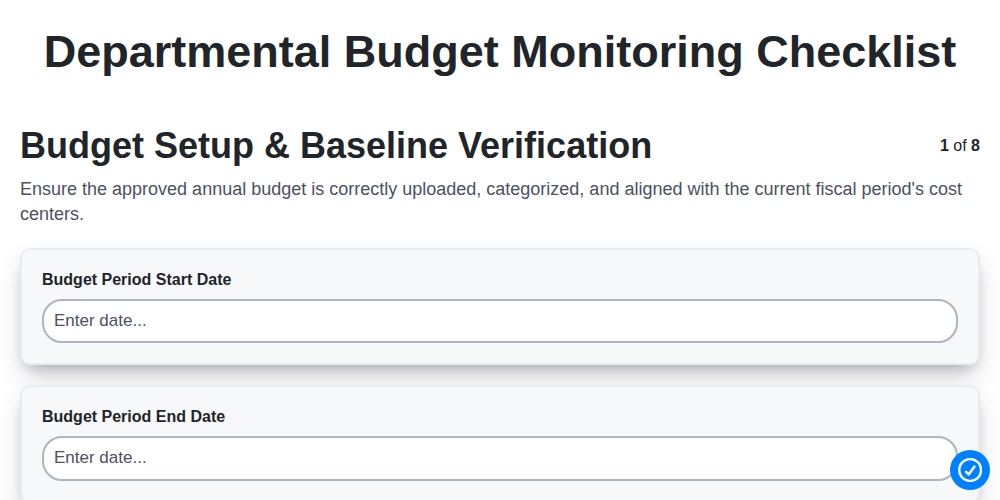
Mastering Financial Control: The Ultimate Departmental Budget Monitoring Checklist
The Ultimate Accounts Receivable Collections Checklist: A Step-by-Step Guide to Streamlining Your Cash Flow
The Ultimate Inventory Valuation & Audit Checklist: A Step-by-Step Guide to Accuracy and Compliance
The Ultimate Year-End Audit Preparation Checklist: A Step-by-Step Guide to a Stress-Free Audit
The Ultimate Software Implementation Checklist for Accounting Teams: A Step-by-Step Guide to a Seamless Transition
The Ultimate Financial Data Integrity Audit Checklist: A Step-by-Step Template for Precision and Compliance
We can do it Together
Need help with
Accounting Management?
Have a question? We're here to help. Please submit your inquiry, and we'll respond promptly.