Mastering Disability Case Management: Your Essential Checklist Template
Published: 12/19/2025 10:00 PM Updated: 12/20/2025 12:25 PM
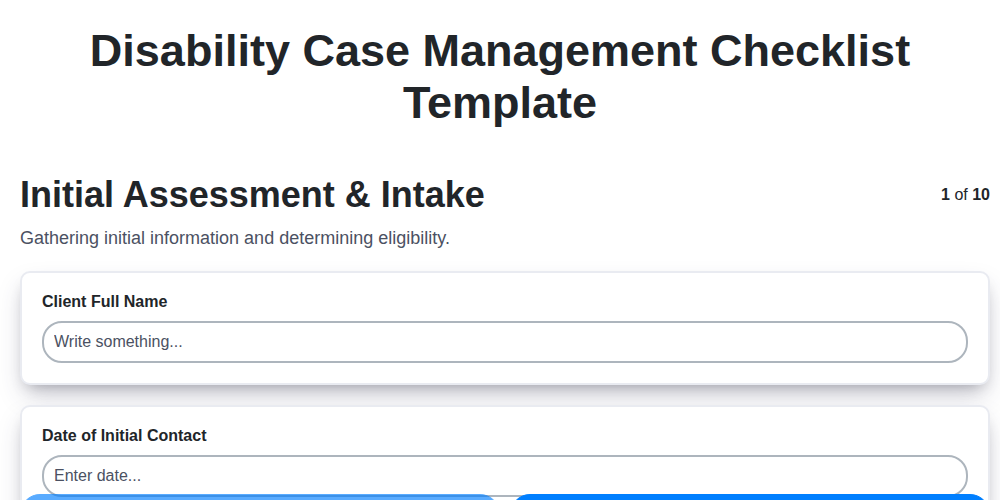
Table of Contents
- Introduction: The Critical Role of Disability Case Management
- Understanding the Disability Case Management Process
- Checklist Template: Your Step-by-Step Guide
- 1. Initial Assessment & Intake: Building a Foundation
- 2. Documentation & Verification: Gathering Essential Evidence
- 3. Service Planning & Coordination: Tailoring Support
- 4. Benefit Application Assistance: Navigating Complex Systems
- 5. Medical Records Review: Analyzing Health Information
- 6. Progress Monitoring & Reporting: Tracking Outcomes
- 7. Legal Advocacy & Support: Protecting Rights
- 8. Appeals & Hearings: Representing Client Interests
- 9. Case Closure & Transition: Ensuring a Smooth Exit
- 10. Compliance & Audit: Maintaining Best Practices
- Leveraging Technology for Efficient Case Management
- Resources & Links
TLDR: Overwhelmed by disability case management? This checklist template breaks down the entire process - from initial assessment to case closure - into manageable steps. Use it to stay organized, ensure no crucial tasks are missed, and provide the best possible support for your clients!
Introduction: The Critical Role of Disability Case Management
Disability case management is a vital lifeline for individuals navigating complex systems and seeking the support they need to thrive. It's more than just paperwork; it's about providing personalized guidance and advocacy to ensure individuals with disabilities receive the appropriate services, benefits, and protections. Effective case management bridges the gap between individuals and the resources available to them, addressing not only immediate needs but also long-term goals. A well-structured approach, often guided by a comprehensive checklist, is essential for ensuring consistency, thoroughness, and ultimately, positive outcomes. This article will explore a detailed Disability Case Management Checklist Template and delve into why each step is crucial for successful and ethical case management practice.
Understanding the Disability Case Management Process
Navigating the disability system can be incredibly complex and overwhelming. A disability case management process aims to simplify this journey, providing crucial support and guidance every step of the way. It's far more than just paperwork; it's about advocating for an individual's needs and ensuring they receive the services and benefits they deserve. Here's a breakdown of the key phases involved, outlining what to expect during each stage. This process isn't always linear - there's often overlap and revisiting of steps - but it provides a helpful framework for understanding the journey. It's a structured approach designed to maximize positive outcomes and minimize stress for both the individual with a disability and their family. The checklist we'll explore later provides a detailed roadmap through each of these critical areas.
Checklist Template: Your Step-by-Step Guide
Navigating disability case management can feel overwhelming. To streamline your process and ensure no critical step is missed, we've developed a comprehensive checklist template. This isn't just a list; it's a roadmap designed to guide you through each phase of the case, from initial contact to closure. Downloadable and customizable, this template is your essential resource for consistent, quality service. Here's a breakdown of what you'll find within:
1. Initial Assessment & Intake: This covers everything from welcoming the client and gathering preliminary information to conducting a thorough assessment of their needs and challenges. Checkpoints include verifying identity, obtaining consent for information sharing, and documenting the initial presentation of the disability.
2. Documentation & Verification: This section focuses on collecting and verifying vital documentation. It includes gathering medical records, employment history, financial statements, and any other relevant papers. Verification protocols are also outlined to ensure accuracy and compliance.
3. Service Planning & Coordination: Moving beyond assessment, this step details the collaborative process of developing a personalized service plan. It outlines how to involve the client, family members, and other professionals to define goals, identify needed services, and create a coordinated approach.
4. Benefit Application Assistance: Navigating government and private benefit programs can be complex. This checklist guides you through the application process for Social Security, Medicaid, Supplemental Security Income (SSI), and other relevant benefits.
5. Medical Records Review: A detailed examination of medical records is critical for understanding the extent of the disability and supporting benefit applications. This section outlines a structured review process to identify key findings and ensure accuracy.
6. Progress Monitoring & Reporting: Regular progress monitoring is essential for adjusting the service plan and demonstrating effectiveness. This checklist outlines how to track progress, document observations, and report to stakeholders.
7. Legal Advocacy & Support: Understanding and exercising legal rights is paramount. This section details the process of providing legal information, advocating on the client's behalf, and connecting them with appropriate legal resources.
8. Appeals & Hearings: If a denial or unfavorable decision arises, this checklist guides you through the appeals process, including preparation for hearings and representation.
9. Case Closure & Transition: When a case reaches its conclusion, a careful transition plan is necessary. This checklist ensures a smooth handover and continued support for the client.
10. Compliance & Audit: Maintaining meticulous records and adhering to all relevant regulations is crucial. This section ensures compliance and prepares for potential audits.
1. Initial Assessment & Intake: Building a Foundation
The very first step in effective Disability Case Management is a thorough Initial Assessment & Intake. This isn't just about gathering basic information; it's about establishing trust, understanding the client's unique circumstances, and laying the groundwork for a successful case.
This phase involves several crucial steps:
- Client Interview: A comprehensive interview to understand the client's disability, its impact on their daily life, their goals, and their concerns. This includes exploring their functional limitations, medical history, employment history, and any past attempts to access benefits or support.
- Family/Caregiver Interviews (with consent): Understanding the client's support system and the perspective of family or caregivers can provide valuable insights.
- Information Gathering: Collect crucial demographic data, contact information, and a preliminary understanding of the client's financial situation.
- Needs Identification: Identifying the client's immediate and long-term needs, including medical, financial, legal, and social support.
- Explaining the Case Management Process: Clearly outlining the scope of services, the client's rights and responsibilities, and the timeline for case management.
- Establishing Rapport & Confidentiality: Building a strong, trusting relationship from the outset and ensuring the client understands the confidentiality protocols.
A well-executed Initial Assessment & Intake is the cornerstone of effective Disability Case Management, setting the stage for a positive and impactful journey.
2. Documentation & Verification: Gathering Essential Evidence
A robust Disability Case Management process hinges on meticulous documentation and verification. This phase is critical for establishing eligibility, justifying services, and protecting the client's rights. It goes beyond simply collecting paperwork; it's about ensuring accuracy, completeness, and secure storage.
Here's what this phase typically involves:
- Collecting Client-Provided Information: Gathering initial forms, personal history statements, employment records, educational transcripts, and any other relevant documents the client can provide. Ensure a clear understanding of how this information will be used and protected.
- Third-Party Verification: Contacting schools, employers, healthcare providers, and government agencies to confirm information provided by the client. Obtaining official records often strengthens claims and avoids disputes.
- Medical Records Acquisition & Summary: Obtaining comprehensive medical records, including doctor's reports, therapy notes, diagnostic test results, and hospitalization summaries. Condensing these records into a concise and organized summary highlighting key findings and limitations is invaluable.
- Financial Documentation: Gathering bank statements, tax returns, and other financial records necessary to assess needs and potential eligibility for various programs.
- Secure Storage and Confidentiality: Implementing secure storage practices for all collected documents, both physical and electronic, adhering to HIPAA and other relevant privacy regulations. Maintaining strict confidentiality is paramount.
- Tracking and Organization: Establishing a clear system for tracking document receipt, verification status, and version control to avoid confusion and ensure accountability.
- Client Consent & Authorization: Obtaining proper consent and authorization forms from the client allowing the case manager to access and share their information with relevant parties.
3. Service Planning & Coordination: Tailoring Support
Effective disability case management isn't about a one-size-fits-all approach. It's about understanding the unique needs of the individual and meticulously crafting a service plan to address them. This phase goes beyond simply identifying needs; it's about proactively connecting the individual with the right resources and fostering collaboration between providers.
Key Actions in Service Planning & Coordination:
- Collaborative Assessment: This isn't a unilateral process. We actively involve the individual (and their family or guardian, with consent) in identifying goals, preferences, and priorities.
- Resource Identification: We research and connect the individual to appropriate services, which may include (but aren't limited to) therapy, vocational training, assistive technology, transportation, housing assistance, and community supports.
- Provider Coordination: We act as a central point of contact, ensuring seamless communication and coordination among all providers involved. This prevents duplication of services and promotes a unified approach to care.
- Individualized Service Plan Development: We document the agreed-upon services, goals, timelines, and responsible parties in a clear, accessible service plan.
- Regular Review & Adjustment: Service plans are living documents. We regularly review them with the individual, making adjustments as needs evolve and circumstances change. This ensures the plan remains relevant and effective.
- Advocacy for Access: We advocate with providers on behalf of the individual to ensure timely access to needed services and overcome any barriers.
This proactive and individualized planning process is crucial for empowering individuals with disabilities to achieve their full potential and lead fulfilling lives.
4. Benefit Application Assistance: Navigating Complex Systems
Navigating the world of disability benefits can feel overwhelming. The application processes for Social Security Disability (SSD), Supplemental Security Income (SSI), Medicare, Medicaid, and other programs are often complex, with strict eligibility requirements and extensive paperwork. Our case managers provide invaluable assistance throughout this process.
We're here to help with:
- Eligibility Determination: We'll assess your client's situation to determine which benefits they are likely eligible for.
- Application Completion: We'll guide them through the application forms, ensuring all sections are accurately and thoroughly completed. We'll translate complex jargon and explain requirements clearly.
- Documentation Gathering: Collecting the necessary supporting documentation is crucial. We help gather and organize medical records, employment history, and other required evidence.
- Submission & Follow-up: We'll submit the applications on their behalf and proactively follow up on their status, keeping them informed every step of the way.
- Interview Preparation: For required interviews, we'll prepare your client, ensuring they understand the questions and can effectively communicate their needs and circumstances.
Our goal is to alleviate the stress and confusion associated with benefit applications, maximizing their chances of approval and ensuring they receive the support they deserve.
5. Medical Records Review: Analyzing Health Information
A thorough medical records review is a cornerstone of effective disability case management. It goes beyond simply gathering documents; it involves a careful analysis of a client's health history to understand the progression of their disability, identify contributing factors, and substantiate their limitations.
This process typically includes:
- Comprehensive Review: Examining all available medical records, including doctor's notes, hospital records, diagnostic test results, therapy reports, and medication lists.
- Identifying Key Diagnoses & Conditions: Pinpointing primary and secondary diagnoses and understanding their impact on the client's functional abilities.
- Establishing Chronology: Creating a timeline of medical events, treatments, and responses to therapies. This helps demonstrate the ongoing nature and severity of the disability.
- Analyzing Functional Limitations: Correlating medical findings with the client's daily activities and identifying specific limitations that prevent them from working or participating in typical activities.
- Detecting Inconsistencies: Recognizing any contradictions or gaps in the medical record that might require clarification or further investigation.
- Supporting Claims: Providing documented evidence to support disability applications or appeals, using precise and objective language derived from the medical records.
This detailed review is crucial for building a strong case and ensuring the client receives the benefits and support they deserve.
6. Progress Monitoring & Reporting: Tracking Outcomes
Disability case management isn't a one-and-done process. Consistent monitoring and reporting are crucial to ensuring the individual's needs are being met and their goals are being achieved. This section of the checklist focuses on systematically tracking progress and communicating effectively.
Here's what's involved:
- Regular Check-ins: Schedule consistent check-ins (weekly, bi-weekly, monthly - adjusted based on individual need) with the individual, family, and relevant service providers. These meetings provide opportunities to discuss successes, challenges, and adjust strategies.
- Goal Review: Regularly review established goals to ensure they remain relevant and attainable. Be prepared to modify goals based on changing circumstances or new information.
- Data Collection: Implement methods for collecting data related to service utilization, progress towards goals, and overall well-being. This can include attendance records, feedback surveys, observations, and self-reported measures.
- Progress Reports: Generate periodic progress reports (quarterly is common) summarizing achievements, challenges, and recommendations. These reports should be clear, concise, and tailored to the intended audience (e.g., individual, family, funding source).
- Documentation: Meticulously document all progress monitoring activities, including check-in notes, feedback received, and adjustments made to service plans.
- Visual Aids: Utilize visual aids like charts and graphs to illustrate progress and facilitate understanding.
- Feedback Loops: Establish clear feedback loops to ensure everyone involved is aware of progress and any concerns.
Consistent and thorough progress monitoring and reporting allows for proactive adjustments, demonstrates accountability, and ultimately enhances the individual's quality of life.
7. Legal Advocacy & Support: Protecting Rights
Navigating the disability system can be incredibly complex, and individuals and their families often need a strong advocate to ensure their rights are protected. This section of case management focuses on providing that critical support. We understand that legal complexities can be overwhelming, and our team works to empower clients by providing legal advocacy and support.
This includes:
- Understanding Legal Rights: We explain relevant disability laws (like the ADA, Social Security Act, and state-specific regulations) in plain language, ensuring clients understand their entitlements.
- Representation & Guidance: We can assist in preparing for meetings with government agencies, navigating legal processes, and understanding potential legal options. While we are not attorneys (and cannot provide legal advice), we collaborate with legal professionals when needed to ensure the client's best interests are represented.
- Protection from Discrimination: We address and investigate potential instances of discrimination based on disability, offering support in resolving these situations.
- Guardianship/Conservatorship Support: We can provide information and assistance to families considering or navigating guardianship/conservatorship proceedings, ensuring the individual's voice and wishes are considered.
- Referral to Legal Resources: We maintain a network of qualified disability attorneys and legal aid organizations and facilitate connections when specialized legal expertise is required.
Our goal is to create a safety net, helping clients feel confident and secure in their interactions with the system and ensuring their legal rights are upheld throughout the case management process.
8. Appeals & Hearings: Representing Client Interests
Navigating the appeals and hearings process within disability case management can be incredibly daunting for clients. This stage often arises when initial benefit applications are denied or when there are disagreements regarding service provision or care plans. Our role here is to be a fierce advocate, ensuring our client's rights are protected and their voice is heard.
We begin by thoroughly reviewing the denial or challenge notice, identifying the specific reasons cited and gathering all relevant documentation that supports our client's eligibility or desired outcome. This includes medical records, witness statements, expert opinions, and any other supporting evidence.
Then, we prepare our client for the hearing, explaining the process, potential questions, and ensuring they understand their rights. We may accompany them to the hearing, presenting arguments, questioning witnesses, and advocating for their position. We understand the intricacies of disability law and regulations, and we use this knowledge to build a compelling case.
Furthermore, we handle all necessary paperwork, file appeals on time, and keep our client informed every step of the way. Whether it's appealing a Social Security Administration (SSA) decision, contesting an insurance denial, or advocating for a more appropriate Individualized Education Program (IEP), we provide unwavering support and representation. Our goal is to achieve the best possible outcome for our client, ensuring they receive the benefits and services they deserve.
9. Case Closure & Transition: Ensuring a Smooth Exit
Disability case management isn't a forever endeavor. A well-planned case closure and transition is crucial for the client's continued well-being and independence. This phase focuses on equipping the client with the skills and resources needed to manage their affairs post-case management.
Our checklist includes a structured approach:
- Client Readiness Assessment: We conduct a thorough assessment to confirm the client possesses the necessary skills and support network to function independently. This includes evaluating their understanding of their entitlements, ability to advocate for themselves, and overall self-sufficiency.
- Transition Planning: Collaboratively develop a detailed transition plan outlining steps for ongoing support, potential resources, and contact information for relevant agencies or individuals. This plan is shared with the client and, with consent, key support individuals.
- Resource Identification & Referral: Compile a comprehensive list of community resources, advocacy groups, and support services that can continue assisting the client after case management ends. We provide contact details and explain the services offered.
- Documentation & Information Transfer: Organize and provide the client with all essential documentation related to their case, including summaries of services received, legal documents, and contact information. Ensure they understand how to access these documents in the future.
- Follow-Up & Contingency Planning: Schedule a follow-up call or meeting shortly after case closure to address any immediate concerns and provide additional support. Establish a plan for revisiting the case if unforeseen challenges arise.
- Formal Closure Documentation: Officially document the case closure, outlining the transition plan and any remaining responsibilities. This documentation is filed securely and made accessible to the client.
A smooth case closure empowers clients and ensures their continued success beyond our involvement.
10. Compliance & Audit: Maintaining Best Practices
Disability case management operates within a complex web of regulations and ethical guidelines. Consistent compliance isn't just a box to tick; it's the bedrock of providing trustworthy and effective support. This section outlines the key elements of a robust compliance and audit process for your case management practice.
Regular Internal Audits: Implement a schedule for internal audits to review all aspects of your case management procedures. This should encompass everything from initial intake forms to final case closure documentation. Focus on verifying adherence to your own policies, as well as relevant state and federal regulations (HIPAA, ADA, etc.).
Policy and Procedure Updates: Regulations and best practices evolve. Designate someone responsible for staying abreast of changes in disability law, healthcare regulations, and relevant ethical guidelines. Regularly update your case management policies and procedures to reflect these changes.
Staff Training: Ensure all case managers receive comprehensive training not only on case management techniques but also on compliance requirements, including data security, confidentiality, and reporting protocols. Ongoing training is essential to reinforce these principles.
Documentation Review: Periodically review case files to ensure accuracy, completeness, and adherence to documentation standards. This helps identify potential gaps or areas for improvement.
Record Retention: Establish a clear record retention policy that complies with legal requirements and ethical considerations. Securely store all documentation, both physical and electronic, and have a plan for secure destruction when records are no longer needed.
Incident Reporting: Implement a system for reporting and documenting any incidents or errors that occur during case management. Thoroughly investigate these incidents and take corrective actions to prevent recurrence.
External Review (Optional): Consider periodic external reviews by qualified professionals to provide an independent assessment of your compliance program and identify areas for enhancement. This can provide valuable insights and reassurance.
Maintaining a rigorous compliance and audit program safeguards your practice, protects your clients, and strengthens your reputation as a trusted advocate.
Leveraging Technology for Efficient Case Management
Disability case management involves a significant volume of information and intricate coordination. Thankfully, technology offers powerful tools to streamline workflows and enhance accuracy. Consider utilizing case management software specifically designed for disability services. These platforms often include features like secure document storage, automated reminders for deadlines (benefit applications, appointments), built-in communication tools for client and team collaboration, and customizable reporting capabilities.
Beyond dedicated software, leveraging simpler tools can also make a difference. Shared online document storage (like Google Drive or Microsoft OneDrive) facilitates easy access for the case management team. Client portals allow for secure information exchange and client involvement. Automated email workflows can help ensure follow-up tasks are never missed. Even utilizing spreadsheets for tracking deadlines and progress can be a step up from paper-based systems. Embrace digital solutions - they're not just about modernization; they're about providing better, more efficient care.
Resources & Links
- Social Security Administration (SSA): Official website for Social Security benefits, crucial for benefit application assistance and understanding eligibility criteria.
- Disability Rights Legal Center: Provides legal representation and advocacy for individuals with disabilities, valuable for legal advocacy and support sections.
- Administration for Community Living (ACL): Federal agency administering programs for older adults and people with disabilities, offering insight into service coordination and support options.
- Benefits.gov: A comprehensive website that allows users to find government benefits they may be eligible for, aiding in benefit application assistance.
- Nolo.com: Offers legal information and resources, helpful for understanding legal rights and procedures related to disability case management.
- ADA.gov - Americans with Disabilities Act: Provides information on the Americans with Disabilities Act and legal protections for individuals with disabilities, relevant for legal advocacy and compliance.
- Medicaid.gov: Provides information about Medicaid eligibility and coverage, important for understanding financial assistance options.
- Internal Revenue Service (IRS): Relevant for understanding tax implications of disability benefits and other financial considerations.
- U.S. Department of Justice: Provides resources and information on disability rights and enforcement of disability-related laws.
- Intellectual and Developmental Disabilities Research Center (IDDRC): Offers research and resources related to intellectual and developmental disabilities, helpful for understanding specific needs and support strategies.
- Habilitat: Provides information about supported decision-making and other resources for individuals with disabilities, useful for case closure and transition planning.
Frequently Asked Questions
What is Disability Case Management and why is it important?
Disability Case Management is the process of coordinating services and supports for individuals with disabilities to help them achieve their goals and live independently. It's important because it ensures individuals receive the right services at the right time, avoids duplication of effort, and promotes self-determination.
Who is this checklist template for?
This checklist is designed for disability case managers, social workers, support coordinators, and anyone involved in coordinating services for individuals with disabilities. It's beneficial for both experienced and new professionals.
What types of disabilities does this checklist template cover?
The checklist is designed to be adaptable and can be used for various disabilities, including (but not limited to) physical disabilities, intellectual disabilities, developmental disabilities, mental health conditions, and sensory impairments. It focuses on the process and considerations regardless of the specific disability.
How is this checklist template 'essential'?
It's essential because it provides a structured and comprehensive guide to ensure no crucial steps are missed in the case management process. It promotes consistency, reduces errors, and helps prioritize tasks effectively.
What are the key sections included in the checklist template?
The checklist covers key areas like initial assessment, goal setting, service planning, coordination, monitoring, and review/evaluation. It addresses aspects from intake to closure.
Can I customize the checklist template?
Absolutely! The template is designed to be flexible. You can add, remove, or modify items to better suit the specific needs of the individual and the requirements of your agency or program.
Found this Article helpful?
Comments
There are no comments yet. Be the first to add one!
Case Management Solution Demo
Streamline your casework & improve outcomes! ChecklistGuro centralizes case details, tasks, & communication. Enhance efficiency, ensure compliance, & deliver exceptional service. Manage it all with our Work OS.
Related Articles
Streamline Your Deals: The Ultimate Real Estate Case Management Checklist Template
Streamline Your Debt Collection: A Case Management Checklist Template
Cybersecurity Incident Response: Your Checklist Template for Success
Streamline Your Case Management: The Ultimate Checklist Template
Mastering IP: Your Intellectual Property Case Management Checklist Template
HR Case Management Checklist Template: Your Guide to Fair & Compliant Investigations
Streamlining Veteran Care: Your Comprehensive Case Management Checklist Template
Mastering Investigations: Your Case Management Checklist Template Guide
We can do it Together
Need help with
Case Management?
Have a question? We're here to help. Please submit your inquiry, and we'll respond promptly.