The Ultimate Fashion BOM Style Guide Checklist: Your Blueprint for Success
Published: 12/10/2025 10:00 PM Updated: 12/14/2025 7:55 AM
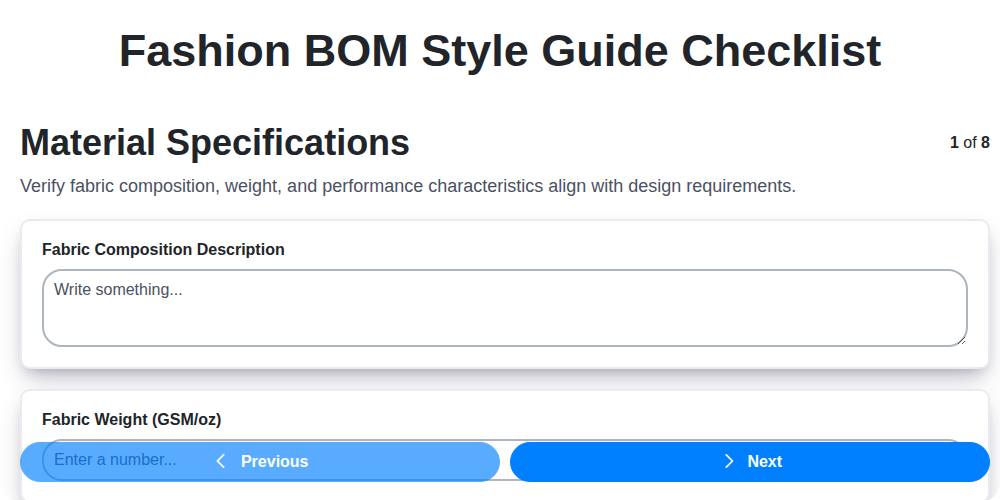
Table of Contents
- Introduction: What is a BOM and Why You Need It
- 1. Material Specifications: The Foundation of Your Design
- 2. Trim & Hardware Compliance: Ensuring Quality and Safety
- 3. Color Matching & Dye Lots: Achieving Consistent Aesthetics
- 4. Sizing & Grading: Fit for Every Customer
- 5. Construction & Seam Details: Durability & Aesthetics
- 6. Labeling & Packaging: Branding and Presentation
- 7. Sustainability & Ethical Sourcing: Meeting Consumer Values
- 8. Cost & Lead Time Verification: Staying on Budget and Schedule
- 9. Deep Dive: Material Specification Details
- 10. Compliance Corner: Navigating Regulations
- 11. Pro Tips: Common BOM Mistakes and How to Avoid Them
- 12. Tools & Resources for BOM Management
- Conclusion: Your BOM - A Living Document
- Resources & Links
TLDR: Feeling overwhelmed bringing your fashion designs to life? This checklist is your shortcut! It covers everything from fabric specs and hardware compliance to ethical sourcing and cost verification, ensuring your BOM (Bill of Materials) is complete and accurate - saving you time, money, and potential headaches down the line.
Introduction: What is a BOM and Why You Need It
In the fast-paced world of fashion, bringing a design from sketch to reality can feel like navigating a complex maze. A Bill of Materials (BOM) is your roadmap. Essentially, a BOM is a comprehensive list of everything needed to manufacture a garment. Think of it as a detailed recipe - it outlines every component, from the fabric and trims to the labels and packaging, and specifies their exact requirements.
Why is this so crucial? A well-constructed BOM is the backbone of efficient and consistent fashion production. It ensures everyone - designers, pattern makers, sample makers, production managers, and vendors - is on the same page, minimizing errors, reducing costs, and ultimately, bringing your designs to market faster and with greater predictability. Without a clear BOM, you risk inconsistencies in quality, production delays, and frustrating miscommunications. This checklist will guide you through the essential elements of a robust Fashion BOM Style Guide, helping you create a system that keeps your production process streamlined and your brand's aesthetic flawlessly represented.
1. Material Specifications: The Foundation of Your Design
Your BOM (Bill of Materials) starts with the very basics - the materials. Clear, precise material specifications are absolutely critical for ensuring your fashion design translates flawlessly from concept to final product. Don't just write cotton - be specific! This section should detail everything about the fabric and other materials.
Consider these crucial elements:
- Fiber Content: Specify the exact percentage of each fiber (e.g., 98% Cotton, 2% Spandex). Generic terms like cotton blend are simply not enough.
- Weight (GSM/oz): Indicate the fabric's weight per square meter (GSM) or ounce (oz). This impacts drape, feel, and cost.
- Weave/Knit: Define the construction (e.g., plain weave, twill, jersey knit, rib knit).
- Finish: Detail any finishes applied (e.g., pre-washed, enzyme wash, mercerized, water repellent). Include specific finish requirements and the intended effect.
- Width: Fabric width is vital for pattern making and yield calculations.
- Testing Standards: If applicable, specify any required testing standards (e.g., flammability, colorfastness).
- Vendor Information: Ideally, reference the approved vendor and specific product codes for consistency.
Thorough material specifications minimize errors, ensure quality, and prevent costly reworks later in the production process. They are the bedrock of a successful BOM.
2. Trim & Hardware Compliance: Ensuring Quality and Safety
Often overlooked, the details - trims and hardware - are crucial to a garment's overall quality, durability, and, importantly, its compliance with safety regulations. This isn't just about aesthetics; it's about protecting consumers and minimizing liability.
Here's what's involved in ensuring your trims and hardware are compliant:
- Material Composition Verification: Confirm that all trims (zippers, buttons, snaps, drawstrings, labels, etc.) meet specified material requirements. This includes checking for restricted substances like lead, phthalates, and formaldehyde, especially if you're selling to specific markets (like the US with CPSIA or the EU with REACH). Request and review material test reports (MTRs) from your suppliers.
- Restricted Substances Lists (RSLs): Ensure all trim and hardware suppliers adhere to your brand's RSL. This document details prohibited chemicals and outlines acceptable limits. Regularly update your RSL and communicate it clearly to all suppliers.
- Testing & Certification: Depending on your target market and the type of garment, specific testing may be required (e.g., pull testing for drawstrings to prevent strangulation hazards, flammability testing). Maintain records of all test results.
- Supplier Audits: Periodically audit your trim and hardware suppliers to verify their compliance with your standards and regulations.
- Country of Origin Labeling: Confirm accurate country of origin labeling for trims and hardware is present where required.
- Flammability Standards: If applicable to your product category, ensure trims and hardware meet relevant flammability regulations.
- Documentation: Keep meticulous records of supplier certifications, test reports, and compliance documentation.
Failing to address trim and hardware compliance can result in product recalls, legal action, and damage to your brand's reputation. Thorough verification is a non-negotiable step in the BOM process.
3. Color Matching & Dye Lots: Achieving Consistent Aesthetics
Achieving consistent color across an entire BOM (Bill of Materials) run is critical for a cohesive and professional fashion collection. It's far more than just picking a color - it's about ensuring every garment, accessory, or component looks identical, even if produced at different times or by different suppliers. This is where meticulous dye lot management becomes essential.
Understanding Dye Lots: A dye lot refers to a specific batch of fabric dyed using the same dye recipe, time, and conditions. Each dye lot is assigned a unique number, which is crucial for traceability. Slight variations can occur between dye lots, even with rigorous quality control, due to factors like humidity, water composition, and machine performance.
The Process:
- Initial Approval: When a color is chosen, obtain a sample fabric and thoroughly approve it. This becomes your approved standard. Document the dye lot number of this standard - this is vital.
- Supplier Communication: Clearly communicate the approved standard and its dye lot number to all suppliers involved in your BOM. Ensure they understand the importance of matching this color precisely.
- Color Verification: Upon receiving materials from suppliers, always verify the color against your approved standard. Utilize color measurement tools (spectrophotometers) for objective assessment - don't rely solely on visual inspection. Record the color values obtained.
- Dye Lot Tracking: Maintain a detailed record of all dye lot numbers used for each component of your BOM. This facilitates tracing any discrepancies and allows for consistent replacement of materials if needed.
- Bridging Dye Lots (If Necessary): Occasionally, a supplier might run out of the approved dye lot. A bridging dye lot - a shade that falls between the approved standard and the new dye lot - might be necessary to minimize visible differences. This should be thoroughly tested and approved before use.
- Re-approval on New Runs: Even with robust processes, re-approval of color with new dye lots is a prudent practice, especially for large production runs.
Ignoring these steps can lead to noticeable color variations, which can compromise the overall aesthetic and negatively impact brand perception.
4. Sizing & Grading: Fit for Every Customer
Getting the sizing right is absolutely critical. Nothing frustrates a customer more than an ill-fitting garment, leading to returns and negative reviews. A robust sizing and grading system ensures consistent fit across your entire product line, and caters to a diverse range of body types.
Here's a breakdown of what's involved:
- Standard Size Chart Development: Establish a clear and detailed size chart based on industry standards (e.g., US, UK, EU). This is your baseline - define measurements for bust, waist, hips, shoulders, sleeve length, inseam, etc. for each size (XS, S, M, L, XL, etc.).
- Grading Rules: Define the increments (grading rules) between sizes. How much does the bust measurement increase from Small to Medium? Consistency here is key. Document these rules meticulously.
- Fit Model Testing: Employ a fit model (or multiple models representing different body types) to test patterns and garments at various sizes. This step is invaluable for identifying potential fitting issues before production.
- Pattern Accuracy: Ensure your patternmakers understand and accurately implement the grading rules and fit model feedback. Regular pattern reviews are essential.
- Measurement Tolerance: Establish acceptable measurement tolerances (e.g., +/- 0.5 inches) for mass production to account for inherent manufacturing variations.
- Size Labeling: Clearly and accurately label each garment with the corresponding size and key measurements to empower customers.
- Continuous Review: Sizing preferences and body shapes can evolve. Regularly review your size chart and grading rules to ensure continued accuracy and customer satisfaction.
A well-executed sizing and grading system isn't just about measurements; it's about ensuring your customers feel confident and comfortable in your clothing.
5. Construction & Seam Details: Durability & Aesthetics
Beyond a beautiful design, the way a garment is built directly impacts its longevity and overall appeal. This section of the BOM style guide delves into the crucial details of construction and seam finishes.
Seam Strength & Type: We need to specify the appropriate seam type for each garment section, considering stress points and fabric characteristics. This includes options like flat-felled seams (for durability), French seams (for clean finishes), and serged edges (for raw edges needing minimal finishing). Detailed stitching specifications, including stitch length and thread tension, are also vital.
Reinforcement: Areas prone to strain, like armholes, crotches, and button closures, require reinforcement. Consider bartacks, additional layers of fabric, or specialized stitching techniques to prevent ripping and extend garment life.
Seam Allowances: Consistent and accurate seam allowances are essential for proper fit and accurate grading. Clearly define allowances for each seam, accounting for potential fabric shrinkage.
Topstitching & Decorative Details: Topstitching isn't just for aesthetics; it can reinforce seams and add visual interest. Specify the thread type, stitch width, and placement of all decorative stitching.
Pressing & Finishing: Proper pressing contributes significantly to a professional finish and reduces bulkiness. Detailed pressing instructions for each construction stage should be included, specifying temperature and techniques.
Quality Control Checks: Throughout the construction process, rigorous checks are needed to ensure seams are straight, stitches are secure, and pressing is consistent. Define specific points of inspection for construction flaws.
By meticulously addressing these construction and seam details, we're building garments that not only look amazing but also stand the test of time.
6. Labeling & Packaging: Branding and Presentation
Your garment's labeling and packaging are often the first tangible experience a customer has with your brand. They've scrolled, they've considered, and now they've made the purchase - don't let a lackluster presentation undo all that! This section goes beyond just fulfilling legal requirements; it's about reinforcing your brand identity and elevating the perceived value of your product.
Key Considerations:
- Hangtags: These are your opportunity to communicate your brand story. Include essential information (care instructions, materials), but also consider adding a brief brand philosophy, a call to action (like social media handles), or even a QR code linking to more information. Ensure the paper stock, printing method, and design aesthetic align with your brand.
- Labels (Care, Woven, Printed): Care labels are legally mandated and must be clear and concise. Woven and printed labels are opportunities to subtly reinforce your brand. Consider thread color, font choices, and placement for a polished look.
- Packaging: Think beyond the simple polybag. Consider tissue paper, custom boxes, or even reusable packaging to enhance the unboxing experience. The materials used in packaging should also reflect your brand's values - sustainable options are increasingly important to consumers.
- Barcodes & SKU Information: Accurate barcodes and SKU information are critical for retail sales and inventory management. Double-check their accuracy and placement.
- Brand Consistency: Ensure all labeling and packaging elements are consistent with your brand guidelines, including fonts, colors, and logo usage.
- Legal Compliance: Remember to adhere to all relevant labeling regulations regarding fiber content, country of origin, and care instructions.
7. Sustainability & Ethical Sourcing: Meeting Consumer Values
Today's fashion consumer isn't just looking for style; they're actively seeking brands aligned with their values. Sustainability and ethical sourcing aren't optional anymore - they're integral to brand reputation and long-term success. This section of your BOM Style Guide checklist is crucial for ensuring your fashion line resonates with this conscious consumer base.
Beyond the Buzzwords: "Sustainable" and "ethical" are often thrown around, but it's vital to go deeper than surface-level marketing. We're talking about verifying the entire supply chain.
Key Considerations within your BOM:
- Material Transparency: Clearly define the origin and composition of your fabrics. Are they organic cotton, recycled polyester, or innovative bio-based materials? Document this.
- Labor Standards: Outline your expectations regarding fair wages, safe working conditions, and the prohibition of child labor. Verify factory audits and certifications (e.g., WRAP, Fair Trade).
- Environmental Impact Reduction: Assess and document efforts to minimize water usage, chemical waste, and carbon emissions throughout the production process. Consider lifecycle analysis.
- Traceability: Implement systems to trace your materials back to their source. This builds trust and allows for greater accountability.
- Animal Welfare: If using animal-derived materials (wool, leather, etc.), ensure humane treatment and ethical sourcing practices. Certifications like Responsible Down Standard (RDS) can be valuable.
- Circular Economy: Consider design for durability, repairability, and recyclability. Explore options for take-back programs or partnerships to minimize textile waste.
Documentation is Key: Record all supplier information, certifications, audit results, and initiatives related to sustainability and ethical sourcing within your BOM. This isn't just about compliance; it's about demonstrating your commitment to responsible fashion.
8. Cost & Lead Time Verification: Staying on Budget and Schedule
This crucial step often gets overlooked in the excitement of design and material selection, but it's a potential make-or-break point for your BOM (Bill of Materials) and overall fashion line success. Cost & Lead Time Verification isn't just about getting a quote; it's a thorough investigation into the financial viability and delivery timelines of every component of your garment.
What's Involved?
- Quote Review & Negotiation: Don't just accept the first quote you receive. Shop around! Get multiple quotes from different suppliers for each material, trim, and hardware item. Carefully analyze these quotes, considering factors beyond just the unit price, like minimum order quantities (MOQs) and shipping costs.
- Lead Time Assessment: Understand the entire lead time from ordering to delivery. This includes supplier production time, shipping transit, and any potential customs clearance delays. Factor in buffer time for unforeseen circumstances. A delayed shipment of a crucial zipper can halt your entire production run.
- Cost Breakdown Analysis: Request detailed cost breakdowns from your suppliers. Knowing where costs are incurred (labor, materials, overhead) allows for targeted negotiation. Are there opportunities to source more economically without sacrificing quality?
- Contingency Planning: Build a contingency fund into your budget to account for unexpected cost increases or lead time extensions. A 5-10% buffer is generally recommended.
- Impact of Design Changes: Any design modifications after initial cost verification must be reassessed for cost and lead time implications. Even small changes can have a ripple effect.
Proper verification ensures your BOM aligns with your financial goals and allows for realistic launch planning. It's an investment that avoids costly and time-consuming rework later on.
9. Deep Dive: Material Specification Details
This isn't just about picking pretty fabric; material specifications are the bedrock of a successful BOM. A poorly defined material specification leads to inconsistent quality, production delays, and ultimately, unhappy customers. Let's break down what needs to be included:
- Fiber Composition: Be precise! Don't just say "cotton." Specify exactly what percentage of cotton, polyester, rayon, etc. is in the fabric. This impacts drape, feel, and care instructions.
- Fabric Weight (GSM/oz/yd²): This dictates the fabric's thickness and density. Variations here can significantly alter the garment's appearance and construction.
- Weave/Knit Structure: Specify the construction - for example, twill, jersey, dobby, pique. This impacts the fabric's texture, breathability, and stability.
- Finish & Treatment: Detail any finishes like pre-washing, enzyme wash, wrinkle resistance, waterproofing, or antimicrobial treatments. These impact the fabric's hand feel and performance.
- Testing Requirements: Clearly outline any required testing - strength, colorfastness, shrinkage, pilling resistance, etc. Provide specific standards (e.g., AATCC, ISO).
- Approved Suppliers: List approved fabric mills or suppliers. This provides consistency and ensures quality control. Include contact information.
- Sample Approval: Always require a physical fabric sample for approval before production. This is your last line of defense against unexpected issues. Document the approval process and retain samples.
- Certifications: Note any necessary certifications, like GOTS (Global Organic Textile Standard) or OEKO-TEX, if sustainability is a key focus.
10. Compliance Corner: Navigating Regulations
Fashion isn't just about aesthetics; it's a business operating within a complex web of regulations. Ensuring your BOM (Bill of Materials) reflects compliance isn't just good practice - it's essential for avoiding costly recalls, legal issues, and reputational damage. This section dives into key regulatory considerations for each BOM element.
Material Specifications: Beyond just listing fabrics, verify they meet flammability standards (like California Proposition 12 and 16 for apparel), restricted substance lists (RSLs) from brands and industry groups (e.g., ZDHC), and any country-specific chemical regulations (like REACH in Europe). Documentation from your suppliers is crucial here.
Trim & Hardware Compliance: Similar to materials, trims and hardware often have specific requirements. Ensure all components meet CPSIA (Consumer Product Safety Improvement Act) standards if applicable (particularly for children's wear), and verify they are free of harmful substances like lead and phthalates. Check for necessary certifications for closures, buttons, and zippers.
Labeling & Packaging: Accurate and compliant labeling is vital. Check country-of-origin labeling rules, fiber content disclosures, care instructions, and any trademark requirements. Packaging must adhere to regulations regarding materials used, recyclability, and disposal.
Sustainability & Ethical Sourcing: Increasingly, regulations and consumer expectations are driving transparency in sourcing. The BOM should document traceability of materials, verifying compliance with labor laws, fair trade practices, and environmental impact assessments. Look for certifications like GOTS (Global Organic Textile Standard) and Fair Trade.
Navigating these regulations can be overwhelming. Consulting with regulatory experts, staying updated on legislative changes, and maintaining meticulous record-keeping are key to ensuring your BOM reflects a compliant and responsible production process.
11. Pro Tips: Common BOM Mistakes and How to Avoid Them
Creating a robust Bill of Materials (BOM) is crucial for fashion production, but even experienced teams can fall into common traps. Here's a breakdown of frequent errors and how to dodge them:
1. Vague Material Specifications: Good quality cotton isn't enough. Specify the exact cotton type (e.g., Pima, Egyptian, organic), weight (gsm), weave (twill, jersey), and finish (washed, mercerized). Solution: Work closely with your fabric suppliers, request lab dips and testing reports, and document everything.
2. Ignoring Trim & Hardware Compliance: Buttons, zippers, and other embellishments aren't just aesthetic. They need to meet safety regulations (e.g., CPSIA for children's wear) and potential chemical restrictions (e.g., REACH). Solution: Request certifications and test reports from your trim suppliers before production begins. Keep records for auditing.
3. Neglecting Color Matching Across Dye Lots: Even subtle color variations can ruin a collection. Dye lot inconsistencies are a notorious problem. Solution: Request and approve lab dips before bulk fabric orders. Specify clear color standards (Pantone numbers are helpful) and request shade variance limits.
4. Sizing Chart Discrepancies: A poorly defined or inaccurate sizing chart leads to returns and unhappy customers. Solution: Establish a clear sizing chart based on body measurements. Conduct fit testing on multiple body types and adjust the grading accordingly.
5. Overlooking Construction Details: Skipping crucial construction details (e.g., seam allowances, stitching types, lining specifications) leads to production errors and inconsistencies. Solution: Create detailed technical sketches and construction notes that leave no room for interpretation.
6. Labeling and Packaging Gaffes: Incorrect labeling (size, care instructions, country of origin) can result in costly recalls and legal issues. Poor packaging impacts brand perception. Solution: Double-check all label information against legal requirements. Invest in packaging that reflects your brand's quality and aesthetic.
7. Sustainability Oversights: Failing to verify sustainable material sources or ethical labor practices can damage your brand's reputation. Solution: Audit suppliers for sustainability certifications (e.g., GOTS, Fair Trade) and conduct due diligence on labor practices.
8. Cost & Lead Time Blind Spots: Unverified cost and lead time estimates can disrupt your production schedule and impact profitability. Solution: Obtain quotes from multiple suppliers and factor in potential delays. Build buffer time into your production timeline.
9. Lack of Communication with Suppliers: Assumptions and miscommunication are production's biggest enemies. Solution: Establish clear communication channels and regular updates with your suppliers throughout the entire process.
10. Insufficient Documentation: A BOM is useless if it's not readily accessible and well-maintained. Solution: Store your BOM digitally in a centralized location and ensure all team members have access. Regularly update it to reflect any changes.
11. Failing to Review and Approve: The final BOM should be a collaborative effort, reviewed and approved by all relevant stakeholders before production begins. Solution: Schedule a final BOM review meeting involving design, sourcing, and production teams.
12. Tools & Resources for BOM Management
Managing a Fashion BOM effectively isn't just about having the checklist - it's about having the right tools to support it. Thankfully, a lot of great resources are available to streamline the process, regardless of your budget or team size.
Here's a breakdown of options, from free spreadsheets to dedicated PLM (Product Lifecycle Management) software:
Spreadsheets (Google Sheets, Microsoft Excel): A fantastic starting point, especially for smaller brands. These allow for basic tracking of materials, costs, and specifications. Template options readily available online can save considerable time. Just be mindful of scalability limitations as your product range expands.
BOM Software (e.g., Ordoro, Katana MRP): These are more specialized tools designed specifically for Bill of Materials management, often integrated with inventory and order management features. They offer enhanced organization, automation, and reporting capabilities.
PLM Software (e.g., Centric PLM, WFX, Bamboo Solutions): Full-featured PLM systems are ideal for larger fashion houses and brands with complex supply chains. They provide comprehensive lifecycle management from design to production, including robust BOM management, sample tracking, tech pack creation, and collaboration tools. These often come with a significant investment, but can dramatically improve efficiency and reduce errors.
Free Online Templates: Sites like Creative Market and Etsy offer a variety of downloadable BOM templates tailored for fashion. These provide a structured framework and can be customized to suit your specific needs.
Industry Associations & Forums: Organizations like the American Apparel & Footwear Association (AAFA) often provide resources and best practices for BOM management. Online fashion industry forums can also be valuable for connecting with other professionals and sharing knowledge.
Choosing the right tool depends on your current needs and future growth plans. Start simple and scale up as needed!
Conclusion: Your BOM - A Living Document
Your Bill of Materials (BOM) isn't a static document; it's a living, breathing guide to your fashion product's creation. As you iterate on designs, refine materials, or encounter unexpected supplier changes, your BOM needs to evolve alongside them. Regularly review and update it, ensuring accuracy and reflecting any modifications. Consider it a central hub for all stakeholders - designers, pattern makers, production teams, and even buyers - fostering clear communication and minimizing costly errors. By treating your BOM with the attention it deserves, you're not just creating a garment; you're building a robust and predictable production process, setting the foundation for a successful fashion brand.
Resources & Links
- ApparelSearch.com: A comprehensive resource for apparel manufacturing information, including material guides, industry terminology, and supplier directories. Useful for understanding material specifications and sourcing.
- Thomasnet: A platform connecting buyers and suppliers for industrial and manufacturing goods. Useful for finding trim suppliers, hardware providers, and verifying material availability.
- Global Color Association: Provides resources and standards for color communication and consistency, critical for color matching and dye lot management in apparel BOMs.
- Sizing USA: Provides extensive sizing charts and grading information, vital for accurate sizing and grading sections of your BOM.
- Texere Fabrics: A textile sourcing company; a useful example for understanding material specifications and compliance requirements. Provides insights into supplier interactions.
- BSCI (Business Social Compliance Initiative): A leading social compliance standard and auditing program; relevant for sustainable and ethical sourcing sections of your BOM.
- Worldwide Responsible Accredited Production (WRAP): Another significant organization dedicated to ethical and responsible apparel manufacturing, aligning with the sustainability and ethical sourcing section.
- Textile Exchange: A global non-profit driving sustainable practices in the textile industry. Excellent resource for ethical sourcing and material specifications.
- ISO (International Organization for Standardization): Provides international standards for various aspects of manufacturing and quality management, relevant for compliance corner and overall BOM adherence.
- National Institute of Standards and Technology (NIST): Provides data, standards, and technology for quality assurance and measurement, useful for verifying material specifications and ensuring accuracy.
- SafeTextile: Provides testing and certification services for textile products, ensuring safety and compliance with regulations; useful for hardware and trim compliance.
- Mastercad: Specializes in PLM (Product Lifecycle Management) software and provides a look at BOM software. Useful for the tools & resource section.
- PLM (Product Lifecycle Management): PLM platforms help manage the BOM. Provides information on different software to keep track of BOM's.
- Fontys University of Applied Sciences - Fashion: Dutch university with a fashion department. While not a direct resource, it showcases the importance of BOMs and provides insight into academic approaches.
- Alibaba: Large online marketplace connecting manufacturers and buyers. Useful for cost and lead time verification and general supplier research.
Frequently Asked Questions
Where can I find more resources for styling advice?
There are countless resources online! Explore fashion blogs, YouTube channels, Instagram accounts, and online styling courses. Pinterest is also a great place to discover outfit ideas and styling tips.
Found this Article helpful?
Comments
There are no comments yet. Be the first to add one!
BOM - Bill of Materials Management Solution Demo
Struggling with inaccurate BOMs & costly errors? ChecklistGuro provides a centralized BOM Management solution, connecting your design, engineering, & manufacturing teams for improved collaboration and control. Simplify operations & boost efficiency.
Related Articles
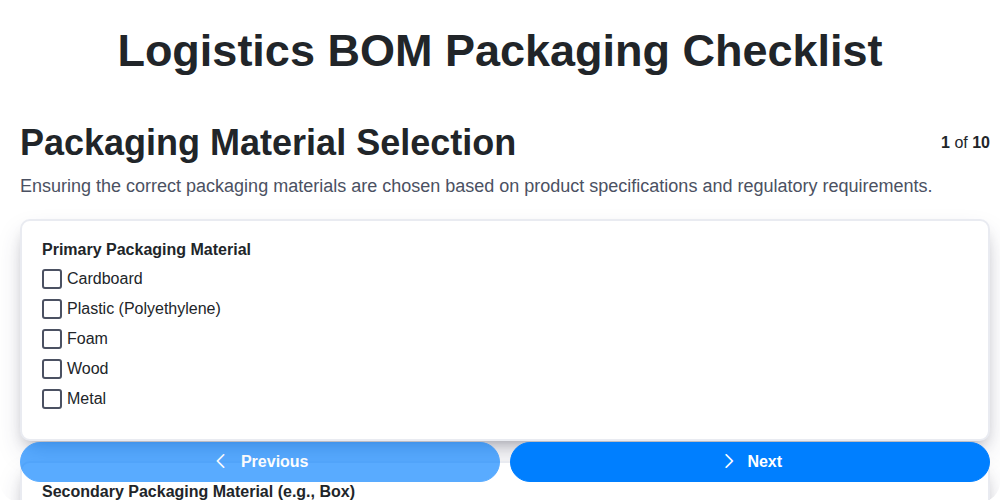
The Ultimate Logistics BOM Packaging Checklist: Ensuring Safe & Efficient Shipments
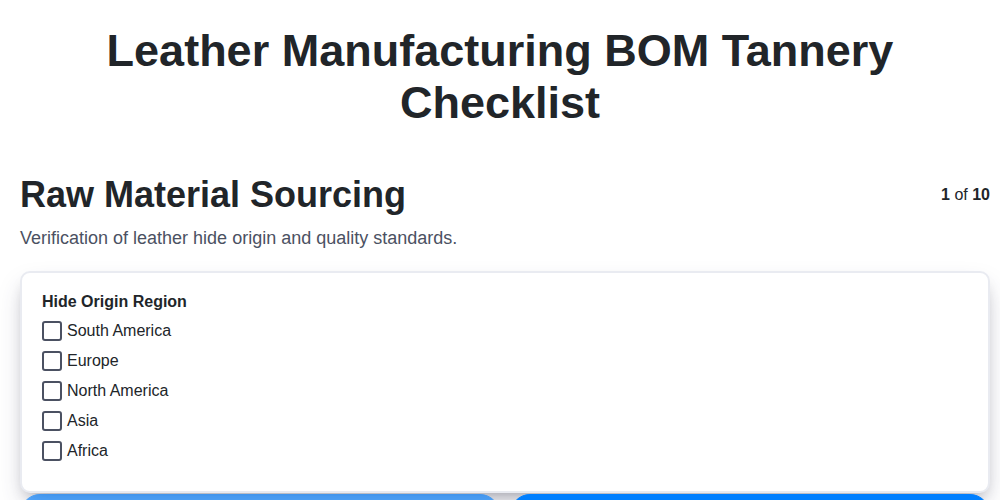
Mastering Leather Manufacturing: Your Tannery BOM & Compliance Checklist
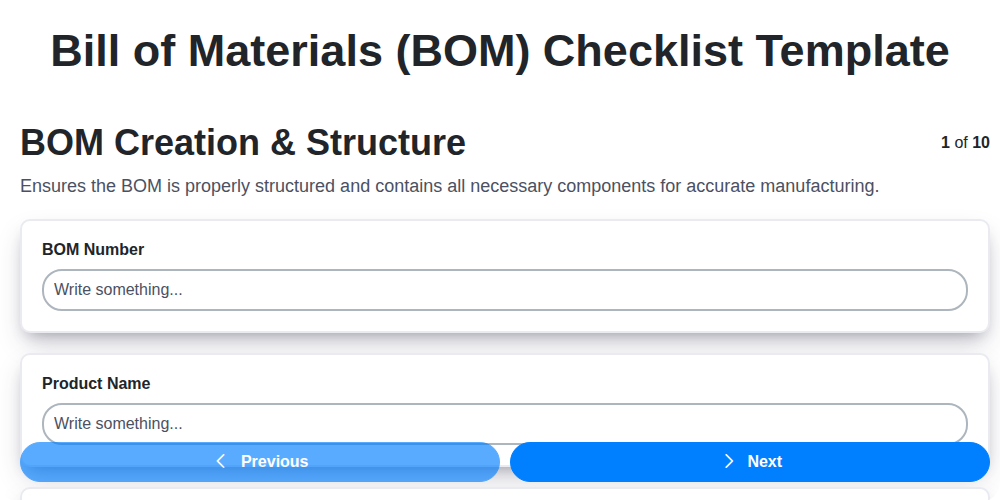
Mastering Your BOM: A Comprehensive Checklist Template for Success
Ensuring Success: Your Oil & Gas BOM Component Approval Checklist Guide
Navigating Medical Device BOM Regulatory Compliance: Your Essential Checklist
The Ultimate Retail BOM Product Definition Checklist: A Step-by-Step Guide
Ensuring Quality: Your Rubber Manufacturing Polymer BOM Checklist Guide
Decoding Origins: Your Construction Materials BOM Origin Checklist Guide
We can do it Together
Need help with
Bill of Materials (BOM) Management?
Have a question? We're here to help. Please submit your inquiry, and we'll respond promptly.