Mastering Financial Case Management: Your Essential Checklist Template
Published: 12/19/2025 Updated: 12/20/2025
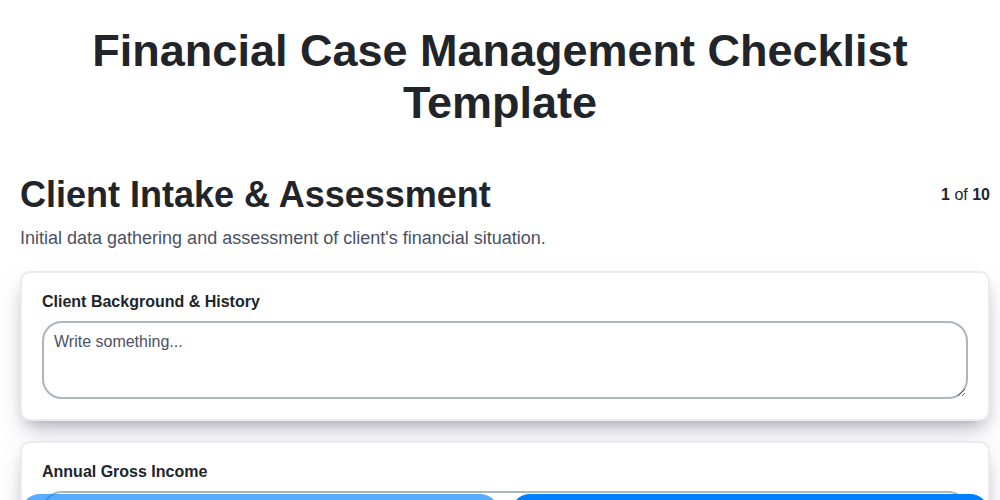
Table of Contents
- Introduction: Why a Financial Case Management Checklist is Crucial
- 1. Client Intake & Assessment: Building a Foundation
- 2. Budget Creation & Analysis: Understanding Income and Expenses
- 3. Debt Management Strategies: Prioritizing and Tackling Debt
- 4. Credit Report Review & Repair: Rebuilding Financial Health
- 5. Asset Identification & Protection: Safeguarding What You Have
- 6. Financial Education & Resources: Empowering Clients
- 7. Goal Setting & Progress Tracking: Charting a Path to Success
- 8. Documentation & Record Keeping: Maintaining Accuracy & Compliance
- 9. Regular Review & Adjustments: Staying on Course
- 10. Case Closure & Follow-Up: Ensuring Long-Term Stability
- Template Checklist Breakdown: A Step-by-Step Guide
- Best Practices for Effective Financial Case Management
- Conclusion: Your Roadmap to Financial Well-being
- Resources & Links
TLDR: Feeling overwhelmed managing financial cases? This checklist template (Client Intake to Case Closure!) breaks down the entire process, ensuring you cover everything from budget creation and debt strategies to credit repair and ongoing support. Download it to stay organized, compliant, and ultimately, help your clients achieve financial stability!
Introduction: Why a Financial Case Management Checklist is Crucial
Financial case management is a complex and often delicate process, requiring meticulous attention to detail and a structured approach. Without a clear roadmap, it's easy to overlook crucial steps, leading to missed opportunities for client progress and potential setbacks. A financial case management checklist isn't just a list of tasks; it's a framework for ensuring consistency, completeness, and accountability in every case. It helps professionals-financial counselors, social workers, case managers-stay organized, prioritize actions, and ultimately, deliver the best possible outcomes for their clients. A well-designed checklist reduces errors, streamlines workflows, and fosters trust by demonstrating a commitment to thoroughness and ethical practice. It's the foundation for effective financial empowerment and a vital tool for positive change in a client's life.
1. Client Intake & Assessment: Building a Foundation
The first and arguably most crucial step in financial case management is a thorough client intake and assessment. This isn't just about collecting data; it's about building trust and understanding the client's unique circumstances. A rushed or incomplete assessment can lead to ineffective strategies later on.
Here's what this stage involves:
- Initial Consultation: A welcoming and informative discussion to explain the case management process and answer preliminary questions.
- Comprehensive Data Gathering: This goes beyond basic demographics. We need a complete picture of their income, expenses, debts, assets, and liabilities. Secure, legally compliant methods for collecting sensitive information are paramount.
- Needs Identification: Beyond the numbers, we aim to understand the reasons behind their financial situation. Are there emotional, behavioral, or external factors contributing to their struggles?
- Goal Exploration: What are their short-term and long-term financial goals? These goals will drive the entire case management plan.
- Risk Assessment: Identifying any potential risks, such as vulnerability to scams, predatory lending, or lack of financial literacy.
- Client Consent & Agreement: Ensuring the client fully understands the services being offered, their rights, and the confidentiality agreements in place.
A solid client intake and assessment lays the groundwork for a successful and personalized financial case management journey.
2. Budget Creation & Analysis: Understanding Income and Expenses
A solid financial case management plan begins with a crystal-clear understanding of your client's financial landscape. That starts with a comprehensive budget. It's more than just a list of numbers; it's a roadmap to financial stability.
1. Income Assessment: We begin by meticulously documenting all sources of income. This includes wages, salaries, pensions, social security, investment income, alimony/child support, and any other regular revenue streams. Don't forget infrequent or irregular income - even small amounts add up!
2. Expense Categorization: Next, we break down expenses into categories. These typically include:
- Housing: Rent or mortgage payments, property taxes, insurance.
- Transportation: Car payments, gas, insurance, public transit.
- Food: Groceries, dining out.
- Utilities: Electricity, water, gas, internet, phone.
- Healthcare: Insurance premiums, co-pays, prescriptions.
- Debt Payments: Credit cards, loans, student loans.
- Personal: Clothing, entertainment, subscriptions.
- Insurance: Life, disability, other.
3. Tracking & Calculation: For at least one month (ideally three), we diligently track every expense. This can be done through budgeting apps, spreadsheets, or even a simple notebook. It's crucial to be as detailed as possible - small, recurring expenses often slip under the radar but significantly impact the overall budget.
4. Analysis & Identification of Areas for Adjustment: Once we have a clear picture of income and expenses, we analyze the data. We look for areas where spending exceeds income (a deficit) or where there's room for reduction. Are there unnecessary subscriptions? Can transportation costs be lowered? Can spending habits be adjusted?
5. Creating a Realistic Budget: The final budget should be realistic and sustainable. It shouldn't involve drastic cuts that are difficult to maintain long-term. We collaborate with the client to prioritize needs versus wants and identify small, manageable changes that will lead to significant financial improvement.
3. Debt Management Strategies: Prioritizing and Tackling Debt
Debt can feel overwhelming, but a strategic approach can make a significant difference. This section focuses on identifying, prioritizing, and actively managing your client's debts.
1. Comprehensive Debt Inventory: Begin by creating a complete list of all outstanding debts. This includes credit card balances, student loans, medical bills, personal loans, and any other liabilities. Encourage clients to gather statements and documentation for each debt.
2. Prioritization Methods: Different prioritization methods cater to different situations. Here are three common approaches:
- Avalanche Method (Highest Interest First): This focuses on paying off debts with the highest interest rates first, regardless of balance size. It minimizes long-term interest costs and often results in faster overall debt reduction. Explain the math - example: Paying off a card with 22% interest before one with 10% saves money.
- Snowball Method (Smallest Balance First): This focuses on tackling the debt with the smallest balance first, regardless of interest rate. The psychological boost of quickly eliminating a debt can be highly motivating.
- Hybrid Approach: A combination of both. Address high-interest debts initially, then move to smaller balances for motivational wins.
3. Negotiation and Communication: Encourage clients to contact creditors and explore options such as:
- Hardship Programs: Many creditors offer temporary hardship programs with reduced payments or interest rates for clients facing financial difficulties.
- Debt Consolidation: Consider consolidating debts into a single loan with a potentially lower interest rate, but carefully assess fees and overall cost.
- Debt Management Plans (DMPs): Explore DMPs through reputable credit counseling agencies. Note: Explain the implications of DMPs - potential impact on credit score.
4. Budget Integration: Ensure debt repayment is integrated into the client's budget, allocating sufficient funds while still allowing for essential expenses and savings.
5. Avoidance of New Debt: Emphasize the importance of avoiding further debt accumulation while working on repayment. Discuss strategies for managing spending and identifying triggers for overspending.
4. Credit Report Review & Repair: Rebuilding Financial Health
Your credit report is the foundation of your financial life. It impacts everything from loan approvals and interest rates to renting an apartment and even job opportunities. A negative credit report can feel overwhelming, but it's absolutely possible to review, understand, and repair it. This section of your financial case management focuses on that journey.
Here's what we'll cover:
- Obtaining Your Credit Reports: We'll help you access your credit reports from all three major credit bureaus: Equifax, Experian, and TransUnion. You're entitled to a free copy annually from AnnualCreditReport.com, and we'll guide you through the process.
- Dispute Errors: Credit reports aren't always perfect. We'll meticulously review each report for inaccuracies - outdated information, incorrect account details, or fraudulent accounts. We'll guide you on how to effectively dispute these errors with the credit bureaus, providing the necessary documentation and following up on progress.
- Understanding Negative Marks: We'll break down the meaning of common negative marks like late payments, collections, and charge-offs. We'll explain how each impacts your credit score and discuss strategies for addressing them. This might involve negotiating with creditors or exploring options like debt settlement (with appropriate caution and legal advice).
- Building Positive Credit: While addressing negative marks, we'll focus on building a positive credit history. This includes strategies like securing a secured credit card (and using it responsibly), becoming an authorized user on a responsible credit cardholder's account, and consistently paying bills on time.
- Credit Score Monitoring: We'll discuss the importance of regularly monitoring your credit score and alert you to any significant changes that might warrant further investigation.
Important Note: Credit repair is a process that takes time and dedication. We are here to guide and support you, but ultimately, you are responsible for actively participating in the process and making responsible financial decisions.
5. Asset Identification & Protection: Safeguarding What You Have
A crucial, and often overlooked, aspect of financial case management is accurately identifying and protecting your client's assets. This isn't just about knowing what they own, but understanding the potential risks and vulnerabilities associated with each asset.
What constitutes an asset? It's more than just savings accounts and property. We're talking about:
- Real Estate: Homes, land, investment properties.
- Bank Accounts: Checking, savings, money market accounts, CDs.
- Investments: Stocks, bonds, mutual funds, retirement accounts (401k, IRA, pensions), cryptocurrency.
- Personal Property: Vehicles, jewelry, collectibles, antiques.
- Life Insurance Policies: Both cash value and death benefit.
- Business Interests: Ownership stakes in companies.
- Digital Assets: Cryptocurrency wallets, online accounts (consider power of attorney needs for these!).
Protecting these assets requires a multi-faceted approach:
- Title Verification: Ensure clear ownership and resolve any title issues, especially for real estate.
- Beneficiary Designations: Review and update beneficiary designations on life insurance, retirement accounts, and other assets. Ensure they align with the client's wishes and legal documents.
- Fraud Prevention: Educate the client about common scams and identity theft tactics. Advise them on safeguarding sensitive information and monitoring credit reports.
- Insurance Coverage: Review existing insurance policies (homeowners, auto, umbrella) to ensure adequate coverage.
- Legal Planning: Coordinate with estate planning attorneys to develop appropriate legal documents like wills, trusts, and power of attorney.
- Asset Inventory: Maintaining an up-to-date asset inventory provides a clear picture of what needs to be protected and can be invaluable in case of emergencies or disputes.
Proper asset identification and protection are vital for long-term financial stability and peace of mind.
6. Financial Education & Resources: Empowering Clients
Financial literacy is the cornerstone of long-term stability. Simply managing debt isn't enough; clients need to understand the why behind the strategies. This section focuses on equipping them with the knowledge and tools to make informed financial decisions, both now and in the future.
We don't just provide solutions; we cultivate understanding. This involves identifying knowledge gaps through the initial assessment and tailoring educational resources accordingly. We cover topics like:
- Budgeting Basics: Beyond the spreadsheet, we explain the psychology of spending and how to build sustainable habits.
- Understanding Credit: Demystifying credit scores, interest rates, and the impact of borrowing.
- Saving & Investing: Introducing basic investment concepts and the importance of long-term savings.
- Debt Management Principles: Reinforcing the strategies discussed in the Debt Management Strategies section and explaining the underlying principles.
- Consumer Rights & Protections: Providing information on avoiding scams and understanding legal rights as consumers.
We provide a curated list of reliable resources, including:
- Government Websites: Links to official financial literacy websites (e.g., Consumer Financial Protection Bureau).
- Non-Profit Organizations: Referrals to local and national organizations offering financial counseling and education.
- Online Courses & Tools: Providing access to reputable online resources.
- Recommended Reading: Suggesting relevant books and articles.
Our goal is to empower clients to take control of their financial lives and feel confident in making informed decisions long after our formal case management concludes.
7. Goal Setting & Progress Tracking: Charting a Path to Success
Financial case management isn't just about identifying problems; it's about creating a roadmap to a brighter financial future. That's where goal setting and progress tracking become absolutely critical. Without clear goals and a way to measure movement toward them, your client (and you!) can easily feel lost and discouraged.
Defining SMART Financial Goals:
We encourage clients to define goals that are SMART:
- Specific: Instead of save more money, try save $500 per month.
- Measurable: How will you know you've achieved the goal? Use numbers and concrete benchmarks.
- Achievable: Set goals that are challenging but realistic, given the client's current situation.
- Relevant: Ensure the goals align with the client's overall values and priorities.
- Time-bound: Assign a deadline for each goal.
Tracking Progress Effectively:
- Regular Check-ins: Schedule brief, focused check-in meetings (weekly or bi-weekly initially) to review progress.
- Visual Aids: Utilize charts, graphs, or spreadsheets to visually represent progress - clients respond well to seeing tangible improvement.
- Celebrate Milestones: Acknowledge and celebrate even small wins. This reinforces positive behavior and motivates continued effort.
- Adjustments as Needed: Be prepared to modify goals if circumstances change or if initial targets prove unrealistic. Flexibility is key.
- Client Ownership: Empower clients to take ownership of their goals and track their progress. This fosters accountability and increases the likelihood of long-term success.
By combining clear, well-defined goals with consistent tracking and positive reinforcement, you can empower clients to achieve their financial aspirations and build a foundation for lasting stability.
8. Documentation & Record Keeping: Maintaining Accuracy & Compliance
Financial case management demands meticulous documentation. It's not just about having a record of what happened; it's about creating a comprehensive, organized, and legally defensible trail of actions and decisions. This is vital for compliance with regulations (like HIPAA if applicable), provides clarity for both you and the client, and protects you from potential liabilities.
Here's what to prioritize:
- Client Consent Forms: Keep all signed consent forms readily accessible - these are crucial for demonstrating client authorization for accessing information and implementing strategies.
- Intake Information: Maintain detailed records of the initial client assessment, including financial history, goals, and any stated vulnerabilities.
- Budget & Financial Plan Records: Document every iteration of the client's budget, including initial creation, revisions, and the rationale behind changes. Include supporting documentation like income statements, expense breakdowns, and debt schedules.
- Communication Logs: Record all significant conversations - phone calls, emails, meetings - including dates, participants, and key takeaways.
- Credit Report & Repair Correspondence: Keep copies of all credit reports, dispute letters sent, and responses received.
- Asset Identification & Protection Records: Document all identified assets, valuation methods, and any actions taken to protect them (e.g., beneficiary designations, estate planning documents).
- Educational Materials Provided: Track the resources and financial education materials given to the client, ensuring they're aware of their availability.
- Progress Notes: Regularly document progress toward goals, challenges encountered, and any adjustments made to the financial plan.
- Secure Storage: Store all documentation securely, both digitally and (if necessary) in physical format, following established protocols for data protection and confidentiality. Consider encrypted storage and access controls.
Regularly review your documentation processes to ensure accuracy, completeness, and compliance with relevant regulations.
9. Regular Review & Adjustments: Staying on Course
Financial recovery isn't a "set it and forget it" process. Life throws curveballs, and circumstances change. That's why consistent review and adjustments are vital for successful financial case management.
We recommend scheduling regular review periods - ideally quarterly, but at least annually - to reassess the client's situation. This isn't just about checking numbers; it's about evaluating the effectiveness of the strategies in place.
Here are some key areas to examine during a review:
- Budget Performance: Is the budget being followed? Are there unexpected expenses or income fluctuations? Adjust spending categories or income projections as needed.
- Debt Management: Are debt repayment plans on track? Have interest rates or balances changed? Explore alternative strategies if necessary.
- Credit Report Progress: Has the credit score improved as anticipated? Address any lingering errors or negative items.
- Goal Alignment: Do the client's financial goals still resonate with their current situation and priorities?
- External Factors: Consider external influences like changes in employment, family circumstances, or economic conditions.
Be prepared to pivot. A strategy that worked well initially might become less effective over time. Open communication with the client is crucial. They should actively participate in the review process, voicing concerns and providing updates. Documentation of all adjustments made during these reviews is essential for transparency and continuity.
10. Case Closure & Follow-Up: Ensuring Long-Term Stability
Closing a financial case management isn't simply about marking a file as "complete." It's about setting the client up for sustained success and ensuring they maintain the financial footing established during their engagement. A robust follow-up process is crucial for preventing relapse and reinforcing positive habits.
Here's what a comprehensive case closure & follow-up process includes:
- Final Review Meeting: A final meeting is essential to recap progress, address any lingering concerns, and solidify understanding of implemented strategies. This is a chance to celebrate achievements and acknowledge challenges overcome.
- Transition Plan: Outline a clear transition plan, including ongoing responsibilities the client needs to manage. This might involve continued budgeting, debt payments, or credit monitoring. Provide a written summary of this plan.
- Resource Recap: Provide a final package of resources - a consolidated list of websites, contact information for support organizations, and any relevant documents discussed throughout the case.
- Check-in Schedule (Optional): Depending on the client's needs and comfort level, a brief check-in schedule (e.g., 30-day, 90-day, 6-month) can provide ongoing support and accountability. These check-ins should be brief and focused on reinforcing positive habits, not re-managing their finances.
- Feedback & Evaluation: Gather feedback from the client about their experience with the case management process. This feedback helps improve services and tailor future strategies.
- File Archiving: Properly archive the client's file, ensuring confidentiality and adhering to all legal and ethical guidelines. Maintain accessibility for future reference (if needed and legally permissible).
Ultimately, the goal is to empower the client to confidently navigate their financial future, knowing they have the tools and knowledge to maintain stability and achieve their goals long after the formal case management ends.
Template Checklist Breakdown: A Step-by-Step Guide
Our Financial Case Management Checklist Template isn't just a list; it's a roadmap to financial recovery and empowerment. Here's a detailed look at each stage, outlining what it entails and why it's crucial for successful case management:
1. Client Intake & Assessment: This is the foundation. We gather comprehensive details about the client's financial situation, including income, expenses, debts, assets, and goals. This includes in-depth interviews, questionnaires, and initial document collection. Key Focus: Building rapport and establishing a clear understanding of the client's unique challenges.
2. Budget Creation & Analysis: We collaborate with the client to build a realistic budget based on their income and expenses. This includes identifying areas for potential savings and prioritizing essential needs. We then analyze the budget to pinpoint financial imbalances. Key Focus: Identifying spending patterns and uncovering potential opportunities for optimization.
3. Debt Management Strategies: This section explores various debt management options, like debt consolidation, negotiation with creditors, and exploring potential hardship programs. We work with the client to develop a strategy tailored to their situation. Key Focus: Prioritizing debts, understanding interest rates, and establishing a repayment plan.
4. Credit Report Review & Repair: A thorough review of the client's credit report is essential. We identify errors, inaccuracies, and areas for potential repair. We then guide the client through the dispute process and educate them on responsible credit habits. Key Focus: Understanding credit scores, identifying inaccuracies, and establishing healthy credit behavior.
5. Asset Identification & Protection: We help the client identify and document all assets, including bank accounts, property, investments, and vehicles. We also discuss strategies for protecting these assets from creditors or potential risks. Key Focus: Creating a complete picture of the client's net worth and ensuring asset safety.
6. Financial Education & Resources: Empowerment comes from knowledge. We provide clients with accessible financial education resources, covering topics like budgeting, saving, investing, and responsible borrowing. Key Focus: Building long-term financial literacy and promoting informed decision-making.
7. Goal Setting & Progress Tracking: We collaboratively set realistic, achievable financial goals with the client - whether it's paying off a specific debt, building an emergency fund, or saving for a down payment. Regular progress tracking keeps them motivated and accountable. Key Focus: Defining success, celebrating milestones, and maintaining momentum.
8. Documentation & Record Keeping: Meticulous record-keeping is vital. This section outlines the necessary documentation, including income statements, expense records, debt agreements, and communication logs. It ensures transparency and supports informed decisions. Key Focus: Maintaining a clear audit trail and protecting the client's interests.
9. Regular Review & Adjustments: Financial situations evolve. The checklist emphasizes regular reviews of the budget, debt management plan, and progress towards goals. Adjustments are made as needed to ensure the plan remains effective. Key Focus: Adaptability, responsiveness to change, and ensuring continued progress.
10. Case Closure & Follow-Up: Once the client has achieved their financial goals or is demonstrably on a path to stability, the case is formally closed. A follow-up period is included to provide ongoing support and reinforce learned behaviors. Key Focus: Ensuring sustainable change and providing a safety net for continued success.
Best Practices for Effective Financial Case Management
Financial case management isn't just about ticking boxes; it's about empowering clients to achieve lasting financial stability. Here's how to elevate your practice and ensure impactful results:
Client-Centered Approach: Remember that each client's situation is unique. Avoid a one-size-fits-all mentality. Listen attentively to their concerns, values, and goals. Tailor your strategies and recommendations accordingly.
Collaboration is Key: Actively involve the client in every step of the process. Explain your reasoning, discuss options, and solicit their input. This fosters buy-in and promotes ownership of their financial journey.
Transparency and Clear Communication: Avoid jargon and complex terminology. Explain financial concepts clearly and concisely. Regularly communicate progress, challenges, and any necessary adjustments to the plan.
Proactive Problem Solving: Anticipate potential roadblocks and develop contingency plans. Be prepared to adapt strategies based on changing circumstances, such as job loss or unexpected expenses.
Focus on Empowerment, Not Just Solutions: The goal isn't just to fix immediate financial problems, but to equip clients with the knowledge and skills to maintain stability long-term. Reinforce positive habits and celebrate milestones.
Ethical Considerations: Maintain strict confidentiality and adhere to all relevant ethical guidelines. Always act in the client's best interest and disclose any potential conflicts of interest.
Leverage Technology (Judiciously): While technology can streamline processes, don't let it overshadow the human element. Ensure clients understand how to use any digital tools and maintain a personal touch.
Continuous Learning: Stay updated on financial regulations, best practices, and emerging technologies. This ensures you're providing the most current and effective support.
Conclusion: Your Roadmap to Financial Well-being
Navigating financial challenges can feel overwhelming, but remember you don't have to do it alone - and you don't have to do it blindly. The Financial Case Management Checklist Template outlined in this article is more than just a list; it's a structured roadmap to regain control of your finances and build a secure future.
By systematically working through each step - from the initial client intake and assessment to asset protection and ultimately, case closure - you're establishing a framework for sustainable financial health. This isn't about quick fixes; it's about developing healthy financial habits and building resilience.
Consistency is key. Regular review and adjustments are vital to ensure your plan remains relevant and effective as your circumstances evolve. Don't be afraid to seek professional guidance along the way. A financial advisor or case manager can provide personalized support and expertise to help you stay on track.
Ultimately, financial well-being is about peace of mind. By embracing this checklist and diligently implementing its steps, you're investing in a brighter, more secure future for yourself and your family. Start today and take the first step towards financial freedom!
Resources & Links
- Federal Trade Commission (FTC): Provides consumer information, complaint assistance, and resources on fraud prevention and financial scams.
- Consumer Financial Protection Bureau (CFPB): Offers educational materials, tools, and research on a wide range of financial topics, including budgeting, debt management, and credit reporting.
- Debt.org: A non-profit organization providing debt management information, resources, and tools for consumers.
- National Foundation for Credit Counseling (NFCC): A network of non-profit credit counseling agencies providing counseling, debt management plans, and financial education.
- Experian: One of the three major credit bureaus; provides access to credit reports and scores.
- Equifax: Another of the three major credit bureaus; provides access to credit reports and scores.
- TransUnion: The third of the three major credit bureaus; provides access to credit reports and scores.
- Investopedia: A comprehensive website with definitions, articles, and tutorials on investing and personal finance.
- NerdWallet: Provides articles, comparisons, and calculators for financial products like credit cards, loans, and insurance.
- myFICO: Provides access to FICO credit scores and provides information on how credit scores are calculated and used.
- AnnualCreditReport.com: The official website to obtain free credit reports from each of the three major credit bureaus.
- Internal Revenue Service (IRS): Provides information on taxes and financial regulations.
- USA.gov: Portal to U.S. government information and services, including financial assistance programs.
- Benefits.gov: Helps individuals find government benefits and assistance programs.
- Securities and Exchange Commission (SEC): Provides investor education and information on securities regulations.
Frequently Asked Questions
Is there a section for legal considerations or disclosures?
While not explicitly included, it is strongly recommended to include a section for recording any legal disclaimers, consent forms, and disclosures required by your organization or jurisdiction.
Comments
There are no comments yet. Be the first to add one!
Case Management Solution Demo
Streamline your casework & improve outcomes! ChecklistGuro centralizes case details, tasks, & communication. Enhance efficiency, ensure compliance, & deliver exceptional service. Manage it all with our Work OS.
Related Articles
Streamline Your Deals: The Ultimate Real Estate Case Management Checklist Template
Streamline Your Debt Collection: A Case Management Checklist Template
Cybersecurity Incident Response: Your Checklist Template for Success
Streamline Your Case Management: The Ultimate Checklist Template
Mastering IP: Your Intellectual Property Case Management Checklist Template
HR Case Management Checklist Template: Your Guide to Fair & Compliant Investigations
Streamlining Veteran Care: Your Comprehensive Case Management Checklist Template
Mastering Investigations: Your Case Management Checklist Template Guide
We can do it Together
Need help with
Case Management?
Have a question? We're here to help. Please submit your inquiry, and we'll respond promptly.