Streamline Your Case Management: A Healthcare Checklist Template for Success
Published: 12/20/2025 Updated: 12/21/2025
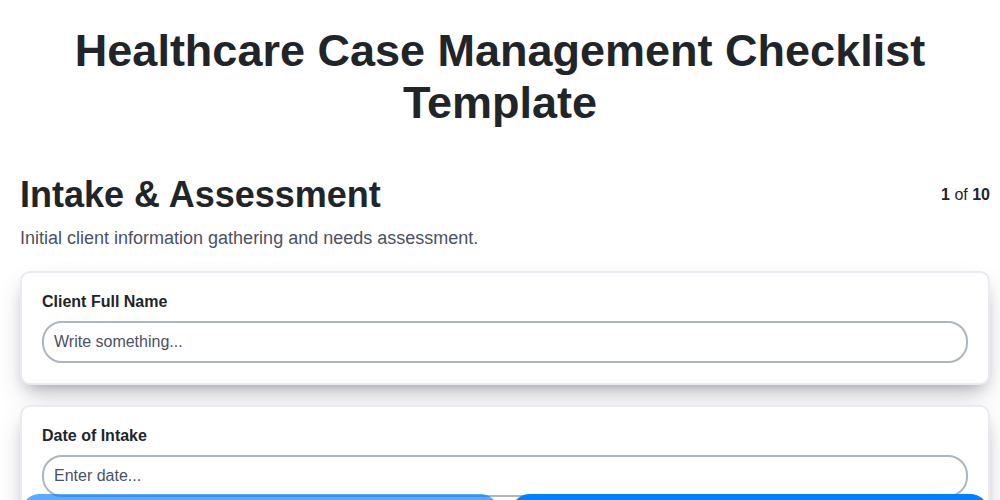
Table of Contents
- Introduction: The Power of Case Management Checklists
- Why Use a Healthcare Case Management Checklist? Benefits and Efficiency
- Understanding the Core Components of Case Management
- Checklist Section 1: Intake & Assessment - Building a Foundation
- Checklist Section 1.1: Initial Contact & Information Gathering
- Checklist Section 2: Care Plan Development - Tailoring the Approach
- Checklist Section 3: Service Coordination - Connecting the Dots
- Checklist Section 3.1: Resource Identification & Referral
- Checklist Section 4: Progress Monitoring & Evaluation - Staying on Track
- Checklist Section 5: Communication & Collaboration - A Team Effort
- Checklist Section 6: Documentation & Record Keeping - Maintaining Accuracy
- Checklist Section 7: Crisis Intervention & Support - Readiness and Response
- Checklist Section 8: Discharge Planning & Transition - A Seamless Handover
- Conclusion: Implementing Your Healthcare Case Management Checklist
- Resources & Links
TLDR: Feeling overwhelmed by healthcare case management? This checklist template breaks down the entire process (intake, care plans, coordination, monitoring, and more!) into manageable steps. Use it to stay organized, ensure quality care, and avoid costly errors - a must-have for case managers!
Introduction: The Power of Case Management Checklists
Healthcare case management is a complex and demanding field, requiring meticulous attention to detail and adherence to a multitude of processes. A single missed step can have significant repercussions for patient outcomes, compliance, and overall program effectiveness. That's where checklists become invaluable. This isn't about rigid adherence; it's about providing a framework for comprehensive care. A well-designed case management checklist acts as a reliable guide, ensuring that each client receives consistent, high-quality support across all critical areas. It minimizes the risk of overlooking crucial tasks, promotes accountability among case managers, and ultimately, leads to better patient experiences and improved health outcomes. Think of it as a safety net, a constant reminder of the vital steps involved in navigating the intricacies of healthcare case management.
Why Use a Healthcare Case Management Checklist? Benefits and Efficiency
Healthcare case management is a complex and demanding role. Juggling multiple clients, navigating intricate healthcare systems, and ensuring comprehensive support requires meticulous organization and attention to detail. That's where a healthcare case management checklist template becomes invaluable.
Beyond simply ticking boxes, a well-structured checklist fosters a more consistent and effective approach to care. Here's a breakdown of the key benefits:
- Enhanced Consistency & Quality of Care: A checklist ensures every client receives a standardized level of assessment and support, minimizing the risk of oversights and promoting equitable care.
- Increased Efficiency & Time Savings: By providing a clear roadmap for each case, checklists reduce the time spent rediscovering necessary steps and allow case managers to focus on client interaction and problem-solving.
- Reduced Risk of Errors & Legal Liability: A systematic approach minimizes the potential for errors, omissions, and compliance issues, safeguarding both the client and the organization.
- Improved Accountability: Checklists provide a clear audit trail, demonstrating the steps taken in each case and enhancing accountability.
- Better Team Coordination: Shared checklists ensure all team members are on the same page, facilitating smoother handoffs and collaboration.
- Training & Onboarding Support: New case managers can leverage checklists as a guide during their onboarding process, ensuring they understand the key steps and expectations.
Essentially, a checklist isn's about rigid adherence, but about providing a framework that supports quality care, reduces errors, and ultimately, empowers case managers to deliver the best possible outcomes for their clients.
Understanding the Core Components of Case Management
Healthcare case management is a complex process designed to navigate patients through the often-confusing healthcare system. It's far more than just scheduling appointments; it's a structured approach ensuring individuals receive the right care, at the right time, and in the most cost-effective manner. This intricate process breaks down into several key components, each crucial for successful patient outcomes. Let's explore these core elements in more detail:
Intake & Assessment: This initial phase involves gathering comprehensive information about the patient's medical history, social determinants of health, functional abilities, and goals. A thorough assessment identifies immediate needs and potential barriers to care.
Care Plan Development: Based on the assessment, a personalized care plan is created in collaboration with the patient (and their family, when appropriate). This plan outlines specific goals, interventions, and timelines.
Service Coordination: This vital component involves connecting the patient with necessary resources and services, such as medical providers, therapists, community support groups, and transportation. The case manager acts as a central point of contact, ensuring smooth transitions between providers.
Progress Monitoring & Evaluation: Regular monitoring of the patient's progress towards their goals is essential. The case manager evaluates the effectiveness of interventions and makes adjustments to the care plan as needed.
Communication & Collaboration: Open and consistent communication is paramount. The case manager facilitates communication between the patient, family, healthcare providers, and other relevant parties.
Documentation & Record Keeping: Accurate and detailed documentation is critical for tracking progress, ensuring continuity of care, and meeting regulatory requirements.
Crisis Intervention & Support: Case managers are prepared to provide immediate support and intervention during times of crisis, connecting patients with appropriate resources and ensuring their safety.
Discharge Planning & Transition: As patients move towards stability or discharge from a program, the case manager facilitates a smooth transition, ensuring they have the support and resources needed to maintain their health and well-being.
Regulatory Compliance: Adherence to all applicable regulations and guidelines is a crucial aspect of case management, ensuring ethical and legally sound practices.
Financial Management: Understanding and navigating financial resources, including insurance coverage, assistance programs, and cost-effective care options, is often a key element of holistic support.
Checklist Section 1: Intake & Assessment - Building a Foundation
This initial stage is critical for understanding the client's needs and establishing a solid base for successful case management. A thorough intake and assessment ensures we're building a care plan tailored to their unique circumstances. Here's what to cover:
- Verify Client Identity & Consent: Confirm identification and obtain informed consent for services.
- Gather Demographic & Contact Information: Collect necessary details for communication and record keeping.
- Medical History Review: Obtain and review relevant medical records, including diagnoses, medications, allergies, and previous treatments.
- Functional Assessment: Evaluate the client's ability to perform Activities of Daily Living (ADLs) and Instrumental Activities of Daily Living (IADLs).
- Psychosocial Assessment: Explore the client's social support system, emotional well-being, coping mechanisms, and any potential contributing factors to their current situation.
- Financial Assessment: Determine the client's income, expenses, and available resources.
- Risk Assessment: Identify and assess potential risks, including safety concerns (suicidal ideation, abuse, neglect), environmental hazards, and potential for readmission.
- Client Goals & Priorities: Actively involve the client in identifying their goals and priorities for case management.
- Document Assessment Findings: Thoroughly document all assessment findings, observations, and client input in the client record.
- Initial Hypothesis & Preliminary Plan: Based on the assessment, formulate an initial hypothesis about the client's needs and a preliminary plan for addressing them.
Checklist Section 1.1: Initial Contact & Information Gathering
This crucial first step sets the foundation for successful case management. Thorough information gathering ensures we understand the client's needs and circumstances accurately.
- Verify Client Identity: Confirm name, date of birth, and preferred contact information.
- Explain Case Management Role & Process: Clearly outline the services offered and the client's role in the process. Obtain informed consent.
- Initial Needs Assessment: Conduct a preliminary assessment to identify immediate concerns and priorities.
- Gather Background Information: Collect relevant medical history, social history, and any pertinent legal or financial information (with client consent).
- Identify Support System: Determine existing family, friends, or community resources the client relies upon.
- Assess Current Living Situation: Evaluate safety, stability, and appropriateness of the client's housing.
- Identify Immediate Risks: Screen for safety concerns, including suicide risk, domestic violence, and substance abuse.
- Document Initial Impressions & Observations: Record details about the client's presentation and demeanor.
- Schedule Follow-Up Assessment: Establish a timeframe for a more comprehensive assessment.
- Confirm Client Understanding: Ensure the client comprehends the next steps and feels comfortable moving forward.
Checklist Section 2: Care Plan Development - Tailoring the Approach
A robust care plan is the cornerstone of effective case management. This isn't a one-size-fits-all solution; it demands personalization based on the client's unique needs, goals, and preferences. This checklist ensures a thorough and client-centered approach:
- [ ] Client Goal Alignment: Confirm goals directly reflect the client's stated desires and aspirations. Are they SMART (Specific, Measurable, Achievable, Relevant, Time-bound)?
- [ ] Functional Assessment Review: Revisit the functional assessment data - physical, cognitive, emotional, and social - to inform care plan objectives.
- [ ] Risk Identification: Identify and document potential risks impacting the client's well-being (e.g., medication interactions, falls, financial exploitation).
- [ ] Prioritization of Needs: Clearly prioritize needs based on urgency, impact, and client preference.
- [ ] Goal Setting with Client Participation: Actively involve the client in the goal-setting process, explaining rationale and expected outcomes.
- [ ] Short-Term vs. Long-Term Goals: Differentiate between short-term, achievable goals and longer-term aspirations, linking them appropriately.
- [ ] Service Selection: Identify specific services and supports needed to achieve each goal, considering client preferences and resource availability.
- [ ] Family/Caregiver Involvement (with consent): Determine the level and type of family or caregiver involvement, securing necessary consents.
- [ ] Realistic Expectations: Establish realistic expectations regarding timelines and potential challenges.
- [ ] Plan Review & Agreement: Obtain documented agreement from the client (and relevant family/caregivers) regarding the care plan.
- [ ] Cultural Sensitivity: Ensure the care plan reflects the client's cultural beliefs and practices.
- [ ] Accessibility Considerations: Address any accessibility needs for the client to participate effectively in the care plan.
Checklist Section 3: Service Coordination - Connecting the Dots
Effective case management hinges on seamless service coordination. This section of the checklist ensures the client isn't just receiving services, but that those services are working together to achieve their goals.
Here's what we're checking:
- Referral Management: Are referrals to specialists, therapists, support groups, or other resources being made promptly and accurately? Is follow-up conducted to confirm appointments and ensure the client is engaged?
- Provider Communication: Do we have a system for consistent communication between different providers involved in the client's care? This includes sharing relevant information (with appropriate consents) to avoid duplication of effort and ensure a holistic approach.
- Appointment Scheduling & Reminders: Are appointments scheduled appropriately and are reminders provided to reduce missed appointments? Consider utilizing technology and offering flexible scheduling options.
- Transportation Assistance: Is transportation to appointments being addressed? Explore options like volunteer transportation, public transportation assistance, or other creative solutions.
- Advocacy for Services: Are we advocating on the client's behalf to secure necessary services, particularly when facing bureaucratic hurdles or limitations?
- Service Integration: Are services being integrated to avoid fragmentation and ensure a cohesive care pathway? This means understanding how different interventions complement each other.
- Client Involvement: Is the client actively involved in the service coordination process, understanding their options and contributing to decisions?
This checklist item is vital for ensuring a client's journey is streamlined and doesn't feel like navigating a maze.
Checklist Section 3.1: Resource Identification & Referral
A crucial element of effective case management is connecting clients with the right resources. This checklist ensures thorough resource identification and appropriate referrals.
- [ ] Needs Assessment Review: Re-examine the client's initial and ongoing assessment to pinpoint specific resource requirements (e.g., housing, transportation, medical specialists, legal aid, support groups).
- [ ] Local Resource Database Search: Utilize the agency's established database of community resources. Update the database if necessary based on client needs.
- [ ] Explore Specialized Services: Investigate specialized services (e.g., substance abuse treatment, mental health counseling, developmental disability supports) based on client's unique circumstances.
- [ ] Verify Resource Eligibility: Confirm client eligibility criteria for each potential resource.
- [ ] Assess Resource Availability: Check availability and wait times for identified resources.
- [ ] Client Preferences Considered: Discuss resource options with the client, respecting their preferences and empowering them in the decision-making process.
- [ ] Referral Coordination: Facilitate the referral process, including completing necessary paperwork and communicating with the resource provider.
- [ ] Transportation Assistance: Identify and arrange transportation to appointments, if needed.
- [ ] Follow-Up with Client: Check in with the client after the referral to ensure they connected with the resource and are receiving the services they need.
- [ ] Referral Documentation: Record all referral activities in the client's case file, including resource name, contact information, referral date, and follow-up actions.
Checklist Section 4: Progress Monitoring & Evaluation - Staying on Track
Consistent monitoring and evaluation are vital to ensuring the case management plan remains effective and aligns with the client's evolving needs. This section of the checklist focuses on the ongoing assessment of progress and making necessary adjustments.
Here's what to include:
- Regular Check-in Frequency: Define and adhere to a schedule for regular check-ins with the client (e.g., weekly, bi-weekly, monthly). Document the frequency and rationale.
- Goal Review: At each check-in, review previously established goals. Are they still relevant and measurable? Modify as needed based on client input and observed progress.
- Objective Data Collection: Gather objective data to support progress assessments. This could include lab results, attendance records, therapy session notes, or other quantifiable metrics.
- Client Self-Assessment: Incorporate the client's perspective on their progress. Use validated self-assessment tools or simply engage in open-ended conversations about their feelings and observations.
- Service Provider Feedback: Obtain input from other professionals involved in the client's care (therapists, doctors, social workers) to gain a broader understanding of progress.
- Progress Documentation: Clearly document the progress made (or lack thereof) towards goals, the rationale for any modifications, and the date of the evaluation.
- Plan Adjustments: Based on evaluations, adjust the care plan as necessary. This may involve changing service providers, adjusting medication, or modifying therapeutic interventions. Record the reasoning behind these changes.
- Client Acknowledgement: Ensure the client understands and acknowledges any changes made to the care plan. Obtain their consent, where applicable.
- Data Analysis & Reporting: Periodically analyze collected data to identify trends and patterns. This information can be used to improve case management practices and demonstrate outcomes.
Checklist Section 5: Communication & Collaboration - A Team Effort
Effective case management hinges on seamless communication and collaboration. This section of the checklist focuses on ensuring everyone involved in the patient's care is informed and working towards shared goals. Here's a breakdown of what to verify:
- Regular Team Meetings: Are regular meetings scheduled with the care team (including the patient, family members, physicians, therapists, and other relevant providers)? Document frequency and attendees.
- Clear Communication Channels: Are preferred communication methods (phone, email, secure messaging) established and utilized by all team members? Ensure everyone understands these channels.
- Information Sharing Protocols: Are protocols in place to share critical updates and changes in the patient's condition or care plan? This includes updates on appointments, medications, and potential risks.
- Family/Caregiver Involvement: Are family members or caregivers appropriately involved in communication, with the patient's consent? Document their role and preferred communication methods.
- Patient-Centered Communication: Are communication strategies tailored to the patient's individual needs and preferences (language, cultural background, understanding level)?
- Feedback Mechanisms: Are there opportunities for team members and the patient to provide feedback on communication effectiveness? Document and address concerns.
- Confidentiality Adherence: Is all communication strictly adhering to HIPAA guidelines and patient confidentiality protocols?
- Interdisciplinary Collaboration: Is there evidence of effective collaboration between different disciplines involved in the patient's care, addressing each professional's expertise and recommendations?
Checklist Section 6: Documentation & Record Keeping - Maintaining Accuracy
Accurate and thorough documentation is the backbone of effective case management. It protects both the client and the case manager, demonstrates accountability, and ensures continuity of care. This section focuses on maintaining precision and completeness in all records.
Here's a checklist to ensure robust documentation practices:
- Client Information Verification: Confirm accuracy of demographic data (name, DOB, contact information, insurance details) upon intake and periodically throughout the case.
- Assessment Records: Complete, dated, and signed documentation of initial assessments, including functional, psychosocial, and medical evaluations.
- Care Plan Documentation: Clearly record the development of the care plan, including client goals, interventions, and assigned responsibilities. Document client involvement in the plan's creation.
- Service Records: Detailed records of all services provided, including date, time, duration, and the provider's name. Describe the intervention and its impact on the client's progress.
- Communication Logs: Document all relevant communications with the client, family members, healthcare providers, and other stakeholders. Note the content, date, and participants.
- Meeting Minutes: Capture key decisions, action items, and progress made during case conferences or meetings.
- Incident Reports: Promptly and accurately document any incidents or unusual occurrences, following established protocols.
- Signature & Authentication: Ensure all entries are properly signed and dated, adhering to organizational and regulatory requirements for electronic signatures or authentication.
- Confidentiality Adherence: Strictly follow HIPAA and organizational policies regarding confidentiality and access to client records.
- Record Retention: Maintain records according to established retention schedules, securely archiving or destroying them when appropriate.
- Regular Review: Periodically review documentation to ensure accuracy, completeness, and compliance with standards.
Checklist Section 7: Crisis Intervention & Support - Readiness and Response
Case management often involves navigating incredibly challenging situations. A proactive and well-defined crisis intervention and support plan is essential to ensure client safety and stability. This checklist section focuses on preparedness and immediate response capabilities.
☐ Risk Assessment & Identification: Regularly conduct comprehensive risk assessments, identifying potential triggers and vulnerabilities (e.g., substance abuse, suicidal ideation, domestic violence). Document assessment findings and update as needed.
☐ Emergency Contact Information: Maintain readily accessible emergency contact information for the client, family, and relevant support systems (e.g., crisis hotline, mental health professionals, law enforcement). Verify information is current.
☐ Crisis Protocol Development: Establish a clear and written crisis protocol outlining steps to be taken in response to various crisis scenarios. Include escalation procedures and designated personnel responsible for each action.
☐ Staff Training: Ensure all case managers receive comprehensive training in crisis intervention techniques, de-escalation strategies, and mental health first aid. Document training completion.
☐ Safety Planning: Collaboratively develop safety plans with clients, outlining coping mechanisms, supportive contacts, and safe havens to utilize during times of crisis. Review and update plans regularly.
☐ Immediate Response Procedures: Define clear procedures for immediate response, including assessment of immediate safety, securing a safe environment, and contacting emergency services when necessary.
☐ Post-Crisis Support: Outline plans for post-crisis support, including debriefing, ongoing therapy, and connection to relevant resources.
☐ Incident Reporting: Establish a robust incident reporting system to document crisis events, interventions, and outcomes. This data is vital for program improvement and accountability.
☐ Resource Mapping: Maintain an updated list of local crisis resources, including mental health clinics, shelters, and support groups.
Checklist Section 8: Discharge Planning & Transition - A Seamless Handover
Discharge planning isn't just an endpoint; it's a vital bridge ensuring a patient's continued well-being and preventing readmissions. A well-executed transition plan fosters confidence and reduces anxiety for both the patient and their family. This checklist section focuses on ensuring a smooth and successful handover of care.
Checklist Items:
- Early Initiation: Discharge planning begins at intake or as soon as a potential discharge is anticipated.
- Patient & Family Involvement: Actively engage the patient and their family in the planning process, addressing concerns and preferences.
- Needs Assessment: Identify post-discharge needs - housing, transportation, medical appointments, medication management, assistive devices, social support.
- Referral Coordination: Arrange referrals to necessary services: home health, skilled nursing facilities, community resources, outpatient clinics, specialists.
- Medication Reconciliation: Review all medications, ensure patient understands dosage and purpose, address any concerns, and provide a clear medication list.
- Appointment Scheduling: Schedule follow-up appointments with primary care providers and specialists.
- Education & Training: Provide patient and caregiver with clear instructions on managing their health condition, including diet, exercise, and potential complications.
- Equipment & Supplies: Ensure necessary equipment (walkers, oxygen, etc.) and supplies are ordered and available.
- Emergency Contact Information: Provide a list of emergency contacts and resources.
- Transition of Care Documentation: Document the discharge plan comprehensively, including contact information, referral details, and patient understanding.
- Communication with Receiving Provider: Facilitate communication with the receiving provider (e.g., primary care physician, home health agency) to share relevant patient information.
- Post-Discharge Follow-Up: Schedule a post-discharge phone call or visit to assess patient's progress and address any issues.
Conclusion: Implementing Your Healthcare Case Management Checklist
Implementing a robust healthcare case management checklist isn't just about ticking boxes; it's about elevating the quality of care and ensuring positive outcomes for your clients. As you've seen, a comprehensive checklist, encompassing areas like intake, care planning, coordination, and discharge, provides a vital framework for consistent and effective case management.
Remember, this checklist isn't a rigid script. It's a living document that should be reviewed and adapted regularly. Consider incorporating feedback from your team, clients (where appropriate), and supervisors to refine it and ensure it continues to meet evolving needs and best practices. Automation and digital versions can further streamline the process, reducing errors and saving valuable time. Ultimately, your commitment to utilizing and improving this checklist will be instrumental in providing compassionate, client-centered, and legally compliant care. Embrace the checklist - it's your partner in delivering exceptional healthcare case management.
Resources & Links
- Centers for Medicare & Medicaid Services (CMS): Provides regulations, guidelines, and resources related to healthcare case management, particularly for Medicare and Medicaid beneficiaries. Essential for regulatory compliance.
- American Health Information Management Association (AHIMA): Offers resources and best practices for health information management, documentation, and record keeping, crucial for accurate case management records.
- National Association of Social Workers (NASW): Provides ethical guidelines, professional development, and advocacy for social workers, many of whom are involved in healthcare case management. Offers insight into ethical considerations.
- Case Management Society of America (CMSA): Dedicated to advancing the case management profession. Offers certification, education, and networking opportunities. Provides insights into best practices and standards.
- U.S. Department of Health & Human Services (HHS): Provides a broad range of information and resources related to healthcare and social services, including case management programs and initiatives.
- Medicaid.gov: Provides information on Medicaid eligibility, benefits, and services, which often includes case management support for vulnerable populations.
- The Patient Advocate Foundation: Provides resources and support to patients navigating healthcare challenges, often assisting with case management and appeals.
- National Council on Aging (NCOA): Focuses on aging-related resources and support, which may include case management services for older adults. Relevant for case management involving geriatric populations.
- Administration for Community Living (ACL): Administers programs that support older adults and people with disabilities, often involving case management and community-based services. Useful for identifying referral resources.
- ICD-10 Data: Provides information on ICD-10 coding, which is essential for accurate documentation and billing in healthcare case management.
Frequently Asked Questions
What is case management in healthcare, and why is it important?
Case management in healthcare is a collaborative process that coordinates care for patients with complex medical, social, and/or behavioral health needs. It's crucial for improving patient outcomes, reducing costs, and enhancing care coordination, especially for individuals with multiple conditions or those needing specialized support.
Why should I use a checklist template for case management?
A checklist template provides a structured approach to case management, ensuring consistent and thorough assessment, planning, implementation, and evaluation. It reduces the risk of overlooking critical steps, improves efficiency, and promotes standardization of care across your team.
What kind of information will I find in this healthcare case management checklist template?
The template includes sections for patient assessment (medical history, social determinants of health), care planning (goals, interventions, resources), communication logs, progress tracking, discharge planning, and documentation review. It's designed to cover the entire case management lifecycle.
Is this checklist template customizable? Can I add or remove items?
Yes, absolutely! The template is designed to be flexible. You can easily add or remove items to tailor it to your specific patient population, organizational policies, and regulatory requirements. We encourage you to customize it to best fit your needs.
What software or platform is this checklist template compatible with?
The checklist template is provided as a downloadable document (e.g., Word, PDF, Excel). This allows for broad compatibility across various devices and software programs. You can use it digitally or print it for manual use. Integration with specific electronic health record (EHR) systems will depend on your organization's capabilities.
Who is this checklist template for?
This template is beneficial for case managers, social workers, care coordinators, nurses, and any healthcare professionals involved in coordinating patient care and managing complex cases. It's applicable across various healthcare settings, including hospitals, clinics, home health agencies, and community organizations.
What are some examples of how this checklist can improve my team's efficiency?
By standardizing processes and reducing the risk of errors or omissions, the checklist can free up your team's time. It also facilitates quicker knowledge transfer for new hires and promotes consistent documentation, which streamlines audits and quality reviews.
How can I ensure the checklist remains up-to-date with changing regulations or best practices?
Regularly review and update the checklist based on changes in regulations, organizational policies, and emerging best practices. Designate a point person or team responsible for maintaining and revising the template periodically.
Where can I find additional resources for case management best practices?
Several organizations provide valuable resources for case management, including the Case Management Society of America (CMSA), the National Association of Social Workers (NASW), and professional healthcare journals. We're happy to provide a curated list upon request.
Can I share this checklist template with my colleagues?
Yes, you are welcome to share the template with your colleagues within your organization to promote consistent case management practices. However, please do not distribute it publicly outside of your team.
Comments
There are no comments yet. Be the first to add one!
Case Management Solution Demo
Streamline your casework & improve outcomes! ChecklistGuro centralizes case details, tasks, & communication. Enhance efficiency, ensure compliance, & deliver exceptional service. Manage it all with our Work OS.
Related Articles
Streamline Your Deals: The Ultimate Real Estate Case Management Checklist Template
Streamline Your Debt Collection: A Case Management Checklist Template
Cybersecurity Incident Response: Your Checklist Template for Success
Streamline Your Case Management: The Ultimate Checklist Template
Mastering IP: Your Intellectual Property Case Management Checklist Template
HR Case Management Checklist Template: Your Guide to Fair & Compliant Investigations
Streamlining Veteran Care: Your Comprehensive Case Management Checklist Template
Mastering Investigations: Your Case Management Checklist Template Guide
We can do it Together
Need help with
Case Management?
Have a question? We're here to help. Please submit your inquiry, and we'll respond promptly.