How to improve your Mining Management
Published: 11/22/2025 Updated: 07/02/2026
Table of Contents
- The Unique Challenges of Mining Management
- Why Checklist-Based Management is Key
- Common Mining Management Areas Where Checklists Excel
- Pre-Shift Inspections: Ensuring a Safe Start
- Equipment Maintenance: Preventing Downtime and Ensuring Longevity
- Safety Protocols: Building a Culture of Prevention
- Regulatory Compliance: Meeting Legal Requirements
- Inventory Management: Tracking Resources Effectively
- Environmental Monitoring: Responsible Operations
- Introducing ChecklistGuro for Mining Management
- Beyond Paper: The Benefits of Digital Mining Checklists
- Resources & Links
TLDR: Struggling to keep your mining operations efficient, safe, and compliant? Our mining management checklists (available on ChecklistGuro!) streamline everything from pre-shift inspections and equipment maintenance to safety protocols and regulatory adherence. Download a free template and discover how checklists can reduce errors, boost productivity, and ensure peace of mind.
The Unique Challenges of Mining Management
Mining management presents a unique set of challenges that distinguish it from many other industries. It's not simply about extracting resources; it's about doing so safely, sustainably, and in compliance with a complex web of regulations.
Consider the inherent dangers. Mining environments are often unstable, with risks of collapses, explosions, and exposure to hazardous materials. This necessitates rigorous safety protocols and constant vigilance. Then there's the logistical complexity - managing vast sites, diverse teams, heavy machinery, and the transportation of raw materials.
Beyond safety and logistics, mining operations face increasing pressure to minimize environmental impact and adhere to stringent sustainability targets. Reclamation efforts, water management, and responsible waste disposal add another layer of complexity. Furthermore, fluctuating commodity prices and the need to optimize production costs demand constant efficiency improvements and a proactive approach to risk management. Finally, maintaining accurate records for compliance and audit trails is crucial, requiring careful documentation of every process and activity. These intertwined factors demand a robust and adaptable management system.
Why Checklist-Based Management is Key
Traditional mining management often relies on manual processes, spreadsheets, and fragmented communication. This can lead to missed steps, inconsistent execution, and a higher risk of errors - impacting safety, productivity, and profitability. Checklist-based management flips this on its head. It provides a structured, repeatable process that ensures every task is completed correctly, every time.
Here's why this approach is so crucial in the mining industry:
- Enhanced Safety: Mining environments are inherently risky. Checklists provide a systematic way to verify safety procedures are followed, minimizing accidents and protecting your workforce.
- Increased Efficiency: Eliminate wasted time and resources by standardizing workflows and ensuring tasks are completed efficiently.
- Improved Compliance: Stay ahead of regulations and maintain accurate records with clear, auditable checklists.
- Reduced Errors: Minimize human error through guided processes and clear responsibilities.
- Better Communication: Checklists act as a central point of communication, ensuring everyone is on the same page regarding tasks and expectations.
- Knowledge Retention: Capture and disseminate best practices, ensuring valuable knowledge isn't lost when experienced employees leave.
By embracing checklist-based management, you're not just implementing a tool; you're building a culture of accountability, precision, and continuous improvement within your mining operations.
Common Mining Management Areas Where Checklists Excel
Mining operations are complex and involve numerous interconnected processes. Using checklists isn't about micromanaging; it's about providing a structured approach to consistently execute critical tasks and mitigate risks. Here are several key areas where checklists prove invaluable:
- Pre-Shift Inspections: Ensure all equipment, safety gear, and working areas are thoroughly checked before operations begin. This proactive approach identifies potential hazards before they become problems.
- Equipment Maintenance: Scheduled maintenance is crucial for longevity and safety. Checklists ensure every step in the maintenance process is followed, preventing breakdowns and extending equipment life. This includes routine checks, lubrication, and component replacements.
- Safety Protocols: Mining environments are inherently hazardous. Checklists enforce strict adherence to safety procedures, covering everything from ventilation and ground stability to emergency response plans and personal protective equipment (PPE) compliance.
- Explosives Handling: With rigorous safety requirements, explosives handling checklists ensure proper storage, transportation, and usage, minimizing risk of accidents.
- Ground Control & Stability: Regular monitoring and inspection of ground stability are paramount. Checklists guarantee consistent assessment and documentation of potential ground instability issues.
- Environmental Compliance: Mining operations have significant environmental impacts. Checklists ensure adherence to regulations regarding water usage, waste management, and rehabilitation.
- Regulatory Adherence: Mining is a heavily regulated industry. Checklists serve as a record of compliance with relevant laws and regulations, reducing the risk of penalties and legal issues.
- Incident Reporting & Investigation: Standardized incident reporting checklists ensure all necessary information is captured consistently, facilitating effective investigation and preventative measures.
Using checklists in these areas, and many more, moves you beyond reactive problem-solving to a proactive, data-driven approach to mining management.
Pre-Shift Inspections: Ensuring a Safe Start
Before a single shovel hits the ground or a machine kicks into gear, a thorough pre-shift inspection is absolutely critical. This isn't just about ticking boxes; it's about proactively identifying and mitigating potential hazards that could lead to accidents, equipment failure, or costly delays.
Our mining management checklists provide a structured approach to these inspections, covering vital areas like:
- Equipment Condition: Detailed checks on machinery, vehicles, and tools, including fluid levels, tire pressure, brake functionality, and overall structural integrity.
- Work Area Assessment: Evaluating ground stability, ventilation, lighting, and potential obstructions.
- Safety Gear Verification: Ensuring all personnel have the correct and properly functioning personal protective equipment (PPE).
- Communication & Coordination: Confirming that communication systems are operational and personnel are aware of the day's plan and any specific hazards.
A well-executed pre-shift inspection not only protects your workforce but also minimizes downtime caused by unexpected breakdowns and keeps operations running smoothly. Consistent adherence to these checklists creates a culture of safety and accountability throughout your mining site.
Equipment Maintenance: Preventing Downtime and Ensuring Longevity
Equipment failure in mining isn't just an inconvenience; it's a costly disruption. Unexpected downtime translates to lost production, increased repair expenses, and potential safety hazards. Proactive equipment maintenance is the cornerstone of a well-managed mining operation, and it's something that checklist-based systems excel at.
Our equipment maintenance checklists can be customized to cover a wide range of machinery - from excavators and haul trucks to crushers and conveyors. These aren't just generic lists; they're designed to ensure critical checks are consistently performed according to manufacturer recommendations and your specific operational needs.
Here's how utilizing checklists benefits your equipment maintenance:
- Standardized Procedures: Ensure every technician follows the same, proven maintenance steps.
- Reduced Human Error: Checklists minimize the risk of overlooking crucial checks.
- Detailed Record Keeping: Automatically track maintenance dates, technician assignments, and any issues found. This provides valuable data for identifying recurring problems and optimizing maintenance schedules.
- Predictive Maintenance Insights: Track checklist data over time to identify trends and potential equipment failures before they happen.
- Extended Equipment Lifespan: Regular, well-documented maintenance helps extend the operational life of your valuable assets.
Consider customizing checklists for daily, weekly, monthly, and annual inspections. Include prompts for fluid level checks, filter replacements, lubrication, and visual inspections for wear and tear. With ChecklistGuro, these checklists can be assigned to specific personnel, linked to equipment records, and integrated with your overall mining management workflow.
Safety Protocols: Building a Culture of Prevention
Mining is inherently a high-risk environment. Accidents can have devastating consequences, impacting not only the individuals involved but also the entire operation. A robust safety protocol isn't just about ticking boxes - it's about fostering a proactive, preventative culture where safety is paramount.
Checklists are a critical tool in building this culture. They provide a structured approach to identifying and mitigating potential hazards before they escalate. Think beyond just responding to incidents; checklists guide teams through routine inspections of equipment (drills, loaders, ventilation systems), ground stability assessments, and adherence to personal protective equipment (PPE) requirements.
Regular, standardized safety checks, documented via checklists, create a demonstrable commitment to safety at all levels. This isn't just about compliance; it's about empowering every employee to actively participate in hazard identification and prevention. Furthermore, consistent data captured through these checklists allows you to identify trends, pinpoint recurring issues, and implement targeted improvements to your overall safety program. This continuous improvement loop is essential for creating a truly preventative safety culture and minimizing risks within your mining operation.
Regulatory Compliance: Meeting Legal Requirements
The mining industry is heavily regulated, and non-compliance can lead to hefty fines, operational shutdowns, and even legal repercussions. Staying on top of ever-changing regulations - from environmental protection to worker safety - is a constant challenge. Our mining management checklists directly address this by providing structured, auditable records of compliance efforts.
Think about it: do you have a reliable system for tracking ventilation inspections, groundwater monitoring, or dust control measures? Our checklists can be customized to reflect specific local, state, and federal regulations. They ensure that tasks are completed, documented, and reviewed, providing concrete evidence of your commitment to legal requirements.
Furthermore, these checklists facilitate internal audits and prepare you for external inspections. Having well-documented processes demonstrates due diligence and minimizes potential penalties. Remember, proactive compliance isn't just about avoiding trouble; it's about building a sustainable and responsible mining operation. We'll even guide you on how to tailor the checklists to match specific regulatory bodies and reporting requirements.
Inventory Management: Tracking Resources Effectively
Maintaining a precise understanding of your inventory - from explosives and fuel to equipment and consumables - is paramount in mining. Discrepancies can lead to costly delays, safety hazards, and inaccurate project budgeting. Traditional manual tracking methods are often prone to human error and lack real-time visibility.
Checklists offer a powerful solution. Dedicated inventory management checklists can be used to track incoming shipments, monitor usage rates, and schedule reorders. Consider checklists for:
- Receiving and Inspection: Documenting the quantity and condition of delivered materials.
- Storage and Location: Ensuring accurate record-keeping of where items are stored on site.
- Consumption Tracking: Monitoring usage rates of critical resources.
- Periodic Audits: Verifying inventory levels against recorded data to identify discrepancies.
By using checklists, you create a clear audit trail, improve accuracy, and gain valuable data to optimize your resource allocation. Furthermore, integrating these checklists into a digital platform like ChecklistGuro allows for easy reporting and analysis, empowering you to make informed decisions and proactively address potential shortages.
Environmental Monitoring: Responsible Operations
Mining operations inherently impact the environment. Responsible mining goes beyond simply complying with regulations; it's about proactively minimizing negative consequences and striving for sustainable practices. Environmental monitoring checklists are vital for this. They ensure consistent and documented assessment of critical areas like water quality (surface and groundwater), air emissions (dust, gases), noise levels, soil contamination, and biodiversity impacts.
These checklists shouldn't be a check-the-box exercise. They need to be adaptable to the specific geological and ecological context of your site. Consider factors like proximity to sensitive ecosystems, local water sources used by communities, and potential for acid mine drainage. Regularly reviewing and updating your environmental monitoring checklists based on changing conditions and new regulations is essential. Documenting these monitoring activities provides evidence of your commitment to environmental stewardship and can be invaluable in responding to potential issues or demonstrating compliance during audits. Furthermore, involving environmental specialists in the development and review of these checklists ensures accuracy and efficacy.
Introducing ChecklistGuro for Mining Management
ChecklistGuro offers a comprehensive suite of mining management checklists designed to address the unique challenges of the industry. We understand that mining operations involve complex processes, stringent safety regulations, and a constant need for efficiency. That's why our platform goes beyond simple task lists - it's a digital command center for your entire mining workflow.
Here's how ChecklistGuro can revolutionize your mining management:
- Customizable Checklists: Easily adapt our pre-built templates or create your own from scratch to perfectly match your specific operations and protocols. No more generic checklists that don't fit your needs.
- Real-time Data & Reporting: Track progress, identify bottlenecks, and generate detailed reports instantly. Know exactly where your team stands and where improvements are needed.
- Mobile Accessibility: Equip your team in the field with mobile access to checklists, allowing for instant updates, signatures, and photo documentation - all in real-time.
- Collaboration & Accountability: Assign tasks, track responsibilities, and ensure everyone is on the same page. Reduce miscommunication and improve overall accountability.
- Automated Reminders & Notifications: Never miss a critical inspection or maintenance task again. Automated reminders keep your team on schedule and compliant.
- Integration Capabilities: Seamlessly integrate ChecklistGuro with your existing software systems for a truly connected workflow.
We're more than just checklists; we're your partner in building a safer, more efficient, and more profitable mining operation.
Beyond Paper: The Benefits of Digital Mining Checklists
Paper checklists, while familiar, often fall short in today's fast-paced mining environment. They're prone to loss, difficult to track, and offer limited analytical capabilities. Digital checklists, on the other hand, offer a significant upgrade.
Here's why switching to a digital mining checklist system, like the ones you can find and customize on ChecklistGuro, provides a substantial advantage:
- Real-time Data & Visibility: Immediately access up-to-date information on equipment condition, task completion, and employee performance. No more chasing down paper forms!
- Improved Accuracy & Reduced Errors: Digital checklists minimize manual data entry errors with features like dropdown menus, image capture, and required fields.
- Enhanced Accountability: Assign checklists to specific personnel and track completion times, ensuring tasks are completed and responsibilities are clear.
- Streamlined Reporting & Analysis: Easily generate reports on key performance indicators (KPIs) like equipment uptime, safety incidents, and task completion rates. Identify trends, pinpoint areas for improvement, and make data-driven decisions.
- Accessibility & Collaboration: Access checklists from anywhere with an internet connection - on site, in the office, or even remotely. Facilitate collaboration between teams and departments.
- Automated Notifications & Reminders: Set up automated reminders to ensure critical maintenance tasks and inspections are never missed.
- Reduced Paper Waste & Environmental Impact: Go paperless and contribute to a more sustainable operation.
Resources & Links
- Mine Safety and Health Administration (MSHA): The primary federal agency responsible for ensuring safety and health in U.S. mines. Provides regulations, guidance, and statistics. Crucial for understanding legal requirements and best practices.
- Society for Mining, Metallurgy & Exploration (SME): A global professional organization for mining professionals. Offers technical publications, conferences, and training, providing insights into industry trends and best practices in mining management.
- International Council on Mining and Metals (ICMM): A global mining industry association committed to sustainable development. Offers resources on responsible mining practices, environmental stewardship, and social responsibility, relevant for ethical mining management.
- International Organization for Standardization (ISO): Develops and publishes international standards. ISO 14001 (Environmental Management Systems) and ISO 45001 (Occupational Health and Safety Management Systems) are particularly relevant for mining operations.
- U.S. Government Publishing Office (GPO): Provides access to official government publications, including regulations, laws, and reports related to mining operations. Essential for compliance and legal understanding.
- Earthworks: An NGO focused on responsible mining. Provides information and reports on environmental impacts of mining, important for Environmental Monitoring and Responsible Operations.
- CIM - The Canadian Institute of Mining, Metallurgy and Petroleum: Canadian equivalent of SME. Provides information, standards and publications relevant to mining management, with a focus on the Canadian context.
- Reliable Plant: A resource for reliability and maintenance professionals. Offers articles, webinars, and training related to equipment maintenance, preventing downtime and ensuring longevity, aligning with the 'Equipment Maintenance' section.
- Occupational Safety and Health Administration (OSHA): While MSHA focuses on mining specifically, OSHA provides broader safety and health information applicable to many aspects of mining operations and builds on the 'Safety Protocols' section.
- Planmeca: Specialist in digital solutions for various industries, often used in asset tracking and inventory management. Provides insights and solutions for tracking resources effectively.
Frequently Asked Questions
What is Mining Management and why is it important?
Mining Management encompasses all aspects of planning, organizing, and controlling mining operations. It's crucial for ensuring safety, efficiency, profitability, and environmental responsibility. Effective management leads to optimized resource utilization, reduced costs, and a sustainable mining process.
What are the key areas of focus when improving Mining Management?
Key areas include safety management, production planning and optimization, cost control, resource management (geological and human), environmental sustainability, risk management, and technological adoption.
How can I improve safety management in my mining operation?
Prioritize hazard identification and risk assessment, implement robust safety protocols and training programs, enforce strict adherence to regulations, promote a culture of safety awareness, and regularly inspect equipment and work areas. Invest in safety technology and incident reporting systems.
What are some techniques for optimizing production planning?
Utilize geological modeling and resource estimation, apply advanced scheduling algorithms, implement lean principles to eliminate waste, monitor key performance indicators (KPIs) like ore grade and recovery rates, and adapt plans based on real-time data and feedback.
How can I effectively control costs in my mining operation?
Conduct regular cost audits, identify areas of inefficiency, negotiate favorable contracts with suppliers, optimize energy consumption, minimize downtime through preventative maintenance, and implement automation where feasible.
What are some best practices for resource (geological & human) management?
Geologically, focus on accurate resource estimation, efficient extraction methods, and minimizing waste. For human resources, invest in training and development, offer competitive compensation and benefits, foster a positive work environment, and address employee concerns promptly.
How can mining operations become more environmentally sustainable?
Implement responsible waste management practices, rehabilitate disturbed land, minimize water usage and pollution, reduce greenhouse gas emissions, and engage with local communities to address environmental concerns. Adhere to environmental regulations and best practices.
What role does technology play in improving Mining Management?
Technology can improve every facet, from geological modeling and resource estimation to automated equipment, remote monitoring, and data analytics. Examples include using drones for surveying, implementing predictive maintenance software, and utilizing real-time monitoring systems.
What are some common risks in mining and how can they be managed?
Common risks include geological instability, equipment failure, environmental hazards, worker injuries, market volatility, and regulatory changes. Implement risk assessments, develop mitigation plans, diversify revenue streams, and maintain strong relationships with stakeholders.
How can I measure the success of my Mining Management improvements?
Track key performance indicators (KPIs) like production rate, cost per ton, safety incident rate, recovery rate, environmental compliance, and employee satisfaction. Regularly review performance against targets and identify areas for further improvement.
What is the importance of stakeholder engagement in Mining Management?
Engaging with local communities, government agencies, investors, and employees is crucial for gaining support, addressing concerns, and building trust. Transparent communication and collaborative problem-solving are key to successful stakeholder relationships.
Comments
There are no comments yet. Be the first to add one!
Mining Management Solution Demo
Maximize efficiency & safety in mining operations! ChecklistGuro streamlines task management, equipment tracking, and compliance reporting. Optimize workflows, reduce risk, & boost productivity. Manage it all with our Work OS.
Related Articles
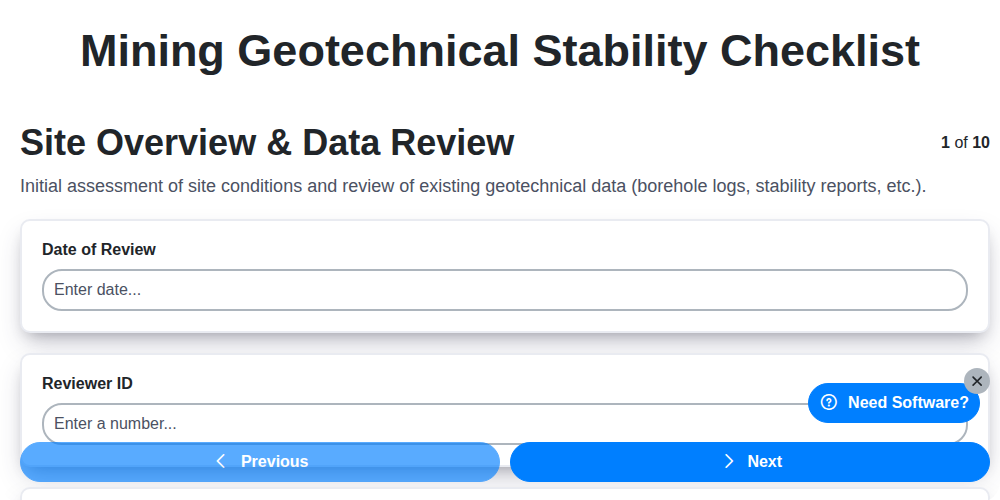
Ensuring Mine Safety: Your Geotechnical Stability Checklist Guide
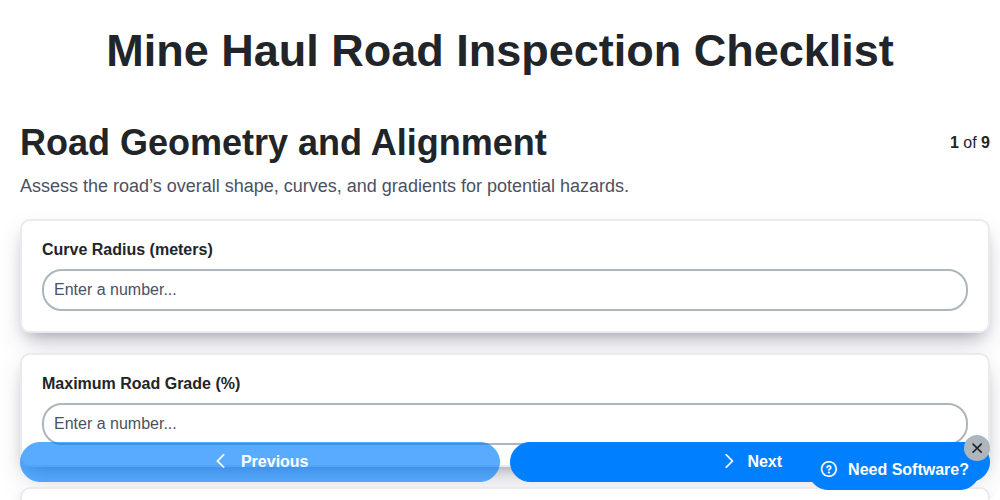
Ensuring Safety & Efficiency: Your Mine Haul Road Inspection Checklist Guide
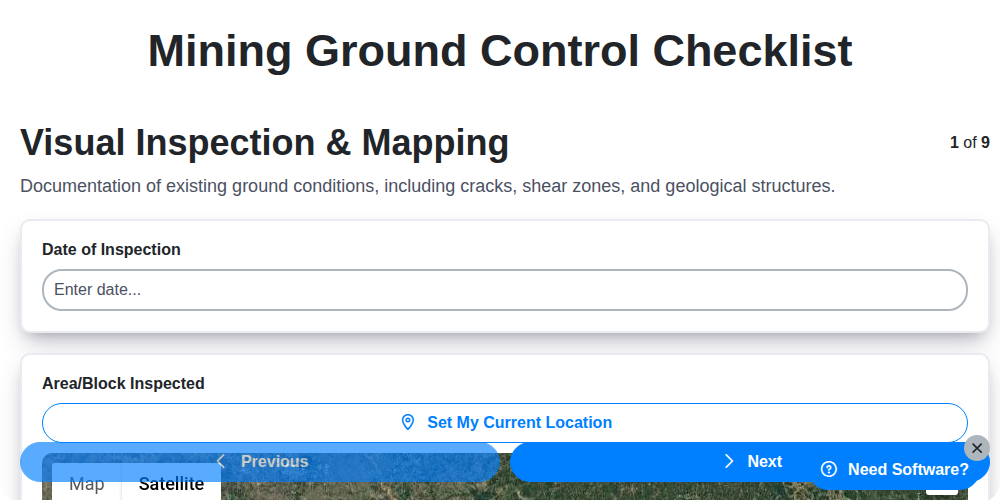
Mastering Mine Safety: Your Guide to the Ground Control Checklist
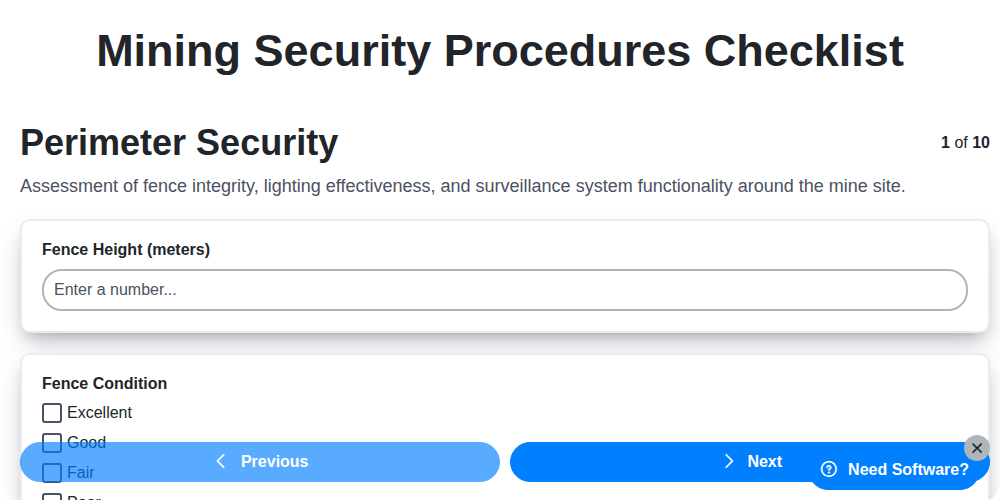
Mining Security Procedures Checklist: A Comprehensive Template for Safety
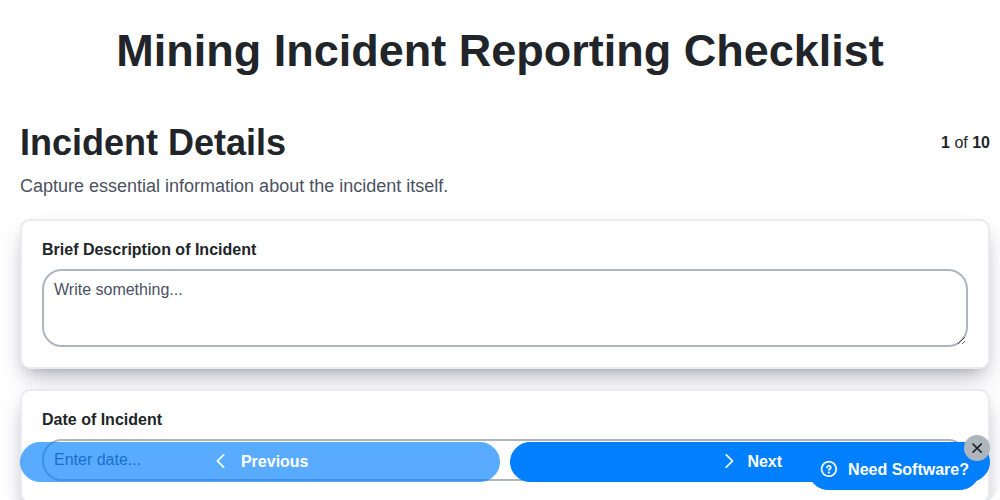
Ensuring Safety: Your Mining Incident Reporting Checklist Guide
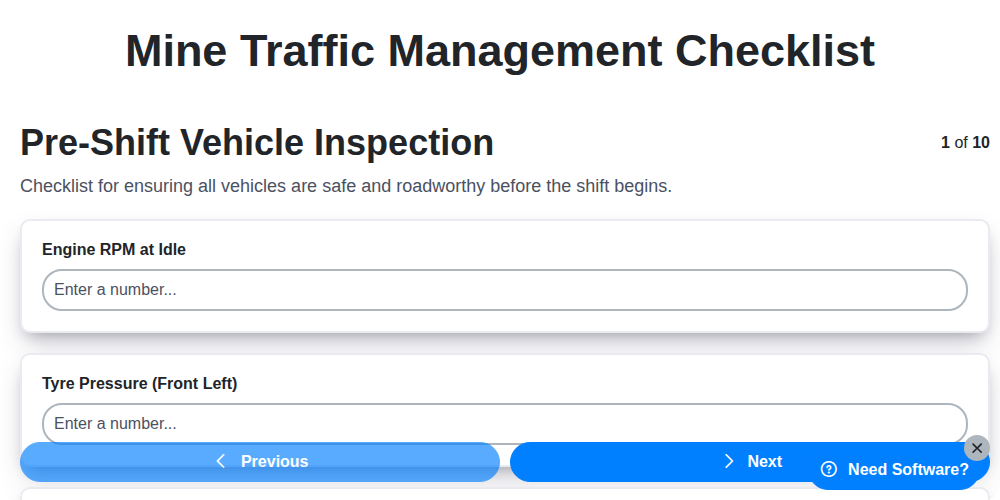
Ensuring Safety Underground: Your Mine Traffic Management Checklist Guide
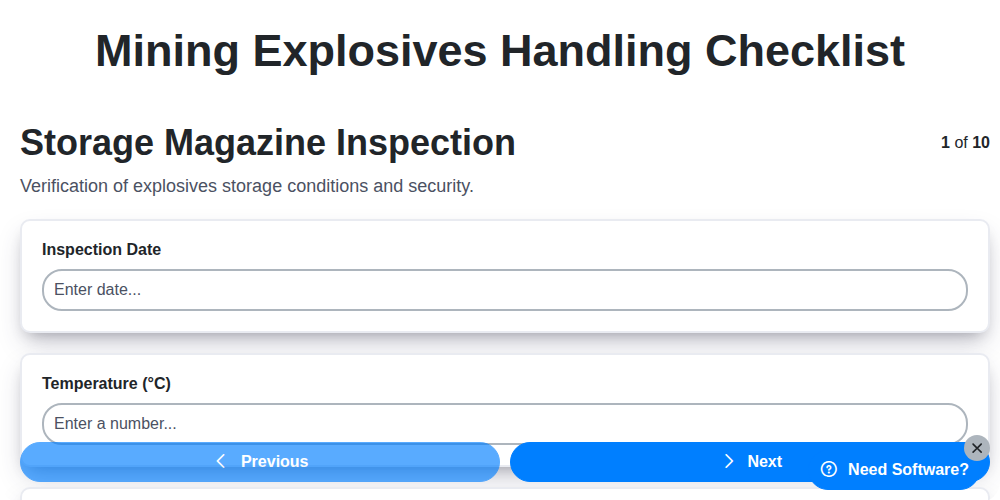
Ensuring Safety: Your Mining Explosives Handling Checklist Template
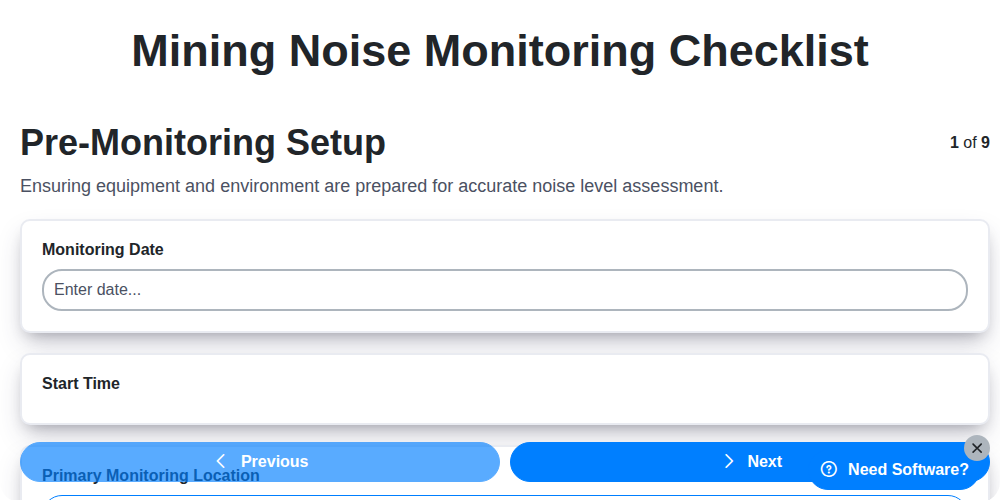
Ensuring Safety & Compliance: Your Mining Noise Monitoring Checklist Guide
Need help with
Checklists?
Have a question? We're here to help. Please submit your inquiry, and we'll respond promptly.