Ensuring Safety Underground: Your Mine Traffic Management Checklist Guide
Published: 11/20/2025 Updated: 07/02/2026
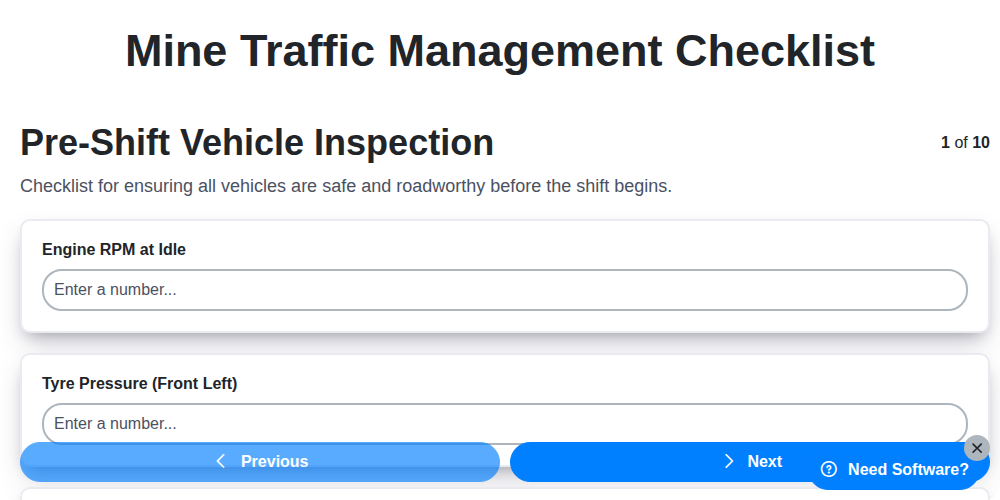
Table of Contents
- Introduction: Why Mine Traffic Management Matters
- 1. Pre-Shift Vehicle Inspection: A Critical First Step
- 3. Speed Limit Compliance: Maintaining Safe Velocities
- 4. Vehicle Routing & Segregation: Preventing Congestion and Collisions
- 5. Load Security & Weight Limits: Protecting Equipment and Personnel
- 6. Driver Fitness & Certification: Qualified Operators Only
- 7. Communication & Incident Reporting: Clear Lines and Swift Action
- 8. Traffic Management Plan Adherence: Following Established Procedures
- 9. Pedestrian Safety Measures: Protecting Vulnerable Workers
- 10. Post-Shift Vehicle Inspection: Identifying Potential Issues
- 11. Common Pitfalls in Mine Traffic Management
- 12. Technology and Innovation in Underground Traffic
- 13. Training and Refresher Courses: Keeping Everyone Informed
- 14. Continuous Improvement: Regularly Reviewing and Updating Your Checklist
- Resources & Links
TLDR: Keeping mine traffic safe is crucial! This checklist template guides you through daily checks - from vehicle inspections and driver fitness to traffic controls and pedestrian safety - ensuring everything's in order before, during, and after each shift. Use it to prevent accidents and keep everyone underground protected.
Introduction: Why Mine Traffic Management Matters
The lifeblood of any mining operation is the movement of materials - ore, waste rock, equipment, and personnel. Efficient and safe traffic management is absolutely critical to ensuring productivity, preventing accidents, and protecting lives. A breakdown in traffic flow isn't just an inconvenience; it can lead to costly delays, equipment damage, and, most importantly, serious injuries or fatalities.
Effective mine traffic management isn't just about directing vehicles; it's about creating a robust system encompassing preventative measures, clear protocols, and ongoing monitoring. This isn't something that can be left to chance. A well-defined and consistently enforced traffic management plan minimizes risks, optimizes workflows, and fosters a culture of safety across the entire operation. This checklist and the practices it embodies are a vital component of that system.
1. Pre-Shift Vehicle Inspection: A Critical First Step
Before a single vehicle moves in your mine traffic, a thorough pre-shift vehicle inspection is absolutely critical. This isn't just a formality; it's a foundational step in preventing accidents and ensuring everyone's safety. Your checklist should include, but isn't limited to: tire condition and pressure, brake functionality (including emergency brakes), lights (headlights, taillights, brake lights, hazard lights), horn operation, steering responsiveness, fluid levels (oil, coolant, brake fluid), and any visible signs of damage or wear. Don't skip this! Document the inspection, noting any deficiencies and ensuring they are addressed before the shift begins. A faulty vehicle can quickly turn a manageable situation into a serious incident. Remember to follow manufacturer's recommendations and your company's specific procedures for vehicle inspections.
2. Traffic Control Device Condition: Ensuring Visibility and Clarity
Effective traffic management relies heavily on the clear and consistent communication of instructions to all personnel within the mine. This starts with the condition of your traffic control devices. Regularly inspect all signage, barriers, delineators, flags, and lights.Here's what to look for:
- Cleanliness: Accumulated dust, mud, or debris can obscure vital information. Ensure all devices are clean and easily readable.
- Integrity: Check for damage - cracks, breaks, fading, or missing components. Replace damaged devices immediately.
- Placement: Confirm that devices are positioned correctly and haven't been moved or knocked out of alignment.
- Illumination: For nighttime operations, verify that illuminated devices are functioning properly and providing adequate light.
- Reflectivity: Check reflectivity of reflective signage and tape, especially in areas with limited lighting.
- Appropriateness: Ensure signage is relevant to the current operations and accurately reflects the traffic management plan.
A small issue with a single device can lead to confusion, delays, and potentially, an incident. Consistent checks are a cornerstone of proactive mine traffic safety.
3. Speed Limit Compliance: Maintaining Safe Velocities
Speed is a critical factor in mine traffic safety. Exceeding posted speed limits significantly increases the risk of accidents, injuries, and potential fatalities. This section outlines the essential checks and procedures to ensure all vehicles operate within designated speed limits.
Key Checks & Procedures:
- Posted Speed Limits: Regularly review and clearly mark all posted speed limits throughout the mine site. Ensure signage is visible, legible, and not obstructed.
- Vehicle Speed Governors: Verify speed governors are properly installed and functioning correctly on all relevant vehicles, particularly haul trucks and heavy machinery. Regular testing is recommended.
- Driver Awareness: Reinforce the importance of speed limits with all drivers. Provide refresher training as needed, emphasizing the dangers of speeding and the importance of adhering to posted limits.
- Speed Monitoring: Implement speed monitoring systems, such as radar speed signs or onboard vehicle telematics, to identify and correct instances of speeding. Data should be regularly analyzed to identify trends and areas for improvement.
- Road Conditions: Drivers should adjust their speed based on road conditions - wet, slippery, or uneven surfaces require significantly reduced speeds.
- Visibility: Reduced visibility due to dust, fog, or darkness necessitates slower speeds to ensure adequate stopping distance and awareness of surroundings.
- Enforcement: Consistently enforce speed limits through disciplinary action or retraining, demonstrating that non-compliance carries consequences.
By consistently applying these practices, we can cultivate a culture of safe driving and dramatically reduce the potential for speed-related incidents within the mine.
4. Vehicle Routing & Segregation: Preventing Congestion and Collisions
Effective vehicle routing and segregation are critical components of a robust mine traffic management plan. Simply put, it's about directing vehicles along designated routes and physically separating them to minimize interaction and potential hazards. This isn't just about convenience; it's a direct safety measure.
Here's why it's vital and what to consider:
- Dedicated Routes: Establish clearly defined routes for different vehicle types (e.g., haul trucks, light vehicles, service vehicles). This reduces confusion and unpredictability, lowering the risk of unexpected encounters.
- Segregation by Size/Type: Larger vehicles (like haul trucks) should ideally be segregated from smaller, lighter vehicles. Consider one-way systems or separate roadways where possible.
- Clearly Marked Pathways: Use highly visible signage, painted lines, and physical barriers (bollards, concrete dividers) to delineate routes. Consistency in markings is essential.
- Traffic Flow Management: Implement strategies to manage traffic flow, such as staggered shift timings or controlled entry points, to avoid bottlenecks.
- Consider Grades & Visibility: Route planning should account for grades and visibility conditions. Avoid routing heavy vehicles on steep inclines where lighter vehicles also travel, especially in areas with limited visibility.
- Dynamic Routing Adjustments: Be prepared to adjust routes based on real-time conditions like weather, maintenance, or unusual activity. Communicate any changes immediately.
- Regular Review: Regularly review the effectiveness of your routing and segregation plan, incorporating feedback from drivers and observing traffic patterns.
A well-designed vehicle routing and segregation system directly contributes to a safer and more efficient mining operation, preventing congestion and significantly reducing the potential for collisions.
5. Load Security & Weight Limits: Protecting Equipment and Personnel
Moving materials underground is inherently risky. Failing to adequately secure loads and adhere to weight limits dramatically increases those risks, potentially leading to equipment damage, injuries, and even fatalities. This checklist item isn't just about compliance; it's about safeguarding everyone working in the mine.
Here's what you need to verify:
- Load Securement: Ensure all loads are properly secured using appropriate methods - chains, straps, or other approved tie-down techniques. Check for wear and tear on all securing devices. Are they the correct size and rating for the load? Are they tightened correctly?
- Load Weight Verification: Confirm the load's weight doesn't exceed the vehicle's rated capacity. Refer to load charts and documentation - don't guess! Overloading compromises stability and can severely damage equipment.
- Load Distribution: Verify the load is distributed evenly within the vehicle to maintain balance and prevent instability during transit. Uneven loads can lead to tipping or shifting.
- Load Dimensions: Ensure the load's dimensions comply with clearance restrictions in the mine roadways. Hitting the roof or sides isn't just damaging; it's dangerous.
- Material Compatibility: Consider the materials being transported. Are they compatible with the vehicle's bed or container? Avoid chemical reactions or corrosion that could weaken the load or vehicle.
- Documentation: Always retain records of load weights and securing methods, particularly for unusual or large loads.
Neglecting this checklist item can have devastating consequences. Prioritize safety - ensure loads are secure and weights are respected.
6. Driver Fitness & Certification: Qualified Operators Only
Operating heavy machinery in a mine environment demands a high level of skill, experience, and responsibility. Ensuring driver fitness and verifying certifications isn't just a compliance requirement; it's a critical safety measure. This checklist item goes beyond simply having a license; it encompasses a comprehensive evaluation of driver competence.
What's included?
- Valid Licenses & Permits: Confirm all drivers possess the necessary licenses and permits required for the specific equipment they're operating. Don't overlook endorsements or specialized training.
- Medical Fitness: Regular medical evaluations are essential. These checkups should assess physical capabilities, vision, and overall health to ensure the driver can safely perform their duties.
- Equipment-Specific Training: Drivers must receive and demonstrate proficiency in equipment-specific training. This includes operating procedures, safety features, and emergency protocols.
- Refresher Training: Periodic refresher training is vital. Mining operations evolve, and best practices change. Keeping drivers updated minimizes risks.
- Certification Verification: Regularly verify the validity of all driver certifications. Expired certifications indicate a lapse in training and can significantly increase risk.
- Fitness for Duty: Implement procedures to assess driver fitness before each shift. This includes addressing fatigue, illness, or the influence of medication. A tired or unwell driver is a danger to themselves and others.
Documentation is key. Maintain meticulous records of all driver training, certifications, medical evaluations, and fitness assessments. This provides a clear audit trail and demonstrates commitment to safety.
7. Communication & Incident Reporting: Clear Lines and Swift Action
Effective communication is the backbone of any successful mine traffic management system. It's not just about talking; it's about ensuring the right information reaches the right people, quickly and accurately. This section of the checklist focuses on establishing and maintaining those crucial communication channels.
Key Considerations:
- Designated Contact Points: Clearly defined roles and contact details for all personnel involved in traffic management. Who is the point of contact for emergencies? Who handles routing changes? This information must be readily available.
- Two-Way Communication: Don't just broadcast information. Establish systems for drivers, spotters, and control room personnel to report issues, hazards, or concerns. This includes a simple, no-blame reporting process.
- Incident Reporting Protocol: A clear, documented procedure for reporting accidents, near misses, and any deviations from the Traffic Management Plan. Include details on who needs to be notified, what information needs to be collected, and the investigation process.
- Emergency Communication: Dedicated channels (radio, alarms, visual signals) for immediate communication during emergencies. Regular testing of these systems is vital.
- Regular Briefings: Briefing drivers and other personnel on planned changes to traffic flow, potential hazards, or any relevant information that impacts safety.
- Record Keeping: Maintain detailed records of communication logs, incident reports, and any corrective actions taken. This demonstrates accountability and facilitates continuous improvement.
A proactive and transparent communication strategy minimizes risks and ensures a swift response to any unexpected events.
8. Traffic Management Plan Adherence: Following Established Procedures
A robust traffic management plan (TMP) is the backbone of any safe and efficient mining operation. Simply having a plan isn't enough; consistent adherence to it is absolutely critical. This means every driver, operator, and relevant personnel understands and follows the outlined procedures without exception.
What does adherence look like in practice? It goes beyond just knowing the plan exists. It involves:
- Regular Review: Ensure the TMP is regularly reviewed and updated to reflect changes in site conditions, equipment, or personnel. Everyone should be aware of any revisions.
- Route Compliance: Drivers must strictly adhere to designated routes. Unauthorized deviations are a significant safety risk.
- Speed Restrictions: TMPs often include specific speed limits for different zones. These limits are set for a reason - to account for visibility, terrain, and proximity to hazards.
- Signage & Control: Pay close attention to all signage and traffic control devices. These are vital communication tools guiding movement and indicating potential hazards.
- Pedestrian Zones: Strictly observe pedestrian-only areas and maintain a safe distance.
- Emergency Procedures: Know and understand the procedures outlined in the TMP for dealing with emergencies like breakdowns, accidents, or unexpected traffic disruptions.
- Documentation: Maintaining records of route assignments, deviations (with proper authorization), and any incidents related to TMP breaches helps identify areas for improvement.
Failure to adhere to the TMP significantly increases the risk of accidents and disruptions. Remember, everyone's commitment to following the plan contributes to a safer working environment for all.
9. Pedestrian Safety Measures: Protecting Vulnerable Workers
Mining operations often involve a complex interplay between heavy machinery and pedestrian traffic. Ensuring the safety of workers on foot is paramount and requires a proactive, multi-layered approach. This isn't just about avoiding accidents; it's about fostering a culture of safety where every worker feels protected.
Our checklist emphasizes several critical pedestrian safety measures:
- Clearly Defined Walkways: Designated, well-marked walkways, separate from vehicle routes, are essential. These should be consistently maintained, free from debris, and appropriately lit. Consider using high-visibility paint, rumble strips, or physical barriers.
- Signage & Warnings: Strategic placement of clear and concise signage is crucial. Warning signs indicating potential pedestrian-vehicle interaction zones, blind spots, and upcoming intersections are vital.
- Visibility Enhancement: Enhance pedestrian visibility, especially during low-light conditions. This includes using high-visibility clothing for all personnel, and ensuring adequate lighting along walkways and pedestrian crossings. Consider reflective tape on walkways and bollards.
- Flag Persons/Spotters: In areas with high pedestrian and vehicle traffic, utilize trained flag persons or spotters to direct traffic and ensure safe passage for pedestrians.
- Audible Warnings: Employ audible warning systems, such as horns or bells, at pedestrian crossings and intersections to alert drivers and pedestrians alike.
- Regular Inspections: Conduct regular inspections of pedestrian walkways, signage, and lighting to ensure they remain in good working order and haven't been compromised.
- Training & Awareness: Regularly train all personnel - both drivers and pedestrians - on pedestrian safety procedures, hazard awareness, and the importance of maintaining situational awareness.
- Blind Spot Awareness: Drivers must be acutely aware of blind spots and take extra precautions when approaching pedestrian areas.
By implementing and rigorously adhering to these measures, we can significantly reduce the risk of pedestrian-related incidents and create a safer working environment for everyone.
10. Post-Shift Vehicle Inspection: Identifying Potential Issues
The final, but crucial, step in your mine traffic management process is the post-shift vehicle inspection. This isn't just about ticking a box; it's a vital opportunity to proactively identify and address potential issues before the next shift begins, preventing breakdowns, accidents, and downtime.
This inspection should mirror the pre-shift check, but with a focus on wear and tear accumulated throughout the shift. Look for:
- Tire Condition: Check for cuts, bulges, and proper inflation. Note any unusual wear patterns.
- Brake Performance: Listen for unusual noises and visually inspect brake linings.
- Fluid Levels: Monitor oil, coolant, and hydraulic fluid levels for any drops or leaks.
- Mechanical Issues: Be alert for any unusual noises, vibrations, or warning lights that weren't present pre-shift.
- Damage Assessment: Thoroughly examine the vehicle's body for any new dents, scratches, or other damage that might indicate a near-miss or impact.
Document all findings clearly and concisely on the inspection form. These findings should be escalated to the maintenance team promptly with a detailed description of the problem and potential urgency. A well-executed post-shift inspection minimizes risk and ensures your fleet is ready for the next day's operations.
11. Common Pitfalls in Mine Traffic Management
Despite having robust traffic management plans in place, mines frequently encounter challenges that compromise safety and efficiency. Here are some common pitfalls to watch out for:
1. Rushing Inspections: Pre- and post-shift vehicle inspections are often hurried to meet production schedules. This leads to overlooked defects that can escalate into serious incidents. A rushed inspection is essentially no inspection.
2. Ignoring Minor Damage: Small dents, cracked lights, or slightly worn tires often get dismissed as insignificant. These seemingly minor issues can be indicators of larger underlying problems and increase the risk of equipment failure.
3. Inadequate Signage & Maintenance: Traffic control devices (signs, barriers, lights) can degrade or be knocked out of place. Regularly inspect and maintain these devices; faded or missing signs can cause confusion and dangerous maneuvers.
4. Speed Limit Disregard: While speed limits are established for a reason, they're frequently disregarded due to pressure to move quickly. Consistent enforcement and clear communication of the reasoning behind speed limits are crucial.
5. Routing Deviations: Unauthorized or unplanned vehicle routing can introduce hazards, especially when mixing heavy equipment with lighter vehicles or pedestrians. Stick to designated routes.
6. Overloading & Weight Disregard: Exceeding vehicle weight limits puts immense stress on tires, suspension, and braking systems, significantly increasing the risk of accidents. Strictly adhere to posted weight limits and enforce load security measures.
7. Driver Fatigue & Complacency: Even with certification requirements, driver fatigue can creep in, especially during long shifts. Complacency, a sense of invincibility, is equally dangerous. Promote awareness and implement strategies to combat both.
8. Communication Breakdown: Poor communication between drivers, traffic controllers, and management can lead to misunderstandings and near misses. Ensure clear, concise, and consistent communication protocols.
9. Plan Not Regularly Reviewed/Updated: Traffic Management Plans shouldn't be static documents. They need to be reviewed and updated regularly to reflect changes in mine layout, equipment, or operational procedures.
10. Insufficient Pedestrian Awareness: Pedestrians are often the most vulnerable in a mine environment. Adequate separation, designated walkways, and constant vigilance are paramount.
11. Lack of Incident Reporting & Analysis: Incidents, near misses, and hazards need to be reported promptly and thoroughly. More importantly, a thorough analysis of these reports is needed to identify root causes and implement corrective actions to prevent recurrence.
12. Technology and Innovation in Underground Traffic
The traditional methods of managing mine traffic-relying heavily on manual observation, radio communication, and physical barriers-are increasingly being augmented and, in some cases, replaced by innovative technologies. These advancements offer significant improvements in safety, efficiency, and real-time awareness within the underground environment.
One key area is the adoption of real-time location systems (RTLS). Utilizing technologies like Ultra-Wideband (UWB) or GPS (where signal penetration allows), RTLS track the precise location of vehicles and personnel. This allows for automated speed limit enforcement, collision avoidance alerts, and optimized routing, preventing congestion and potential accidents. Digital dashboards provide supervisors with a complete picture of traffic flow, allowing for proactive intervention.
Automated guidance systems for vehicles are also gaining traction. These systems utilize sensors and pre-mapped routes to assist drivers, reducing the likelihood of human error, particularly in low-visibility conditions. While fully autonomous vehicles are still under development for underground mining, assistive technologies are readily available.
Advanced communication systems beyond traditional radio are vital. Wireless mesh networks offer more robust and reliable communication, ensuring clear and instantaneous information sharing between drivers, controllers, and emergency response teams. Integrated video surveillance systems, linked to traffic management software, provide supervisors with an additional layer of oversight.
Finally, the rise of data analytics is transforming traffic management. Data collected from vehicle sensors, location systems, and surveillance cameras can be analyzed to identify patterns, predict potential bottlenecks, and optimize traffic flow. This predictive capability allows for proactive adjustments to routes, speed limits, and resource allocation, maximizing efficiency and minimizing risk. These technological advancements promise a safer, more efficient, and more controlled underground traffic environment.
13. Training and Refresher Courses: Keeping Everyone Informed
Mine traffic management isn't a set it and forget it operation. Regulations evolve, equipment changes, and human error remains a factor. That's why robust and ongoing training is absolutely critical.
Regular training sessions should cover every element of the traffic management plan, including detailed walkthroughs of the checklist items mentioned earlier - from pre-shift vehicle inspections to incident reporting procedures. These shouldn't just be annual requirements; consider shorter, more frequent refresher courses (perhaps quarterly or bi-annually) to reinforce key concepts and address any emerging issues.
Specific training topics should include:
- Traffic Control Device Recognition & Function: Ensuring all personnel understand the meaning and purpose of signage, lights, and barriers.
- Safe Vehicle Operation in a Mine Environment: Covering specific hazards like blind spots, limited visibility, and uneven terrain.
- Communication Protocols: Proper use of radios, hand signals, and emergency procedures.
- Load Security Best Practices: Practical demonstrations and hands-on training for securing loads.
- Incident Response Training: Practicing emergency procedures and reporting protocols.
Beyond formal training, consider toolbox talks, safety briefings, and visual reminders to continually reinforce safe traffic management practices. Document all training, including attendance and topics covered, for audit and compliance purposes. Investing in thorough training is an investment in safety and operational efficiency.
14. Continuous Improvement: Regularly Reviewing and Updating Your Checklist
A checklist is a living document, not a static one. The effectiveness of your Mine Traffic Management Checklist diminishes over time if it's not regularly reviewed and updated. Conditions change - new equipment is introduced, regulations evolve, incidents occur, and lessons are learned. What worked perfectly six months ago might not be adequate today.
Here's why continuous improvement is vital:
- Adapt to Change: New equipment, revised layouts, or altered working practices necessitate adjustments to your checklist.
- Incorporate Lessons Learned: Incident investigations and near-miss reports are invaluable sources for identifying gaps in your current procedures. Integrate these findings into checklist revisions.
- Regulatory Updates: Mining regulations are frequently updated. Ensure your checklist reflects the latest requirements.
- Optimize Efficiency: Review your checklist for unnecessary steps or opportunities for streamlining processes without compromising safety.
- Maintain Relevance: A regularly updated checklist demonstrates a commitment to safety and ensures it remains a valuable tool for your team.
How to implement continuous improvement:
- Schedule Regular Reviews: Aim for reviews at least quarterly, or more frequently if significant changes occur.
- Gather Feedback: Solicit input from drivers, traffic controllers, and supervisors. Their practical experience is crucial.
- Document Changes: Clearly record all revisions, including the date, author, and rationale behind the changes.
- Communicate Updates: Ensure all relevant personnel are informed of any changes to the checklist and receive adequate training.
Resources & Links
- Mine Safety and Health Administration (MSHA): The primary federal agency responsible for mine safety and health. Their website offers regulations, guidance, statistics, and training materials specifically tailored for the mining industry, including traffic management guidelines. Essential for understanding legal requirements and best practices.
- Society for Mining, Metallurgy & Exploration (SME): SME is a professional organization providing technical publications, conferences, and training related to mining. They often have resources on best practices for safety, including traffic management, and offer educational opportunities.
- Canadian Institute of Mining, Metallurgy and Petroleum (CIM): Similar to SME, CIM provides resources, publications, and conferences focused on the mining industry in Canada, but with significant relevance to international mining practices. Look for publications on safety and operational best practices.
- International Organization for Standardization (ISO): While not directly mining-focused, ISO standards (e.g., ISO 45001 for Occupational Health and Safety Management) can provide a framework for developing and maintaining a robust traffic management system. Relevant standards can be applied to improve overall mine safety performance.
- Global Mining Review: A leading online resource providing news, technical articles, and case studies related to the global mining industry. Search their archives for articles specifically addressing underground traffic management practices and challenges.
- Mining Technology: Another valuable online publication featuring industry news, technical articles, and reports on mining operations worldwide, including coverage of safety and traffic management technologies.
- National Institute for Occupational Safety and Health (NIOSH) - Mining: NIOSH conducts research and provides guidance on occupational safety and health. Their mining-specific resources often include research findings related to accidents and preventative measures, which can inform traffic management strategies.
- Ausenco: Ausenco is a global engineering, procurement, and construction (EPC) company with extensive experience in the mining industry. They often publish white papers and case studies related to operational improvements and safety, including traffic management implementations.
- FLSmidth: FLSmidth provides equipment and services to the mining industry. Their website may contain resources and case studies related to technologies for improving mine safety and efficiency, potentially including traffic management systems.
- thyssenkrupp Industrial Services: thyssenkrupp provides a wide range of services for the mining industry. Their resources may include information on safety best practices and solutions for managing traffic and preventing accidents in underground environments.
- Marshall Associates: Marshall Associates is a consulting firm specializing in mine safety and health. They provide training, audits, and consulting services - their website may contain helpful insights or reports related to traffic management.
- Wesleyan University - Mine Safety and Health Program: Wesleyan University offers a comprehensive mining safety and health program. While focused on education, their website may contain valuable resources and links related to traffic management and accident prevention.
Frequently Asked Questions
What is Mine Traffic Management (MTM)?
Mine Traffic Management (MTM) is the coordinated movement of vehicles, personnel, and materials within an underground mine. It's a crucial aspect of mine safety, aimed at preventing accidents and optimizing efficiency. It encompasses everything from road design and vehicle maintenance to driver training and traffic control procedures.
Why is MTM so important for underground mine safety?
Underground mines have limited space and poor visibility, making traffic accidents particularly dangerous. Effective MTM minimizes the risk of collisions, reduces the potential for injuries and fatalities, and helps maintain a stable and productive work environment.
Who is responsible for MTM within a mine?
MTM is a shared responsibility. Mine management is accountable for establishing and maintaining a comprehensive MTM system. Supervisors are responsible for enforcing procedures and ensuring driver compliance. All mine personnel, including drivers and ground staff, have a role in adhering to MTM protocols.
What are the key areas covered in a Mine Traffic Management Checklist?
A comprehensive MTM checklist typically covers vehicle maintenance and inspections, road conditions and visibility, driver training and competency, speed limits and traffic control, communication protocols, emergency procedures, and incident reporting.
What types of vehicles are typically included in a Mine Traffic Management Plan?
The plan should address all vehicles used within the mine, including trucks, locomotives, personnel carriers, loaders, and any other mobile equipment. Specific vehicle types may require tailored MTM strategies.
How often should vehicle inspections be conducted as part of MTM?
The frequency of vehicle inspections depends on the type of vehicle, its usage, and manufacturer recommendations. Daily pre-shift inspections are generally required, with more detailed inspections conducted at regular intervals (e.g., weekly, monthly).
What constitutes a 'safe' road condition for mine traffic?
Safe road conditions include adequate surface maintenance (free of loose rock or debris), proper lighting, clear signage, appropriate road gradient, and a road surface capable of supporting the weight and traction required by the vehicles operating on it.
What are some best practices for driver training within an MTM program?
Driver training should include both theoretical (rules, regulations, hazard recognition) and practical (vehicle operation, maneuvering, emergency response) components. Refresher training and competency assessments should be ongoing.
How does communication play a role in effective Mine Traffic Management?
Clear and reliable communication systems (e.g., radio, visual signals) are essential for coordinating traffic flow, alerting personnel to hazards, and responding to emergencies. Communication protocols should be well-defined and regularly tested.
What should be included in a Mine Traffic Management Incident Report?
Incident reports should detail the date, time, location, vehicles involved, contributing factors (e.g., visibility, mechanical failure, driver error), injuries sustained (if any), and corrective actions taken to prevent recurrence. Thorough investigations are crucial.
Where can I find relevant regulations and standards for Mine Traffic Management?
Relevant regulations and standards vary by jurisdiction. Common sources include local mine safety boards, national mining regulatory agencies (e.g., MSHA in the US, COMISA in Quebec), and industry best practice guidelines.
How can technology be used to improve Mine Traffic Management?
Technology solutions include GPS tracking, proximity detection systems, automated vehicle guidance, real-time traffic monitoring dashboards, and data analytics for identifying trends and areas for improvement.
Comments
There are no comments yet. Be the first to add one!
Mining Management Solution Demo
Maximize efficiency & safety in mining operations! ChecklistGuro streamlines task management, equipment tracking, and compliance reporting. Optimize workflows, reduce risk, & boost productivity. Manage it all with our Work OS.
Related Articles
Ensuring a Sustainable Future: Your Mine Rehabilitation & Closure Checklist Guide
Ensuring Safety: Your Mining Incident Reporting Checklist Guide
Ensuring Safety: Your Mining Explosives Handling Checklist Template
Ensuring Safety & Efficiency: Your Mine Haul Road Inspection Checklist Guide
Ensuring Safety & Compliance: Your Mining Noise Monitoring Checklist Guide
Mastering Mine Safety: Your Guide to the Ground Control Checklist
Mining Security Procedures Checklist: A Comprehensive Template for Safety
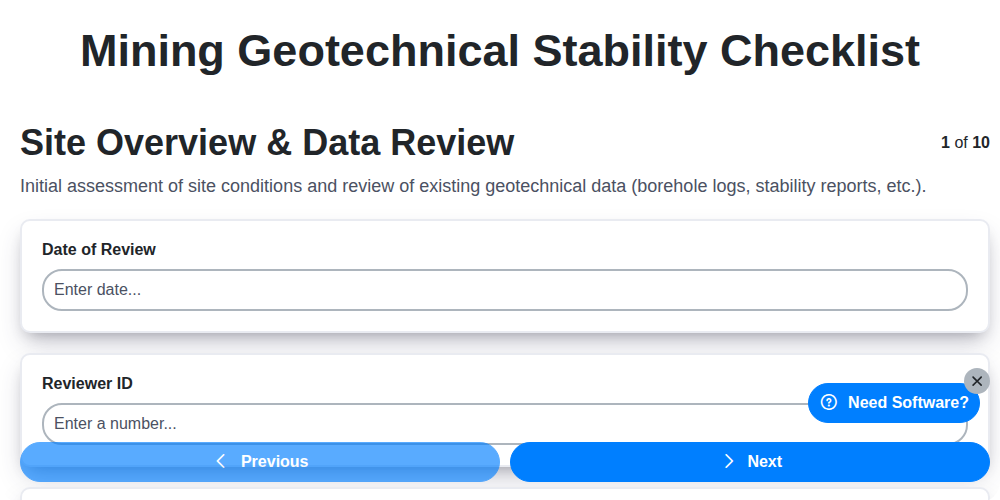
Ensuring Mine Safety: Your Geotechnical Stability Checklist Guide
Need help with
Mining Management?
Have a question? We're here to help. Please submit your inquiry, and we'll respond promptly.