Ensuring Safety & Efficiency: Your Mine Haul Road Inspection Checklist Guide
Published: 11/20/2025 Updated: 07/02/2026
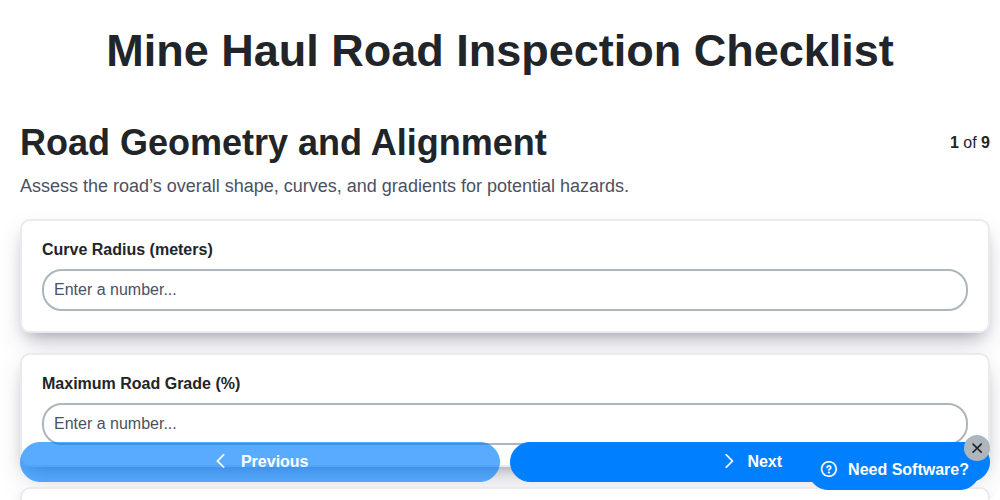
Table of Contents
- Introduction: Why Haul Road Inspections Matter
- 1. Road Geometry and Alignment: The Foundation of Safe Travel
- 2. Surface Condition: Identifying Wear and Tear
- 3. Drainage: Preventing Erosion and Instability
- 4. Slope Stability: Assessing Risk and Mitigation
- 5. Visibility: Ensuring Clear Sightlines
- 6. Traffic Control Devices: Maintaining Order and Guidance
- 7. Vegetation Control: Preventing Obstructions and Hazards
- Resources & Links
TLDR: Keep your mine haul roads safe and running smoothly with this inspection checklist! It covers everything from road shape and surface to drainage, vegetation, and traffic signs. Regularly using this checklist helps you spot potential hazards before they cause delays or accidents, saving time and money while protecting your team.
Introduction: Why Haul Road Inspections Matter
Haul roads are the arteries of any mining operation, vital for transporting ore, materials, and personnel. Their consistent and safe operation is paramount, impacting productivity, safety, and overall project success. Neglecting regular inspections can lead to costly delays due to equipment breakdowns, potential accidents leading to injuries, and even environmental damage. A proactive approach, utilizing a comprehensive checklist, allows for the early detection of issues, enabling timely repairs and preventative maintenance. This not only minimizes downtime but also contributes to a safer working environment and a more sustainable mining operation. This post will detail the key areas covered in a robust haul road inspection checklist, ensuring your operations run smoothly and efficiently.
1. Road Geometry and Alignment: The Foundation of Safe Travel
Proper road geometry and alignment are the bedrock of any safe mine haul road. Deviations from ideal design can significantly impact vehicle control, increase the risk of rollovers, and contribute to overall operational inefficiency. This section of the inspection focuses on verifying that the road maintains its intended design.
Inspect for:
- Superelevation: Confirm that the banking (superelevation) of curves is consistent with the design speed and vehicle type. Look for areas where superelevation has been compromised due to settlement or erosion.
- Curve Radius: Verify that the radius of curves hasn't been altered, potentially due to embankment failures or road widening.
- Grade: Assess the road's gradient. Excessive grades can strain engines and brakes, especially with heavily loaded haul trucks. Look for signs of settling or unapproved alterations to the grade.
- Straightness: Check for unintentional deviations from a straight alignment. These could be caused by ground movement or previous repairs that weren't properly surveyed.
- Vertical Profiles: Evaluate the vertical alignment, noting any unexpected dips or crests. These can affect visibility and vehicle stability.
Document any discrepancies and recommend corrective actions, such as resurfacing, regrading, or slope stabilization.
2. Surface Condition: Identifying Wear and Tear
A smooth, consistent surface is critical for safe and efficient haul truck operations. This section focuses on identifying and documenting surface degradation. Begin by observing the road surface for signs of wear and tear, including:
- Rutting: Look for depressions or channels formed by repeated vehicle traffic. Note the depth and extent of rutting.
- Potholes: Document the size, depth, and quantity of potholes. These are immediate hazards and require prompt repair.
- Cracking: Identify the type and pattern of cracking (e.g., transverse, longitudinal, alligator). Document the crack width and density.
- Shoving/Heaving: Note any areas where the pavement is displaced or lifted, indicating potential underlying issues.
- Aggregate Loss: Check for areas where the aggregate (the stones in the asphalt) are dislodged, creating a rough and potentially damaging surface.
- Bleeding/Flushing: Observe for a shiny, oily film on the surface, which can reduce traction.
Record your observations with photos and detailed notes, including GPS coordinates where applicable. Prioritize areas requiring immediate attention based on severity and potential safety risk.
3. Drainage: Preventing Erosion and Instability
Effective drainage is absolutely critical for the long-term stability and safety of a mine haul road. Poor drainage can lead to significant erosion, undermining of the road base, and ultimately, road failure. This section of the inspection focuses on identifying and assessing potential drainage issues.
Here's what to look for:
- Surface Runoff: Observe how water flows across the road surface during and after rainfall. Look for signs of concentrated flow, which can quickly erode the road material.
- Ditches & Culverts: Inspect ditches for proper grading and debris blockage. Ensure culverts are clear, functioning correctly, and aren't undersized for the expected water volume. Look for signs of corrosion or damage to culvert structures.
- Roadside Ditches: Evaluate roadside ditches for adequate capacity and proper outfall. Are they effectively channeling water away from the road and its foundations? Check for erosion at the discharge points.
- Ponding: Note any areas where water consistently ponds on the road surface or adjacent areas. This indicates inadequate drainage and potential for weakening of the road structure.
- Erosion Signs: Pay close attention to areas showing signs of erosion, such as gullies, rills, and exposed road base. This is a clear indicator of drainage failure.
- Water Bars/Crossings: Verify the effectiveness and condition of water bars and any road crossings. Are they properly spaced and functioning to divert water?
4. Slope Stability: Assessing Risk and Mitigation
Slope instability is a critical safety concern on mine haul roads, especially in areas with significant terrain changes. A thorough inspection here isn't just about identifying cracks; it's about evaluating the potential for landslides and rockfalls that could endanger personnel and equipment.
What to Look For:
- Cracks & Ground Movement: Carefully observe the slope face for any signs of cracks, fissures, or displacement. Note the size, orientation, and extent of these features. Even subtle shifts can be indicators of underlying issues.
- Rockfalls & Debris Accumulation: Regularly check the base of the slope for accumulated rock, soil, or debris. This indicates previous rockfalls or landslides. Pay attention to the size and frequency of these deposits.
- Vegetation Stress: Unhealthy or missing vegetation can be a warning sign. Look for trees or shrubs that are leaning, showing signs of dieback, or have uprooted bases. Roots help stabilize slopes, so the absence of healthy vegetation is a red flag.
- Water Saturation: Note areas where water accumulates on the slope face, as this can weaken the soil and increase the risk of failure.
- Geological Features: Be aware of underlying geological conditions, such as fault lines or areas of known weak rock formations. Consult geological maps if available.
Mitigation & Follow-Up:
- Immediate Action: Any sign of active slope movement requires immediate action. Halt traffic in the affected area until a geotechnical engineer can assess the situation.
- Geotechnical Assessment: For significant cracks or instability, a formal geotechnical assessment is crucial. This involves detailed analysis and potentially instrumentation to monitor slope behavior.
- Stabilization Techniques: Based on the engineer's recommendations, stabilization techniques may include:
- Drainage Improvements: Installing subsurface drains to reduce water saturation.
- Rockfall Barriers: Constructing fences or nets to capture falling rocks.
- Retaining Walls: Building structures to support the slope face.
- Vegetation Restoration: Replanting vegetation with deep root systems.
- Slope Grading/Bench Cutting: Modifying the slope angle to improve stability.
Regular monitoring and maintenance are essential to prevent future instability.
5. Visibility: Ensuring Clear Sightlines
Maintaining clear visibility along a mine haul road is paramount for safety and operational efficiency. Reduced visibility dramatically increases the risk of accidents, particularly given the size and speed of haul trucks. This section of the inspection focuses on ensuring unobstructed sightlines for drivers.
Inspectors should assess visibility in both directions at regular intervals, paying close attention to curves, grades, and intersections. Key areas to evaluate include:
- Obstructions: Are there any natural obstructions (e.g., vegetation overgrowth, rock outcroppings) or man-made obstacles (e.g., stockpiles, equipment) blocking the view?
- Vegetation: Overhanging or encroaching vegetation is a common culprit. Ensure all foliage is trimmed back to maintain adequate sight distances as per company standards and regulatory requirements.
- Lighting: Assess the adequacy of lighting, especially during nighttime or low-light conditions. Are existing lights functioning correctly and providing sufficient illumination?
- Dust and Weather: Consider the impact of dust and weather conditions. Is dust control effective? Are there procedures in place for reduced visibility due to fog, rain, or snow?
- Signage: Verify that signage doesn't obstruct the driver's view. Sign placement should enhance, not hinder, visibility.
Document any visibility issues and recommend corrective actions - such as vegetation clearing, dust suppression measures, or signage adjustments - to ensure drivers have the necessary sight distance to safely operate haul trucks.
6. Traffic Control Devices: Maintaining Order and Guidance
Traffic control devices are the unsung heroes of mine haul road safety. They aren't just signs; they're a vital communication system guiding operators, regulating speed, and preventing accidents. A thorough inspection of these devices is crucial for maintaining a predictable and safe operating environment.
Here's what to look for during your assessment:
- Signage Integrity: Check for damage, fading, or obstruction. Signs should be easily visible and legible from a safe stopping distance. This includes stop signs, yield signs, speed limit signs, warning signs (e.g., curves, intersections), and directional signs.
- Sign Placement & Orientation: Verify signs are correctly positioned and oriented to provide clear and timely warnings. Ensure they haven't been knocked out of alignment or obscured by vegetation.
- Markings (Pavement & Reflective): Evaluate the condition of painted road markings (stop bars, lane dividers, center lines) and reflective markers. Repainting or replacing faded/worn markings is essential for nighttime visibility and lane guidance.
- Traffic Signals (if applicable): If your haul road incorporates traffic signals, ensure they are functioning correctly, with proper timing and sequencing.
- Barriers & Guardrails: Inspect barriers and guardrails for damage and ensure they remain firmly anchored.
- Flagging Operations: If flagging operations are in use, assess the flagger's visibility, safety, and adherence to established procedures.
Regular inspection and prompt repair of traffic control devices are fundamental to reducing the risk of collisions and maintaining the smooth flow of mining operations. Don't underestimate the importance of clear communication and guidance - it's a cornerstone of haul road safety.
7. Vegetation Control: Preventing Obstructions and Hazards
Effective vegetation control is paramount on mine haul roads. Overgrown vegetation isn't just unsightly; it poses significant safety risks and operational inefficiencies. This section of the inspection checklist focuses on ensuring clear sightlines, preventing debris accumulation, and mitigating potential hazards.
What to Look For:
- Sight Distance: Ensure vegetation doesn't obstruct the driver's view, especially at intersections, curves, and approaches to haul trucks. Minimum sight distances should adhere to established safety standards.
- Overhanging Branches/Foliage: Regularly prune trees and shrubs that overhang the road, preventing branches from contacting haul trucks and potentially causing damage or reducing visibility.
- Brush and Weeds: Control the growth of brush and weeds along the road edges. These can obscure road edges, contribute to erosion, and provide harborage for wildlife that could wander onto the haul road.
- Root Systems: Be aware that tree roots can compromise the road's foundation. Monitor for signs of root intrusion and implement appropriate mitigation strategies, potentially involving tree removal.
- Invasive Species: Identify and control invasive plant species that can aggressively encroach on the road and surrounding areas.
- Regular Maintenance: Implement a scheduled vegetation control program, including mowing, trimming, and herbicide application (following environmental regulations). Document all vegetation control activities in the maintenance records.
Severity Assessment:
- Minor: Slight encroachment, easily remedied with trimming.
- Moderate: Noticeable obstruction requiring more extensive trimming or removal of smaller vegetation.
- Severe: Significant obstruction impacting visibility or road integrity, requiring immediate action and potentially impacting operations.
Resources & Links
- Mine Safety and Health Administration (MSHA): The primary federal agency responsible for mine safety and health. Offers regulations, guidance, training materials, and reports relevant to haul road safety and inspection. A crucial resource for legal compliance and best practices.
- Sperry Denny: A geotechnical engineering and consulting firm specializing in mining. Offers expertise on slope stability, ground control, and overall mine design, providing valuable insights for haul road assessment and mitigation strategies.
- Sandvik Mining & Rock Solutions: Offers a range of solutions and equipment for mining operations, including road construction and maintenance. Their website provides information and case studies on best practices for haul road management, focusing on efficiency and safety.
- Thales: Specializes in traffic management solutions, including systems used in mines. Their site offers information related to road monitoring, visibility and traffic control systems which are all critical for haul road safety.
- Eijkelkamp Soil & Water: Offers geotechnical investigation equipment, which includes tools for assessing soil stability, drainage, and road conditions - key aspects of haul road inspections. Useful for the 'Drainage' and 'Slope Stability' sections of your article.
- Caterpillar: A leading manufacturer of mining equipment. Their website features information on road construction and maintenance best practices for haul roads, including surface treatments and road design principles.
- TerraModel: Provides laser scanning and 3D modeling solutions for surveying and mine planning. Useful for documenting existing road geometry and identifying potential alignment issues covered in 'Road Geometry and Alignment'.
- Geoengineer: Specializes in ground support and slope stabilization. Their website provides insights into mitigating risks associated with unstable slopes, relevant for the 'Slope Stability' section.
- Komatsu: A global leader in construction, mining and industrial machinery. Provides solutions and insights into haul road maintenance and efficiency that could be integrated into your article.
- Flinn Research: Manufacturer of road dust control products and surface treatments. Relevant to 'Surface Condition' section regarding dust mitigation and improving road surface integrity.
Frequently Asked Questions
What is the purpose of a mine haul road inspection?
The purpose is to identify potential hazards, assess road conditions, and ensure the safety and efficiency of haul truck operations. Regular inspections help prevent accidents, minimize downtime, and optimize haul road performance, ultimately reducing costs and maximizing productivity.
Who should perform haul road inspections?
Ideally, a trained and experienced individual or team should conduct inspections. This could be a designated roads inspector, a mining engineer, or a qualified operator with specific training. The role should have a clear understanding of potential hazards and proper reporting procedures.
How often should haul road inspections be conducted?
The frequency of inspections depends on factors like haul road usage, weather conditions, ground stability, and material type. A general guideline is daily for high-traffic roads, weekly for moderate use, and monthly for low-use roads. More frequent inspections are crucial during and after periods of heavy rainfall or other adverse conditions.
What are the key areas to inspect on a haul road?
Key areas include surface conditions (rutting, potholes, washouts), drainage (ditches, culverts, waterbars), slope stability (signs of slumping or cracking), vegetation control, lighting, signage, and overall visibility. The checklist guide details each area with specific inspection points.
What constitutes a 'hazard' that needs to be reported?
A hazard is anything that could potentially cause harm or damage. Examples include large potholes, unstable slopes, blocked drainage channels, exposed roots, inadequate signage, and areas with poor visibility. Any condition that deviates significantly from the expected standard should be considered a hazard.
What should I do after identifying a hazard?
Immediately mark the hazard with appropriate flagging or signage to alert haul truck operators. Document the hazard in detail on the inspection checklist, including its location, severity, and potential risks. Report the hazard to the appropriate personnel (e.g., engineering, maintenance) for corrective action.
What are some common drainage issues to look for?
Look for blocked ditches, overflowing culverts, erosion along drainage channels, and water pooling on the road surface. Proper drainage is vital for maintaining road integrity and preventing washouts.
How does vegetation impact haul road safety and efficiency?
Overgrown vegetation can obstruct visibility, harbor pests, and potentially destabilize slopes. Regular vegetation control is necessary to ensure safe operating conditions and maintain road integrity.
What records should be kept from haul road inspections?
Maintain a comprehensive log of all inspections, including dates, times, inspectors, observations, identified hazards, corrective actions taken, and any follow-up actions required. This documentation is crucial for tracking road conditions, assessing the effectiveness of maintenance efforts, and demonstrating compliance with safety regulations.
Where can I find additional resources and training for haul road inspections?
Your mining company's safety department or engineering team should have resources and training available. Industry associations, regulatory agencies, and online platforms may also offer relevant training and guidance.
Comments
There are no comments yet. Be the first to add one!
Mining Management Solution Demo
Maximize efficiency & safety in mining operations! ChecklistGuro streamlines task management, equipment tracking, and compliance reporting. Optimize workflows, reduce risk, & boost productivity. Manage it all with our Work OS.
Related Articles
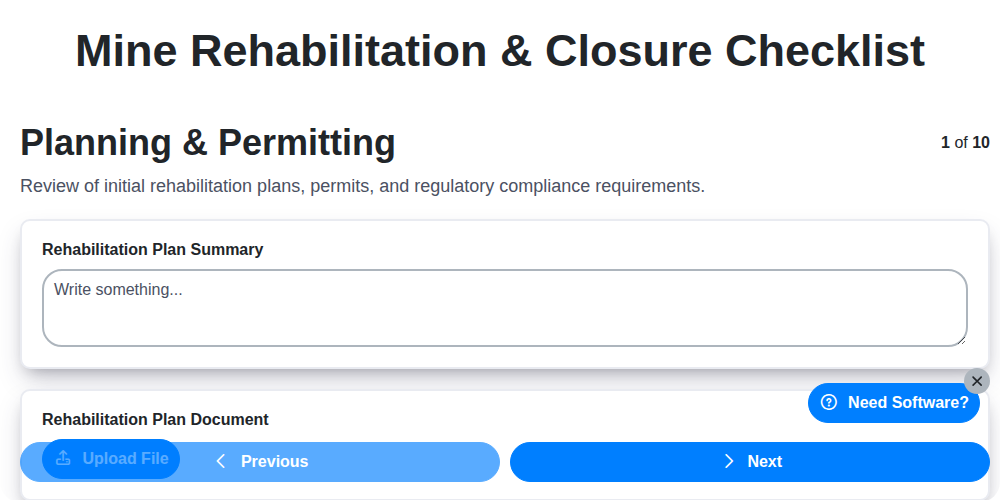
Ensuring a Sustainable Future: Your Mine Rehabilitation & Closure Checklist Guide
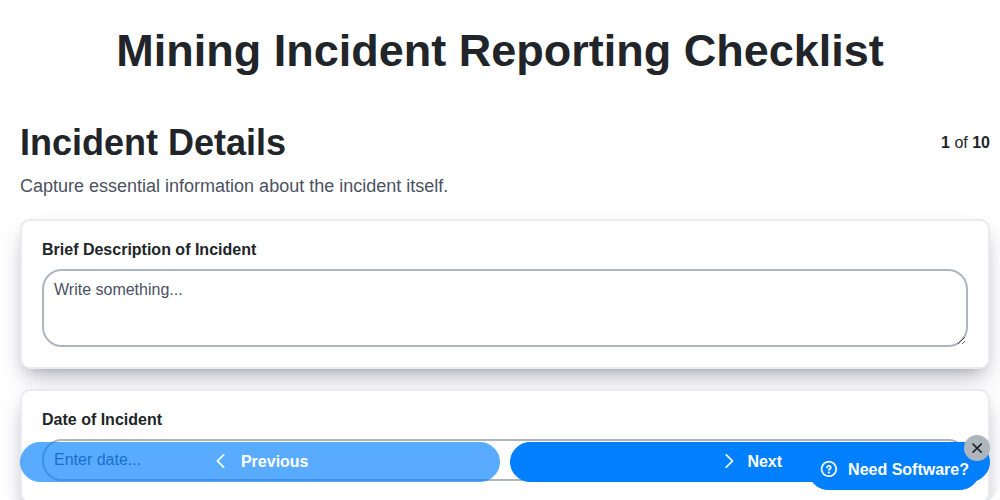
Ensuring Safety: Your Mining Incident Reporting Checklist Guide
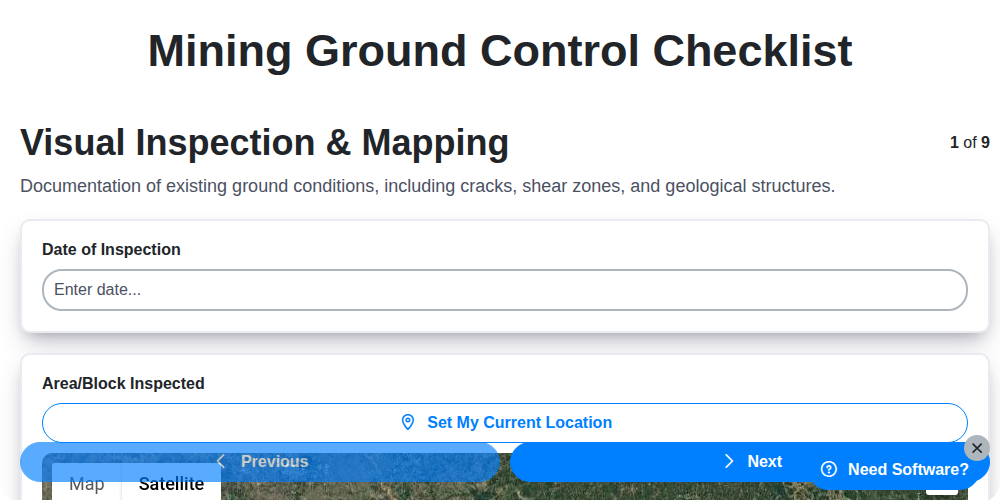
Mastering Mine Safety: Your Guide to the Ground Control Checklist
Mining Security Procedures Checklist: A Comprehensive Template for Safety
Ensuring Safety & Compliance: Your Mining Noise Monitoring Checklist Guide
Ensuring Safety Underground: Your Mine Traffic Management Checklist Guide
Ensuring Safety: Your Mining Explosives Handling Checklist Template
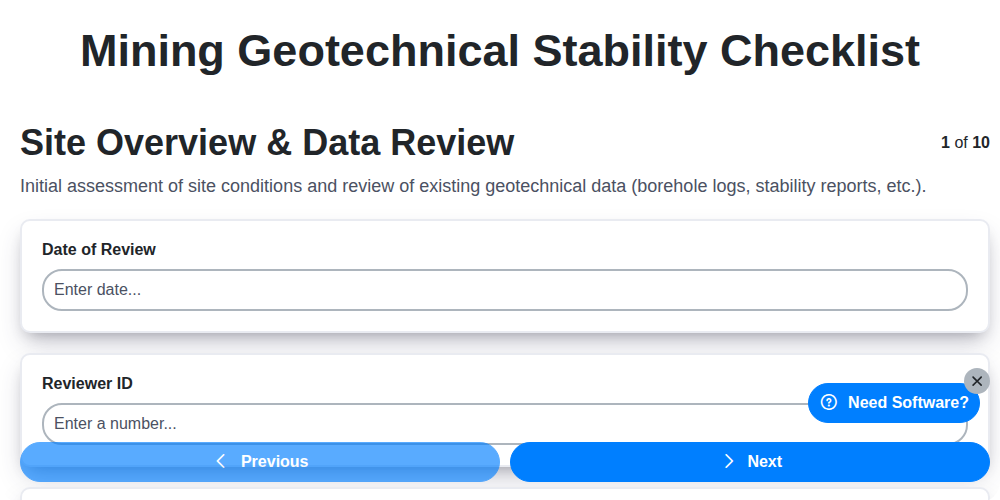
Ensuring Mine Safety: Your Geotechnical Stability Checklist Guide
Need help with
Mining Management?
Have a question? We're here to help. Please submit your inquiry, and we'll respond promptly.