Mining Security Procedures Checklist: A Comprehensive Template for Safety
Published: 11/20/2025 Updated: 07/02/2026
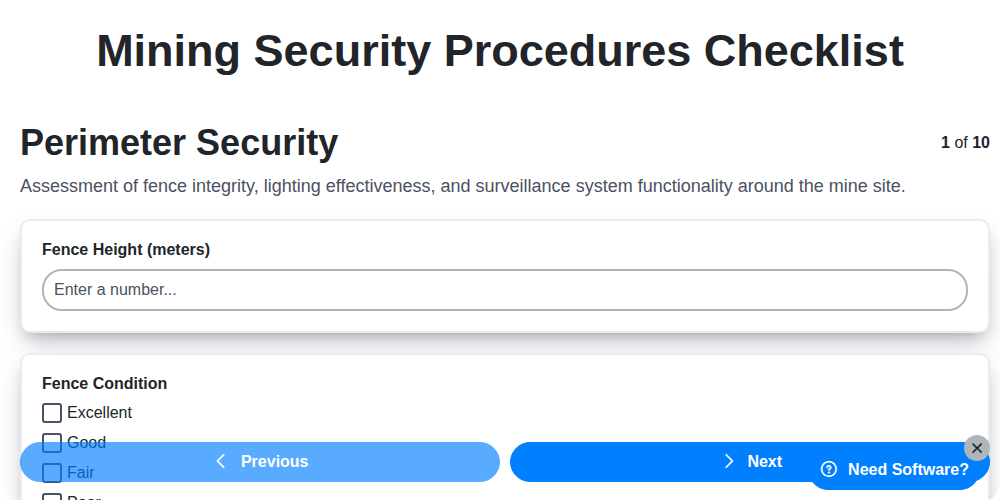
Table of Contents
- Introduction: Why a Mining Security Checklist is Essential
- 1. Perimeter Security: Protecting the Mine's Boundaries
- 2. Access Control: Restricting Entry to Authorized Personnel
- 3. Visitor Management: Ensuring Accountability and Safety
- 4. Personnel Security: Screening and Background Checks
- 5. Equipment Security: Safeguarding Valuable Assets
- 6. Data & Communication Security: Protecting Sensitive Information
- 7. Emergency Response & Evacuation: Planning for the Unexpected
- 8. Incident Reporting & Investigation: Learning from Security Breaches
- 9. Security Awareness Training: Empowering Employees
- 10. Contractor Security Management: Extending Security to Third Parties
- 11. Regular Audits & Review: Maintaining Security Effectiveness
- Conclusion: Building a Proactive Security Culture
- Resources & Links
TLDR: Running a mine? This checklist is your essential guide to covering all bases for security - from fences and access controls to data protection and emergency response. Use it to systematically review your procedures, identify gaps, and ensure a safer, more secure mining operation.
Introduction: Why a Mining Security Checklist is Essential
Mining operations face unique and significant security challenges. Beyond the typical concerns of theft and vandalism, the remote locations, valuable resources, and often hazardous environments present amplified risks. A reactive approach to security - dealing with incidents after they occur - is costly, disruptive, and ultimately, insufficient. A proactive stance, anchored by a comprehensive security checklist, is paramount. This checklist isn't merely a document; it's a living roadmap for identifying vulnerabilities, implementing controls, and ensuring a layered defense against a wide range of threats. From safeguarding personnel and equipment to protecting valuable data and maintaining operational continuity, a well-defined mining security checklist offers crucial peace of mind and a tangible reduction in risk exposure. It's the foundation for a robust and resilient security program, helping to minimize downtime, protect assets, and ensure the safety of everyone involved.
1. Perimeter Security: Protecting the Mine's Boundaries
The first line of defense for any mining operation is a robust perimeter security system. This isn't just about fences; it's a layered approach designed to detect, delay, and deter unauthorized access. Here's what your perimeter security checklist should cover:
- Physical Barriers: Regularly inspect fencing (chain-link, razor wire, walls) for damage, gaps, and corrosion. Ensure gates are secure and properly locked, with functional locking mechanisms. Consider natural barriers like dense vegetation where appropriate.
- Surveillance Systems: Cameras (CCTV) should cover all perimeter points, with sufficient resolution and appropriate lighting for nighttime operation. Regularly check camera angles, functionality, and recording capabilities. Implement redundant power sources for critical cameras.
- Lighting: Adequate perimeter lighting is crucial for visibility, especially during nighttime shifts. Ensure lights are functioning correctly and maintained regularly. Consider motion-activated lighting in strategic areas.
- Patrols: Establish routine patrols, both foot and vehicle, to monitor the perimeter and identify potential vulnerabilities. Patrol routes should be varied to prevent predictability.
- Intrusion Detection Systems (IDS): Implement IDS such as buried sensors, tripwires, or volumetric detection to alert security personnel to unauthorized entry attempts. Regularly test and maintain these systems.
- Clearance Zones: Maintain clear zones along the perimeter to eliminate hiding places and allow for unobstructed views of the boundary.
- Signage: Post clear and visible signage indicating restricted areas and warnings against trespassing.
- Regular Audits: Conduct periodic security audits to identify weaknesses in the perimeter security system and make necessary improvements.
2. Access Control: Restricting Entry to Authorized Personnel
Access control is a foundational element of any robust security program. It's not just about locks and keys; it's about implementing layered defenses that verify identity and limit access based on need-to-know principles. A weak access control system is an open invitation for unauthorized individuals and potential threats.
Here's a breakdown of key considerations for your access control procedures:
- Multi-Factor Authentication (MFA): Moving beyond simple passwords is crucial. Implement MFA wherever possible - physical access points, network logins, and critical systems. Combining something you know (password), something you have (access card/token), and something you are (biometrics) drastically increases security.
- Role-Based Access Control (RBAC): Grant access permissions based on job roles and responsibilities. This ensures individuals only have access to the resources they need to perform their duties, minimizing potential damage from insider threats or compromised accounts.
- Physical Access Points: Regularly review and update physical access controls, including doors, gates, fences, and server rooms. Ensure locks and access cards are properly managed, and investigate any unauthorized access attempts immediately.
- Logical Access Controls: Secure network access with strong passwords, VPNs, firewalls, and intrusion detection systems. Regularly review user accounts and permissions, removing access for terminated employees promptly.
- Access Card/Key Management: Implement strict protocols for issuing, tracking, and retrieving access cards or keys. Conduct regular audits to ensure accountability and prevent unauthorized distribution.
- Tailgating Prevention: Train personnel to challenge individuals without visible credentials and enforce strict policies against tailgating (allowing unauthorized individuals to follow someone through access points).
- Regular Audits & Reviews: Conduct periodic audits of access logs and user accounts to identify anomalies and potential security weaknesses. Review access control policies at least annually, or more frequently if circumstances change.
3. Visitor Management: Ensuring Accountability and Safety
Visitors are a necessary part of most businesses, but they also represent a potential security vulnerability. A robust visitor management system isn't just about being polite; it's a critical layer of defense. This checklist item focuses on implementing procedures that minimize risk and maintain control.
Here's what a comprehensive visitor management process should encompass:
- Pre-Registration: Encourage or require visitors to register in advance, ideally online, to expedite the arrival process and allow for background checks (where applicable and legally permissible).
- Identification Verification: Implement strict ID verification procedures. Acceptable forms of ID should be clearly defined and consistently enforced. Consider using ID scanning technology.
- Purpose of Visit: Always explicitly document the purpose of the visit and the person(s) the visitor is meeting. This clarifies their permitted areas and activities.
- Escort Requirements: Mandate visitor escorting, especially in sensitive areas. A designated employee should be responsible for guiding the visitor and ensuring they remain within approved zones.
- Badge/Access Control: Issue visitor badges clearly indicating their status and limiting their access. Integrate these badges with your access control system where possible.
- Sign-Out Procedures: Require all visitors to sign out upon departure, ensuring their departure is officially recorded.
- Background Checks (as appropriate): For certain visitor categories (e.g., those requiring access to highly sensitive areas), consider implementing background check procedures, adhering to all legal and privacy requirements.
- Record Keeping: Maintain accurate and complete records of all visitor logs, including entry/exit times, purpose of visit, and the escorting employee.
By rigorously adhering to these practices, you can significantly reduce the risk associated with visitors and maintain a more secure environment.
4. Personnel Security: Screening and Background Checks
Personnel represent a significant vulnerability for any organization. While most employees are trustworthy, the potential for insider threats - whether malicious or unintentional - demands a robust personnel security program. Thorough screening and background checks are foundational to this program.
This isn't just about fulfilling legal requirements (though that's a crucial component). It's about building a culture of trust and proactively mitigating risks. Your process should be layered and adaptable to different roles and levels of access.
Here's what a comprehensive personnel security screening and background check process should encompass:
- Initial Application Screening: This can include verifying education, previous employment, and licenses/certifications as claimed on the application.
- Reference Checks: Don't just check names - engage with references to get a genuine assessment of the candidate's work ethic, reliability, and integrity. Use structured questions to ensure consistency.
- Criminal Background Checks: The scope of these checks (national, state, local) should be determined by the role's sensitivity and legal requirements. Consider a continuous monitoring system for ongoing verification.
- Employment Verification: Confirm dates of employment and job titles at previous roles to verify accuracy.
- Credit Checks (where legally permissible and job-related): This may be relevant for roles handling significant financial responsibilities.
- Social Media Screening (with legal counsel review): While increasingly common, proceed with caution and ensure compliance with privacy laws and avoid discriminatory practices.
- Drug Screening (where legally permissible and job-related): A standard practice in many industries.
- Security Clearance Investigations (for sensitive roles): This involves in-depth background checks and interviews conducted by authorized agencies.
Beyond the Initial Hire: Personnel security isn't a one-and-done process. Periodic re-screening, especially for employees with elevated access or those in high-risk roles, is essential to maintain a strong security posture and address changes in circumstances. A continuous monitoring system can help automate this process.
Remember to always consult with legal counsel to ensure your personnel security procedures are compliant with all applicable laws and regulations.
5. Equipment Security: Safeguarding Valuable Assets
Your organization's equipment - from laptops and servers to specialized machinery - represents a significant investment and often holds sensitive data. A robust equipment security program goes beyond simple physical locks; it's a layered approach to minimize risk and maintain operational continuity.
This section of the security checklist addresses the lifecycle of equipment, covering procurement, deployment, usage, storage, and disposal. Key considerations include:
- Asset Inventory: Maintain a detailed inventory of all equipment, including serial numbers, location, assigned users, and value. Regularly update this list.
- Physical Security: Implement measures to prevent theft and unauthorized access. This might involve secure storage areas, cable locks, GPS tracking for mobile devices, and alarm systems.
- Software and Hardware Controls: Enforce policies regarding authorized software installation, patching, and hardware modifications. Implement device management solutions (MDM) where appropriate.
- Encryption: Utilize full-disk encryption on laptops and other portable devices to protect data at rest.
- Secure Disposal: Establish a strict process for decommissioning and disposing of equipment, including data wiping and physical destruction to prevent data breaches. Document the entire process.
- Regular Audits: Conduct periodic audits to verify compliance with equipment security policies and identify vulnerabilities.
Neglecting equipment security can lead to financial losses, reputational damage, and legal repercussions. By incorporating these practices into your security procedures, you're proactively protecting your valuable assets.
6. Data & Communication Security: Protecting Sensitive Information
In today's digital landscape, data is arguably your most valuable asset. A breach can lead to significant financial losses, reputational damage, and legal ramifications. This section of the security checklist focuses on safeguarding your organization's information and communication channels.
Key Considerations:
- Network Segmentation: Implement network segmentation to isolate critical systems and data, limiting the impact of potential breaches.
- Firewall Configuration: Regularly review and update firewall rules to ensure they effectively block unauthorized access.
- Data Encryption: Employ encryption both in transit (e.g., HTTPS) and at rest (e.g., encrypting hard drives and databases) to protect data confidentiality.
- Secure Remote Access: Implement robust authentication and authorization for remote access, including multi-factor authentication (MFA). VPN usage should be audited and secured.
- Wireless Security: Secure your wireless networks with strong passwords and encryption protocols (WPA3 is recommended). Regularly scan for rogue access points.
- Data Loss Prevention (DLP): Consider DLP tools to monitor and prevent sensitive data from leaving your network.
- Regular Vulnerability Scanning & Patch Management: Proactively identify and remediate vulnerabilities in systems and software. Automate patching where possible.
- Communication Channel Security: Secure email, instant messaging, and video conferencing platforms. Educate employees on phishing and social engineering tactics.
- Data Backup and Recovery: Implement a robust data backup and recovery plan with regular testing to ensure data can be restored in the event of a disaster or cyberattack.
Checklist Items:
- Network segmentation implemented and reviewed annually
- Firewall rules reviewed and updated quarterly
- Data encryption protocols enforced (in transit and at rest)
- Multi-factor authentication required for remote access
- Wireless network security protocols implemented and monitored
- Data Loss Prevention (DLP) strategy in place
- Regular vulnerability scanning and patching schedule maintained
- Secure communication platform configurations verified
- Data backup and recovery plan documented and tested
7. Emergency Response & Evacuation: Planning for the Unexpected
No matter how robust your preventative security measures are, the reality is that emergencies can and do happen. A well-defined emergency response and evacuation plan isn't just a good idea; it's a critical component of overall security.
This section of your checklist should focus on ensuring everyone knows what to do in a crisis. Consider these key areas:
- Clear Evacuation Routes: Are evacuation routes clearly marked and unobstructed? Conduct regular drills to ensure familiarity.
- Designated Assembly Points: Establish multiple, safe assembly points away from the building and potential hazards.
- Communication Protocols: How will information be disseminated during an emergency? Consider backup communication methods (e.g., runners, megaphones) in case of power outages or network failures.
- Roles and Responsibilities: Assign specific roles (e.g., floor marshals, first aid responders) and ensure they are adequately trained.
- Special Needs Considerations: Factor in the needs of individuals with disabilities or those requiring assistance.
- Regular Drills: Conduct regular fire drills, evacuation drills, and other scenario-based exercises to test the plan's effectiveness and identify areas for improvement. Document drill results and address any shortcomings.
- Plan Review & Updates: The emergency response plan should be reviewed and updated at least annually, or more frequently if there are changes to the facility layout, personnel, or potential threats.
A proactive and regularly tested emergency response plan can significantly reduce risk, protect personnel, and minimize damage in the event of a crisis.
8. Incident Reporting & Investigation: Learning from Security Breaches
No security system is perfect. Despite the best preventative measures, incidents will happen. A robust incident reporting and investigation process isn't just about documenting what went wrong; it's about transforming those events into opportunities for improvement and bolstering your overall security posture.
The Importance of a Clear Reporting Process:
A clearly defined and easily accessible reporting process is crucial. Employees, contractors, and visitors should know exactly how and to whom they should report suspicious activity or security breaches. This process should be simple, confidential (where appropriate), and encourage prompt reporting without fear of reprisal. Consider multiple reporting channels - phone, email, online form - to cater to different preferences and situations.
Investigation: Beyond the Blame Game:
The investigation phase goes beyond simply identifying the perpetrator. It's a deep dive into the how and why of the incident. Key questions to ask include:
- What vulnerabilities were exploited? Were there gaps in physical security, access controls, or procedures?
- Why weren't these vulnerabilities detected sooner? This highlights potential weaknesses in monitoring and preventative measures.
- What controls failed, and why? Examining the effectiveness of existing security controls is essential.
- Were procedures followed correctly? Identifying deviations from established protocols can reveal training gaps or procedural flaws.
- What could have prevented the incident? This is the most critical question - it drives corrective action.
Documenting Thoroughly:
Meticulous documentation is vital. Create a standardized incident report form that captures:
- Date and time of the incident
- Location
- Description of the event
- Individuals involved (witnesses, victims, perpetrators)
- Security controls bypassed or compromised
- Initial assessment of impact and damage
- Corrective actions taken immediately
Continuous Improvement:
The investigation's findings should directly inform corrective actions and updates to security procedures. Don't let incidents be isolated events; use them as learning opportunities to strengthen your entire security program. Regularly review and update your incident response plan based on lessons learned.
9. Security Awareness Training: Empowering Employees
Your organization's strongest defense against security threats isn't solely about physical barriers or sophisticated technology; it's about the people within it. That's why a robust security awareness training program is absolutely vital. A well-designed program goes beyond simply ticking a compliance box; it actively empowers your employees to be your first line of defense.
What should your security awareness training cover? It should be engaging and regularly updated, addressing topics like:
- Phishing and Social Engineering: Recognizing and reporting suspicious emails, calls, and other communication attempts.
- Password Security: Creating strong passwords, using multi-factor authentication, and understanding password management best practices.
- Data Handling: Proper handling of sensitive information, both digital and physical, and adherence to data privacy policies.
- Physical Security: Being observant of surroundings, reporting suspicious activity, and understanding security protocols.
- Remote Work Security: Best practices for secure remote access, device security, and network safety.
- Insider Threats: Recognizing and reporting potential insider risks, both malicious and unintentional.
Beyond the content, how you deliver the training is crucial. Interactive modules, simulated phishing exercises, and regular updates are more effective than static presentations. Tailor the training to different roles and departments within your organization to ensure relevance and maximize impact. Remember, consistent reinforcement and ongoing reminders are key to maintaining a security-conscious culture. Investing in security awareness training isn't just about preventing breaches - it's about cultivating a team of empowered, vigilant employees who actively contribute to your overall security posture.
10. Contractor Security Management: Extending Security to Third Parties
Your organization's security isn't limited to your own employees and physical assets. Contractors, vendors, and other third parties often require access to your facilities, systems, and data. A robust contractor security management program is crucial to prevent vulnerabilities and protect your overall security posture.
This isn't just about background checks (though those are important!). A comprehensive approach includes a lifecycle management strategy encompassing pre-onboarding, during engagement, and offboarding.
Here's what a solid contractor security management program should include:
- Risk Assessment: Identify potential risks associated with specific contractors and the data/systems they're accessing. Tailor security requirements accordingly.
- Contractual Security Clauses: Integrate clear security requirements and responsibilities into contracts. Include clauses related to data protection, confidentiality, and acceptable use.
- Background Checks & Vetting: Conduct thorough background checks and security clearances, in compliance with relevant laws and regulations.
- Access Control & Authorization: Implement strict access controls, granting contractors only the minimum necessary access for their specific tasks. Regularly review and adjust access privileges.
- Security Awareness Training: Provide contractor-specific security awareness training, covering topics like phishing, malware, and data handling procedures.
- Monitoring & Auditing: Continuously monitor contractor activity and conduct periodic audits to ensure compliance with security policies.
- Offboarding Procedures: Establish clear offboarding procedures to promptly revoke access, retrieve assets, and ensure a secure transition when a contractor's engagement ends. This includes data deletion, device retrieval, and account closure.
- Reporting & Accountability: Define clear reporting channels for security incidents involving contractors and establish accountability for non-compliance.
Neglecting contractor security can create significant gaps in your defenses. Proactive and diligent management is essential for maintaining a strong and resilient security framework.
11. Regular Audits & Review: Maintaining Security Effectiveness
Security isn't a set it and forget it endeavor. The threat landscape is constantly evolving, technology advances, and your organization's operations change. That's why regular audits and reviews are critical to ensuring your security procedures remain effective and relevant.
Think of it as preventative maintenance for your security posture. These aren't just about finding what's broken - they're about identifying areas for improvement, validating that your controls are working as intended, and proactively addressing vulnerabilities before they can be exploited.
What should a security audit cover?
- Procedure Validation: Are your procedures being followed correctly? Observe staff performing tasks and interview them to understand their approach.
- Control Effectiveness: Verify that your security controls (physical, technical, and administrative) are operating as designed and achieving the desired outcomes. This might involve testing access controls, reviewing security logs, or examining physical security measures.
- Compliance Verification: Ensure your security procedures align with relevant industry regulations, legal requirements, and internal policies.
- Technology Assessment: Evaluate the effectiveness of your security technologies and explore opportunities to upgrade or implement new solutions.
- Gap Analysis: Identify any gaps between your current security practices and best practices or regulatory requirements.
Frequency and Scope:
The frequency of your audits should be determined by your organization's risk profile and regulatory requirements. Annual audits are a good starting point, but high-risk environments may require more frequent reviews (e.g., quarterly or even monthly). The scope of each audit can vary - some might focus on specific areas (like access control), while others might be comprehensive.
Don't forget the follow-up: An audit is only valuable if the findings are addressed. Create a remediation plan, assign responsibility for implementing corrective actions, and track progress until all issues are resolved. Continuous improvement is the key to sustained security effectiveness.
Conclusion: Building a Proactive Security Culture
Ultimately, a robust security posture isn't just about ticking boxes on a checklist; it's about fostering a proactive security culture. Regularly reviewing and updating this Mining Security Procedures Checklist isn't a one-time task, but an ongoing process. Encourage feedback from all personnel, from miners to management, as they often hold valuable insights into potential vulnerabilities. Embrace a mindset of continuous improvement, adapting to evolving threats and technological advancements. By viewing security not as a burden but as a shared responsibility and integrating it into daily operations, you can significantly enhance the safety and resilience of your mining operations. Remember, vigilance and a commitment to security best practices are the cornerstones of a safe and successful mining environment.
Resources & Links
- Occupational Safety and Health Administration (OSHA): OSHA provides regulations and guidelines for mine safety and health, including security aspects. This is a crucial starting point for understanding legal requirements and best practices. Focus on their mining-specific standards.
- Mine Safety and Health Administration (MSHA): MSHA is the primary federal agency responsible for regulating mine safety and health. Their website provides regulations, statistics, training materials, and resources on preventing accidents and ensuring a safe working environment. This is absolutely vital for compliance.
- Security Industry Association (SIA): SIA is a leading trade association for the security industry. They offer resources, training, and standards for security professionals, useful for evaluating security technology and best practices across various categories.
- ASIS International: ASIS is a global community of security professionals. They offer certifications, standards, and resources related to security management, risk assessment, and physical security. Their publications and training can be helpful in developing and implementing a comprehensive security program.
- International Organization for Standardization (ISO): ISO develops international standards for various industries. While no single ISO standard covers mining security directly, relevant standards like ISO 27001 (Information Security Management) and those related to risk management can be adapted and applied.
- National Institute of Standards and Technology (NIST): NIST develops standards and guidelines for cybersecurity and other technical areas. Their frameworks and publications can provide valuable insights for securing data and communication systems within a mining operation. Specifically check out their Cybersecurity Framework.
- International IAAPA Foundation: While geared towards the amusement park industry, IAAPA Foundation resources on security and risk management can be applicable to mining, particularly in areas like perimeter security, visitor management, and emergency response.
- Cybersecurity and Infrastructure Security Agency (CISA): CISA provides resources and guidance on cybersecurity threats and best practices. Given the increasing reliance on technology in mining, this is important for safeguarding digital assets and critical infrastructure.
- International Criminal Police Organization (INTERPOL): For mining operations in international locations, INTERPOL provides information and assistance related to transnational crime and security threats. Their resources are useful for assessing risks and coordinating with local authorities.
- National Safety Council (NSC): The NSC offers safety training programs and resources that can be adapted for mining security awareness, emphasizing proactive measures and risk reduction. While broader than just security, the principles apply.
- Risk Management Association (RMA): RMA provides resources and professional development opportunities related to risk management, including the assessment and mitigation of security risks. Helpful in creating a risk-based security program.
Frequently Asked Questions
What is this checklist for?
This checklist is designed to help mining operations systematically evaluate and improve their security procedures, ensuring a safer working environment for all personnel and protecting assets from theft and vandalism. It serves as a template to be customized for specific mine sites and operational contexts.
Who should use this checklist?
This checklist is intended for use by a wide range of personnel involved in mine security, including security managers, safety officers, mine supervisors, and site managers. It can also be valuable for external auditors and consultants assessing security practices.
Is this checklist a substitute for legal requirements?
No. This checklist is a best practice guide and should not be considered a substitute for complying with all applicable legal and regulatory requirements related to mine safety and security. Always consult relevant legislation and standards.
Can I modify this checklist?
Yes, absolutely. This checklist is intended as a template. You should tailor it to reflect the unique risks, hazards, and operational specifics of your mine site. Add, remove, or modify items as necessary.
How often should this checklist be reviewed and updated?
We recommend reviewing and updating the checklist at least annually, or more frequently if there are significant changes to mine operations, security threats, or regulatory requirements. Regular review ensures its continued relevance and effectiveness.
What types of security procedures are covered in the checklist?
The checklist covers a broad range of security areas including site access control, perimeter security, surveillance systems, emergency response procedures, employee training, visitor management, equipment security, and data security.
What do the scoring/rating options mean (e.g., Compliant, Partially Compliant, Non-Compliant)?
These ratings are intended to provide a clear understanding of the status of each security procedure. 'Compliant' indicates the procedure is fully implemented and effective. 'Partially Compliant' suggests improvements are needed. 'Non-Compliant' requires immediate corrective action.
How can I address 'Non-Compliant' findings identified by the checklist?
For each 'Non-Compliant' finding, document the reason for the non-compliance and develop a corrective action plan. Assign responsibility for implementing the corrective actions and set deadlines for completion. Track progress and verify the effectiveness of the implemented solutions.
Where can I find more information about mine security best practices?
Several organizations offer valuable resources on mine security, including the Mine Safety and Health Administration (MSHA), the National Mining Association (NMA), and industry-specific security consultants. Consult these resources to stay informed about emerging threats and best practices.
What is the importance of employee training mentioned in the checklist?
Employee training is crucial because personnel are often the first line of defense against security breaches. Proper training equips them to identify suspicious activity, follow security protocols, and respond effectively to incidents.
Comments
There are no comments yet. Be the first to add one!
Mining Management Solution Demo
Maximize efficiency & safety in mining operations! ChecklistGuro streamlines task management, equipment tracking, and compliance reporting. Optimize workflows, reduce risk, & boost productivity. Manage it all with our Work OS.
Related Articles
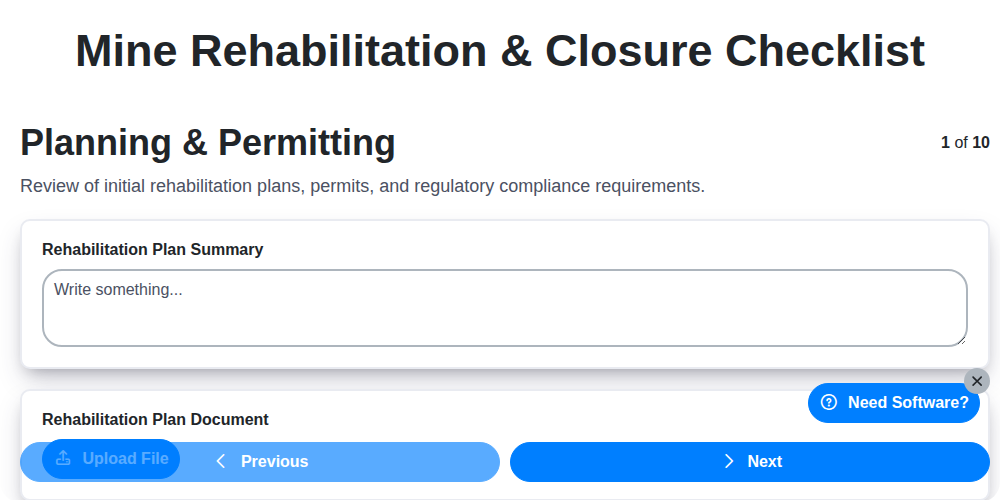
Ensuring a Sustainable Future: Your Mine Rehabilitation & Closure Checklist Guide
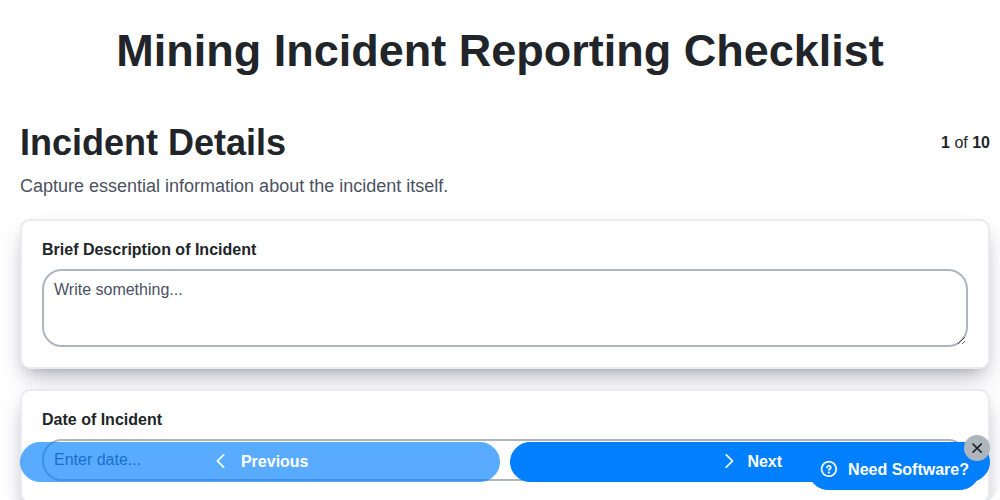
Ensuring Safety: Your Mining Incident Reporting Checklist Guide
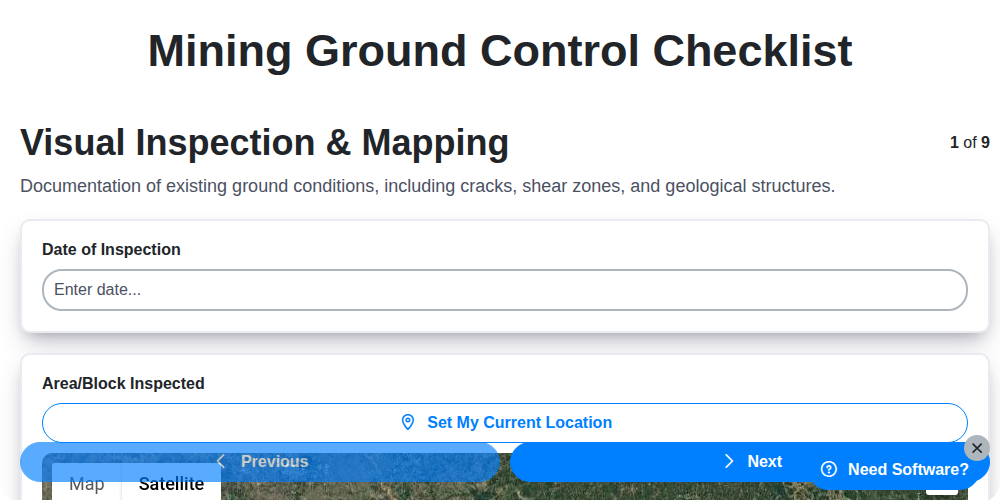
Mastering Mine Safety: Your Guide to the Ground Control Checklist
Ensuring Safety & Efficiency: Your Mine Haul Road Inspection Checklist Guide
Ensuring Safety & Compliance: Your Mining Noise Monitoring Checklist Guide
Ensuring Safety Underground: Your Mine Traffic Management Checklist Guide
Ensuring Safety: Your Mining Explosives Handling Checklist Template
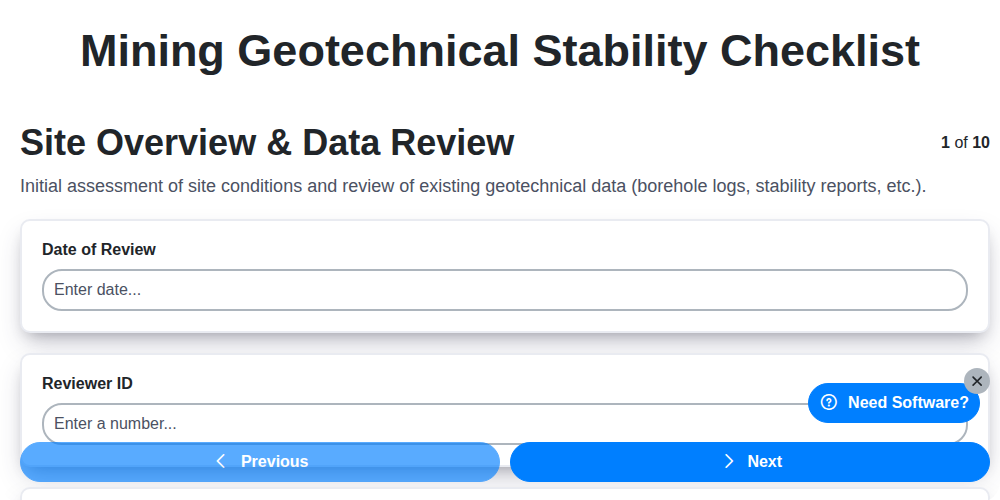
Ensuring Mine Safety: Your Geotechnical Stability Checklist Guide
Need help with
Mining Management?
Have a question? We're here to help. Please submit your inquiry, and we'll respond promptly.