Ensuring Success: Your Mine Dewatering Plan Checklist Template
Published: 11/22/2025 Updated: 07/02/2026
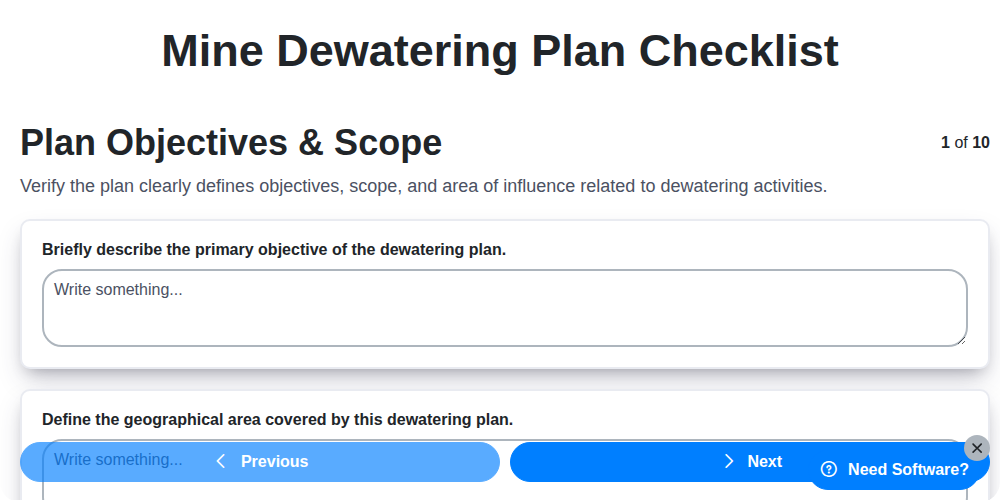
Table of Contents
- Introduction: Why a Robust Dewatering Plan is Essential
- 1. Defining Your Objectives & Scope
- 2. Understanding the Hydrology: A Comprehensive Assessment
- 3. Designing an Effective Pumping System
- 4. Minimizing Environmental Impact
- 5. Establishing a Robust Monitoring Program
- 6. Preparing for the Unexpected: Contingency Planning
- 7. Navigating Regulatory Compliance
- 8. Engaging Stakeholders: Communication is Key
- 9. Review, Approval, and Ongoing Updates
- Resources & Links
TLDR: Mining operations need a solid dewatering plan to avoid costly problems. This checklist template ensures you cover all bases - from understanding groundwater flow to dealing with environmental impacts and emergencies - making sure your plan is comprehensive, compliant, and ready for success. Download it to streamline your planning process!
Introduction: Why a Robust Dewatering Plan is Essential
Mining operations rarely occur in perfectly dry environments. Water, whether from groundwater, surface runoff, or precipitation, is a constant factor that can significantly impact safety, productivity, and environmental responsibility. A comprehensive Dewatering Plan isn't just a good practice; it's a necessity.
Without a well-defined plan, you risk encountering delays due to unexpected water influxes, increased operational costs from reactive measures, compromised ground stability leading to safety hazards, and potential environmental damage impacting surrounding ecosystems. A robust dewatering plan proactively addresses these challenges by systematically outlining the process of removing groundwater, assessing potential impacts, and establishing protocols to mitigate risks. It ensures operational efficiency, minimizes environmental impact, and protects the health and safety of personnel - ultimately contributing to a sustainable and successful mining venture. Failing to prioritize dewatering planning can lead to costly consequences, making a proactive and thorough approach crucial for any mining project.
1. Defining Your Objectives & Scope
Before any dewatering plan can be effectively implemented, it's crucial to clearly define its objectives and scope. This isn's just about lowering the water table; it's about why you need to do so and what areas are affected.
Consider these key questions:
- What are the specific project goals that require dewatering? (e.g., foundation excavation, tunnel construction, slope stabilization)
- What is the geographical area covered by the plan? Clearly delineate the boundaries of the dewatering zone.
- What are the acceptable drawdown limits? Determine the maximum permissible lowering of the water table to protect nearby structures or ecosystems.
- What are the potential impacts to surrounding areas? Consider properties, infrastructure, and natural watercourses.
- What is the timeframe for dewatering activities? Define start and end dates and any phased approach.
A well-defined scope prevents scope creep, ensures resources are targeted effectively, and provides a baseline against which the plan's success can be measured. Document these objectives and scope meticulously; they'll guide every subsequent decision in the dewatering process.
2. Understanding the Hydrology: A Comprehensive Assessment
A robust dewatering plan hinges on a thorough understanding of the site's hydrology. This isn't simply about knowing how much water is present; it's a detailed assessment of where it comes from, how it moves, and how it interacts with the surrounding environment. Our hydrological assessment goes beyond basic calculations, encompassing several crucial aspects:
- Groundwater Recharge and Discharge: We analyze the sources of groundwater replenishment (recharge) and the points where it exits the aquifer (discharge). This includes identifying contributing areas, rainfall infiltration rates, and the impact of surface water bodies.
- Aquifer Characteristics: Determining the hydraulic conductivity, porosity, and transmissivity of the aquifer is essential. This informs the potential flow rates and the effectiveness of dewatering methods. We utilize borehole testing, pumping tests, and geological data to gain accurate information.
- Surface Water Interaction: Understanding the connection between groundwater and surface water bodies (rivers, streams, lakes) is vital. Dewatering activities can significantly impact these resources, and the assessment will identify potential impacts and mitigation strategies.
- Seasonal Variations: Groundwater levels and flow rates are rarely constant. Our assessment considers seasonal fluctuations due to rainfall, snowmelt, and evapotranspiration to predict water levels throughout the project's duration.
- Geological Mapping: Integration with detailed geological maps helps to interpret groundwater flow paths and identify potential geological features that may influence dewatering.
- Numerical Modeling (when applicable): For complex hydrogeological conditions, we employ numerical groundwater flow models to simulate the impact of dewatering and optimize the plan.
This detailed hydrological assessment provides the foundation for a safe, effective, and environmentally responsible dewatering plan.
3. Designing an Effective Pumping System
The heart of any successful mine dewatering plan is a robust and reliable pumping system. Simply put, inadequate design here can lead to catastrophic flooding and significant operational delays. Here's a breakdown of critical considerations for effective design:
1. Accurate Flow Rate Calculation: This isn't just about estimating the water volume; it's a precise calculation factoring in anticipated rainfall, groundwater inflow, seam water influx, and any potential future mining activities. Overestimation is costly (larger pumps, higher energy consumption), while underestimation is disastrous. Utilize hydrological modelling software and historical data to ensure accuracy.
2. Pump Selection: Different pumps are suited to different conditions. Consider factors like:
- Water Quality: Abrasive slurries necessitate robust, wear-resistant pumps.
- Head (Total Dynamic Head - TDH): This includes elevation changes, friction losses in pipes, and pressure requirements. Accurate TDH calculation is essential for proper pump sizing.
- Submergence: How deep will the pump be submerged? This dictates pump type and motor specifications.
- Efficiency: Optimize for energy efficiency to reduce operating costs.
- Redundancy: Consider multiple pumps or a backup system to ensure continuous operation in case of failure.
3. Piping and Layout: The pipe network must be sized appropriately to minimize friction losses and ensure efficient water transport. Consider the following:
- Pipe Material: Select a material compatible with the water chemistry and surrounding environment (e.g., corrosion resistance).
- Pipeline Routing: Minimize pipe length and bends to reduce friction.
- Well Construction: If dewatering wells are used, proper well design and construction are critical for long-term performance.
4. Power Supply & Reliability: Ensure a reliable power supply for the pumping system. Consider backup generators or alternative power sources to mitigate risk of power outages.
5. Automated Control Systems: Implementing automated control systems allows for dynamic adjustment of pumping rates based on real-time water levels and conditions, optimizing efficiency and minimizing energy consumption.
4. Minimizing Environmental Impact
Dewatering, while necessary for many mining operations, can significantly impact the surrounding environment. A robust checklist ensures potential impacts are identified and mitigated proactively. This section focuses on minimizing those impacts, encompassing water quality, aquatic life, and overall ecosystem health.
Our checklist requires a thorough Environmental Impact Assessment (EIA), extending beyond simple compliance checks. This assessment must detail potential impacts to surface and groundwater quality, including changes in pH, turbidity, and contaminant levels. We need to evaluate potential harm to aquatic ecosystems, considering fish migration patterns, spawning grounds, and the impact on riparian vegetation.
The checklist mandates the selection of dewatering methods that prioritize environmental protection. This may include using closed-loop systems to prevent discharge, implementing sediment control measures, and employing chemical treatments responsibly, with comprehensive monitoring to ensure efficacy and minimal ecological disturbance. Furthermore, the plan must address noise and dust pollution generated by equipment, suggesting mitigation strategies where necessary. Finally, the assessment must consider the potential impact on sensitive areas, like wetlands or protected habitats, and incorporate specific measures to safeguard them.
5. Establishing a Robust Monitoring Program
A dewatering plan isn't a set it and forget it document. Its effectiveness hinges on a meticulously designed and consistently executed monitoring program. This program provides crucial feedback, verifies the plan's performance, and allows for timely adjustments to prevent unforeseen issues.
Here's what a robust monitoring program should include:
- Water Level Monitoring: Continuous measurement of water levels in observation wells, sumps, and affected surface water bodies. This data reveals the actual drawdown achieved and highlights any unexpected fluctuations.
- Groundwater Quality Assessment: Regular sampling and analysis of groundwater quality parameters (e.g., pH, turbidity, metals, contaminants). This ensures dewatering isn't negatively impacting water quality and identifies any potential pollutant migration. Frequency should be determined by baseline conditions and potential risks.
- Surface Water Flow Measurement: Monitoring the flow rates and levels in nearby rivers, streams, or wetlands. This verifies that dewatering operations aren't significantly impacting these water bodies and confirms predicted flow reductions are within acceptable limits.
- Visual Inspections: Periodic visual assessments of slopes, foundations, and surrounding areas for signs of instability, erosion, or settlement.
- Data Logging & Reporting: Establish a system for automated data logging and regular reporting to relevant stakeholders. Reports should include trends, anomalies, and any corrective actions taken.
- Trigger Levels & Action Thresholds: Define specific trigger levels for monitored parameters. When these levels are breached, pre-defined action thresholds should be implemented, which may include adjusting pumping rates, intensifying inspections, or initiating contingency plans.
A well-executed monitoring program not only validates the dewatering plan but also demonstrates a commitment to responsible environmental stewardship.
6. Preparing for the Unexpected: Contingency Planning
Mining dewatering isn't a perfectly predictable process. Unexpected events - heavy rainfall, equipment failure, unforeseen geological conditions - can throw even the best-laid plans off course. That's why a robust contingency plan is absolutely crucial. This isn't just a nice-to-have; it's a safety net that protects your operation, your workforce, and the surrounding environment.
Your contingency plan should address several key scenarios. What happens if your primary pumping system fails? Do you have backup pumps, generators, and a clear process for rapid deployment? Consider the potential for rapid groundwater influx - what measures can be implemented to quickly manage and contain it? Address potential pipeline breaches, power outages, and even issues with water treatment facilities.
Each contingency should outline specific actions, responsibilities, and communication protocols. Clearly define trigger points that initiate the plan (e.g., groundwater level exceeding a pre-determined threshold). Regularly review and practice these procedures - tabletop exercises and simulations can identify weaknesses and ensure everyone knows their role in a crisis. Remember, a well-rehearsed contingency plan can mean the difference between a minor setback and a major incident.
7. Navigating Regulatory Compliance
Mine dewatering isn't just about removing water; it's a heavily regulated activity. Failing to adhere to relevant regulations can result in hefty fines, project delays, and even operational shutdowns. The specific permits and approvals required will vary significantly depending on your location (country, state/province, local authority) and the scale of the dewatering operation.
Here's what you need to consider:
- Identify Applicable Regulations: Research and meticulously identify all applicable environmental regulations, water rights laws, mining codes, and permits related to dewatering activities. This includes federal, state/provincial, and local requirements.
- Water Rights & Permits: Secure the necessary water rights permits to extract and discharge water. Understand the permitted volumes, discharge quality standards, and any associated restrictions.
- Discharge Permits: Ensure you have proper discharge permits for any water released back into the environment. These permits will dictate quality parameters and require regular monitoring.
- Environmental Protection Laws: Dewatering can impact surrounding ecosystems. Comply with laws protecting groundwater resources, surface water bodies, and any sensitive habitats.
- Reporting Requirements: Understand and fulfill all reporting requirements related to water extraction, discharge, and monitoring data.
- Regular Audits: Conduct regular internal audits to ensure ongoing compliance and identify any areas for improvement.
- Stay Informed: Regulations evolve. Subscribe to regulatory updates and maintain ongoing communication with relevant authorities.
Proper regulatory compliance isn't merely a legal obligation; it's crucial for sustainable mining practices and maintaining a positive relationship with stakeholders.
8. Engaging Stakeholders: Communication is Key
Effective mine dewatering isn't solely a technical exercise; it's a collaborative effort. Engaging stakeholders - local communities, landowners, regulatory bodies, environmental groups, and even other businesses - is critical for minimizing conflict, ensuring acceptance, and fostering a positive relationship.
This process starts early, ideally during the initial planning stages. Simple, transparent communication builds trust and allows for valuable input. Consider these key strategies:
- Regular Meetings: Schedule open forums and meetings to present the dewatering plan, explain its objectives, and address concerns.
- Accessible Information: Provide easily understandable summaries of the plan - avoiding technical jargon - and make them available online or in printed format.
- Feedback Mechanisms: Establish clear channels for stakeholders to provide feedback, suggestions, and raise concerns. This could include dedicated email addresses, online forms, or designated community liaisons.
- Addressing Concerns Proactively: Don't wait for issues to arise. Anticipate potential concerns (e.g., impacts on water availability for local agriculture, potential for ground subsidence) and proactively address them with factual information and mitigation strategies.
- Cultural Sensitivity: Be mindful of the cultural values and perspectives of local communities and tailor your communication accordingly.
- Documentation: Maintain meticulous records of all stakeholder consultations, feedback received, and responses provided. This demonstrates transparency and accountability.
Ignoring stakeholder concerns can lead to delays, legal challenges, and damage to the mine's reputation. Open and honest communication fosters a sense of partnership and increases the likelihood of a successful and sustainable dewatering operation.
9. Review, Approval, and Ongoing Updates
A dewatering plan isn't a static document; it's a living guide that requires continuous attention and refinement. Initial review and approval are crucial, involving relevant engineering experts, site managers, and potentially external consultants to validate the plan's technical soundness and feasibility. This ensures that all aspects - from hydrological calculations to pumping system specifications - align with best practices and project requirements.
However, the review process shouldn't end with initial approval. Regular updates and revisions are essential for several reasons:
- Changing Site Conditions: Ground conditions can shift, water table levels fluctuate, and unforeseen geological surprises can arise. The plan needs to be adaptable to reflect these changes.
- Performance Monitoring: The monitoring program (as outlined previously) generates valuable data. This data should be analyzed to assess the effectiveness of the dewatering plan and identify areas for improvement.
- Regulatory Changes: Environmental regulations and permitting requirements can evolve, necessitating adjustments to the plan to maintain compliance.
- Lessons Learned: As the project progresses, experience gained during dewatering operations can highlight inefficiencies or areas for optimization.
- Project Phase Changes: Different phases of a project (e.g., excavation, foundation work) may require adjustments to the dewatering strategy.
A clear schedule for periodic reviews (e.g., quarterly, annually, or after significant milestones) should be established. Document all revisions, including the date, author, and reason for change. Maintaining a version control system ensures traceability and facilitates future comparisons. Finally, re-approval of updated plans should follow a similar process to the initial approval, confirming that all changes are sound and compliant.
Resources & Links
- United States Geological Survey (USGS): The USGS provides extensive data and resources on hydrology, groundwater, and surface water, critical for understanding the water conditions impacting your mine dewatering project. Their publications and data tools are invaluable for baseline assessments and ongoing monitoring.
- United States Environmental Protection Agency (EPA): The EPA provides regulations, guidelines, and best practices related to water quality, discharge permits, and environmental impact mitigation - essential for ensuring your dewatering plan is compliant and minimizes environmental damage.
- Mine Safety and Health Administration (MSHA): MSHA provides regulations and resources related to mine safety, including aspects of water management and potential hazards associated with dewatering. Essential for understanding safety protocols.
- Associated General Contractors of America (AGC): The AGC offers resources, best practices, and publications related to construction and mining, including water management strategies and construction-related legal aspects. They often have guidance on infrastructure design and environmental mitigation.
- Society for Mining, Metallurgy, and Exploration (SME): SME is a professional society with a wealth of technical publications, conferences, and resources focused on all aspects of mining, including dewatering techniques and case studies. Their publications can provide practical insights into successful dewatering plans.
- Water.org: Although primarily focused on global water access, Water.org provides fundamental knowledge about water resources and management. It's a good resource for understanding the broader context of water usage and conservation.
- Engineering.com: A comprehensive engineering resource with articles, forums, and tools related to various engineering disciplines, including hydrology, groundwater, and pumping system design. Provides technical insights and best practices.
- International Organization for Standardization (ISO): ISO develops and publishes international standards. While not solely focused on mining, their standards for environmental management (ISO 14001) and quality management (ISO 9001) can be valuable for implementing a robust and auditable dewatering plan.
- State Geological Surveys: Most states have their own geological surveys which provide detailed information about groundwater conditions, aquifers, and geological maps which will be essential for understanding local hydrology. Replace geologicalsurvey.gov with the appropriate URL for the state in question
- The World Bank: The World Bank often funds mining projects in developing countries. Their reports and documentation frequently contain details about environmental safeguards and water management practices, offering valuable lessons and best practices. Particularly useful for understanding potential environmental and social impacts.
- Dewatering Systems & Services: Provides an overview of various dewatering methods and systems, including pumps and drainage solutions. Provides more specific technical solutions.
Frequently Asked Questions
What is mine dewatering and why is it important?
Mine dewatering is the process of removing water from a mine site. It's crucial for ensuring worker safety, maintaining operational efficiency, preventing equipment damage, and ensuring the overall stability of the mine workings. Water accumulation can lead to flooding, ground instability, and operational disruptions.
What is a mine dewatering plan checklist template and how can it help?
A mine dewatering plan checklist template is a structured document that outlines all the necessary steps, considerations, and procedures for developing and implementing a comprehensive mine dewatering plan. It helps ensure nothing is overlooked, promotes consistency, reduces risks, and facilitates regulatory compliance.
Who should use this checklist template?
This template is beneficial for a wide range of professionals involved in mine dewatering, including mine engineers, geologists, hydrogeologists, mine managers, safety officers, and environmental specialists.
What are the key sections covered in the checklist template?
The checklist template typically covers areas like hydrological assessment, water source identification, dewatering system design, equipment selection, monitoring program, contingency planning, environmental considerations, regulatory compliance, and cost estimation.
Can I modify the checklist template to fit my specific mine site?
Absolutely! This is a template and is designed to be flexible. It's highly recommended that you customize it to reflect the unique geological, hydrological, and operational conditions of your specific mine site. Add or remove items as necessary.
What hydrological data is essential for developing a mine dewatering plan?
Key hydrological data includes groundwater levels, groundwater flow direction and velocity, recharge areas, water quality, rainfall data, surface water interactions, and geological formations influencing water movement.
What types of dewatering systems are commonly used in mining?
Common dewatering systems include wellpoint systems, deep wells, drain systems, submersible pumps, and compressed air systems. The choice of system depends on the site's geology, water table depth, and flow rates.
What environmental considerations should be factored into a mine dewatering plan?
Considerations include minimizing disturbance to surface water bodies, preventing contamination of groundwater, managing discharge water responsibly, protecting aquatic habitats, and complying with environmental regulations.
How does this checklist contribute to regulatory compliance?
The checklist helps ensure that all necessary steps are taken to meet regulatory requirements related to mine dewatering, water discharge, and environmental protection. It provides a documented trail of compliance efforts.
What are some potential risks associated with inadequate mine dewatering and how can the checklist help mitigate them?
Risks include flooding, ground instability, equipment failure, worker safety hazards, and environmental damage. The checklist helps identify potential risks, define preventative measures, and establish contingency plans.
Comments
There are no comments yet. Be the first to add one!
Mining Management Solution Demo
Maximize efficiency & safety in mining operations! ChecklistGuro streamlines task management, equipment tracking, and compliance reporting. Optimize workflows, reduce risk, & boost productivity. Manage it all with our Work OS.
Related Articles
Ensuring Mine Safety: Your Geotechnical Stability Checklist Guide
Ensuring Safety & Efficiency: Your Mine Haul Road Inspection Checklist Guide
Mastering Mine Safety: Your Guide to the Ground Control Checklist
Mining Security Procedures Checklist: A Comprehensive Template for Safety
Ensuring Safety: Your Mining Incident Reporting Checklist Guide
Ensuring Safety Underground: Your Mine Traffic Management Checklist Guide
Ensuring Safety: Your Mining Explosives Handling Checklist Template
Ensuring Safety & Compliance: Your Mining Noise Monitoring Checklist Guide
Need help with
Mining Management?
Have a question? We're here to help. Please submit your inquiry, and we'll respond promptly.