Ensuring Safety Underground: Your Guide to the Mine Emergency Response Checklist
Published: 11/20/2025 Updated: 07/02/2026
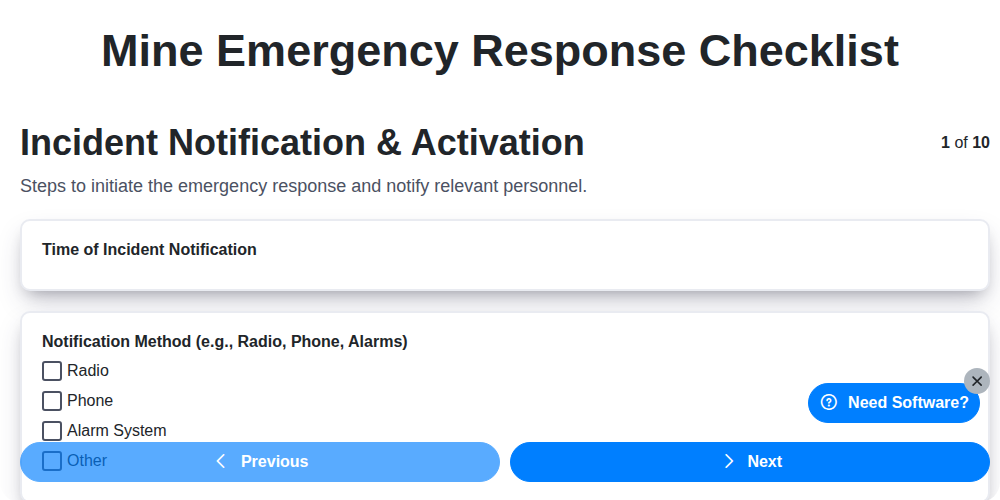
Table of Contents
- Introduction: Why a Mine Emergency Response Checklist is Critical
- 1. Incident Notification & Activation: The First Crucial Moments
- 2. Emergency Assembly Points & Headcount: Knowing Where Everyone Is
- 3. Communication & Coordination: Maintaining Clear Lines
- 4. First Aid & Medical Response: Immediate Care and Stabilization
- 5. Rescue Operations Readiness: Preparing for Extraction
- 6. Mine Ventilation & Air Quality: Ensuring a Breathable Environment
- 7. Fire Suppression Systems: Prevention and Rapid Response
- 8. Hazardous Materials Handling: Mitigating Chemical Risks
- 9. Equipment & Resource Availability: Having the Right Tools
- 10. Post-Incident Debriefing & Reporting: Learning and Improving
- Conclusion: Continuous Improvement for Mine Safety
- Resources & Links
TLDR: A mine emergency response checklist is your lifeline in a crisis. It ensures everyone knows what to do - from initial notification and headcount to rescue operations and post-incident reporting - keeping miners safe and operations organized when things go wrong. Download a template and customize it for your mine!
Introduction: Why a Mine Emergency Response Checklist is Critical
The mining industry faces inherent risks. Unexpected events, from equipment malfunctions and ground instability to fires and hazardous material releases, can rapidly escalate into serious incidents. In such critical situations, immediate and decisive action is paramount to protect the lives of personnel and minimize environmental impact. A well-defined and consistently followed emergency response checklist isn't just a good practice - it's a vital lifeline.
This checklist serves as a structured guide, ensuring that all essential steps are taken in a systematic and efficient manner, even under immense pressure and stress. It removes ambiguity, promotes clear roles and responsibilities, and drastically reduces the risk of critical oversights that can have devastating consequences. Ultimately, a comprehensive mine emergency response checklist is an investment in the safety and well-being of everyone involved in mining operations.
1. Incident Notification & Activation: The First Crucial Moments
The moments following an incident in a mine are critical. Rapid and accurate notification and activation of the emergency response plan are paramount to ensuring the safety of personnel and minimizing potential losses. This initial phase hinges on a clear and well-rehearsed system.
Immediate Action is Key: The first person to recognize an emergency - be it a fall of ground, gas leak, or other hazard - must immediately activate the designated emergency notification system. This might involve pressing an emergency button, using a radio, or following a specific verbal signal. Don't hesitate; seconds count.
Chain of Communication: The notification must trigger a pre-defined chain of communication, alerting key personnel including the Shift Supervisor, Emergency Response Team (ERT), and relevant mine management. Clear designation of who is responsible for what in this notification process is vital. Everyone should know their role and how to report the incident accurately and concisely. This initial report should include:
- Type of Incident: A brief description of what occurred.
- Location: Precise location within the mine.
- Potential Hazards: Any immediate dangers present.
- People Involved (if known): Number and estimated location of affected individuals.
Activation of the Emergency Response Plan: Upon receiving the notification, the Shift Supervisor (or designated authority) must immediately activate the mine's Emergency Response Plan (ERP). This involves formally initiating the pre-determined procedures, alerting the ERT, and beginning the process of securing the area. Regular drills and familiarization with the ERP are essential to ensure a swift and effective response. Confirmation that the ERP has been activated should be communicated to all relevant personnel.
2. Emergency Assembly Points & Headcount: Knowing Where Everyone Is
In a mine emergency, knowing the location and status of all personnel is paramount. Establishing clear Emergency Assembly Points (EAPs) and conducting a swift and accurate headcount is a critical first step in ensuring everyone's safety and facilitating a coordinated response.
Defining and Marking EAPs:
Each mine should have multiple, well-defined and clearly marked EAPs. These locations should be:
- Accessible: Easily reachable from all working areas, even in low visibility or restricted conditions.
- Safe: Away from potential hazards like falling rocks, unstable ground, or gas leaks.
- Clearly Signposted: Use prominent, illuminated signage visible both day and night. Consider reflective materials and multiple signs.
- Known by All: Regular training and drills should ensure all personnel know the location of all EAPs.
- Multiple Locations: Having several EAPs allows for flexibility depending on the nature and location of the emergency.
Conducting the Headcount:
Immediately following incident notification, designated personnel must initiate a headcount. This process should:
- Utilize Designated Personnel: Trained individuals should be responsible for conducting headcounts at each EAP.
- Employ a Systematic Approach: Utilize a register, roster, or electronic tracking system (if available) to efficiently account for all personnel.
- Mark Off Personnel: Clearly mark off individuals as they report to the EAP, ensuring no one is missed.
- Report Missing Persons: Promptly report any missing personnel to the Incident Controller, including their last known location and activities. This triggers the initial search and rescue efforts.
- Continuous Monitoring: The headcount process is not a one-time event. It should be continuously updated as personnel arrive and depart the EAPs.
Importance of Accuracy:
A precise and timely headcount isn't just about accounting for people; it provides crucial information for:
- Search and Rescue Planning: Knowing who is missing helps prioritize search efforts and allocate resources effectively.
- Incident Assessment: A headcount provides a clearer picture of the scale of the emergency.
- Reunification: Allows for efficient reunification of personnel with family and support networks after the emergency is resolved.
Establishing robust EAP procedures and implementing a reliable headcount system is a fundamental element of any effective mine emergency response plan.
3. Communication & Coordination: Maintaining Clear Lines
In a mine emergency, effective communication isn't just helpful - it's critical for survival. Panic and confusion can quickly escalate a situation, making a coordinated response significantly more challenging. This section outlines the procedures for maintaining clear lines of communication and ensuring all personnel are aware of the situation and their roles.
Initial Notification & Escalation: The Incident Notification & Activation process (as detailed in section 1) initiates a chain of communication. It's vital that this notification is clear and concise, including the nature of the incident, its location, and any immediate hazards. Pre-defined communication channels - radio frequencies, designated phone lines, and alert systems - should be adhered to strictly.
Establishing a Command Center: A designated Command Center becomes the central hub for information flow. This location should be known to all personnel before an emergency occurs. The Command Center team is responsible for gathering information, directing resources, and disseminating updates.
Radio Discipline & Protocols: Strict radio discipline is paramount. Clear and concise language, designated call signs, and adherence to established protocols prevent congestion and ensure vital messages are received accurately. Avoid unnecessary chatter and use plain language; technical jargon can cause misunderstandings. A dedicated radio channel for emergency communication must be clearly identified and protected from general use.
Regular Updates & Briefings: The Command Center should provide regular updates to all personnel, even if there are no significant changes. This reinforces awareness and prevents the spread of misinformation. Briefings should be consistent and delivered at predetermined intervals, using pre-defined formats to ensure clarity.
Coordination with External Agencies: Procedures for communicating with and coordinating with external agencies - such as emergency services, regulatory bodies, and mine owners - should be established and practiced. A designated spokesperson should be responsible for liaising with external parties.
Redundancy in Communication: Reliance on a single communication method is risky. Backup communication systems - such as runners, secondary radio frequencies, or satellite phones - should be available and personnel trained in their use.
Effective communication is a constant process, not a one-time action. Regular drills and training exercises are essential to ensure all personnel understand their communication responsibilities and are prepared to act swiftly and decisively in an emergency.
4. First Aid & Medical Response: Immediate Care and Stabilization
In the critical moments following any incident within a mine, swift and effective first aid and medical response are paramount. This isn't just about treating injuries; it's about stabilizing individuals, preventing further harm, and laying the groundwork for eventual recovery. Our checklist emphasizes a layered approach to ensure comprehensive care.
Immediate Actions:
- Triage: Rapidly assess the severity of injuries. Prioritize those with life-threatening conditions (e.g., airway obstruction, severe bleeding, cardiac arrest). Utilize established triage protocols to quickly categorize patients.
- Basic Life Support (BLS): Trained personnel should immediately administer BLS, including CPR, rescue breathing, and control of severe bleeding. Ensure readily available and functional first aid kits containing essential supplies.
- Stabilization: Immobilize injured limbs, manage pain (as permitted by established protocols), and protect from further injury.
- Casualty Collection Points: Establish clearly marked and accessible casualty collection points, preferably near emergency assembly areas, to organize and manage those requiring medical attention.
- Communication: Immediately relay details about injuries and the number of casualties to the on-site medical team and emergency services.
Beyond the Immediate:
- On-Site Medical Team: The on-site medical team (if available) should provide advanced first aid and initial medical assessments.
- Evacuation Planning: Develop and practice evacuation plans to transport injured personnel to a designated medical facility. Consider the challenges of mine environments (e.g., confined spaces, transportation logistics) and ensure appropriate equipment (stretchers, transport vehicles) are available.
- Continuous Monitoring: Regularly monitor vital signs of injured personnel and adjust care as needed.
- Psychological First Aid: Recognize the psychological impact of a mine incident on both injured personnel and witnesses. Provide basic psychological first aid and facilitate access to counseling services.
Effective first aid is not merely a reactive response; it's a proactive measure embedded within a comprehensive emergency response plan. Regular training, drills, and equipment checks are essential to maintaining readiness.
5. Rescue Operations Readiness: Preparing for Extraction
The most critical phase following any mine emergency is the readiness for and execution of rescue operations. This isn't simply about having trained personnel; it's about a layered and meticulously planned approach that maximizes the chances of successful extraction.
Pre-Emergency Preparedness is Paramount:
- Rescue Team Training & Certification: A dedicated and regularly trained rescue team is essential. Their certifications must be current, encompassing rope rescue, confined space rescue, and specialized mining rescue techniques. Regular drills simulating various emergency scenarios are non-negotiable.
- Rescue Equipment Maintenance & Inspection: Rescue equipment - breathing apparatus (SCBA), rescue harnesses, ropes, communication devices, lighting systems, and specialized mining tools - must be rigorously maintained and inspected according to a strict schedule. Functional checks and full-scale equipment testing are vital.
- Escapeway Maintenance & Mapping: Clearly marked and accessible escapeways are the first line of defense. These routes need to be regularly inspected, cleared of obstructions, and their maps readily available to all personnel. Alternate escape routes should be identified and maintained as backup.
- Self-Rescuers: Ensuring all miners are equipped with, properly trained in the use of, and regularly inspect self-rescue devices (e.g., self-contained breathing apparatus) is critical.
- Rescue Plan Familiarization: A detailed, regularly reviewed and practiced rescue plan must be in place, outlining procedures, roles, and responsibilities for all involved. This plan must consider potential hazards and variations based on the emergency type.
During Emergency Response:
- Rapid Deployment: The rescue team needs to be deployed swiftly and safely, equipped with necessary information about the emergency situation.
- Hazard Assessment: A continuous hazard assessment must be undertaken by the rescue team to ensure their safety and the safety of those being rescued.
- Communication with Trapped Miners: Establishing and maintaining communication with trapped miners is a priority to assess their condition and guide rescue efforts.
Proactive and thorough preparation significantly enhances the likelihood of a successful rescue operation and minimizes potential loss of life.
6. Mine Ventilation & Air Quality: Ensuring a Breathable Environment
A mine emergency can quickly escalate if air quality deteriorates. Proper ventilation is absolutely critical, not just during normal operations, but especially during an incident. This checklist section focuses on ensuring a breathable environment for all personnel.
Immediate Actions:
- Verify Ventilation System Status: Immediately confirm the ventilation system is operational and functioning at appropriate levels. Is the main fan running? Are sectional fans operating correctly? Are any ventilation circuits compromised?
- Monitor Air Quality: Deploy air quality monitors to assess for dangerous gases like carbon monoxide, methane, and oxygen deficiency. Establish continuous monitoring points in critical areas.
- Ventilation Adjustments: Be prepared to adjust ventilation patterns based on the evolving situation. This might involve redirecting airflow to areas with trapped personnel or isolating affected zones. Localized ventilation, if available, can be vital.
- Smoke and Heat Control: Smoke and heat are significant threats to air quality. Implement strategies to minimize smoke generation and control heat build-up, which can impact ventilation effectiveness.
Considerations:
- Underground Conditions: Account for the mine's unique geological conditions, which can impact airflow and gas accumulation.
- Blast Zones: If a blast has occurred, ventilation must prioritize clearing smoke, dust, and hazardous gases from the affected area before rescue operations begin.
- Personnel Safety: Rescue teams require adequate ventilation to ensure their safety while operating underground.
- Continuous Assessment: Air quality monitoring must be ongoing and adaptable throughout the emergency response.
7. Fire Suppression Systems: Prevention and Rapid Response
Mineworking environments present unique fire risks due to the presence of flammable materials like coal, methane, and dust. Robust fire suppression systems are not just a safety measure; they've become a critical lifeline. This section details essential elements and procedures related to these systems.
Prevention is Paramount: Regular inspections and maintenance are the first line of defense. This includes:
- Sprinkler Systems: Scheduled testing and verification of water pressure and nozzle functionality. Ensure sprinkler heads are clear of obstructions.
- Foam Systems: Proper mixing ratios and equipment integrity checks are vital for effective foam application. Consider potential interactions with other substances present in the mine.
- Dry Chemical Systems: Maintenance of pressure vessels and inspection of chemical agents for degradation.
- Dust Control Measures: Implement and rigorously maintain dust suppression strategies. This includes water sprays, ventilation improvements, and proper housekeeping practices.
- Electrical Safety: Conduct regular inspections of electrical equipment, ensuring proper grounding and adherence to safety standards. Faulty wiring is a significant ignition source.
Rapid Response & System Functionality: In the event of a fire, immediate action is crucial.
- Automatic Fire Detection: Ensure detectors are properly calibrated and maintained, triggering alarms and activating suppression systems automatically.
- Manual Activation Points: Strategically placed manual pull stations must be accessible and clearly marked. Personnel should be trained on their proper use.
- System Integrity: Regularly verify the integrity of fire suppression systems' piping, valves, and power supplies.
- Training & Drills: Conduct regular fire drills to familiarize personnel with the location of suppression systems and evacuation routes. Drills should include simulated scenarios and assessment of response effectiveness.
- Post-Activation Inspection: After any activation, a thorough inspection and assessment of the fire suppression system's performance is vital, followed by necessary repairs or replacements.
8. Hazardous Materials Handling: Mitigating Chemical Risks
Mines frequently deal with a variety of hazardous materials, from explosives and fuels to chemicals used in processing and extraction. A robust hazardous materials handling protocol is not just a regulatory requirement; it's a critical safety measure preventing serious injuries, environmental contamination, and potential catastrophic incidents.
This section of the emergency response checklist focuses on pre-planning, identification, and immediate actions regarding hazardous materials. Key considerations include:
- Material Inventory & SDS Management: Maintain a comprehensive, up-to-date inventory of all hazardous materials present on site. Ensure Safety Data Sheets (SDS) are readily accessible (both physically and digitally) and understood by relevant personnel. Regularly review SDS for updates and training needs.
- Spill Prevention & Containment: Implement procedures and infrastructure to prevent leaks and spills. This includes proper storage, secure transfer protocols, and secondary containment systems (e.g., bunding).
- Spill Response Procedures: Develop and practice detailed spill response plans for each hazardous material, outlining necessary PPE, cleanup techniques, disposal methods, and reporting requirements. Ensure spill kits are strategically located and regularly inspected for functionality.
- Decontamination Procedures: Establish procedures for decontaminating personnel, equipment, and affected areas following a hazardous material incident.
- Emergency Shutdown Procedures: Identify and implement procedures for safely shutting down processes and isolating equipment involving hazardous materials in an emergency.
- Training & Competency: Provide specialized training for personnel involved in handling hazardous materials, including spill response, PPE usage, and emergency procedures. Ensure competency is regularly assessed and documented.
- Risk Assessment & Control: Conduct thorough risk assessments for all hazardous material operations and implement appropriate control measures to minimize potential risks.
Failure to properly handle hazardous materials can have devastating consequences. This checklist section ensures preparedness and minimizes the potential for harm.
9. Equipment & Resource Availability: Having the Right Tools
A well-executed emergency response isn't just about procedures; it's fundamentally about having the equipment and resources needed when you need them. A checklist is useless if the tools it references are missing, damaged, or inaccessible. This section of the emergency response checklist focuses on ensuring readiness in this critical area.
This isn't just about a simple inventory. It's a dynamic and ongoing process that includes:
- Regular Inspections & Maintenance: Ensure all specialized mining equipment - rescue vehicles, breathing apparatus (SCBA), communication devices, lighting, hydraulic tools, and monitoring equipment - are inspected, maintained, and tested according to manufacturer guidelines and regulatory requirements. Document these inspections.
- Inventory Management: Maintain an accurate and up-to-date inventory of all emergency response equipment, clearly identifying location and responsible personnel. Implement a system for tracking consumables (e.g., oxygen cylinders, spare batteries, first aid supplies).
- Accessibility: Equipment must be readily accessible to response teams. Clearly marked storage locations and evacuation routes are vital. Consider storage environment - protection from dust, moisture, and extreme temperatures.
- Redundancy: Critical equipment should have backups. A single point of failure in a piece of essential gear can have disastrous consequences.
- Training & Familiarity: Response teams must be thoroughly trained not only on how to use the equipment, but also on recognizing potential malfunctions and performing basic repairs. Regularly scheduled drills should incorporate equipment usage.
- Resource Coordination: Establish clear lines of communication and protocols for requesting and receiving additional resources from external agencies (e.g., specialized rescue teams, medical personnel) if needed.
Regular verification of equipment availability, coupled with robust maintenance and training programs, is a vital element of any effective mine emergency response plan.
10. Post-Incident Debriefing & Reporting: Learning and Improving
The immediate aftermath of a mine emergency is critical, but the actions taken after the situation is stabilized are equally vital. A thorough post-incident debriefing and reporting process isn't about assigning blame; it's about extracting valuable lessons to prevent future occurrences and enhance overall safety.
This phase involves a structured review of the entire incident, encompassing what happened, how the response was executed, and identifying areas for improvement. Key elements include:
- Gathering Accounts: Collect detailed narratives from all personnel involved - emergency responders, miners, supervisors, and witnesses. These accounts provide diverse perspectives and can uncover critical details.
- Analyzing Response Effectiveness: Evaluate the performance of each element of the emergency response plan. Did communication channels work effectively? Were resources deployed appropriately? Were procedures followed correctly?
- Identifying Root Causes: Go beyond the surface-level causes. Utilize techniques like Five Whys to dig deeper and identify the underlying systemic issues that contributed to the emergency.
- Documenting Findings: Compile a comprehensive report documenting the incident details, response actions, root cause analysis, and proposed corrective actions. This document should be accessible to relevant personnel.
- Implementing Corrective Actions: Develop and implement a plan to address the identified weaknesses. This may involve changes to procedures, training programs, equipment upgrades, or organizational structures.
- Tracking Progress: Regularly monitor the implementation of corrective actions and assess their effectiveness in preventing similar incidents. This demonstrates a commitment to continuous improvement.
Ultimately, a robust post-incident debriefing and reporting process transforms a crisis into an opportunity for growth and a stronger, safer mining operation.
Conclusion: Continuous Improvement for Mine Safety
Ultimately, a comprehensive Mine Emergency Response Checklist isn't a one-and-done solution. It's a living document that requires constant review and refinement. Regular drills, incorporating lessons learned from those drills, and adapting the checklist to reflect changes in mining operations, technologies, and regulations are vital. A proactive, iterative approach - where feedback from personnel at all levels is actively solicited and integrated - is the most effective way to ensure the checklist remains a robust and reliable tool for safeguarding lives and protecting assets in the face of potential emergencies. Embracing a culture of continuous improvement isn't just best practice; it's a moral imperative in the inherently risky environment of underground mining.
Resources & Links
- Mine Safety and Health Administration (MSHA): The primary federal agency responsible for ensuring the safety and health of miners. Provides regulations, guidance, training materials, and incident data. This is the *essential* starting point for any mine safety information.
- International Organization for Standardization (ISO): ISO standards related to safety management systems (e.g., ISO 45001) provide a framework for establishing robust emergency response plans and promoting continuous improvement. Look for standards pertaining to risk management and emergency preparedness.
- Society for Mining, Minerals, and Exploration (SME): SME offers technical publications, conferences, and training courses on various mining topics, including emergency response and risk management. They often have specialized resources for different types of mining operations.
- Canadian Institute of Mining, Metallurgy and Petroleum (CIM): Similar to SME, CIM offers resources on mining safety and best practices, particularly relevant for those working in Canadian mining operations or seeking a broader perspective.
- The Australasian Institute of Mining and Metallurgy (AusIMM): Provides resources on mining and metallurgy, including safety and emergency response protocols common in Australian mining practices.
- Centers for Disease Control and Prevention (CDC): The CDC's National Institute for Occupational Safety and Health (NIOSH) conducts research and provides guidance on occupational health and safety, including mine safety. Relevant for first aid, medical response, and air quality considerations.
- Occupational Safety and Health Administration (OSHA): While MSHA is specific to mining, OSHA provides a wider context for occupational safety and health regulations and best practices that can be applied to mine emergency response planning.
- National Institute of Standards and Technology (NIST): NIST conducts research and develops standards to improve safety and resilience, which can inform emergency response technology and protocols. They may have reports relevant to underground environments.
- National Emergency Number Association (NENA): Relevant for understanding emergency communication protocols and best practices in crisis situations, impacting sections on communication and coordination in the response checklist.
- International Association of Fire Chiefs (IAFC): Provides expertise and resources on fire prevention, suppression, and emergency response - highly relevant to fire suppression systems and hazardous materials handling.
- United States Environmental Protection Agency (EPA): Provides information and regulations related to hazardous materials and environmental protection, critical for sections on hazardous materials handling and air quality.
- American National Standards Institute (ANSI): ANSI doesn't develop standards directly, but it coordinates the standards development process. Many safety standards referenced in mining are ANSI-approved.
Frequently Asked Questions
What is the purpose of a Mine Emergency Response Checklist?
The checklist is a vital tool designed to ensure a rapid, organized, and effective response during emergencies underground, minimizing risk to personnel and damage to equipment. It outlines critical actions to be taken in a clear, step-by-step format.
Who should use this checklist?
All personnel involved in mine emergency response - including emergency response teams, supervisors, and potentially other mine employees - should familiarize themselves with and be able to utilize the checklist. Its effectiveness relies on everyone understanding their roles and responsibilities.
Where can I find a copy of the Mine Emergency Response Checklist?
The checklist should be readily available in all underground work areas, near communication centers, and electronically accessible through the mine's designated systems. Consult with your supervisor or safety department for specific locations and access details.
What types of emergencies does this checklist cover?
The checklist typically addresses a range of emergencies, including but not limited to: fire, explosion, rock falls, gas leaks, flooding, and equipment failures. Specific scenarios and corresponding actions will be detailed within the checklist itself.
How often should the checklist be reviewed and updated?
The checklist should be reviewed at least annually, and more frequently if there are changes to mine operations, equipment, or regulations. Regular drills and simulations are essential to ensure familiarity and effectiveness.
What is the significance of communication during an emergency response?
Communication is paramount. The checklist will outline specific protocols for reporting the emergency, communicating with the surface, and maintaining communication amongst the emergency response team. Clear and concise messaging is vital.
What role does training play in utilizing the checklist effectively?
Training should cover not only the content of the checklist but also practical exercises and simulations to build confidence and proficiency.
What should I do if I encounter a situation not explicitly covered in the checklist?
While the checklist provides a framework, emergency situations can be unpredictable. If the situation deviates from what's outlined, prioritize safety, use your best judgment, and adhere to established mine procedures. Report the unforeseen circumstances after the situation is stabilized.
Who is responsible for maintaining and updating the Mine Emergency Response Checklist?
The responsibility for maintaining and updating the checklist typically falls upon the mine's safety department, in consultation with experienced emergency response personnel and relevant stakeholders.
Comments
There are no comments yet. Be the first to add one!
Mining Management Solution Demo
Maximize efficiency & safety in mining operations! ChecklistGuro streamlines task management, equipment tracking, and compliance reporting. Optimize workflows, reduce risk, & boost productivity. Manage it all with our Work OS.
Related Articles
Ensuring Mine Safety: Your Geotechnical Stability Checklist Guide
Ensuring Safety & Efficiency: Your Mine Haul Road Inspection Checklist Guide
Mastering Mine Safety: Your Guide to the Ground Control Checklist
Mining Security Procedures Checklist: A Comprehensive Template for Safety
Ensuring Safety: Your Mining Incident Reporting Checklist Guide
Ensuring Safety Underground: Your Mine Traffic Management Checklist Guide
Ensuring Safety: Your Mining Explosives Handling Checklist Template
Ensuring Safety & Compliance: Your Mining Noise Monitoring Checklist Guide
Need help with
Mining Management?
Have a question? We're here to help. Please submit your inquiry, and we'll respond promptly.