Ensuring a Sustainable Future: Your Mine Rehabilitation & Closure Checklist Guide
Published: 11/20/2025 Updated: 07/02/2026
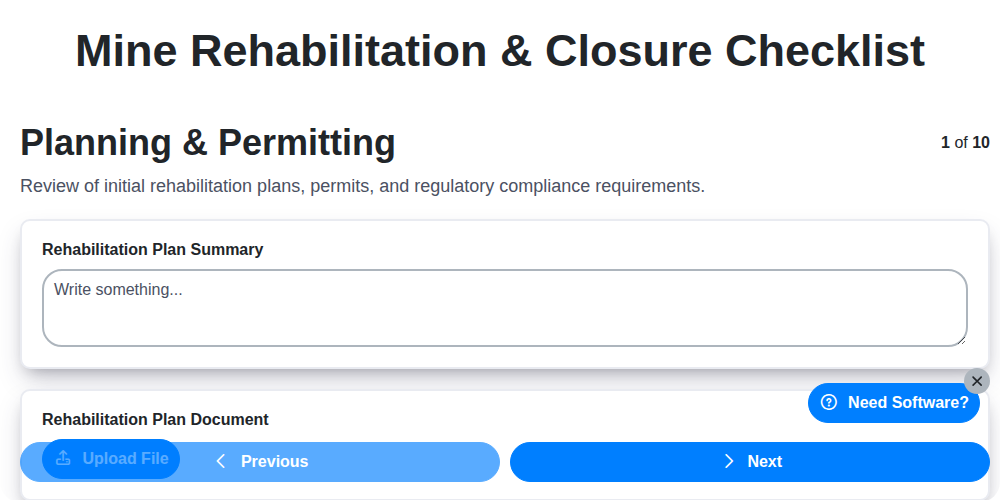
Table of Contents
- Introduction: Why Mine Rehabilitation & Closure Matters
- 1. Planning & Permitting: Laying the Foundation for Success
- 2. Topsoil Management: Preserving Nature's Assets
- 3. Landform Design & Construction: Sculpting a Stable Landscape
- 4. Vegetation Establishment: Reclaiming Biodiversity
- 5. Water Management: Protecting Water Resources
- 6. Waste Rock Management: Minimizing Environmental Impact
- 7. Tailings Management: A Critical Focus
- 8. Infrastructure Removal: Restoring the Site
- 9. Monitoring & Reporting: Tracking Progress and Ensuring Compliance
- 10. Final Inspection & Sign-off: Achieving Closure Acceptance
- Resources & Links
TLDR: Mining leaves a mark. This checklist is your roadmap to responsibly undoing that impact. It breaks down mine rehabilitation & closure into 10 key steps - from planning and topsoil management to infrastructure removal and final sign-off - ensuring a sustainable, safe, and environmentally sound closure. Use it to stay on track, meet regulatory requirements, and leave a legacy of responsible mining.
Introduction: Why Mine Rehabilitation & Closure Matters
Mine rehabilitation and closure aren't just about cleaning up after operations end; they's a critical responsibility, a legal obligation, and a long-term investment in the environment and the communities surrounding a mine. Leaving a site unremediated poses significant risks - from environmental degradation and potential hazards to long-term economic and social burdens. A well-executed rehabilitation plan restores the land to a safe, stable, and productive state, allowing for future land use and minimizing the impact of mining activities. It's about leaving a legacy of responsible resource extraction, ensuring the land can support healthy ecosystems and contribute positively to the surrounding landscape for generations to come. Ultimately, effective mine rehabilitation and closure demonstrates a commitment to sustainability and builds trust with stakeholders.
1. Planning & Permitting: Laying the Foundation for Success
Rehabilitation and closure aren't reactive processes; they require proactive, meticulous planning from the very beginning of a mining operation. This initial phase, encompassing planning and permitting, is arguably the most critical, as it establishes the framework for all subsequent steps.
A robust plan begins with a comprehensive site assessment, identifying potential environmental and social impacts. This informs the development of clear, achievable rehabilitation objectives that align with regulatory requirements and stakeholder expectations. Securing the necessary permits - often involving detailed environmental impact assessments (EIAs) - is a lengthy and complex process.
Key considerations within this phase include:
- Regulatory Compliance: Thorough understanding and adherence to all applicable local, regional, and national laws and regulations.
- Stakeholder Engagement: Early and ongoing consultation with local communities, Indigenous groups, and other stakeholders to address concerns and build trust.
- Financial Provisioning: Establishing a secure funding mechanism to cover the full cost of rehabilitation and closure.
- Baseline Data Collection: Establishing a thorough understanding of pre-mining conditions (soil, water, vegetation, etc.) to track progress and demonstrate successful rehabilitation.
- Adaptive Management Framework: Developing a plan that allows for adjustments and improvements based on monitoring data and changing conditions - recognizing that rehabilitation is an iterative process.
A well-executed planning and permitting phase prevents costly delays, minimizes environmental risks, and lays the foundation for a successful mine rehabilitation and closure program. Skipping corners here can lead to significant problems down the line.
2. Topsoil Management: Preserving Nature's Assets
Topsoil - that rich, dark layer of organic matter and minerals - is the foundation for successful mine rehabilitation and closure. It's far more than just "dirt"; it's a complex ecosystem teeming with life and essential for supporting vegetation. Ignoring proper topsoil management can lead to protracted rehabilitation timelines, unstable landforms, and ultimately, a failure to achieve desired post-closure land uses.
The process begins before any mining activities commence. A comprehensive topsoil survey should be conducted to map its distribution, thickness, and key properties (nutrient levels, texture, pH, organic matter content). This baseline data informs the subsequent handling and storage strategy.
During mining, careful stripping and stockpiling are paramount. Topsoil should be removed in lifts (layers) to minimize disturbance and prevent compaction. Stockpiles need to be located strategically - away from areas prone to erosion and flooding - and marked clearly on site maps. Regular monitoring of stockpile condition (moisture, erosion) is crucial.
Once rehabilitation begins, topsoil is redistributed evenly across prepared landforms. This isn't just about spreading it; it's about integrating it correctly. Amending topsoil with compost or fertilizers may be necessary to address deficiencies identified in the initial survey. Finally, protecting newly redistributed topsoil from erosion through mulching or temporary seeding is essential for successful establishment of vegetation. Effective topsoil management isn't just a step in the process; it's the key to unlocking the potential for a thriving, self-sustaining ecosystem post-closure.
3. Landform Design & Construction: Sculpting a Stable Landscape
Landform design and construction represents a critical phase in mine rehabilitation and closure. It's about moving beyond just filling in holes and creating a visually appealing landscape; it's about establishing long-term stability and functionality. The goal is to create landforms that are safe, stable, and sustainable, capable of supporting desired post-mining land uses.
This process begins with detailed planning and geotechnical assessment. Understanding the existing soil types, geological conditions, and potential for erosion and landslides is paramount. Design considerations include slope angles (ideally gentle to moderate for stability), drainage patterns to prevent water accumulation and erosion, and the incorporation of natural features wherever possible.
Construction itself requires careful execution. This often involves bulk earthmoving to reshape the site, compaction of materials to ensure stability, and the creation of engineered structures like terraces, berms, and drainage channels. Erosion and sediment control measures are implemented during construction to minimize environmental impacts.
The design should also consider aesthetic factors, aiming to create a landscape that integrates with the surrounding environment and is visually pleasing. This can involve mimicking natural landforms or incorporating features like rock outcrops and varying topography. Ultimately, a well-designed and constructed landform lays the foundation for successful vegetation establishment and long-term ecosystem recovery.
4. Vegetation Establishment: Reclaiming Biodiversity
Successful mine rehabilitation hinges on a robust vegetation establishment plan. It's about more than just planting grass; it's about recreating a functional ecosystem that supports local biodiversity and provides long-term stability. This phase begins with careful planning, often informed by pre-mining vegetation surveys and soil analysis.
The selection of appropriate plant species is critical. Native species are generally prioritized, as they are adapted to the local climate, soil conditions, and wildlife. A diverse mix of grasses, forbs, shrubs, and trees should be considered, mirroring the pre-mining landscape whenever possible. Seed sourcing is key - using locally sourced seeds ensures genetic compatibility and increases the likelihood of successful establishment.
Direct seeding, broadcast seeding, and planting seedlings or plugs are common techniques, each with its own advantages depending on the site conditions and resources. Soil amendments, such as fertilizers and organic matter, can improve seed germination and plant growth, particularly in disturbed or nutrient-poor soils. Erosion control measures, like mulching and erosion blankets, are often implemented concurrently to protect newly established vegetation.
Ongoing maintenance, including weed control and watering, is essential, especially during the initial years. Monitoring plant survival rates and overall vegetation cover is crucial for adaptive management, allowing for adjustments to the rehabilitation plan as needed. The ultimate goal is a self-sustaining ecosystem that provides habitat for wildlife, stabilizes the land, and contributes to the overall visual amenity of the rehabilitated site.
5. Water Management: Protecting Water Resources
Effective water management is paramount in mine rehabilitation and closure, safeguarding both surface and groundwater resources. This isn't just about compliance; it's about ensuring the long-term health of the surrounding environment and communities. Our checklist prioritizes several key areas within water management.
First, hydrological assessments are crucial. We need a thorough understanding of existing surface water (streams, rivers, lakes) and groundwater flow patterns before mining begins. This includes mapping aquifers, identifying sensitive receptors (like drinking water sources), and establishing baseline water quality. This data informs all subsequent decisions.
Next, erosion and sediment control measures are essential during the rehabilitation process. This involves constructing silt fences, sediment basins, and other structures to prevent sediment runoff into waterways. Implementing best management practices for stormwater is critical.
Water treatment may be required to address contaminated water, particularly acid mine drainage (AMD). This might involve passive treatment systems (like wetlands) or active treatment facilities. Long-term monitoring and maintenance of these systems are vital.
Diversion channels are often implemented to redirect water away from disturbed areas and prevent flooding. These need to be designed for long-term stability and effectiveness.
Finally, groundwater monitoring remains a key element. Ongoing monitoring assesses the effectiveness of closure measures and detects any unexpected impacts on groundwater quality. This data is integral to demonstrating the success of the rehabilitation plan and may require adjustments over time. Our checklist emphasizes the need for a robust, adaptive water management strategy that considers both short-term and long-term impacts.
6. Waste Rock Management: Minimizing Environmental Impact
Waste rock, the material excavated during mine development but not containing valuable minerals, presents a significant environmental challenge. Improper management can lead to acid mine drainage (AMD), erosion, dust generation, and habitat destruction. This checklist item focuses on minimizing these impacts through proactive planning and diligent execution.
Key Considerations & Actions:
- Characterization & Risk Assessment: Conduct thorough geochemical testing of waste rock to identify potential AMD sources. Categorize waste rock piles based on acidity potential - high, medium, and low - to guide management strategies.
- Placement & Design: Strategically locate waste rock piles to minimize visual impact, avoid watercourses, and utilize stable ground. Design piles with gentle slopes to reduce erosion and landslides. Consider terracing or benching for increased stability.
- AMD Prevention: Employ techniques such as encapsulating potentially reactive rock with low-permeability materials (e.g., clay liners, geotextiles), establishing vegetative covers to promote neutralization, and creating diversion ditches to manage surface water flow. Consider the use of constructed wetlands for AMD treatment where appropriate.
- Erosion & Sediment Control: Implement erosion control measures such as silt fences, straw wattles, and check dams to prevent sediment runoff into water bodies.
- Dust Suppression: Regularly water waste rock piles, particularly during dry periods, to minimize dust generation. Consider applying dust suppressants where necessary.
- Revegetation: Establish a robust vegetation cover on waste rock piles, selecting species tolerant to harsh conditions and capable of stabilizing the material.
- Long-Term Stability: Design for long-term stability, accounting for weathering and potential future issues. Regularly inspect piles for signs of erosion, instability, or AMD.
7. Tailings Management: A Critical Focus
Tailings, the waste product from mining operations, pose a significant long-term environmental and social risk if not managed responsibly. This section of the rehabilitation and closure checklist demands rigorous attention to detail and a proactive approach.
Effective tailings management goes far beyond simply containing the material. It requires a comprehensive strategy that addresses stability, water quality, contaminant control, and potential for future use or remediation.
Here's what's involved:
- Stability Assessment & Remediation: Ongoing monitoring of tailings dam stability is crucial, with plans for proactive repairs and potential relocation or consolidation of tailings if risks are identified. This includes geotechnical investigations and slope stabilization techniques.
- Water Quality Control: Preventing seepage and surface water contamination is paramount. This necessitates an effective liner system (if applicable), water treatment processes (to remove contaminants), and robust drainage systems.
- Contaminant Mitigation: Identifying and mitigating potential contaminants within the tailings (e.g., heavy metals, arsenic) is vital. This may involve chemical stabilization or phytoremediation techniques.
- Future Use Considerations: Exploring options for beneficial reuse of tailings (e.g., construction materials, agricultural amendments, land reclamation) can minimize long-term environmental impacts and potentially generate economic value. Feasibility studies and rigorous testing are essential.
- Long-Term Monitoring: Establishing a comprehensive long-term monitoring program is critical. This includes monitoring water quality, tailings dam stability, and vegetation cover to ensure the effectiveness of rehabilitation efforts.
- Risk Assessment and Contingency Planning: A thorough risk assessment should identify potential failure scenarios and outline contingency plans for immediate response and mitigation.
Proper tailings management is an investment in long-term environmental protection and community well-being. Failing to prioritize it can lead to catastrophic consequences.
8. Infrastructure Removal: Restoring the Site
Once rehabilitation efforts are well underway and the site is trending towards its final, approved land use, the systematic removal of remaining infrastructure begins. This phase goes beyond simply dismantling buildings; it's about minimizing further disturbance and creating a safe, stable, and visually acceptable landscape.
The process starts with a detailed inventory and prioritization of structures - buildings, roads, pipelines, power lines, and any other man-made features. A carefully planned demolition strategy is crucial. This includes considerations for asbestos or other hazardous material removal, and the potential for salvage and recycling of materials. Demolition should be phased to avoid unnecessary impact on ongoing revegetation and water management efforts.
Roads are typically removed, and the resulting areas re-contoured to align with the final landform design. This often involves crushing and repurposing asphalt or concrete, when feasible, to create a stable sub-base for future vegetation establishment. Pipelines are carefully decommissioned and removed, ensuring no residual contamination remains. All debris is properly disposed of, either at an approved disposal site or, ideally, recycled.
The goal is to leave as little trace of the mining operation as possible. This means not just removing physical structures, but also remediating any potential hazards created during their construction and use. Thorough site cleanup, including removal of scrap metal, litter, and other debris, is essential to achieve a truly restored site. This final step in the rehabilitation process lays the groundwork for the long-term success of the reclaimed land.
9. Monitoring & Reporting: Tracking Progress and Ensuring Compliance
Effective mine rehabilitation and closure isn't a "set it and forget it" process. Consistent monitoring and comprehensive reporting are absolutely vital to track progress, identify potential issues early, and demonstrate compliance with regulatory requirements and closure plan objectives.
This stage involves establishing a robust monitoring program that covers all key aspects of the rehabilitation work, including:
- Landform Stability: Regularly assess slope stability, erosion rates, and any signs of subsidence.
- Vegetation Health: Monitor plant survival rates, growth, and biodiversity.
- Water Quality: Analyze surface and groundwater quality to ensure it meets pre-defined criteria. This includes monitoring for contaminants leached from waste rock or tailings.
- Seismic Activity (where applicable): Continued monitoring for induced seismicity is critical in some locations.
Data collected should be meticulously recorded, analyzed, and compared against baseline data and rehabilitation targets. Reporting should be regular, transparent, and readily accessible to regulators, stakeholders, and the wider community. This includes detailed reports outlining progress, challenges encountered, corrective actions taken, and any deviations from the original closure plan. Adaptive management strategies, informed by monitoring data, should be implemented to address unforeseen circumstances and refine rehabilitation techniques for optimal long-term success. Proper documentation throughout this phase serves as crucial evidence of due diligence and a commitment to responsible mine closure.
10. Final Inspection & Sign-off: Achieving Closure Acceptance
This is the culmination of years, potentially decades, of rehabilitation efforts. The final inspection and sign-off process represents a formal assessment to ensure the mine site meets all closure criteria outlined in the approved closure plan and relevant regulatory requirements. It's a critical stage, demanding meticulous documentation and a collaborative approach.
Here's what's involved:
- Independent Review: Typically, a qualified, independent third party conducts the final inspection. This ensures objectivity and builds confidence in the closure's success. They're looking for adherence to the closure plan, performance against key performance indicators (KPIs), and overall stability and safety.
- Verification of Performance Criteria: Every aspect of the closure plan - topsoil management, landform stability, vegetation cover, water quality, etc. - will be meticulously examined against pre-defined acceptance criteria. This often involves physical measurements, photographic documentation, and analysis of historical monitoring data.
- Stakeholder Involvement: Engaging with regulatory bodies, local communities, and potentially Indigenous groups is vital. Their feedback and perspectives should be considered and addressed.
- Documentation is Key: Comprehensive records of the inspection process, including findings, corrective actions (if any), and supporting data, are essential. This forms a complete audit trail demonstrating compliance.
- Formal Sign-off: Upon successful completion of the inspection and satisfactory resolution of any outstanding issues, a formal sign-off document is issued by the regulatory authority, signifying acceptance of the closure. This document officially releases the mining company from ongoing operational responsibilities, though post-closure maintenance and monitoring (as outlined in the plan) may still be required for a specified period.
Achieving closure acceptance is more than just a procedural step; it's a testament to responsible mining practices and a legacy of environmental stewardship.
Resources & Links
- Massachusetts Water Resources Authority (MWRA): Provides resources and guidance on water management, including considerations relevant to mine site water rehabilitation and closure. Offers case studies and best practices related to water quality and remediation.
- United States Geological Survey (USGS): A primary source for geological data, hydrological information, and research related to mine site conditions. Crucial for understanding the landscape and potential environmental impacts. Data and research on land stability, erosion, and water resources is invaluable.
- United States Environmental Protection Agency (EPA): Offers regulations and guidance documents on environmental protection related to mining, including rehabilitation and closure. Specifically search for resources related to Superfund sites and abandoned mine land programs for relevant case studies and best practices.
- International Council on Mining and Metals (ICMM): Provides a global platform for responsible mining practices. Look for their sustainability reporting frameworks and guidance on closure and rehabilitation, particularly their Tailings Management Framework.
- United Nations Environment Programme (UNEP): Provides global environmental data, reports, and guidelines. Search for reports on sustainable mining and land restoration projects. Particularly relevant for understanding impacts and best practices in developing countries.
- Global Reporting Initiative (GRI): Provides a widely used framework for sustainability reporting. Relevant for demonstrating responsible mining practices and transparency throughout the rehabilitation process. Useful for creating a comprehensive closure plan.
- Society for Mining, Metallurgy, and Exploration (SME): A professional organization for mining engineers and related professionals. Offers publications, conferences, and resources related to all aspects of mining, including rehabilitation and closure. Look for technical papers and best practice guides.
- International Organization for Standardization (ISO): Develops and publishes international standards. Relevant ISO standards (e.g., ISO 14001 for environmental management) can be used to guide closure planning and ensure consistent practices.
- Mine Safety and Health Administration (MSHA): Focused on worker safety but relevant for understanding the physical conditions of the mine site and potential hazards during remediation. Provides information on site stability and potential risks.
- United States Department of State: If the mine is located in a foreign country, this website can provide information on relevant international treaties and agreements related to environmental protection and responsible mining. Important for understanding legal obligations.
- Food and Agriculture Organization of the United Nations (FAO): Offers guidance and resources for sustainable land management and vegetation restoration, particularly relevant for post-mining revegetation and biodiversity recovery. Look for information on soil restoration techniques.
- Geoscience Australia: Provides geological surveys and data relevant to understanding site conditions, landform stability, and potential hazards during mine rehabilitation. Useful for planning construction and managing potential risks.
- Ministry of New and Renewable Energy (MNRE) - India: If dealing with areas where vegetation recovery may be challenging due to climate, MNRE's research on drought-resistant species and land stabilization techniques could be beneficial.
Frequently Asked Questions
Where can I find more information about mine rehabilitation and closure regulations?
Regulations vary by jurisdiction. Consult your local environmental protection agency or mining regulatory authority for detailed information and guidance specific to your area.
Comments
There are no comments yet. Be the first to add one!
Mining Management Solution Demo
Maximize efficiency & safety in mining operations! ChecklistGuro streamlines task management, equipment tracking, and compliance reporting. Optimize workflows, reduce risk, & boost productivity. Manage it all with our Work OS.
Related Articles
Ensuring Mine Safety: Your Geotechnical Stability Checklist Guide
Ensuring Safety & Efficiency: Your Mine Haul Road Inspection Checklist Guide
Mastering Mine Safety: Your Guide to the Ground Control Checklist
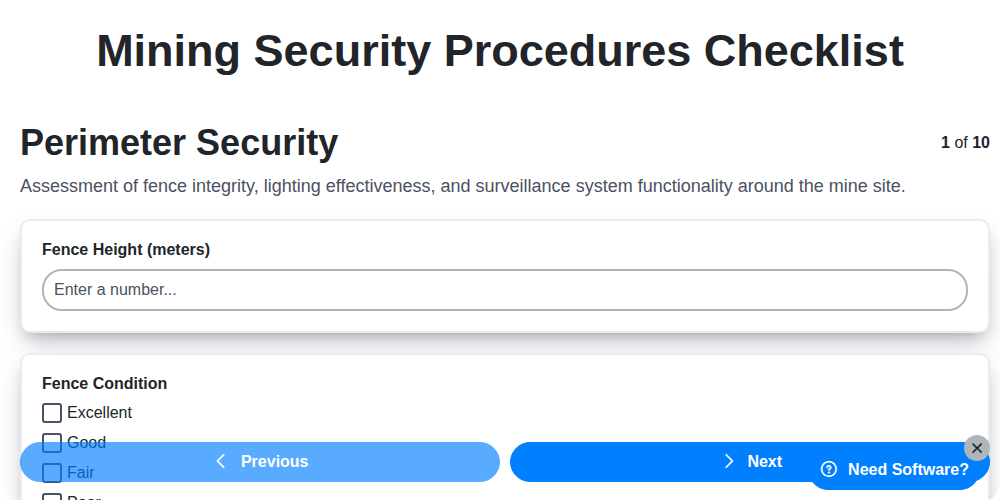
Mining Security Procedures Checklist: A Comprehensive Template for Safety
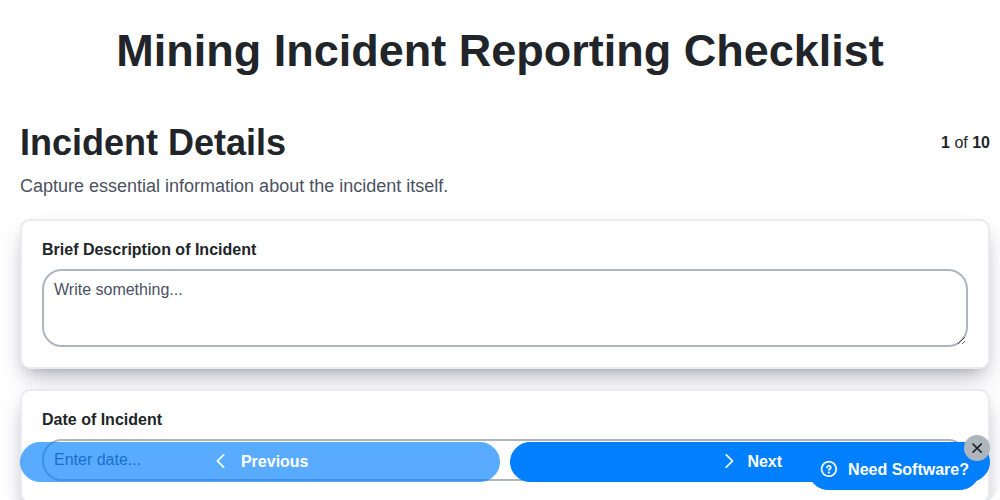
Ensuring Safety: Your Mining Incident Reporting Checklist Guide
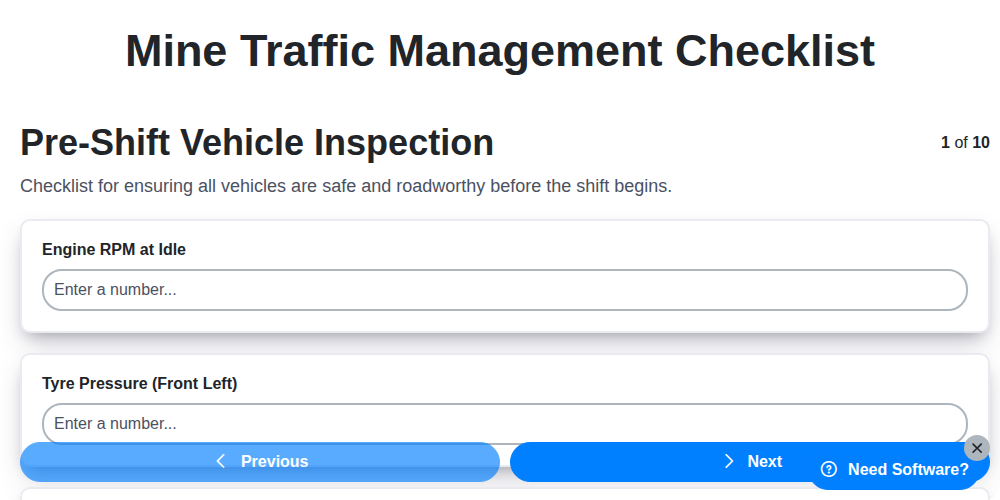
Ensuring Safety Underground: Your Mine Traffic Management Checklist Guide
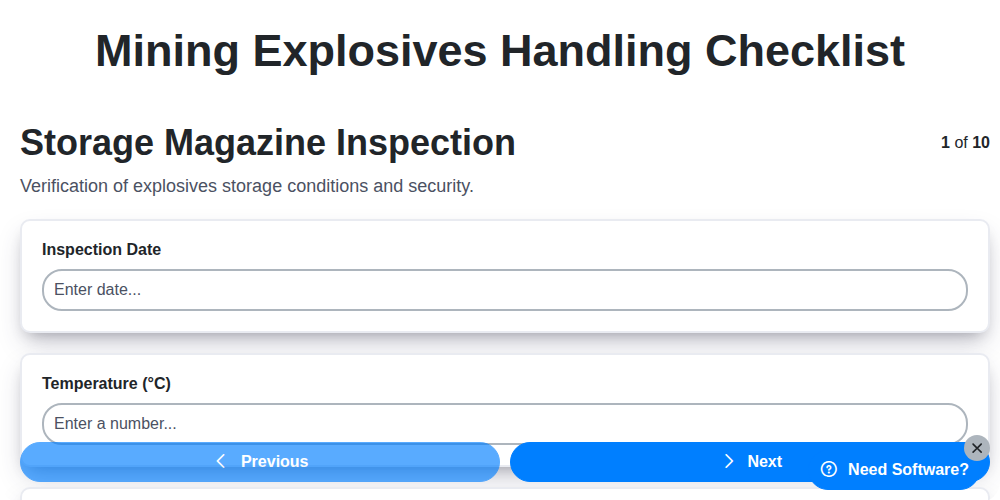
Ensuring Safety: Your Mining Explosives Handling Checklist Template
Ensuring Safety & Compliance: Your Mining Noise Monitoring Checklist Guide
Need help with
Mining Management?
Have a question? We're here to help. Please submit your inquiry, and we'll respond promptly.