Ensuring Safety: The Mine Ventilation Dilution Checklist Explained
Published: 11/22/2025 Updated: 07/02/2026
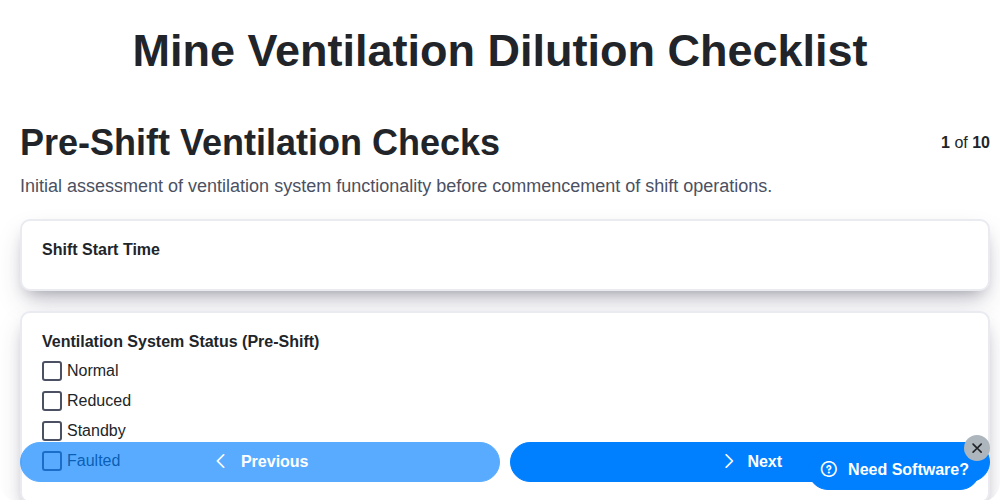
Table of Contents
- Introduction: Why Ventilation Dilution Matters
- Understanding Ventilation Dilution
- The Mine Ventilation Dilution Checklist: A Step-by-Step Guide
- 1. Pre-Shift Ventilation Checks: Setting the Stage
- 2. Airflow Measurement: Quantifying the Breeze
- 3. Dilution Factor Calculation: Measuring Effectiveness
- 4. Gas Monitoring: Detecting Hidden Risks
- 5. Ventilation Control Settings: Fine-Tuning for Safety
- 6. Fan Performance Evaluation: Ensuring Power
- 7. Stoping Area Ventilation: Targeted Protection
- 8. Return Airway Assessment: Identifying Bottlenecks
- 9. Ventilation Obstruction Check: Clearing the Path
- 10. Record Keeping & Reporting: Documenting Compliance
- Resources & Links
TLDR: This checklist ensures your mine's ventilation system effectively dilutes harmful gases. It covers everything from initial airflow checks and gas monitoring to fan performance and airway assessments. Following it consistently keeps miners safe by maintaining proper air quality and prevents build-up of dangerous fumes - think of it as your essential guide to breathable air underground!
Introduction: Why Ventilation Dilution Matters
Maintaining a safe and productive mining environment hinges on effective ventilation. One of the most critical aspects of this is ventilation dilution - the process of mixing contaminated air with fresh air to reduce the concentration of harmful gases and dust. This isn't just about compliance; it's about protecting the health and lives of your workforce. Poor ventilation dilution can lead to a buildup of methane, carbon monoxide, radon, and other hazardous substances, creating a severe risk of explosions, asphyxiation, and long-term respiratory illnesses. This checklist and the procedures it outlines are designed to ensure adequate dilution is consistently achieved, contributing to a safer and more sustainable mining operation. Understanding and adhering to these steps isn't just a task; it's a fundamental responsibility.
Understanding Ventilation Dilution
Ventilation dilution is a crucial concept in mine safety, particularly when dealing with localized emissions from activities like blasting, cutting, or equipment operation. It's essentially the process of reducing the concentration of harmful gases (like methane, carbon monoxide, or dust) by mixing them with fresh air. The effectiveness of dilution depends on several factors: the rate of gas generation, the volume of air being ventilated, and the mixing efficiency within the mine.
A dilution factor quantifies this process. It's the ratio of the volume of fresh air being ventilated to the volume of gas being released. A higher dilution factor means more fresh air is being used to dilute the gas, resulting in a lower concentration of the contaminant at the miner's breathing zone. For example, a dilution factor of 20 means that for every 1 unit of gas released, 20 units of fresh air are being supplied.
However, dilution isn't a substitute for controlling the source of the gas. It's a supplementary measure used when complete source control is difficult or impossible. Furthermore, relying solely on dilution can be risky; variations in airflow or increased gas generation can quickly reduce the dilution factor below a safe level. Regular monitoring, accurate calculations, and a thorough understanding of the mine's ventilation system are vital for ensuring dilution remains effective.
The Mine Ventilation Dilution Checklist: A Step-by-Step Guide
Maintaining safe and productive mining operations hinges on effective ventilation. Dilution ventilation, the process of mixing fresh air with potentially hazardous mine gases, is a critical component of this. A robust and consistently followed checklist is essential to ensuring this dilution process functions correctly. Here's a breakdown of the steps involved in a comprehensive Mine Ventilation Dilution Checklist:
1. Pre-Shift Ventilation Checks: This is your baseline. Before any mining activity commences, a visual inspection of ventilation controls, doors, brattices, and fan intakes is vital. Look for any signs of damage, misalignment, or blockages. Ensure all ventilation controls are in the correct positions for the anticipated mining activities.
2. Airflow Measurement: Accurate airflow measurement is the cornerstone of dilution control. Utilize calibrated instruments (anemometers, flow meters) to measure airflow at strategic points: intake airways, return airways, and at the face. Record these measurements meticulously.
3. Dilution Factor Calculation: The dilution factor (DF) directly indicates the effectiveness of your ventilation. Calculate it using the formula: DF = (Concentration of Gas in Intake Air) / (Concentration of Gas in Return Air). Compare the calculated DF against the mandated minimum for the specific gas being diluted.
4. Gas Monitoring: Continuous and spot gas monitoring is crucial. Deploy both fixed and portable gas detectors to monitor for gases like methane, carbon monoxide, and nitrogen dioxide. Ensure detectors are calibrated and functioning correctly. Document readings and any corrective actions taken.
5. Ventilation Control Settings: Verify that ventilation control devices (e.g., splitters, dampers) are correctly adjusted based on the mining plan and airflow requirements. Regularly review these settings and adjust as needed.
6. Fan Performance Evaluation: Monitor fan performance including static pressure, amperage draw, and RPM. Deviations from established parameters can indicate fan issues or increased system resistance.
7. Stoping Area Ventilation: Special attention must be paid to ventilation within active stoping areas. Ensure adequate airflow to dilute gases generated by blasting and mining activity. Consider localized ventilation solutions when necessary.
8. Return Airway Assessment: Regularly inspect return airways for signs of recirculation, gas buildup, or obstructions. Recirculation drastically reduces dilution effectiveness.
9. Ventilation Obstruction Check: Conduct thorough checks for obstructions in airways - rockfalls, accumulated debris, or incorrectly positioned equipment. Even minor blockages can significantly impact airflow.
10. Record Keeping & Reporting: Detailed records of all checklist items, measurements, calculations, and corrective actions are mandatory. These records are vital for demonstrating compliance, identifying trends, and improving ventilation practices. Regularly report findings to relevant personnel.
1. Pre-Shift Ventilation Checks: Setting the Stage
Before a single shift begins in a mine, comprehensive ventilation checks are absolutely critical. These aren't just a formality; they're a foundational layer of safety, ensuring adequate airflow and minimizing the risk of hazardous gas build-up. This initial assessment sets the stage for everything that follows.
Here's what a thorough pre-shift ventilation check should encompass:
- Visual Inspection of Ventilation Control Devices: Verify that all ventilation control gates, bleeds, and regulators are in the correct positions as per the ventilation plan. Look for any signs of damage or tampering.
- Confirmation of Power Status: Ensure all ventilation fans and related equipment are receiving power and are ready for operation.
- Initial Airflow Observation: A general assessment of airflow direction and velocity across the entry points of the work areas. Look for any unusual drafts or stagnant air.
- Review of Ventilation Plan: Briefly review the ventilation plan for the day's operations, confirming the planned airflow routes and control settings.
- Communication with Previous Shift: A brief handover from the previous shift regarding any ventilation-related observations or concerns. This is vital for identifying any evolving issues.
These initial checks provide a baseline understanding of the ventilation system's readiness and allow for immediate adjustments if necessary.
2. Airflow Measurement: Quantifying the Breeze
Accurate airflow measurement is the bedrock of effective mine ventilation. It's not enough to feel airflow; we need concrete data to confirm dilution is occurring as planned and to identify potential issues. Several methods are employed, each with its advantages and limitations.
Pitot Tube Measurements: This is the most common and readily accessible method. Pitot tubes measure total pressure, which is then converted to airflow velocity using established formulas. Consistent placement is vital - mark locations for repeatable readings. Remember to account for temperature and barometric pressure, as these impact accuracy.
Anemometers: Various anemometer types (propeller, thermal, hot-wire) offer different sensitivities and response times. Hot-wire anemometers are particularly useful for detecting subtle airflow variations.
Flow Meters: Installed within ventilation airways, flow meters provide continuous monitoring of airflow rates. These are typically more expensive but offer valuable long-term data.
Tracer Gas Techniques: Utilizing a non-reactive gas (like sulfur dioxide or helium), we can trace airflow patterns and quantify ventilation rates. While accurate, this method is more complex and requires specialized equipment.
Considerations for Accurate Readings:
- Avoid Obstructions: Ensure your measuring device isn't blocked by rock or equipment.
- Account for Turbulence: Turbulent airflow can skew readings. Take multiple measurements and average them.
- Maintain Consistency: Use the same measurement points and techniques for each shift to ensure comparability of data.
- Calibration: Regularly calibrate your airflow measurement devices to maintain accuracy.
Always consult your site's ventilation plan and relevant safety protocols when performing airflow measurements.
3. Dilution Factor Calculation: Measuring Effectiveness
The dilution factor (DF) is a critical metric in mine ventilation; it quantifies the effectiveness of your ventilation system in reducing the concentration of hazardous gases. A higher dilution factor means the contaminated air is being diluted more effectively by fresh air. Calculating it isn't just about crunching numbers; it's about ensuring miner safety.
Here's a breakdown of how to calculate and interpret it:
The Formula:
DF = (Volume of Fresh Air (m³/s) / Volume of Contaminated Air (m³/s))
Understanding the Components:
- Volume of Fresh Air: This is the airflow rate of fresh air entering the area being ventilated. This is often measured at the fresh air intake point.
- Volume of Contaminated Air: This is the volume of air containing the hazardous gas being ventilated. This is often measured near the source of the gas emission.
Practical Considerations & Measurements:
- Accurate Airflow Measurement: Use calibrated airflow meters (anemometers) for precise measurements. Ensure proper positioning and technique to avoid errors.
- Gas Concentration: While the DF calculation itself doesn't directly use gas concentration, knowing the initial gas concentration helps determine acceptable DF values based on regulatory limits and mine-specific safety plans.
- Area Volume: Sometimes, instead of directly measuring contaminated air volume, you might estimate it based on the volume of the area and the airflow rate within it. However, direct measurement is always preferable for accuracy.
- Example: If you're ventilating an area receiving 10,000 m³/s of fresh air, and the contaminated air volume is 1,000 m³/s, the DF is 10. This means that for every 1 m³ of contaminated air, there are 10 m³ of fresh air.
Interpreting the Result:
- Regulatory Limits: Your mining regulations will likely dictate minimum acceptable DF values for different hazardous gases (methane, carbon monoxide, hydrogen sulfide, etc.).
- Mine-Specific Plans: Your mine's safety plan should detail acceptable DF ranges based on risk assessments and operational considerations.
- Trend Analysis: Regularly track DF values and analyze trends. Declining DF values can indicate ventilation problems or increased gas emissions, requiring immediate investigation.
Always consult your mine's ventilation plan and qualified personnel for proper interpretation and action based on the calculated dilution factor.
4. Gas Monitoring: Detecting Hidden Risks
Underground mining environments present a constant threat from potentially hazardous gases like methane, carbon monoxide, and hydrogen sulfide. Relying solely on ventilation systems to manage these gases isn't enough; proactive and continuous gas monitoring is absolutely critical for miner safety.
This involves deploying a layered approach, utilizing both fixed and portable gas detectors. Fixed detectors, strategically placed throughout the mine, provide real-time monitoring and trigger alarms when gas concentrations exceed pre-defined thresholds. Portable gas detectors, carried by miners during their shifts, offer personal protection and allow for localized checks in areas not covered by fixed systems.
Regular calibration of all gas detectors is paramount - a faulty detector is worse than no detector at all. Calibration schedules should be strictly adhered to and documented. Furthermore, personnel using portable gas detectors must be adequately trained in their operation, limitations, and the appropriate response to alarm conditions. Any unusual readings, even slightly above normal, warrant immediate investigation and a review of ventilation effectiveness. Don't dismiss alarms; they are your early warning system against potentially catastrophic incidents.
5. Ventilation Control Settings: Fine-Tuning for Safety
Ventilation isn't just about turning a fan on; it's about precise control to maintain a safe working environment. Regularly review and adjust ventilation control settings based on evolving conditions and monitoring data. This section focuses on the "fine-tuning" aspect - ensuring your system is responsive and effective.
Key Considerations:
- Dynamic Adjustment: Ventilation requirements change with production rates, blasting patterns, and environmental factors. Avoid set-and-forget approaches.
- Fan Speed Optimization: Don't always run fans at maximum capacity. Adjusting fan speeds can conserve energy and reduce noise while still maintaining adequate airflow. Regularly assess if the current speed provides sufficient dilution and pressure.
- Damper Positioning: Properly positioned dampers are critical for directing airflow to where it's needed most. Verify damper positions align with ventilation plans and adjust as necessary based on gas monitoring results and airflow measurements.
- Zone Control: If your mine utilizes zone ventilation, ensure each zone receives the appropriate airflow based on its specific hazards and production activities. Periodically review and validate zone control strategies.
- Automated Systems: For mines with automated ventilation systems, confirm the automated responses are functioning as programmed and are reacting appropriately to sensor inputs. Conduct routine audits of the automation logic.
- Documentation: Meticulously record any changes to ventilation control settings, including the reasons for the adjustments and the results observed. This documentation supports future analysis and optimization.
6. Fan Performance Evaluation: Ensuring Power
Fan performance is the heart of your ventilation system, and consistent evaluation is critical to maintain effective dilution and prevent hazardous gas build-up. This isn't just about checking if the fan is running; it's a comprehensive assessment of its output and efficiency.
Here's what a thorough fan performance evaluation includes:
- Visual Inspection: Begin with a visual check for any signs of damage, excessive wear, or unusual noises. Look for loose bolts, worn impellers, or signs of overheating.
- Motor Current & Voltage: Regularly monitor the fan motor's current and voltage. Deviations from the manufacturer's specifications indicate potential issues like overloading, voltage fluctuations, or winding problems. Record these readings.
- Airflow Verification: Compare the actual airflow delivered by the fan with the design specifications. This can be achieved using pitot tubes or anemometers. Significant drops in airflow suggest fan degradation or ductwork issues.
- Vibration Analysis: Excessive vibration can indicate imbalance or bearing problems. Utilizing vibration monitoring equipment can provide early warnings of potential failures, allowing for preventative maintenance.
- Temperature Monitoring: Check the motor and fan bearing temperatures. Elevated temperatures often signal friction or reduced lubrication, potentially leading to premature failure.
- Sound Level Monitoring: Unusual noises - squeals, grinding, or humming - can indicate problems within the fan unit.
- Performance Trending: Maintain a history of fan performance data. Tracking trends allows you to identify gradual degradation and schedule maintenance proactively, preventing unexpected downtime and maintaining consistent ventilation.
Remember to always consult the fan manufacturer's guidelines for specific maintenance recommendations and performance benchmarks.
7. Stoping Area Ventilation: Targeted Protection
The stoping area represents the highest risk zone within a mine, demanding the most stringent ventilation controls. This isn't simply about maintaining airflow; it's about actively protecting miners from localized gas build-up and ensuring the effectiveness of the overall ventilation system. Here's a focused look at stoping area ventilation checks:
1. Real-Time Gas Mapping: Employ continuous gas monitoring equipment - not just static monitors - to create a dynamic gas cloud map. This allows for immediate identification of areas with elevated gas concentrations.
2. Local Ventilation Boosting: Utilize auxiliary ventilation systems (e.g., splitters, flexible ducting, canvas ventilation) to direct airflow precisely where it's needed within the stoping area. Regularly adjust splitter positions based on gas monitoring data.
3. Face Ventilation Assessment: Verify airflow reaches the face effectively, considering the geometry of the stoping and any changes made during the shift. Assess the impact of new ground or roof falls on airflow patterns.
4. Airflow Pattern Visualization: Use smoke tubes, anemometers, or other visualization techniques to confirm airflow direction and ensure it's effectively dispersing gases away from working faces. Unexpected airflow patterns are red flags.
5. Ground Control's Impact: New ground or roof falls significantly disrupt ventilation. Re-evaluate airflow immediately following any ground disturbance and adjust ventilation controls accordingly.
6. Dynamic Adjustment: Stoping operations are inherently dynamic. Ventilation controls must be continuously adjusted based on real-time gas monitoring data, changes in production rates, and ground conditions. Rigid ventilation plans are inadequate.
7. Communication is Key: Maintain constant communication between the ventilation team, the production crew, and the on-site supervisor to ensure ventilation adjustments are implemented promptly and effectively.
8. Return Airway Assessment: Identifying Bottlenecks
The return airway, the pathway for exhausted air to exit the mine, is just as critical as the intake. A compromised return airway can severely limit ventilation effectiveness and quickly negate the benefits of your intake system. This assessment goes beyond simply ensuring a clear path; it's about identifying and mitigating potential bottlenecks.
Here's what to look for:
- Visual Inspection: Walk the entire return airway, paying close attention to the roof, walls, and floor. Look for signs of ground convergence, roof instability, or rock falls which can constrict airflow.
- Airflow Feel: Use a feeler (or anemometer) to assess airflow velocity along the return airway. Notice any areas where airflow noticeably decreases or becomes turbulent. A sudden drop in airflow suggests a restriction.
- Temperature and Humidity: Monitor temperature and humidity levels. Elevated temperatures or humidity in localized areas can be an indicator of restricted airflow and potential heat build-up.
- Dust Levels: High dust concentrations within the return airway often correlate with reduced airflow and increased resistance.
- Clearance: Ensure no obstructions, such as accumulated debris, fallen rock, or improperly stored materials, are blocking the airway.
- Convergence Monitoring: If ground convergence is a known issue in the area, regularly monitor convergence survey data and adjust ventilation accordingly.
Addressing these potential bottlenecks proactively will ensure efficient return airflow and maintain a safe working environment.
9. Ventilation Obstruction Check: Clearing the Path
Ventilation effectiveness is only as good as the unobstructed flow of air. Accumulated debris, collapsed ground, or misplaced equipment can drastically reduce airflow and compromise safety. A routine obstruction check is therefore a vital component of your ventilation management.
What to Look For:
- Return Airways: Visually inspect return airways for accumulations of rock, spillage, or fallen material. Even a small amount can significantly impact airflow.
- Branch/Split Airways: Pay close attention to points where the ventilation system branches. These areas are particularly susceptible to blockages.
- Stops & Regulators: Ensure these components are clear of debris and not obstructed by anything that might restrict air passage.
- Bulkheads & Seals: Verify that bulkheads and seals remain intact and are not compromised, preventing air leakage or blockages.
- Around Equipment: Regularly check areas around heavy machinery and vehicles for accumulated debris that might hinder airflow.
- Along Ventilation Raises & Tunnels: Perform regular walks along ventilation raises and tunnels, noting any signs of collapse or material accumulation.
Corrective Actions:
- Immediate Clearing: Any observed obstructions should be cleared immediately.
- Reinforcement: If obstructions are caused by unstable ground, reinforcement measures (e.g., shoring) should be implemented to prevent recurrence.
- Reporting: Any significant obstructions or underlying instability should be reported to the ventilation supervisor and documented appropriately.
Regular and thorough obstruction checks are a proactive measure to maintain a safe and effective ventilation system.
10. Record Keeping & Reporting: Documenting Compliance
Dilution ventilation isn't just about performing the checks; it's about proving you're doing them correctly and consistently. Robust record keeping and reporting are critical for demonstrating compliance with safety regulations, identifying trends, and facilitating continuous improvement.
Here's what your record-keeping process should include:
- Daily Ventilation Check Logs: Meticulously record all pre-shift checks, airflow measurements, dilution factor calculations, and gas monitoring results. Include dates, times, personnel responsible, and any deviations from expected values.
- Fan Performance Data: Track fan speeds, power consumption, and any unusual noises or vibrations. Regularly chart this data to identify potential maintenance needs before fan performance degrades.
- Gas Monitoring Reports: Preserve all gas monitoring data, including locations, gas concentrations, and times. Clearly document any exceedances and the corrective actions taken.
- Ventilation Control Settings Documentation: Record all ventilation control setting adjustments, the rationale behind the changes, and their impact on airflow and gas concentrations.
- Incident Reports: Document any ventilation-related incidents, near misses, or corrective actions taken.
- Regular Review & Reporting: Establish a schedule for reviewing ventilation records (e.g., weekly, monthly, quarterly). Generate reports summarizing ventilation performance, highlighting trends, and recommending improvements. These reports should be shared with relevant personnel, including supervisors, safety managers, and mine engineers.
Key Considerations:
- Legibility & Accuracy: Ensure all records are clear, accurate, and easily understandable.
- Secure Storage: Protect records from damage, loss, or unauthorized access. Consider both physical and digital storage solutions.
- Data Analysis: Don't just collect data; analyze it to identify potential problems and optimize ventilation strategies.
- Retention Policy: Establish a clear records retention policy aligned with legal requirements and best practices.
Resources & Links
- Mine Safety and Health Administration (MSHA): The primary federal agency responsible for mine safety and health. Offers regulations, training materials, publications, and inspection reports related to ventilation and dilution control. Critical for understanding legal requirements and best practices.
- Simetri Group: Simetri provides a comprehensive suite of software and services, including mine ventilation modelling. Useful for understanding complex ventilation systems and potential dilution issues - they offer ventilation modelling software used by mining professionals.
- Ausenco: Ausenco offers a wide range of mining engineering services, including ventilation design and management. Provides expert insights and technical solutions related to mine ventilation and dilution control. They have published articles on ventilation as well.
- Global Mining Review: A leading online resource for mining industry news and technical articles. Search for relevant articles on ventilation dilution, fan performance, and related topics. Provides industry perspectives and case studies.
- Mining Technology: Provides news, projects and technical articles relating to the global mining industry. Useful for staying updated on ventilation technologies, safety improvements, and operational challenges.
- Williams Corporation: A company specializing in underground coal mine ventilation systems and equipment. Their website offers information about ventilation control systems and related technologies. Focuses on equipment and engineering.
- Thermo Fisher Scientific: Offers a wide range of gas detection and monitoring equipment used in mines. Provides information on gas analyzers, sensors, and safety solutions for hazardous environments. Crucial for Gas Monitoring section.
- Dustcontrol Australia: While focused on dust control, ventilation systems are integral to dust mitigation. Their website offers insights into ventilation strategies relevant to mine safety. Ventilation often impacts dilution factors.
- Rockfield Sensors: Provides specialized sensors for measuring airflow and pressure in underground mines. Offers technical details and specifications for ventilation monitoring equipment. For Airflow Measurement.
- International Organization for Standardization (ISO): Relevant for understanding broader safety management system standards. While not directly focused on ventilation, standards like ISO 14001 and ISO 19011 provide frameworks for safety management and continuous improvement.
- Sandvik Mining and Rock Solutions: Sandvik offers a comprehensive range of mining equipment and services, including ventilation systems. Their website provides information on ventilation solutions and related technologies. Can provide examples of equipment used.
Frequently Asked Questions
Where can I find additional resources or training on mine ventilation dilution?
Consult your mine's safety manual, contact your ventilation engineer, or reach out to mining safety organizations and regulatory bodies for further information and training opportunities.
Comments
There are no comments yet. Be the first to add one!
Mining Management Solution Demo
Maximize efficiency & safety in mining operations! ChecklistGuro streamlines task management, equipment tracking, and compliance reporting. Optimize workflows, reduce risk, & boost productivity. Manage it all with our Work OS.
Related Articles
Ensuring Mine Safety: Your Geotechnical Stability Checklist Guide
Ensuring Safety & Efficiency: Your Mine Haul Road Inspection Checklist Guide
Mastering Mine Safety: Your Guide to the Ground Control Checklist
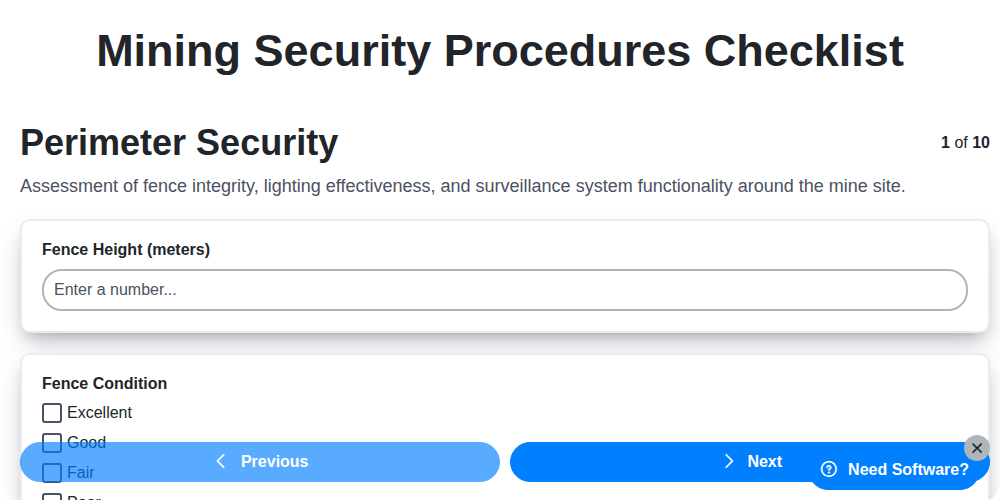
Mining Security Procedures Checklist: A Comprehensive Template for Safety
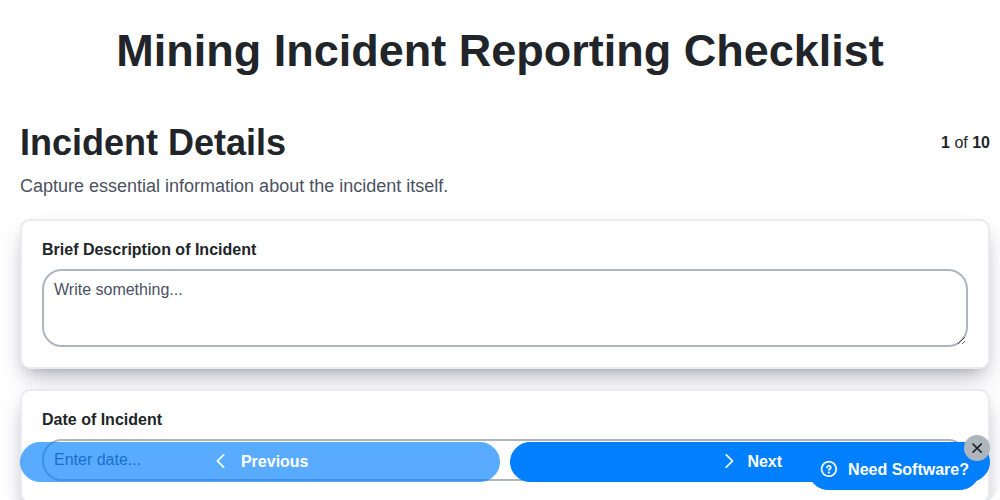
Ensuring Safety: Your Mining Incident Reporting Checklist Guide
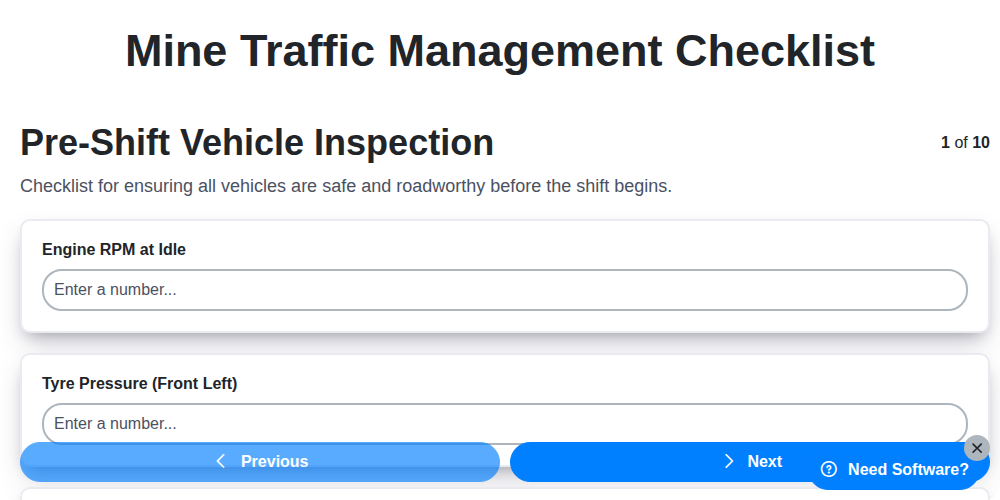
Ensuring Safety Underground: Your Mine Traffic Management Checklist Guide
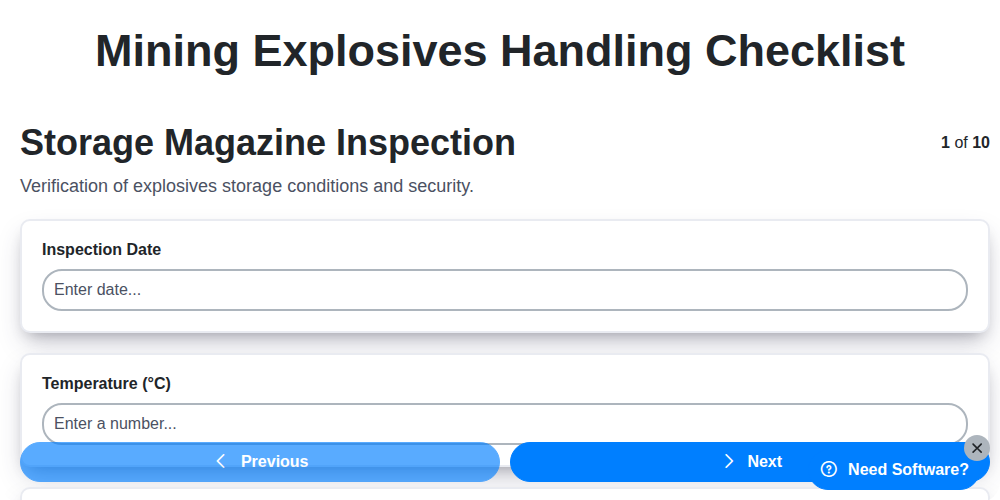
Ensuring Safety: Your Mining Explosives Handling Checklist Template
Ensuring Safety & Compliance: Your Mining Noise Monitoring Checklist Guide
Need help with
Mining Management?
Have a question? We're here to help. Please submit your inquiry, and we'll respond promptly.